
 EN
EN
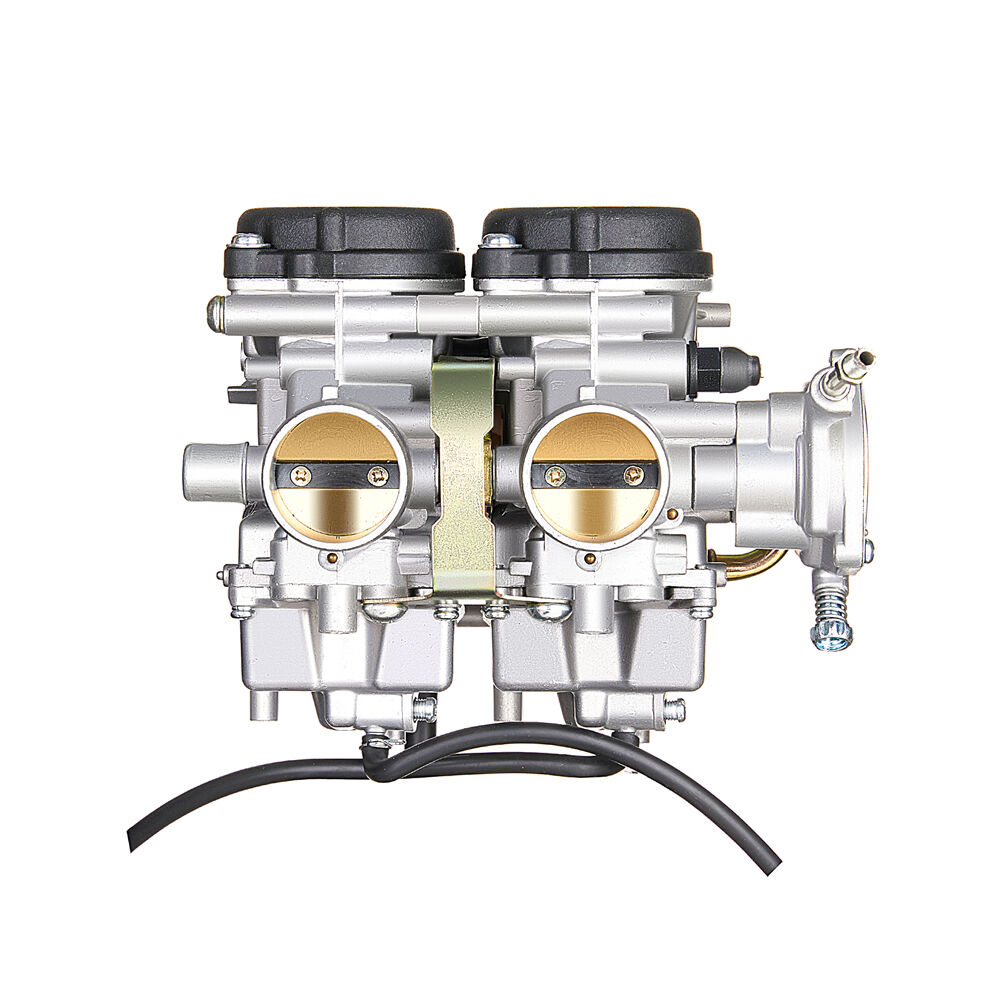
Moderné spaľovacie motory závisia od presného dodávania zmesi paliva a vzduchu, aby dosiahli optimálny výkon, pričom karburátor patrí medzi najzákladnejšie komponenty zodpovedné za túto kritickú funkciu. Porozumenie výhod karburátora odhaľuje, prečo tieto mechanické systémy dodávky paliva stále poskytujú výnimočnú hodnotu v nekonečnom množstve aplikácií – od motocyklov po malé motory – a ponúkajú výhody, ktoré sa výrazne rozširujú aj za rámec jednoduchej zmiešavania paliva. Vlastné konštrukčné charakteristiky karburátora vytvárajú jedinečné prevádzkové výhody, ktoré priamo ovplyvňujú výkon motora, jeho spoľahlivosť a užívateľskú skúsenosť spôsobmi, ktoré mnohé alternatívne systémy dodávky paliva ťažko napodobnia.
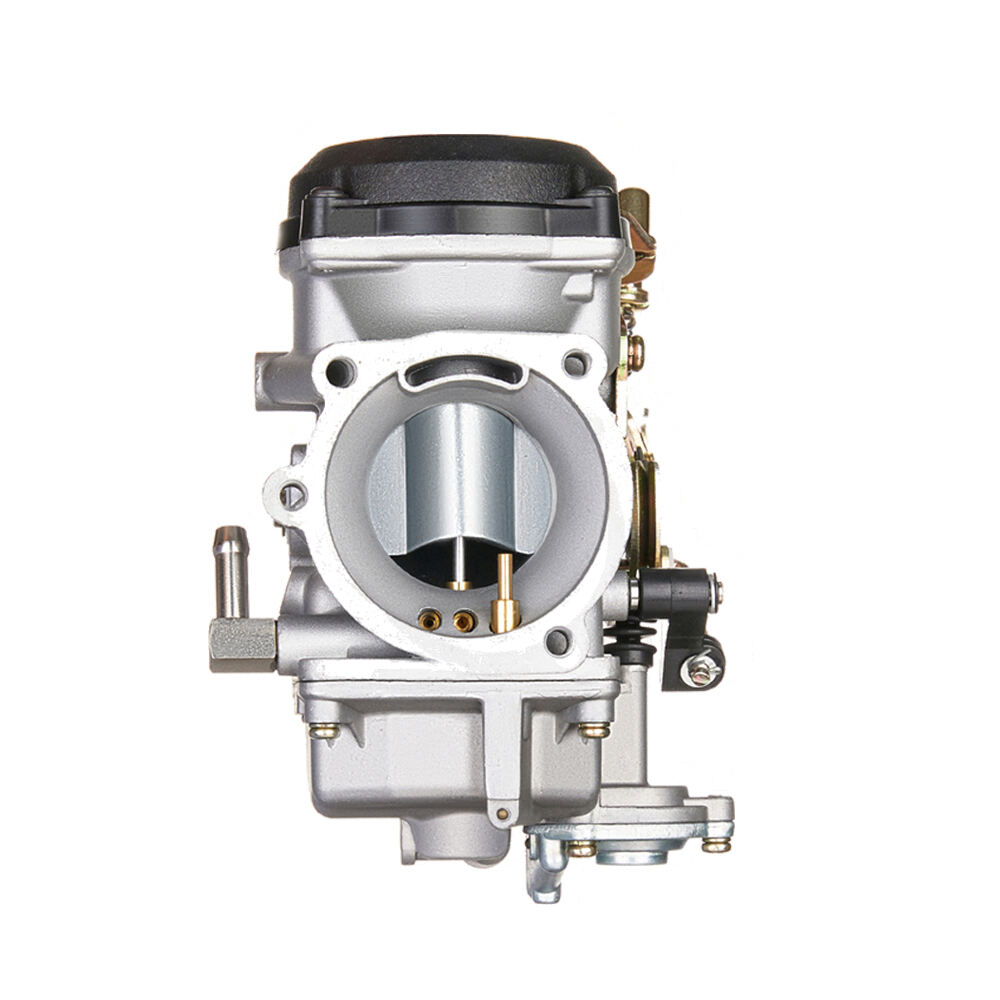
Mechanická jednoduchosť prevádzky karburátora sa prejavuje v hmatateľných výhodách výkonu, ktoré zabezpečujú hladký výstup výkonu a spoľahlivé zapálenie za rôznych prevádzkových podmienok. Na rozdiel od zložitých elektronických systémov vstrekovania paliva, ktoré závisia od viacerých senzorov a počítačového riadenia, karburátor využíva základné fyzikálne princípy na dávkovanie množstva paliva na základe rýchlosti prúdenia vzduchu a podtlaku, čím vytvára prirodzene reaktívny systém, ktorý sa automaticky prispôsobuje požiadavkám motora. Táto reaktivita umožňuje okamžitú reakciu na plyn a konzistentné dodávanie výkonu, čo mnohí jazdci a obsluhoví pracovníci považujú za lepšie v porovnaní s elektronicky riadenými alternatívami, najmä v aplikáciách, kde je kritickou požiadavkou výkonu okamžité zrýchlenie a hladké prechody medzi výkonovými úrovňami.
Výhody mechanickej jednoduchosti a spoľahlivosti
Znížená závislosť od elektroniky
Základnou výhodou konštrukcie karburátora je jeho mechanický princíp činnosti, ktorý eliminuje závislosť od elektronických komponentov, senzorov a počítačových riadiacich systémov, ktoré môžu pri náročných prevádzkových podmienkach zlyhať alebo sa porušiť. Karburátor funguje výhradne na základe mechanických princípov, pričom využíva efekt Venturiho trubice a podtlakový tlak na nasávanie paliva do prúdu vzduchu; to znamená, že systém pokračuje v činnosti aj v prípade problémov s elektrickými systémami alebo prerušenia dodávky energie. Táto mechanická nezávislosť robí motory vybavené karburátorom obzvlášť cennými v odľahlých lokalitách, extrémnych prostrediach alebo núdzových situáciách, keď sa spoľahlivosť elektroniky stáva pochybnou a okamžitý štart motora je nevyhnutný.
Absencia elektronických vstrekovačov paliva, tlakových snímačov, snímačov hmotnostného prietoku vzduchu a modulov riadenia motora výrazne zníži počet potenciálnych miest zlyhania v systéme dodávky paliva. Ak sa u karburátora vyskytnú problémy, sú tieto zvyčajne mechanického charakteru a často ich možno diagnostikovať a opraviť pomocou základných nástrojov a mechanických znalostí, bez nutnosti špeciálneho diagnostického vybavenia alebo nástrojov na komunikáciu s počítačom. Táto jednoduchosť rozširuje možnosti údržby aj na obsluhu, ktorá nemusí mať prístup k pokročilým opravovním zariadeniam ani elektronickým diagnostickým systémom.
Servisovateľnosť a opraviteľnosť priamo v teréne
Údržba a oprava karburátorov sa môže vykonávať za polních podmienok pomocou štandardných mechanických nástrojov, čo robí tieto systémy obzvlášť cennými pre aplikácie, kde je obmedzený prístup k okamžitej servisnej údržbe. Vnútorné komponenty karburátora, vrátane trysiek, ihličiek, plávajúcich prvkov a membrán, je možné pristupovať, čistiť, nastavovať alebo vymieňať bez špeciálneho vybavenia alebo postupov počítačového programovania. Táto výhoda údržby priamo na mieste sa stáva obzvlášť dôležitou pre komerčných prevádzkovateľov, poľnohospodárske aplikácie a rekreačných používateľov, ktorí potrebujú spoľahlivý chod ďaleko od autorizovaných servisných stredísk.
Diagnostický proces pri problémoch s karburátorom zvyčajne zahŕňa vizuálnu kontrolu, základné merania a mechanické nastavenia, ktoré môžu pochopiť a vykonať obsluhoví pracovníci so strednou úrovňou mechanických zručností. Na rozdiel od elektronických systémov vstrekovania paliva, ktoré môžu vyžadovať drahé diagnostické skenery a proprietárny softvér na identifikáciu problémov, odstraňovanie porúch karburátora sa opiera o pozorovateľné príznaky a mechanické vzťahy, ktoré poskytujú jasné pokyny pre postupy opravy. Táto prístupnosť zabezpečuje, že obsluhoví pracovníci môžu udržiavať maximálny výkon bez závislosti od špecializovanej servisnej infraštruktúry alebo technikov vyškolených výrobcom.
Dodávka výkonu a výkonové charakteristiky
Okamžitá reakcia na plyn
Priama mechanická spojka medzi ovládaním plynu a dodávkou paliva v karburátor vytvára okamžité reakčné charakteristiky, ktoré mnohí milovníci výkonu uprednostňujú pred elektronicky riadenými systémami vstrekovania paliva. Keď sa otvorí plyn, karburátor okamžite zväčší prietok vzduchu cez venturi, čo okamžite vťahuje do zmesi ďalšie množstvo paliva bez oneskorení spojených s elektronickým spracovaním, spätnou väzbou zo senzorov alebo dohou odpovede aktuátorov. Táto okamžitá reakcia sa prejavuje v jasnom zrýchľovaní a presnej kontrole výkonu, čo poskytuje výnimočnú spätnú väzbu pre jazdca alebo obsluhu za dynamických prevádzkových podmienok.
Mechanická povaha prevádzky karburátora znamená, že dodávka paliva reaguje priamo na skutočný prúd vzduchu, nie na vypočítaný prúd vzduchu na základe údajov zo snímačov a predurčených mapa palivových dávok. Táto reakcia v reálnom čase umožňuje karburátoru automaticky sa prispôsobiť meniacim sa atmosférickým podmienkam, kolísaniu teploty motora a požiadavkám zaťaženia bez potreby elektronického prekalibrovania alebo aktualizácií softvéru. Výsledkom je konzistentná reakcia na plynový pedál pri rôznych prevádzkových podmienkach, ktorá zabezpečuje predvídateľné výkonové charakteristiky bez ohľadu na vonkajšie faktory alebo stav elektronických systémov.
Hladké charakteristiky výkonového pásma
Dodávka paliva cez karburátor zabezpečuje prirodzene hladké prechody výkonu po celom rozsahu prevádzky motora prostredníctvom postupného dávkovania paliva, ktoré zodpovedá zmenám rýchlosti prúdenia vzduchu. Zásada venturiovej konštrukcie zaisťuje, že dodávka paliva stúpa úmernou mierou so zvyšujúcim sa prúdením vzduchu, čo vytvára lineárne charakteristiky výkonu a umožňuje vyhnúť sa náhlym prechodom, ktoré niekedy súvisia s mapovaním elektronického vstrekovania paliva. Táto hladká dodávka výkonu je obzvlášť výhodná pre aplikácie, ktoré vyžadujú presnú reguláciu rýchlosti, postupné zrýchľovanie alebo stály výkon pri rôznych zaťaženiach.
Viaceré obvody v návrhu karburátora, vrátane obvodu pre voľnobeh, prechodného obvodu, hlavného obvodu a obvodu pre obohatenie záťaže, spolupracujú tak, aby zabezpečili plynulé dodávanie paliva pri všetkých polohách škrtiacej klapky a otáčkach motora. Každý obvod sa postupne aktivuje so zvyšujúcim sa otvorením škrtiacej klapky a prúdením vzduchu, čím sa zabezpečí optimálny pomerný zloženie zmesi bez diskretných prepínacích bodov, ktoré môžu v elektronických systémoch spôsobiť nejednotné dodávanie výkonu. Táto postupná činnosť obvodov poskytuje hladké výkonové charakteristiky, ktoré robia motory s karburátorom obzvlášť vhodnými pre presné aplikácie a výkonovo orientované použitie.
Výhody zapálenia a štartovania
Výkon pri studenom štarte
Karburátorové systémy poskytujú výnikajúce možnosti studeného štartu prostredníctvom mechanických systémov s prítlakom, ktoré automaticky obohacujú zmes paliva na základe teploty motora a vstupu operátora. Mechanizmus prítlaku obmedzuje prívod vzduchu pri zachovaní dodávky paliva, čím vytvára bohatú zmes potrebnú na spoľahlivý štart za studena bez závislosti od elektronických senzorov alebo vyhrievaných komponentov, ktoré sa v extrémne nízkych teplotách nemusia správne funkčne prejaviť. Toto mechanické obohacenie zmesi pri studenom štarte zabezpečuje spoľahlivé zapálenie aj v prípade slabých batérií alebo poškodených elektrických systémov spôsobených nízkymi teplotami.
Dodávacie vlastnosti karburátora pri studenom štarte zabezpečujú okamžitú dostupnosť paliva na sacích prípojkách, čím sa eliminujú oneskorenia pri predbežnom naplnení, ktoré niekedy vyžadujú elektronické systémy vstrekovania. Mechanické palivové čerpadlá alebo systémy s gravitačným prívodom paliva používané spolu s karburátormi udržiavajú palivový tlak bez elektrickej energie, čo zaisťuje okamžitú dostupnosť paliva v momente, keď sa zapne štartér. Táto okamžitá dostupnosť paliva v kombinácii s mechanickým obohatením zmesi zabezpečuje vynikajúcu spoľahlivosť pri studenom štarte, čo je obzvlášť cenné pre núdzové zariadenia, sezónne stroje a vozidlá prevádzkované za extrémnych klimatických podmienok.
Kompatibilita so stálym časovaním zapálenia
Vlastnosti zmesi paliva dodávané systémami s karburátorom zabezpečujú vynikajúcu kompatibilitu s mechanickými aj elektronickými zapalovacími systémami, čo vedie k konzistentnému času spaľovania a optimalizuje výkon motora za všetkých prevádzkových podmienok. Homogénna zmes paliva a vzduchu vytvorená venturiovým účinkom karburátora sa spaľuje predvídateľne, čo umožňuje optimalizovať čas zapálenia na dosiahnutie maximálneho výkonu a spotreby paliva bez zložitých úprav času zapálenia pre rôzne charakteristiky dodávky paliva. Táto konzistentná kvalita zmesi zaisťuje, že čas zapálenia zostáva optimálny bez ohľadu na polohu škrtiacej klapky alebo zaťaženie motora.
Dodávka paliva cez karburátor zabezpečuje konzistentné rozdeľovanie zmesi do viacerých valcov v viacvalcových motroch, čím sa zabezpečí, že optimalizácia času zapálenia prospeje všetkým valcom rovnako. Na rozdiel od elektronických vstrekovacích systémov, ktoré môžu mať malé odchýlky v prevádzkovom výkone jednotlivých vstrekovačov alebo v rozdelení palivového tlaku, správne naladený karburátor dodáva všetkým valcom identické charakteristiky zmesi, čo umožňuje rovnaký čas spaľovania a vyvážený výkon. Táto rovnaká dodávka zmesi je obzvlášť dôležitá pre vysokovýkonné aplikácie, kde konzistencia medzi jednotlivými valcami priamo ovplyvňuje celkový výkon a spoľahlivosť motora.
Prevádzkové náklady a výhody údržby
Nižšie počiatočné náklady na systém
Výrobné nákladové výhody systémov s karburátorom ich robia atraktívnymi pre aplikácie s obmedzeným rozpočtom a nákladovo citlivé trhy, kde sa rozhodnutie o nákupe výrazne ovplyvňuje počiatočnou cenou nákupu. Kompletný systém dodávky paliva s karburátorom vyžaduje menej komponentov vyrobených s vysokou presnosťou v porovnaní s elektronickým vstrekovaním paliva, čím sa eliminujú drahé vysokotlakové palivové čerpadlá, presné vstrekovače, viacero senzorov a elektronické riadiace moduly. Toto zníženie počtu komponentov sa priamo prejavuje nižšími počiatočnými nákladmi na systém, čo robí motory s karburátorom dostupnými pre základné aplikácie a trhy, kde je cena rozhodujúcim faktorom konkurencieschopnosti.
Absencia vysokopresných elektronických komponentov v karburátorových systémoch tiež zníži požiadavky na kontrolu kvality pri výrobe a eliminuje potrebu drahých elektronických kalibračných postupov počas výroby. Nastavenie a ladenie karburátora možno vykonať mechanickými postupmi, ktoré nepotrebujú sofistikované testovacie zariadenia ani programovanie počítačom, čím sa ďalšie znížia výrobné náklady a zložitosť. Tieto cenové výhody umožňujú výrobcom ponúkať spoľahlivé systémy dodávky paliva za ceny, ktoré podporujú širší prístup na trhu, pri súčasnom zachovaní akceptovateľných ziskových marží.
Jednoduchšia údržba
Pravidelné údržbové postupy pre systémy s karburátorom zahŕňajú jednoduché mechanické operácie, ktoré je možné vykonať pomocou základných nástrojov a ľahko dostupných čistiacich prostriedkov, čím sa znížia dlhodobé náklady na údržbu a zložitosť servisných prác. Pravidelné čistenie, nastavovanie a výmena komponentov karburátora sa zvyčajne dajú vykonať bez špeciálneho školenia alebo drahých diagnostických zariadení, čo umožňuje prevádzkovateľom vykonávať údržbové práce nezávisle alebo prostredníctvom miestnych servisných poskytovateľov. Táto jednoduchosť údržby zníži nielen priame náklady na údržbu, ale aj výpadkový čas prevádzky spôsobený servisnými požiadavkami.
Zásoby náhradných dielov pre systémy karburátorov sa skladajú predovšetkým z mechanických komponentov, ako sú tesniace podložky, trysky, ihly a membrány, ktoré sú relatívne lacné a široko dostupné prostredníctvom viacerých dodávacích kanálov. Na rozdiel od komponentov elektronického vstrekovania paliva, ktoré môžu vyžadovať špecifické čísla dielov a autorizované predajné siete, náhradné diely pre karburátory sa často dajú získať od viacerých dodávateľov a v niektorých prípadoch dokonca lokálne vyrobiť. Táto výhoda dostupnosti dielov zabezpečuje, že údržba sa dá vykonať včas bez predĺženej prestávky spôsobenej čakaním na špecializované komponenty alebo postupy schválenia výrobku výrobcom.
Prispôsobivosť prostrediu a všestrannosť
Prispôsobenie nadmorskej výške a teplote
Systémy karburátorov preukazujú vynikajúcu prispôsobivosť rôznym environmentálnym podmienkam prostredníctvom mechanických nastavovacích možností, ktoré umožňujú optimalizáciu pre konkrétne prevádzkové nadmorské výšky, teploty a atmosférické tlaky. Trysky a ihly v karburátore je možné prekonfigurovať tak, aby kompenzovali zmeny hustoty vzduchu na rôznych nadmorských výškach, čím sa zabezpečí optimálna zmes paliva bez ohľadu na zmeny barometrického tlaku. Táto mechanická prispôsobivosť robí motory s karburátorom obzvlášť vhodnými pre aplikácie, ktoré sa prevádzkujú v širokom rozsahu nadmorských výšok alebo v lokalitách, kde sa atmosférické podmienky výrazne menia.
Teplotné výkyvy ovplyvňujú výkon karburátora predvídateľným spôsobom, ktorý možno kompenzovať mechanickými nastaveniami a výberom komponentov, čím sa zabezpečí konzistentný prevádzkový výkon v extrémnych teplotných rozsahoch. Teplotné rozťažnosť komponentov karburátora sa dá riadiť výberom materiálov a špecifikáciou medzier, zatiaľ čo zmeny v odparovaní paliva spôsobené teplotou možno vyrovnať úpravou veľkosti trysiek a dizajnu venturiho kanála. Táto tepelná prispôsobivosť zaisťuje spoľahlivý prevádzkový výkon v extrémne chladných i vysokoteplotných prostrediach, kde elektronické systémy môžu mať zníženú spoľahlivosť alebo degradáciu výkonu.
Odolnosť voči kvalite paliva
Robustný dizajn systémov dodávky paliva cez karburátor poskytuje vynikajúcu odolnosť voči zmenlivej kvalite a zloženiu paliva, čo robí tieto systémy obzvlášť cennými pre aplikácie, pri ktorých nie je zaručená dostupnosť vysokej kvality paliva. Prevádzka karburátora nezávisí od presného tlaku paliva alebo časovania vstrekovania, ktoré by mohli byť ovplyvnené zmenami kvality paliva, a umožňuje tak úspešnú prevádzku s palivami, ktoré obsahujú vyššie množstvo kontaminantov alebo majú iné oktánové číslo, ako bolo pôvodne špecifikované. Táto výhoda odolnosti voči rôznym typom paliva je obzvlášť dôležitá pri prevádzke v odľahlých oblastiach, medzinárodných aplikáciách alebo v núdzových situáciách, keď môže byť kontrola kvality paliva nekonzistentná.
Väčšie palivové kanály a mechanické filtračné schopnosti v systémoch s karburátorom poskytujú prirodzenú ochranu proti kontaminácii paliva, ktorá by mohla znepoužiteľniť elektronické vstrekovacie systémy s ich presnými otvormi a citlivými elektronickými komponentmi. Tryska a kanály karburátora zvyčajne dokážu absorbovať drobné nečistoty v palive bez okamžitého zníženia výkonu, zatiaľ čo mechanické palivové čerpadlá, ktoré sa bežne používajú spolu s karburátormi, sú menej citlivé na zmeny kvality paliva v porovnaní s vysokotlakovými elektronickými čerpadlami. Táto odolnosť voči kontaminácii zaisťuje nepretržitý prevádzkový chod za podmienok, keď sa kvalita paliva nedá prísne kontrolovať alebo monitorovať.
Často kladené otázky
Ako karburátor zabezpečuje hladší výkon v porovnaní s palivovým vstrekovaním?
Karburátor zabezpečuje hladší výkon prostredníctvom svojho mechanického venturího dizajnu, ktorý vytvára proporcionálny prívod paliva v súlade s rýchlosťou prietoku vzduchu, čo má za následok lineárne prechody výkonu bez diskretných prepínacích bodov, ktoré sa vyskytujú pri mapovaní elektronického vstrekovania paliva. Viacnásobné progresívne obvody v karburátore sa aktivujú bezproblémovo so zvyšujúcim sa otvorením škrtiacej klapky a poskytujú nepretržitú optimalizáciu prívodu paliva vo všetkých otáčkach motora bez náhlych prechodov alebo elektronických oneskorení, ktoré môžu spôsobiť nezrovnalosti pri dodávke výkonu.
Prečo karburátory umožňujú jednoduchšie zapálenie za studeného počasia?
Karburátory umožňujú jednoduchšie štartovanie v chladnom počasí prostredníctvom mechanických systémov s uzáverom (choke), ktoré automaticky obohatia zmes paliva bez závislosti od elektrických komponentov alebo vyhrievaných senzorov, ktoré sa v extrémne nízkych teplotách nemusia správne funkčne prejaviť. Mechanický systém dodávky paliva zabezpečuje okamžitú dostupnosť paliva hneď po spustení motora, zatiaľ čo mechanizmus uzáveru (choke) vytvorí bohatú zmes potrebnú na spoľahlivé štartovanie v chladnom počasí bez nutnosti elektrickej energie z batérie alebo prevádzky elektronických systémov, ktoré by mohli byť vplyvom nízkych teplôt kompromitované.
Čo robí údržbu karburátorov jednoduchšou v porovnaní s údržbou elektronického vstrekovania paliva?
Údržba karburátora je jednoduchšia, pretože všetky údržbové postupy zahŕňajú mechanické operácie s použitím základných nástrojov bez potreby špeciálneho diagnostického vybavenia, počítačových rozhraní alebo elektronických programovacích schopností. Poruchy karburátora možno diagnostikovať vizuálnou kontrolou a mechanickými testami, pričom opravy sa týkajú prístupných komponentov, ako sú trysky, tesniace podložky a nastaviteľné mechanizmy, ktoré je možné servisovať priamo v teréne bez výcviku v továrni alebo prístupu k proprietárnemu softvéru.
Ako karburátory udržiavajú konzistentný výkon za rôznych prevádzkových podmienok?
Karburátory udržiavajú konzistentný výkon prostredníctvom mechanického prispôsobenia, ktoré automaticky upravuje dodávku paliva na základe skutočného prietoku vzduchu a podtlaku v motore, namiesto závislosti od elektronických senzorov, ktoré by mohli za extrémnych podmienok poskytovať nepresné údaje. Mechanická povaha prevádzky karburátorov znamená, že dodávka paliva reaguje priamo na aktuálne požiadavky motora bez elektronických oneskorení spracovania alebo závislosti od kalibrácie, ktoré by mohli ovplyvniť konzistenciu výkonu za rôznych environmentálnych alebo prevádzkových podmienok.
Obsah
- Výhody mechanickej jednoduchosti a spoľahlivosti
- Dodávka výkonu a výkonové charakteristiky
- Výhody zapálenia a štartovania
- Prevádzkové náklady a výhody údržby
- Prispôsobivosť prostrediu a všestrannosť
-
Často kladené otázky
- Ako karburátor zabezpečuje hladší výkon v porovnaní s palivovým vstrekovaním?
- Prečo karburátory umožňujú jednoduchšie zapálenie za studeného počasia?
- Čo robí údržbu karburátorov jednoduchšou v porovnaní s údržbou elektronického vstrekovania paliva?
- Ako karburátory udržiavajú konzistentný výkon za rôznych prevádzkových podmienok?