
 EN
EN
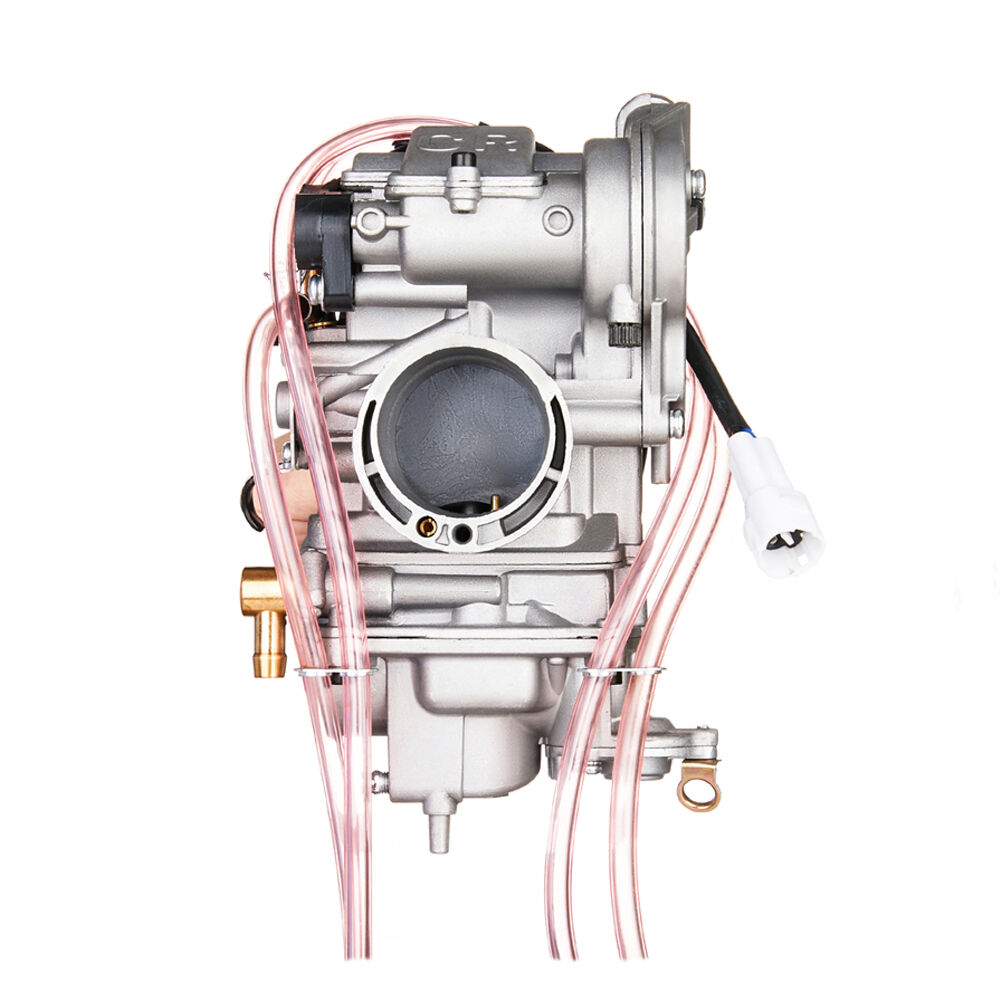
Entuziastët dhe mekanikët e motocikletave moderne po përqendrohen gjithnjë e më shumë në optimizimin e efikasitetit të konsumit të karburantit pa hequr nga performanca. Karburatori shërben si zemra e këtij procesi optimizimi, duke kontrolluar përbërjen e saktë ajer-karburant që përcakton edhe performancën e motorit edhe konsumin e karburantit. Kuptimi i mënyrës së duhur të mirëmbajtjes, rregullimit dhe përmirësimit të karburatorit tuaj mund të çojë në përmirësime të konsiderueshme në ekonomikën e karburantit, duke ruajtur fuqinë dhe besueshmërinë që pritni nga motocikleta juaj. Ky udhëzues i plotë eksploron lidhjen e ngushtë midis funksionimit të karburatorit dhe efikasitetit të konsumit të karburantit, duke ofruar hapa praktikë për reduktimin e konsumit të karburantit përmes optimizimit strategjik.
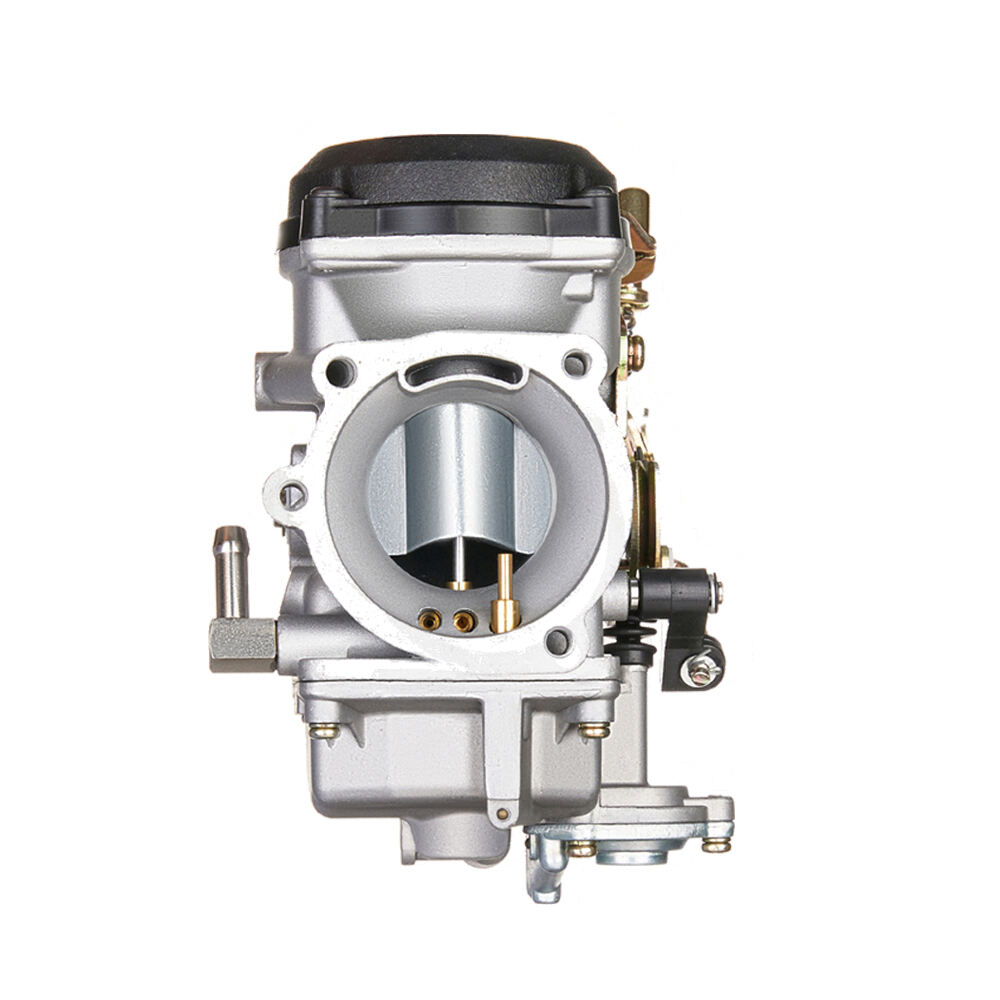
Kuptimi i funksionimit të karburatorit në ekonomikën e karburantit
Shkenca pas raporteve të përbërjes ajer-karburant
Parimi themelor i funksionimit të karburatorit qëndron në krijimin e përbërjes optimale ajër-transport për efikasitetin e djegies. Një karburator i funksionueshëm mirë mban një raport stoikiometrik prej rreth 14,7 pjesë ajër ndaj 1 pjesë transporti për motorët me benzinë. Ky ekuilibër i saktë siguron djegien e plotë, duke maksimizuar nxjerrjen e energjisë nga çdo pika e transportit, ndërkohë që minimizon humbjet përmes hidrokarbureve të padjegur. Kur përbërja bëhet shumë e pasur, transporti i tepërt kalon përmes kamerës së djegies pa djegur, duke zvogëluar drejtpërdrejt efikasitetin e transportit dhe duke rritur emisionet.
Dizajnet moderne të karburatorëve përfshijnë sisteme të sofistikuara të matjes që përgjigjen ndaj pozicionit të akceleratorit, ngarkesës së motorit dhe kushteve atmosferike. Qarku kryesor, qarku pilot dhe vana e gjilpërzës punojnë në harmoni për të furnizuar sasinë e duhur të karburantit në kushte të ndryshme funksionimi. Kuptimi i këtyre komponentëve lejon mekanikëve dhe entuziastëve të rregullojnë me saktësi karburatorin e tyre për konsumimin optimal të karburantit, duke ruajtur njëkohësisht dorëzimin e përshtatshëm të fuqisë në tërë gamën e rrotullimeve në minutë (rpm).
Temperatura dhe lartësia ndikojnë në mënyrë të konsiderueshme në performancën e karburatorit dhe në efikasitetin e konsumit të karburantit. Kur dendësia e ajrit zvogëlohet me rritjen e lartësisë ose rritet me rritjen e temperaturës, karburatori duhet të kompensojë për të ruajtur raportet e përshtatshme të përzierjes. Mungesa e përdorimit të këtyre faktorëve mjedisorë mund të çojë në gjendje të pasur të përzierjes, që shkakton humbje të karburantit dhe redukton efikasitetin e përgjithshëm. Rregullimi profesional merr parasysh këto variabla për të siguruar performancë të qëndrueshme në mjedise të ndryshme funksionimi.
Ndikimi i Dizajnit të Karburatorit në Konsumin e Karburantit
Dizajnet e ndryshëm të karburatorit ofrojnë nivele të ndryshme potenciale efikasiteti në përdorimin e karburantit. Karburatorët me shpejtësi konstante, për shembull, rregullojnë automatikisht furnizimin e karburantit në bazë të shpejtësisë së rrjedhjes së ajrit, duke ofruar një ekonomi më të mirë të karburantit krahasuar me dizajnet me venturi të fiksuar. Dizajni CV përgjigjet më saktë ndaj hyrjeve të akceleratorit, duke zvogëluar humbjet e karburantit gjatë kalimeve midis fazingut të qëndrimit dhe atij të nxitimit. Kjo përgjigje e shpejtë shndërrohet drejtpërdrejt në përmirësimin e efikasitetit të karburantit gjatë kushteve tipike të ecjes.
Madhësia e venturisë luajnë një rol të rëndësishëm në përcaktimin e karakteristikave të efikasitetit të karburantit. Venturitë më të vogla krijojnë nivele më të larta vakuumi në hapje të ulëta të akceleratorit, duke përmirësuar atomizimin e karburantit dhe cilësinë e përzierjes. Megjithatë, venturitë shumë të kufizuara mund të kufizojnë performancën në rrotullimet e larta në minutë, kështu që kërkohet një ekuilibër i kujdesshëm midis efikasitetit dhe prodhimit të fuqisë. Madhësia optimale e venturisë varet nga kapaciteti i motorit, përdorimi i synuar dhe kërkesat e performancës.
Dizajni i kamerës së lundrimit dhe rregullimet e nivelit të karburantit ndikojnë drejtpërdrejt në cilësinë e përzierjes dhe në konsumin e karburantit. Rregullimi i duhur i lundruesit siguron furnizimin e qëndrueshëm të karburantit në të gjitha kushtet e funksionimit, duke parandaluar kushtet e pasur (me shumë karburant) ose të varfëra (me pak karburant) që komprometojnë efikasitetin. Dizajnet moderne të karburatorëve përfshijnë sisteme të përmirësuara të lundruesit që ruajnë nivele të qëndrueshme të karburantit edhe gjatë ecjes agresive, duke kontribuar në performancën e qëndrueshme të ekonomisë së karburantit.
Mirëmbajtja e Karburatorit për Efikasitetin Optimal të Karburantit
Procedurat Esenciale të Pasterimit dhe Kontrollit
Pastrimi i rregullt i karburatorit formon bazën e optimizimit të efikasitetit të konsumit të karburantit. Kalimet e kontaminuara të karburantit, gypat e bllokuar dhe kamerat e plumbit të ndotura shkaktojnë shkelje të saktësisë së matjes së karburantit, duke çuar në gjendje të pasur të punimit dhe në rritjen e konsumit. Një procedurë e plotë pastrimi përfshin zbardhjen e plotë, pastrimin me ultratinguj të të gjitha komponentëve metalikë dhe inspektimin e kujdesshëm të modeleve të konsumimit në sipërfaqet kryesore të matjes. Ky qasje e hollësishme siguron që çdo kalim i karburantit të dorëzojë sasinë e duhur pa kufizime apo kontaminim.
Inspektimi i gypave të karburantit kërkon vëmendje të veçantë gjatë procedurave të mirëmbajtjes. Edhe depozitat mikroskopike mund të ndryshojnë karakteristikat e rrjedhës së karburantit, duke pasuar raportet e përzierjes dhe efikasitetin e karburantit. Mekanikët profesionalë përdorin thithësa me presion të lartë ose tela për pastrimin e gypave që heqin depozitat pa dëmtuar orifiket e kalibruara me kujdes. Zëvendësimi i gypave të dëmtuar ose të konsumuar me specifikime të sakta ruan karakteristikat e dorëzimit të karburantit të parashikuara nga prodhuesi dhe ruan efikasitetin optimal.
Gjëndja e plumbit dhe e valvulës së iglesë ndikon drejtpërdrejt në stabilitetin e nivelit të karburantit dhe në konzistencën e përzierjes. Valvulat e iglesë të konsumuara lejojnë rrjedhje të tepërt karburanti, duke krijuar kushte të pasura që shpërndajnë karburantin dhe zvogëlojnë performancën. Ngjashëm, plumbat e dëmtuar ose rregullimet e gabuara të nivelit të plumbit mund të shkaktojnë mbushje të tepërt (flooding) ose kushte të varfra, të cilat të dyja komprometohen efikasitetin e karburantit. Inspektimi i rregullt dhe zëvendësimi i këtyre komponentëve siguron matjen e besueshme të karburantit në të gjitha kushtet e funksionimit.
Teknikat e rregullimit për përmirësimin e ekonomisë
Rregullimi i saktë i karburatorit kërkon një qasje sistematike dhe mjetet e duhura të diagnostikimit. Duke filluar me rregullimin e përzierjes në xhirok, qëllimi është arritja e një xhiroku të lëmuar me përzierjen sa më të hollë që mban stabilitetin. Ky proces përfshin zakonisht rrotullimin gradual të vrimës së përzierjes drejt një përzierje më të hollë, duke monitoruar përgjigjen e motorit dhe gjetjen e pikës optimale menjëherë para fillimit të zhurmës. Rregullimi i duhur i përzierjes në xhirok vendos bazën për të gjitha qarqet e tjera të furnizimit me karburant.
Zgjedhja e jetit kryesor ndikon në mënyrë të konsiderueshme në efikasitetin e karburantit në shpejtësitë e udhëtimit, ku motocikletat kalojnë pjesën më të madhe të kohës së tyre të funksionimit. Testimi i madhësive të ndryshme të jetit, duke monitoruar temperaturën e gazrave të shkarkimit dhe gjendjen e buxhinit, zbulon ekuilibrin optimal midis performancës dhe ekonomisë. Një rregullim pak më i hollë mund të përmisojë efikasitetin e karburantit pa dëmtuar besnikërinë, kur kjo bëhet brenda parametrave të sigurtë dhe konfirmohet përmes procedurave të duhura të diagnostikimit.
Rregullimi i pompës së akceleratorit ndikon në efikasitetin e konsumit të karburantit gjatë kalimeve të shpejtësisë. Furnizimi i tepërt i pompës krijon kushte të pasura momentalisht gjatë akcelerimit, duke humbur karburant dhe mundësisht duke shkaktuar ngurrim. Zvogëlimi i rrugës ose të kohëzgjatjes së pompimit mund të përmisojë efikasitetin, duke ruajtur një përgjigje të pranueshme të shpejtësisë. Ky rregullim kërkon testime të kujdesshme për të siguruar furnizimin e mjaftueshëm të karburantit gjatë akcelerimit të shpejtë, ndërkohë që minimizon konsumin e tepërt të karburantit gjatë operimit normal.
Strategji të Avancuara Optimizimi
Integrimi i Monitorimit Elektronik të Karburantit
Optimizimi modern i efikasitetit të karburantit përfshin gjithnjë e më shumë sistemet elektronike të monitorimit që ofrojnë informacion në kohë reale mbi karburator performanca. Matësit e raportit ajër-ajër lejojnë monitorimin e saktë të kushteve të përzierjes nëpër skenare të ndryshme operimi, duke mundësuar rregullimet e hollësishme që maksimizojnë efikasitetin. Këto sisteme ofrojnë një përgjigje të menjëhershme për efektet e ndryshimeve të injektorëve, rregullimeve të nivelit të flotuesit dhe modifikimeve të tjera, duke shpejtuar procesin e optimizimit dhe duke siguruar një funksionim të sigurt.
Aftësitë e regjistrimit të të dhënave lejojnë një analizë të plotë të modeleve të konsumit të karburantit për periudha të gjata dhe në kushte të ndryshme të ecjes. Duke regjistruar raportet ajër-ajër, pozicionet e throtlit dhe parametrat e motorit, shoferët dhe mekanikët mund të identifikojnë kushtet e veçanta të punës ku janë të mundshme përmirësimet e efikasitetit. Kjo informacion udhëzon modifikimet e synuara dhe ndihmon në prioritetizimin e përpjekjeve të optimizimit për përfitime maksimale në ekonomine e karburantit.
Integrimi me sistemet e menaxhimit të motorit lejon optimizimin koordinuar të kohëzgjatjes së ndezjes dhe furnizimit me karburant për efikasitet të përmirësuar. Megjithëse karburatorët nuk kanë kontrollin e saktë të injektimit elektronik të karburantit, sistemet elektronike të ndezjes mund të programohen për të plotësuar karakteristikat e karburatorit, duke maksimizuar efikasitetin e djegies dhe ekonominë e karburantit. Ky qasje e integruar adreson edhe furnizimin me karburant edhe kohëzgjatjen e ndezjes për të arritur efikasitetin optimal të përgjithshëm.
Modifikimet e Performancës për Ekonomi
Modifikimet e shkallës së shpejtësisë mund të përmirësojnë karakteristikat e rrjedhës së ajrit dhe atomizimin e karburantit, duke kontribuar në përmirësimin e ekonomisë së karburantit. Shkallët e shpejtësisë të dizajnuara mirë e rregullojnë rrjedhën e ajrit në venturinë e karburatorit, duke zvogëluar turbulencën dhe duke përmirësuar cilësinë e përzierjes. Atomizimi i përmirësuar rezulton në djegie më të plotë dhe përdorim më të mirë të karburantit, duke përkthyer këtë në përmirësime të matshme të efikasitetit gjatë operimit në gjendje të qëndrueshme.
Sistemet e filtrimit të ajrit me rrjedhë të lartë punojnë në mënyrë sinergjike me modifikimet e karburatorit për të përmirësuar efikasitetin e përgjithshëm. Zvoglimi i kufizimit të hyrjes lejon karburatorin të funksionojë më efikas, veçanërisht në rpm më të larta ku filtrat e zakonshëm të ajrit mund të krijojnë një rënie të tepërt të shtypjes. Megjithatë, rritja e rrjedhës së ajrit kërkon rregullime korresponduese të furnizimit me karburant për të ruajtur raportet optimale të përzierjes dhe për të ruajtur përfitimet e efikasitetit nga frymëmarrja e përmirësuar.
Optimizimi i sistemit të shkarkimit plotëson rregullimin e karburatorit për efikasitet më të mirë të karburantit. Nivelët e përshtatshme të presionit të kundërt në shkarkim mbështesin djegien e plotë, duke shmangur kufizimin e tepërt që zvogëlon efikasitetin volumetrik. Interaksioni midis sistemeve të hyrjes, karburimit dhe shkarkimit kërkon një qasje të përgjithshme të rregullimit që merr parasysh të gjitha komponentët që punojnë bashkë për të aritur ekonomi maksimale të karburantit pa zhdukur performancën apo besueshmërinë.
Faktorë të Ambientit dhe të Veprimit
Kompensimi i Lartësisë dhe Temperaturës
Operimi në lartësi të lartë paraqet sfida unike për optimizimin e efikasitetit të karburatorit në përdorimin e karburantit. Zvogëlimi i dendësisë së ajrit kërkon një regullim më të hollë të gypave për të ruajtur raportet e duhura të përzierjes, por një regullim i tepërt i hollësuar mund të shkaktojë detonim dhe dëmtim motori. Rregullimi profesional për lartësinë përfshin zvogëlimin gradual të madhësisë së gypave, duke monitoruar temperaturën e gazeve të shkarkimit dhe treguesit e performancës së motorit. Ky qasje e kujdesshme siguron efikasitetin optimal të karburantit, duke ruajtur në të njëjtën kohë operimin e sigurt në lartësi të ndryshme.
Variacionet e temperaturës gjatë stive të shkeljes kërkojnë rregullime sezonale të karburatorit për efikasitet optimal të karburantit. Operimi në mot të ftohtë zakonisht kërkon përzierje më të pasur për nisje të besueshme dhe ngrohje, ndërsa moti i ngrohtë mund të lejojë rregullime më të hollësuar për përmirësimin e ekonomisë. Kuptimi i këtyre kërkesave sezonale ndihmon shkelësit të ruajnë efikasitetin optimal të karburantit gjatë tërë vitit përmes procedurave të përshtatshme të rregullimit dhe të zgjedhjes së gypave.
Nivelet e lagështisë ndikojnë në mënyrë të konsiderueshme në performancën e karburatorit dhe në karakteristikat e konsumit të karburantit. Lagështia e lartë zvogëlon efektivisht dendësinë e ajrit, duke kërkuar rregullime të vogla të përzierjes për të kompensuar përmbajtjen e ulët të oksigjenit. Tunuesit e përvojushëm zhvillojnë një ndjeshmëri ndaj këtyre faktorëve mjedisore dhe bëjnë rregullime të vogla për të mbajtur efikasitetin maksimal në kushte atmosferike të ndryshme.
Efektet e Cilësisë dhe Përbërjes së Karburantit
Variacionet në cilësinë e karburantit ndikojnë drejtpërdrejt në performancën e karburatorit dhe në potencialin e efikasitetit të karburantit. Karburantët me oktan më të lartë mund të lejojnë një rregullim më agresiv për përmirësimin e efikasitetit, ndërsa karburantët e cilësisë më të ulët mund të kërkojnë rregullime më të kujdesshme për të parandaluar detonimin. Kuptimi i përbërjes dhe cilësisë së karburantit ndihmon në optimizimin e rregullimeve të karburatorit për efikasitetin maksimal me opsionet e karburantit të disponueshme, duke ruajtur në të njëjtën kohë sigurinë dhe besnikërinë e motorit.
Përmbajtja e etanolit në benzinën moderne ndikon në efikasitetin e karburatorit në mënyra të shumta. Përmbajtja më e ulët energjetike e etanolit kërkon përziera pak më të pasura për të ruajtur prodhimin e fuqisë, gjë që mund të zvogëlojë ekonomikën e karburantit. Megjithatë, vlera më e lartë oktanike e etanolit mund të lejojë avancime të kohëzimit që kompensojnë pjesërisht disavantazhin e dendësisë së energjisë. Rregullimi i karburatorit për karburantet me përzierje etanoli kërkon kuptimin e këtyre faktorëve të kundërt për të arritur efikasitetin optimal.
Ndryshimet e formulave sezonale të karburantit ndikojnë në performancën e karburatorit gjatë tërë vitit. Përzierjet e karburantit për dimër zakonisht kanë volatilitet më të lartë për nisjen në mot të ftohtë, por mund të shkaktojnë probleme të "vapor lock" në mot të ngrohtë. Formulimet për verë ofrojnë stabilitet më të mirë në mot të ngrohtë, por mund të kërkojnë rregullime më të pasura të përzierjes për nisjen në mot të ftohtë. Përshtatja e rregullimeve të karburatorit sipas ndryshimeve sezonale të karburantit ruan ekonomikën e karburantit të qëndrueshme në kushte të ndryshme operimi.
Zgjidhja e Problemeve të Zakonshme të Efikasitetit
Identifikimi i Kushteve të Punimit të Pasur
Kushtet e pasur të funksionimit paraqesin shkakun më të përbashkët të efikasitetit të ulët të karburantit te motocikletat me karburator. Simptomat përfshijnë tym të zi nga shpërndarja, erë të karburantit, përgjigje të dobët të akceleratorit dhe reduktim të ekonomisë së karburantit. Diagnoza sistematike përfshin kontrollin e nivelit të plumbit, inspektimin për valvula të papërsosura të murrmës dhe verifikimin e madhësisë së duhur të gypave për kushtet aktuale të funksionimit. Zgjidhja e kushteve të pasura përmes rregullimeve dhe mirëmbajtjes së duhur sjell zakonisht përmirësim të menjëhershëm të efikasitetit të karburantit.
Analiza e bujëzave të shkarkimit ofron informacione të vlefshme rreth kushteve të përzierjes dhe potencialit të efikasitetit të karburantit. Depozitat të errëta dhe të mbushura me tym tregojnë funksionim të pasur dhe humbje të karburantit, ndërsa bujëzat të bardha ose me ngjyrë të çelur tregojnë kushte të varfra që mund të komprometohen besueshmërinë. Efikasiteti optimal korrespondon zakonisht me ngjyrën të gjelbër-të verdhë ose të kafë të bujëzave, duke treguar djegien e plotë pa konsumim të tepërt të karburantit apo kushte të rrezikshme të varfërisë.
Analiza e gazeve të shpërndara duke përdorur pajisje moderne diagnozuese lejon vlerësimin dhe optimizimin e saktë të përzierjes. Sensorët e oksigjenit dhe analizatorët e gazeve ofrojnë të dhëna sasive mbi efikasitetin e djegies, duke lejuar rregullime të përqendruara për përmirësimin e ekonomisë së karburantit. Ky qasje shkencore eliminon supozimet dhe lejon rregullimin e saktë të karburatorit për efikasitet maksimal, duke ruajtur parametrat e sigurt të funksionimit.
Zgjidhja e Kushteve të Hapur dhe Efiqet e Tyre
Nëse kushtet e pasura shpenzojnë karburant, kushtet e tepër të hapa mund të dëmtojnë motorët dhe në fakt të zvogëlojnë efikasitetin përmes djegies të paplotë dhe humbjes së fuqisë. Kushtet e hapa shfaqen shpesh si heshtje, djegie e kundërt (backfiring) dhe temperaturë e lartë e gazeve të shpërndara. Diagnoza e duhur përfshin rregullimin e kujdesshëm të përzierjes, duke monitoruar njëkohësisht temperaturën e motorit dhe performancën e tij, për të gjetur ekuilibrin optimal midis efikasitetit dhe besueshmërisë.
Levizjet e vakumit paraqesin një shkak të përbashkët të kushteve të holla që komprometojnë si performancën ashtu edhe efikasitetin e konsumit të karburantit. Këto përfshijnë çarjet në mbulesat e hyrjes, montimin e lëngët të karburatorit dhe paketat e dëmtuara, të cilat lejojnë hyrjen e ajrit pa matje në motor, duke shtrembëruar raportet e përzierjes. Zbulimi sistematik i rrjedhjeve me testet e tymit ose pasurimin me propan ndihmon në identifikimin dhe riparimin e këtyre problemeve, duke rivendosur kontrollin e duhur të përzierjes dhe efikasitetin e konsumit të karburantit.
Përbërësit e konsumuar të karburatorit mund të krijojnë kushte të holla që zvogëlojnë efikasitetin dhe rrezikojnë besueshmërinë e motorit. Konsumimi i boshtit të thllësimit, valvulat e dëmtuara të shigjetës dhe niveli i gabuar i flotuesit kontribuojnë të gjithë në probleme të përzierjes që komprometojnë ekonominë e karburantit. Inspektimi i rregullt dhe zëvendësimi i pjesëve të konsumuara ruajnë funksionimin e duhur të karburatorit dhe ruajnë efikasitetin optimal të konsumit të karburantit gjatë tërë jetës së pjesës.
FAQ
Sa shpesh duhet të pastroj karburatorin tim për efikasitet optimal të konsumit të karburantit
Intervalet e zakonshme të pastrimit të karburatorit varen nga cilësia e karburantit, kushtet e ruajtjes dhe mjedisi i përdorimit. Shumica e motocikletave profitin nga pastrimi i thellë i karburatorit çdo 12–24 muaj ose 5.000–10.000 milje në kushte normale. Megjithatë, motocikletat që përdoren në mjedise të mbushura me pluhur, që ruhen për periudha të gjata ose që përdorin karburant me cilësi të ulët mund të kërkojnë pastrime më të shpeshta për të ruajtur efikasitetin optimal të karburantit. Shenjat që tregojnë nevojën e pastrimit përfshijnë xhirimin e rënduar në lëvizje të qetë, përgjigje të dobët të akceleratorit, rritjen e konsumit të karburantit ose kontaminimin e dukshëm të karburantit.
A mund të përmirësojë efikasitetin e karburantit ndryshimi i karburatorit me një model më të madh?
Përmirësimi i karburatorit me një model më të madh rrallë përmirëson efikasitetin e konsumit të karburantit dhe shpesh e zvogëlon nën kushtet e zakonshme të funksionimit. Karburatorët më të madhë janë projektuar për rritjen e rrjedhës së ajrit dhe të prodhimit të fuqisë, duke kërkuar zakonisht përzierje më të pasura me karburant, gjë që zvogëlon ekonomikësinë. Megjithatë, karburatorët e performancës me madhësi të përshtatshme dhe me karakteristika të përmirësuara dizajni, si p.sh. atomizim më i mirë, qarqe matëse më të sakta ose funksionim me shpejtësi konstante, mund të ofrojnë përfitime në efikasitet në krahasim me pajisjet origjinale të konsumuara ose të keqisht projektuara, duke ruajtur në të njëjtën kohë performancën e mjaftueshme.
Cili është roli i lartësisë në efikasitetin e karburatorit për konsumin e karburantit
Lartësia ndikon në mënyrë të konsiderueshme në performancën e karburatorit dhe në efikasitetin e përdorimit të karburantit për shkak të zvogëlimit të dendësisë së ajrit në lartësi më të larta. Përshtatja standarde për nivelin e detit bëhet tepër e pasur me rritjen e lartësisë, duke humbur karburant dhe duke zvogëluar performancën. Përshtatja e duhur për lartësinë përfshin zvogëlimin e madhësisë së gypave kryesorë me rreth një madhësi për çdo 600–900 metra (2.000–3.000 këmbë) rritje lartësie. Ky rregullim ruan raportet optimale ajër-karburant dhe efikasitetin e përdorimit të karburantit, duke parandaluar gjendjet kur karburimi është tepër i pasur, që shkaktojnë humbje karburanti dhe performancë të dobët.
Si mund të di se përshtatjet e karburatorit tim po përmirësojnë efikasitetin e përdorimit të karburantit?
Matja e përmirësimeve të efikasitetit të karburantit kërkon një metodologji testimi të qëndrueshme dhe mbajtje të saktë të regjistrimeve. Vendosni konsumin bazë të karburantit duke bërë matje të shumta nga rezervuari në rezervuar nën kushte të ngjashme të ecjes para se të bëni ndryshimet. Pas modifikimeve të karburatorit, përsërisni të njëjtën procedurë matjeje për disa rezervuare, që të llogaritet ndryshimi i kushteve të ecjes, cilësia e karburantit dhe kohës. Për më tepër, monitoroni temperaturën e gazeve të shkarkimit, gjendjen e bujçave të zjarrit dhe përgjigjen e akceleratorit, që të siguroheni se përmirësimet e efikasitetit nuk komprometohen siguria apo performanca e motorit.
Përmbajtja
- Kuptimi i funksionimit të karburatorit në ekonomikën e karburantit
- Mirëmbajtja e Karburatorit për Efikasitetin Optimal të Karburantit
- Strategji të Avancuara Optimizimi
- Faktorë të Ambientit dhe të Veprimit
- Zgjidhja e Problemeve të Zakonshme të Efikasitetit
-
FAQ
- Sa shpesh duhet të pastroj karburatorin tim për efikasitet optimal të konsumit të karburantit
- A mund të përmirësojë efikasitetin e karburantit ndryshimi i karburatorit me një model më të madh?
- Cili është roli i lartësisë në efikasitetin e karburatorit për konsumin e karburantit
- Si mund të di se përshtatjet e karburatorit tim po përmirësojnë efikasitetin e përdorimit të karburantit?