
 EN
EN
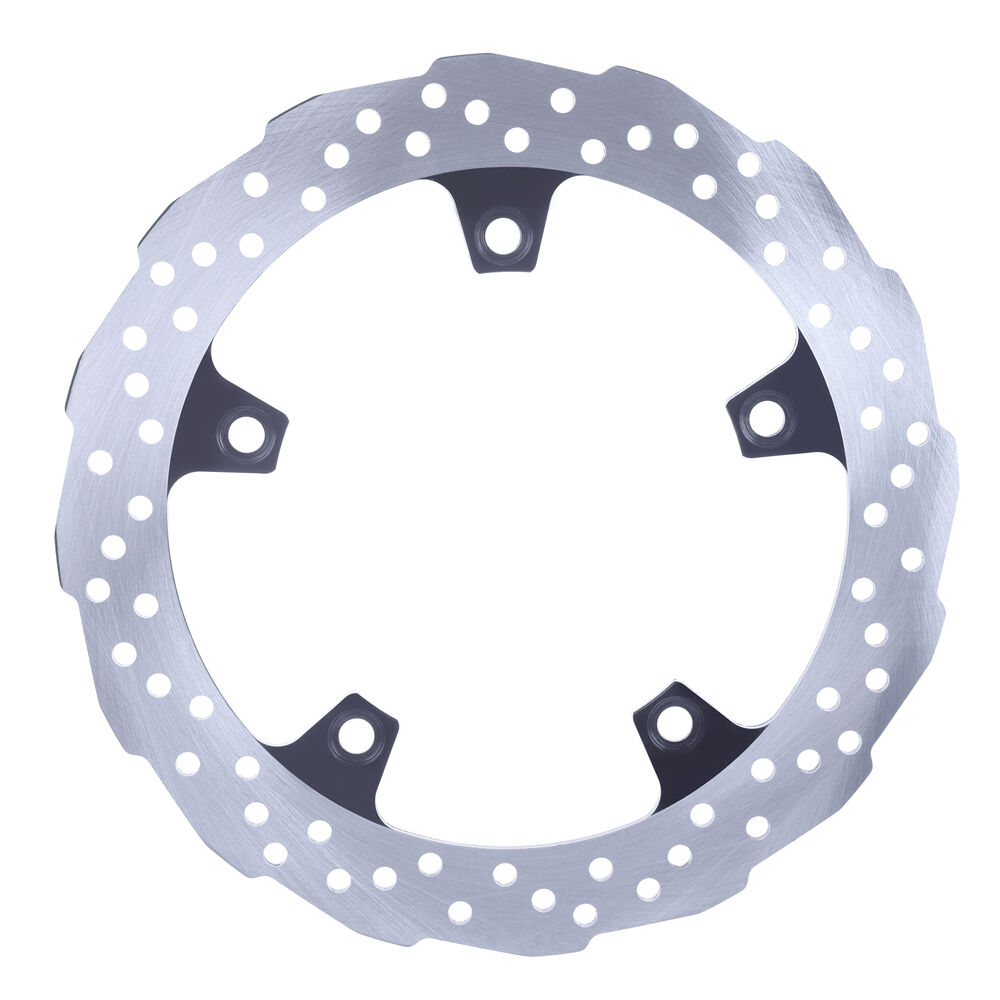
Duy trì hiệu suất phanh tối ưu là yếu tố then chốt đối với an toàn xe và hiệu quả vận hành. Một đĩa phanh được bảo dưỡng đúng cách sẽ đảm bảo lực hãm ổn định, giảm mài mòn các bộ phận phanh khác và kéo dài tuổi thọ tổng thể của hệ thống phanh. Dù bạn đang vận hành xe mô tô, ô tô hay xe thương mại, việc hiểu rõ những nguyên tắc cơ bản về bảo dưỡng đĩa phanh có thể giúp bạn tiết kiệm đáng kể chi phí đồng thời nâng cao độ an toàn khi lưu thông trên đường. Các biện pháp bảo dưỡng định kỳ không chỉ duy trì độ nguyên vẹn cấu trúc của đĩa phanh mà còn ngăn ngừa các hư hỏng tốn kém và các rủi ro an toàn tiềm ẩn do bỏ bê bảo dưỡng các bộ phận.

Hiểu về các thành phần và chức năng của đĩa phanh
Cấu trúc cơ bản và vật liệu
Đĩa phanh đóng vai trò là bề mặt ma sát chính trong các hệ thống phanh đĩa hiện đại. Thông thường được chế tạo từ gang, thép hoặc vật liệu composite, mỗi đĩa phanh đều có một rô-to quay cùng với bánh xe và cung cấp bề mặt mà trên đó má phanh tạo ra lực ma sát. Thiết kế của đĩa phanh bao gồm các cánh tản nhiệt hoặc rãnh làm mát nhằm giải nhiệt sinh ra trong quá trình phanh. Việc hiểu rõ các thành phần này giúp xác định các mẫu mòn tiềm ẩn cũng như yêu cầu bảo dưỡng cụ thể đối với loại xe của bạn.
Các thiết kế đĩa phanh hiện đại thường tích hợp các cánh tản nhiệt định hướng nhằm nâng cao hiệu quả giải nhiệt. Những kênh dẫn khí bên trong này cho phép không khí lưu thông xuyên qua đĩa phanh trong quá trình quay, ngăn ngừa hiện tượng quá nhiệt và duy trì hiệu suất phanh ổn định. Độ nhẵn bề mặt và thông số độ dày được thiết kế kỹ lưỡng nhằm đảm bảo tiếp xúc tối ưu với má phanh đồng thời duy trì độ bền trong nhiều điều kiện vận hành khác nhau.
Quản lý Nhiệt và Các Yếu Tố Ảnh Hưởng Đến Hiệu Năng
Sự sinh nhiệt là thách thức chính đối với hiệu suất của đĩa phanh. Trong quá trình phanh, năng lượng động học chuyển hóa thành năng lượng nhiệt thông qua ma sát, khiến nhiệt độ tăng đáng kể. Nhiệt độ quá cao có thể dẫn đến hiện tượng suy giảm lực phanh (brake fade), biến dạng đĩa phanh hoặc thậm chí làm hỏng hoàn toàn hệ thống phanh. Bảo dưỡng đúng cách bao gồm việc theo dõi các mô hình mài mòn liên quan đến nhiệt và đảm bảo chức năng làm mát của hệ thống hoạt động đầy đủ.
Các yếu tố hiệu suất như độ dày đĩa phanh, tình trạng bề mặt và khả năng chịu nhiệt ảnh hưởng trực tiếp đến hiệu quả phanh. Một đĩa phanh được bảo dưỡng tốt sẽ duy trì độ dày ổn định và bề mặt nhẵn mịn, từ đó cung cấp đặc tính ma sát đáng tin cậy. Việc kiểm tra định kỳ các chỉ số hiệu suất này giúp xác định nhu cầu bảo dưỡng trước khi chúng ảnh hưởng đến độ an toàn hoặc đòi hỏi phải thay thế tốn kém.
Quy Trình Kiểm Tra Định Kỳ
Kỹ thuật đánh giá bằng thị giác
Việc tiến hành kiểm tra bằng mắt định kỳ là nền tảng của công tác bảo dưỡng đĩa phanh hiệu quả. Bắt đầu bằng cách quan sát bề mặt ngoài để phát hiện các dấu hiệu như trầy xước, nứt hoặc các mô hình mài mòn bất thường. Các rãnh sâu hoặc vết đổi màu do nhiệt cho thấy những vấn đề tiềm ẩn cần được xử lý ngay lập tức. Kiểm tra sự hình thành gỉ, đặc biệt ở các mép đĩa và các cánh tản nhiệt, vì sự ăn mòn quá mức có thể làm suy giảm độ bền cấu trúc.
Chú ý đến sự khác biệt về màu sắc trên bề mặt đĩa phanh, bởi màu xanh lam hoặc tím cho thấy vấn đề quá nhiệt. Kiểm tra các mép đĩa phanh để phát hiện các vết bể hoặc nứt có thể lan rộng dưới tác dụng của ứng suất. Ghi chép lại mọi bất thường bằng ảnh chụp và số liệu đo đạc nhằm theo dõi sự tiến triển theo thời gian và thiết lập các chu kỳ bảo dưỡng phù hợp với điều kiện vận hành cụ thể của bạn.
Đo lường và giám sát độ dày
Các phép đo độ dày chính xác là điều cần thiết để xác định khả năng tiếp tục sử dụng đĩa phanh. Sử dụng thước đo độ dày (micrometer) hoặc thước kẹp (caliper) để đo độ dày tại nhiều điểm xung quanh chu vi, kiểm tra các sai lệch vượt quá thông số kỹ thuật do nhà sản xuất quy định. Phần lớn đĩa phanh có các vạch ghi độ dày tối thiểu được đúc trực tiếp lên bề mặt để thuận tiện tham chiếu trong quá trình kiểm tra.
Ghi chép các phép đo một cách hệ thống nhằm xác lập tốc độ mài mòn và dự báo thời điểm cần thay thế. Các giá trị đo độ dày không đồng đều cho thấy đĩa phanh bị cong vênh hoặc mài mòn không đều — tình trạng đòi hỏi phải có biện pháp khắc phục. So sánh các giá trị đo hiện tại với các kết quả đo trước đó cũng như thông số kỹ thuật của nhà sản xuất để xác định xem việc tiện lại hoặc thay thế đĩa phanh là cần thiết nhằm đảm bảo hoạt động an toàn.
Làm sạch và chuẩn bị bề mặt
Kỹ thuật Làm Sạch Đúng Cách
Duy trì bề mặt đĩa phanh sạch là yếu tố then chốt để đạt hiệu suất tối ưu và tuổi thọ dài. Sử dụng các dung môi làm sạch phanh phù hợp để loại bỏ dầu, mỡ và bụi bẩn mà không làm tổn hại đến vật liệu đĩa phanh. Tránh dùng các sản phẩm gốc dầu mỏ sản phẩm có thể để lại cặn ảnh hưởng đến đặc tính ma sát. Hãy sử dụng dung dịch làm sạch cùng khăn không xơ hoặc bàn chải chuyên dụng cho các bộ phận phanh.
Tập trung làm sạch các bề mặt ma sát — nơi má phanh tiếp xúc với đĩa phanh. Loại bỏ mọi hạt vật chất bị kẹt hoặc tạp chất có thể gây mài mòn không đều hoặc phát ra tiếng ồn trong quá trình vận hành. Làm sạch kỹ các cánh tản nhiệt để đảm bảo luồng khí lưu thông tốt và khả năng tản nhiệt hiệu quả. Đảm bảo thời gian làm khô đầy đủ trước khi lắp lại các bộ phận hoặc trở lại chế độ vận hành bình thường.
Xử lý và chuẩn bị bề mặt
Việc xử lý bề mặt nhằm chuẩn bị đĩa phanh để đạt được tiếp xúc tối ưu với má phanh và tạo lực ma sát hiệu quả. Các vết xước nhẹ trên bề mặt thường có thể loại bỏ bằng cách đánh bóng cẩn thận bằng giấy nhám có độ mịn phù hợp. Tuân thủ các khuyến nghị của nhà sản xuất về yêu cầu độ nhẵn bề mặt, vì việc xử lý không đúng cách có thể ảnh hưởng tiêu cực đến hiệu suất.
Sau khi làm sạch và xử lý bề mặt, kiểm tra bề mặt để đảm bảo độ đồng đều của kết cấu và không còn tồn tại tạp chất. đĩa phanh phải có bề mặt đồng đều, sạch sẽ để đảm bảo độ mòn đều của má phanh và đặc tính ma sát ổn định. Áp dụng các biện pháp bảo vệ phù hợp nếu nhà sản xuất khuyến nghị nhằm ngăn ngừa ăn mòn trong quá trình lưu kho hoặc khi không sử dụng trong thời gian dài.
Các Chiến Lược Bảo Trì Phòng Chống
Thói Quen Vận Hành Nhằm Đảm Bảo Độ Bền
Việc áp dụng đúng các thói quen vận hành giúp kéo dài đáng kể tuổi thọ đĩa phanh và duy trì hiệu suất ổn định. Tránh phanh quá mức gây sinh nhiệt dư thừa và làm tăng tốc độ mài mòn. Sử dụng phanh động cơ hoặc hệ thống phanh phụ (nếu có) để giảm bớt sự phụ thuộc vào hệ thống đĩa phanh chính. Duy trì khoảng cách an toàn phù hợp với xe phía trước nhằm hạn chế tình huống phải phanh khẩn cấp.
Các kỹ thuật phanh tiến bộ phân bổ việc sinh nhiệt trong khoảng thời gian dài hơn, giúp giảm nhiệt độ đỉnh điểm và ứng suất nhiệt. Đảm bảo thời gian làm mát đầy đủ giữa các chu kỳ phanh mạnh, đặc biệt trong điều kiện vận hành khắc nghiệt. Kiểm tra mức và tình trạng dầu phanh, vì dầu bị nhiễm bẩn có thể ảnh hưởng đến áp lực thủy lực và làm tăng hành trình bàn đạp, dẫn đến việc đĩa phanh không tiếp xúc hoàn toàn.
Biện pháp Bảo vệ Môi trường
Các yếu tố môi trường ảnh hưởng đáng kể đến tuổi thọ và hiệu suất của đĩa phanh. Bảo vệ các bộ phận khỏi độ ẩm quá cao, tiếp xúc với muối và các hóa chất ăn mòn—những yếu tố làm gia tốc quá trình suy giảm. Lắp đặt nắp che hoặc tấm chắn bảo vệ khi xe được lưu trữ trong thời gian dài, đặc biệt trong các khu vực có khí hậu khắc nghiệt hoặc môi trường công nghiệp.
Việc rửa và làm khô định kỳ các bộ phận phanh giúp loại bỏ các chất ăn mòn và ngăn ngừa sự tích tụ của các chất gây nhiễm bẩn. Bôi trơn các bộ phận chuyển động bằng loại mỡ bôi trơn phù hợp, đồng thời tránh để mỡ tiếp xúc với các bề mặt ma sát. Cần xem xét yếu tố bảo vệ môi trường như một phần trong quy trình bảo dưỡng đĩa phanh toàn diện, đặc biệt đối với các phương tiện hoạt động trong điều kiện khắc nghiệt như môi trường biển hoặc ứng dụng công nghiệp.
Giải quyết các vấn đề chung
Nhận diện các mẫu mài mòn và triệu chứng
Các vấn đề phổ biến liên quan đến đĩa phanh thường biểu hiện qua các mẫu mài mòn cụ thể và các triệu chứng vận hành. Các vết rãnh đồng tâm cho thấy hiện tượng mài mòn bình thường, trong khi các mẫu mài mòn không đều lại gợi ý về các vấn đề lệch vị trí hoặc má phanh bị nhiễm bẩn. Hiện tượng nứt do nhiệt xuất hiện dưới dạng các vết nứt nhỏ lan tỏa từ tâm đĩa, cho thấy ứng suất nhiệt vượt quá giới hạn thiết kế. Hiện tượng cong vênh gây ra hiện tượng rung giật bàn đạp phanh và tiếp xúc không đều giữa má phanh với đĩa phanh trong quá trình hãm.
Các triệu chứng về tiếng ồn cung cấp thông tin chẩn đoán quý giá về tình trạng đĩa phanh. Tiếng rít thường cho thấy má phanh đã mòn hoặc bề mặt bị nhiễm bẩn, trong khi tiếng kêu lạo xạo cho thấy có sự tiếp xúc kim loại–kim loại, đòi hỏi phải xử lý ngay lập tức. Tiếng lạch cạch hoặc rung lắc có thể chỉ ra các bộ phận bị lỏng hoặc phần cứng bị hư hỏng, ảnh hưởng đến hoạt động của đĩa phanh.
Các Hành Động Sửa Chữa và Bảo Dưỡng
Xử lý kịp thời các vấn đề liên quan đến đĩa phanh sẽ ngăn ngừa hư hỏng thêm và duy trì các tiêu chuẩn an toàn. Các khuyết tật bề mặt nhỏ thường có thể được khắc phục thông qua các thao tác gia công hoặc tiện lại bề mặt do kỹ thuật viên có trình độ thực hiện. Đảm bảo các thao tác gia công tuân thủ đúng các thông số kỹ thuật do nhà sản xuất quy định về độ dày và yêu cầu độ nhẵn bề mặt.
Hư hỏng nghiêm trọng như nứt, cong vênh quá mức hoặc độ dày dưới thông số kỹ thuật tối thiểu yêu cầu phải thay thế đĩa phanh. Chỉ sử dụng các bộ phận đáp ứng đúng thông số kỹ thuật của nhà sản xuất gốc hoặc các lựa chọn thay thế sau thị trường đã được phê duyệt. Quy trình lắp đặt đúng bao gồm các thông số mô-men xoắn, quy trình chạy rà (bedding) và các quy trình chạy rà ban đầu nhằm đảm bảo hiệu suất tối ưu từ các bộ phận mới.
Dịch vụ và Bảo trì Chuyên nghiệp
Khi nào nên tìm kiếm sự giúp đỡ chuyên nghiệp
Một số quy trình bảo dưỡng đĩa phanh đòi hỏi chuyên môn kỹ thuật cao và thiết bị chuyên dụng. Các quy trình chẩn đoán phức tạp, các thao tác gia công chính xác và bảo dưỡng hệ thống thủy lực vượt quá khả năng thực hiện thông thường của chủ xe. Hãy tìm đến dịch vụ chuyên nghiệp khi nghi ngờ có vấn đề ảnh hưởng trực tiếp đến an toàn hoặc khi các quy trình bảo dưỡng yêu cầu công cụ hoặc kiến thức chuyên biệt.
Các kỹ thuật viên chuyên nghiệp sở hữu kinh nghiệm và thiết bị cần thiết để đánh giá và sửa chữa đĩa phanh một cách chính xác. Họ có thể phát hiện những vấn đề tinh vi mà kiểm tra định kỳ thông thường có thể bỏ sót, đồng thời đề xuất các biện pháp khắc phục phù hợp. Việc kiểm tra định kỳ do chuyên gia thực hiện sẽ bổ sung cho các nỗ lực bảo dưỡng của chủ xe và đảm bảo tuân thủ các tiêu chuẩn an toàn cũng như yêu cầu bảo hành.
Lập lịch bảo dưỡng và lưu trữ hồ sơ
Thiết lập lịch bảo dưỡng định kỳ giúp đảm bảo việc chăm sóc đĩa phanh được thực hiện đều đặn và việc giám sát hiệu suất hoạt động diễn ra liên tục. Các khoảng thời gian bảo dưỡng nên được xác định dựa trên điều kiện vận hành, quãng đường đã đi và khuyến nghị của nhà sản xuất — thay vì dựa vào các mốc thời gian mang tính chủ quan. Trong các điều kiện sử dụng khắc nghiệt, việc kiểm tra và bảo dưỡng có thể cần được thực hiện thường xuyên hơn nhằm duy trì các tiêu chuẩn về an toàn và độ tin cậy.
Duy trì hồ sơ chi tiết về tất cả các hoạt động bảo dưỡng đĩa phanh, bao gồm các phép đo, quan sát và các hành động khắc phục đã thực hiện. Việc ghi chép giúp xác định các xu hướng, dự đoán thời điểm cần thay thế và hỗ trợ các yêu cầu bảo hành khi cần thiết. Hồ sơ đầy đủ cũng tạo điều kiện thuận lợi cho dịch vụ chuyên nghiệp bằng cách cung cấp cho kỹ thuật viên thông tin lịch sử về tình trạng bộ phận và quá trình bảo dưỡng.
Câu hỏi thường gặp
Đĩa phanh nên được kiểm tra bao lâu một lần để đạt hiệu suất tối ưu
Tần suất kiểm tra đĩa phanh phụ thuộc vào điều kiện vận hành và loại xe, nhưng nhìn chung nên thực hiện mỗi 4.800–9.600 km trong điều kiện lái xe bình thường. Các điều kiện khắc nghiệt như thường xuyên di chuyển trong tình trạng ùn tắc (dừng – đi), địa hình đồi núi hoặc chở tải nặng có thể yêu cầu kiểm tra thường xuyên hơn, mỗi 2.400–4.800 km. Luôn tham khảo khuyến nghị của nhà sản xuất và điều chỉnh khoảng cách kiểm tra dựa trên các mẫu mài mòn quan sát được cũng như yêu cầu vận hành thực tế.
Những dấu hiệu nào cho thấy cần thay thế đĩa phanh
Các chỉ số quan trọng để thay đĩa phanh bao gồm: đo độ dày thấp hơn mức tối thiểu do nhà sản xuất quy định, các vết xước hoặc rãnh sâu hơn 0,015 inch, các vết nứt hoặc dấu hiệu nứt do nhiệt (heat checking) rõ ràng, và biến dạng quá mức gây rung giật bàn đạp phanh. Màu xanh lam hoặc tím trên đĩa phanh cho thấy đĩa đã bị quá nhiệt và hư hỏng, trong khi gỉ sét hoặc ăn mòn nghiêm trọng không thể làm sạch cũng có thể yêu cầu thay thế nhằm đảm bảo hiệu suất phanh an toàn.
Đĩa phanh có thể được tiện lại thay vì thay thế không
Đĩa phanh thường có thể được tiện lại nếu vẫn còn đủ vật liệu trên mức độ dày tối thiểu theo quy định của nhà sản xuất và không có hư hỏng cấu trúc nào. Việc tiện lại giúp loại bỏ các khuyết tật bề mặt, các vết xước và biến dạng nhẹ, đồng thời phục hồi bề mặt ma sát nhẵn mịn. Tuy nhiên, các đĩa phanh có vết nứt, chênh lệch độ dày quá lớn hoặc đã từng được tiện lại trước đó có thể cần được thay thế hoàn toàn để đảm bảo tiêu chuẩn an toàn và hiệu suất.
Những dụng cụ nào là thiết yếu cho việc bảo dưỡng đĩa phanh cơ bản
Các công cụ thiết yếu để bảo dưỡng đĩa phanh bao gồm thước đo độ dày (micrometer hoặc thước kẹp), dung môi làm sạch phanh, khăn lau không xơ, cờ lê phù hợp để tháo các bộ phận và thiết bị bảo hộ như kính bảo vệ mắt và găng tay. Đồng hồ so (dial indicator) giúp đo độ đảo và độ cong vênh của đĩa phanh, trong khi các giá nâng xe (jack stands) đạt tiêu chuẩn đảm bảo sự nâng đỡ an toàn cho xe trong suốt quá trình bảo dưỡng. Luôn sử dụng các công cụ được chứng nhận phù hợp cho việc bảo dưỡng hệ thống phanh ô tô.