Rear ABS Sensor: Advanced Safety Technology for Enhanced Vehicle Control and Performance

All Categories

Get a Free Quote

Our representative will contact you soon.
Email
Name
Company Name
Message
0/1000

rear abs sensor

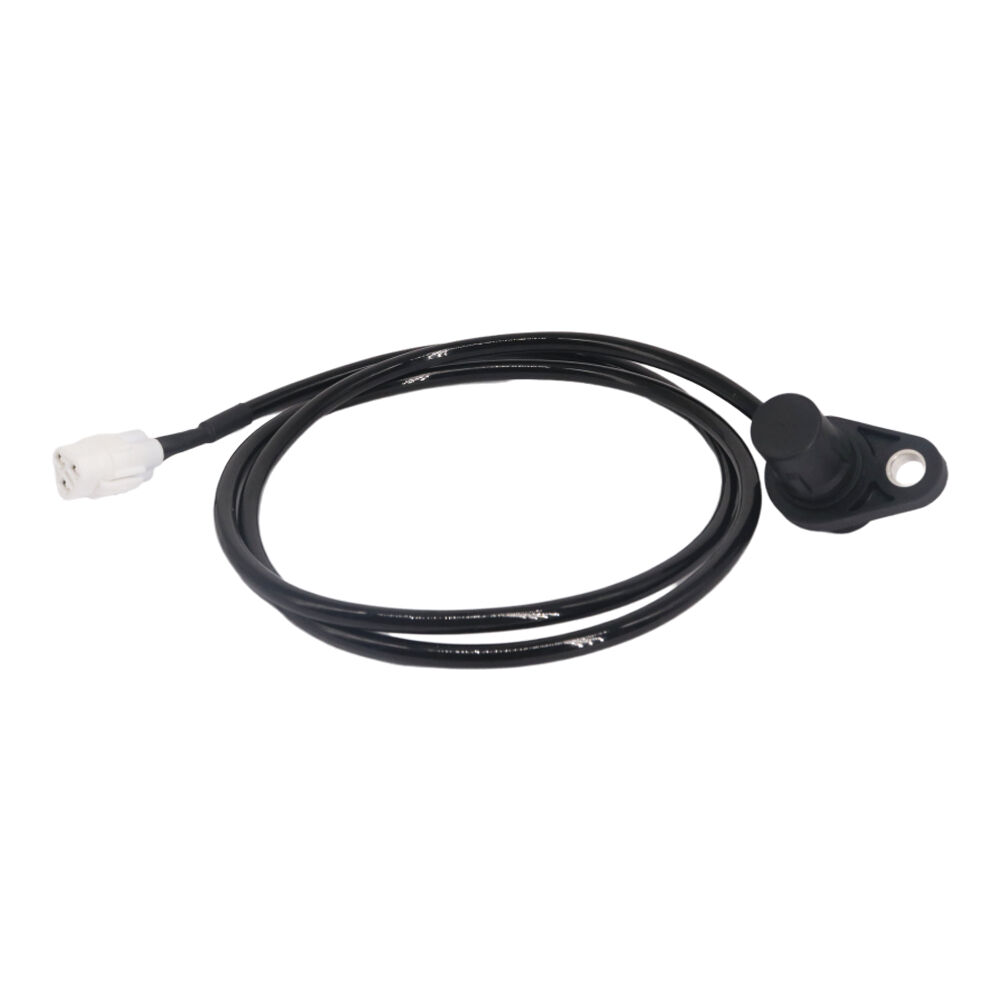
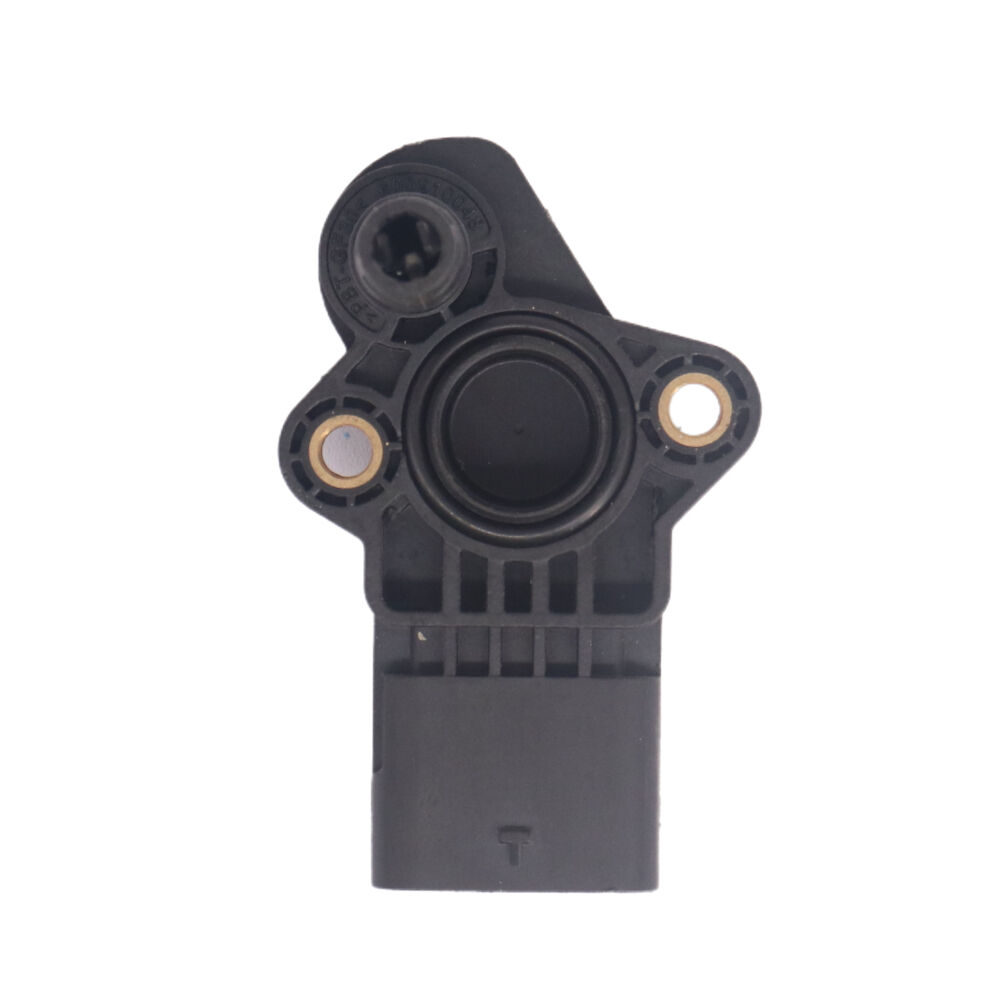
A rear ABS sensor is a critical component of a vehicle's anti-lock braking system, designed to monitor wheel speed and prevent wheel lockup during braking. This sophisticated electronic device uses electromagnetic technology to detect the rotational speed of each wheel, generating precise digital signals that are transmitted to the vehicle's ABS control module. The sensor consists of a magnetic pickup and a toothed ring, working in tandem to create electrical pulses that correspond to wheel rotation. When installed in the rear wheels, these sensors continuously monitor movement patterns, allowing the ABS system to maintain optimal braking performance and vehicle stability. The technology is particularly valuable in challenging road conditions, where maintaining control is crucial for safety. Modern rear ABS sensors are engineered with advanced materials and precise calibration to ensure reliable performance across various driving conditions. They play a vital role in supporting other vehicle safety systems, including electronic stability control and traction control, by providing accurate real-time data about wheel movement and speed variations. The sensor's ability to detect subtle changes in wheel rotation helps prevent skidding and maintains directional stability during emergency braking situations.


Popular Products

The implementation of rear ABS sensors offers numerous compelling benefits for vehicle safety and performance. First and foremost, these sensors significantly enhance braking precision by preventing wheel lockup during sudden stops, allowing drivers to maintain steering control even in emergency situations. This advanced technology adapts to various road conditions, providing consistent performance whether driving on wet, dry, or slippery surfaces. The sensors contribute to reduced stopping distances and improved vehicle stability, particularly during cornering or emergency maneuvers. From a maintenance perspective, modern rear ABS sensors are designed for durability and longevity, requiring minimal maintenance while providing reliable operation throughout their lifespan. The integration with other vehicle safety systems enhances overall driving safety, making it an essential component for modern vehicles. These sensors also contribute to improved tire wear management by preventing wheel lockup, which can lead to flat spots and premature tire wear. The technology's ability to provide real-time feedback to the vehicle's computer systems ensures optimal brake force distribution, resulting in more balanced and controlled braking performance. Additionally, the presence of properly functioning rear ABS sensors can positively impact insurance premiums and vehicle resale value, as they are considered essential safety features in today's automotive market.

Latest News

What Is The Difference Between The Different Sized PWK Carburetors?

29

Jul

What Is The Difference Between The Different Sized PWK Carburetors?

View More
RS150 Motorcycle Tps Sensors In Different Colors Bring Different Visual Experiences

29

Jul

RS150 Motorcycle Tps Sensors In Different Colors Bring Different Visual Experiences

View More
Aftermarket Yamaha Aerox155 Nvx155 Throttle Body Brings Better Driving Experience

29

Jul

Aftermarket Yamaha Aerox155 Nvx155 Throttle Body Brings Better Driving Experience

View More

Get a Free Quote

Our representative will contact you soon.
Email
Name
Company Name
Message
0/1000

rear abs sensor

Advanced Safety Integration

Advanced Safety Integration

The rear ABS sensor's integration capabilities represent a significant advancement in vehicle safety technology. This sophisticated component works seamlessly with multiple vehicle safety systems, creating a comprehensive safety network that enhances overall driving protection. The sensor's ability to communicate with the vehicle's electronic control unit enables real-time adjustments to braking force, traction control, and stability systems. This integration is particularly valuable in modern vehicles equipped with advanced driver assistance systems (ADAS), where the rear ABS sensor's data contributes to features such as electronic stability control, hill start assist, and adaptive cruise control. The sensor's precise measurements and rapid response time ensure that these safety systems can react instantly to changing road conditions or emergency situations, providing drivers with enhanced control and confidence in various driving scenarios.
Durability and Reliability

Durability and Reliability

The engineering excellence behind modern rear ABS sensors is evident in their exceptional durability and reliability. These sensors are designed to withstand extreme temperature variations, exposure to road debris, and constant vibration while maintaining accurate performance. The robust construction typically includes weather-resistant housing and high-quality materials that protect the sensitive electronic components from environmental factors. This durability translates to extended service life and reduced maintenance requirements, making it a cost-effective solution for vehicle safety. The sensors undergo rigorous testing during manufacturing to ensure consistent performance under various operating conditions, including exposure to water, salt, and other corrosive elements. This commitment to reliability ensures that the ABS system remains fully functional throughout the vehicle's lifetime, providing consistent safety benefits and peace of mind for vehicle owners.
Performance Optimization

Performance Optimization

The rear ABS sensor plays a crucial role in optimizing vehicle performance across various driving conditions. Its sophisticated monitoring capabilities enable precise control of braking force distribution, resulting in improved handling and stability. The sensor's ability to detect minute changes in wheel speed allows the ABS system to make instantaneous adjustments, preventing wheel lockup while maintaining maximum braking efficiency. This optimization extends to various driving scenarios, from normal daily commuting to more challenging situations like emergency braking or adverse weather conditions. The sensor's contribution to vehicle dynamics helps maintain optimal tire contact with the road surface, enhancing both safety and performance. Additionally, the data provided by rear ABS sensors helps drivers maintain better control during cornering and emergency maneuvers, contributing to an overall improved driving experience.

Get a Free Quote

Our representative will contact you soon.
Email
Name
Company Name
Message
0/1000