
 EN
Quick Links

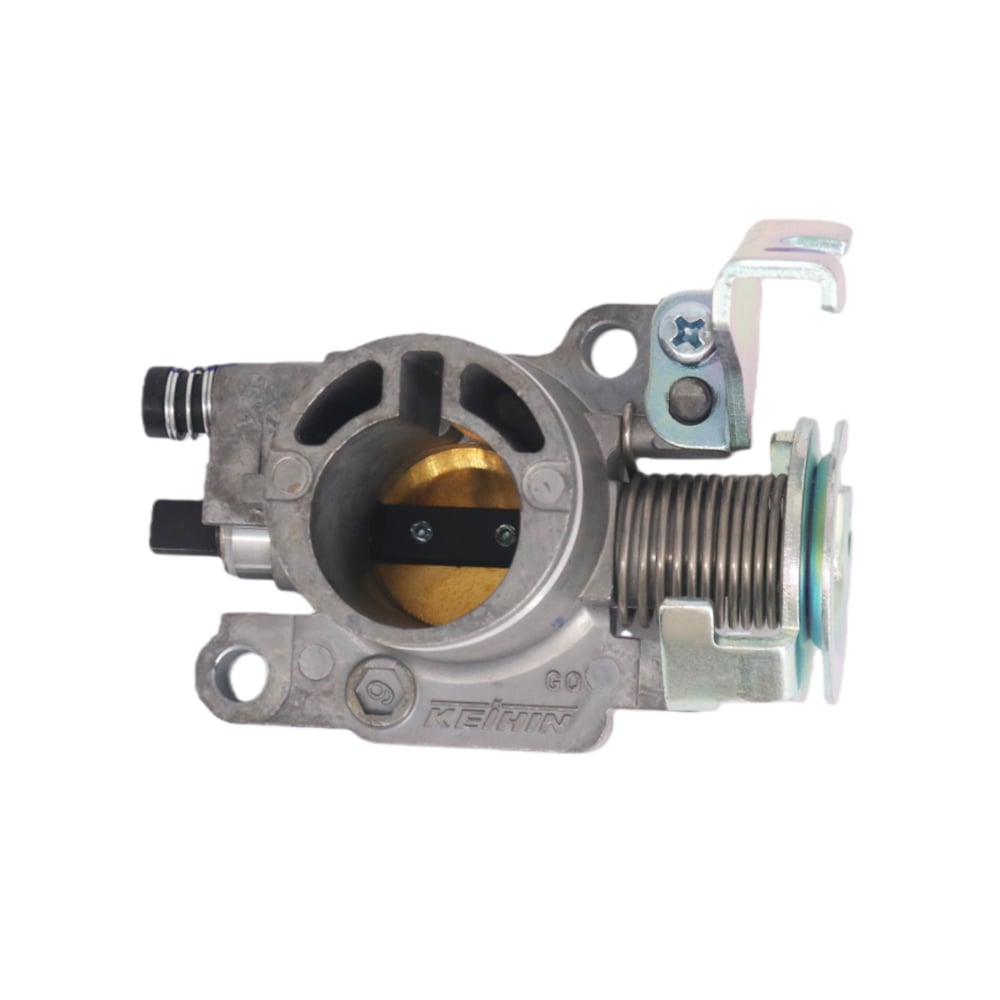
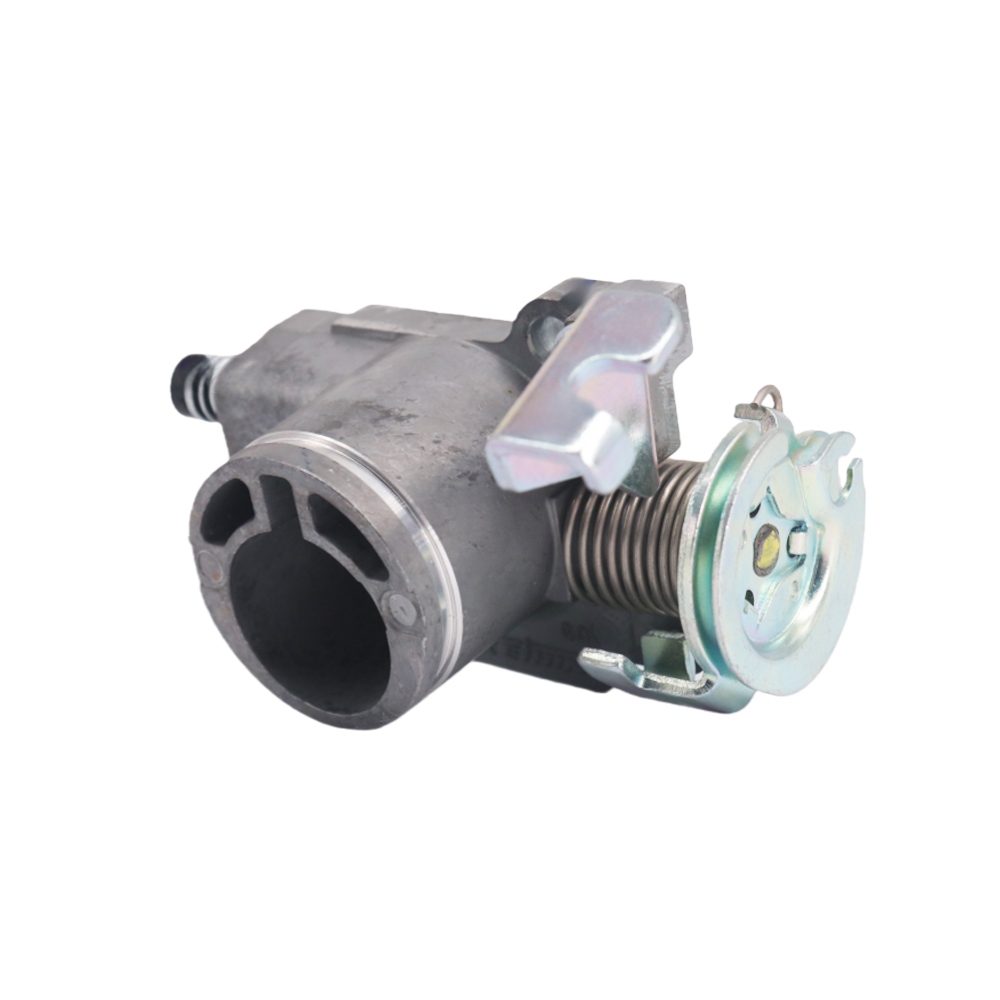
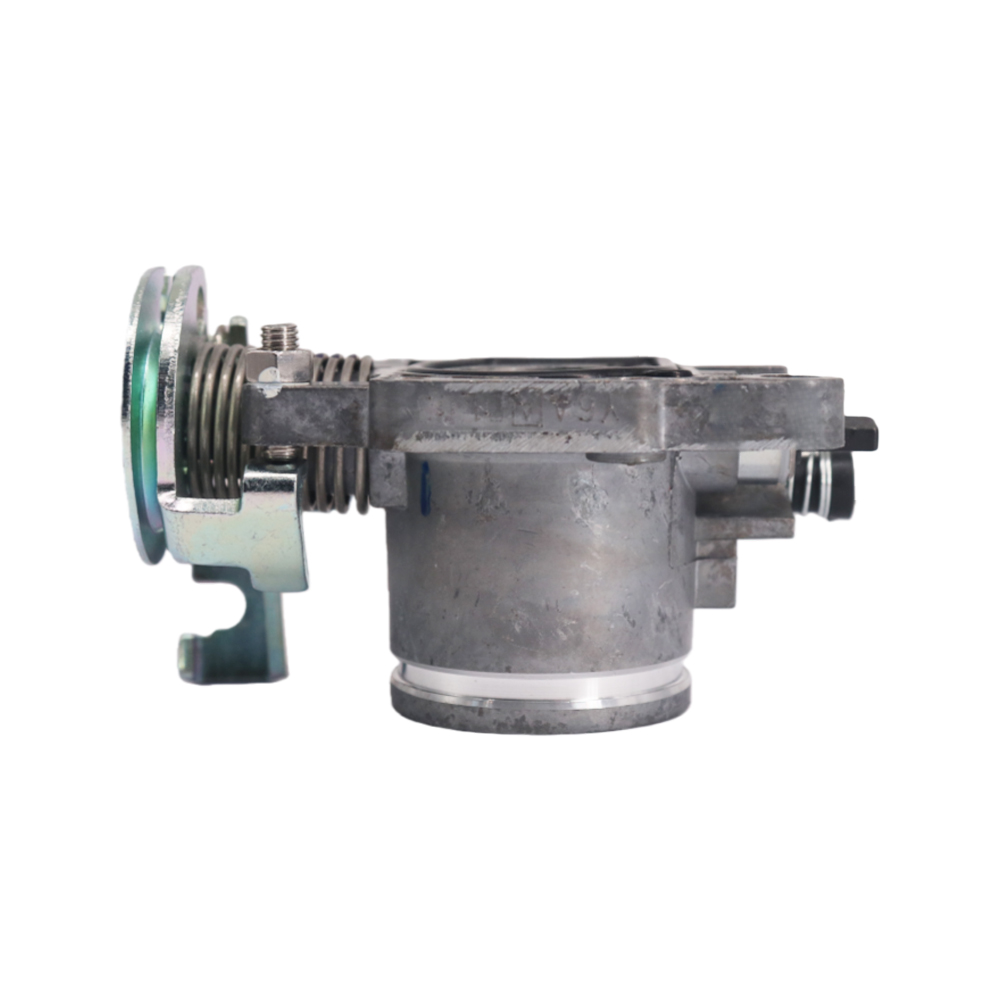
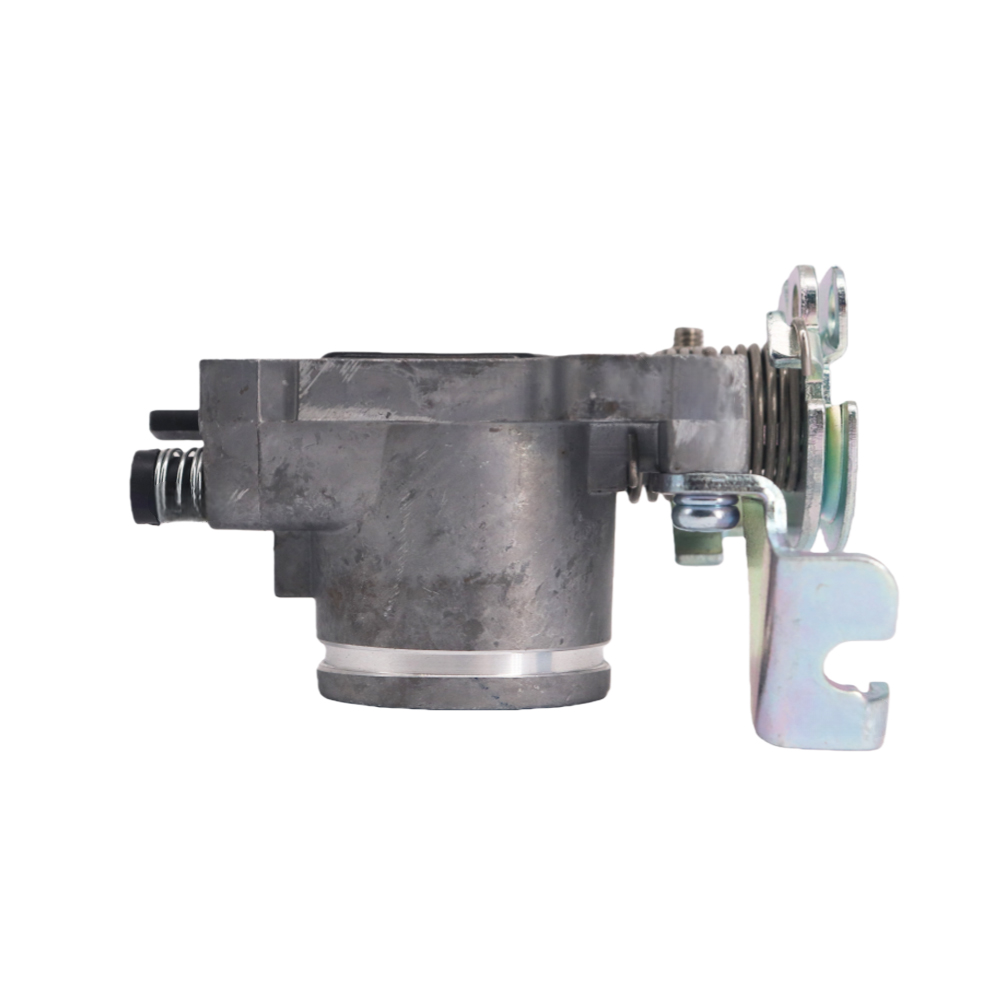
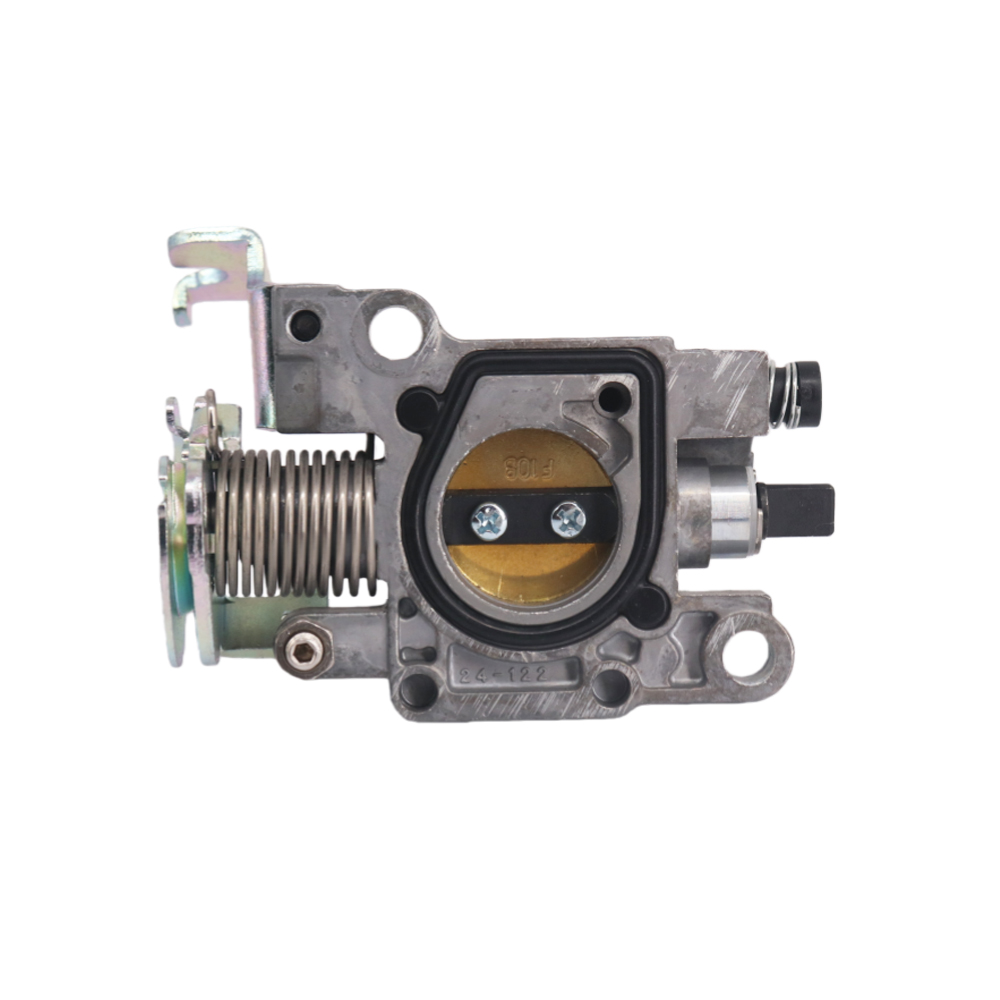
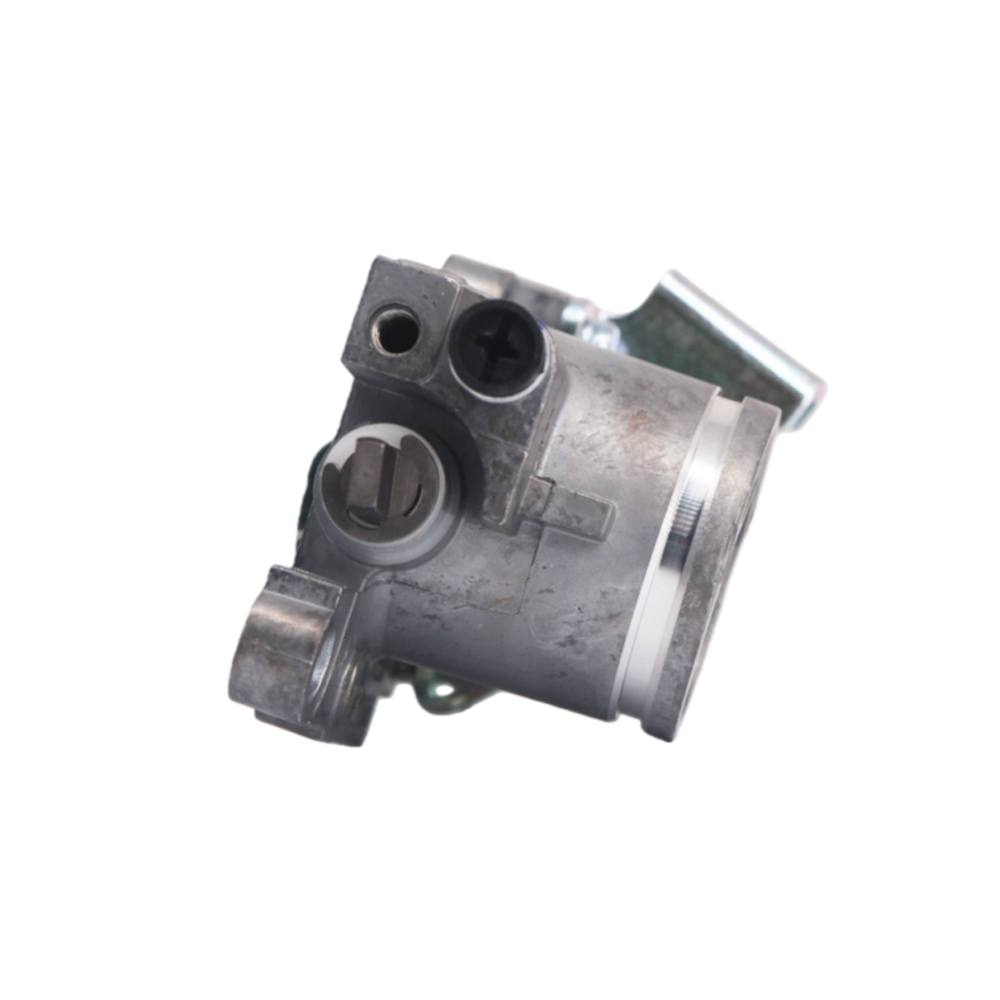
Bores |
24 / 27 / 28 / 29 / 30 / 32 mm |
Covered |
Wave 125i · XRM 125 Fi · RS 125 Fi · Future 125 Fi · Dash 125 Fi |
OEM reference |
None — sold by bore |
Fitted |
Nothing — body, plate, shaft, flange |
Not included |
TPS, injector, stepper motor |
Net weight |
210 g nominal |
Minimum order |
10 pcs |
The same 125 cc Honda engine left the factory with several different throttle bodies, because the scooters and underbones that used it were built for different markets with different intake systems, different emissions rules and different gearing.
That is why six bores exist on one page. Not as a tuning ladder — as a spare-parts range. A workshop in one market sees two or three of these sizes; a distributor covering several markets sees all six.
What we do not publish is a table saying "this model uses this bore". We have not verified that mapping across every market and year, and a wrong table here does not cause a return — it causes a workshop to fit the wrong throat and blame the part. Measure the old body instead; section 5 explains what happens if the bore is wrong, and section 10 how to measure.
What the six do share: flange pattern, shaft, plate design and TPS mounting pad. So a body that bolts up may still be the wrong bore, and that is the trap this page is written against.
Too large. The boot has to stretch or will not clamp, and an unclamped boot leaks air that the ECU cannot account for — a hunting idle that appears only after the repair. Even when it does clamp, a larger throat makes the first few degrees of throttle coarser, so a commuter scooter feels jerky at walking pace. On a standard engine there is nothing to gain at the top to pay for it.
Too small. The engine runs against a restriction: poorer top-end, higher intake temperature, and on a hot day in traffic the mixture drifts as the ECU works with less air than it expects. It will start and idle, which is what makes this the more dangerous mistake — it gets delivered and only shows up under load.
Exactly right. The customer gets back what he had: an idle that behaves, a throttle that responds in proportion, and no new symptoms to explain.
Two millimetres either way is not a small error on a 125. If the old body cannot be measured, do not guess from the model name.
Model |
Notes |
Honda Wave 125 / Wave 125i |
Checked against our sample bodies |
Honda XRM 125 Fi |
Same intake side |
Honda RS 125 Fi |
Same intake side |
Honda Future 125 Fi |
Same intake side |
Honda Dash 125 Fi |
Same intake side |
The model list tells you it will bolt on. It does not tell you the bore — that comes from the scooter in front of you:
Throat of the old body
1. measured with a caliper, plate open
Flange bolt spacing
2. centre to centre
Boot inside diameter
3. which must accept the bore you order
Injector seat
4. because the customer's injector goes into this body
Send those four with a photograph and we will confirm the bore before the carton is sealed.
Not on this body: the throttle position sensor, the injector and the idle stepper. All three are reused.
That is the point of a repair-range part: on this family the electronics usually outlive the casting, and a workshop that stocks bare bodies can repair a worn throttle for the price of a casting instead of an assembly.
It also means the repair depends on the old parts being good. If the sensor was the failed item, this body will not fix the scooter. Check the sensor before ordering, not after — the two symptoms differ, and section 5 of a diagnostic page elsewhere is cheaper than a wrong part.
Field |
Value |
Brand |
RUNTONG |
Part number |
RB-TB043 |
OEM reference |
None — sold by bore |
Type |
Bare throttle body (body, plate, shaft, flange) |
Bores available |
24 / 27 / 28 / 29 / 30 / 32 mm |
Body material |
Aluminium alloy |
Sensor housing material |
Not applicable — no sensor supplied |
Process |
CNC machined, in-house |
TPS |
Not included |
Injector |
Not included |
Stepper motor |
Not included |
Net weight |
0.210 kg nominal across the range |
Parcel size |
15 × 10 × 9 cm |
Fitment |
Honda Wave 125i · XRM 125 Fi · RS 125 Fi · Future 125 Fi · Dash 125 Fi |
Certification |
ISO 9001 |
Warranty |
12 months |
Minimum order |
10 pcs |
Custom printed carton |
From 500 pcs |
Dispatch |
7 days from stock; 15–30 days for a production batch |
Packing |
Foam bag and neutral carton |
Freight |
Air, sea, or land |
Foam bag and a plain carton. At 210 g these are small, light and easy to ship in mixed sizes — which is how most workshops buy them, a few of each rather than ten of one.
Printing starts at 500 pieces for a single artwork, so most buyers keep the neutral box and put their own label on. That is fine by us; the OEM reference in our paperwork is the only mark that matters.
An hour on a cold engine, and five minutes of it decides whether the job is right.
1. Negative terminal off; engine cold, because the fuel line is still pressurised.
2. Open up access — tank or side panels, whichever the model needs.
3. Release the fuel line over a rag; unplug the TPS and the injector.
4. Clamps off, old body out —
and measured before it goes in the bin
. Throat with a caliper, plate open.
5. Transfer the injector on a new O-ring, oiled, seated square.
6. Transfer the TPS to the new body and check the sweep with a meter before refitting.
7. New gasket; body in; cable with free play; flange torqued evenly in two passes.
8. Start, warm up, set the idle. If the idle now hangs or the throttle is notchy, suspect the bore before the electronics.
Dispatch. Stock ships in a week. A machining run takes three to four, and we say which before you pay.
Freight. Air for small mixed orders, sea for pallets, road where it reaches. For a first order of ten mixed sizes, air is almost always the right answer — the parts are light and the delay is what costs money.
Tax. Duty and VAT are the buyer's unless DDP is agreed in advance.
Warranty. Twelve months against manufacturing defects: bore out of tolerance, plate not seating, flange not flat. Not covered: a body fitted in the wrong bore, a plate edge damaged at installation, or an engine run with a leaking manifold. The wrong bore is the failure we see most on this family, and it is an ordering error rather than a defect — which is why section 5 exists.
Measure the old body. We do not publish a model-to-bore table because we have not verified one, and a wrong guess here is an expensive repair.
No — no TPS, no injector, no stepper. All three transfer from the customer's scooter.
Because Honda built this engine into several markets with different intake systems. It is a spares range, not an upgrade ladder.
Either the bore is wrong or the boot is not sealing. Both produce the same symptom, and both are installation faults rather than part faults.
Yes — ten pieces in total, spread across sizes as you like.
Ten is the minimum.
No. We do not bench-flow every unit, so we do not print numbers we have not measured.
From 500 pieces of one artwork, approved before the run.
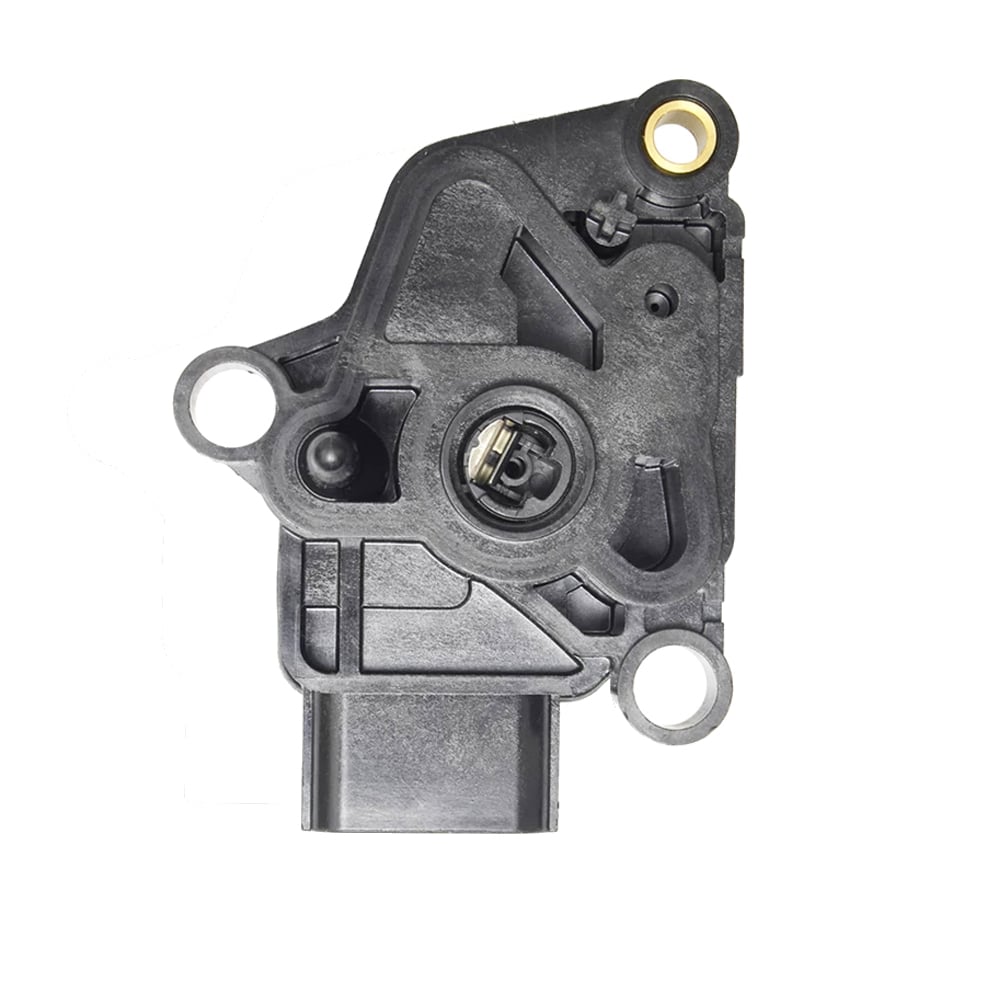
Honda CBF125 CBR125 CBR150 CBR250R CG150 TITAN Motorcycle Throttle Position Sensor
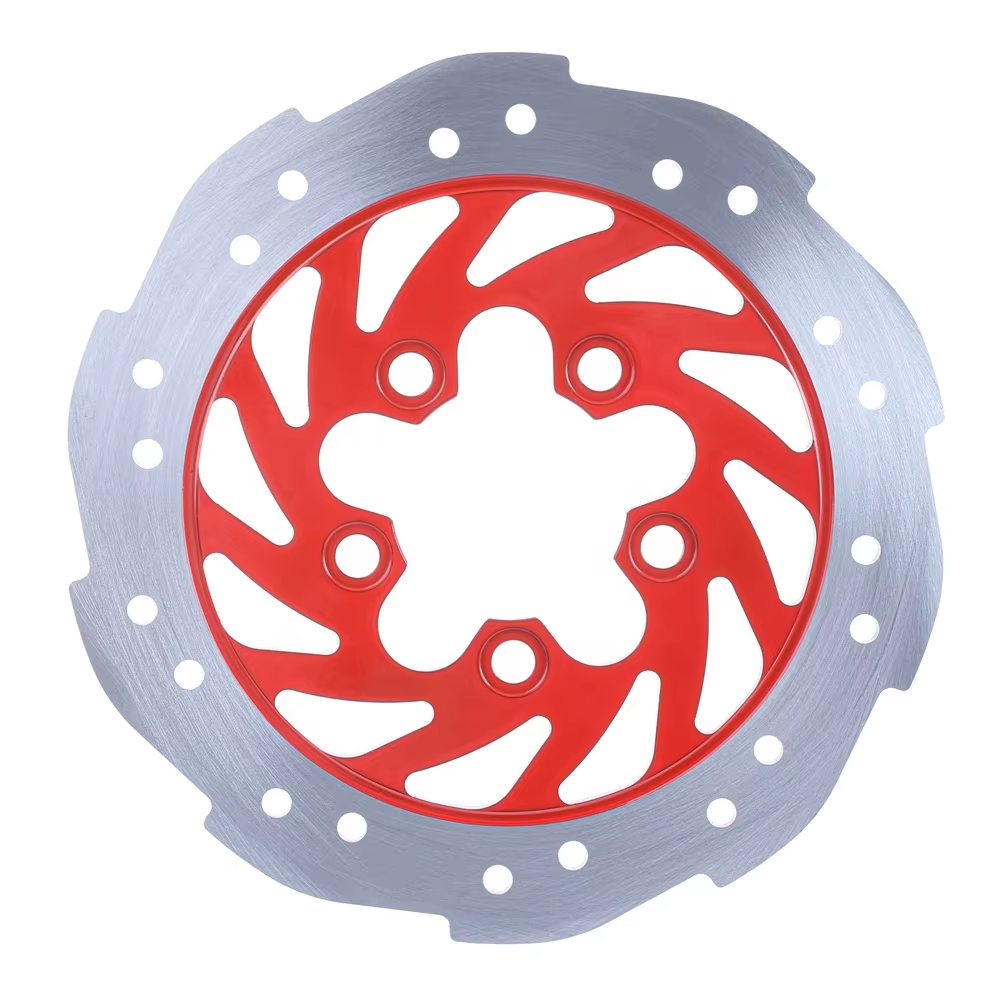
220mm Front Brake Disc for Kymco GP125, G5, VP, V-LINK 125 — Wave Edge, Drilled
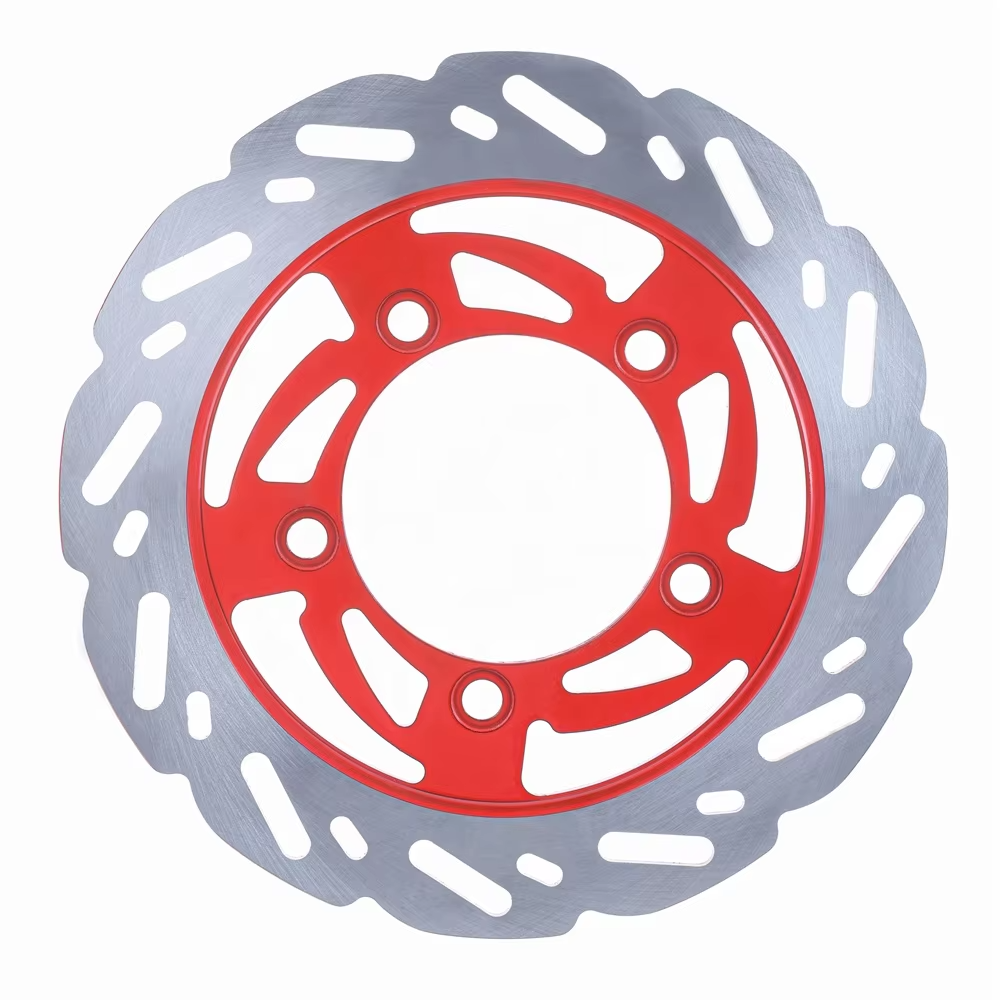
240mm Front Brake Disc Kymco Racing G5 G6
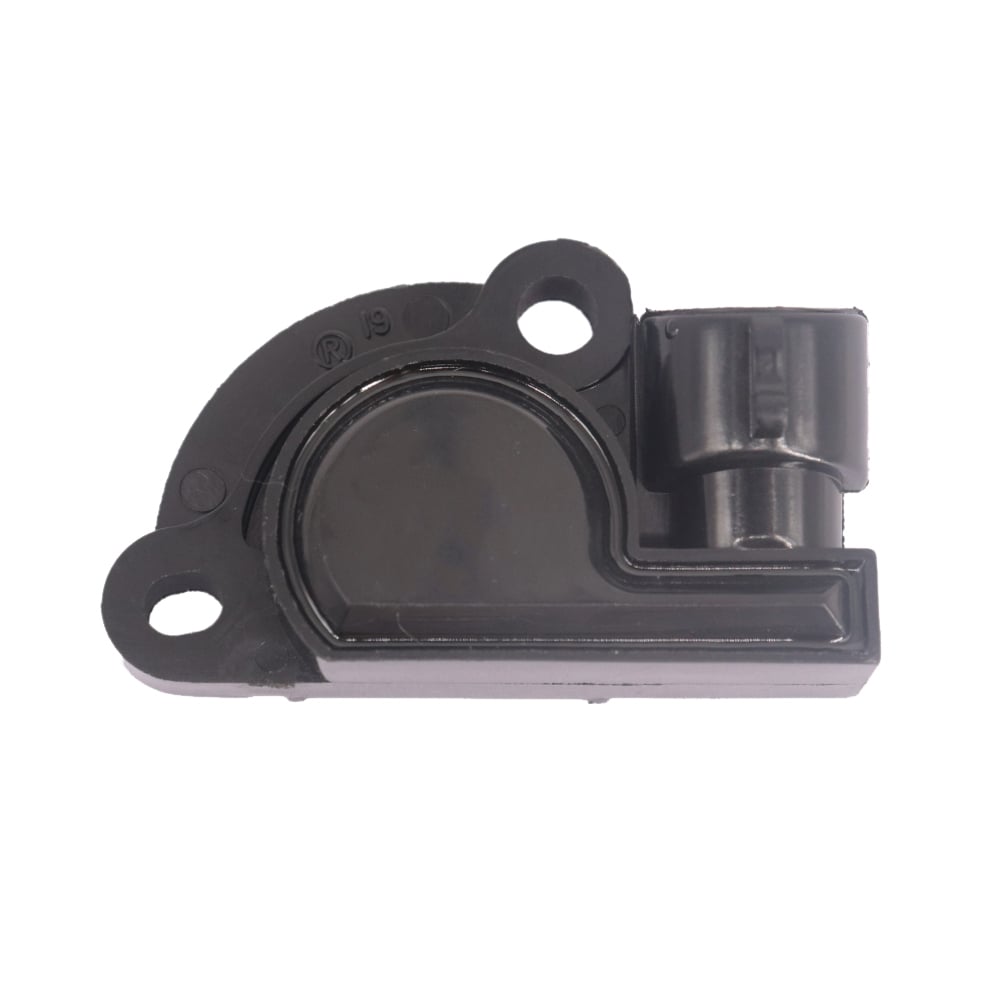
Throttle Position Sensor for GM, ACDelco, Isuzu, Daewoo, Honda — 17106684