
 EN
EN
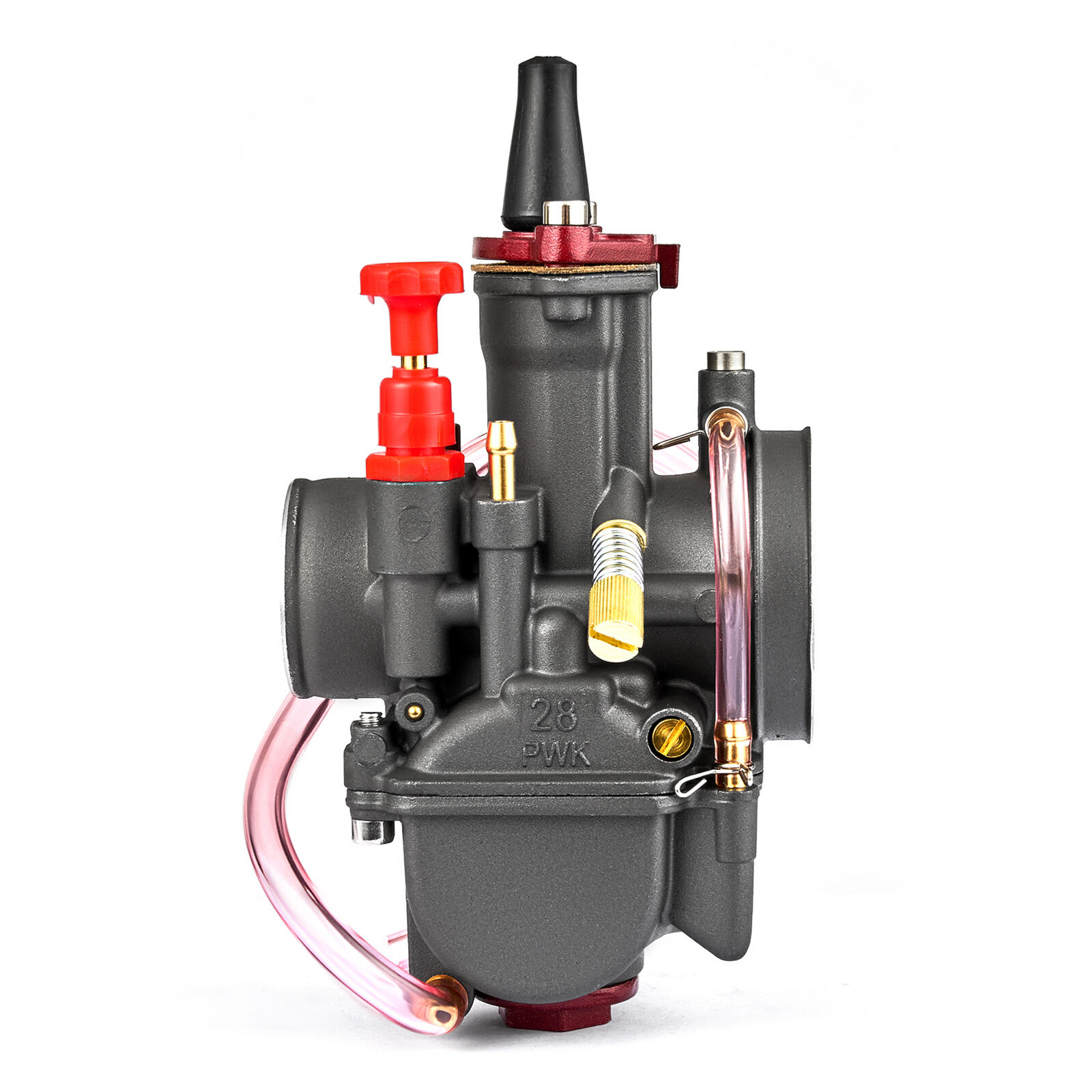
The carburetor stands as one of the most critical components in motorcycle engineering, serving as the precise mixing chamber where fuel and air combine to create the combustible mixture that powers your engine. Understanding what makes a carburetor vital reveals why this mechanical marvel remains indispensable for achieving optimal motorcycle performance, fuel efficiency, and engine longevity across various riding conditions.
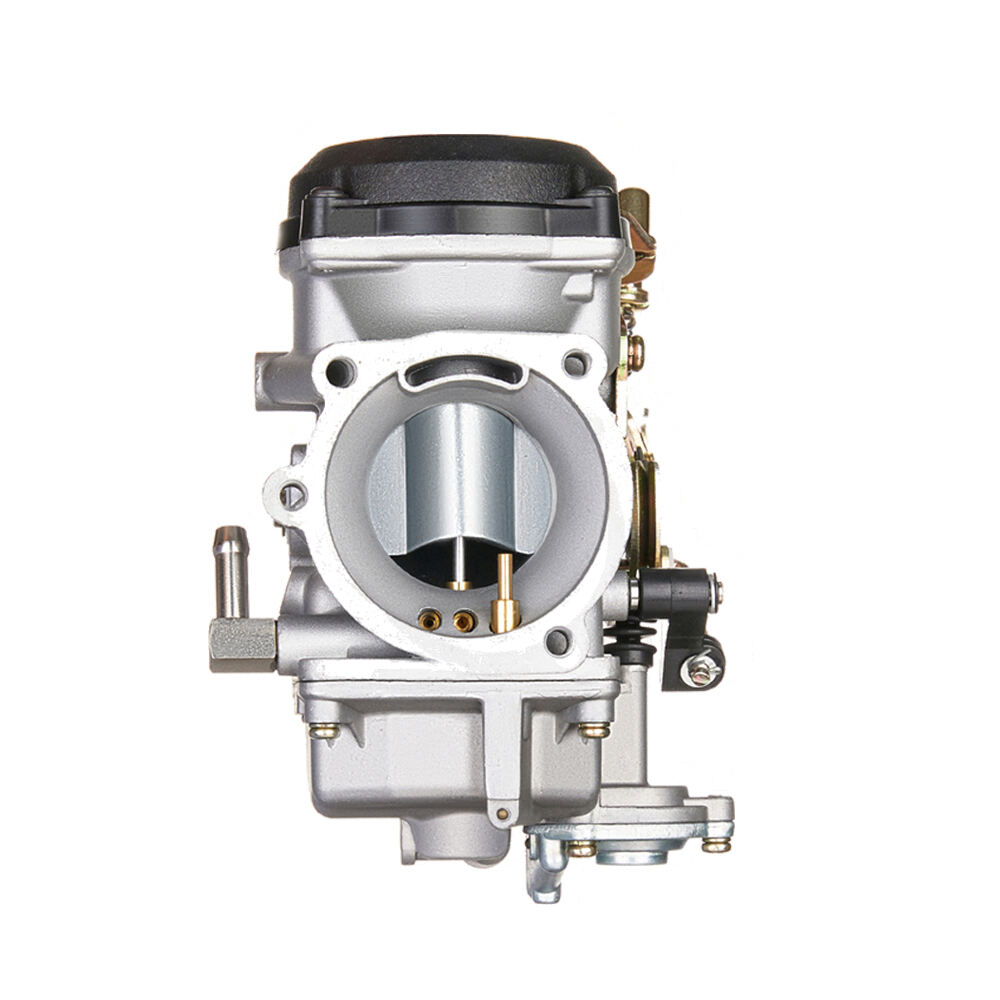
Modern motorcycles depend on the carburetor's ability to deliver precisely metered fuel-air mixtures under constantly changing engine demands, from idle stability to full-throttle acceleration. The carburetor's vital role extends beyond simple fuel delivery, encompassing critical functions that directly impact engine smoothness, throttle response, and overall riding experience across diverse operating scenarios.
The Fundamental Role of Carburetors in Engine Operation
Precision Air-Fuel Mixture Control
The carburetor operates on Bernoulli's principle, creating precise vacuum conditions that draw fuel into the airstream at exactly the right proportions. This mechanical precision ensures your motorcycle engine receives the optimal air-fuel ratio of approximately 14.7:1 for complete combustion. When the carburetor maintains this stoichiometric ratio consistently, your engine achieves maximum power output while minimizing harmful emissions and fuel waste.
The carburetor's internal passages and jets work together to atomize fuel particles into microscopic droplets that mix thoroughly with incoming air. This atomization process is vital because larger fuel droplets burn incompletely, causing power loss, increased emissions, and potential engine damage. The carburetor's design ensures fuel particles reach the optimal size for complete combustion across all engine speeds.
Multiple circuits within the carburetor handle different operating conditions, from the pilot circuit managing idle and low-speed operation to the main jet system controlling high-speed performance. Each circuit must function perfectly for the carburetor to deliver smooth motorcycle performance across the entire rpm range.
Dynamic Response to Engine Demands
The carburetor responds instantaneously to throttle inputs, adjusting fuel delivery within milliseconds of rider commands. This immediate response capability makes the carburetor vital for smooth acceleration, deceleration, and steady-state cruising. Unlike electronic systems that require sensor inputs and processing time, the carburetor provides direct mechanical response to engine vacuum changes.
Venturi design within the carburetor creates variable vacuum strength that automatically adjusts fuel flow based on engine demand. As engine speed increases, higher air velocity through the venturi creates stronger vacuum, drawing more fuel into the mixture. This self-regulating characteristic ensures proper fuel delivery without complex control systems.
The accelerator pump circuit within many carburetors provides additional fuel during rapid throttle opening, preventing lean conditions that could cause hesitation or engine damage. This mechanical enrichment system ensures smooth power delivery during aggressive acceleration scenarios.
Critical Performance Benefits of Proper Carburetor Function
Engine Smoothness and Throttle Response
A properly functioning carburetor eliminates engine roughness, hesitation, and irregular power delivery that plague motorcycles with fuel system problems. The carburetor's ability to maintain consistent air-fuel ratios across varying engine loads directly translates to smooth power delivery and predictable throttle response that riders depend on for safe operation.
The carburetor's float bowl system maintains steady fuel pressure, ensuring consistent fuel availability regardless of motorcycle lean angle or acceleration forces. This steady fuel supply prevents power interruptions during cornering, braking, or aggressive riding maneuvers where fuel system reliability becomes critical for both performance and safety.
Proper carburetor jetting eliminates lean or rich running conditions that cause engine surging, backfiring, or power fluctuations. When the carburetor delivers optimal mixtures consistently, engines run smoothly across all operating conditions, providing the reliable performance motorcyclists expect.
Fuel Efficiency and Engine Longevity
The carburetor's precision metering capabilities directly impact fuel consumption by ensuring complete combustion of every drop of fuel delivered to the engine. Proper air-fuel ratios maximize energy extraction from each combustion event while minimizing wasted fuel that passes through the engine unburned.
Optimal carburetor function prevents both lean and rich running conditions that can damage engine components over time. Lean mixtures cause excessive combustion temperatures that can burn pistons, valves, and cylinder heads, while rich mixtures wash oil from cylinder walls and contaminate engine lubricants with unburned fuel.
The carburetor's ability to provide consistent fuel delivery reduces engine knock and detonation that can destroy bearings, pistons, and connecting rods. By maintaining proper mixture ratios, the carburetor protects expensive engine components while ensuring optimal performance throughout the motorcycle's service life.
Environmental Adaptation and Operating Flexibility
Altitude and Temperature Compensation
The carburetor automatically compensates for atmospheric pressure changes that occur with altitude variations, maintaining proper air-fuel ratios as air density changes. This automatic compensation ensures consistent engine performance whether riding at sea level or high mountain passes, without requiring electronic sensors or complex adjustment systems.
Temperature variations affect both air density and fuel volatility, but the carburetor's mechanical design adapts to these changes naturally. Cold starting circuits provide fuel enrichment during low-temperature operation, while automatic choke systems gradually lean the mixture as the engine warms to operating temperature.
The carburetor's venturi effect becomes stronger as air density increases in cold weather, automatically providing slightly richer mixtures that aid cold-weather starting and operation. This natural adaptation eliminates the need for complex environmental sensors and electronic compensation systems.
Multi-Cylinder Synchronization
On multi-cylinder motorcycles, individual carburetors for each cylinder ensure balanced fuel delivery and synchronized engine operation. Each carburetor can be precisely adjusted to compensate for manufacturing tolerances and ensure all cylinders receive identical air-fuel mixtures for smooth engine operation.
Carburetor synchronization procedures allow fine-tuning of each cylinder's fuel delivery to eliminate vibration and ensure even power contribution from all cylinders. This precise balancing capability makes the carburetor system vital for smooth operation in multi-cylinder applications where even small differences in fuel delivery can cause significant vibration and performance issues.
The mechanical linkage systems connecting multiple carburetors ensure simultaneous throttle opening and synchronized acceleration response across all cylinders. This mechanical synchronization provides immediate, uniform response that electronic systems struggle to match in terms of precision and reliability.
Maintenance Simplicity and Diagnostic Advantages
Straightforward Troubleshooting Process
The carburetor's mechanical operation makes troubleshooting relatively straightforward compared to complex electronic fuel injection systems. Visual inspection of carburetor components, fuel flow, and mixture screws provides immediate insight into system condition and potential problems without specialized diagnostic equipment.
Carburetor problems typically manifest as observable symptoms like rough idle, poor acceleration, or visible fuel leaks that point directly to specific components or adjustments. This direct cause-and-effect relationship between symptoms and problems makes carburetor diagnosis accessible to motorcycle owners and technicians with basic mechanical knowledge.
Field repairs and adjustments are possible with basic tools, allowing riders to address carburetor issues during long-distance travel or in remote locations where specialized electronic diagnostic equipment is unavailable. This serviceability makes the carburetor vital for adventure riding and touring applications.
Cost-Effective Performance Optimization
Carburetor tuning requires only basic jets, needles, and adjustment screws that cost significantly less than electronic control modules or fuel injection components. This affordability makes performance optimization accessible to budget-conscious riders who want to maximize their motorcycle's potential without expensive electronic upgrades.
Rebuilding a carburetor involves primarily gaskets, seals, and cleaning, making restoration much less expensive than replacing electronic fuel system components. The carburetor's mechanical simplicity means most wear items are inexpensive consumables rather than costly electronic modules that require complete replacement when they fail.
Performance modifications through carburetor changes provide immediate, measurable improvements in throttle response and power delivery. Unlike electronic systems that may require expensive programming or multiple component upgrades, carburetor modifications deliver instant results with simple mechanical changes.
FAQ
How does a carburetor maintain consistent performance across different riding conditions?
The carburetor uses multiple fuel circuits that automatically activate based on engine vacuum and throttle position. The pilot circuit handles idle and low-speed operation, while the main jet system manages high-speed fuel delivery. Accelerator pumps provide enrichment during rapid acceleration, and automatic choke systems compensate for cold starting conditions. This multi-circuit design ensures optimal air-fuel ratios across all operating scenarios without electronic intervention.
What makes carburetor maintenance different from fuel injection system service?
Carburetor maintenance involves primarily mechanical cleaning, adjustment, and replacement of wear items like gaskets and jets. These procedures require only basic tools and can be performed by motorcycle owners with moderate mechanical skills. Fuel injection systems require specialized diagnostic equipment, software programming, and electronic component replacement that typically demands professional service facilities and significantly higher costs.
Can a properly tuned carburetor match modern fuel injection performance?
A correctly jetted and adjusted carburetor can deliver performance that rivals fuel injection systems in terms of power output and throttle response. While fuel injection may offer slight advantages in fuel economy and emissions control, the carburetor's immediate mechanical response and tuning flexibility often provide superior performance characteristics for enthusiast riders who prioritize throttle feel and power delivery over maximum fuel efficiency.
Why do some riders prefer carburetors over electronic fuel injection?
Many riders choose carburetors for their mechanical simplicity, immediate throttle response, and field serviceability. Carburetors provide direct connection between rider input and engine response without electronic delays or intervention. Additionally, carburetor systems can be serviced and modified with basic tools and mechanical knowledge, making them ideal for riders who prefer hands-on maintenance and performance customization without relying on specialized diagnostic equipment or professional service facilities.
Table of Contents
- The Fundamental Role of Carburetors in Engine Operation
- Critical Performance Benefits of Proper Carburetor Function
- Environmental Adaptation and Operating Flexibility
- Maintenance Simplicity and Diagnostic Advantages
-
FAQ
- How does a carburetor maintain consistent performance across different riding conditions?
- What makes carburetor maintenance different from fuel injection system service?
- Can a properly tuned carburetor match modern fuel injection performance?
- Why do some riders prefer carburetors over electronic fuel injection?