
 EN
Quick Links

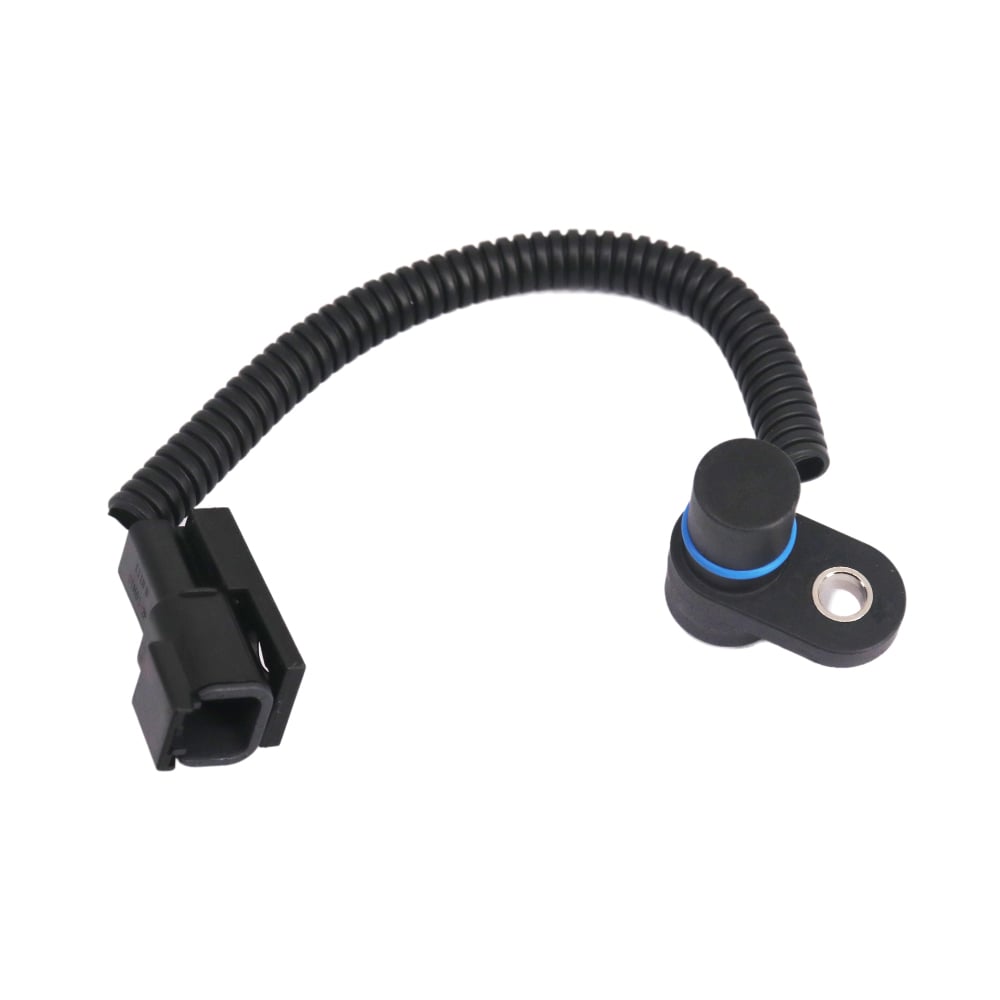
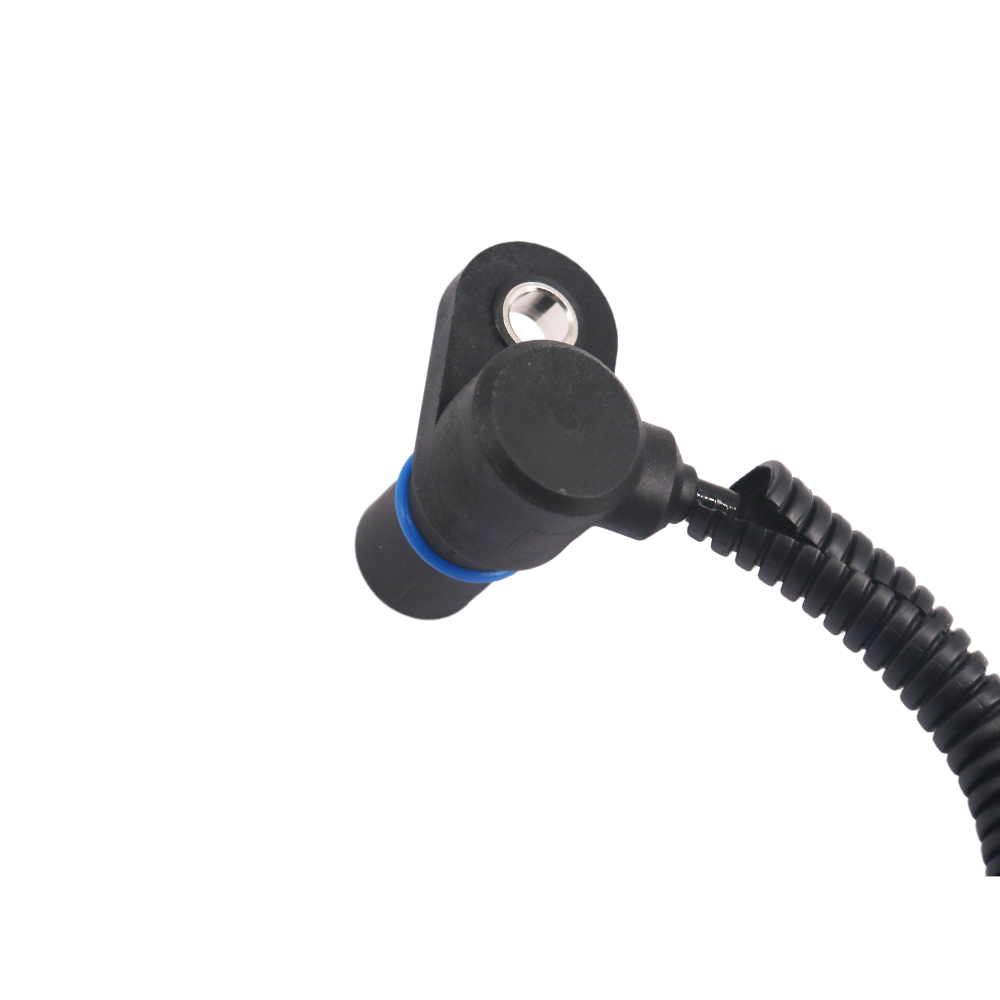
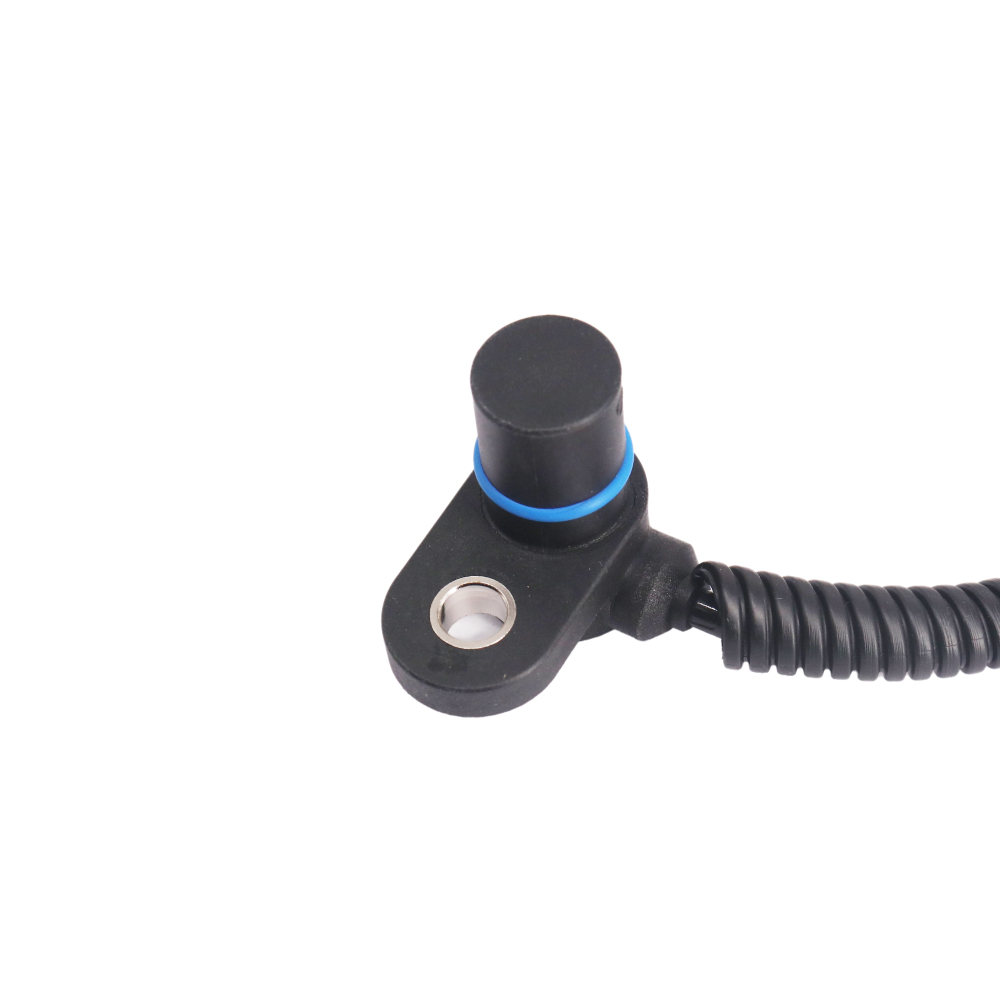
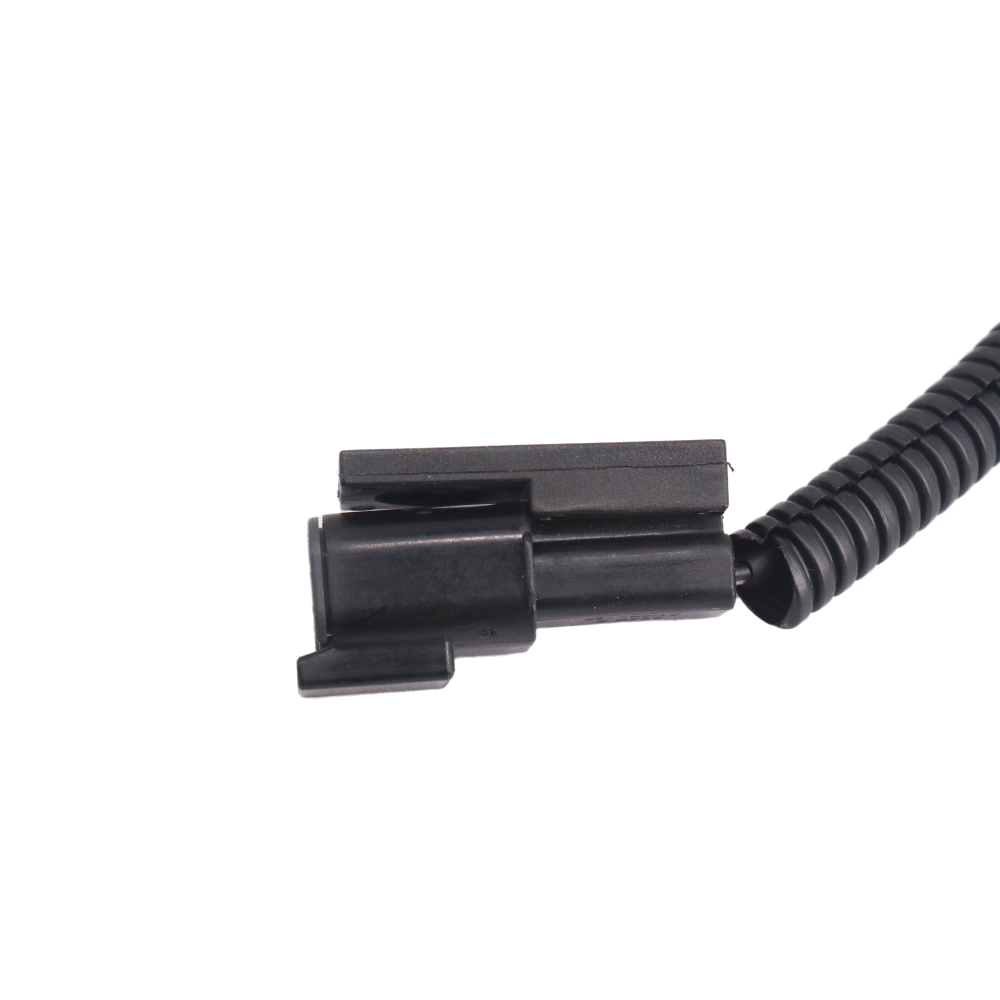
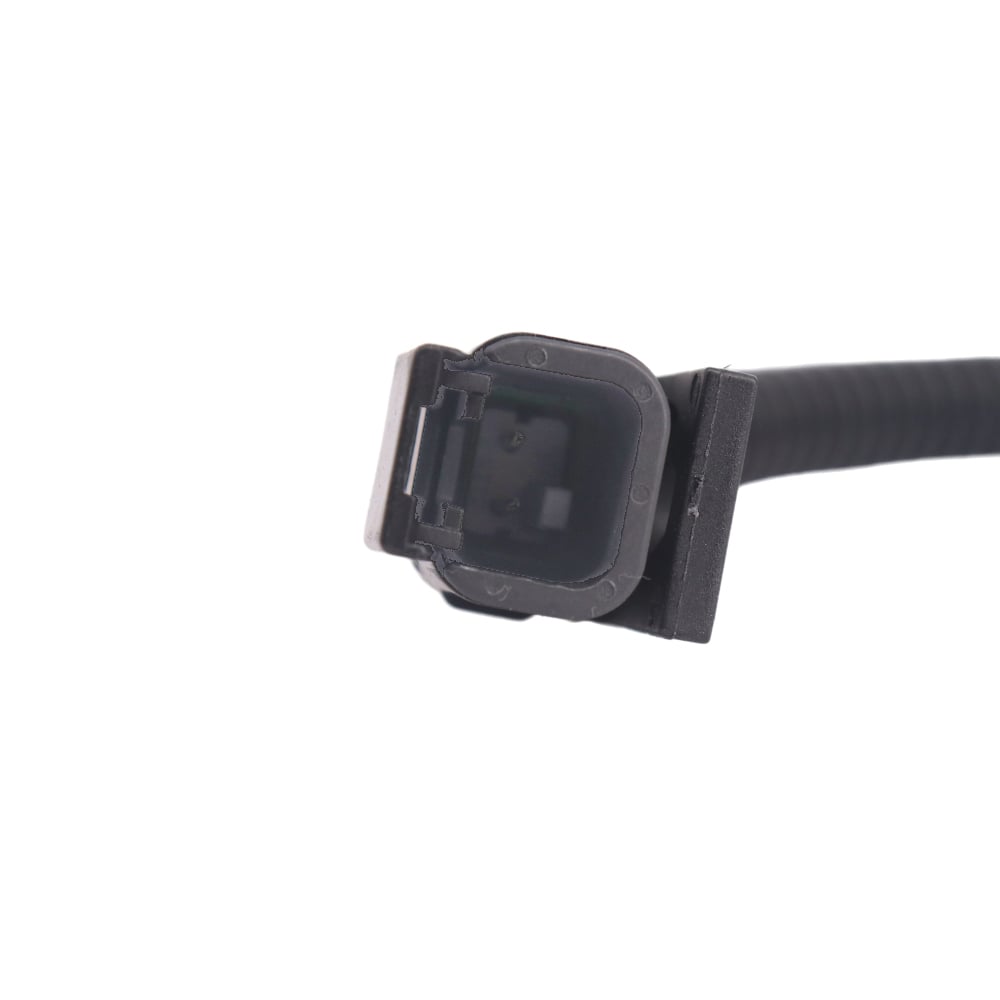
Type |
Crankshaft position sensor, inductive (variable reluctance) |
Output |
AC, amplitude rises with engine speed |
Pins |
2 |
Supply |
None — self-generating |
Lead |
Fitted |
Windows |
Touring 2004–2016 · Softail 2001–2017 · Dyna 2006–2017 · Sportster 2006–2018 |
Temperature |
−40 to +150 °C |
Ingress |
IP67 |
Weight |
38.8 g with lead |
Wholesale from |
100 pcs |
Family |
Years |
Softail FXST / FLST |
2001–2017 |
Touring FLH / FLT |
2004–2016 |
Dyna FXD |
2006–2017 |
Sportster XL |
2006–2018 |
The four windows differ, which is worth noticing: Softail opens earliest and Touring closes earliest. A machine outside its own family's window takes a different part, even if it carries the same badge.
OEM cross-reference: 32707-01B · 32707-01C · 933-1001 · TR484897.
The whole procedure hinges on one setting, and getting it wrong produces a confident, wrong answer.
Step one: AC volts, not DC. On a working sensor the DC reading during cranking is close to zero — that is the nature of an alternating signal averaged by a DC meter. Switch to AC volts and the same wires show a reading that rises and falls with cranking speed.
Step two: crank, do not idle. The signal is generated by movement, so the test exists only while the starter turns the engine. Two people, or a remote starter button, or a meter with a hold function.
Step three: watch whether the reading rises. A healthy inductive sensor produces a bigger AC number as speed increases. A number that stays pinned near zero at every speed is a real fault; a number that is merely small is a speed problem — see section 5.
Step four: check the lead before the body. These ship with a lead, and the lead is the part that fails: it runs past a hot cylinder, gets zip-tied to a frame, and flexes at the exit from the shell. A break inside intact insulation produces a perfect resistance reading on the bench and nothing on the machine. Flex the lead while watching the meter — that one movement finds more failures than any other test in this procedure.
Step five: only then the part. Wires, speed, gap, lead, and finally the sensor itself. In that order, because that is the order of cost.
Field |
Value |
Brand |
RUNTONG |
Part number |
RB-CD012 |
OEM cross-reference |
32707-01B · 32707-01C · 933-1001 · TR484897 |
Type |
Crankshaft position sensor |
Principle |
Inductive, variable reluctance |
Output |
AC, amplitude proportional to speed |
Pins |
2 |
Supply |
None |
Lead |
Fitted |
Mounting |
Bolt fixing |
Operating temperature |
−40 to +150 °C |
Ingress protection |
IP67 |
Housing |
ABS plastic |
Weight |
38.8 g with lead |
Supplied with |
Sensor, lead and washer |
Inner packing |
Zip bag |
Carton |
6.5 × 6 × 5 cm, 100 pcs |
Certification |
ISO 9001 |
Warranty |
12 months |
Wholesale minimum |
100 pcs |
Custom printed carton |
From 1,000 pcs |
Dispatch |
7 days from stock; 15–30 days to build |
Freight |
Air, sea, land |
Bagged with its washer, then a plain carton of 6.5 × 6 × 5 cm, a hundred to the box.
38.8 g is the heaviest sensor in this range, and the lead is most of it. That changes the packing problem: the body is small and robust, the lead is long and can be folded, and a fold that is tight enough to save space is tight enough to crack insulation on a cold shelf. Ours goes in loose, coiled, with the connector end protected.
Do not shorten the lead on receipt. It is fitted because the machine needs the length it needs; a shortened lead is a splice in the worst place on the motorcycle, and it is the first thing a warranty inspection looks for.
Plain cartons, no marque. Printed from 1,000 pieces, one design, proof signed off before the run.
Two wires and one bolt, and the details that decide whether it lasts two years or two months.
1. Photograph the old routing before you remove anything.
Where the lead runs matters as much as where the sensor goes
— it must stay off the exhaust and off anything that moves.
2. Disconnect at the plug, not by pulling the lead. Release the latch.
3. Undo the single fixing bolt fully, then withdraw straight. Do not lever against the crankcase.
4. Wipe the bore and the sensing face. Look at the trigger through the bore with a torch: a bent tooth or heavy debris produces a fault no sensor can cure.
5. Fit the washer, seat the body square, torque to the machine's own figure.
Do not stack extra washers to "close the gap"
— on this type the gap is a working dimension set by the mounting, and adding height moves it in the wrong direction.
6. Route the new lead along the old path, with the same clips and the same clearance. Add a tie only where it does not pull the lead against a casting.
7. Start the engine, then re-check the AC reading at idle and confirm the tachometer behaves. Hand over on evidence, not on a successful press of the button.
Dispatch. A week off the shelf; three to four weeks if the batch has to be produced.
Freight. Air, sea or land. A hundred units is light freight, and the entry paperwork will outweigh the cargo charge.
Tax. Duty and VAT sit with the buyer unless DDP is agreed in writing. The invoice describes the function — crankshaft position sensor — and no vehicle manufacturer is named anywhere on the paperwork, the carton or the part.
Warranty. Twelve months, batch-wide, covering sensor and seal. Excluded: a lead cut, spliced or shortened, a connector latch broken on removal, a shell cracked by a lever or by over-torque, extra washers stacked under the fixing, and a sensing face scraped with a tool.
Because it generates its own signal and there is nothing to power. Zero at key-on is what a healthy unit does. Test in AC volts while cranking.
No. Two wires and no supply means inductive: the coil makes an alternating voltage as the trigger passes. The three-pin sensors used elsewhere on this site are Hall and are tested completely differently.
Match what came off the machine. Both are listed together and we publish no functional difference between them.
No. The Sportster window here closes in 2018.
You can measure the winding and find an open or shorted coil. It will not tell you whether the sensor produces a clean signal hot, and it will not tell you the lead is broken inside its insulation.
It cranks slowly and there is no signal. Charge or jump the machine before condemning anything. A slow crank makes a good sensor produce a small signal.
A hundred is the wholesale minimum. For one machine, take a single unit at retail and keep the carton.
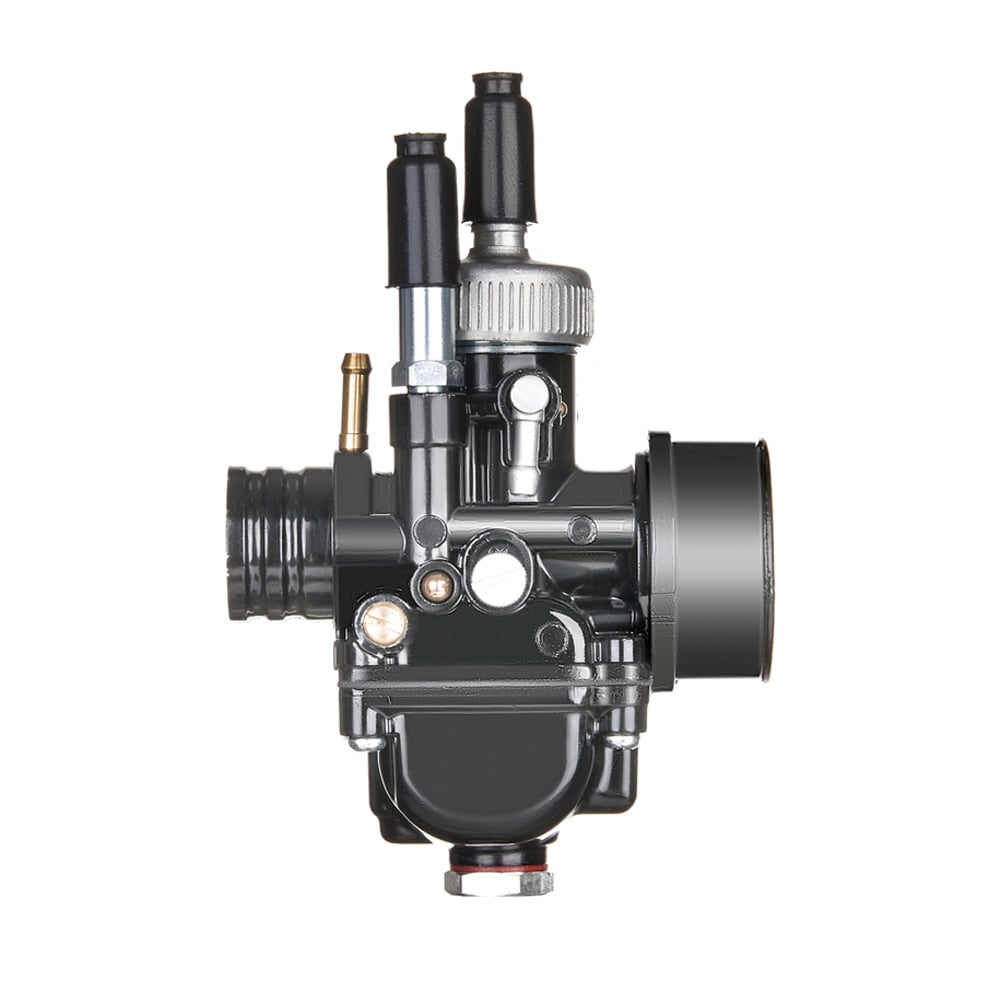
Dellorto PHBG 17 19 21 DS Yamaha JOG50 JOG90 BWS100 Suzuki RG50 Honda DIO50 Carburetor
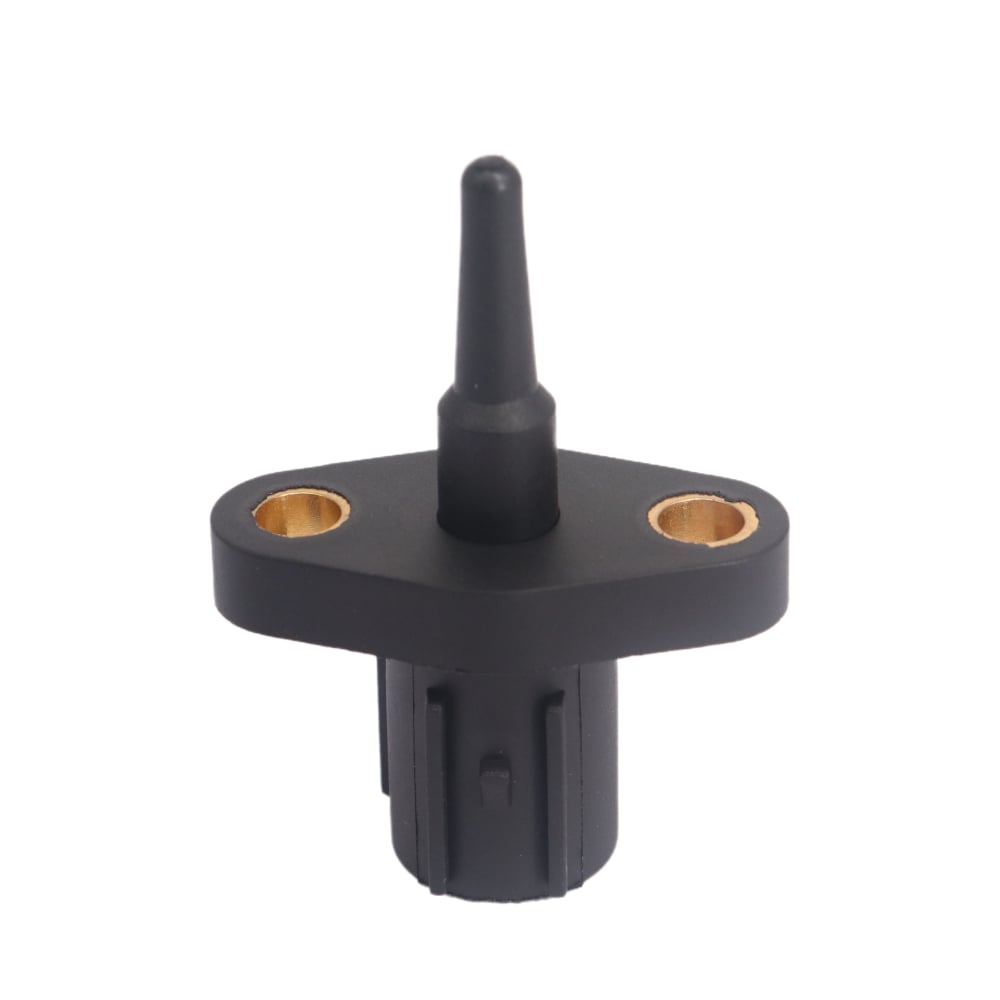
Suzuki GSXR600 GSXR750 GSXR1000 GSXS750 GSX1300R 13650-14G10 Air Temperature Sensor
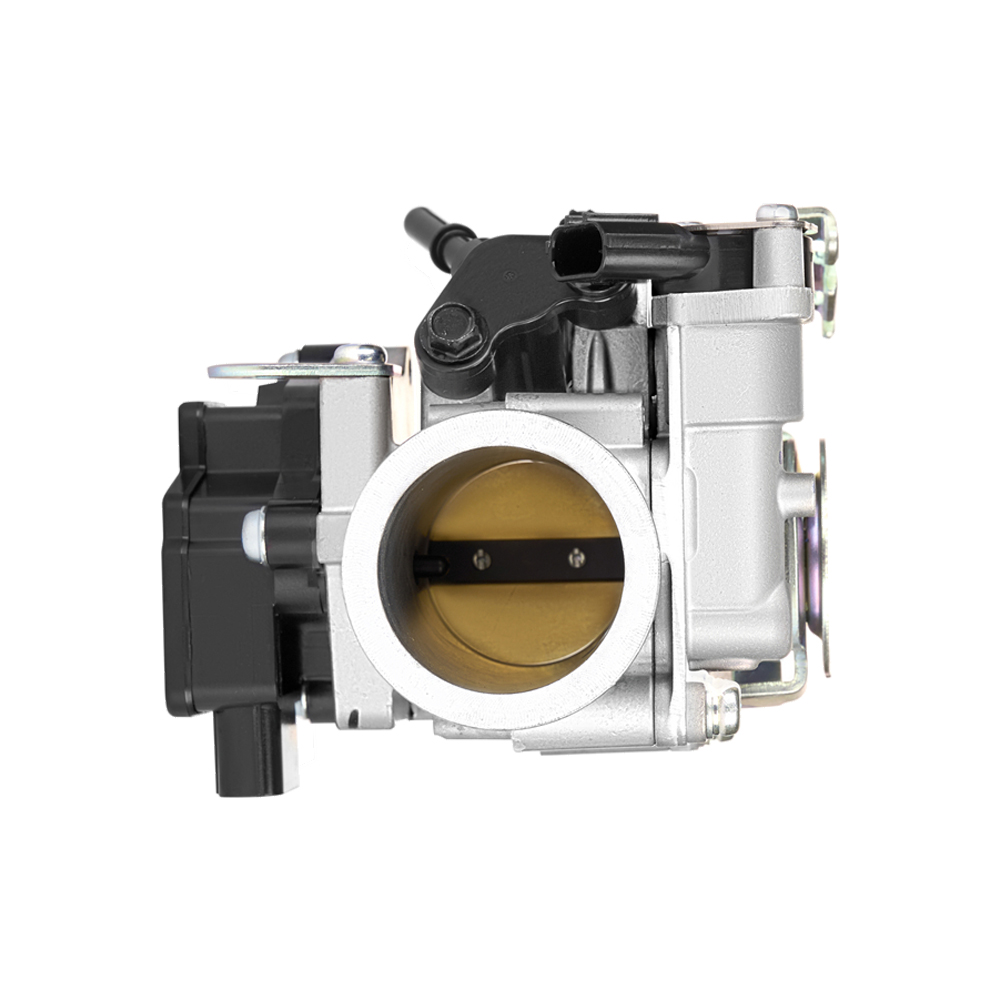
34 mm Racing Throttle Body for the Honda CB 250 Twister — 16400-K31-901
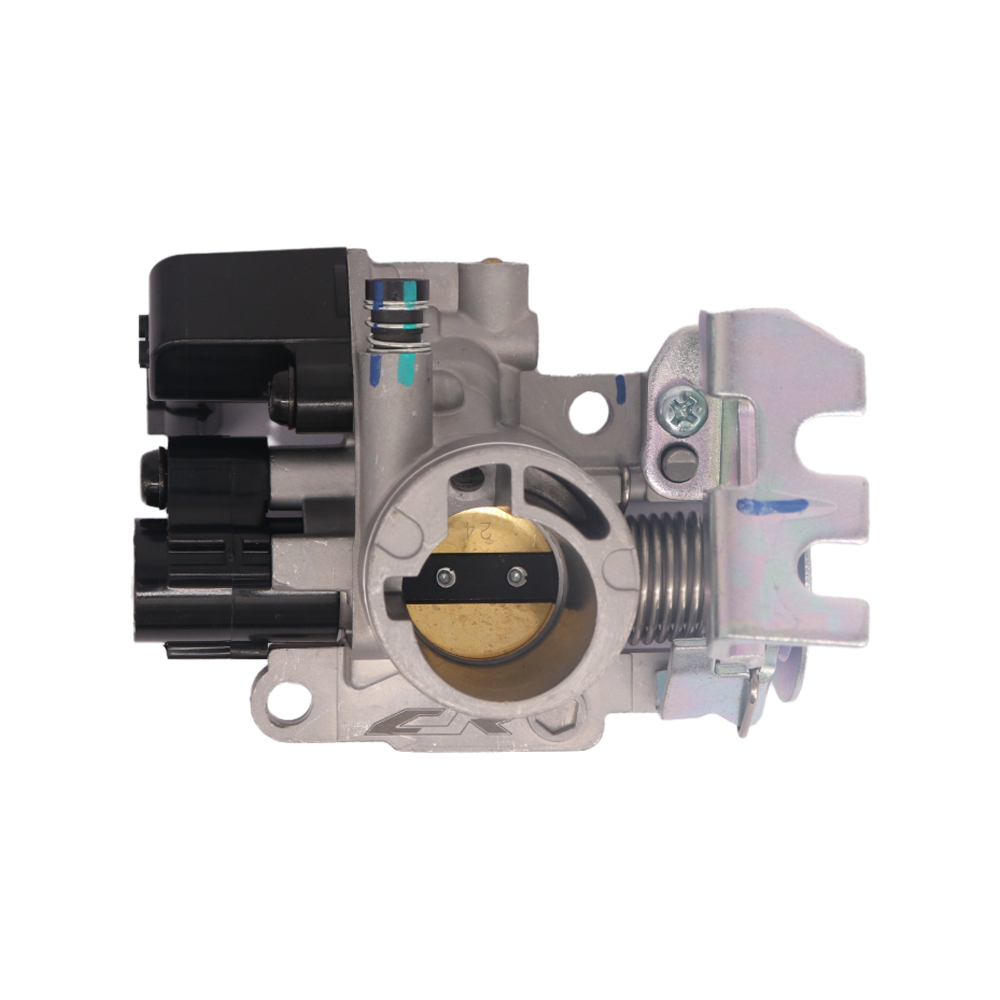
24 mm Throttle Body for the Honda CLICK 125i V2/V3 and VARIO 125 ESP, 2018–2023 — 16400-K60-B61