
 EN
Quick Links

Type |
Wheel speed sensor, rear |
Principle |
Active Hall |
Output |
Square wave or current pulse |
Position |
Rear wheel |
Tone ring |
Not included |
Displacements covered |
125 · 300 · 400 |
Temperature |
−40 to +150 °C |
Ingress |
IP67 |
Weight |
41 g |
Wholesale from |
100 pcs |
The sensor does not measure engine size. It counts teeth passing a face and reports a frequency. A 125 doing 45 km/h and a 400 doing 45 km/h are, to this part, the same event — same wheel, same ring, same number of pulses per second.
What differs is everything around it. The 125 is a licence-legal commuter in Europe; the 300 is the volume model, used for everything from city work to weekend touring; the 400 was the flagship before it went out of production. Three owners, three sets of expectations, one part number.
Why that is good for a shelf. One box answers three enquiries. A dealer who has never sold an XMAX 400 sensor will still sell it, because the customer arrives with a 300 number found on a forum and the part is the same.
Why that is dangerous at the counter. Breadth invites the assumption that it fits the whole family, and it does not: the front wheel is a different part, and other Yamaha scooters with the same connector are not covered by this number. Match the number off the old part; do not match the badge.
A model that stops being built does not stop being ridden. It moves through owners who paid less for it, into workshops that are not franchised, and onto parts channels that are not the factory's.
What that does to this part. The 300 keeps the volume and keeps the dealer route open. The 400 becomes an aftermarket enquiry: an owner with a 2018–2020 machine, a lamp on the dash, and a dealer who can order it in three weeks.
What we will not do is quote a volume. We have no registration data and no sell-through figures for either model, and inventing a number to sound informed is how a distributor ends up overstocked on the wrong one.
What we will say is what is observable. The same number serves both, the 400 stopped in 2020, and every year after that moves a little more of the 400 parc into the independent channel. If you serve maxi-scooters, this is a part where a hundred units is not a gamble on one model.
Model |
Years |
XMAX 300 |
2017–2023 |
XMAX 400 |
2018–2020 |
XMAX 125 ABS |
2018–2023 |
Rear wheel. The front sensor is a separate part number and does not interchange.
Tone ring not included — the ring stays on the machine.
OEM cross-reference: B74-H5980-01.
On a maxi-scooter, more of the mileage happens at speed than on a city 125, and this is where a marginal reading turns into a lamp.
Why the stand test passes. On the centre stand the wheel turns slowly and the ring passes the sensor with plenty of time per tooth. A ring with a slight bend, a hub with a little bearing play, or a sensor sitting a fraction proud will read perfectly at walking pace and badly at eighty.
How it presents. The lamp comes on at a repeatable road speed — often the same stretch of road, often after a bump — and may go out again after a stop. Sometimes the speedometer needle flickers with it. A repeatable speed is the most useful clue on the whole machine, because it points at run-out rather than at electronics.
Why that distinction saves money. Electronics fail randomly. Geometry fails at a speed. If a customer can tell you the number on the dash where the lamp appears, you already know to look at the ring, the bearing and the seating before you open a box.
Field |
Value |
Brand |
RUNTONG |
Part number |
RB-ABS003 |
OEM cross-reference |
B74-H5980-01 |
Type |
ABS wheel speed sensor |
Position |
Rear wheel |
Principle |
Active Hall |
Output |
Square wave or current pulse |
Tone ring |
Not included |
Mounting |
Original fixing points, direct replacement |
Operating temperature |
−40 to +150 °C |
Ingress protection |
IP67 |
Housing |
ABS plastic |
Weight |
41 g |
Supplied with |
Sensor and washer |
Inner packing |
Zip bag |
Carton |
6.5 × 6 × 5 cm, 100 pcs |
Certification |
ISO 9001 |
Warranty |
12 months |
Wholesale minimum |
100 pcs |
Custom printed carton |
From 1,000 pcs |
Dispatch |
7 days from stock; 15–30 days to build |
Freight |
Air, sea, land |
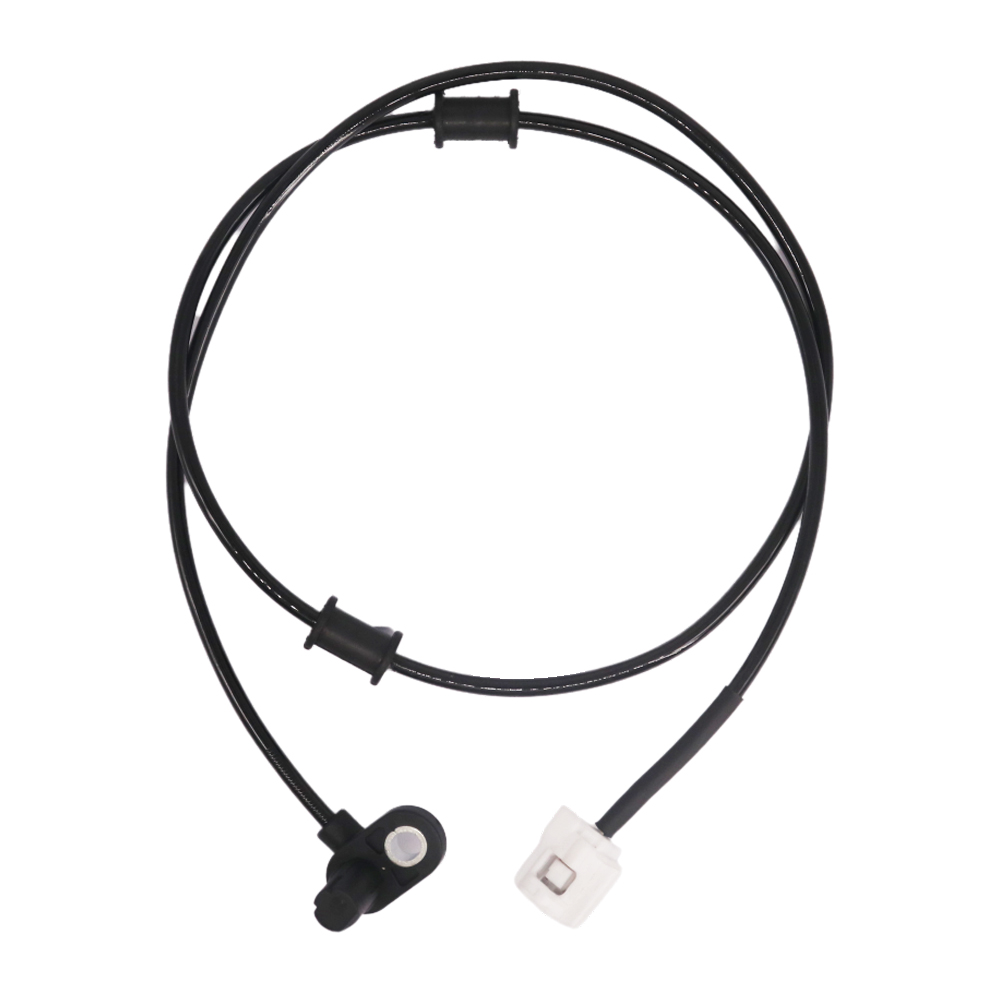
A bag with its washer, then a plain carton of 6.5 × 6 × 5 cm, a hundred to the carton.
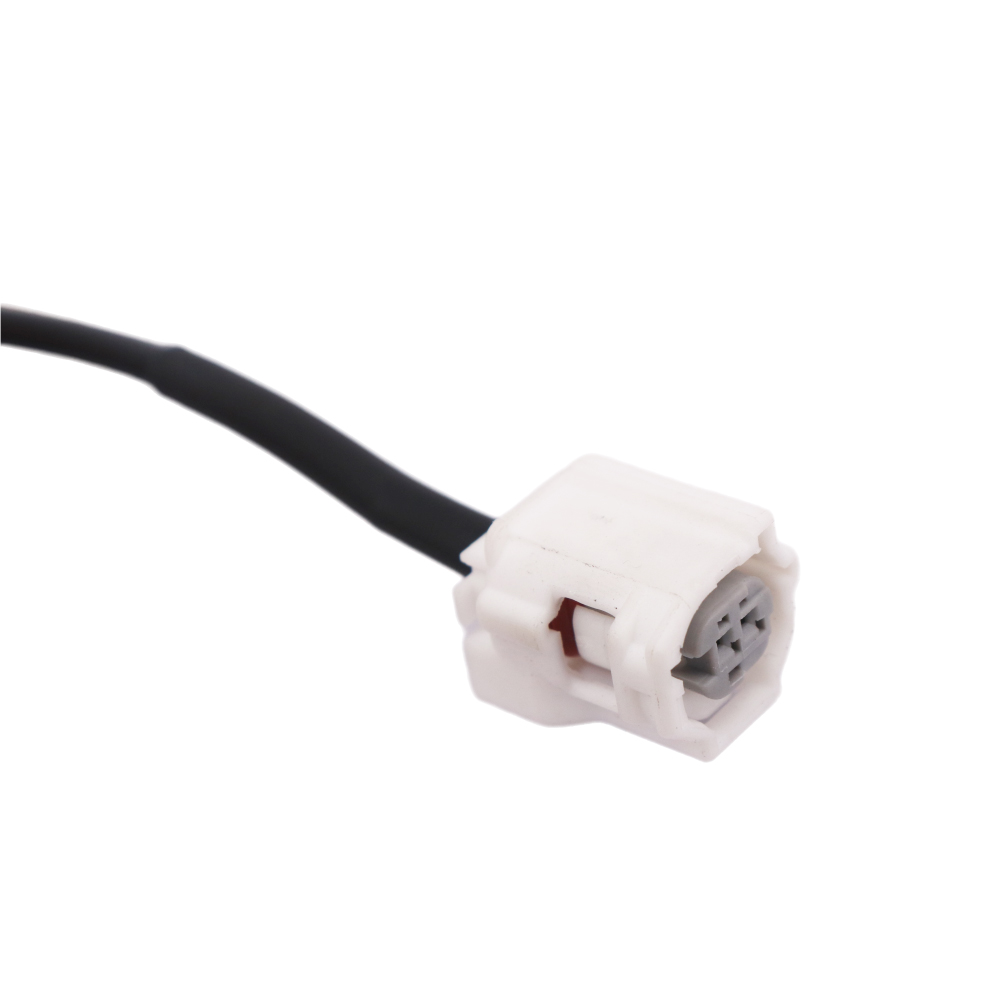
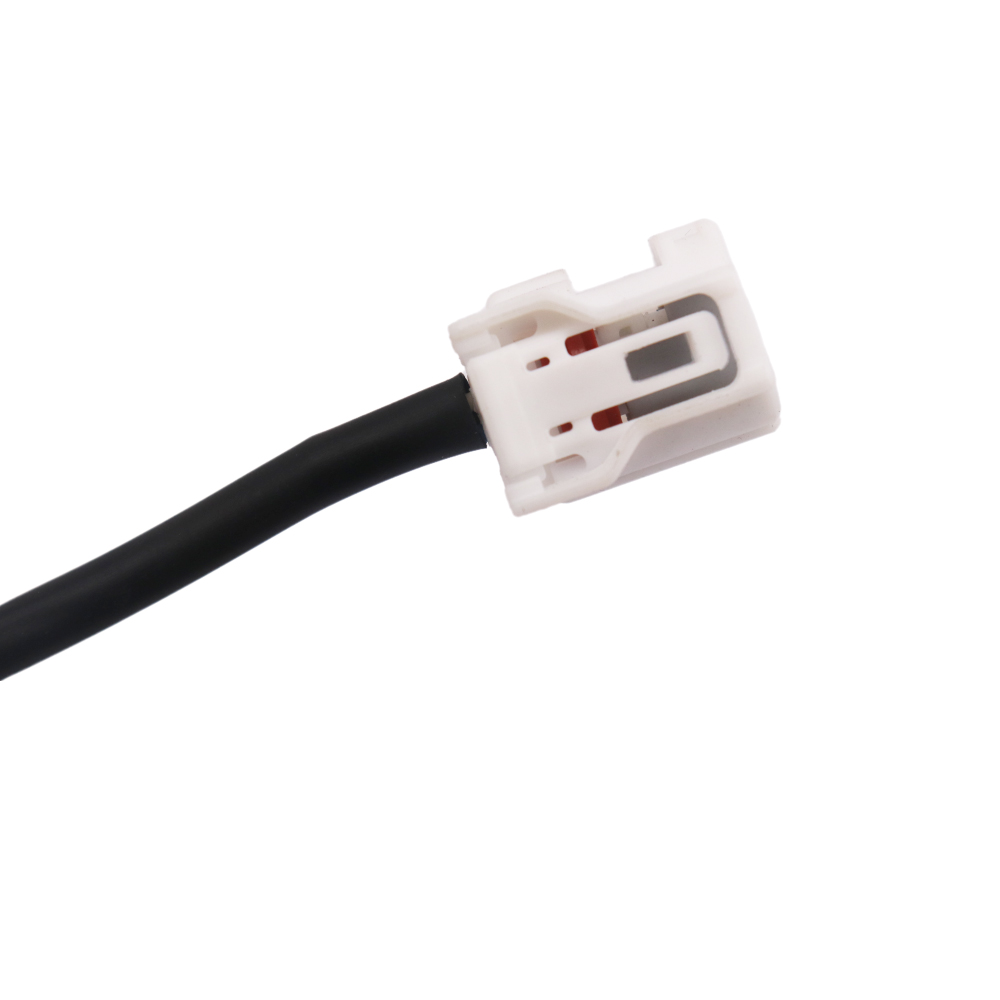
41 g, and the connector is the part that protrudes. It ships with the lead coiled loose and the plug end protected, because a drop onto that end is the only impact this shape does not survive.
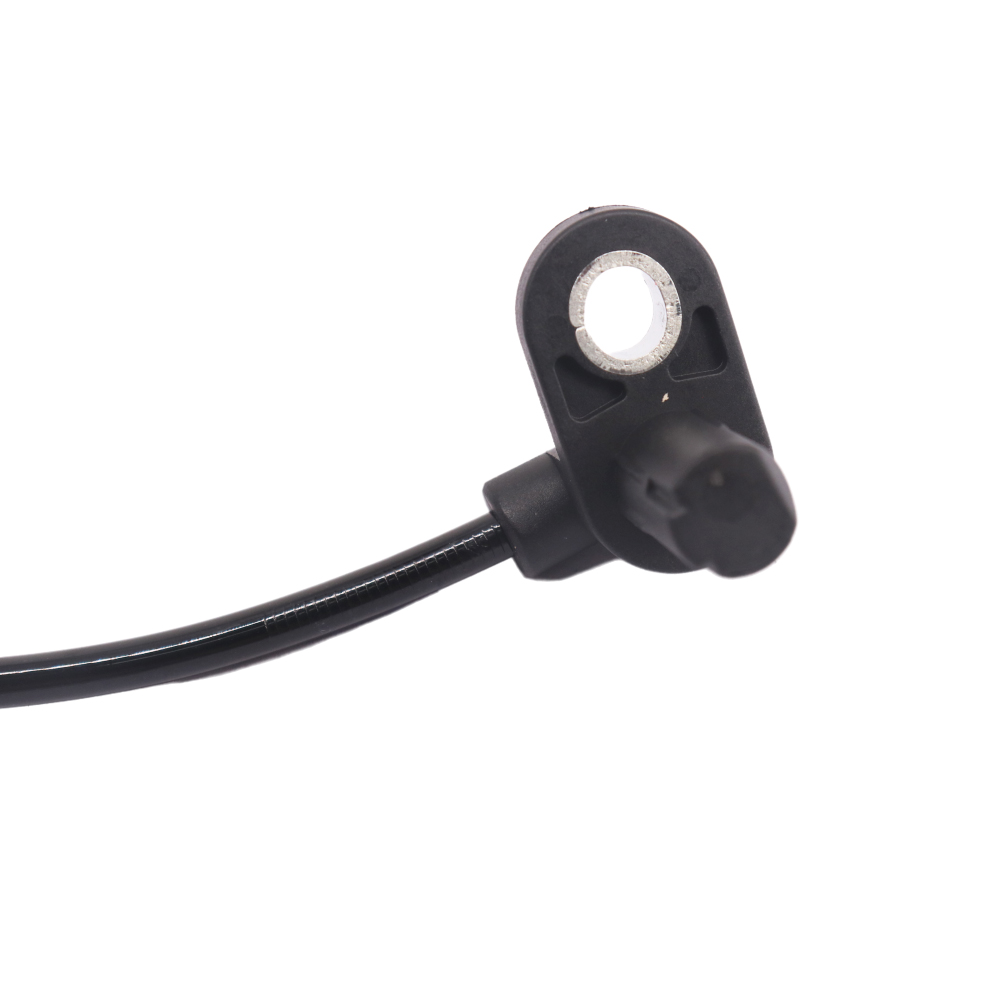
The washer is bagged with the sensor — it sets the seating depth, and the seating depth is half the reading.
Plain cartons with no marque. Three displacements, one shelf position, and a distributor free to brand it. Printed cartons from 1,000 pieces, one design, proof approved before printing.
1. Ignition off. Photograph the lead run before you disturb it — around the swingarm, clear of the wheel and the exhaust.
2. Release the connector latch; do not pull on the lead.
3. One fixing bolt out fully, body withdrawn straight. No levering against the swingarm or the hub carrier.
4. Clean the face and inspect the ring through the gap: a bend, a stone, or packed road film all imitate a failed sensor.
5. Fit the washer, seat flat, torque to the machine's figure.
A body sitting proud reads at low speed and misreads at high speed
— which is exactly the fault you were called about.
6. Route the lead as photographed, secured by the original clips.
7. Ignition on, spin the wheel, watch the reading. Then ride it —
and ride it at the speed where the complaint happened
, because a stand test cannot reproduce a speed-dependent fault.
Dispatch. Seven days from stock, or three to four weeks if the batch is built to order.
Freight. Air, sea or land. A hundred units is light cargo and the customs entry will cost more than the transport.
Tax. Duty and VAT belong to the buyer unless DDP is agreed in writing. The invoice names the function, not the vehicle: wheel speed sensor, no manufacturer's name on the documents, the box or the part.
Warranty. Twelve months, batch-wide, covering sensor and seal. Excluded: a lead cut or spliced, a latch broken at removal, a shell cracked by a lever, a sensing face scraped, and a part fitted without its washer so that the body sat proud.
Yes — one number covers 125, 300 and 400. Confirm against the number on the sensor you are removing.
Rear. The front sensor is a different part number.
No. The ring stays on the machine.
The lamp only comes on at speed. That is a geometry symptom more often than an electronics one. Check ring run-out, bearing play and how the body seats before replacing anything.
You can confirm it reports at all. You cannot confirm it under road-speed conditions — and on this machine that is where the fault lives.
A hundred is the trade minimum, and one part covers three displacements and a model that is no longer built. For a single machine, buy one at retail.
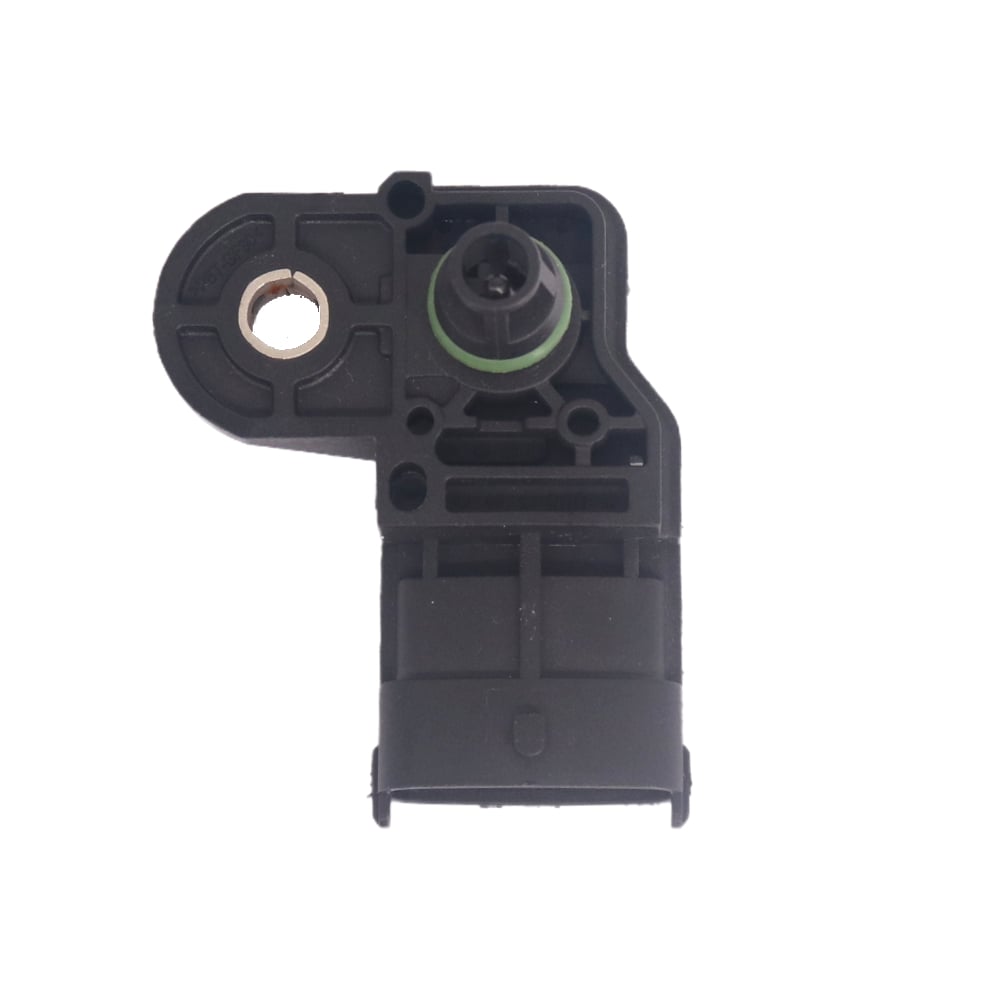
0261230283 BOSCH Iveco Opel Chevy Motorcycle Intake Manifold Absolute Pressure Sensor
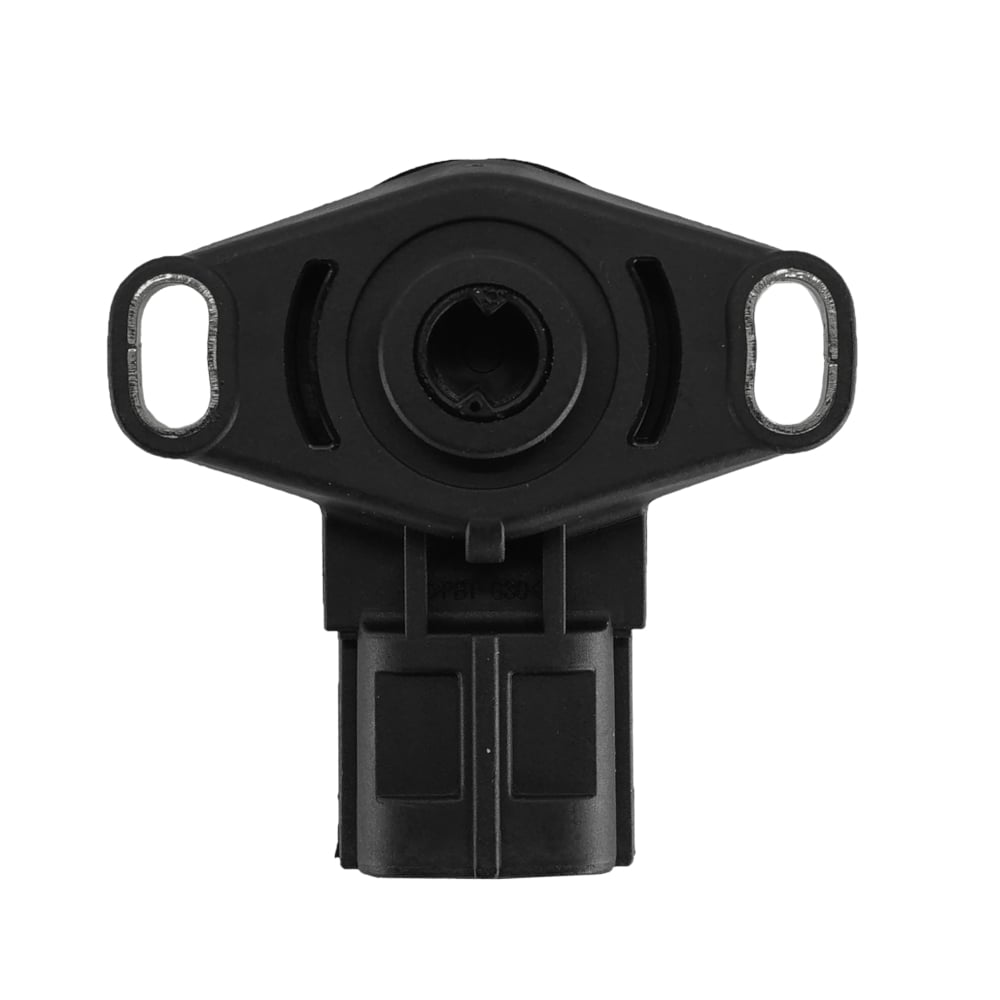
Honda Rancher 400 Foreman Rubicon 500 TRX400 TRX500 16061-HP0-A01 Throttle Position Sensor
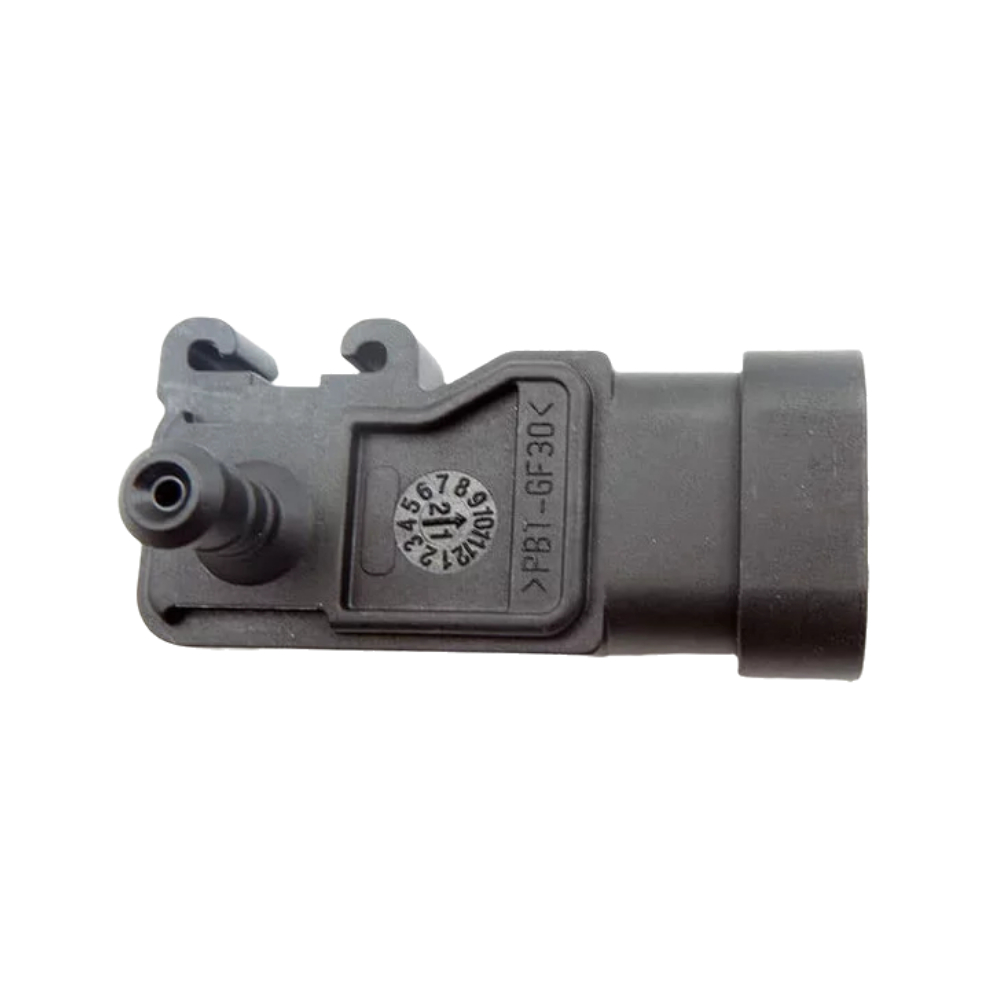
Intake Manifold Pressure Sensor for Benelli TRK251, TNT300, TNT600 and Keeway Models — 8M0142690, 28074367
Honda XRE 300 Racing Throttle Body — 16400-KWT-701, 36 mm