
 EN
Quick Links

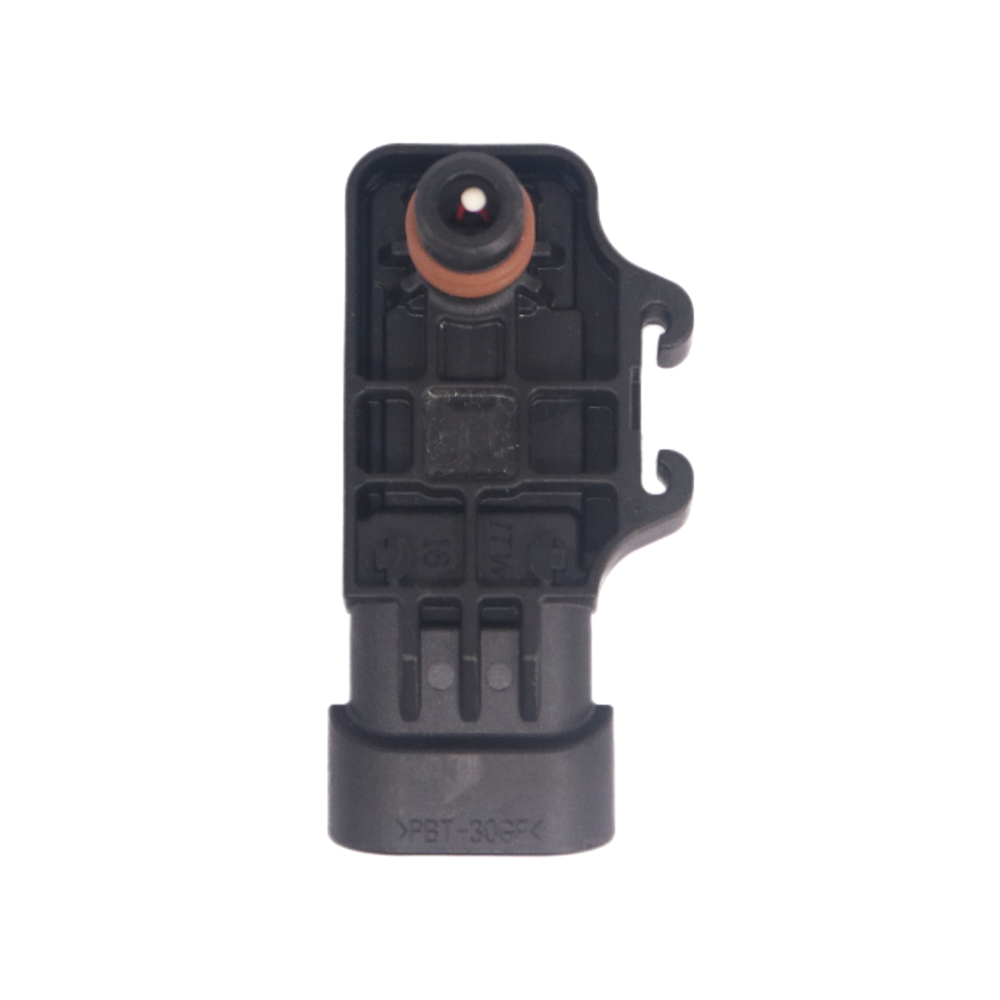
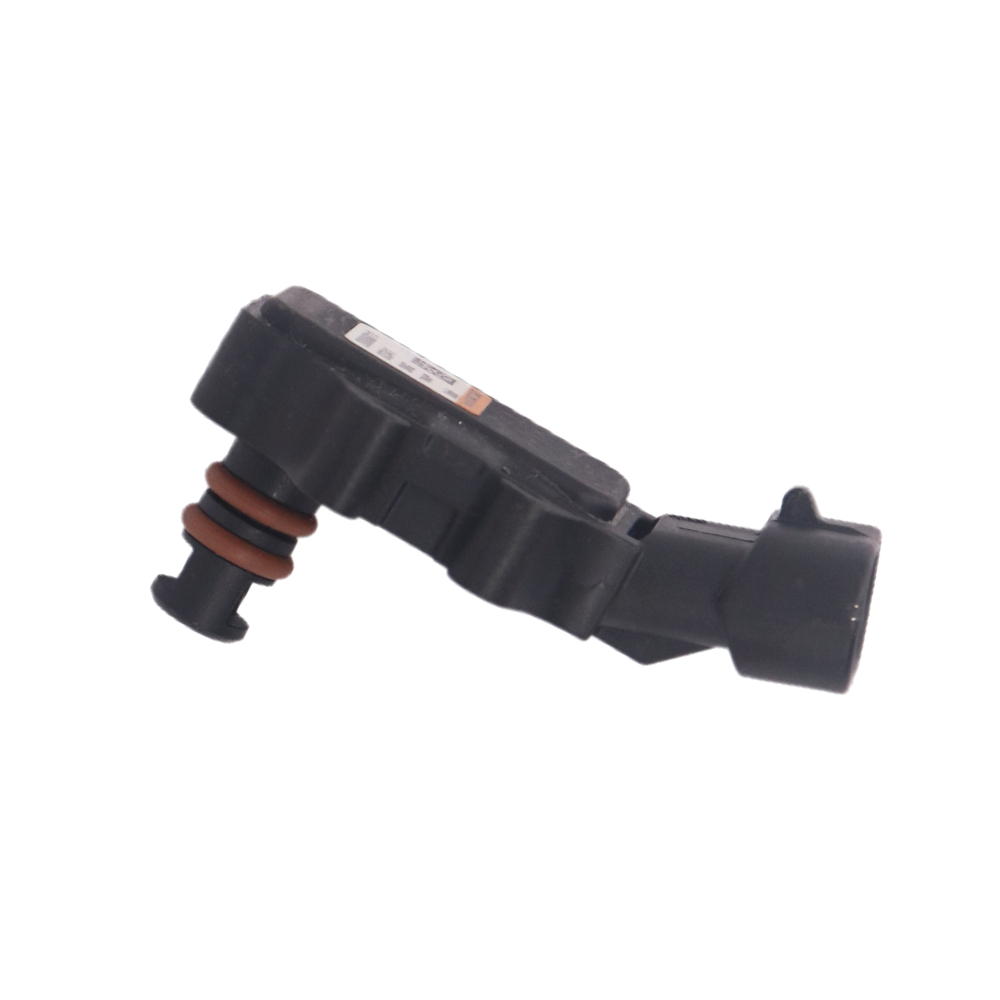
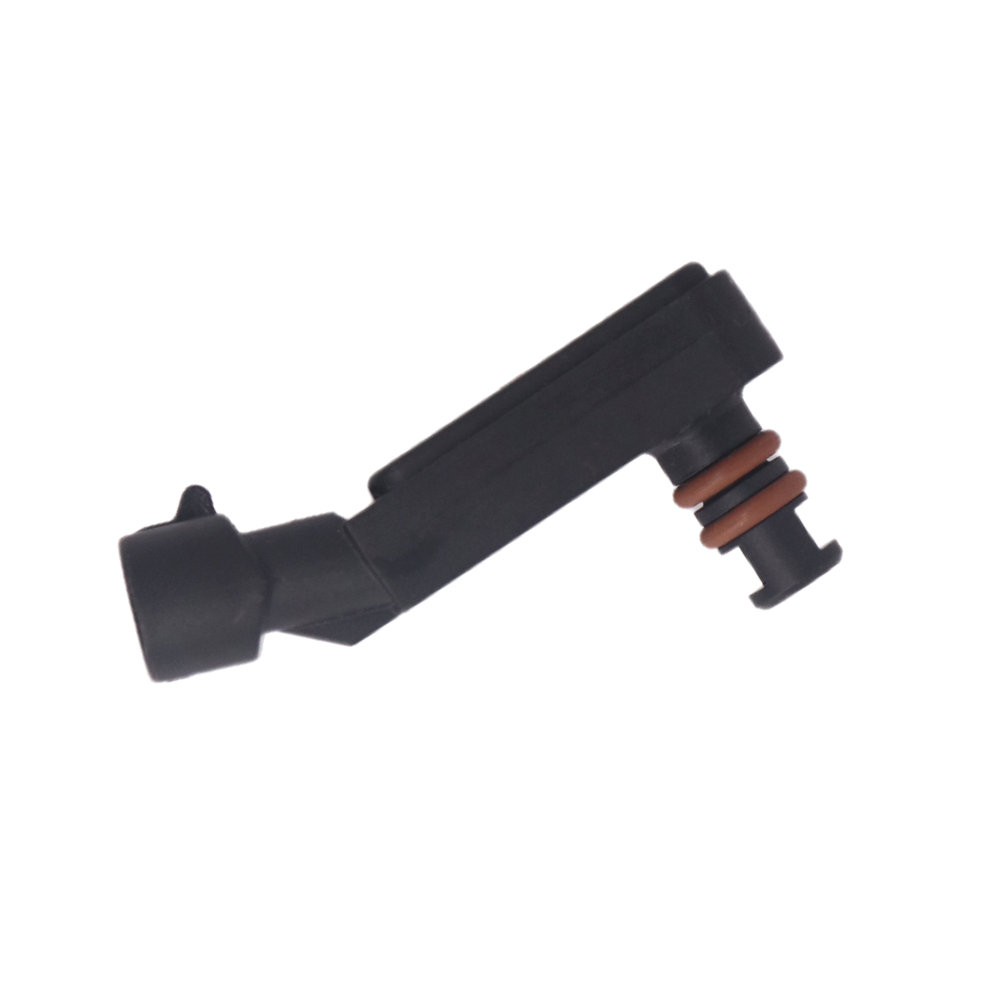
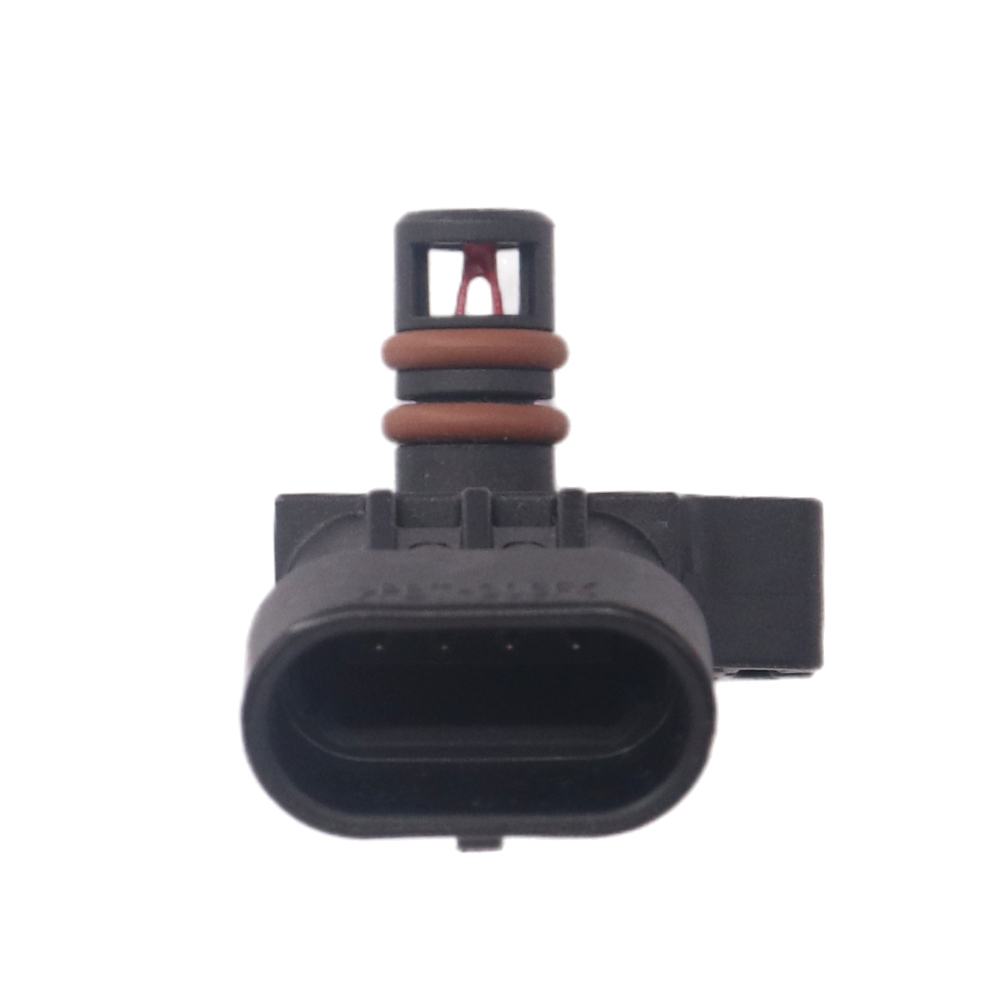
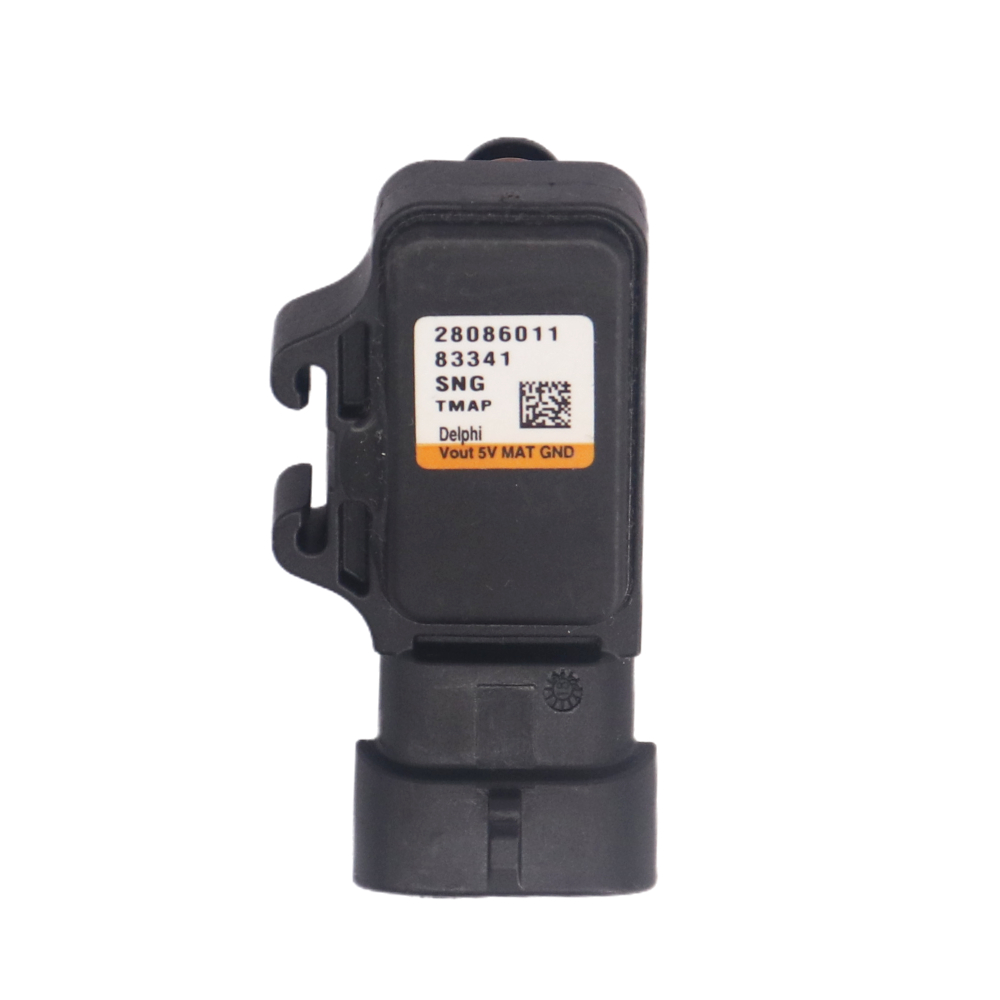
A French hatchback, a German city car and a Chinese SUV on one application list is not a mistake in the catalogue. It is what platform sharing looks like after fifteen years — and understanding the three chains explains every name here.
Wholesale, fifty pieces per order. Distributor pricing at that quantity.
Four pins
Two OE-side numbers, two aftermarket catalogue numbers
Renault, Smart, Opel, Chevrolet, Chery, Landwind
16 g
Two unrelated customer groups
Fifty minimum
Type |
Absolute pressure sensor (MAP) |
Range |
50–400 kPa absolute |
Output |
Analog voltage |
Connector |
4-pin |
Supply |
5V ± 0.25V |
Accuracy |
±1.5% FS |
Temperature |
−40 to +125 °C |
Ingress |
IP67 |
Housing |
ABS plastic |
Net weight |
16 g |
Wholesale from |
50 pcs |
Application |
Note |
Renault |
Four-pin connector; confirm against the number removed |
Smart |
Confirm against the number removed |
Opel |
Confirm against the number removed |
Chevrolet |
Confirm against the number removed |
Chery |
Confirm against the number removed |
Jiangling Landwind |
Confirm against the number removed |
Mitsubishi |
Confirm against the number removed |
Delphi |
Supplier name appearing in the cross-reference, not a vehicle |
No year column: none was supplied with this part, and on a list spanning two continents and three platform chains a guessed year range would be misleading rather than helpful.
If the number on the old sensor is illegible, a photograph of the connector plus the engine code is enough for us to answer. A model name alone is not, for the reasons in section 4.
This part sells into two markets that have nothing to do with each other, and a distributor who sets up his listing for one will lose the other.
Group one: the European small-car owner. Renault, Smart, Opel. A retail customer, often buying one, searching a number he read off a workshop invoice or a forum post. He wants to know it is the right part and that it will arrive this week.
Group two: the independent importer serving Chinese brands. Chery and Landwind vehicles, usually sold in markets with thin dealer support, often in Latin America, the Middle East and Eastern Europe. A trade customer buying in tens, searching by whatever number his supplier gave him, and far more interested in price and repeatability than in explanation.
Why one page has to serve both. They search different words and they want different things, but they need the same part. A listing written only for the European retail buyer reads as expensive to the importer; a listing written only for the importer reads as wholesale-only to the retail buyer and loses him.
What we do about it. The page states the minimum plainly, prices by quantity, and gives both groups the same thing they actually need: how to confirm the part before ordering. The European buyer finds the connector photograph useful; the importer finds the cross-reference list useful; neither is asked to read a section written for the other.
Field |
Value |
Brand |
RUNTONG |
Part number |
RB-PS003 |
OEM cross-reference |
28086011 · 12232201 · 5S12144 · SMW250118 |
Type |
Intake manifold absolute pressure sensor |
Pressure range |
50–400 kPa absolute |
Output |
Analog voltage |
Connector |
4-pin |
Supply voltage |
5V ± 0.25V |
Accuracy |
±1.5% FS |
Operating temperature |
−40 to +125 °C |
Ingress protection |
IP67 |
Housing material |
ABS plastic |
Net weight |
16 g |
Supplied with |
Sensor and washer |
Inner packing |
Zip bag |
Carton size |
6.5 × 6 × 5 cm |
Certification |
ISO 9001 |
Warranty |
12 months |
Wholesale minimum |
50 pcs |
Custom printed carton |
From 1,000 pcs |
Dispatch |
7 days from stock; 15–30 days for a production lot |
Freight |
Air, sea, or land |
Zip bag, neutral carton, 6.5 × 6 × 5 cm, sensor and washer together. Sixteen grams a unit, so a hundred is a carton that fits under a counter.
Plain cartons travel better than branded ones. With six vehicle names on the application list, a box carrying any of them invites questions — at a border, in a marketplace, at a dealer's parts desk. A box carrying only our mark can be sold as the distributor's own, in any of those markets, without a conversation about authorisation.
Washer in the bag, always. It controls installed depth, and installed depth is part of the pressure the sensor reads. A washer that arrives loose is a washer that arrives lost.
Own-brand cartons from 1,000 pieces, a single design, signed off before the plates are made.
Twenty minutes on a cold engine. The two things that cause comebacks are the connector and the seal.
1. Battery negative off; wait for the controller to sleep.
2. Locate the sensor on the intake — one screw or clip, plug facing outward.
Read the pressure value before you remove anything
3. and write it down. On a part that serves six brands, this is also the record that proves the right box was opened.
4. Press the connector latch fully, pull straight. On a four-cavity shell a half-pressed latch feels like a tight plug, and forcing it breaks the tab.
5. Screw out, lift, cover the port immediately.
6. New washer, sensor square to its face, snug only. Plastic flange against aluminium body.
7. Reconnect until it latches, tug to confirm, and route the loom clear of the exhaust side.
8. Key on, engine off: the reading should match step 3. Then idle, then a drive — a small turbo or a small three-cylinder shows its faults under load, not on a stand.
Dispatch. A week when we hold stock, three to four weeks when the lot is produced.
Freight. Air, sea or land. Combine this with other lines: at sixteen grams a unit the freight is trivial and the customs entry is not.
Tax. Duty and VAT with the buyer unless DDP is agreed in writing. The invoice describes a pressure sensor by function, with no vehicle manufacturer named on it.
Warranty. Twelve months against defects in manufacture, batch-wide, covering the sensor and its seal. Not covered: a broken connector latch, a cracked flange, a part fitted without its washer, or a part selected from a model name when the number in hand pointed elsewhere.
Renault, Smart, Opel, Chevrolet, Chery, Mitsubishi and Jiangling Landwind applications — sections 4 and 6 explain how one sensor reached all of them.
Four. Count the cavities before ordering.
They are two numbering systems for one function: one from an OE-side catalogue, one from an independent factor's catalogue. Same part, different paperwork.
My number is not on the list. Send a photograph of the connector and the old number, or the engine code. That settles it faster than any table.
Because it is a supplier whose catalogue the number came from, not a vehicle.
If the number on your old sensor matches, yes — they are the same part. If it does not match, no.
Four pins, 5V supply, analog output, 50–400 kPa. No terminal-by-terminal assignment was given to us.
Fifty is the wholesale minimum. For a retail customer, buy a sample at full price first.
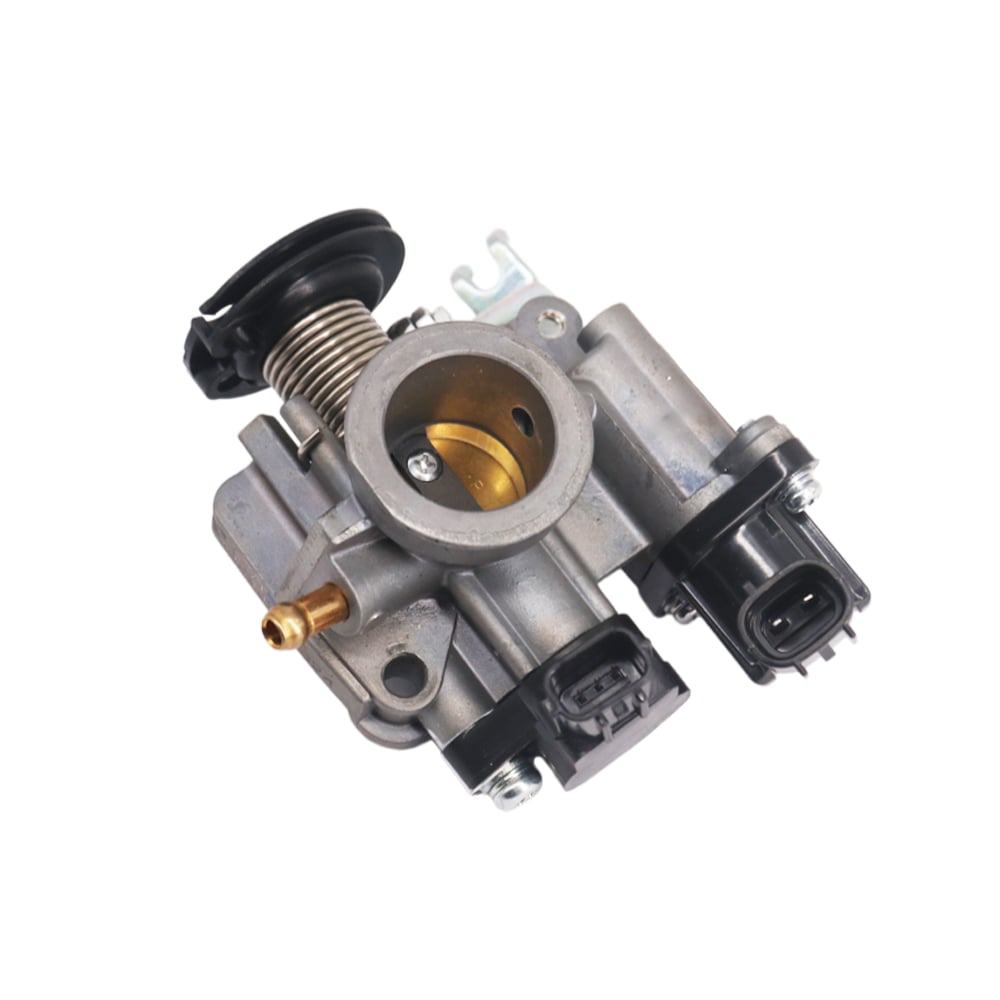
25 mm Throttle Body for the Suzuki Qingqi UY125 / UU125 / GSX150F / QS150-5
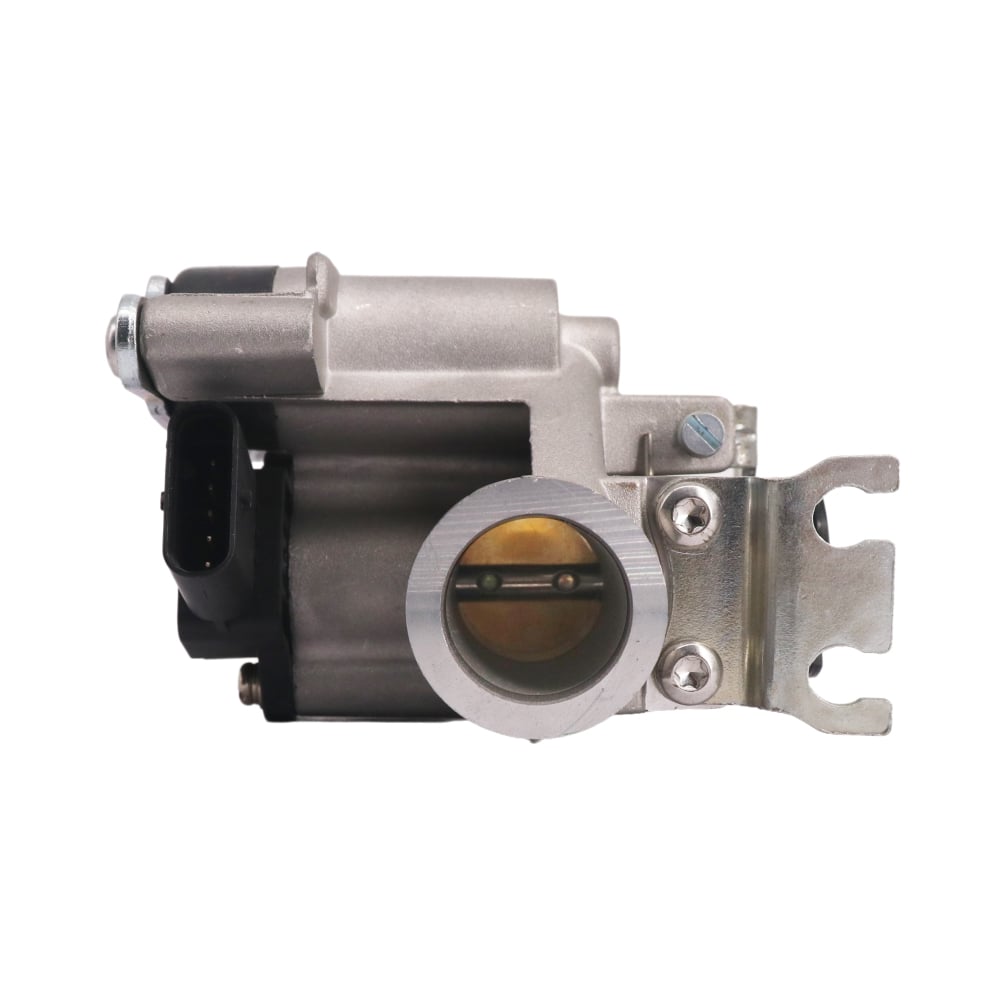
Vespa Primavera 3V 50 / Sprint E5 50 Throttle Body — 22 / 24 / 26 mm
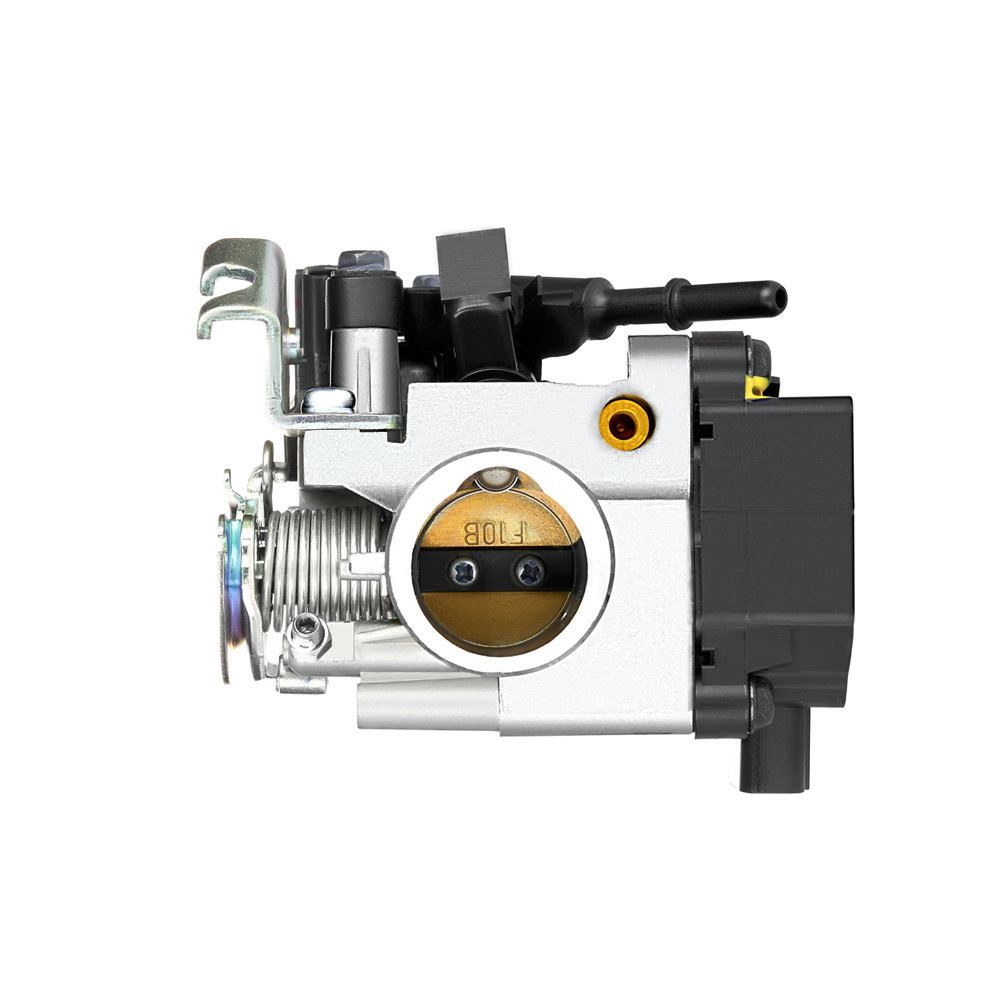
Honda NXR 150 Bros Throttle Body — 16400-KRE-B02, 26 mm
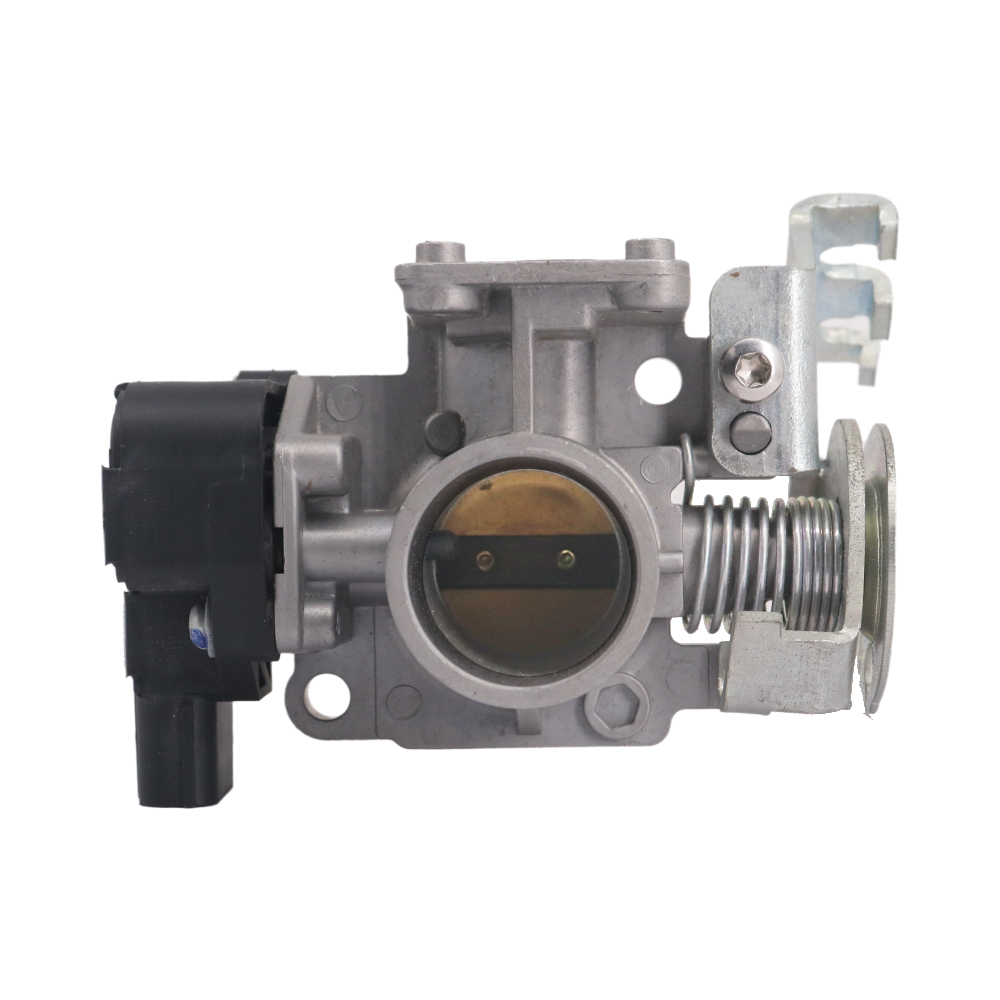
Honda CG 160 Titan / Fan / Cargo Throttle Body — 16410-KVS-J02, 28 mm