
 EN
EN
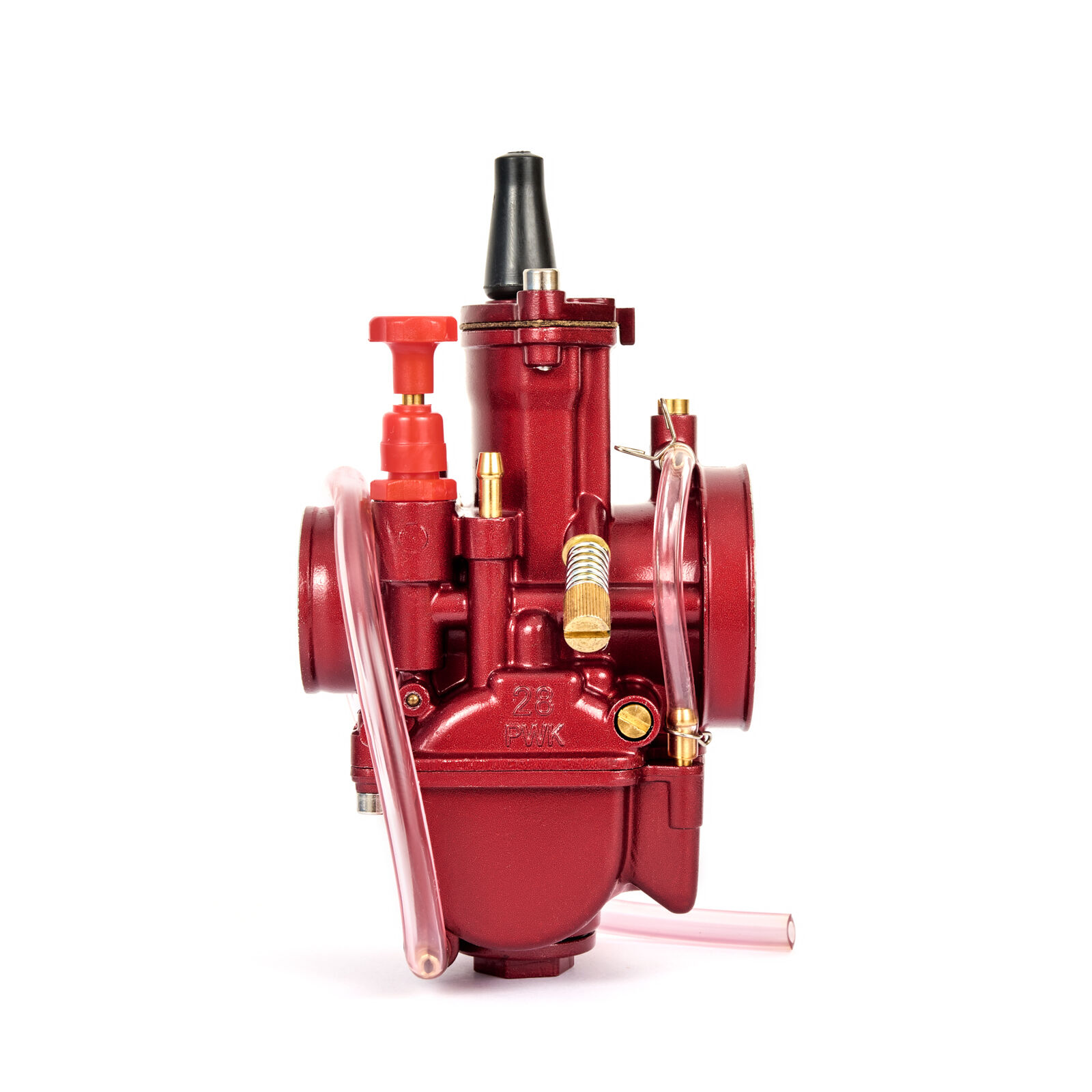
Проблемы с карбюратором могут оставить водителей на обочине, а механиков — в растерянности. Понимание наиболее распространённых неисправностей, влияющих на работу карбюратора, крайне важно для всех, кто владеет, обслуживает или ремонтирует транспортные средства с такими системами подачи топлива. От засорённых жиклёров до дисбаланса топливной смеси неисправности карбюратора проявляются по-разному и напрямую сказываются на работе двигателя, топливной экономичности и общем впечатлении от вождения.
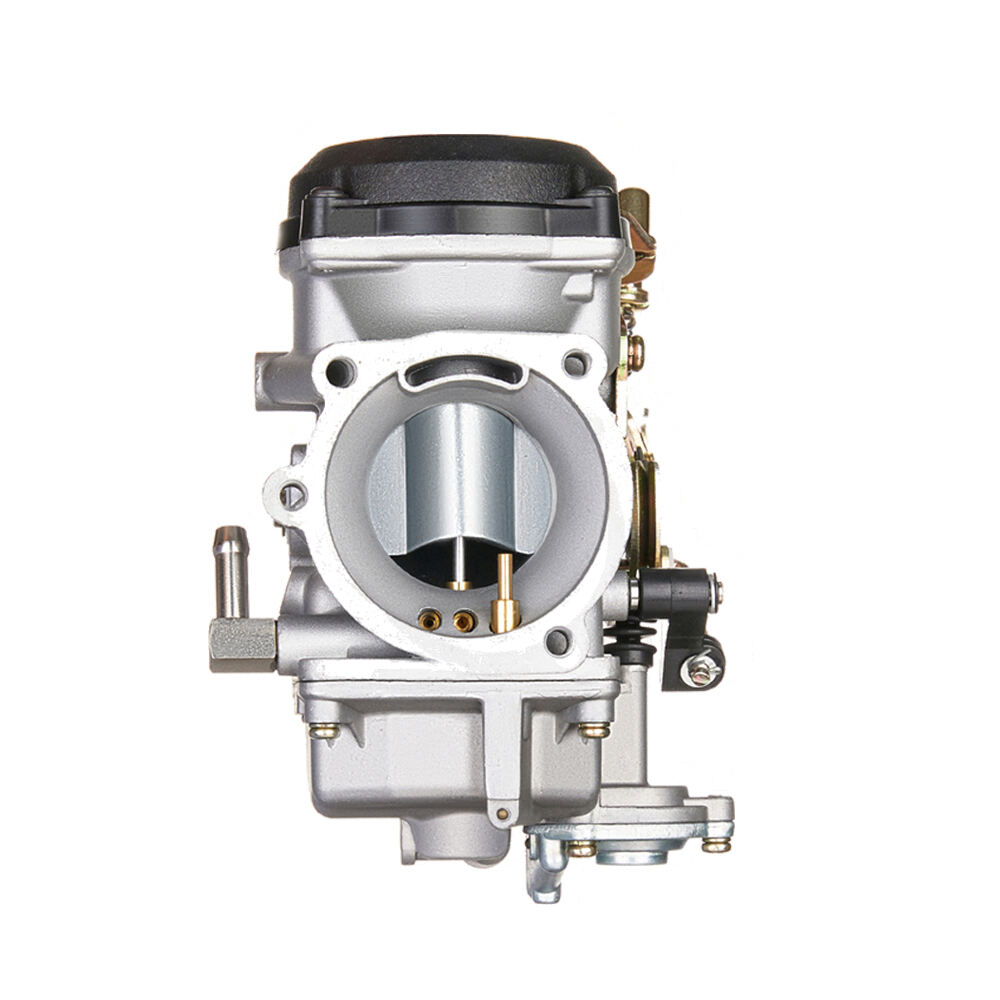
Современные карбюраторные системы, хотя и являются механически проще, чем системы впрыска топлива, требуют точной калибровки и регулярного технического обслуживания для обеспечения оптимальной работы. Симптомы неисправностей карбюратора зачастую перекрываются, поэтому точная диагностика играет ключевую роль при выборе правильных методов устранения. В этом всестороннем анализе рассматриваются наиболее распространённые проблемы с карбюратором, их коренные причины, а также проверенные стратегии ремонта, позволяющие восстановить надлежащую подачу топлива и работоспособность двигателя.
Основные проблемы с подачей топлива
Засорённые или загрязнённые жиклёры карбюратора
Засоренные жиклеры являются наиболее распространенной проблемой карбюратора для всех типов транспортных средств. Мелкие каналы внутри жиклеров карбюратора со временем забиваются загрязнениями, лаковыми отложениями и осадком из некачественного топлива. Эти засоры ограничивают подачу топлива и нарушают точное соотношение воздуха и топлива, необходимое для оптимального сгорания. Симптомы включают неустойчивую работу двигателя на холостом ходу, плохое ускорение и нестабильную работу двигателя в различных диапазонах оборотов.
Основными причинами засорения жиклеров являются застоявшееся топливо, попадание воды и частицы, прошедшие сквозь топливный фильтр. Топливо с добавлением этанола особенно способствует этой проблеме, поскольку этанол притягивает влагу и при испарении может оставлять осадок. Автомобили, хранившиеся длительное время без использования стабилизатора топлива, особенно подвержены засорению жиклеров.
Эффективные способы устранения засорённых жиклёров включают полную разборку карбюратора и тщательную очистку с использованием специализированного очистителя карбюраторов. Каждый жиклёр должен быть снят по отдельности и очищен с помощью соответствующих калиброванных проволочных щупов или сжатого воздуха. Профессиональные механики рекомендуют применять ультразвуковые ванны для очистки сильно загрязнённых жиклёров. После очистки при правильной сборке необходимо строго соблюдать размеры и положение жиклёров, чтобы сохранить заводские параметры.
Неисправности поплавка и игольчатого клапана системы подачи топлива
Система поплавка и игольчатого клапана регулирует уровень топлива в поплавковой камере карбюратора. При выходе из строя этого механизма возникают либо перелив топлива, либо его недостаточная подача. Заклинивший поплавок вызывает непрерывный приток топлива, что приводит к обогащенной топливовоздушной смеси, чёрному выхлопному дыму и переливу топлива. Напротив, опустившийся поплавок или изношенный игольчатый клапан препятствуют достаточной подаче топлива, вызывая обеднённую топливовоздушную смесь и остановку двигателя.
Проблемы с поплавком обычно возникают из-за загрязнения топлива, износа под воздействием этанола или механических повреждений, вызванных посторонними частицами. Седло игольчатого клапана со временем изнашивается, что препятствует герметичному закрытию при достижении поплавком максимального положения. В современных карбюраторах используются синтетические материалы для поплавков, устойчивые к деградации под действием топлива, в отличие от более старых поплавков из пробки или пеноматериала.
Устранение неисправностей поплавка и игольчатого клапана требует тщательного осмотра всех компонентов. Изношенные игольчатые клапаны необходимо заменить вместе с их сёдлами, если имеются признаки повреждения. Регулировка поплавка включает установку правильного уровня топлива в соответствии со спецификациями производителя с использованием специализированных измерительных приборов. Некоторые карбуратор модели позволяют регулировать уровень поплавка снаружи, тогда как для других требуется внутренний доступ для точной калибровки.
Нарушения баланса топливовоздушной смеси
Условия обогащённой смеси
Условия обогащенной смеси возникают, когда карбюратор подает избыточное количество топлива по сравнению с доступным объемом воздуха. Этот дисбаланс проявляется в виде таких симптомов, как черный выхлопной дым, повышенный расход топлива, неустойчивая работа двигателя на холостом ходу и загрязнение свечей зажигания. Обогащенные условия часто возникают из-за чрезмерно крупных жиклеров, неправильной регулировки поплавка или ограничения воздушного потока в системе впуска, при этом подача топлива остается нормальной.
Экологические факторы существенно влияют на возникновение проблем, связанных с обогащенной смесью. При эксплуатации на большой высоте требуется корректировка состава смеси, поскольку снижение плотности воздуха влияет на соотношение воздух-топливо. Аналогично, при чрезвычайно низких температурах цепи обогащения могут работать непрерывно, создавая чрезмерно обогащенную смесь после достижения двигателем рабочей температуры.
Устранение проблем, связанных с обогащенной смесью, требует систематической диагностики возможных причин. Проверка размеров жиклеров обеспечивает правильную дозировку топлива для конкретного двигателя применение регулировка уровня топлива в поплавковой камере предотвращает избыточную подачу топлива при неправильном уровне топлива в поплавковой камере. Осмотр и замена воздушного фильтра устраняют ограничения, которые могут снизить расход воздуха. Проверка системы пускового устройства («подсоса») обеспечивает её правильную работу и предотвращает постоянное обогащение смеси при прогретом двигателе.
Симптомы и решения при бедной смеси
Условия бедной смеси создают противоположную проблему — недостаточную подачу топлива относительно доступного воздуха. Бедная смесь вызывает рывки двигателя, хлопки во впускном или выпускном коллекторе, перегрев двигателя и потенциальный его повреждение вследствие чрезмерно высоких температур сгорания. Распространённые причины включают засорение топливных каналов, использование жиклёров слишком малого диаметра, подсос воздуха через вакуумные утечки или ограничение подачи топлива от бака к карбюратору.
Утечки вакуума представляют собой особенно сложный аспект диагностики бедной топливовоздушной смеси, поскольку они приводят к поступлению неучтённого воздуха в двигатель. Такие утечки могут возникать на поверхностях крепления карбюратора, прокладках впускного коллектора или соединениях вакуумных шлангов. Даже незначительные утечки вакуума существенно влияют на качество смеси и работу двигателя.
Коррекция бедной смеси направлена на восстановление правильной подачи топлива и устранение нежелательного поступления воздуха. Тщательная очистка карбюратора устраняет засорения топливных каналов, ограничивающие подачу топлива. Обнаружение утечек вакуума с помощью пропана или очистителя карбюраторов помогает локализовать точки проникновения воздуха. Проверка давления в топливной системе обеспечивает достаточную подачу топлива от бака к карбюратору при всех режимах работы.
Отказы механических компонентов
Проблемы с осью дроссельной заслонки и самой дроссельной заслонкой
Износ оси дроссельной заслонки приводит к образованию вакуумных утечек, которые негативно влияют на работу карбюратора и качество топливовоздушной смеси. Со временем втулки оси изнашиваются, и ось начинает люфтить, что позволяет немереному воздуху поступать в корпус карбюратора. Данное состояние, как правило, ухудшается постепенно, что затрудняет диагностику до тех пор, пока симптомы не станут достаточно выраженными для того, чтобы повлиять на управляемость автомобиля.
Проблемы с дроссельной заслонкой включают деформацию или коробление её пластины, препятствующие герметичному закрытию, повреждение соединений оси или скопление углеродистых отложений, мешающих перемещению заслонки. Эти неисправности проявляются в нестабильных холостых оборотах, трудностях поддержания постоянных оборотов двигателя и слабой отзывчивости на нажатие педали акселератора. В тяжёлых случаях утечки воздуха через закрытую дроссельную заслонку могут препятствовать полной остановке двигателя.
Варианты ремонта оси дроссельной заслонки зависят от степени износа и конструкции карбюратора. Незначительный люфт оси можно устранить заменой втулок или восстановлением самой оси. При сильном износе корпуса карбюратора может потребоваться профессиональная переборка или полная замена. Выравнивание и очистка дроссельной заслонки зачастую позволяют восстановить герметичность, однако при значительном короблении или повреждении необходима её замена.
Неисправности ускорительного насоса
Ускорительный насос подаёт дополнительное топливо при резком открытии дроссельной заслонки, чтобы предотвратить провалы мощности и обеспечить плавное ускорение. Диафрагмы насоса со временем теряют эластичность, особенно при использовании топлива, содержащего этанол, который разрушает резиновые компоненты. Неисправный ускорительный насос вызывает заметные провалы или рывки при ускорении, особенно при трогании с места или на низких оборотах.
Проблемы с ускорительным насосом также включают засорение выпускных сопел, заедание обратных клапанов или неправильную регулировку хода насоса. Эти неисправности препятствуют подаче достаточного количества топлива при обогащении смеси во время разгона, создавая бедную смесь именно в тот момент, когда дополнительное топливо требуется в наибольшей степени. Визуальный осмотр во время работы дроссельной заслонки позволяет определить, подаёт ли насос топливо в область диффузора.
Ремонт ускорительного насоса обычно включает замену диафрагмы из материалов, устойчивых к воздействию этанола. Очистка или замена обратных клапанов обеспечивают правильную работу насоса и предотвращают стекание топлива между циклами разгона. Регулировка хода насоса в соответствии со спецификациями производителя оптимизирует подачу топлива для обеспечения плавного отклика на разгон во всём диапазоне оборотов двигателя.
Экологические и связанные с топливом проблемы
Проблемы, зависящие от температуры
Экстремальные температуры оказывают значительное влияние на работу карбюратора и качество топливной смеси. При эксплуатации в холодную погоду требуются системы обогащения для компенсации снижения испаряемости топлива и повышения плотности воздуха. Автоматические системы воздушных заслонок могут работать неправильно, что приводит либо к недостаточному обогащению при запуске двигателя на холодную, либо к продолжительному обогащённому режиму работы после прогрева.
Жаркая погода создаёт иные проблемы, включая паровую пробку топлива в подающих магистралях и тепловое перегревание, влияющее на плотность топлива в поплавковой камере карбюратора. Эти условия могут вызывать трудности с запуском, неустойчивый холостой ход и проблемы с производительностью до тех пор, пока система не остынет. Эксплуатация на большой высоте усиливает температурные эффекты за счёт снижения плотности воздуха и изменения соотношений топливной смеси.
Устранение проблем с карбюратором, связанных с температурой, включает надлежащее техническое обслуживание и регулировку системы воздушной заслонки. Установка теплозащитного экрана или теплоизоляция карбюратора позволяют снизить эффект перегрева при эксплуатации в жаркую погоду. Корректировка трассировки топливопровода минимизирует риск паровой пробки, а правильная вентиляция обеспечивает достаточное охлаждение вокруг карбюраторного узла.
Влияние качества топлива и его загрязнения
Современные составы топлива создают уникальные трудности для карбюраторных систем, изначально разработанных для традиционного бензина. Содержание этанола привлекает влагу, способствует коррозии и со временем может растворять определённые материалы прокладок. Попадание воды вызывает немедленные проблемы с работой двигателя, а также приводит к долгосрочным коррозионным повреждениям корпуса карбюратора и топливных каналов.
Деградация топлива при хранении приводит к образованию лаковых и смолистых отложений, которые забивают мелкие каналы и нарушают работу компонентов. Расслоение этанольных смесей может привести к накоплению воды и концентратов спирта в топливных баках, создавая коррозионные условия, разрушающие внутренние детали карбюратора. Загрязнённое топливо также содержит частицы, способные забить жиклёры и повредить прецизионные поверхности.
Техническое обслуживание карбюратора, связанное с топливом, включает регулярную очистку топливной системы и использование соответствующих присадок к топливу. Полная продувка (слив) топливной системы перед длительным хранением предотвращает проблемы, связанные с деградацией топлива. Присадки для удаления воды и стабилизаторы топлива помогают сохранить его качество и защитить компоненты карбюратора от последствий загрязнения. Регулярная замена топливного фильтра предотвращает попадание частиц во внутренние детали карбюратора.
Часто задаваемые вопросы
Как часто следует чистить карбюратор, чтобы предотвратить типичные неисправности?
Частота очистки карбюратора зависит от режима эксплуатации и качества топлива, однако большинство специалистов рекомендуют тщательную очистку каждые 12–24 месяца для регулярно используемых транспортных средств. Транспортные средства, хранящиеся сезонно, или те, которые используют топливо с добавлением этанола, могут требовать более частого обслуживания. Признаками необходимости очистки являются неустойчивая работа двигателя на холостом ходу, плохое ускорение или затруднённый запуск — независимо от того, сколько времени прошло с момента последнего технического обслуживания.
Могу ли я самостоятельно устранить неисправности карбюратора или мне необходима профессиональная помощь?
Базовое обслуживание карбюратора, например его очистка и простые регулировки, может быть выполнено лицами, обладающими соответствующими техническими навыками, при наличии подходящих инструментов и руководств по эксплуатации. Однако сложные неисправности, требующие точных измерений, специализированного оборудования или полной переборки, как правило, нуждаются в привлечении профессионалов. Попытки выполнить ремонт, превышающий ваш уровень квалификации, могут привести к дополнительным повреждениям и увеличению общей стоимости ремонта.
Какие признаки указывают на то, что карбюратор требует немедленного внимания?
Немедленное внимание к карбюратору требуется при возникновении тяжёлых симптомов, таких как остановка двигателя на холостом ходу, полный отказ запуска, утечка топлива из карбюратора или чёрный дым из выхлопной трубы. Эти состояния указывают на серьёзные неисправности, которые могут повредить двигатель или создать угрозу безопасности, если их не устранить в кратчайшие сроки квалифицированными специалистами.
Как определить, вызваны ли проблемы с карбюратором низким качеством топлива?
Проблемы, связанные с качеством топлива, обычно развиваются постепенно и усугубляются со временем, особенно после длительного хранения топлива или при использовании топлива с сомнительных источников. Симптомы включают постепенное ухудшение рабочих характеристик, коррозию топливной системы и неисправности, временно улучшающиеся после добавления свежего топлива или присадок к топливу. Профессиональный анализ топливной системы позволяет однозначно выявить загрязнения, влияющие на работу карбюратора.
Содержание
- Основные проблемы с подачей топлива
- Нарушения баланса топливовоздушной смеси
- Отказы механических компонентов
- Экологические и связанные с топливом проблемы
-
Часто задаваемые вопросы
- Как часто следует чистить карбюратор, чтобы предотвратить типичные неисправности?
- Могу ли я самостоятельно устранить неисправности карбюратора или мне необходима профессиональная помощь?
- Какие признаки указывают на то, что карбюратор требует немедленного внимания?
- Как определить, вызваны ли проблемы с карбюратором низким качеством топлива?