
 EN
Quick Links

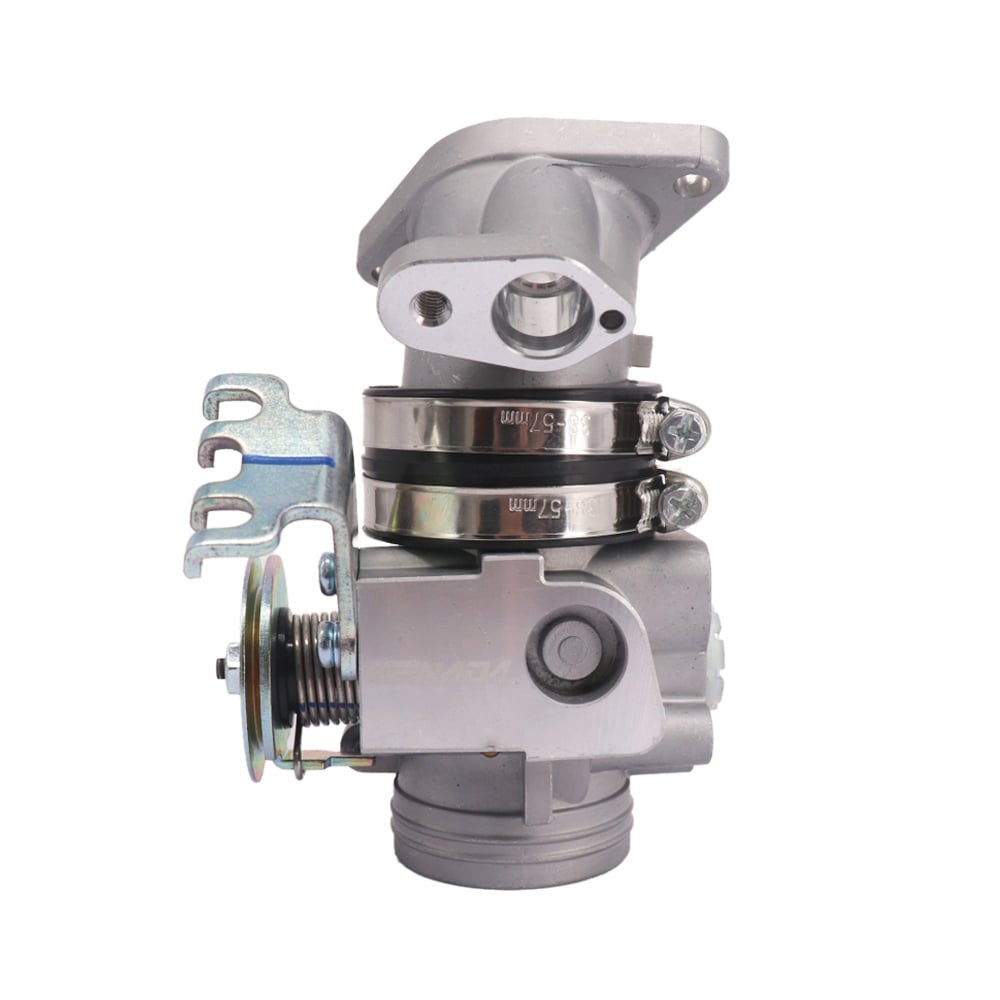
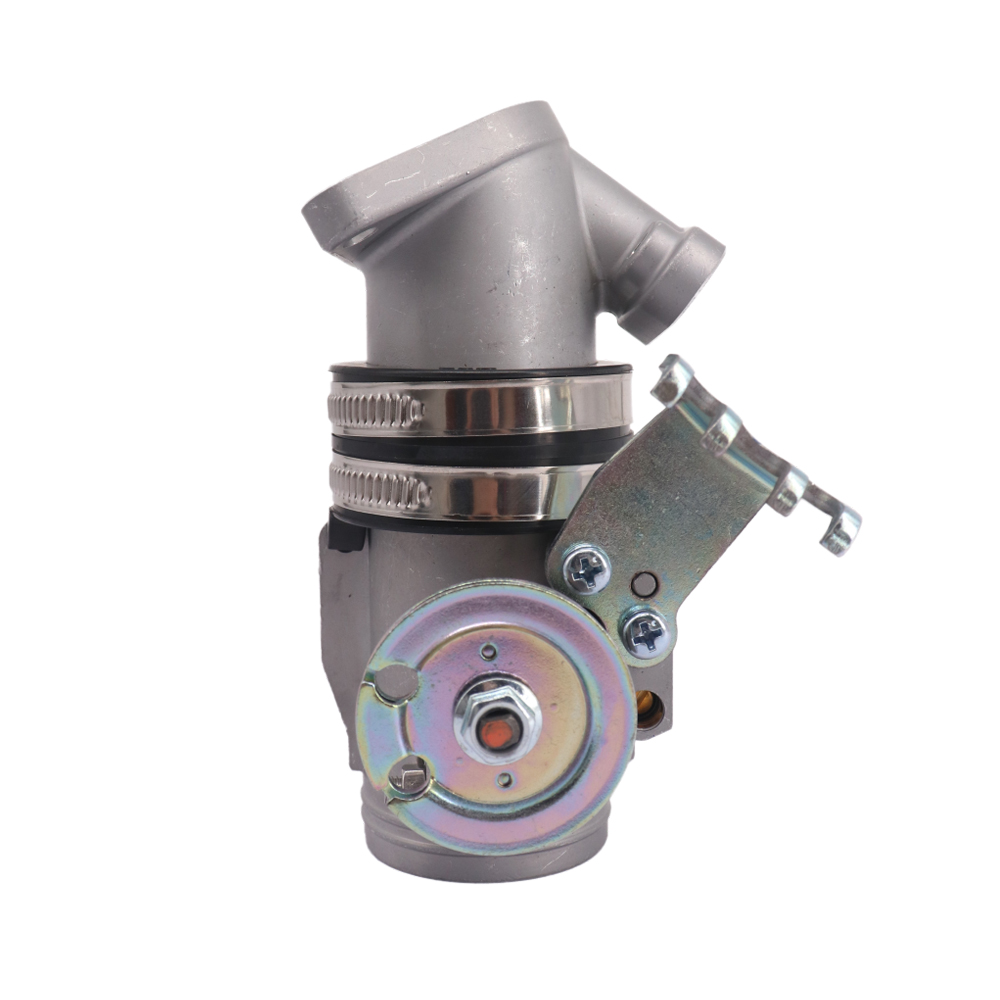
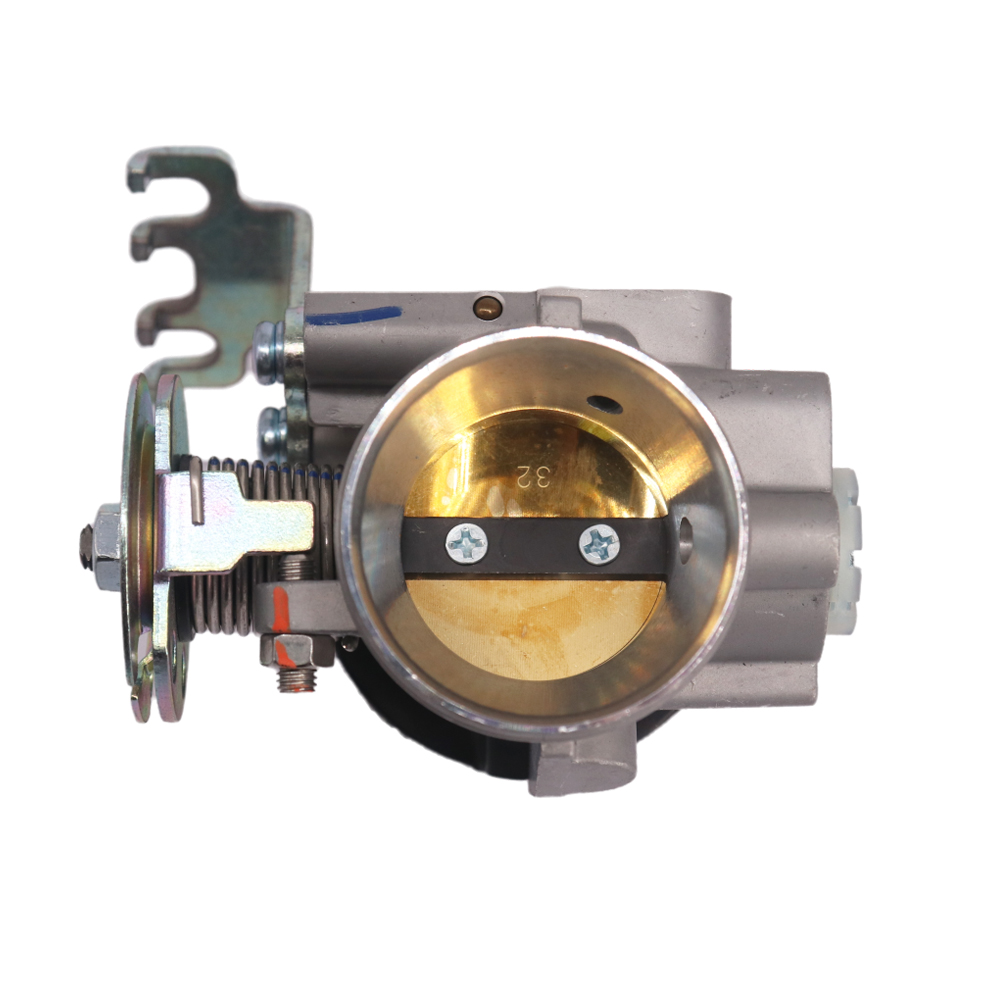
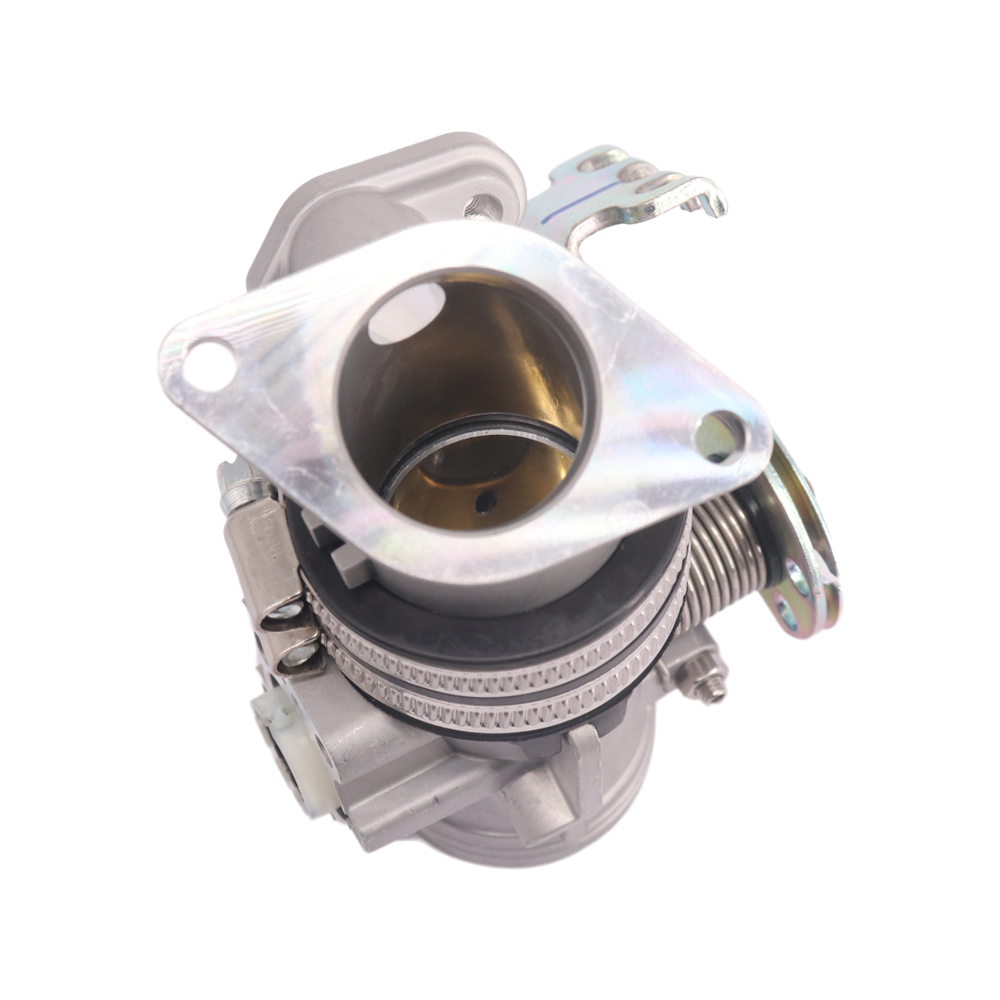
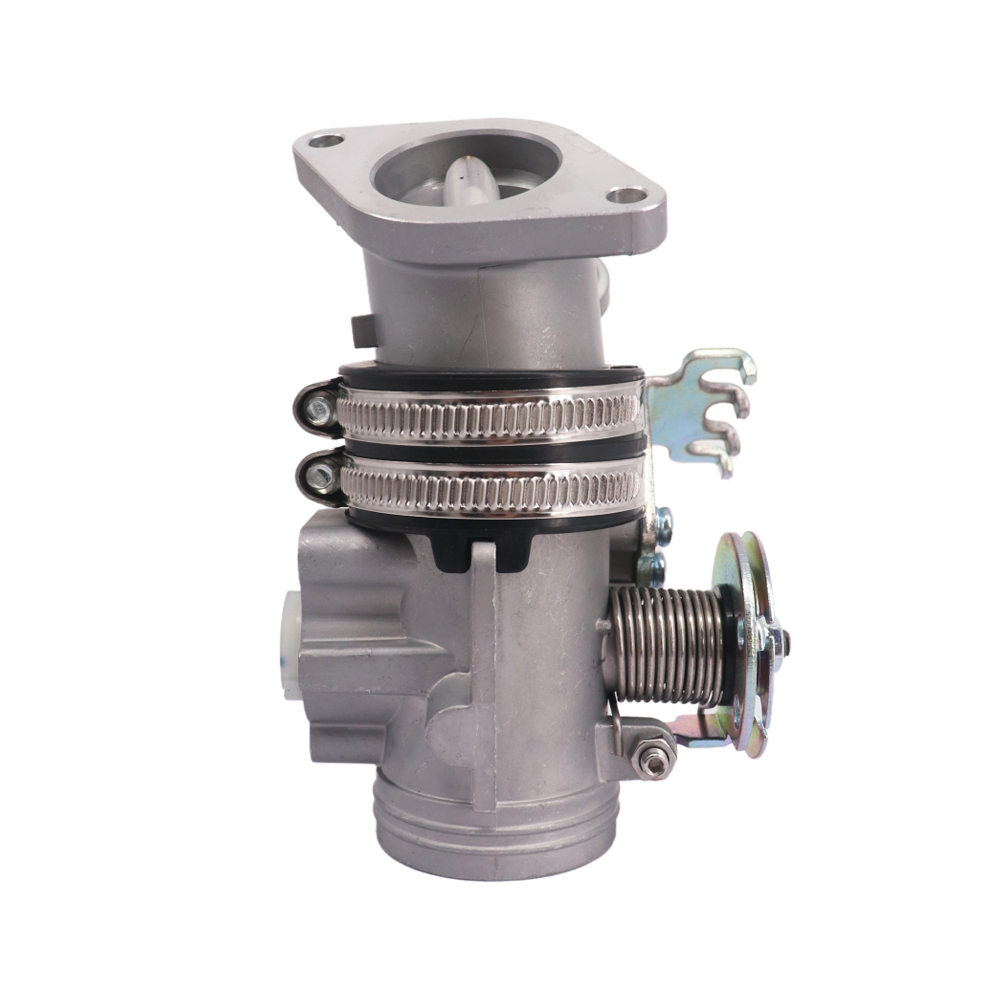
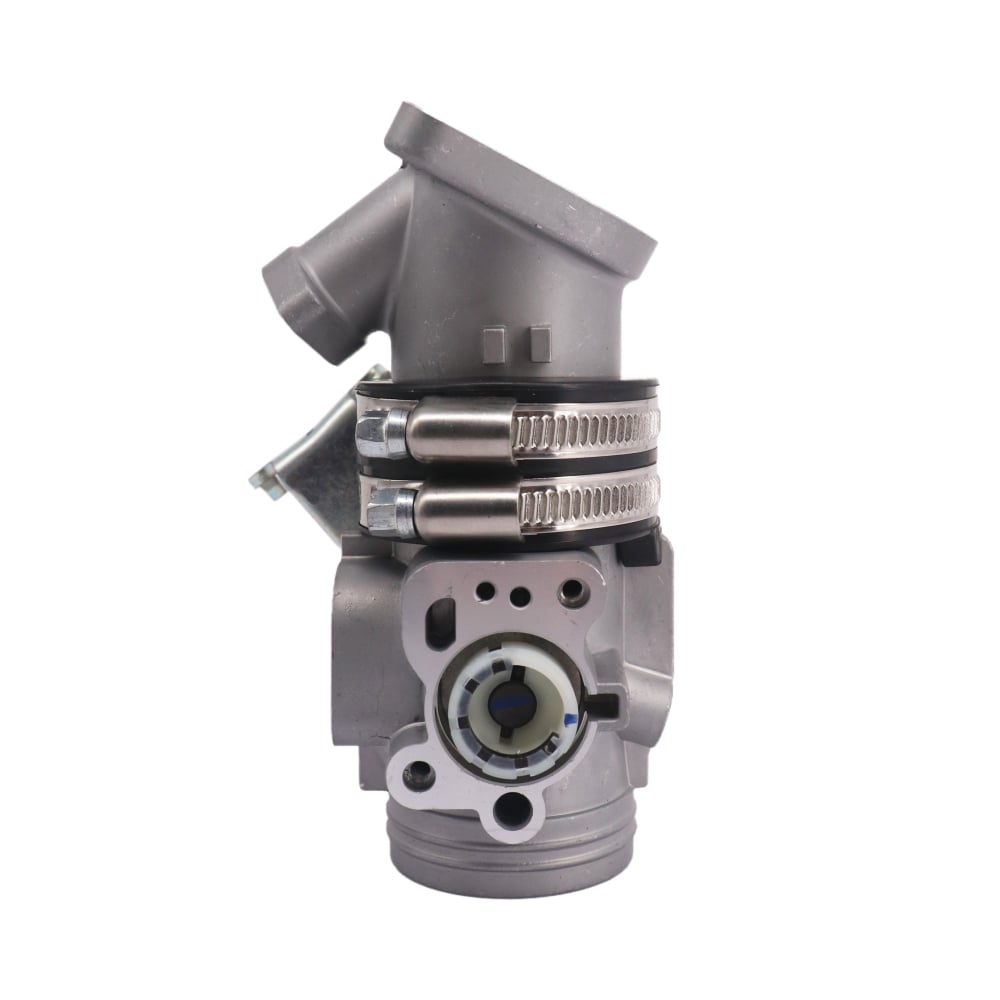
Bores |
32 / 34 / 36 / 38 / 40 mm |
Covered |
Y15 family, Exciter 150, Jupiter MX, King, Sniper T150, Crypton X150, Spark 150, WR125, YZF-R15 |
Replaces |
Nothing specific — sold by dimension |
Fitted |
Nothing. Bare body, plate and shaft only |
Not included |
TPS, injector, stepper motor |
Net weight |
456 g nominal across the range |
Minimum order |
10 pcs |
Three kinds of buyer exist for a part like this, and only two of them should read further.
The builder. A 150 has been worked — bigger bore, cam, head, exhaust, a programmable ECU — and the original body is now the smallest hole in the system. They are not replacing a part; they are choosing one.
The race shop. Same story, several times a season, with the electronics already on the shelf from previous builds.
The repair customer — this is the wrong page. A scooter that idles badly and needs a replacement body wants a body with a sensor already mounted and set. Buying this one means buying a sensor separately and then setting it, and the setting is where most of the trouble starts. If that is your situation, say so and we will point you at the fitted version.
What arrives in the carton: the body, the throttle plate and its screws, the shaft, and the flange. Nothing electrical. Check the plate screws are present and seated before you go any further — they are the one item that goes missing in transit and the one you cannot improvise.
The bore you want is decided by what the rest of the engine is doing. This is the ladder we see builders climb, and stopping one rung lower than you think is almost always the better mistake.
Bore |
Throat area |
What it suits |
What else has to be there |
32 mm |
≈ 804 mm² |
A standard or lightly modified 150; the conservative choice |
Stock intake and exhaust will do |
34 mm |
≈ 908 mm² |
Cam and exhaust changed, standard head |
A map you can adjust, or a piggyback |
36 mm |
≈ 1,018 mm² |
Head work, ported and flowed |
A programmable ECU, in practice |
38 mm |
≈ 1,134 mm² |
Stroker or big-bore builds |
Full engine management, uprated intake |
40 mm |
≈ 1,257 mm² |
Race use, high rpm only |
Management, intake, exhaust, and acceptance of a poor bottom end |
Two things this table does not say, and should.
Going up a rung costs you bottom end before it gives you top end. On a 150 cc single, a 40 mm throat at low openings is coarse enough that traffic becomes unpleasant. That is not a tuning fault; it is a big hole.
The intake behind the body has to be able to feed it. A 36 mm body behind a standard airbox and boot is a 36 mm body that flows like a smaller one, and the money is spent for nothing. Match the boot to the bore or the bore is decoration.
If you are unsure which rung you are on, tell us what has been done to the engine and we will say which bore we would fit — including when the answer is 32.
This body fits the 150 cc four-valve liquid-cooled Yamaha single, sold under a long list of names:
Model |
Notes |
Yamaha Y15 / Y15Z / Y15ZR |
Flange and boot pattern matched to sample |
Yamaha FZ150i |
Same intake side |
Yamaha LC150 |
Same intake side |
Yamaha YZF-R15 |
Same intake side |
Yamaha WR125 |
Same intake side — check boot diameter |
Yamaha Exciter 150 |
Same intake side |
Yamaha Jupiter MX / King |
Same intake side |
Yamaha Sniper T150 |
Same intake side |
Yamaha Crypton X150 |
Same intake side |
Yamaha Spark 150 |
Same intake side |
There is no OEM number for this part. It is not a copy of a specific Honda or Yamaha casting; it is sold by dimension. That changes what you check before ordering:
Flange bolt spacing
1. — centre to centre, measured with a caliper
Intake boot or manifold inside diameter
2. — must be at least as large as the bore you are buying
Injector seat and retaining method
3. — your injector has to sit in it and be held there
TPS mounting pattern
4. — whether your sensor bolts to this body at all
Four measurements and a photograph will get you a straight answer. Guessing from the model name will not.
Field |
Value |
Brand |
RUNTONG |
Part number |
RB-TB029 |
OEM reference |
None — universal pattern, sold by bore |
Type |
Bare throttle body (body, plate, shaft, flange) |
Bores available |
32 / 34 / 36 / 38 / 40 mm |
Body material |
Aluminium alloy |
Sensor housing material |
Not applicable — no sensor fitted |
Process |
CNC machined, in-house |
TPS |
Not included |
Injector |
Not included |
Stepper motor |
Not included |
Net weight |
0.456 kg nominal across the bore range |
Parcel size |
15 × 10 × 9 cm |
Fitment |
Yamaha 150 cc four-valve family, see section 7 |
Certification |
ISO 9001 |
Warranty |
12 months |
Minimum order |
10 pcs |
Custom printed carton |
From 500 pcs |
Dispatch |
7 days from stock; 15–30 days for a production batch |
Packing |
Foam bag and neutral carton |
Freight |
Air, sea, or land |
One body per foam bag, plain carton, nothing printed. On a part that will be assembled into a build, the carton is transport, not marketing.
Printed cartons from 500 pieces, artwork approved first, ordered separately from the parts if you want to brand a shelf later.
Because the body ships without electronics, the bag matters more than usual: a bare bore sitting open collects the grit that later gets blamed for a scored plate. Leave it bagged until the build bench.
Physically it will bolt up if your flange and boot match the measurements in section 7. It is not a drop-in replacement electronically: you supply and set the sensor.
No. No sensor, no injector, no stepper. The carton contains the body, plate, shaft and flange.
Ask before ordering and we will tell you what is available for your bore. We do not list sensors as spares on this part number by default.
By measuring: flange bolt spacing, boot diameter, injector seat, TPS pattern. Four numbers and a photo.
Section 6 is the honest answer, and the short version is: one rung lower than you were planning.
At the top of the range, with management and supporting hardware, yes. In traffic, it will make the bike worse and you will notice that first.
Ten is the minimum. For one build, we will point you at a distributor.
456 g nominal across the bore range. Individual bodies vary a little with bore and casting batch; treat it as a shipping figure, not a specification per bore.
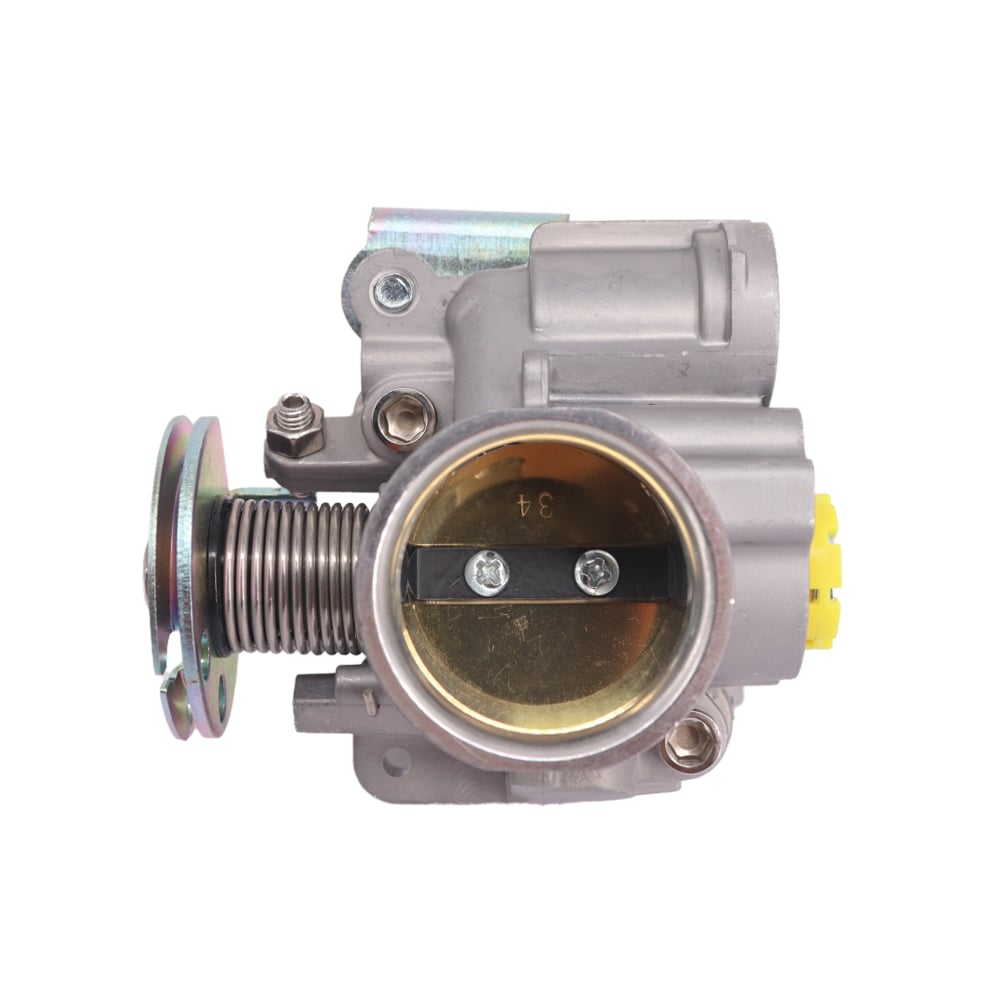
Yamaha AEROX150 AEROX155 NVX155 AEROX NVX 155 Motorcycle Throttle Body
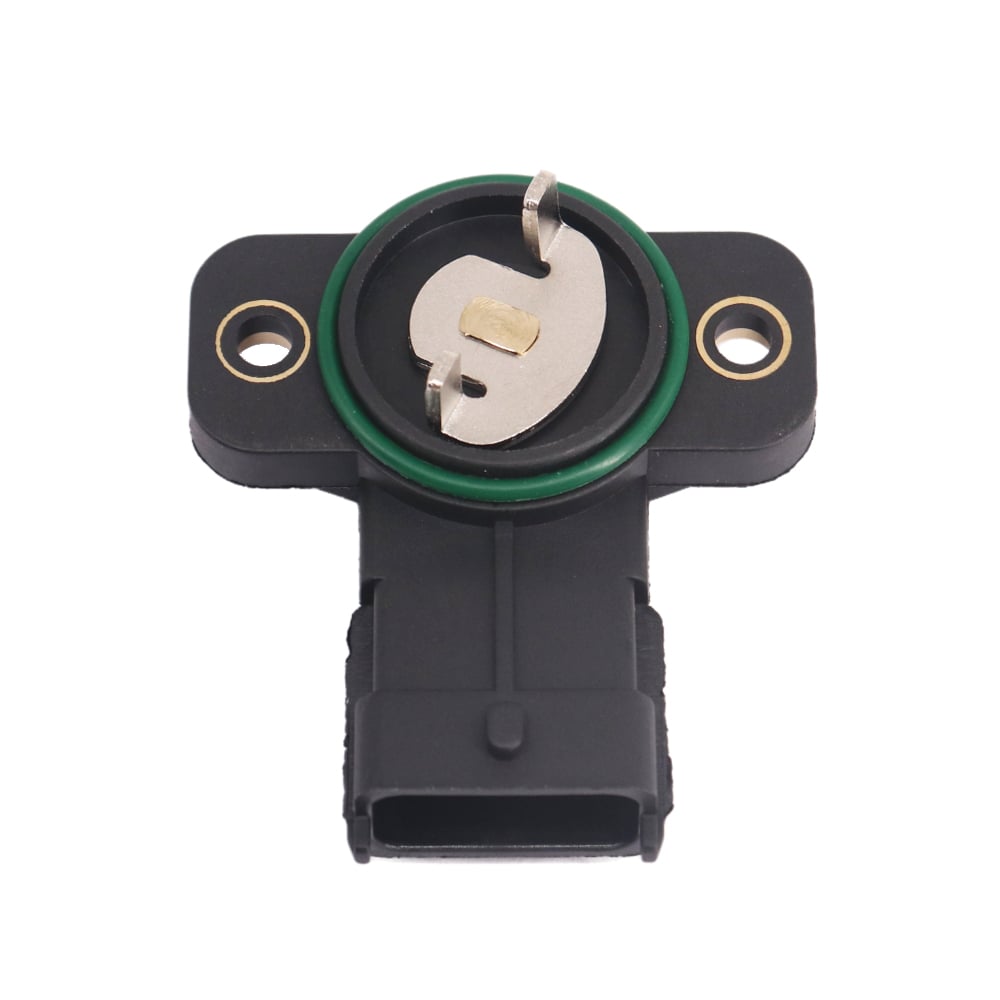
TPS Throttle Position Sensor 35102-02910 35170-02000 for Hyundai Kia Morning Picanto
190mm Front Brake Disc for Suzuki Access 125, Burgman Street 125, Avenis 125
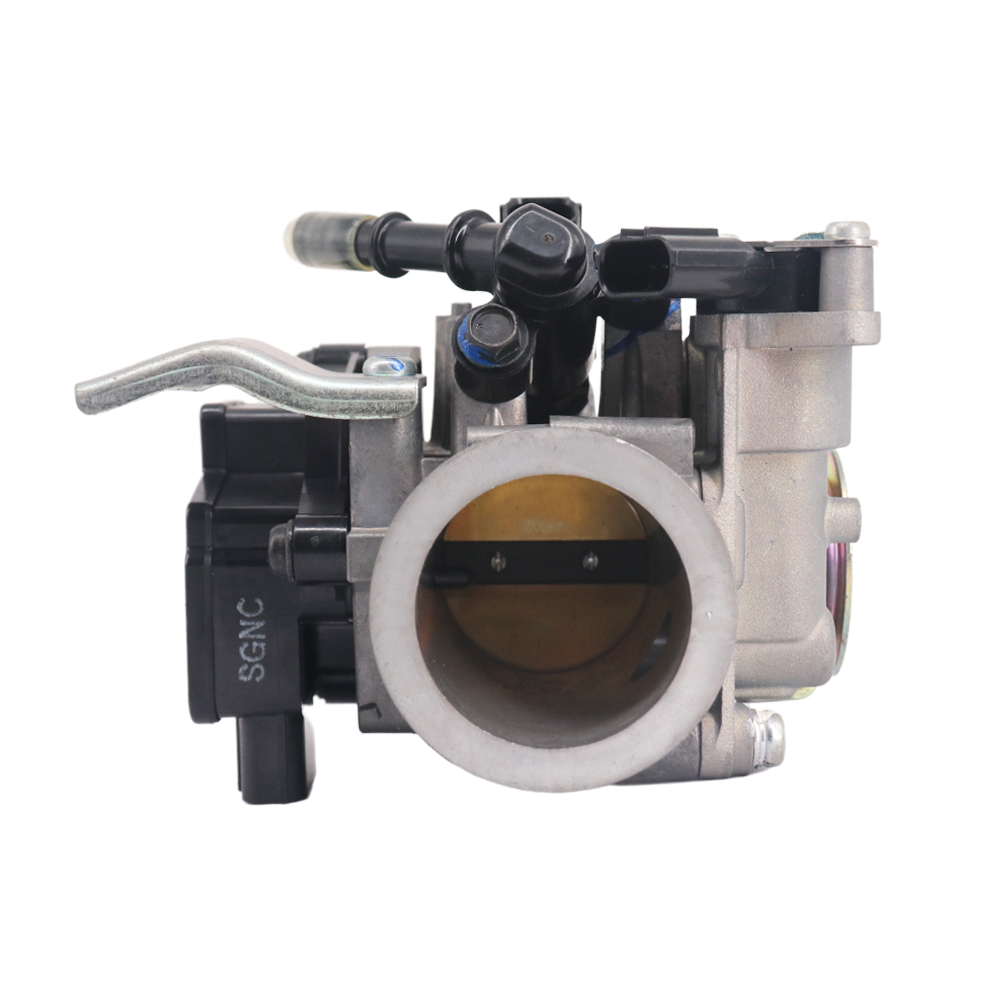
Honda XRE 300 Racing Throttle Body — 16400-KWT-701, 36 mm