
 EN
Quick Links

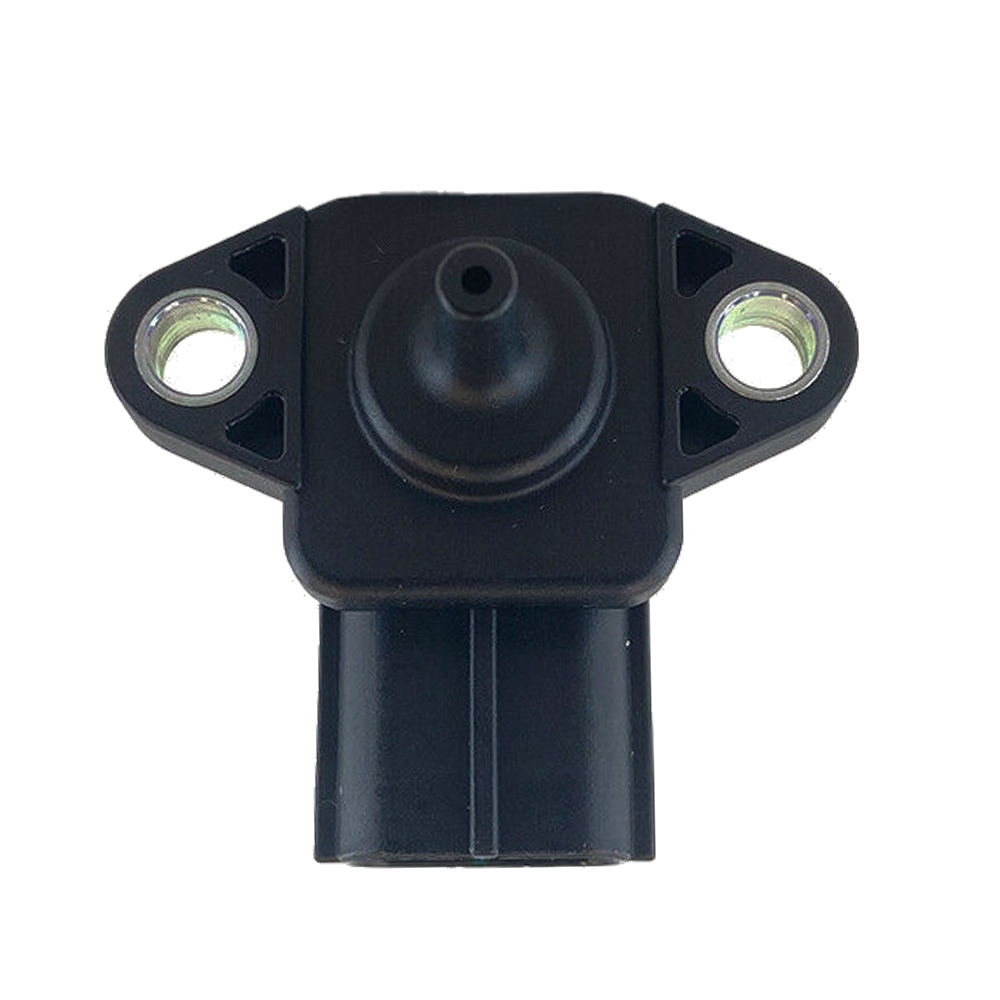
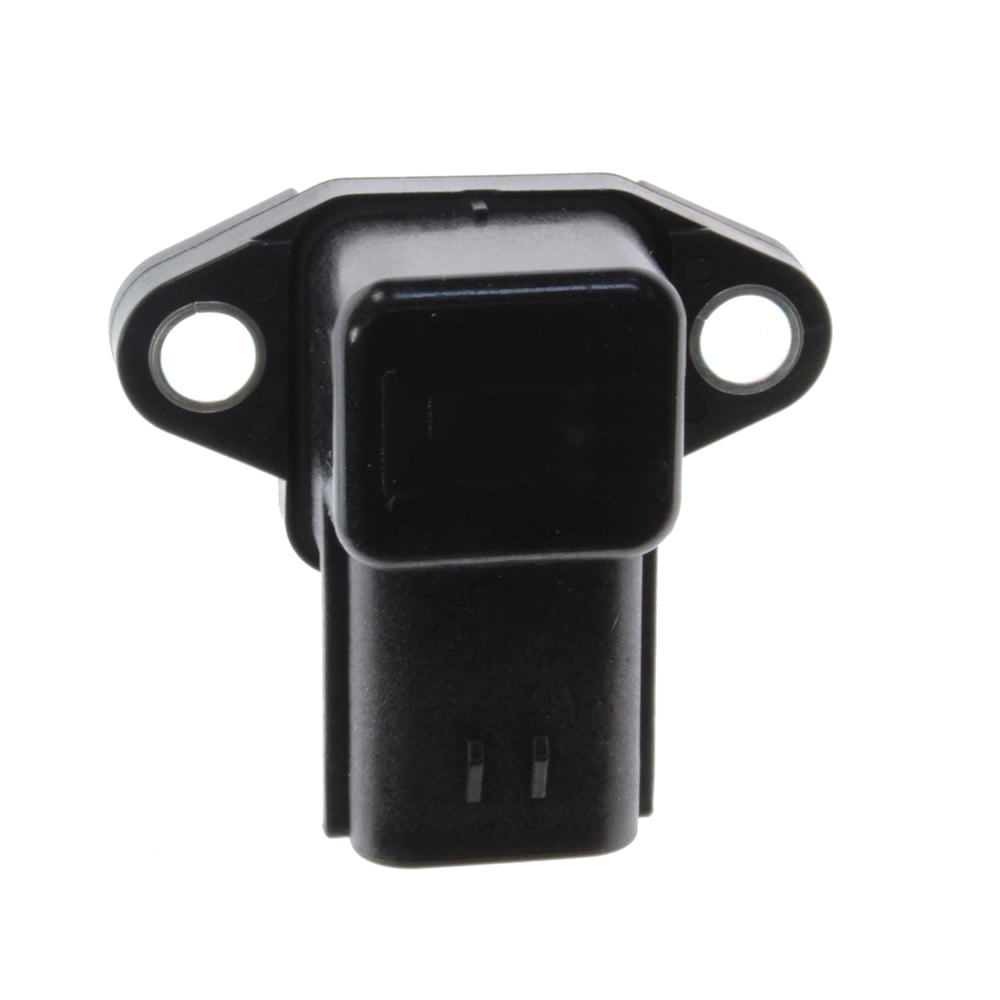
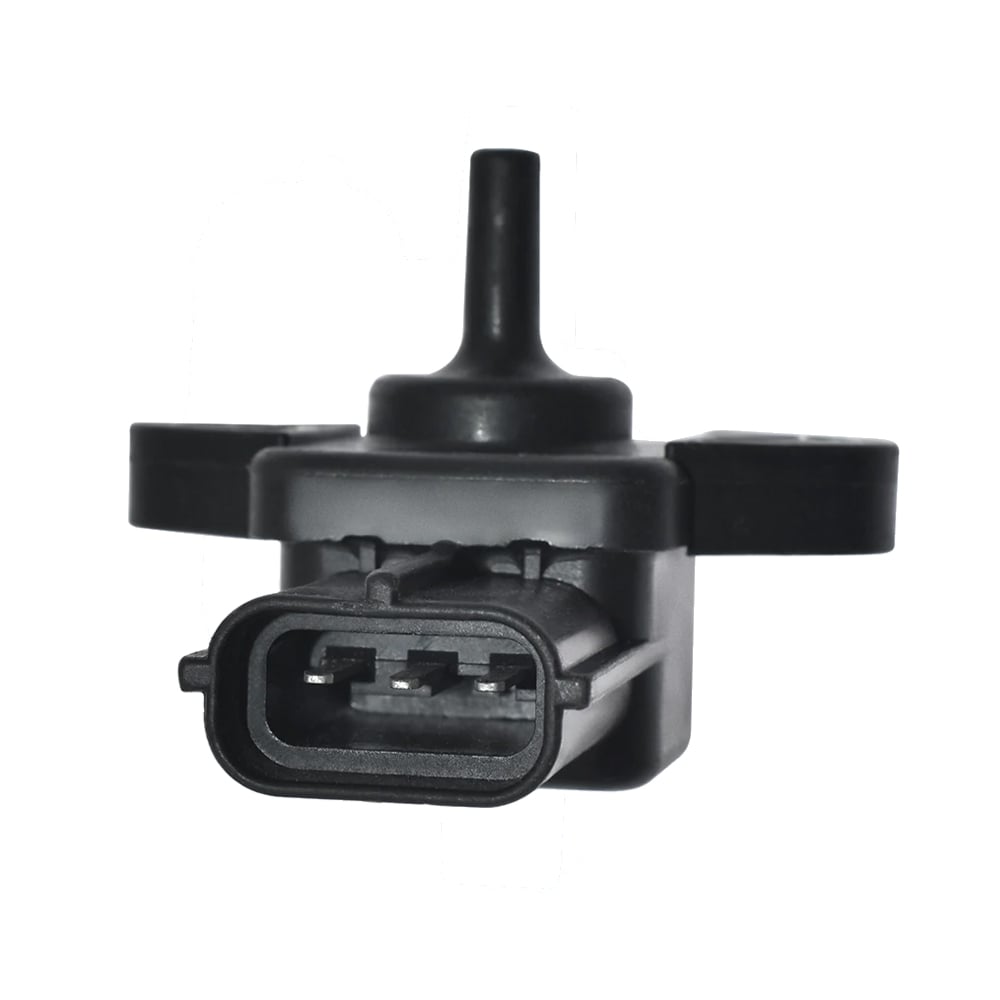
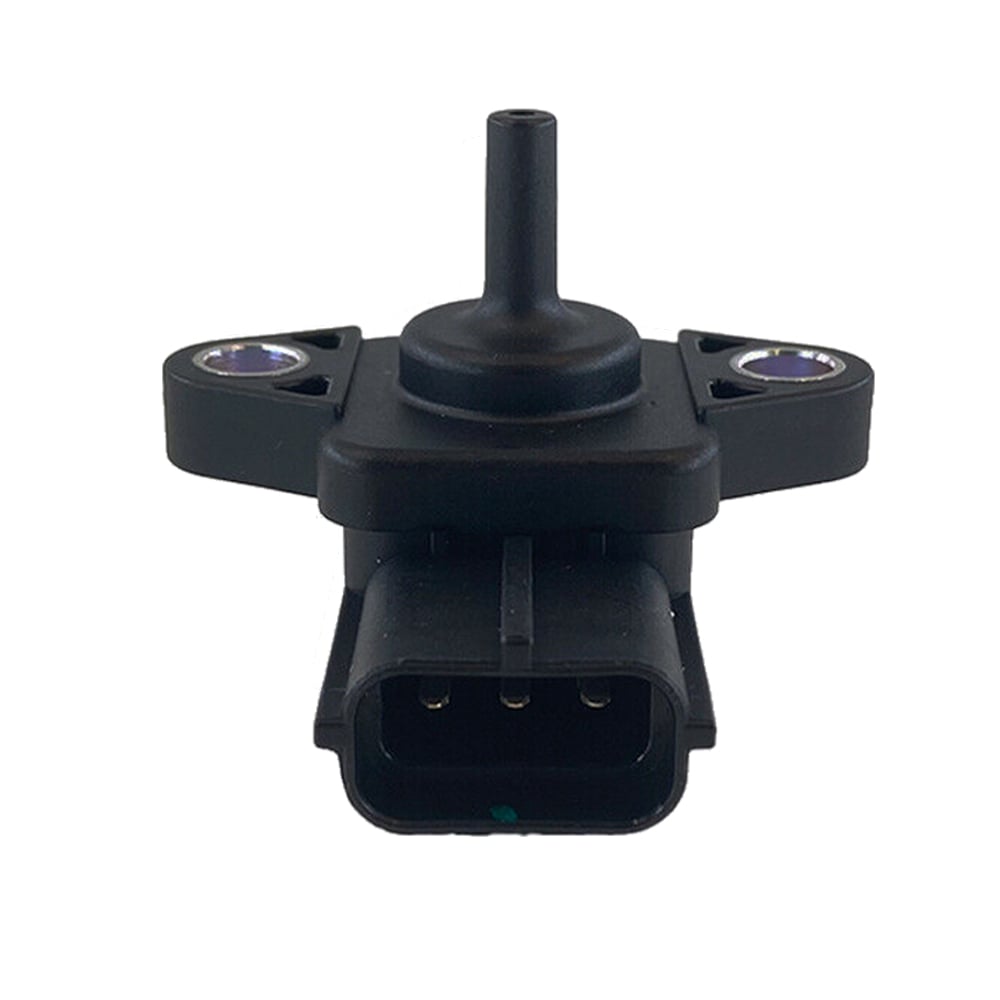
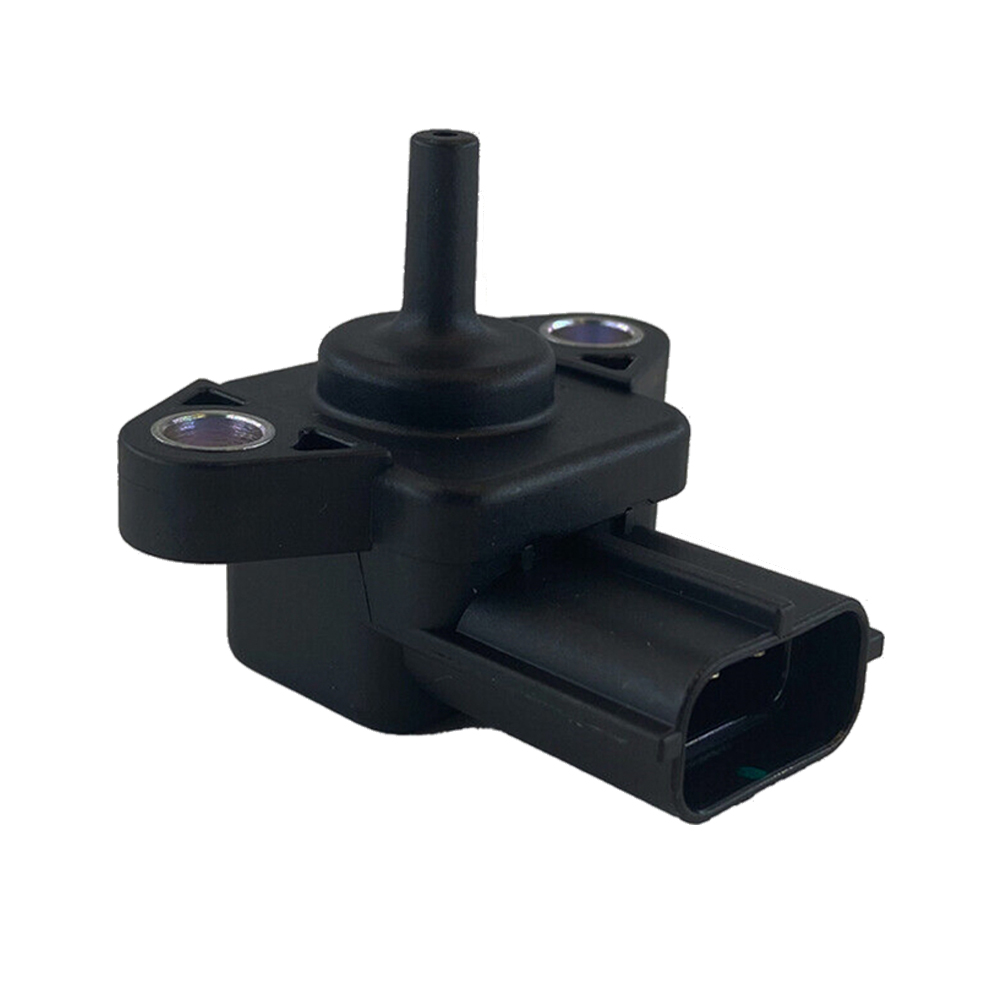
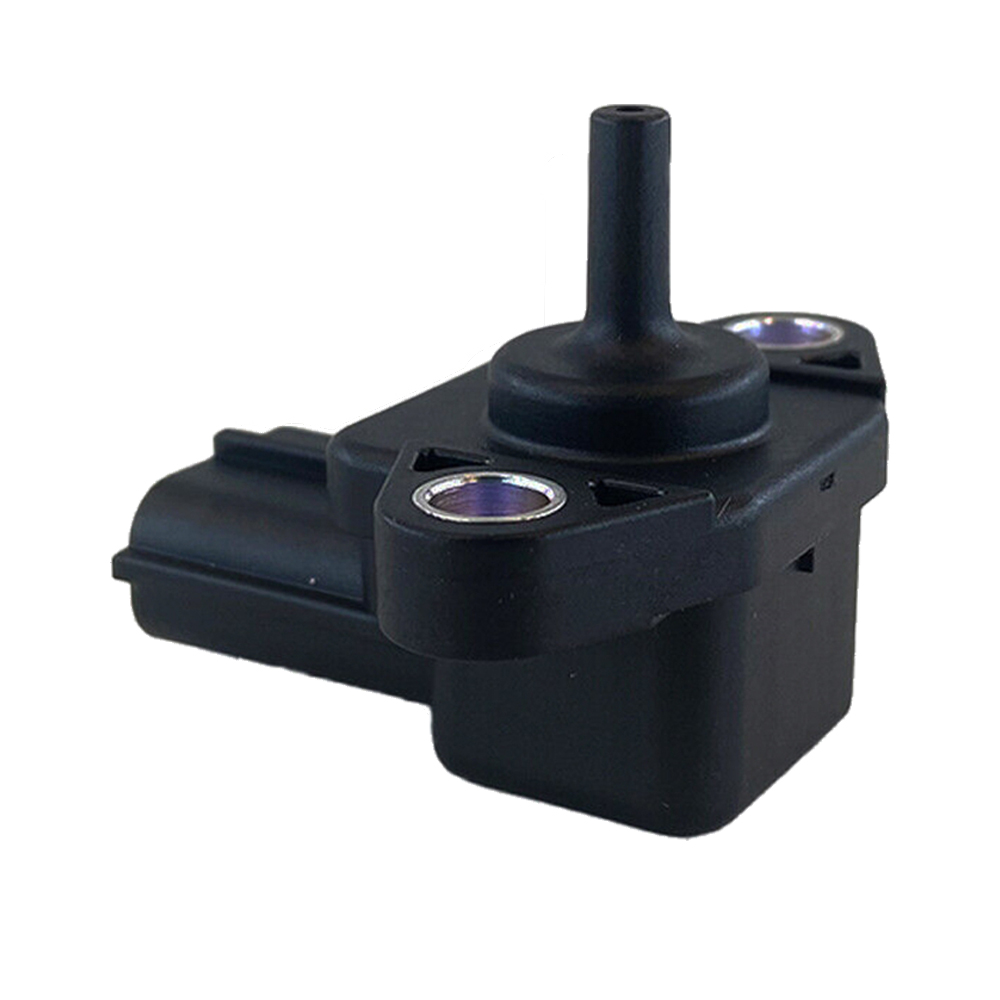
A 1,700 cc pushrod cruiser, a 1,300 cc sport-tourer and a 600 cc supersport, all asking the same twenty grams the same question. What changes is not the sensor. It is what the rider feels when it lies.
Wholesale, fifty pieces per order, which is where trade pricing begins.
Three-pin
FJR1300, XV1700 Road Star Warrior, YZF-R1, YZF-R6S
Crosses 5JW-82380-00 and E1T24772.
No OBD socket on these bikes
Fifty-box
Type |
Absolute pressure sensor (MAP) |
Range |
50–400 kPa absolute |
Output |
Analog voltage |
Connector |
3-pin |
Supply |
5V ± 0.25V |
Accuracy |
±1.5% FS |
Temperature |
−40 to +125 °C |
Ingress |
IP67 |
Housing |
ABS plastic |
Net weight |
20 g |
Wholesale from |
50 pcs |
Set the applications side by side and the oddity is obvious: a 1,700 cc air-cooled pushrod twin in a cruiser, a 1,300 cc inline four in a continent-crossing tourer, a 600 cc four in a supersport, and a litre four in an R1. One part number serves all of them.
That is not a coincidence, and it is not a compromise. A pressure sensor measures pressure. It does not care how many cylinders produced it, how the valves are operated or what the bike weighs. What the engine management does with the number differs enormously; what the sensor has to deliver does not.
Twenty grams is the whole specification. A diaphragm, a reference chamber, a signal conditioning circuit and a connector. The differences between a good one and a bad one are not visible in a photograph: they are in how faithfully the output tracks a known pressure across temperature and time.
Where the applications do differ is in calibration. Each of those four engines has its own fuel map, its own expected curve, its own idea of what a given manifold pressure means. The sensor is common; the interpretation is not. Which is why this part can be sold into four very different workshops and still be the same part — and why a "universal" sensor with a different curve is not a substitute for it.
For a shop holding one SKU. This number is worth carrying precisely because it lands on a sport-tourer, a cruiser and two sports bikes. Riders of all four are the kind who maintain their own machines and search by part number. One shelf position, four customer types.
The same failing sensor produces three different complaints depending on which of these machines it is fitted to, and a mechanic who knows the profile can often guess the fault from the rider's description before touching anything.
The cruiser wants low-speed smoothness. A 1,700 twin is ridden at low revs, with a heavy flywheel and a lot of torque asked for at small throttle openings. When the pressure signal drifts, the owner reports popping on a closed throttle, a lumpy pick-up from a standstill and a bike that "runs on when you shut off". He rarely says the word "sensor"; he says the fuelling has gone bad, and he may have already bought an exhaust gasket.
The sport-tourer wants steady-state economy. An FJR1300 spends its life at a constant throttle on a motorway. The complaint is a surge or a drone at cruising speed, a fuel consumption figure that has crept up over a season, and a bike that feels fine everywhere else. This is the profile most likely to be lived with for a year rather than diagnosed.
The supersport wants the first centimetre of throttle. An R6 or an R1 is ridden at small openings far more than its reputation suggests, and a pressure signal that lags turns a clean pick-up into a flat spot exactly where the rider needs precision — on the way into a corner, or pulling away from a standstill in traffic.
What all three share. None of them produces a fault code the rider will see, because these machines do not light a lamp for a plausible-but-wrong pressure signal. The symptom is always described as carburation, and carburation is what the owner will ask you to fix.
The practical use of this section. Ask what the bike does, not what the rider thinks is broken. Popping on a closed throttle, a cruise surge and a flat spot at small throttle are three names for one failing part on three different machines.
Years are given here because they came with this part. Where a listing below is incomplete for a model, confirm against the number on the old unit.
Model |
Year and variant |
Yamaha Road Star Warrior XV17PCP |
2002, intake |
Yamaha YZF-R1 |
2003, electrical / intake |
Yamaha FJR1300 |
2004–2005 |
Yamaha Road Star XV1700PC Warrior (Flames) |
2005 |
Yamaha Road Star XV1700PC Warrior |
2007 |
Yamaha Road Star XV1700PCM Midnight Warrior |
2008 |
Yamaha FJR1300AE ABS |
2009 |
Yamaha Road Star XV1700PCM Midnight Warrior |
2009 |
Yamaha YZF-R6S YZFR6SYCL |
2009, intake |
Yamaha FJR1300A ABS |
2010–2012 |
Five cross-references, two distinct numbers. 5JW-82380-00, 5JW8238000, 5JW-82380-00-00 and 5JW823800000 are the same Yamaha number written four ways — with and without dashes, with and without the trailing suffix. E1T24772 is the manufacturer's own code. If you are building a listing, that distinction decides whether you appear in a search or not: the punctuation is not part of the number, but customers type it.
And the honest limit of a year list. These years are what this function was catalogued against. A bike one year outside a range can still carry the same sensor, and a bike inside a range can carry a different one if a previous owner fitted something else. The old part's number is the final answer.
Field |
Value |
Brand |
RUNTONG |
Part number |
RB-PS011 |
OEM cross-reference |
5JW-82380-00 · E1T24772 · 5JW8238000 · 5JW-82380-00-00 · 5JW823800000 |
Type |
Intake manifold absolute pressure sensor |
Pressure range |
50–400 kPa absolute |
Output |
Analog voltage |
Connector |
3-pin |
Supply voltage |
5V ± 0.25V |
Accuracy |
±1.5% FS |
Operating temperature |
−40 to +125 °C |
Ingress protection |
IP67 |
Housing material |
ABS plastic |
Net weight |
20 g |
Supplied with |
Sensor and washer |
Inner packing |
Zip bag |
Carton size |
6.5 × 6 × 5 cm |
Certification |
ISO 9001 |
Warranty |
12 months |
Wholesale minimum |
50 pcs |
Custom printed carton |
From 1,000 pcs |
Dispatch |
7 days from stock; 15–30 days for a production lot |
Freight |
Air, sea, or land |
Dispatch. Seven days from stock; three to four weeks when the batch has to be produced.
Freight. Air, sea or land. Motorcycle parts are light and bulky; air is often the sensible route for anything under a few hundred units.
Tax. Duty and VAT with the buyer unless DDP is agreed in writing beforehand. One classification per shipment, stated on the invoice.
Warranty. Twelve months against defects in manufacture, batch-wide, covering the sensor and its seal. Not covered: a broken connector tab, a cracked flange, a sensor fitted without its washer, or a fault that turns out to be the vacuum hose — which, on these engines, is the single most common wrong answer in this whole category.
Check section 6 for the year, then check the number on the old sensor. Both, not either.
Three pins?
Three.
Two real numbers — 5JW-82380-00 and E1T24772. The other three in the list are the same Yamaha number written with and without punctuation.
Section 7 is a road test written for exactly that. A voltmeter taped to the tank, four checks, and one closed-throttle deceleration.
Possibly — on a big twin that is the classic presentation. Rule out the vacuum hose and the exhaust joints first; both are cheaper.
Three pins, 5V supply, analog output, 50–400 kPa. We have not been given a terminal-by-terminal assignment, so we do not print one.
Fifty is the wholesale minimum. Start with one sample at full price on your own bike.
From 1,000 pieces, one artwork, approved before printing.
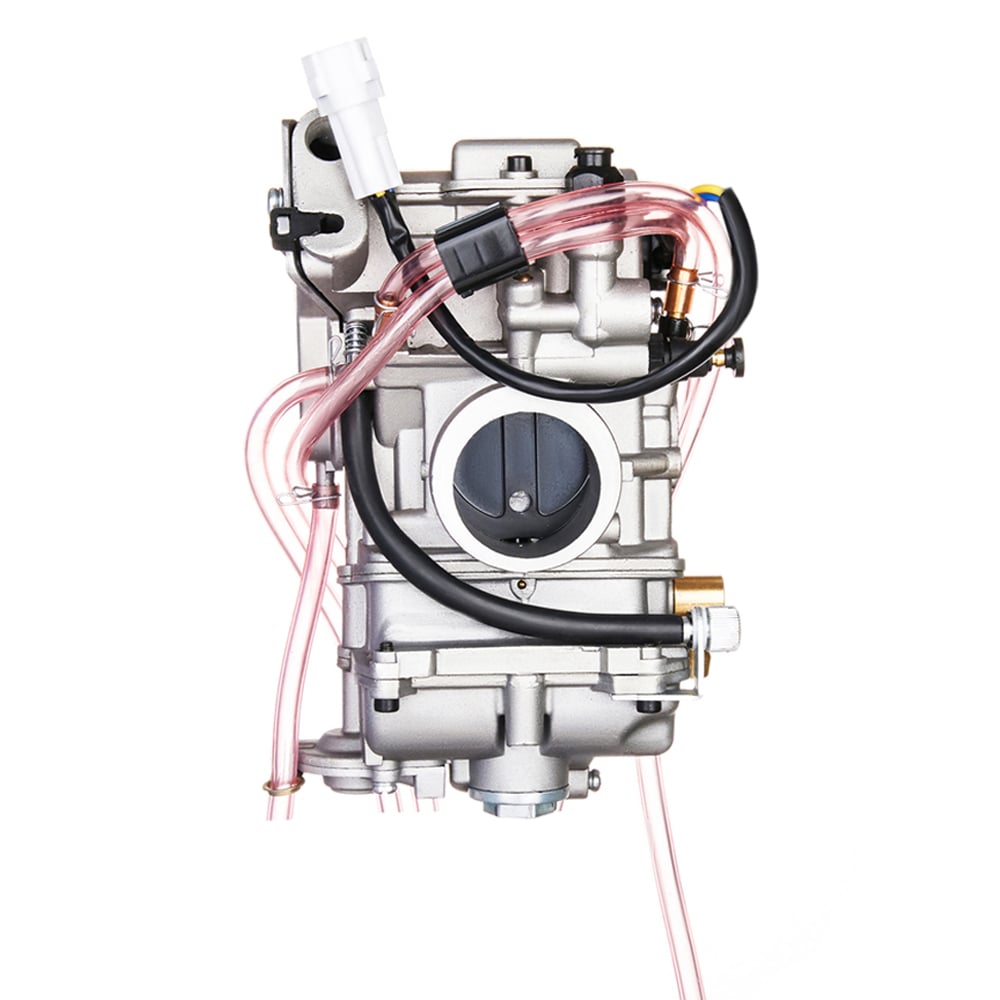
FCR37 WR250 WR250F YZ250F CRF250R CRF250X RMZ250 KX250F Motorcycle Carburetor
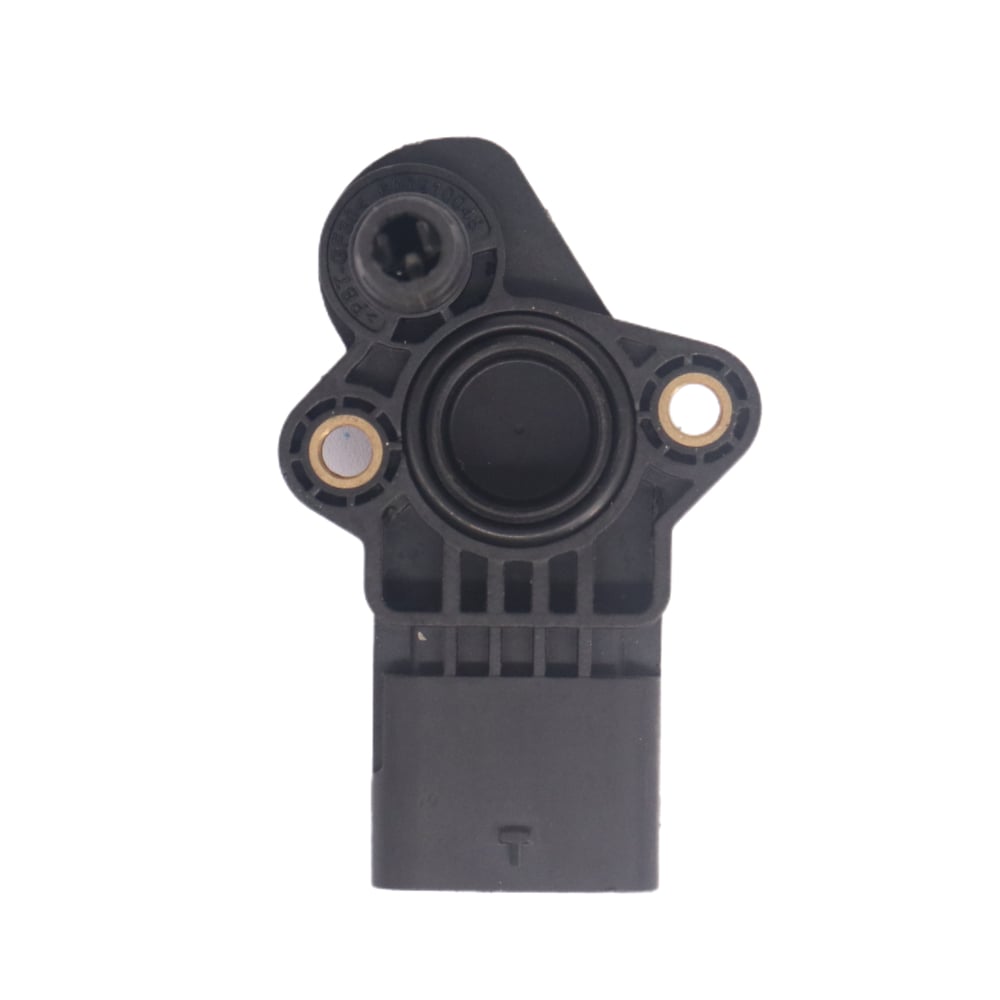
Bajaj Pulsar N250 N160 Fi 36PD0112 Motorcycle TPS Throttle Position Sensor
ITALIKA DM150 DM200 DM250 SPORT 266mm Motorcycle Front Brake Disc Plate
0261230283 BOSCH Iveco Opel Chevy Motorcycle Intake Manifold Absolute Pressure Sensor