replacing speed sensor
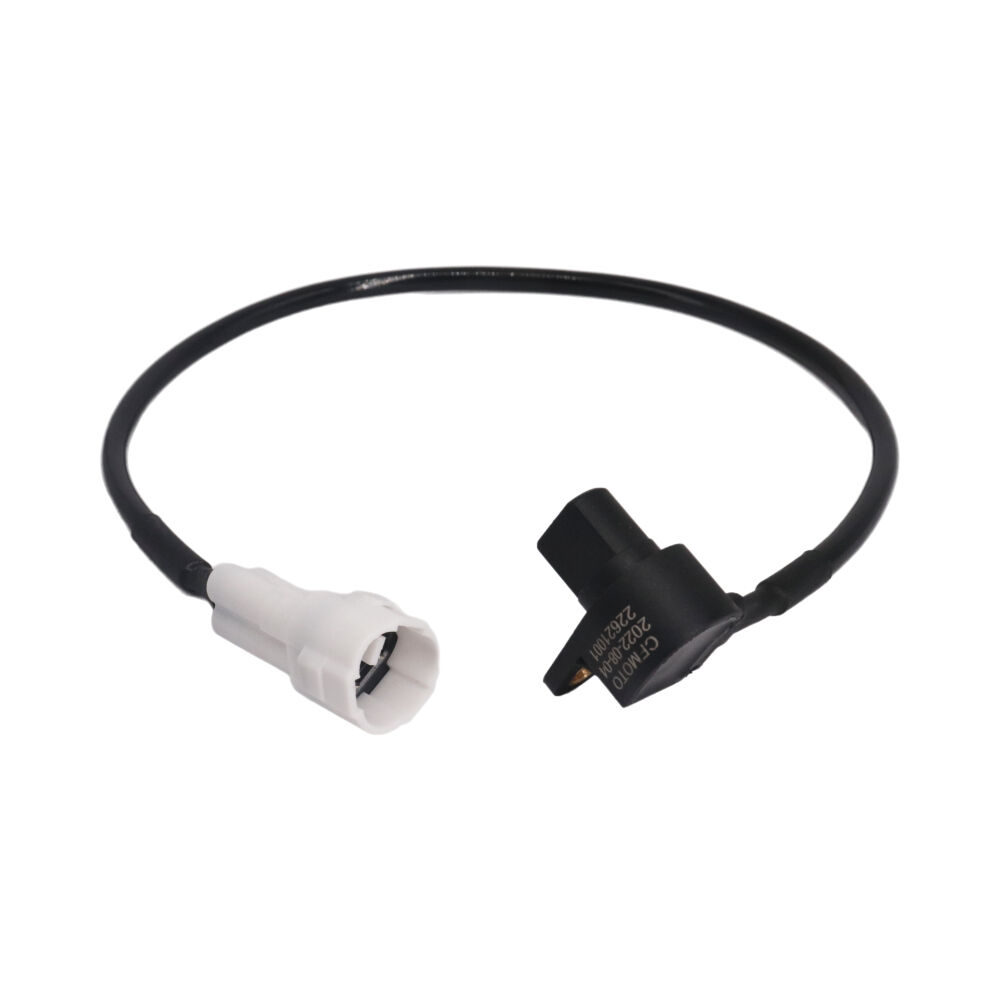
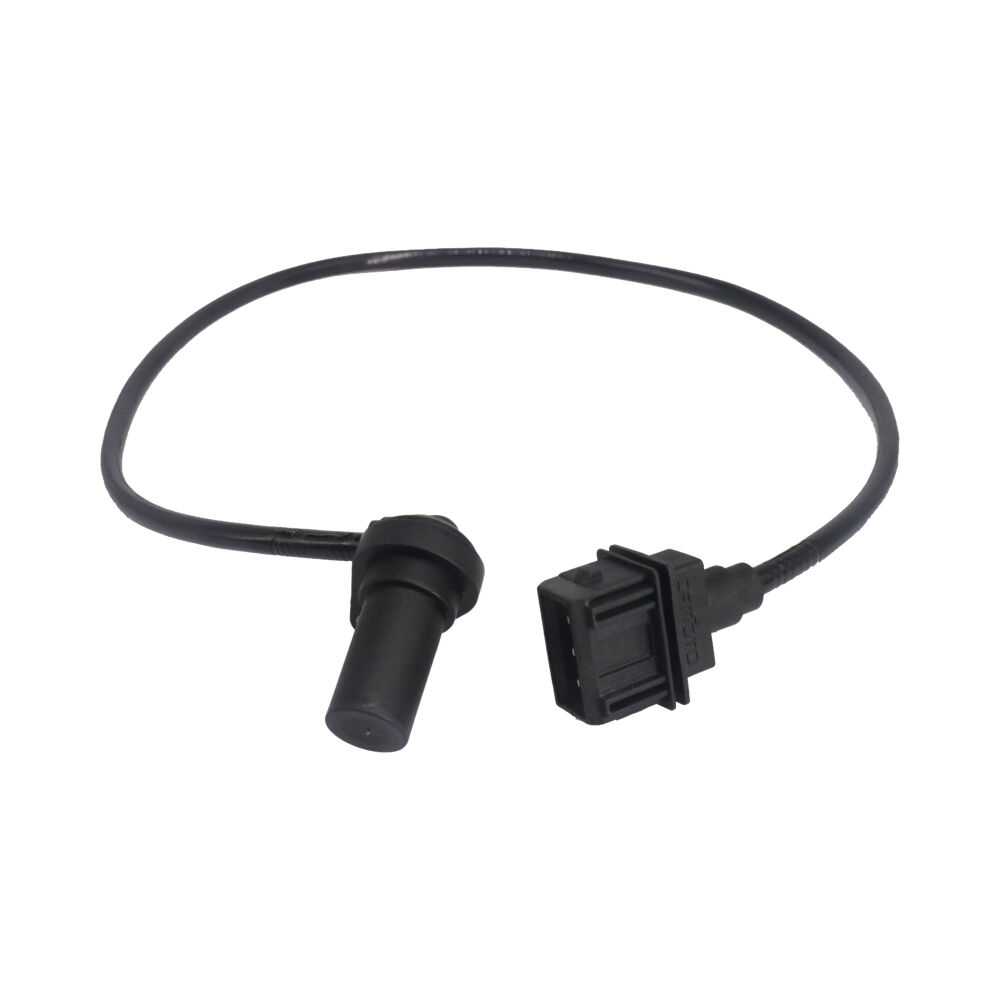
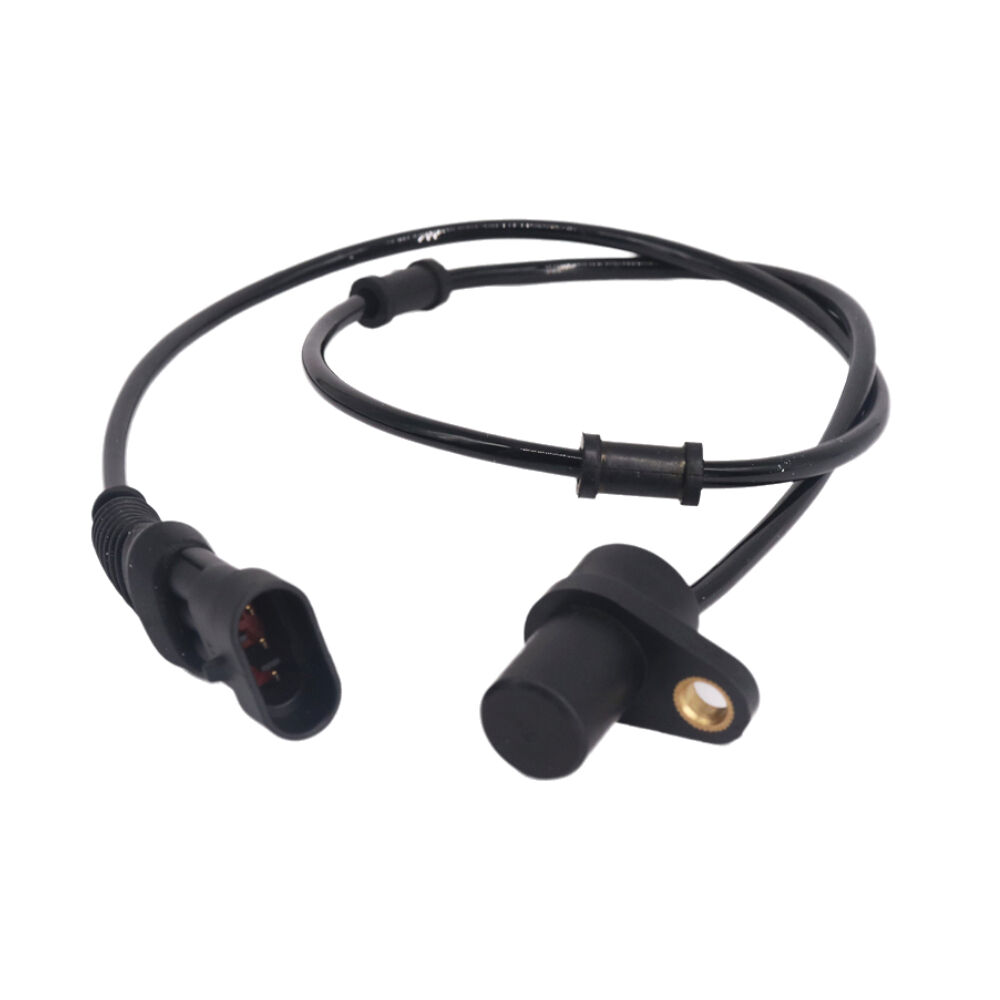
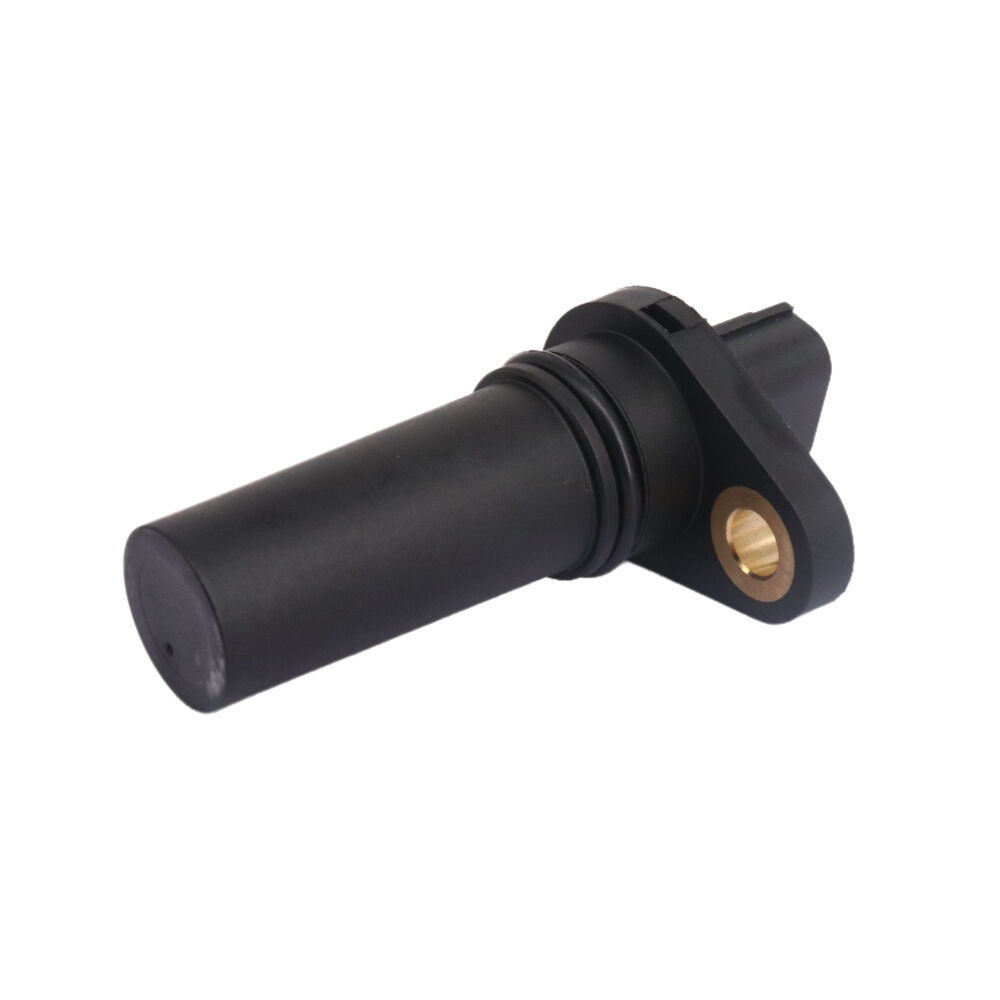
A replacing speed sensor is a critical component in modern vehicles and industrial machinery that measures and monitors rotational speed. This sophisticated device utilizes electromagnetic technology to detect motion and convert it into electrical signals, providing essential data for various control systems. The sensor typically consists of a permanent magnet and a sensing element that generates voltage proportional to the speed of rotation. It plays a vital role in multiple vehicle systems, including the anti-lock braking system (ABS), transmission control, and engine management. The sensor's primary function is to continuously monitor wheel speed, engine RPM, or shaft rotation, delivering real-time data to the vehicle's computer system. In automotive applications, it helps maintain optimal vehicle performance by ensuring proper timing of gear shifts, monitoring wheel speed for traction control, and facilitating cruise control operations. Industrial applications include monitoring conveyor belt speeds, turbine rotations, and manufacturing equipment performance. The technology has evolved to provide enhanced accuracy and reliability, with modern sensors featuring improved electromagnetic shielding and advanced signal processing capabilities. This advancement has led to better performance in challenging environments and increased durability under various operating conditions.

 EN
EN