Bad Wheel Speed Sensor: Detection, Impact, and Solutions for Vehicle Safety

All Categories

Get a Free Quote

Our representative will contact you soon.
Email
Name
Company Name
Message
0/1000

bad wheel speed sensor

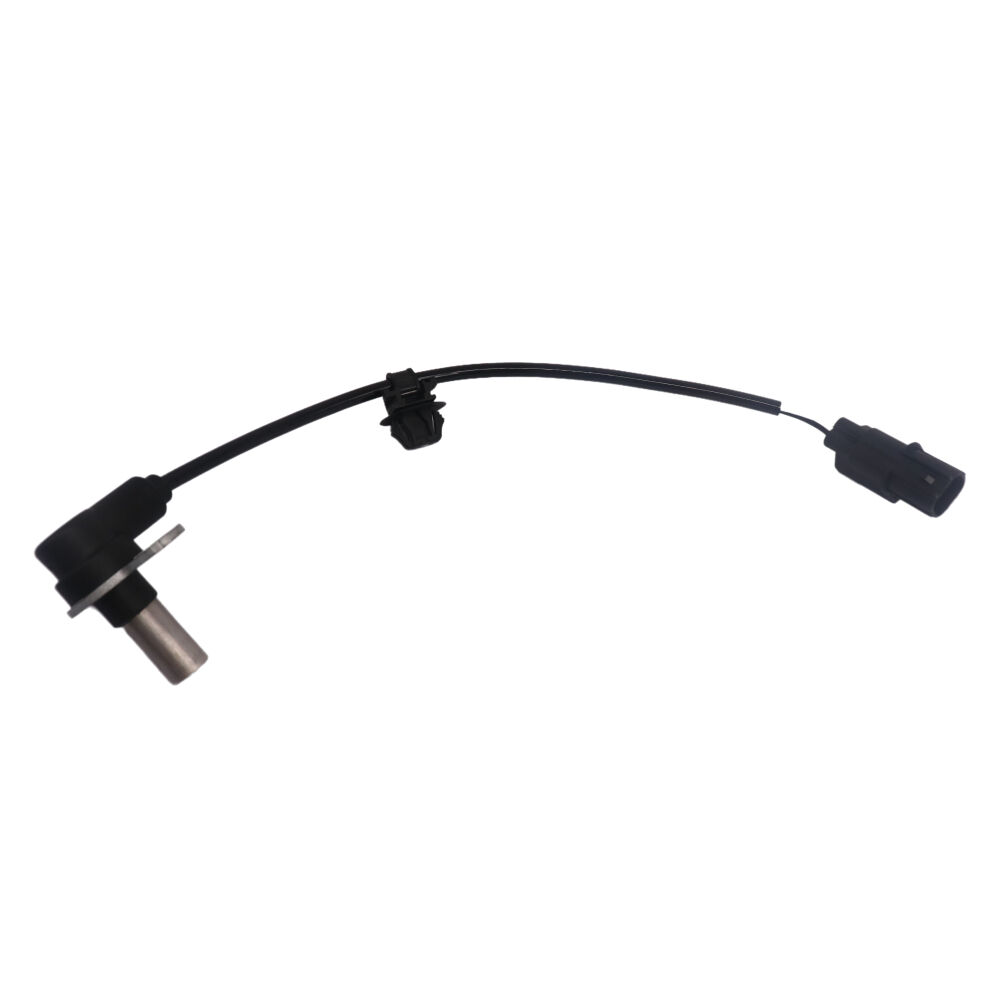
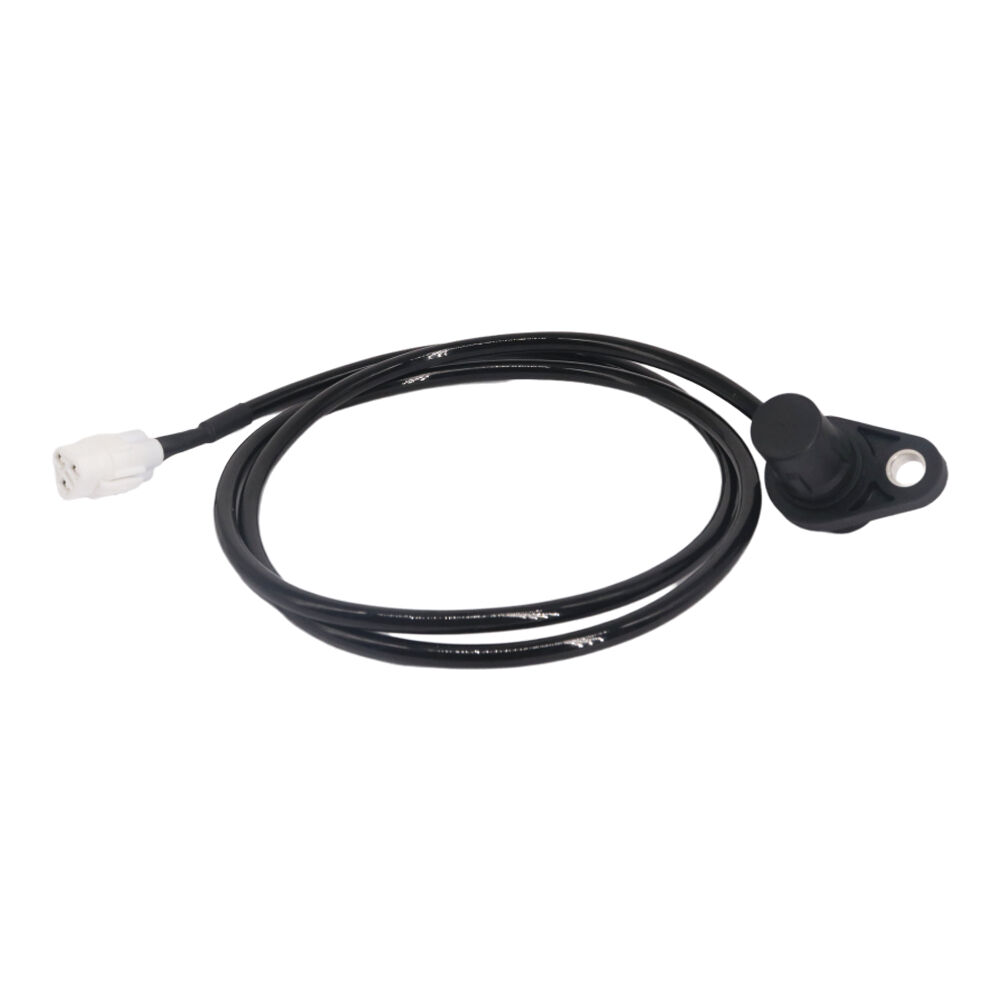
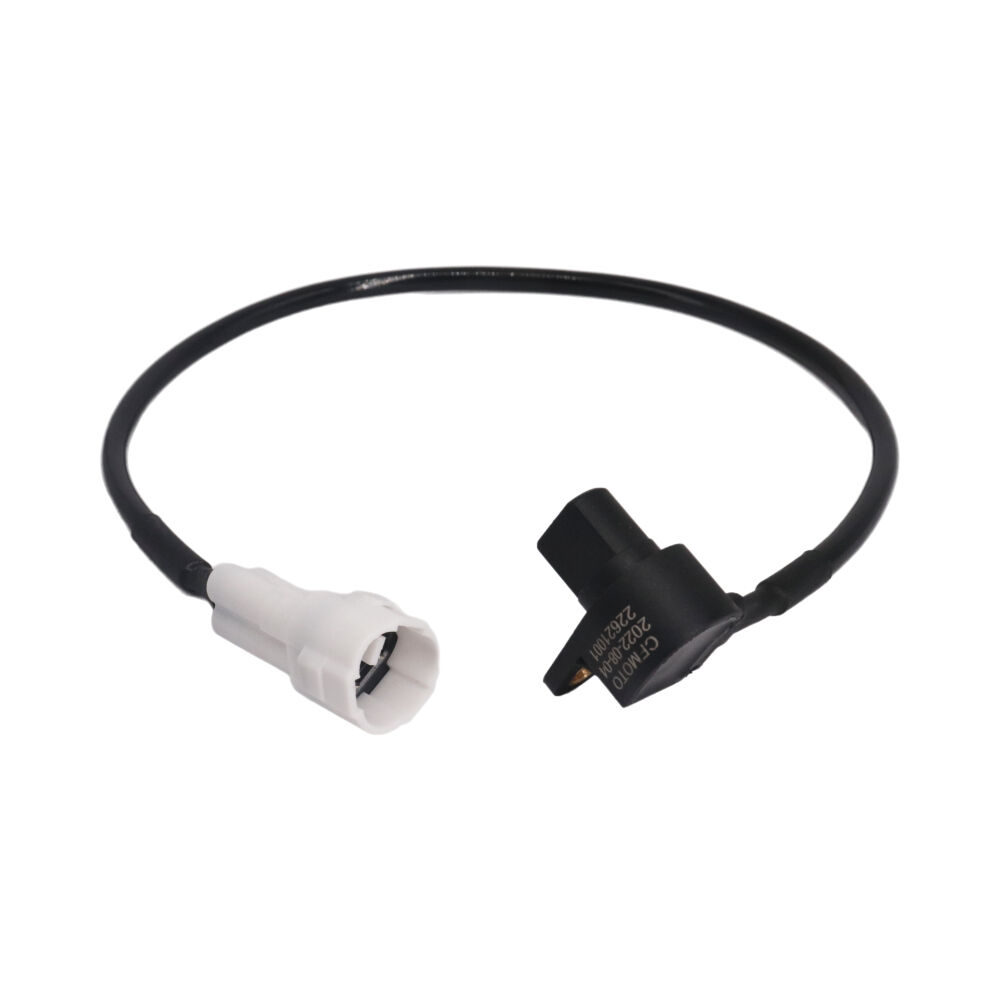
A wheel speed sensor is a critical component of modern vehicle safety systems that monitors the rotational speed of each wheel. When this sensor malfunctions, it becomes what's known as a bad wheel speed sensor, leading to various vehicle performance issues. This sensor consists of a magnetic component and a toothed ring, working together to generate electrical signals that inform the vehicle's computer about wheel rotation speeds. When functioning properly, it provides essential data for systems like Anti-lock Braking System (ABS), Electronic Stability Control (ESC), and Traction Control. However, a bad wheel speed sensor can disrupt these crucial safety features, potentially compromising vehicle stability and braking efficiency. The sensor typically fails due to physical damage, electrical issues, or accumulated debris interfering with its operation. Common symptoms of a bad wheel speed sensor include irregular ABS activation, traction control light illumination, and speedometer malfunctions. Modern vehicles rely heavily on these sensors for maintaining optimal performance and safety standards, making their proper functioning essential for overall vehicle operation and passenger safety.


Popular Products

Understanding the implications of a bad wheel speed sensor offers several important advantages for vehicle owners and maintenance professionals. First, early detection of sensor issues can prevent more serious safety concerns and potentially costly repairs. The sensor's diagnostic capabilities allow mechanics to quickly identify and address problems before they escalate into major safety risks. Additionally, maintaining functional wheel speed sensors ensures optimal performance of critical safety systems, including ABS and traction control. Regular monitoring of these sensors can lead to improved fuel efficiency, as properly functioning sensors help maintain optimal vehicle speed and performance. The sensor's role in modern vehicle safety systems also contributes to extended tire life by preventing unnecessary wheel lock-ups and maintaining proper traction control. For fleet managers and commercial vehicle operators, understanding wheel speed sensor issues helps maintain compliance with safety regulations and reduces vehicle downtime. The sensor's integration with modern vehicle diagnostic systems enables proactive maintenance scheduling, potentially reducing long-term maintenance costs. Furthermore, addressing bad wheel speed sensor issues promptly can prevent damage to related components, such as the ABS module or brake system components. The sensor's impact on vehicle stability and control makes it an essential focus point for maintaining optimal vehicle performance and safety standards.

Latest News

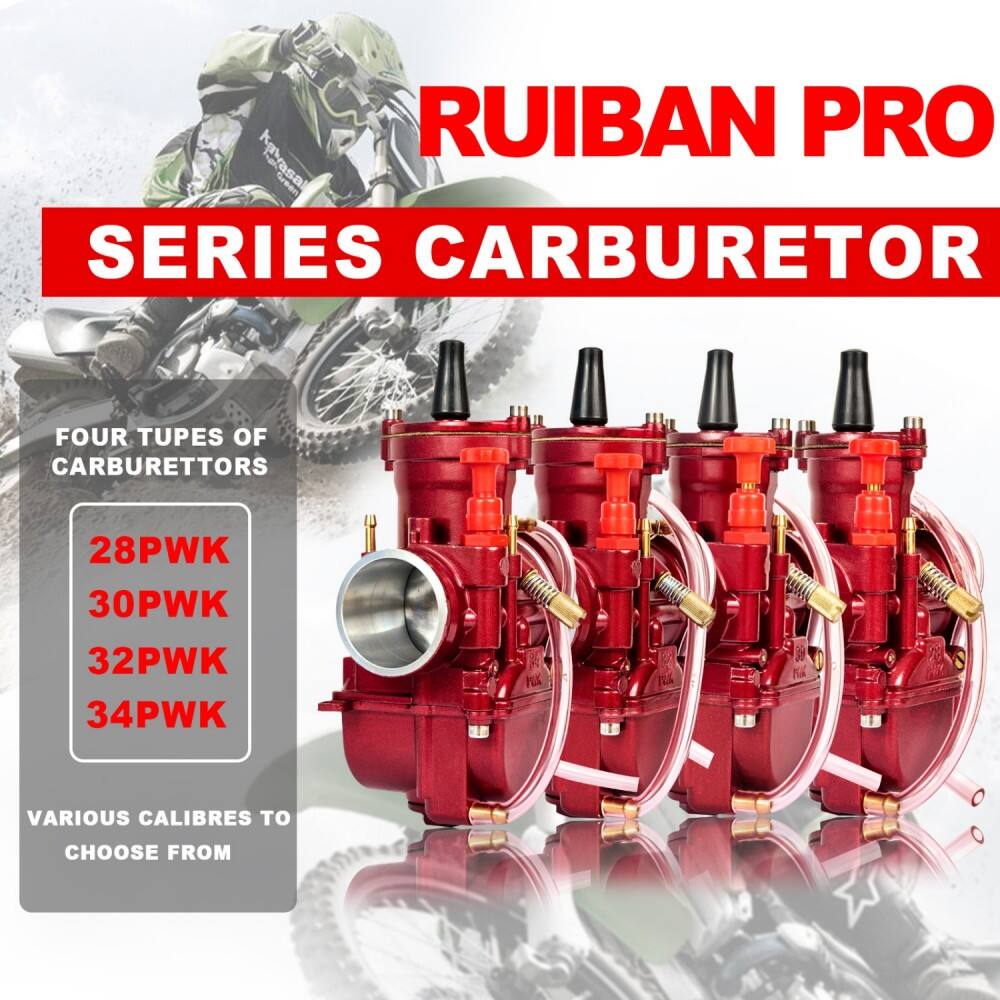
What Is The Difference Between The Different Sized PWK Carburetors?

29

Jul

What Is The Difference Between The Different Sized PWK Carburetors?

View More
RS150 Motorcycle Tps Sensors In Different Colors Bring Different Visual Experiences

29

Jul

RS150 Motorcycle Tps Sensors In Different Colors Bring Different Visual Experiences

View More
Aftermarket Yamaha Aerox155 Nvx155 Throttle Body Brings Better Driving Experience

29

Jul

Aftermarket Yamaha Aerox155 Nvx155 Throttle Body Brings Better Driving Experience

View More

Get a Free Quote

Our representative will contact you soon.
Email
Name
Company Name
Message
0/1000

bad wheel speed sensor

Enhanced Safety System Integration

Enhanced Safety System Integration

A properly functioning wheel speed sensor is integral to multiple vehicle safety systems, making early detection of sensor failure crucial. When a wheel speed sensor goes bad, it directly impacts the effectiveness of the Anti-lock Braking System, which relies on accurate wheel speed data to prevent wheel lock-up during emergency braking situations. The sensor's integration with the Electronic Stability Control system helps maintain vehicle stability during challenging driving conditions. Additionally, the traction control system depends on wheel speed sensor data to optimize wheel grip and prevent wheel spin during acceleration. Understanding these interconnected systems helps vehicle owners appreciate the importance of maintaining functional wheel speed sensors and addressing any issues promptly.
Diagnostic Efficiency and Cost Prevention

Diagnostic Efficiency and Cost Prevention

A bad wheel speed sensor often provides early warning signs that can help prevent more extensive vehicle damage and costly repairs. The sensor's malfunction typically triggers warning lights on the dashboard, allowing drivers to address issues before they become more serious. Modern vehicle diagnostic systems can quickly identify specific sensor failures, reducing diagnostic time and associated labor costs. Regular monitoring of wheel speed sensor performance can help prevent damage to related components and systems, potentially saving significant repair costs in the long term. Early detection and repair of sensor issues also help maintain optimal vehicle performance and fuel efficiency.
Performance and Maintenance Benefits

Performance and Maintenance Benefits

Addressing bad wheel speed sensor issues leads to improved vehicle performance and maintenance efficiency. A properly functioning sensor ensures accurate speed readings, optimal brake system performance, and enhanced vehicle stability control. Regular sensor maintenance can prevent unnecessary wear on tires and brake components, potentially extending their service life. The sensor's role in modern vehicle systems also contributes to improved fuel efficiency by maintaining optimal vehicle speed and performance parameters. Understanding and addressing wheel speed sensor issues helps maintain the vehicle's overall safety systems at peak efficiency, ensuring reliable operation in various driving conditions.

Get a Free Quote

Our representative will contact you soon.
Email
Name
Company Name
Message
0/1000