
 EN
EN
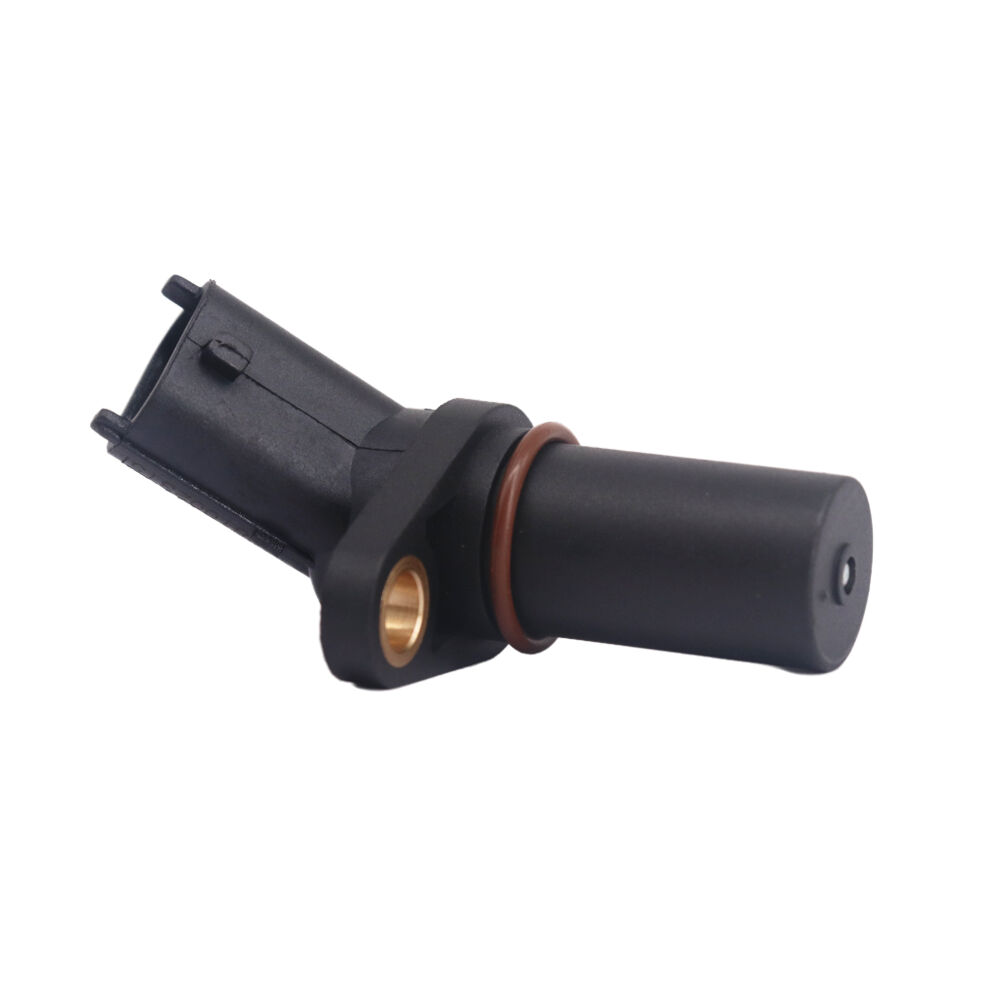
يُعَدُّ مستشعر عمود المرفق عالي الجودة حلقة وصلٍ حاسمةً بين أداء محرك دراجتك النارية ونظام الحقن الإلكتروني للوقود، ويحدد ما إذا كانت دراجتك تبدأ تشغيلها بشكلٍ موثوقٍ وتُشغَّل بسلاسةٍ أم لا. ويقوم هذا المكوِّن الدقيق برصد موقع عمود المرفق وسرعته الدورانية، ويرسل بيانات التوقيت الحيوية إلى وحدة تحكم المحرك، والتي تؤثِّر مباشرةً في توقيت الإشعال وتدفق الوقود وكفاءة المحرك ككل. وللسائقين الذين يطلبون أداءً ثابتًا وموثوقيةً عاليةً من دراجاتهم النارية، فإن فهم العوامل التي تميِّز تقنية مستشعر عمود المرفق الممتازة عن البدائل الرديئة يصبح أمرًا جوهريًّا لاتخاذ قرارات صائبة بشأن الصيانة.
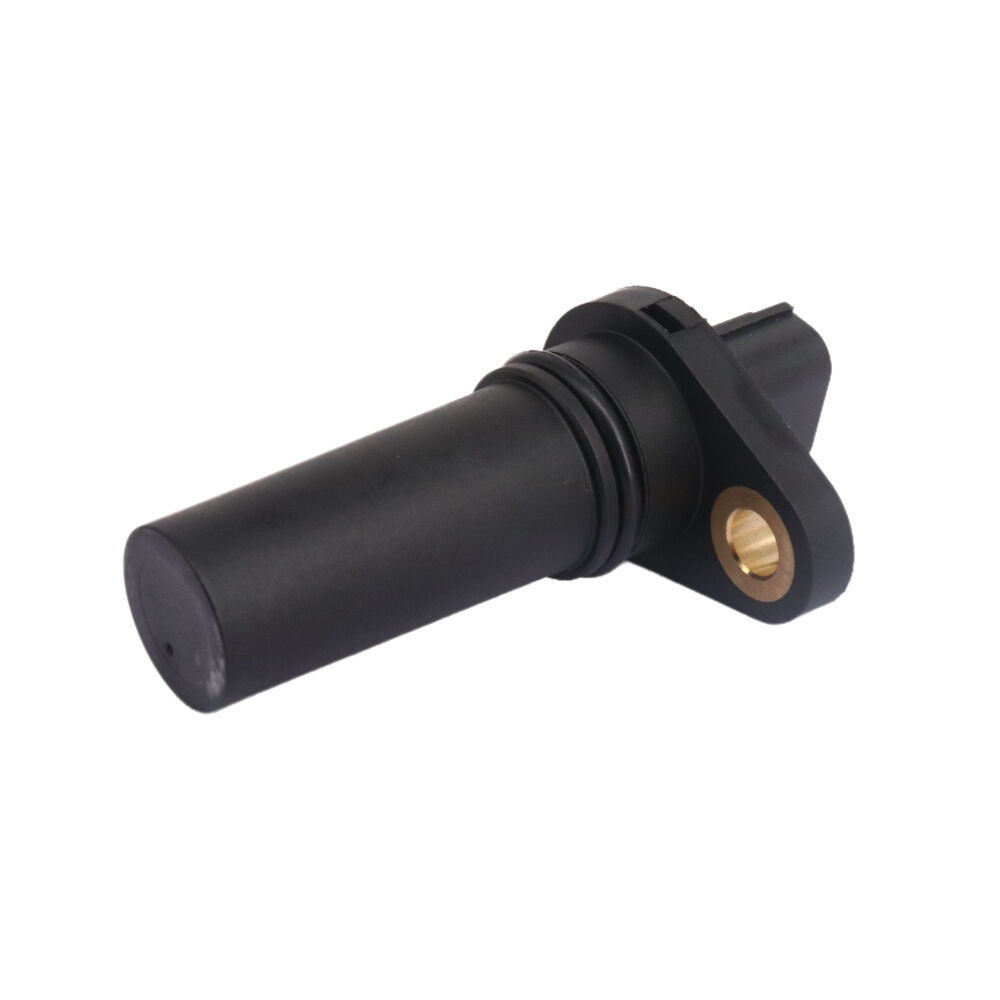
إن الفرق بين مستشعر عمود المرفق عالي الجودة ومستشعر بديل رديء يتجاوز بكثير اعتبارات التكلفة الأولية، ويشمل هندسة دقيقة، ومتانة المواد، وعوامل الموثوقية على المدى الطويل التي تؤثر مباشرةً على سلامة أداء دراجتك النارية. فتعتمد الدراجات النارية الحديثة على إشارات توقيت دقيقة من مستشعر عمود المرفق لتنسيق وظائف إدارة المحرك المعقدة، ما يجعل جودة المستشعر عاملاً حاسماً في طول عمر المحرك، وكفاءة استهلاك الوقود، وسلامة الراكب. وعندما يختار الراكبون مكونات مستشعرات عالية الجودة، فإنهم يستثمرون في انتظام توقيت الإشعال، ونسب خليط الوقود المثلى، وانخفاض خطر حدوث أعطال غير متوقعة في المحرك قد تُعرّض الأداء والسلامة على الطريق للخطر.
معايير الهندسة الدقيقة التي تُحدّد أداء المستشعر المتفوق
دقة المجال المغناطيسي واتساق الإشارة
تبدأ عملية تصنيع مستشعر عمود المرفق عالي الجودة بالمعايرة الدقيقة لمجاله المغناطيسي، مما يضمن توليد إشارةٍ متسقةٍ عبر نطاقات مختلفة من سرعات المحرك ودرجات حرارة التشغيل. وتستخدم المستشعرات الراقية قلوبًا مغناطيسية ولفات ملفاتٍ مُصمَّمة بدقةٍ للحفاظ على جهد خرجٍ مستقرٍ حتى في أقسى ظروف التشغيل، ما يمنع تدهور الإشارة الذي يؤدي إلى حدوث اشتعال غير منتظم واهتزازات عند حالة الخمول. ويظل شدة المجال المغناطيسي في تصاميم المستشعرات المتفوِّقة لعمود المرفق ثابتةً طوال عمر المكوِّن التشغيلي، ما يلغي انحراف الجهد الذي يتسبب في عدم دقة التوقيت ومشاكل أداء المحرك.
تتضمن تصاميم أجهزة الاستشعار المتفوقة تقنية متقدمة لحجب المجالات المغناطيسية التي تمنع التداخل الكهرومغناطيسي من التأثير على دقة الإشارات، مما يضمن وصول بيانات التوقيت النظيفة إلى وحدة تحكم المحرك بغض النظر عن الضوضاء الكهربائية الناتجة عن الأنظمة الأخرى في الدراجة النارية. ويكتسب التوافق الكهرومغناطيسي أهميةً بالغةً خصوصًا في الدراجات النارية الحديثة المزودة بعدة أنظمة إلكترونية قد تتداخل محتملًا مع عمل مستشعر عمود الكرنك. وتشمل عمليات التصنيع عالية الجودة إجراءاتٍ صارمةً لاختبار المجالات المغناطيسية للتحقق من اتساق الإشارة عبر مدى التشغيل الكامل للمستشعر قبل التجميع النهائي.
تُظهر العلاقة بين دقة المجال المغناطيسي ودقة توقيت المحرك السبب وراء تبرير التكلفة الأولية الأعلى لمكونات حساسات عمود المرفق الراقية من خلال تقديم أداءٍ متسقٍ باستمرار. فغالبًا ما تُظهر الحساسات الرديئة تقلبات في المجال المغناطيسي تتحول مباشرةً إلى عدم انتظام في التوقيت، مما يؤدي إلى تردد المحرك، وانخفاض إنتاج القدرة، وزيادة استهلاك الوقود — وهي أمور يلاحظها الراكب فور التشغيل.
الاستقرار الحراري وإدارة الحرارة
تتضمن تصاميم أجهزة استشعار عمود المرفق المتميزة ميزات متقدمة لإدارة الحرارة تحافظ على دقة الإشارة عبر نطاقات درجات الحرارة القصوى التي تُصادَف في حجرات محركات الدراجات النارية. وتستخدم أجهزة الاستشعار عالية الجودة موادًا مغناطيسية مُعوَّضة حراريًّا وملفات ملفوفة بدقة مقاومة لتأثيرات التمدد الحراري، مما يمنع انحراف الإشارة الذي يحدث عندما تسخن أجهزة الاستشعار الرديئة أثناء فترات القيادة الطويلة. ويضمن الاستقرار الحراري لمكونات أجهزة الاستشعار المتفوِّقة دقةً ثابتةً في ضبط التوقيت سواء عند تشغيل المحرك البارد أو عند الحفاظ على سرعات الطريق السريع في ظروف القيادة الصيفية.
تتميَّز التفوق الهندسي في إدارة الحرارة لمُستشعر عمود المرفق بالاهتمام بتصميم الغلاف واختيار المواد، حيث تتميز المكونات الراقية بهياكل مُصمَّمة لتبدد الحرارة وتحمي الإلكترونيات الداخلية من التدهور الناتج عن ارتفاع درجة الحرارة. وتُحافظ أجهزة الاستشعار عالية الجودة على شدة حقلها المغناطيسي المُعايرة عبر دورات التغير في درجات الحرارة، مما يمنع التغيرات في توقيت الإشعال التي تؤدي إلى ظاهرة «القرع» في المحرك، وفقدان القدرة، وزيادة الانبعاثات في الدراجات النارية المزوَّدة بمُستشعرات رديئة الجودة.
ويتضح أهمية الاستقرار الحراري عند مقارنة الأداء على المدى الطويل بين خيارات مستشعرات عمود المرفق الراقية والاقتصادية، إذ تحافظ المكونات عالية الجودة على تشغيلٍ ثابتٍ خلال آلاف الدورات الحرارية، بينما تفقد البدائل الرديئة دقتها وموثوقيتها تدريجيًّا. ويستفيد السائقون الذين يختارون تصاميم المستشعرات المستقرة حراريًّا من أداء محركٍ ثابتٍ بغضِّ النظر عن ظروف درجة الحرارة المحيطة أو شدة القيادة.
عوامل جودة المواد ومتانتها
مقاومة التآكل وحماية البيئة
يتميز تصميم مستشعر عمود الكرنك المتفوق باستخدام مواد مقاومة للتآكل وطلاءات واقية تتحمل التعرّض لزيت المحرك، وسائل التبريد، وملح الطرق، والرطوبة دون المساس بسلامة التوصيلات الكهربائية أو سلامة المجال المغناطيسي. وتتميّز المستشعرات الفاخرة بتصاميم غلاف مغلق ومزوّدة بمواد حشوات متقدمة تمنع دخول الملوثات إلى تجميعة المستشعر، مما يحافظ على دقة الإشارة طوال فترات الخدمة الطويلة. كما أن مقاومة التآكل في مكونات المستشعر عالي الجودة تمنع تدهور التوصيلات الكهربائية الذي يؤدي إلى أعطال متقطعة في المستشعر وسلوك غير منتظم للمحرك.
تمتد حماية البيئة في تصاميم أجهزة استشعار عمود الكرنك عالية الجودة لتشمل ما هو أبعد من مقاومة الماء الأساسية، بحيث تشمل الحماية من التآكل الناتج عن الاهتزاز، والتعرض للمواد الكيميائية، وتأثيرات التغير الدوري في درجات الحرارة الذي يؤدي تدريجيًّا إلى تدهور مكونات المستشعرات الرديئة. وتشمل عمليات التصنيع الممتازة اختبارات بيئية شاملة تحاكي سنوات التشغيل الفعلي للدراجات النارية، مما يضمن بقاء أداء المستشعر ثابتًا في ظل ظروف التشغيل الواقعية.
تصبح مزايا المتانة الطويلة الأمد للمواد المقاومة للتآكل المستخدمة في أجهزة استشعار عمود الكرنك ذات أهمية بالغة بشكل خاص للسائقين الذين يستخدمون دراجاتهم النارية في ظروف بيئية صعبة، مثل المناطق الساحلية المعرَّضة لهواء مالح، أو المناطق التي تشهد معاملات طرق شتوية قاسية، أو البيئات الوعرة التي تتميز بمستويات عالية من الغبار والرطوبة.
الاستقرار الميكانيكي ومقاومة الاهتزاز
تتضمن وحدات حساسات عمود المرفق عالية الجودة تصاميم ميكانيكية متينة تقاوم الاهتزاز المستمر والإجهادات الميكانيكية الموجودة في بيئات محركات الدراجات النارية دون فقدان المعايرة أو حدوث أعطال داخلية في المكونات. وتستخدم الحساسات الممتازة هياكل داخلية معزَّزة وأنظمة تركيب تمتص الصدمات لحماية المكونات المغناطيسية الحساسة من الأضرار الناجمة عن الاهتزاز، مع الحفاظ على تحديد دقيق لموقعها بالنسبة إلى عجلة التوقيت الخاصة بعمود المرفق.
السلامة الميكانيكية للتصاميم المتفوقة مستشعر العمود المرفقي تمنع انزياح المكونات الداخلية الذي يؤدي إلى تغيرات في توقيت الإشارة وفشل الحساس في النهاية في البدائل الرديئة. وتشمل عمليات التصنيع عالية الجودة إجراءات اختبار الاهتزاز التي تحاكي آلاف الساعات من تشغيل الدراجة النارية، مما يضمن أن مكونات الحساس تحتفظ بمحاذاة دقيقة وخصائص مجالها المغناطيسي طوال فترة خدمتها.
تصبح مقاومة الاهتزاز بالغة الأهمية في الدراجات النارية عالية الأداء والدراجات الرياضية، حيث تفوق مستويات اهتزاز المحرك تلك التي تُصادَف في تطبيقات الدراجات النارية القياسية، ما يجعل الاستقرار الميكانيكي عاملاً جوهريًّا في اختيار حساس عمود المرفق وموثوقيته على المدى الطويل.
تقنية معالجة الإشارات والتكامل الإلكتروني
قدرات معالجة الإشارات الرقمية
تدمج تصاميم أجهزة استشعار عمود المرفق المتقدمة تقنية متطورة لمعالجة الإشارات تقوم بتحويل التغيرات الأولية في المجال المغناطيسي إلى إشارات رقمية دقيقة للزمن، وهي متوافقة مع أنظمة إدارة محركات الدراجات النارية الحديثة. وتستخدم أجهزة الاستشعار الممتازة دوائر متكاملة تقوم بتصفية الضوضاء الكهربائية، وتعوّض التغيرات في الإشارة، وتوفّر بيانات زمنية نظيفة تتيح أداء وحدة تحكم المحرك الأمثل في جميع ظروف التشغيل. كما أن قدرات المعالجة الرقمية لأجهزة الاستشعار عالية الجودة تقضي على أخطاء تفسير الإشارات التي تحدث مع تصاميم أجهزة الاستشعار التناظرية الأساسية.
تتضمن مكونات حساس عمود المرفق عالية الجودة معالجة إشارات متفوقة تشمل خوارزميات ترشيح تكيفية تُكيّف تلقائيًّا مع مكونات التآكل والتغيرات في ظروف التشغيل، مما يحافظ على دقة الإشارة طوال عمر الخدمة الافتراضي للحساس. وتمنع هذه القدرة المتقدمة على معالجة الإشارات الانزياح التدريجي في التوقيت الذي يحدث مع الحساسات الرديئة عندما تنخفض شدة المجال المغناطيسي أو تتدهور التوصيلات الكهربائية بمرور الوقت.
ويتيح دمج تقنية معالجة الإشارات الرقمية في تصاميم حساس عمود المرفق الممتازة التوافق مع ميزات إدارة المحرك المتقدمة، ومنها التحكم المتغير في توقيت صمامات الدخل والخرج، وكشف الاحتراق العنيف (القرع)، وأنظمة التحكم في الانبعاثات التي تتطلب بيانات توقيت دقيقة لتشغيلها الأمثل.
بروتوكولات اتصال وحدة تحكم المحرك
تستخدم مكونات حساسات عمود المرفق عالية الجودة بروتوكولات اتصال قياسية تضمن نقل البيانات بشكل موثوق إلى وحدة التحكم في المحرك دون تأخير في توقيت الإشارات أو تلف في البيانات، مما قد يؤثر على أداء المحرك. وتتميز الحساسات الممتازة بقدرات كشف الأخطاء وتصحيحها التي تحدد مقاطعات الإشارة المؤقتة وتعوّض عنها، مما يمنع نظام إدارة المحرك من الدخول في وضع الأعطال أثناء التشغيل العادي.
ويكتسب مفهوم موثوقية الاتصال في تصاميم حساسات عمود المرفق المتفوقة أهميةً بالغةً خاصةً في الدراجات النارية المزودة بأنظمة متقدمة لإدارة المحرك، والتي تتطلب بيانات توقيت مستمرة لتحقيق توقيت حقن الوقود الأمثل ومنحنيات تقدم الشرارة والتشغيل الفعّال لأنظمة التحكم في الانبعاثات. وتضمن الحساسات عالية الجودة استمرارية الاتصال مع وحدة التحكم في المحرك عبر نطاقات مختلفة من جهود النظام الكهربائي وظروف التداخل الكهرومغناطيسي.
تتيح التوافق بين البروتوكولات في مكونات أجهزة استشعار عمود الكركش المتميزة دمجًا سلسًا مع أنظمة إدارة المحركات الأصلية مع توفير دقة الإشارة وموثوقيتها اللازمة لتعديلات أداء السوق الثانوية
تأثير التشغيل على أداء الدراجة النارية
موثوقية البدء وأداء الطقس البارد
تؤثر جودة مستشعر عمود المرفق الممتازة بشكل مباشر على موثوقية التشغيل، لا سيما في ظروف الطقس البارد عندما يصبح التوقيت الدقيق حاسماً لاشتعال المحرك بنجاح وتشغيله بسلاسة عند وضع الخمول. وتُحافظ المستشعرات عالية الجودة على إشارات التوقيت الدقيقة حتى عند سرعات الدوران المنخفضة أثناء التشغيل الأولي، ما يمكن وحدة تحكم المحرك من ضبط توقيت حقن الوقود والتقديم الزمني للشرارة بدقةٍ مثلى، مما يضمن تشغيلاً موثوقاً في الظروف الصعبة. وتظهر مزايا أداء التشغيل الناتجة عن مكونات المستشعر المتفوقة بأوضح صورة خلال مواسم القيادة الشتوية، حيث قد تفشل المستشعرات الرديئة في توفير دقة توقيت كافية لتشغيل المحرك باستمرار.
تشمل أداء حساسات عمود الكرنك عالية الجودة في الأجواء الباردة ميزات تعويض درجة الحرارة التي تحافظ على دقة الإشارة رغم تأثيرات الانكماش الحراري على غلاف الحساس ومكونات التثبيت. وتستخدم الحساسات الممتازة موادًا وعمليات تصنيع تمنع الفشل الناجم عن الإجهادات الحرارية، والذي يؤدي إلى مشاكل في التشغيل وحالات عدم انتظام دوران المحرك عند التعطيل (Rough Idle) في الدراجات النارية المزودة بحساسات رديئة الجودة.
تمتد مزايا الموثوقية التي توفرها مكونات حساس عمود الكرنك عالية الجودة لتشمل أداءً ثابتًا خلال فترات التخزين الطويلة، وليس فقط سهولة التشغيل في الأجواء الباردة، مما يمنع انجراف الحساس الذي يتسبب في صعوبات التشغيل بعد ترك الدراجات النارية دون استخدام لفترات طويلة.
كفاءة استهلاك الوقود وتحكم الانبعاثات
تتيح دقة مستشعر عمود المرفق المتفوقة ضبط توقيت حقن الوقود والتحكم في تقدم شرارة الإشعال بشكلٍ مثالي، مما يحقّق أقصى كفاءة وقود ممكنة مع تقليل الانبعاثات الضارة إلى أدنى حد، ليقدّم بذلك فوائد اقتصادية وبيئية للمُستخدمين دراجات نارية. وتوفّر المستشعرات عالية الجودة بيانات التوقيت الدقيقة التي تتطلبها أنظمة إدارة المحرك المتقدمة لتحسين نسب خليط الهواء والوقود في جميع ظروف التشغيل، مما يقلل من استهلاك الوقود ويُطيل مدى القيادة بين توقفات التزود بالوقود.
تشمل فوائد التحكم في الانبعاثات الناتجة عن تشغيل مستشعر عمود المرفق بدقةٍ تقليل إنتاج الهيدروكربونات وأكاسيد النيتروجين عبر ضبط توقيت الاحتراق الأمثل، ما يساعد الدراجات النارية على الالتزام باللوائح البيئية مع تحقيق أقصى أداء ممكن. كما تسمح المكونات الممتازة للمستشعرات لأنظمة إدارة المحرك باستخدام استراتيجيات متقدمة للتحكم في الانبعاثات، والتي تتطلّب بيانات توقيت دقيقة لتشغيلها بكفاءة.
غالبًا ما تعوّض تحسينات كفاءة استهلاك الوقود الناتجة عن تركيب مستشعر عمود المرفق عالي الجودة التكلفة الأولية الأعلى للمكوّن من خلال خفض استهلاك الوقود على مدى عمر المستشعر التشغيلي، مما يجعل اختيار المستشعر المتميز استثمارًا اقتصاديًّا سليمًا للسائقين الذين يُعطون أولوية للتكاليف التشغيلية طويلة الأجل.
الأسئلة الشائعة
ما المدة التي ينبغي أن يستمر فيها مستشعر عمود المرفق عالي الجودة في دراجة نارية؟
عادةً ما يوفّر مستشعر عمود المرفق المتميز خدمةً موثوقةً تتراوح بين ٥٠٬٠٠٠ و١٠٠٬٠٠٠ ميل تحت ظروف التشغيل العادية، مع تباين عمر الخدمة حسب ظروف القيادة وممارسات الصيانة والتعرّض البيئي. ويحافظ المستشعر عالي الجودة على دقته وموثوقيته طوال هذه الفترة التشغيلية الممتدة، بينما قد تحتاج المكونات الرديئة إلى الاستبدال بعد ٢٠٬٠٠٠ إلى ٣٠٬٠٠٠ ميل بسبب تدهور المجال المغناطيسي أو التآكل أو الفشل الميكانيكي.
ما الأعراض التي تشير إلى فشل مستشعر عمود المرفق؟
تشمل الأعراض الشائعة لعطل حساس موضع عمود المرفق صعوبة في التشغيل، واهتزاز المحرك عند السرعة البطيئة، وتأخر استجابة المحرك أثناء التسارع، وتوقف المحرك بشكل متقطع، وانخفاض كفاءة استهلاك الوقود. وقد تُظهر أنظمة إدارة المحرك المتقدمة أيضًا رموز عطل تشخيصية تتعلق بخلل في دائرة حساس موضع عمود المرفق أو اضطرابات في إشارة التوقيت عندما تبدأ أداء الحساس في التدهور.
هل يمكن أن تؤثر الظروف البيئية على أداء حساس موضع عمود المرفق؟
يمكن أن تؤثر العوامل البيئية — ومنها درجات الحرارة القصوى، والتعرض للرطوبة، وملح الطرق، والاهتزازات — تأثيرًا كبيرًا على أداء حساس موضع عمود المرفق، لا سيما في المكونات الرديئة التي تفتقر إلى الحماية البيئية الكافية. أما أجهزة الاستشعار عالية الجودة فتتضمن مواد مقاومة للتآكل، وتصاميم غلاف محكمة الإغلاق، وميزات تعويض درجة الحرارة التي تحافظ على التشغيل الموثوق حتى في ظل الظروف البيئية الصعبة.
هل يلزم تركيب احترافي لاستبدال حساس موضع عمود المرفق؟
وبينما يمكن لفنيي الدراجات النارية ذوي الخبرة غالبًا استبدال مستشعر عمود المرفق، فإن التركيب الاحترافي يضمن وضع المستشعر في الموضع الصحيح، وتثبيته بشكل آمن، والاتصالات الكهربائية السليمة التي تُعد حاسمةً لتحقيق الأداء الأمثل. ويشمل التركيب الاحترافي أيضًا إجراء اختبارات تشخيصية للتحقق من عمل المستشعر بشكل سليم والتواصل الصحيح مع نظام إدارة المحرك قبل الانتهاء من الإصلاح.