
 EN
EN
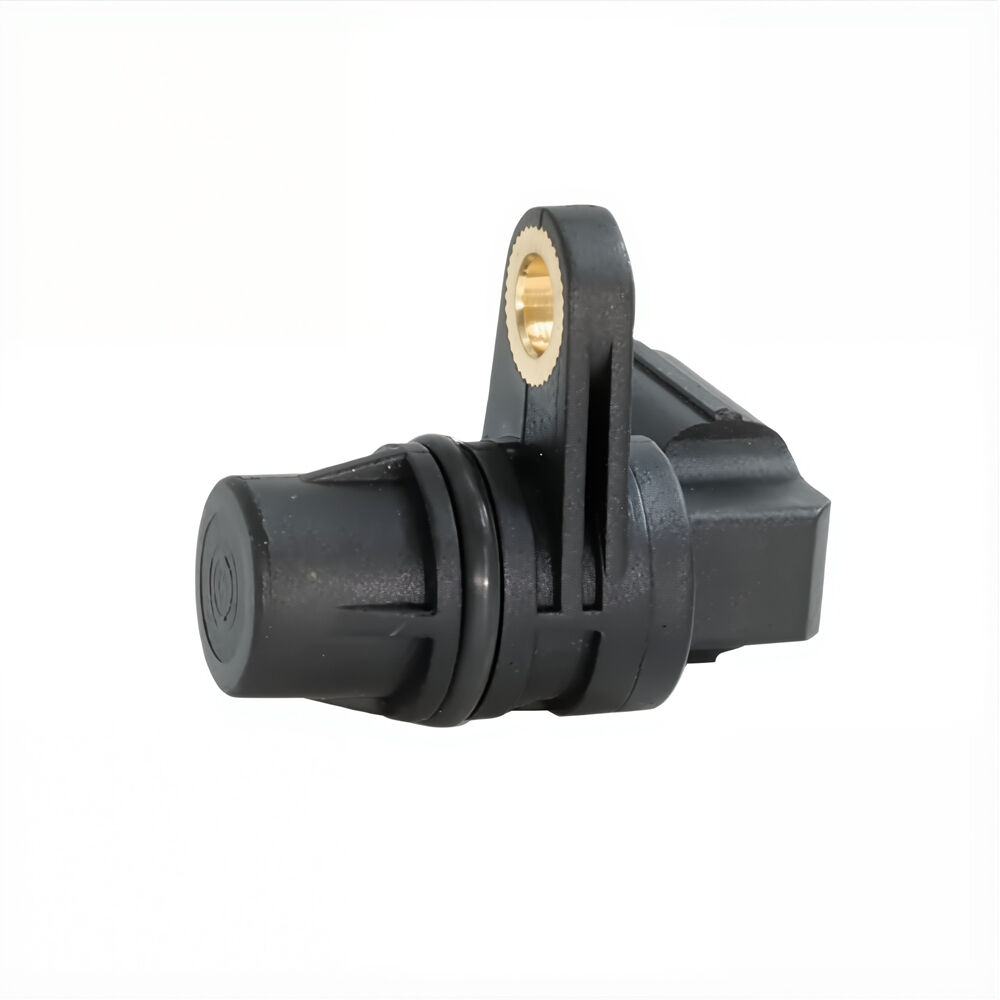
Modern motorcycles rely on precise electronic control systems to deliver reliable engine performance, and at the heart of this precision lies the crankshaft sensor. This critical component plays an essential role in determining when and how your motorcycle engine fires up, transforming the simple act of pressing the starter button into a coordinated sequence of ignition timing and fuel delivery. Understanding how a crankshaft sensor enhances motorcycle engine start-up reveals why this small but sophisticated component has become indispensable in contemporary motorcycle design, particularly as emissions standards tighten and riders demand more responsive throttle characteristics from the first moment of ignition.
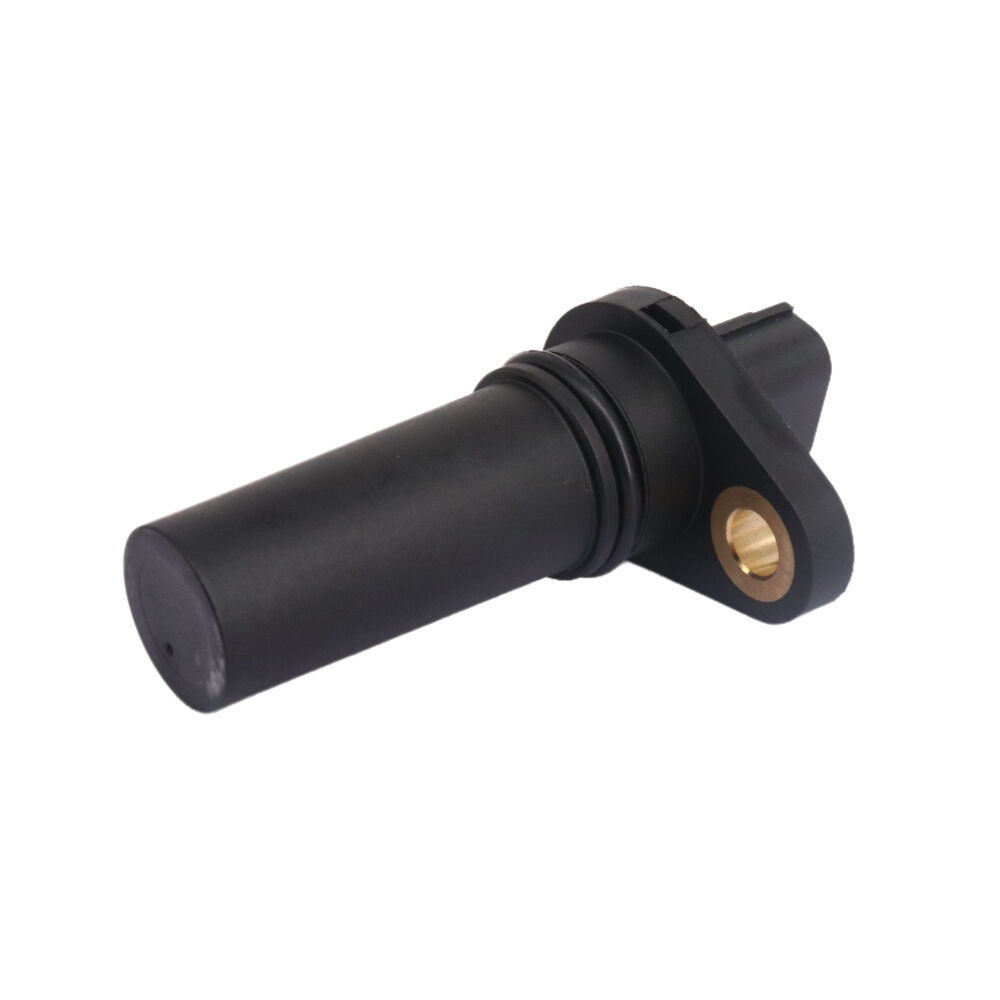
The enhancement provided by a crankshaft sensor during start-up extends far beyond simple position detection. By continuously monitoring crankshaft rotation speed and position with extreme accuracy, this sensor enables the engine control unit to optimize ignition timing during the critical first few revolutions, adjust fuel injection pulse width based on actual engine speed rather than estimates, and coordinate starter motor disengagement at the precise moment the engine achieves self-sustaining combustion. These capabilities translate directly into faster cold starts, reduced starter motor wear, improved fuel efficiency during the start-up phase, and smoother transitions from cranking to idle operation that riders immediately notice in daily use.
Fundamental Role of the Crankshaft Sensor in Engine Start-Up
Real-Time Position Detection During Cranking
The crankshaft sensor begins its critical work the instant the starter motor engages, generating electrical signals that correspond exactly to the rotational position of the crankshaft. This real-time position data allows the engine control unit to identify which cylinder is approaching top dead center on its compression stroke, ensuring that ignition occurs at the optimal moment rather than relying on mechanical distributor systems that introduce timing variability. During the cranking phase when engine speed is irregular and battery voltage may fluctuate, the crankshaft sensor provides the stable reference signal that keeps fuel injection and spark timing synchronized with actual piston movement rather than estimated positions.
The sensor accomplishes this position detection through either magnetic reluctance principles or Hall effect technology, both of which generate distinct voltage patterns as teeth or slots on the crankshaft trigger wheel pass the sensing element. These voltage patterns create a digital signature that the engine control unit decodes into precise angular position information, typically with resolution better than one degree of crankshaft rotation. This level of precision matters enormously during start-up because even small timing errors can prevent combustion from occurring reliably when cylinder pressures are low and fuel atomization is compromised by cold engine temperatures that affect vaporization rates.
Speed Measurement for Adaptive Start-Up Strategies
Beyond position detection, the crankshaft sensor simultaneously measures engine rotation speed by calculating the time interval between successive trigger wheel teeth passing the sensing element. This speed information enables the engine control unit to distinguish between the slow, uneven cranking phase and the moment when combustion begins contributing to crankshaft acceleration, triggering a transition from start-up fuel enrichment to normal running fuel maps. Without accurate speed measurement from the crankshaft sensor, the control unit would need to rely on predetermined timing sequences that cannot adapt to variables like battery condition, ambient temperature, or engine mechanical condition that affect how quickly the starter motor can rotate the engine.
The speed data from the crankshaft sensor also allows the engine control unit to implement sophisticated start-up strategies that vary ignition timing dynamically as engine speed increases during the first few revolutions. Modern motorcycle engine management systems advance ignition timing progressively as cranking speed rises, optimizing combustion pressure rise rates to help the engine overcome internal friction and compression forces more effectively. This adaptive timing strategy, made possible by continuous crankshaft sensor feedback, reduces the mechanical load on the starter motor and battery while delivering more consistent start-up performance across varying ambient conditions and engine temperatures.
Synchronization of Multiple Engine Systems
The crankshaft sensor serves as the master timing reference that synchronizes all engine systems during start-up, ensuring that fuel injection, ignition firing, and valve timing events occur in the correct sequence relative to piston position. This synchronization becomes particularly critical in motorcycles equipped with variable valve timing systems or sequential fuel injection, where the engine control unit must coordinate multiple actuators based on a common timing reference. The crankshaft sensor signal provides this reference with the reliability and precision necessary to prevent timing conflicts that could cause rough running, excessive emissions, or failure to start.
During the start-up sequence, the engine control unit uses crankshaft sensor data to determine when the engine has completed sufficient revolutions to establish stable combustion, at which point it transitions from start-up mode to normal operating mode and adjusts fuel delivery and ignition timing accordingly. This transition must occur smoothly to avoid the stumble or hesitation that riders would perceive as poor start-up quality. The crankshaft sensor makes this transition seamless by providing the precise speed and position information that allows the control unit to recognize the exact moment when the engine no longer requires start-up enrichment and can sustain combustion on normal fuel delivery rates.
Ignition Timing Optimization Through Sensor Feedback
Advanced Timing Control During Initial Revolutions
The crankshaft sensor enables ignition timing strategies during start-up that would be impossible with traditional mechanical ignition systems. By providing real-time feedback on crankshaft position, the sensor allows the engine control unit to fire each spark plug at the precise moment that maximizes combustion effectiveness for the specific conditions present during cranking. This optimal timing varies significantly from normal running timing because cylinder pressures are lower during cranking, flame propagation speeds differ at low engine speeds, and the engine benefits from more aggressive timing advance to help overcome starting resistance.
Modern engine control units use crankshaft sensor data to implement multi-stage timing curves specifically designed for the start-up phase, typically beginning with relatively retarded timing during the first revolution when compression pressure is minimal and progressively advancing timing as engine speed increases and combustion stability improves. This progressive timing advance, calibrated based on data from the crankshaft sensor, helps the engine transition smoothly from cranking to self-sustaining operation while minimizing the risk of pre-ignition or detonation that could occur if full running advance were applied before the engine reached adequate speed.
Adaptive Timing Based on Cranking Speed Variations
The crankshaft sensor's ability to measure instantaneous engine speed allows the control unit to adapt ignition timing dynamically in response to variations in cranking speed caused by battery condition, temperature effects on engine oil viscosity, or cylinder-to-cylinder compression differences. When the sensor detects slower cranking speeds indicating a weak battery or cold, thick oil, the control unit can advance timing slightly to provide more combustion energy to help accelerate the crankshaft. Conversely, when cranking speed is higher, the system can optimize timing for maximum smoothness rather than maximum starting torque.
This adaptive capability becomes particularly valuable in cold weather starting scenarios where the crankshaft sensor enables the engine control unit to recognize that cranking speed is abnormally low and respond by adjusting not only ignition timing but also fuel delivery to compensate for poor fuel vaporization. The sensor provides the feedback loop that allows these compensations to occur in real-time rather than following predetermined sequences that might not match actual engine behavior under specific conditions. The result is more reliable cold starting with reduced starter motor current draw and shorter cranking duration before the engine catches and runs independently.
Prevention of Timing Errors That Compromise Start-Up
The precision of crankshaft sensor position detection eliminates timing errors that could prevent successful engine start-up or cause rough running during the critical transition from cranking to idle. Without accurate position feedback, timing variations of even a few degrees could result in spark occurring too early when the piston is still rising on the compression stroke, creating reverse torque that fights against the starter motor, or too late when the piston has already begun the power stroke, wasting combustion energy and failing to contribute effectively to engine acceleration.
The crankshaft sensor's continuous monitoring also allows the engine control unit to detect and compensate for timing irregularities caused by worn starter motor components, weak battery voltage affecting cranking speed consistency, or mechanical issues like valve timing chain stretch. By maintaining accurate timing reference despite these variables, the sensor ensures that each combustion event contributes optimally to starting the engine rather than working against it or being wasted through mistimed ignition.
Fuel Delivery Enhancement During Engine Cranking
Precise Injection Timing Based on Actual Position
The crankshaft sensor enables fuel injection systems to deliver fuel at the optimal point in the engine cycle during start-up, ensuring maximum vaporization time before the intake valve closes and minimizing the risk of liquid fuel washing oil from cylinder walls. By providing exact crankshaft position data, the sensor allows the engine control unit to time injection events so that fuel spray occurs when intake airflow velocity is highest, promoting better atomization and mixture preparation even when engine speed is low during cranking. This precise injection timing, synchronized to actual crankshaft position rather than estimated timing, significantly improves combustion quality during the first few firing events that determine whether the engine catches immediately or requires extended cranking.
In sequential fuel injection systems common on modern motorcycles, the crankshaft sensor provides the position reference that allows the control unit to fire each injector individually at the correct moment in its cylinder's intake stroke rather than using simultaneous injection that delivers fuel to all cylinders regardless of their position in the four-stroke cycle. This sequential operation, made possible by continuous crankshaft sensor feedback, reduces fuel waste during cranking by ensuring that injected fuel enters cylinders when they can actually use it for combustion rather than being expelled through still-open exhaust valves or accumulating in the intake manifold.
Dynamic Fuel Quantity Adjustment Based on Speed Feedback
The crankshaft sensor's speed measurement capability allows the engine control unit to adjust fuel injection pulse width dynamically as cranking speed varies, delivering more fuel when the sensor indicates slow cranking that suggests cold engine conditions requiring enrichment, and reducing fuel delivery as cranking speed increases indicating that the engine is warming or that combustion has begun contributing to crankshaft rotation. This dynamic adjustment prevents the over-fueling that can occur when fixed enrichment schedules deliver excessive fuel during fast cranking, causing fouled spark plugs and rough running, or the under-fueling that results when predetermined fuel quantities prove insufficient under difficult starting conditions.
The sensor feedback also enables the control unit to recognize the precise moment when combustion begins accelerating the crankshaft beyond the speed that the starter motor alone could achieve, triggering an immediate reduction in start-up fuel enrichment to prevent the rich stumble that occurs when excess fuel continues flowing after the engine has already caught. This transition, based on actual crankshaft sensor speed data rather than time-based estimates, occurs more accurately and smoothly, resulting in cleaner emissions during the start-up phase and quicker stabilization at normal idle speed.
Coordination With Cold Start Enrichment Systems
Modern motorcycles use crankshaft sensor data to manage complex cold start enrichment strategies that vary fuel delivery based not only on coolant temperature but also on how quickly the engine responds to initial cranking attempts. The sensor provides the feedback that allows the control unit to determine whether additional enrichment is needed if the engine fails to start after a predetermined number of revolutions, or whether enrichment should be reduced if the engine shows signs of flooding indicated by cranking speed patterns that suggest excessive fuel accumulation in the cylinders.
The crankshaft sensor also enables sophisticated fuel cutoff strategies that prevent hydrocarbon emissions and potential catalytic converter damage by stopping fuel delivery during extended cranking when the sensor indicates that combustion is not occurring despite repeated ignition attempts. This protection, based on the sensor's ability to distinguish between cranking without combustion and normal running with combustion, prevents raw fuel from passing through the engine and into the exhaust system where it could create safety hazards or damage emissions control components.
Start-Up Reliability Improvements From Sensor Technology
Elimination of Mechanical Distributor Limitations
The crankshaft sensor has enabled modern motorcycles to eliminate mechanical distributors that suffered from wear-related timing drift, contact point deterioration, and moisture-related failures that compromised start-up reliability. Unlike mechanical systems that relied on physical contact between moving parts to generate and distribute ignition signals, the crankshaft sensor operates without contact, generating signals through magnetic or Hall effect principles that remain consistent over the life of the component. This elimination of wear-prone mechanical components directly improves long-term start-up reliability by ensuring that ignition timing remains accurate regardless of mileage or operating conditions.
The sensor's electronic signal generation also proves more resistant to environmental factors that degraded mechanical ignition system performance, such as moisture causing tracking across distributor cap terminals or temperature extremes affecting contact point gap and spring tension. By replacing these vulnerable mechanical elements with solid-state sensing that generates clean digital signals regardless of environmental conditions, the crankshaft sensor contributes to consistent start-up performance whether the motorcycle sits outside in humid conditions or operates in extreme temperature environments that would compromise mechanical ignition components.
Diagnostic Capabilities for Troubleshooting Start-Up Issues
The crankshaft sensor provides diagnostic information that helps identify start-up problems quickly and accurately, reducing troubleshooting time and preventing misdiagnosis of issues. Modern engine control units monitor the crankshaft sensor signal continuously and can detect anomalies like missing teeth on the trigger wheel, erratic signal patterns indicating sensor mounting problems, or complete signal loss indicating sensor failure. These diagnostic capabilities, built around the sensor's output, allow technicians to pinpoint ignition timing and fuel delivery issues rapidly rather than performing time-consuming manual tests of individual components.
The sensor data also enables the control unit to store fault codes that specifically identify whether start-up difficulties result from sensor problems, timing synchronization issues, or other engine management system faults. This diagnostic specificity reduces the likelihood of unnecessary component replacement and helps ensure that repairs address actual problems rather than symptoms. The ability to monitor crankshaft sensor performance through diagnostic scan tools also allows preventive maintenance by identifying sensor signal degradation before complete failure occurs, avoiding unexpected start-up failures.
Consistency Across Wide Temperature Ranges
The crankshaft sensor maintains signal accuracy across the full temperature range that motorcycles encounter, from cold morning starts well below freezing to hot restart scenarios after extended operation in high ambient temperatures. This temperature stability ensures that ignition timing and fuel delivery remain optimized regardless of thermal conditions, unlike mechanical systems that experienced timing changes as components expanded or contracted with temperature variations. The sensor's consistent performance across temperature extremes contributes significantly to reliable start-up whether the engine is cold-soaked after overnight parking or heat-soaked after a long ride.
Modern crankshaft sensor designs incorporate temperature compensation in their signal conditioning circuitry to maintain output characteristics despite the thermal cycling that occurs during normal operation. This compensation ensures that signal amplitude and timing remain within specifications even when the sensor body reaches temperatures exceeding typical operating ranges, preventing the signal degradation that could compromise start-up reliability. The result is start-up performance that riders can depend on regardless of when or where they attempt to start their motorcycle.
Integration With Modern Engine Management Systems
Foundation for Advanced Control Algorithms
The crankshaft sensor serves as the fundamental input that enables sophisticated engine management algorithms designed to optimize every aspect of start-up performance. Modern control units use sensor data to implement closed-loop control strategies that continuously adjust ignition timing and fuel delivery based on how the engine responds to previous combustion events during the start-up sequence. These adaptive algorithms, impossible without accurate real-time position and speed feedback from the crankshaft sensor, learn and optimize start-up performance over the life of the motorcycle, compensating automatically for gradual changes in engine condition or fuel quality.
The sensor data also enables predictive control strategies where the engine management system anticipates required ignition and fuel delivery adjustments based on patterns detected in crankshaft acceleration during previous start-up attempts. By analyzing how quickly engine speed increases in response to combustion events, the control unit can optimize subsequent ignition timing and fuel quantity to achieve faster, smoother transitions from cranking to stable idle operation. This predictive capability, dependent entirely on accurate crankshaft sensor feedback, represents a significant advancement over reactive control strategies that could only respond to problems after they occurred.
Coordination With Camshaft Position Sensors
In motorcycles equipped with both crankshaft sensor and camshaft position sensors, the crankshaft sensor provides the primary timing reference while the camshaft sensor supplies cylinder identification information that allows truly sequential operation of fuel injection and ignition systems. During start-up, the engine control unit uses signals from both sensors to determine exactly which cylinder is on its compression stroke and ready for ignition, eliminating the wasted spark and simultaneous injection strategies that earlier systems required when cylinder identification was unavailable. This sensor coordination enables more precise start-up fuel delivery that reduces emissions and improves combustion quality during the critical first few engine revolutions.
The relationship between crankshaft sensor and camshaft sensor data also allows the control unit to verify valve timing during start-up, detecting timing chain stretch or variable valve timing system problems that could compromise performance. By comparing the phase relationship between crankshaft and camshaft position signals, the control system can identify timing errors and either compensate through adjusted ignition and fuel delivery or alert the rider to mechanical problems requiring service. This diagnostic capability, built on accurate crankshaft sensor data, prevents minor timing issues from escalating into major start-up failures.
Support for Alternative Starting Strategies
The crankshaft sensor enables alternative starting strategies like compression release systems in larger displacement engines or advanced starter motor control algorithms that optimize electrical energy use during cranking. By providing precise position information, the sensor allows compression release mechanisms to vent cylinder pressure at exactly the right moment to reduce starter motor load during initial rotation, then close valves precisely when the engine has sufficient momentum to compress the full air charge. This coordination, dependent on accurate crankshaft sensor feedback, reduces the battery current required for reliable starting and extends starter motor life.
The sensor data also supports intelligent starter motor control that adjusts cranking speed based on detected engine response, using high current draw initially to overcome static friction and then reducing power as the engine begins to rotate more freely. Modern systems can even detect the moment when combustion begins accelerating the crankshaft and disengage the starter motor precisely to prevent gear clash or excessive starter motor speed that would occur if disengagement were delayed. These advanced control capabilities, all enabled by continuous crankshaft sensor monitoring, represent significant improvements in start-up refinement and component longevity compared to simpler on-off starter motor control.
FAQ
What happens if the crankshaft sensor fails during engine start-up?
When a crankshaft sensor fails completely, the engine typically will not start because the engine control unit receives no position or speed information to time ignition firing and fuel injection. In cases of partial sensor failure where the signal becomes erratic or weak, the engine may start but run roughly with poor throttle response and irregular idle. Most modern motorcycles will display a check engine light and store diagnostic trouble codes indicating sensor circuit problems. Some advanced systems include limp-home modes that use estimated timing based on camshaft position sensors or other inputs, allowing the engine to start and run at reduced performance until proper repairs can be made.
Can a weak crankshaft sensor signal cause difficult cold starting?
Yes, a degraded crankshaft sensor producing weak or inconsistent signals can definitely cause difficult starting, especially in cold conditions when engines are harder to crank and require more precise ignition timing. As sensors age, their magnetic strength may diminish or internal connections may develop resistance, resulting in signal amplitude that falls below the threshold the engine control unit requires for reliable detection. Cold temperatures exacerbate this problem by increasing the gap between the sensor and trigger wheel as components contract, further weakening the signal. If your motorcycle shows progressively more difficult cold starting while hot starting remains normal, testing the crankshaft sensor signal strength and inspecting the sensor-to-trigger-wheel gap should be priorities during troubleshooting.
How does crankshaft sensor position affect start-up performance?
The physical positioning and mounting of the crankshaft sensor critically affects start-up reliability because even small changes in the gap between the sensor tip and the crankshaft trigger wheel can alter signal strength significantly. Manufacturers specify precise gap measurements, typically between 0.5 and 2.0 millimeters, that must be maintained for optimal sensor performance. If the sensor is mounted too far from the trigger wheel, signal amplitude decreases and may become unreliable, especially during slow cranking when the rate of magnetic field change is minimal. Conversely, if mounted too close, the sensor risks physical contact with the trigger wheel due to crankshaft runout or thermal expansion, potentially causing sensor damage. Proper sensor installation following factory specifications ensures maximum signal quality and most reliable start-up performance.
Does the crankshaft sensor require maintenance or periodic replacement?
Crankshaft sensors generally require no routine maintenance under normal operating conditions because they contain no moving parts or wearing surfaces. However, the sensor and its mounting should be inspected during major service intervals to verify that mounting bolts remain tight, wiring connections are secure and free from corrosion, and no physical damage has occurred from road debris or improper service procedures. Many manufacturers recommend testing sensor signal output during diagnostic procedures if start-up problems develop, but do not specify replacement intervals for properly functioning sensors. That said, sensors do have finite service lives and may eventually fail due to internal winding deterioration, seal degradation allowing moisture intrusion, or bearing damage in engines with high mileage. Replacement becomes necessary when diagnostic testing reveals signal problems or when intermittent start-up issues cannot be attributed to other causes.