
 EN
Quick Links

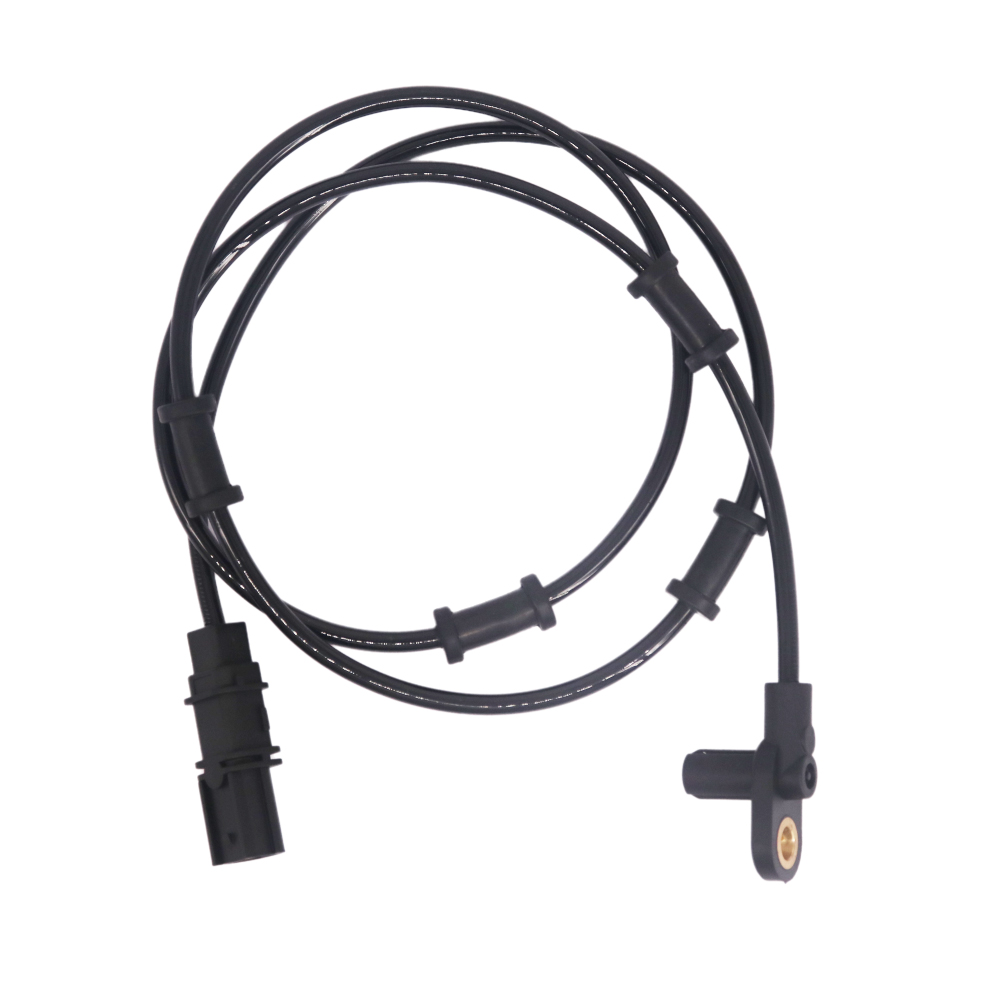
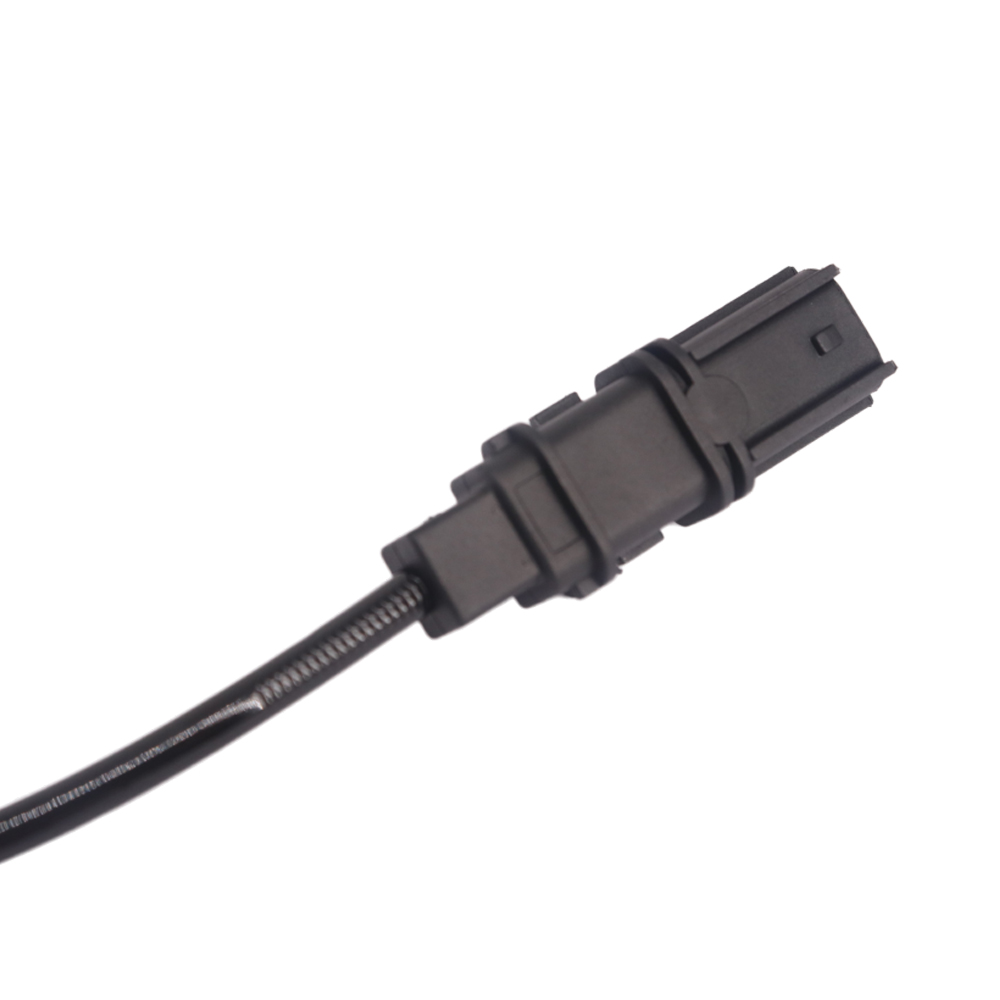
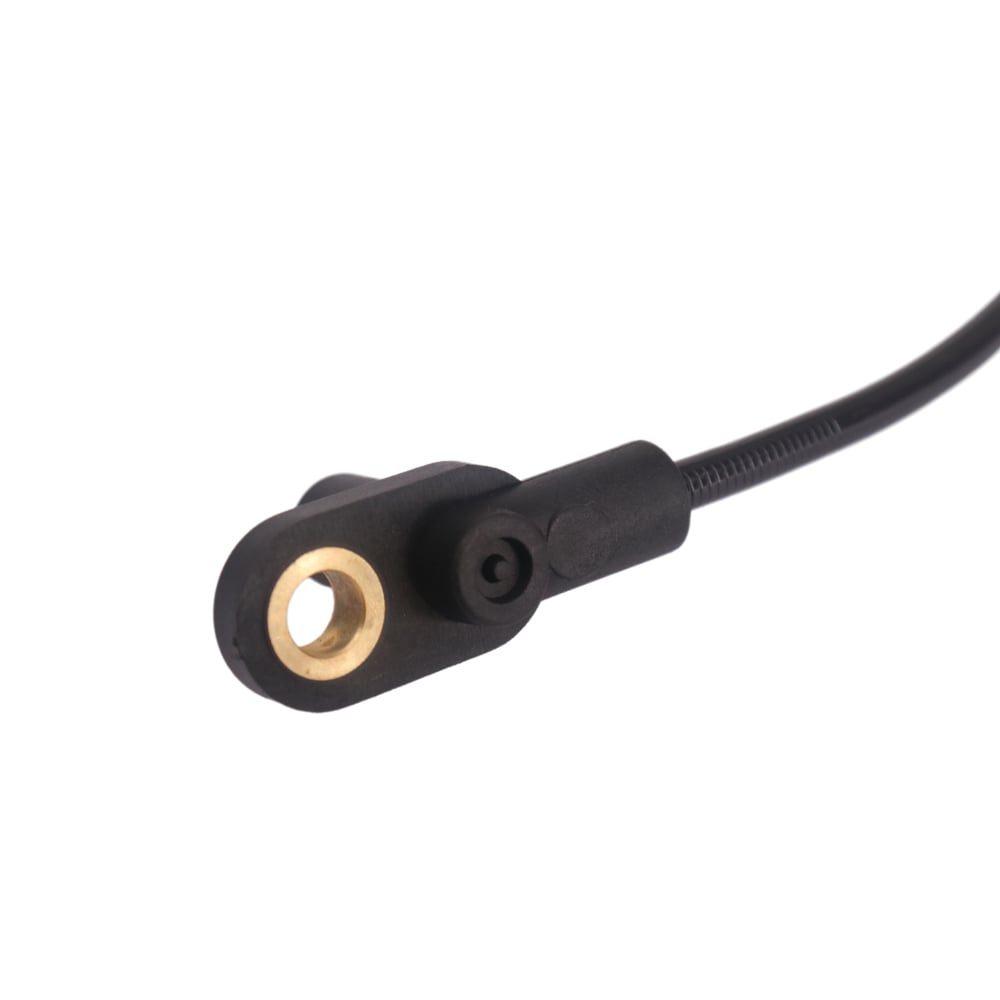
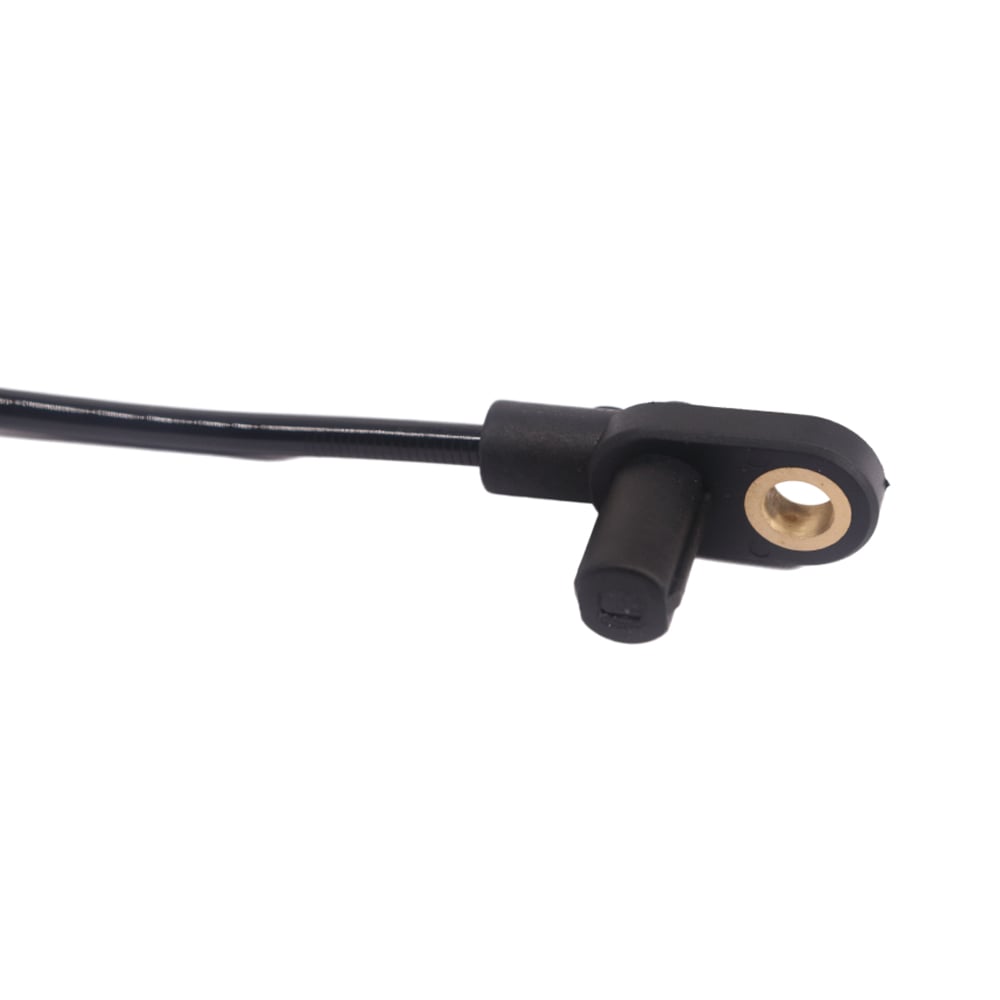
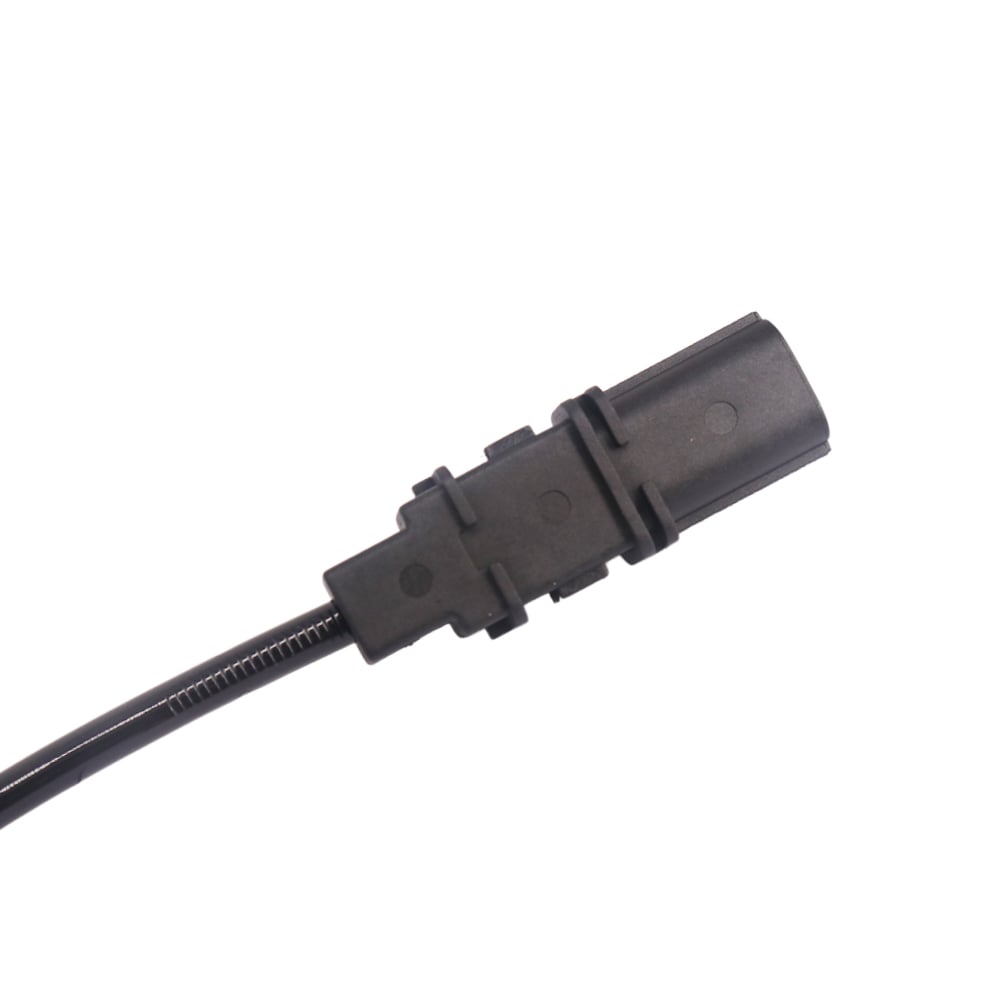
Type |
Wheel speed sensor, front |
Principle |
Active Hall |
Output |
Square wave or current pulse |
Position |
Front wheel |
Tone ring |
Not included; the one on the hub stays |
Temperature |
−40 to +150 °C |
Ingress |
IP67 |
Weight |
42 g |
Wholesale from |
100 pcs |
The brakes are fine. A wheel speed fault switches the ABS function off and lights the lamp; it does not touch the hydraulic circuit. The lever travel, the bite, the stopping distance in a straight line on dry tarmac — all unchanged. That is why the lamp gets ignored for months.
What has actually gone is the thing you cannot feel. Anti-lock only does anything in the situation you are not planning for: a wet manhole cover, a painted line in the rain, gravel washed across a junction, the moment a car pulls out and the front is grabbed hard. The rider does not notice the loss because the loss only shows up in the second that matters.
And the lamp is not always this part. It is switched by the ABS module, which watches four things: the sensor signal, the tone ring it reads, the gap between them, and its own supply. A sensor is one of four suspects, and the newest part in the chain is not automatically the guilty one. Section 5 covers the other three, because two of them are free to check and cost nothing to fix.
The honest commercial consequence. A customer who buys this part to cure a lamp that a bent bracket caused will be back, and the return will look like a quality complaint. Fitting instructions that name the bracket and the ring are worth more than a page of specifications.
One: the bracket moved. The sensor is held to the fork leg and reads a ring on the hub. Tyre changes, fork work and even a drop on that side move the bracket by fractions of a millimetre, and the reading goes with it. Bent back into place and re-checked, a good sensor often starts reporting again. Look at the bracket before you look at the part.
Two: the tone ring. It is a thin steel ring on the hub with a defined pattern, and it collects whatever the road offers. A stone trapped against it, a bend from a tyre lever, a film of dried mud bridging the gaps — all of them produce a signal that looks intermittent rather than absent, and intermittent is exactly what the module interprets as a locking wheel.
Three: the wheel itself. A wheel bearing with play, a spacer left out at reassembly, or a wheel fitted the wrong way round moves the ring relative to the sensor in a way no electrical test will find. On these machines a missing spacer is a classic after a tyre change, and the symptom is a lamp that comes on at speed rather than at start-up.
What that leaves for the part. If the bracket is straight, the ring is clean and undamaged, the wheel is seated on its spacer, and the lamp still comes on, then the sensor is a fair suspect — and it is the cheapest of the four to change.
Model |
Years |
CB500F ABS |
2016–2021 |
CB500X |
2016–2018 |
CBR500R ABS |
2016–2021 |
Front wheel. This part reads the front ring, on the fork leg side. The rear sensor is a different part with a different lead run, and fitting this one at the back is not a workaround.
Tone ring not included. These machines already carry one on the hub; this is the sensor only.
OEM cross-reference: 38520-MJW-J11-M1.
Field |
Value |
Brand |
RUNTONG |
Part number |
RB-ABS001 |
OEM cross-reference |
38520-MJW-J11-M1 |
Type |
ABS wheel speed sensor |
Position |
Front wheel |
Principle |
Active Hall |
Output |
Square wave or current pulse |
Tone ring |
Not included |
Mounting |
Direct replacement, original fixing points |
Operating temperature |
−40 to +150 °C |
Ingress protection |
IP67 |
Housing |
ABS plastic |
Weight |
42 g |
Supplied with |
Sensor and washer |
Inner packing |
Zip bag |
Carton |
6.5 × 6 × 5 cm, 100 pcs |
Certification |
ISO 9001 |
Warranty |
12 months |
Wholesale minimum |
100 pcs |
Custom printed carton |
From 1,000 pcs |
Dispatch |
7 days from stock; 15–30 days to build |
Freight |
Air, sea, land |
Bag with the washer, then a plain carton of 6.5 × 6 × 5 cm, a hundred to the box.
42 g is sensor and lead together, and on a front ABS sensor the lead is most of the length and most of the vulnerability. It arrives coiled loose, connector protected, not folded tight to save space — a tight fold on a cold shelf cracks insulation, and a cracked lead on an ABS sensor is a lamp that comes back two months later.
The washer is in the bag because it sets how the body sits against the fork leg.
Plain cartons. A hundred to a carton suits a dealer who sells a handful a season and a distributor who splits them; printed cartons from 1,000 pieces, one design, proof agreed before the run.
Direct replacement at the original fixing points, and four details that decide whether the lamp goes out.
1. Ignition off, battery isolated. Photograph the old lead's route along the fork leg and the mudguard — the new one has to follow it.
2. Release the connector latch; do not pull the lead out of the shell.
3. One fixing bolt. Remove it fully, withdraw the sensor straight out of its seat.
Clean the tip and look at the ring
4. through the gap. Debris, a bent tooth or a stone trapped against the ring will keep the lamp on with a brand-new sensor fitted.
5. Seat the new sensor against the bracket face with its washer, and torque the fixing to the machine's figure.
Do not bend the bracket to "adjust" anything
— if the bracket is bent, it was bent by something, and it needs to go back to its original shape, not to a new one.
6. Route the lead along the original path, behind the fork, clear of the disc and the caliper, using the original clips.
7. Ignition on, spin the wheel by hand, confirm the speed reading moves, then road-test and confirm the lamp goes out.
Hand it over on a reading, not on a lamp alone
— some modules clear only after a short drive.
No. The hydraulic system is untouched; what you have lost is anti-lock, which only acts in an emergency stop. It should still be fixed — the day you need it, it will not be there.
Front only. The rear sensor is a different part.
Only if the sensor is genuinely at fault. Check the bracket and the ring first — those are the usual causes after wheel work, and they cost nothing.
No. The ring stays on the hub; this is the sensor.
Ignition on, spin the wheel by hand: an active sensor reports from walking pace, so the speed reading should move.
A hundred is the trade minimum. For a single machine, buy one at retail first and keep the box.
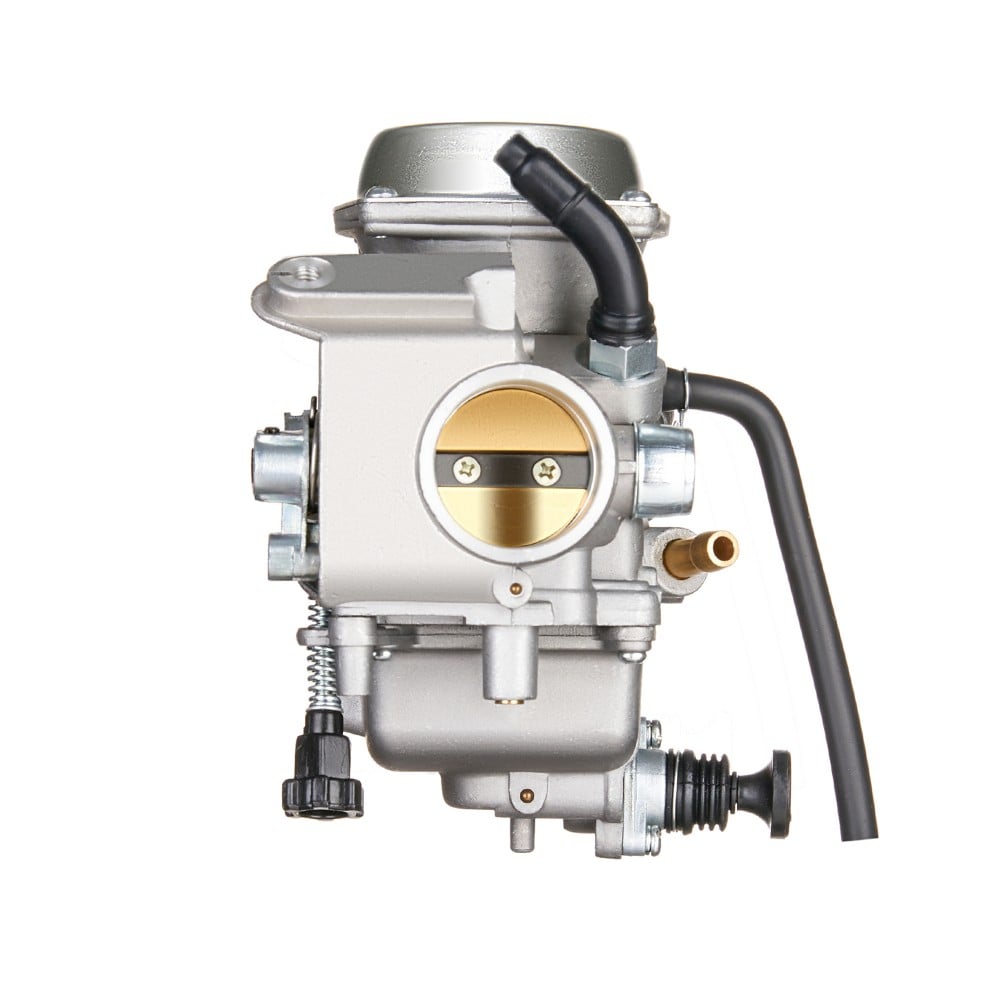
PD32J TRX300 TRX350 TRX400 TRX450 Fourtrax Rancher Foreman 300 350 400 450 Carburetor
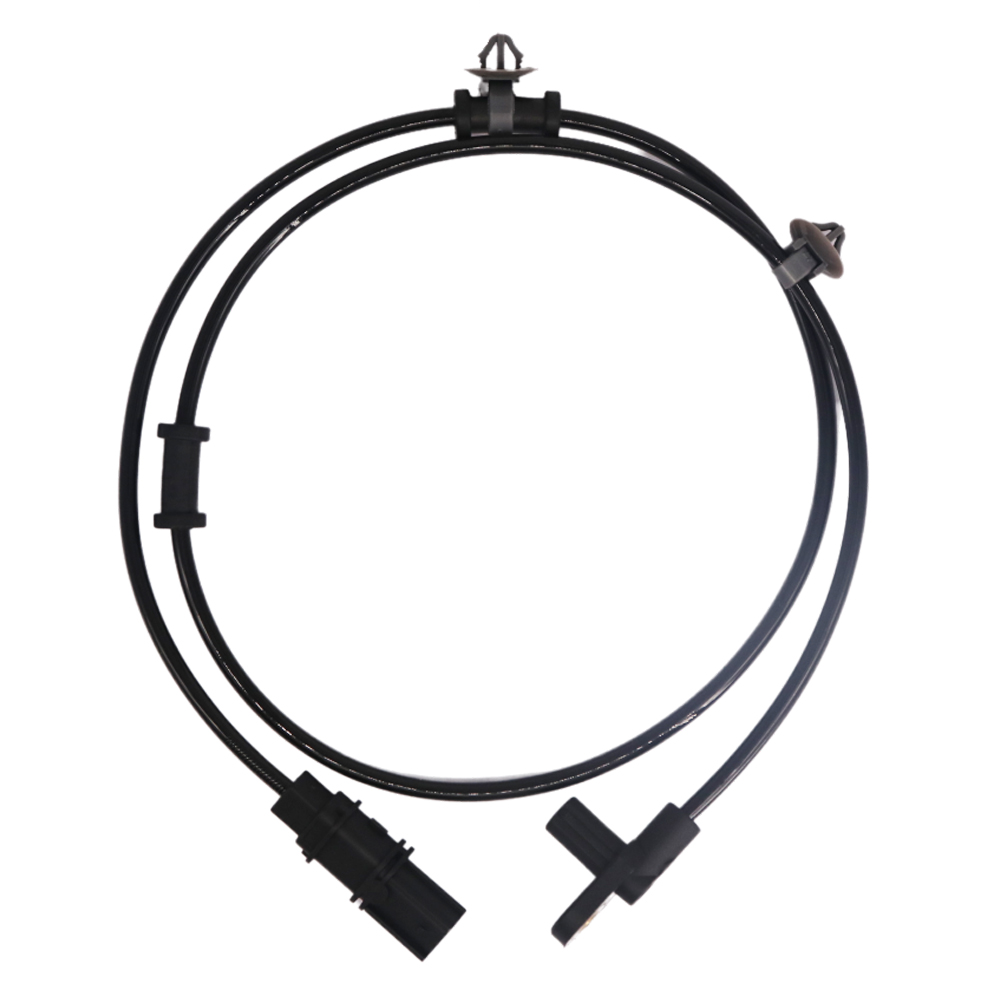
Front Wheel Speed ABS Sensor for Honda CB500F and CBR500R — 38520-MLR-D01-M1
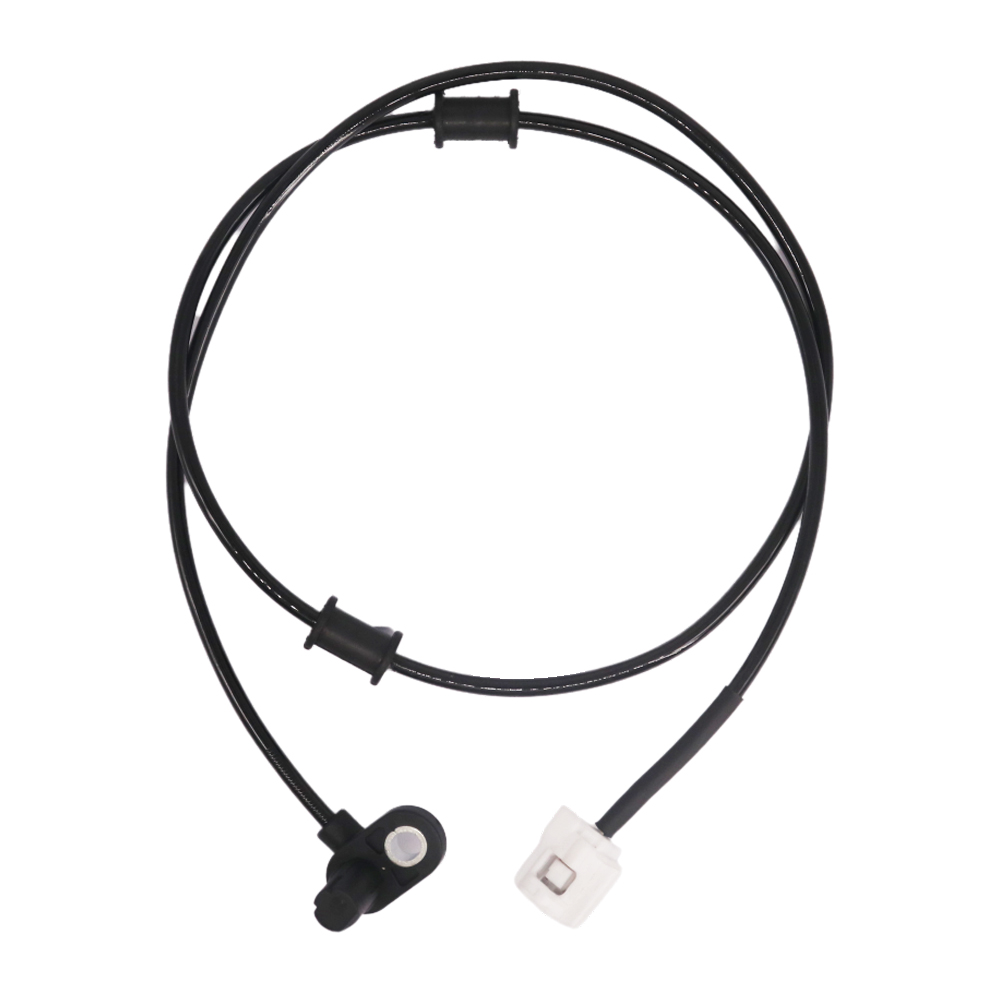
Rear Wheel Speed ABS Sensor for Yamaha XMAX 125, 300 and 400 — B74-H5980-01
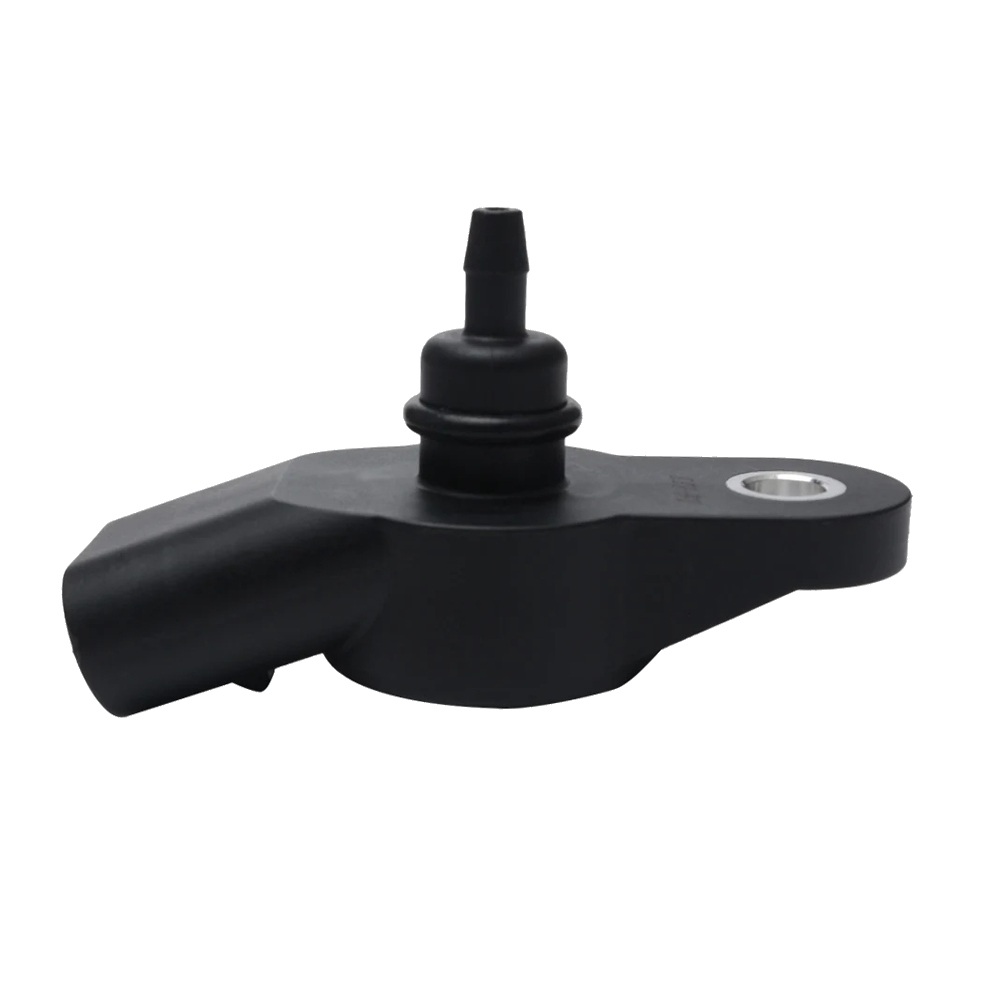
Intake Manifold Pressure Sensor for Lifan LF200 and the KPT / KPV / KPR / KPM / KPB 200 — RB-PS008