
 EN
Quick Links

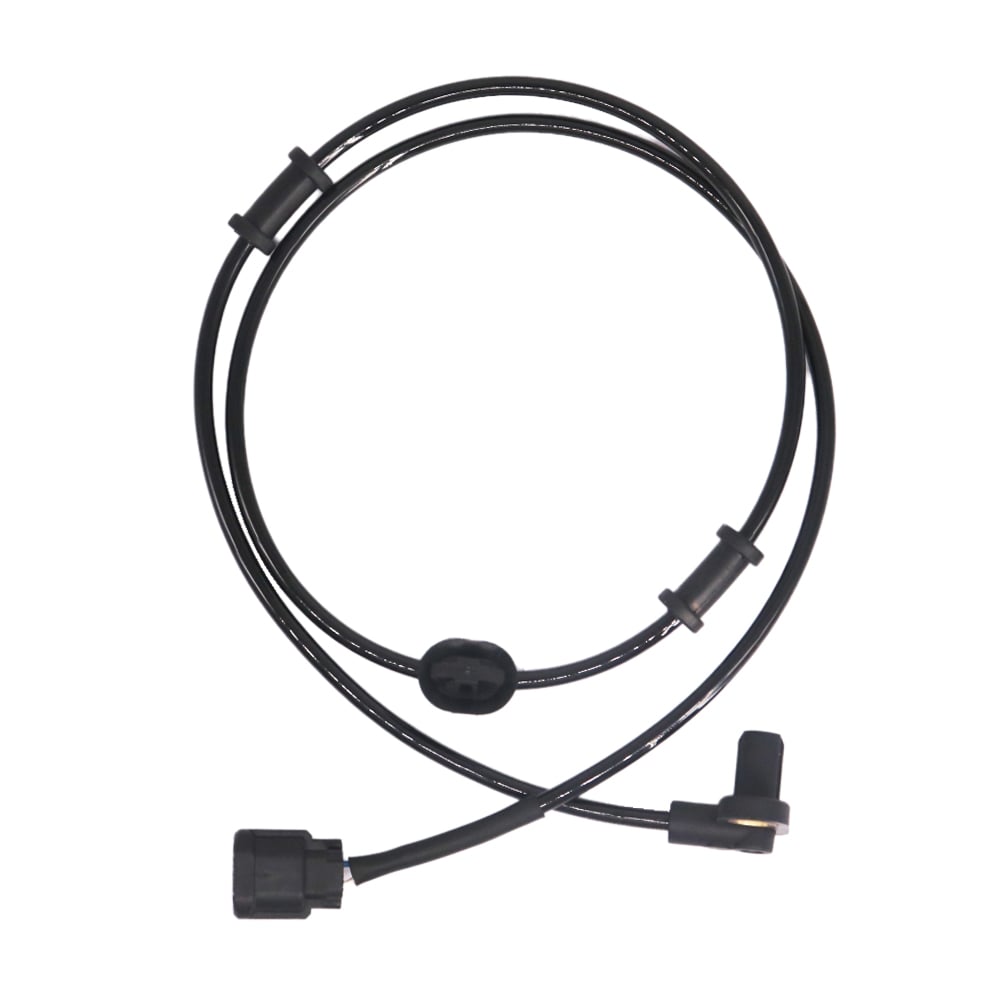
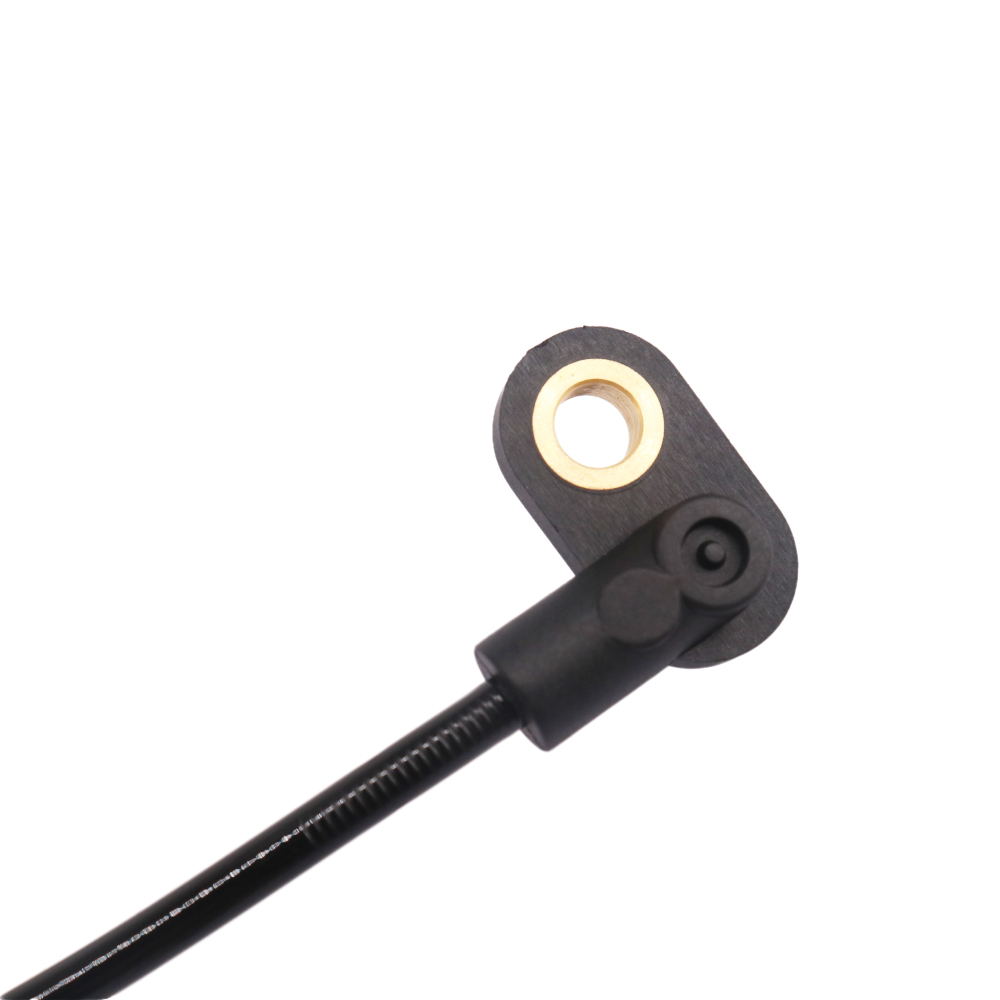
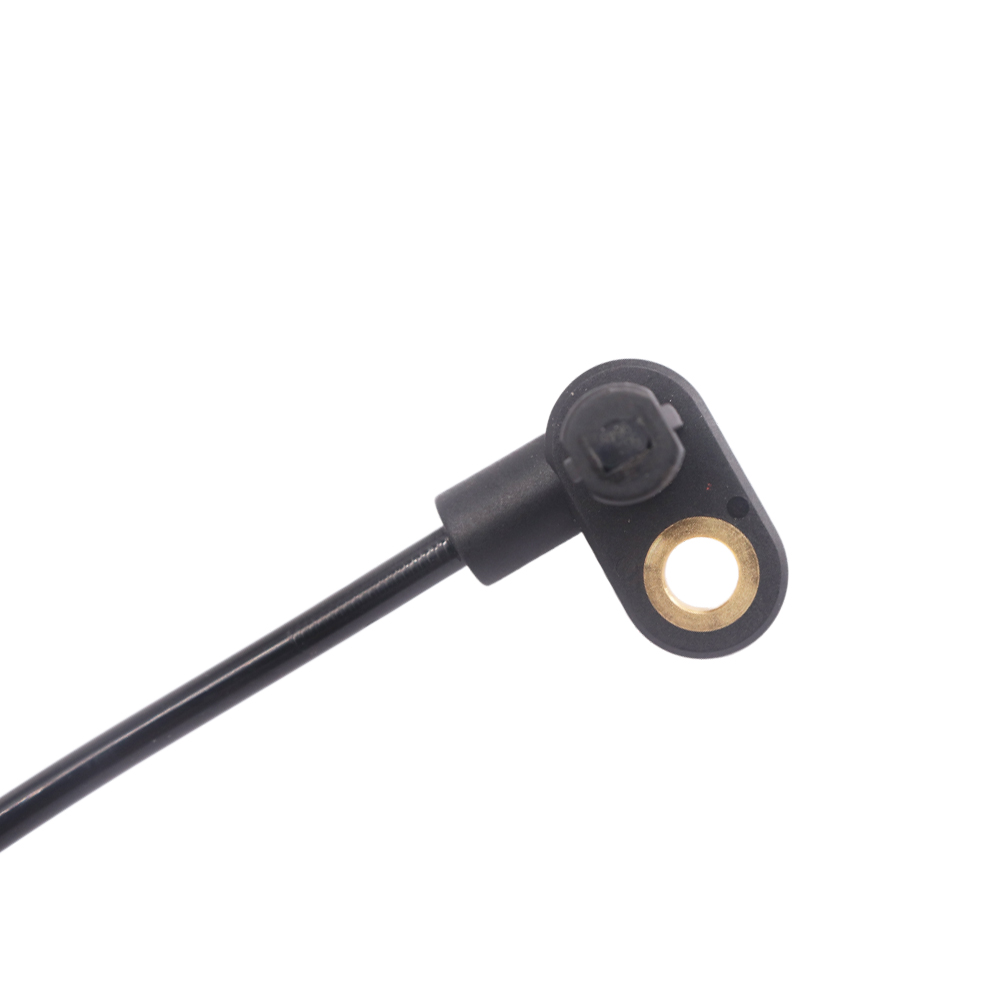
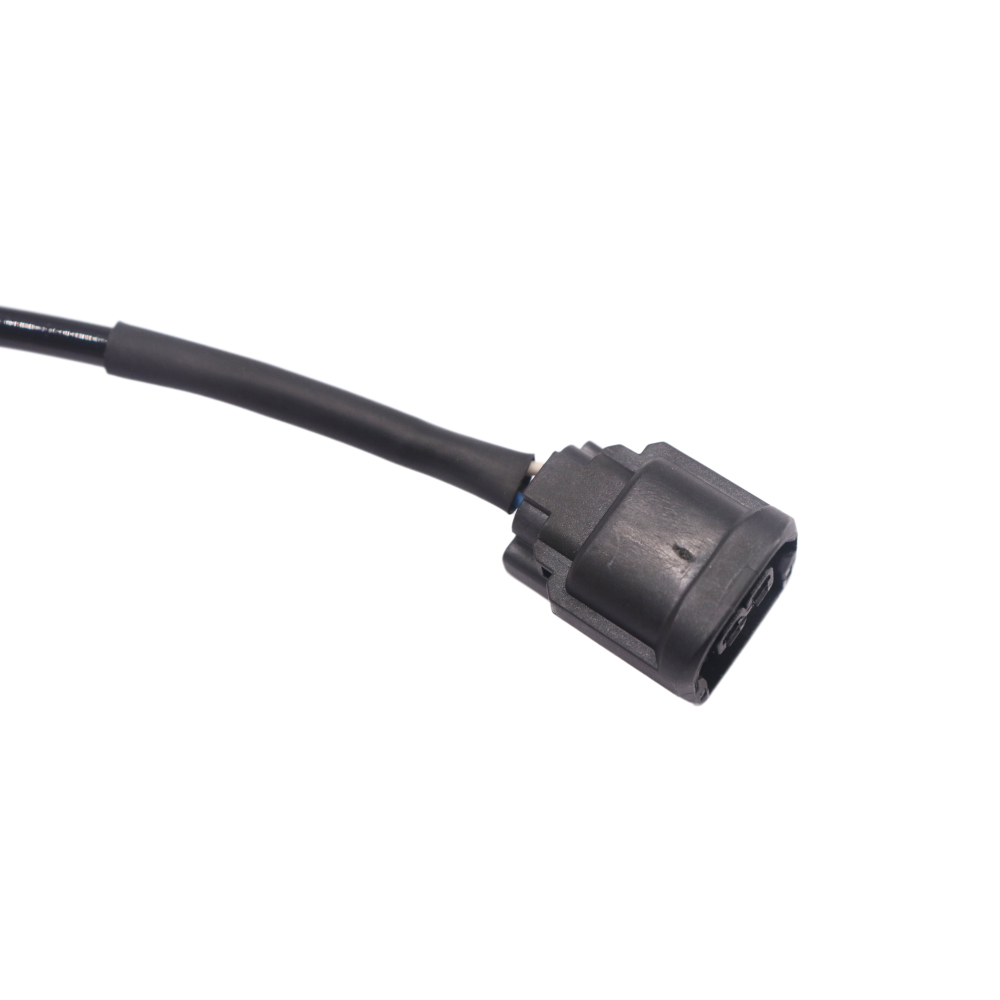
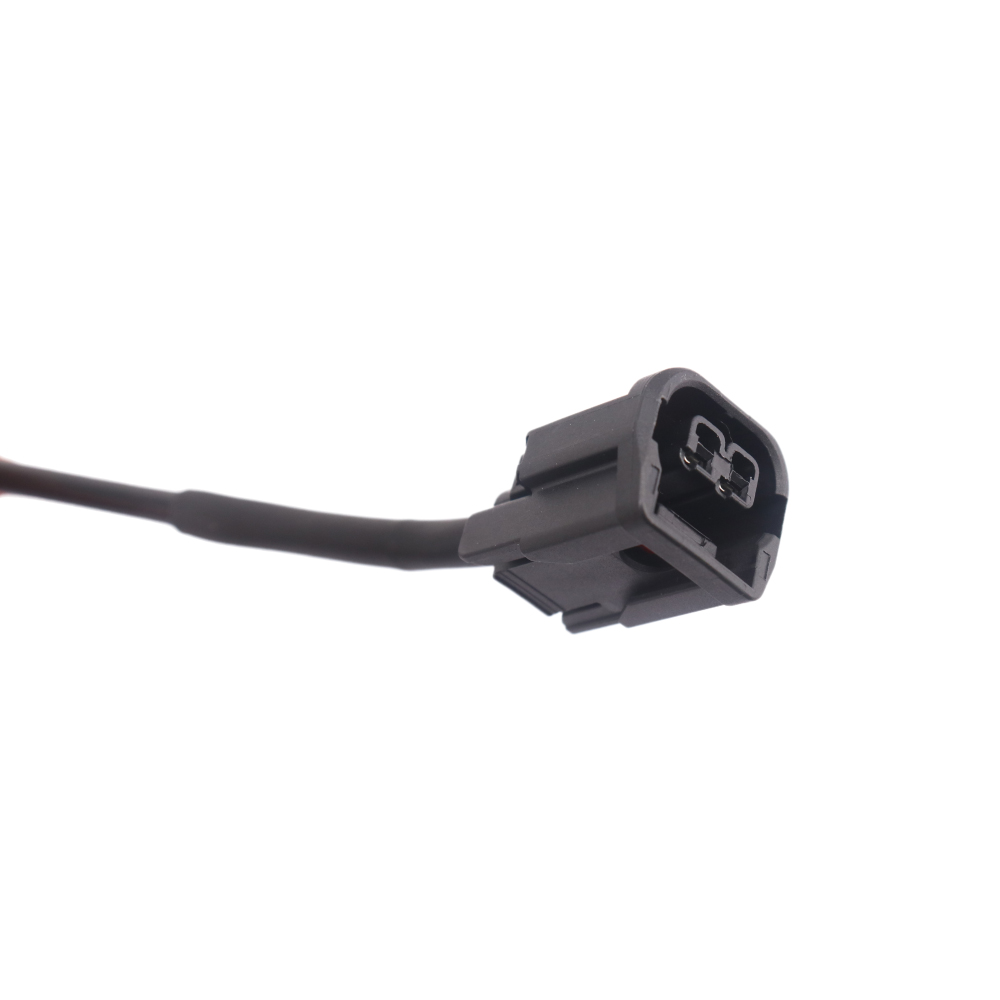
Type |
Wheel speed sensor, front |
Principle |
Active Hall |
Output |
Square wave or current pulse |
Position |
Front wheel |
Tone ring |
Not included |
Model |
NWF125 |
Temperature |
−40 to +150 °C |
Ingress |
IP67 |
Weight |
35 g |
Wholesale from |
100 pcs |
The machine is a Honda, built in China by a Honda joint venture. The rider bought a badge he trusted; the workshop that services it is buying parts through a Chinese channel, because that is where the machine and its parts were built.
For the customer, that is good news. A joint-venture Honda scooter is a known quantity: the engine family is familiar to any competent mechanic, the fasteners are metric and sensible, and the ABS is a standard two-channel arrangement.
For the search, it is a problem. An owner typing "Honda NWF125 ABS sensor" in English finds very little, because almost nothing about this machine was written in English. The number on the old part is the only reliable key — 38520-2GE-C21-M1 — and it is why this page repeats it in the title, the headings and the specification table.
For you as a buyer, it is an opportunity. A part that is hard to search for is hard for your competitor to find too. The dealers who hold it are the ones who did the work of matching a Chinese-built Honda to an export shelf.
We are not going to tell you this is a North American or European part. A 125 commuter scooter built for the Chinese market has almost no parc in either region, and a page that claims otherwise wastes your freight budget.
Where the parc is: Southeast Asia, Latin America, parts of Africa and the Middle East — markets where Chinese-built small scooters arrive by the container and are serviced by independent workshops rather than franchised dealers.
What that means for an order. The customer is a distributor or a workshop buying for a parc he can see, not a rider buying one part. He wants a number he can match, a carton he can split, and a price that survives a 30 per cent import duty.
What that means for a page like this. The buyer is often thousands of kilometres from the machine he is being asked about, which is why section 7 exists.
Model |
Wuyang Honda NWF125 |
One model. Other 125 scooters, including other Hondas, are not claimed here.
Front wheel. Rear sensor is a different part.
Tone ring not included.
OEM cross-reference: 38520-2GE-C21-M1.
When the machine is not in front of you, the evidence has to come by message. Ask for these four things and the diagnosis usually resolves itself.
One: a photograph of the instrument cluster at key-on. Every ABS machine runs a lamp self-test. If the ABS lamp behaves normally during the test and only comes on afterwards, the module is alive and the fault is in a wheel circuit. If the lamp never lights at all, suspect the bulb, the cluster or the module's supply — not a sensor.
Two: a ten-second video, engine off, ignition on, front wheel spun by hand. This is the whole test. An active sensor reports from walking pace, so the speedometer should move. A needle or a digit that stays still for the whole video answers the question in one clip, and it works on any machine regardless of what tool the workshop owns.
Three: a photograph of the sensor in place, taken from below the fork leg. Bracket straight or bent, body seated or proud, lead routed or pinched — three of the four common faults are visible in that one picture.
Four: the number on the old sensor. Photograph it, do not transcribe it. A single wrong character in a fourteen-character number is a wrong part and a return.
What to do with the answers. Lamp test normal plus a still speedo plus a straight bracket plus a matching number: send the part. Anything else, and the first thing to send is a question, not a carton.
Field |
Value |
Brand |
RUNTONG |
Part number |
RB-ABS006 |
OEM cross-reference |
38520-2GE-C21-M1 |
Type |
ABS wheel speed sensor |
Position |
Front wheel |
Principle |
Active Hall |
Output |
Square wave or current pulse |
Tone ring |
Not included |
Mounting |
Original fixing points, direct replacement |
Operating temperature |
−40 to +150 °C |
Ingress protection |
IP67 |
Housing |
ABS plastic |
Weight |
35 g |
Supplied with |
Sensor and washer |
Inner packing |
Zip bag |
Carton |
6.5 × 6 × 5 cm, 100 pcs |
Certification |
ISO 9001 |
Warranty |
12 months |
Wholesale minimum |
100 pcs |
Custom printed carton |
From 1,000 pcs |
Dispatch |
7 days from stock; 15–30 days to build |
Freight |
Air, sea, land |
A bag with the washer inside, then a plain 6.5 × 6 × 5 cm carton carrying a hundred units.
35 g is the lightest sensor in this range, which makes the carton cheap to fly and easy to consolidate with a mixed order. It also means there is no weight argument for shipping a hundred by sea — the freight decision on this part is almost entirely about the customs entry.
The washer is in the bag, because it sets the seating depth against the bracket.
Plain cartons with no marque. For a market where distributors rebrand, that is the point. Printed cartons from 1,000 pieces, one design, proof agreed before the run.
1. Ignition off. Photograph the lead's run down the fork leg before removing anything.
2. Release the connector latch. Do not pull the lead.
3. One fixing bolt: undo fully, withdraw the body straight out of its seat.
4. Clean the face and the ring, and check the bracket is straight and parallel to the ring.
5. Fit the washer, seat flat, torque to the machine's figure. No extra washers, and never bend the bracket with the sensor bolted to it.
6. Route the lead as photographed, clear of the disc, the caliper and the mudguard edge.
7. Ignition on, spin the wheel, confirm the speed reading moves. Then road-test and confirm the lamp behaviour before handover.
Dispatch. Seven days where stock exists; three to four weeks on a scheduled lot.
Freight. Air, sea or land. At 35 g per unit the cargo is trivial; the paperwork is the cost.
Tax. Duty and VAT with the buyer unless DDP is agreed in writing. The invoice names the function — wheel speed sensor — with no manufacturer named on the documents, the carton or the part.
Warranty. Twelve months, batch-wide, covering sensor and seal. Excluded: impact damage, a face ground or cracked, a lead cut, pinched or spliced, a latch broken at removal, a body levered or over-torqued, and extra washers under the fixing.
No. It is our part, cross-referenced to a Honda number, and we are not a Honda supplier. The page, the invoice and the box say the same thing.
Only the NWF125 is claimed. Match the number off the part you are removing.
Front. The rear is a different part number.
No. The ring stays on the machine.
Ask for the four things in section 7 — cluster photo, hand-spin video, photograph of the sensor in place, and a photograph of the number. It takes your customer five minutes and it removes most of the risk.
A hundred is the wholesale minimum. For a single machine, buy one at retail first.
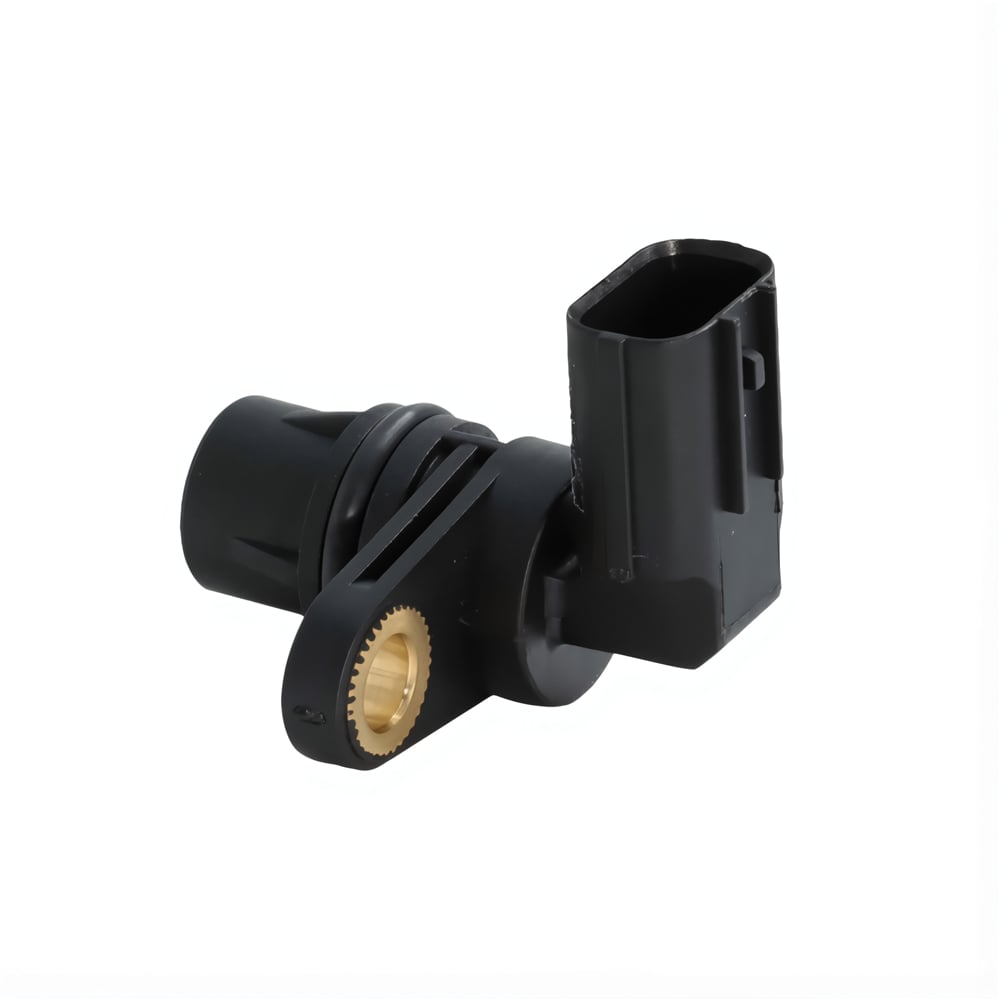
Honda NCW50 NSC110 PCX125 PCX150 37700-K27-V01 Motorcycle Crankshaft Position Sensor
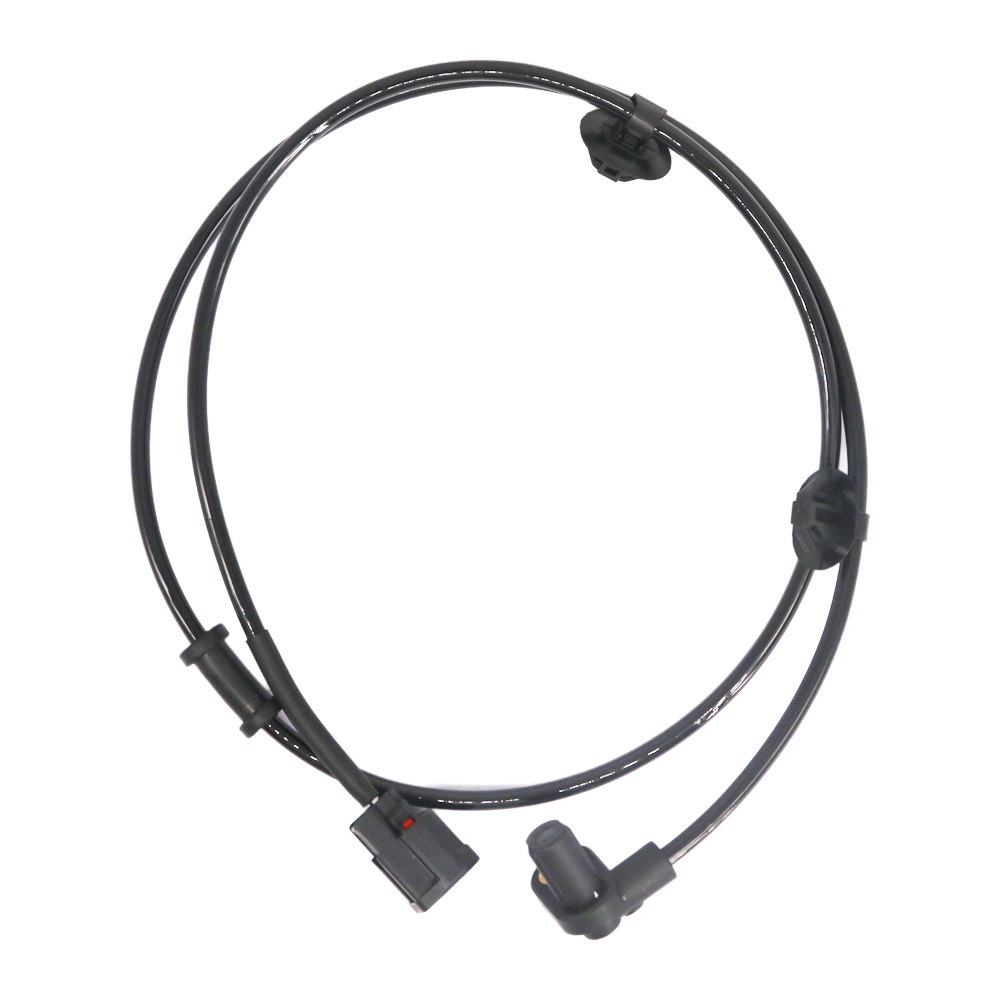
Front Wheel Speed ABS Sensor for Honda NSP190 — 38520-2HH-A01-M1
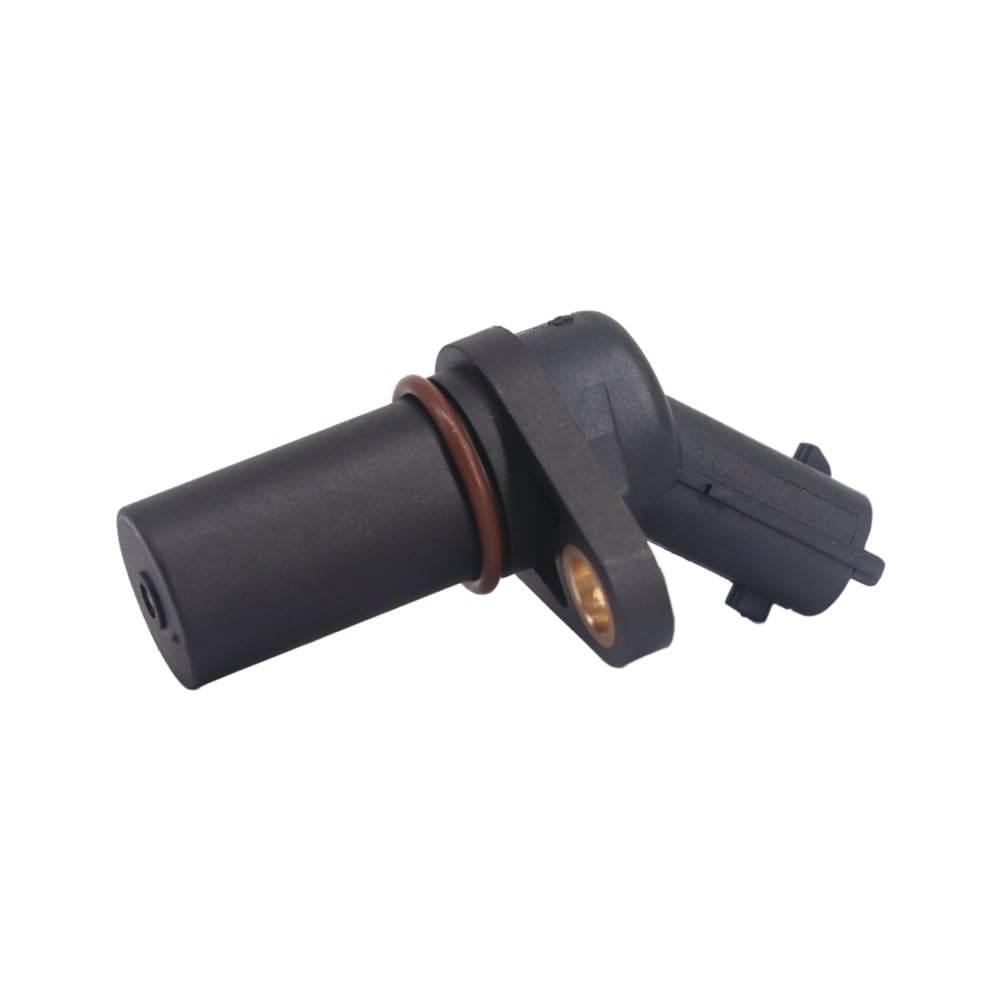
Crankshaft Position Sensor for Opel, Vauxhall, GM, Buick and Volvo Truck — 0281002315, 90532619
Throttle Body for the Yamaha Mio 125 Family — 28 / 30 / 32 / 34 mm, Bare Body