
 EN
Quick Links

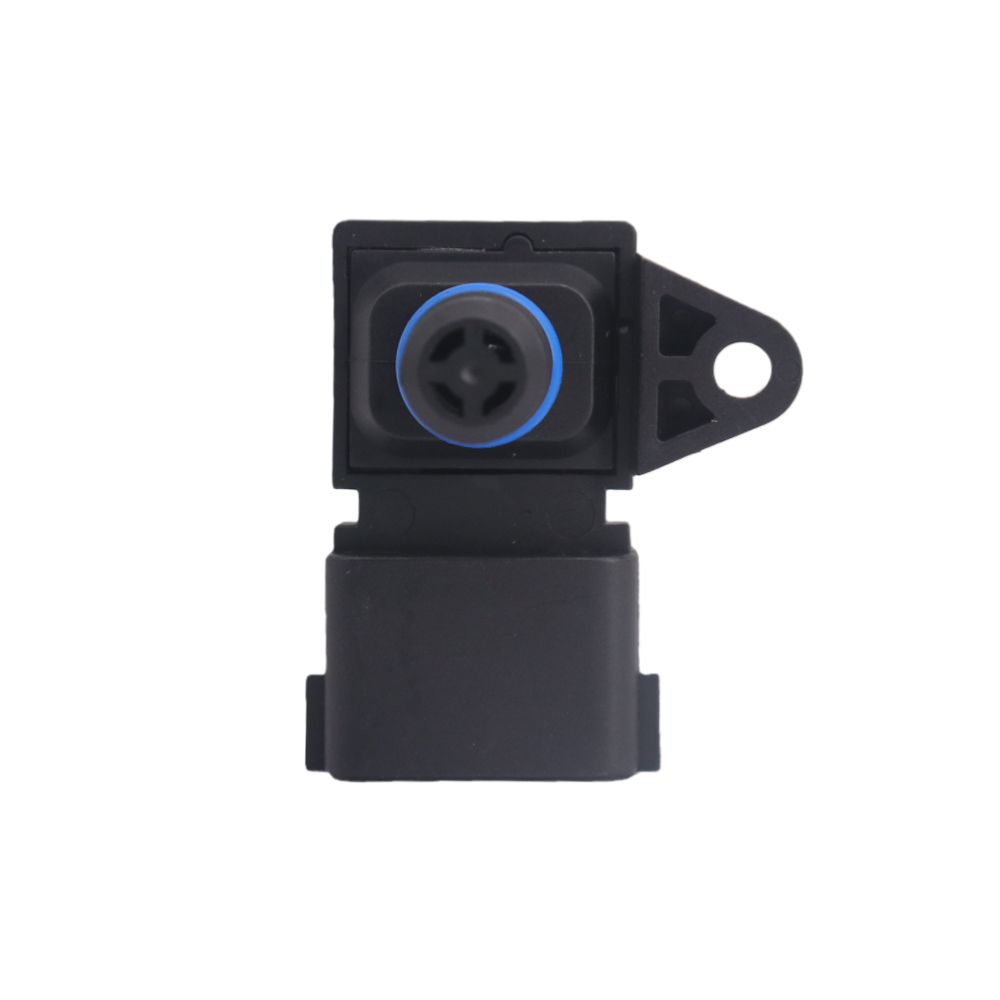
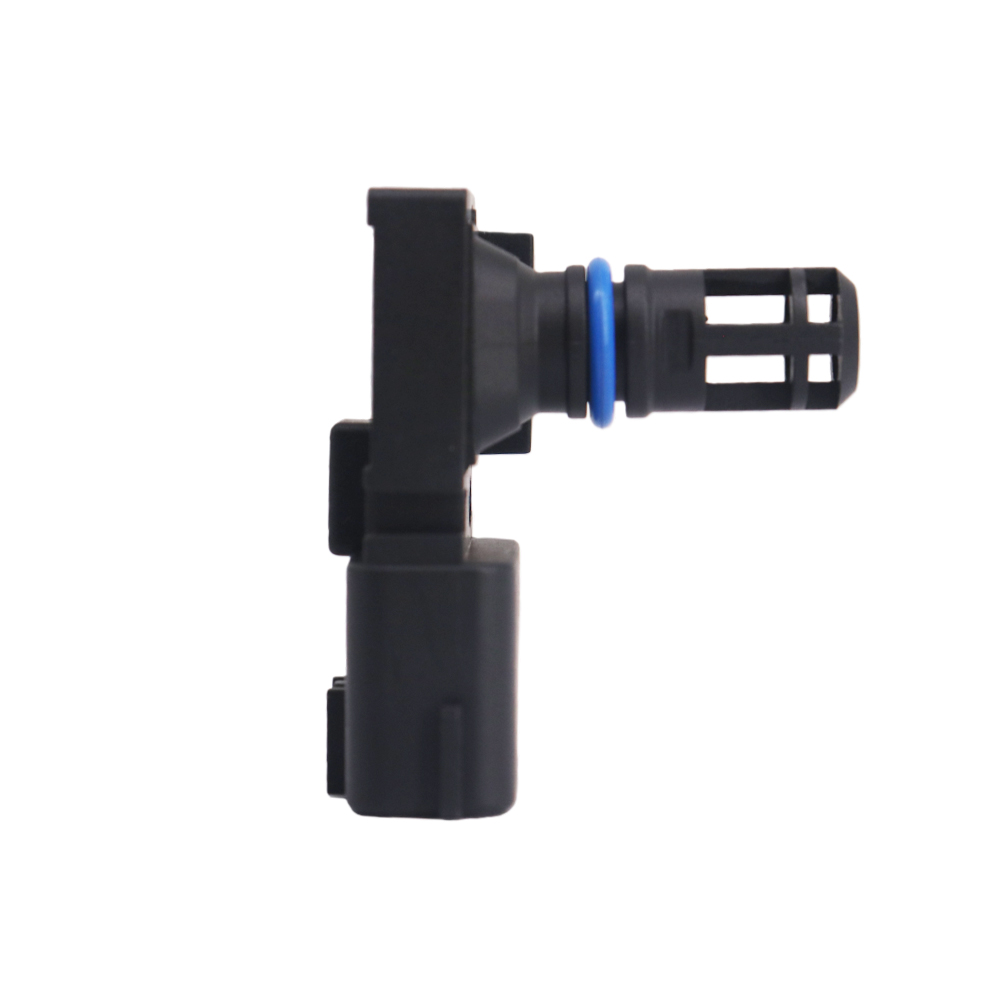
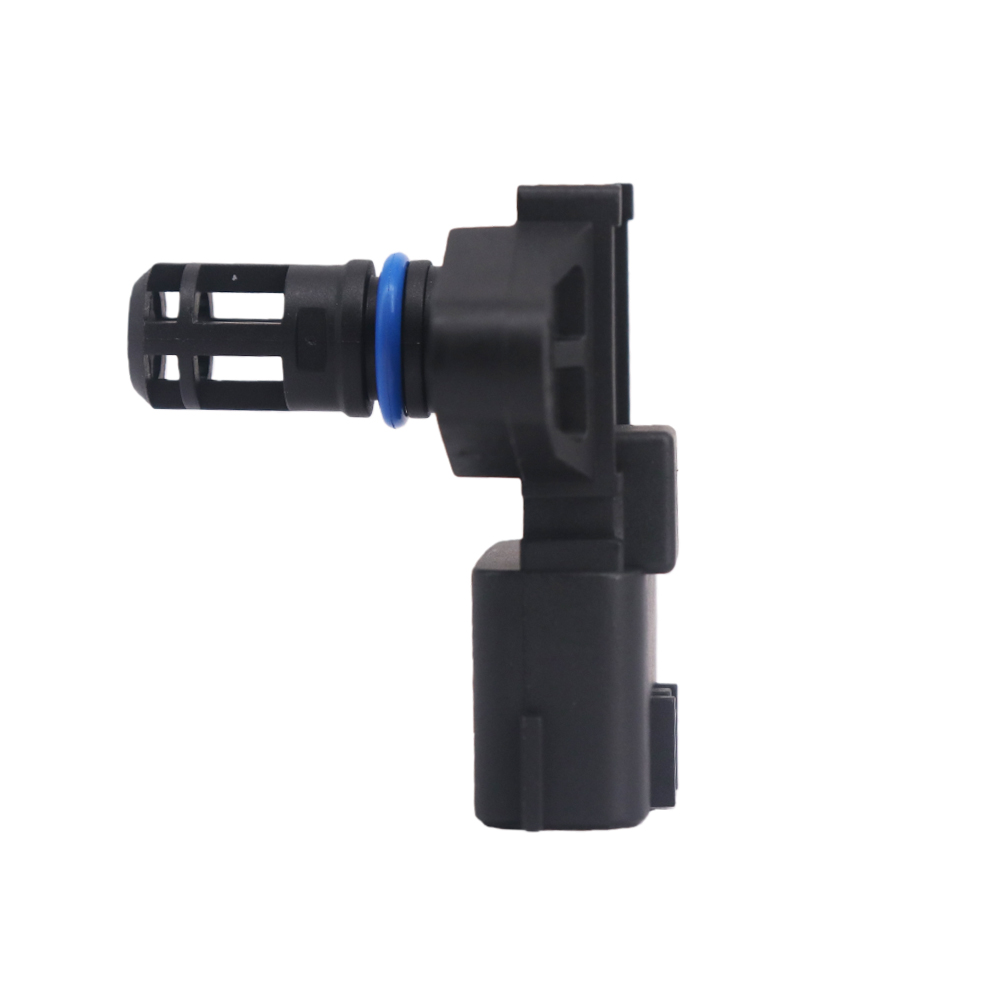
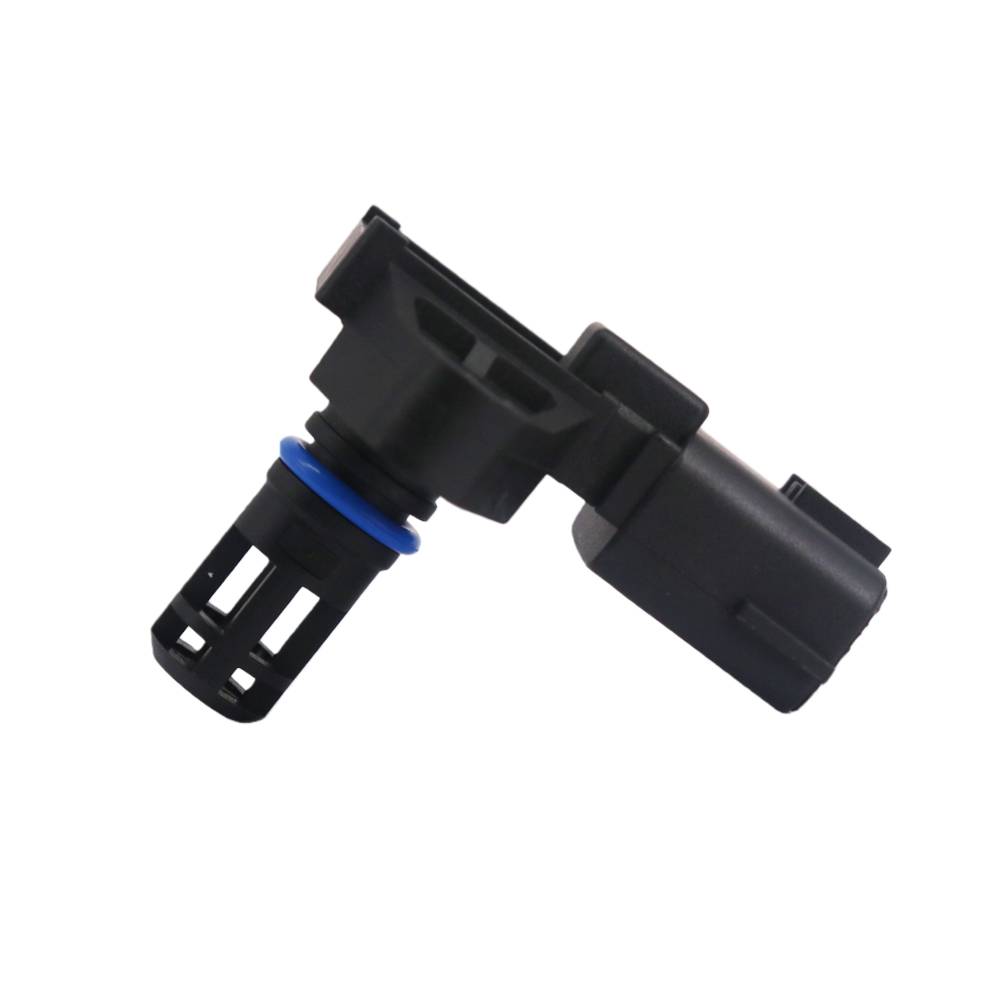
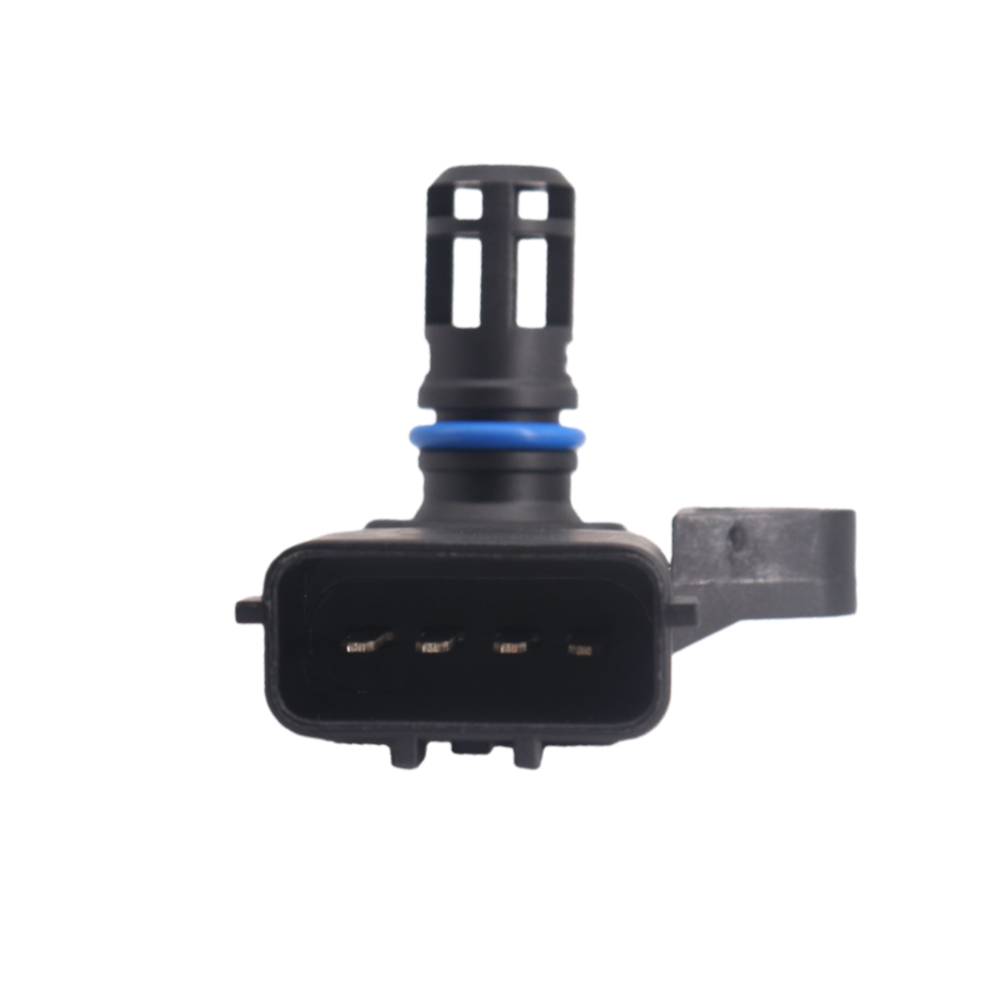
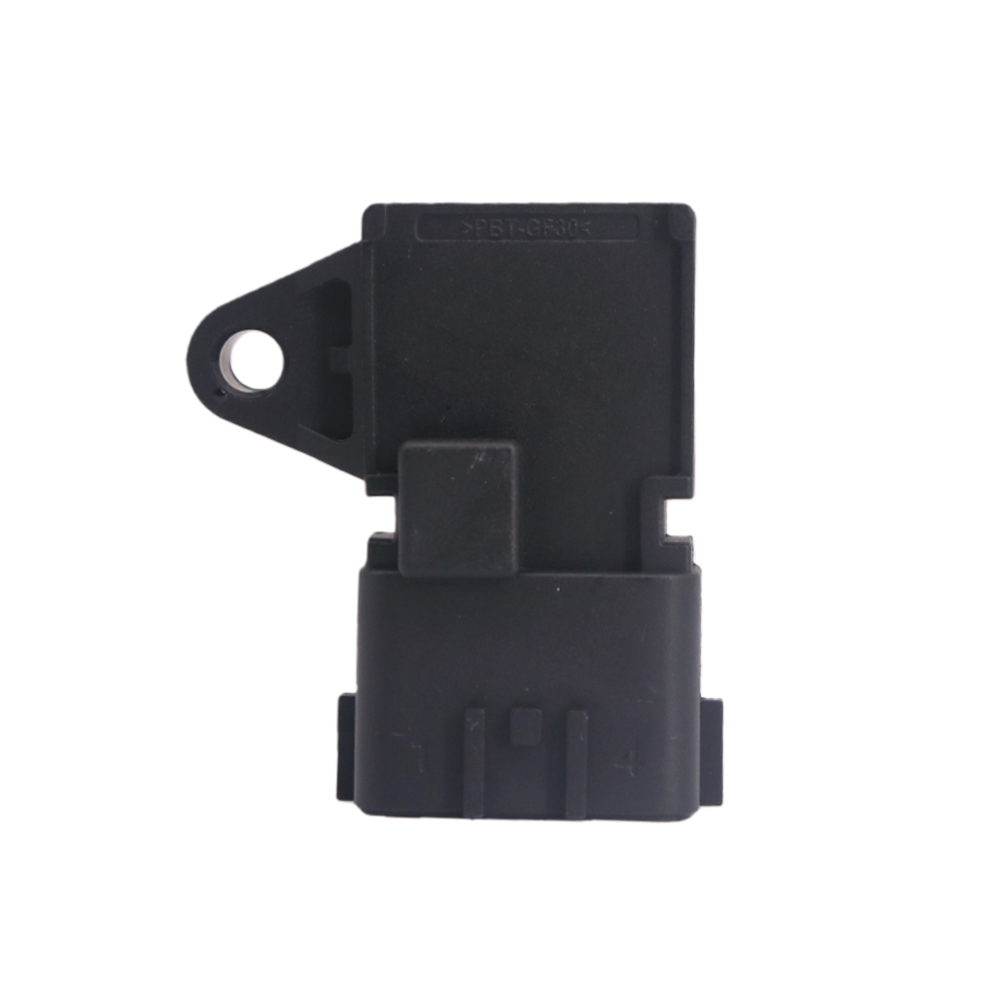
Twelve and a half grams, and an hour and a half of labour to reach it. On this car the part is cheap and the access is the job — which changes how you should buy it and how you should decide to fit it.
Wholesale, fifty pieces per order. Distributor pricing starts there.
Four-pin
Thirteen cross-references
Smart Fortwo Cabrio
12.5 g
Stock it as a wear item
Fifty minimum
Type |
Absolute pressure sensor (MAP) |
Range |
50–400 kPa absolute |
Output |
Analog voltage |
Connector |
4-pin |
Supply |
5V ± 0.25V |
Accuracy |
±1.5% FS |
Temperature |
−40 to +125 °C |
Ingress |
IP67 |
Housing |
ABS plastic |
Net weight |
12.5 g |
Wholesale from |
50 pcs |
Application |
Notes |
Smart Fortwo Cabrio |
Primary application; four-pin connector |
Smart Fortwo (other body styles) |
Confirm the number on the old unit |
The other six brands on the cross-reference list |
Same function, different numbering systems |
The thirteen numbers in section 8 cover Smart, Suzuki, Nissan, Renault, Peugeot, Kia and Citroen applications. They did not come from one catalogue: there are at least five numbering conventions in that list, which is why it reads like a jumble rather than a sequence.
Match the number printed on the part you remove. On this car that is worth more than usual, because the alternative is stripping the rear of the vehicle to find out.
Because access is the expensive part, everything that can be decided cheaply should be decided first. Three checks, none of them requiring a tool beyond a code reader.
Read the stored and pending codes — and write them down. A pending code that has not yet lit the lamp is the cheapest evidence you will get all day. If the codes name the circuit, the pressure signal or a plausibility fault, you have a reason to go in. If they name an oxygen sensor, a misfire or a fuel trim in isolation, you have a reason to stop and look elsewhere first.
Watch the pressure value with the engine running. Key on, engine off, the reading should sit at atmospheric pressure. Start it, and it should drop into vacuum and stay steady at idle. Blip the throttle and it should swing. You have just tested the part without touching a single clip, and on this car that is worth more than a full diagnostic session done the hard way.
Check for a leak before blaming the sensor. A split intake boot or a loose clamp produces exactly the same complaints as a failing pressure sensor, and on a compact installation those hoses are old, hot and hidden. A lean idle that smooths out above 2,000 rpm is a leak until proved otherwise.
Then decide. If the checks point at the sensor, buy it once and open the car once. If they do not, no part on this page will help.
Field |
Value |
Brand |
RUNTONG |
Part number |
RB-PS015 |
OEM cross-reference |
5WK9698 · 5WK9701 · 5WK96822 · 5WK96808 · 5WY2801A · 5WY2826 · 1865A049 · 1865A049NA · 45182-06910 · A4518206910 · A2C91285200 · 103227 · 2872784 · TMAP57 |
Type |
Intake manifold absolute pressure sensor |
Pressure range |
50–400 kPa absolute |
Output |
Analog voltage |
Connector |
4-pin |
Supply voltage |
5V ± 0.25V |
Accuracy |
±1.5% FS |
Operating temperature |
−40 to +125 °C |
Ingress protection |
IP67 |
Housing material |
ABS plastic |
Net weight |
12.5 g |
Supplied with |
Sensor and washer |
Inner packing |
Zip bag |
Carton size |
6.5 × 6 × 5 cm |
Certification |
ISO 9001 |
Warranty |
12 months |
Wholesale minimum |
50 pcs |
Custom printed carton |
From 1,000 pcs |
Dispatch |
7 days from stock; 15–30 days for a production lot |
Freight |
Air, sea, or land |
Zip bag, neutral carton, 6.5 × 6 × 5 cm, sensor and washer together. At 12.5 g a hundred units is a parcel you can carry with one hand, which is also why the freight is never the reason a distributor says no.
Small carton, real consequences. The bag holds the washer against the body so the seal face is not scored, and it keeps the connector shell away from anything that will catch a latch tab. On a part this small, transit damage is almost always one of those two.
Neutral. No vehicle manufacturer's name, no badge, no origin claim beyond ours. If you sell under your own label, that plain box is the reason your listing survives.
Custom cartons from 1,000 pieces, your artwork, your claims.
The part-specific half is short. The trim-removal half belongs to your model's own workshop procedure, and we will not invent a sequence for a car we have not stripped.
What we can tell you about the part.
1. Battery negative off, and wait — a controller that is still awake will store a fault when you unplug.
Read the pressure value before you start and write it down.
2. On a job this awkward, a baseline is what turns a guess into a comparison.
3. Release the connector latch and pull the plug straight. On a compact installation the plug is often reached by feel; do not lever on the shell with a screwdriver you cannot see.
4. One retaining screw or clip holds the sensor. Back it out, lift the sensor, and cover the port immediately — the intake on this car is not somewhere you want to drop a washer.
5. New washer on, sensor seated square. Snug only: the flange is plastic and the manifold is aluminium.
6. Plug in until it latches, then tug. Leave slack in the loom rather than a taut run, because a taut run is what fatigues a joint.
7. Key on, engine off — the reading should match step 2. Start, idle, blip. Then reassemble, and do not clear the codes until you have seen the fault stay away.
The reassembly is the part people rush. Every clip you were careful with on the way in has to go back exactly as it came off. A rattle in a small car is louder than in a large one, and the customer will hear it before he hears the engine.
Dispatch. Seven days from stock; three to four weeks for a production lot.
Freight. Air, sea or land. On quantities of this weight, air is usually cheaper than warehousing the goods while a container fills.
Tax. Duty and VAT with the buyer unless DDP is agreed in writing. One classification on the invoice, and it does not change after the shipment leaves.
Warranty. Twelve months against defects in manufacture, batch-wide, covering the sensor and its seal. Not covered: a broken latch tab, a cracked flange, a part fitted without its washer, or damage caused during removal of the surrounding trim — which on this car is a more realistic exclusion than on any other application we sell.
If the number on the old sensor is one of the thirteen in section 8. On this car, confirm before you strip anything.
Four on this part. Count the cavities in your plug before ordering.
Because the engine is where it is. Section 4 explains why that shapes everything about this purchase.
Many owners do. It is trim removal, patience and one screw — but only if you have already decided the sensor is the fault. Section 7 is the deciding part.
Six to twelve if you already sell into this vehicle parc. Section 5 explains the reasoning and is honest about what it is not.
No, and we will not invent one. We have not measured returns for this application.
What if it does not fix the car? Then the diagnosis was wrong, and section 7 exists to catch that before the trim comes off. Check for a leaking intake boot first.
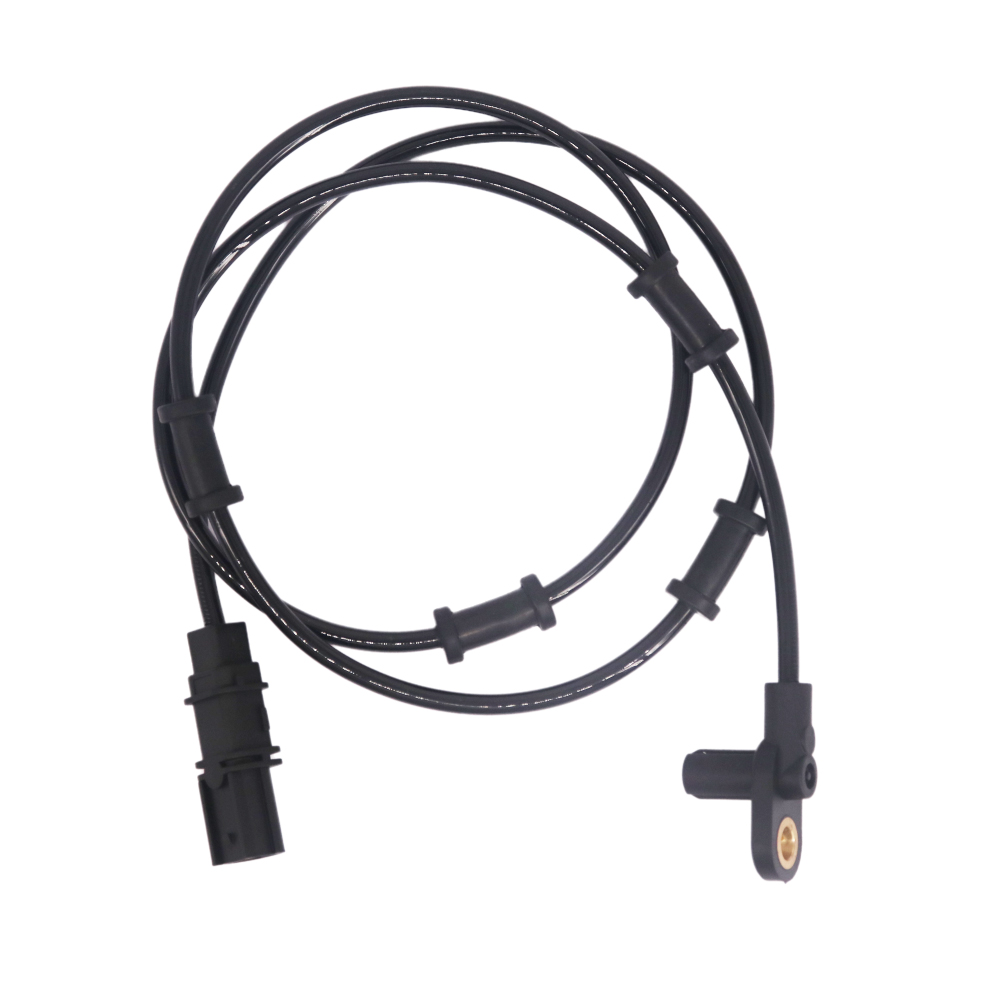
Front Wheel Speed ABS Sensor for Honda CB500F, CB500X and CBR500R — 38520-MJW-J11-M1
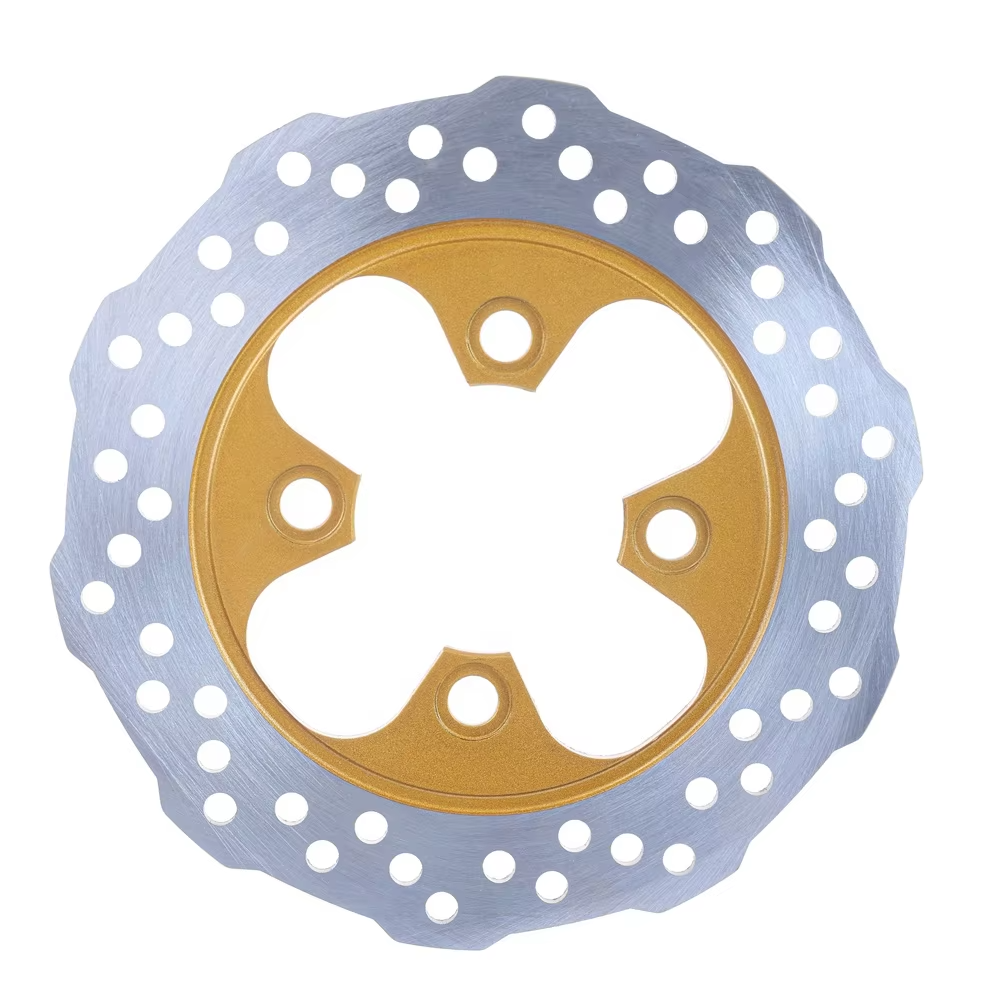
190mm Rear Brake Disc for Keeway RKS Sport 125 / 150 — Wave Edge, Drilled
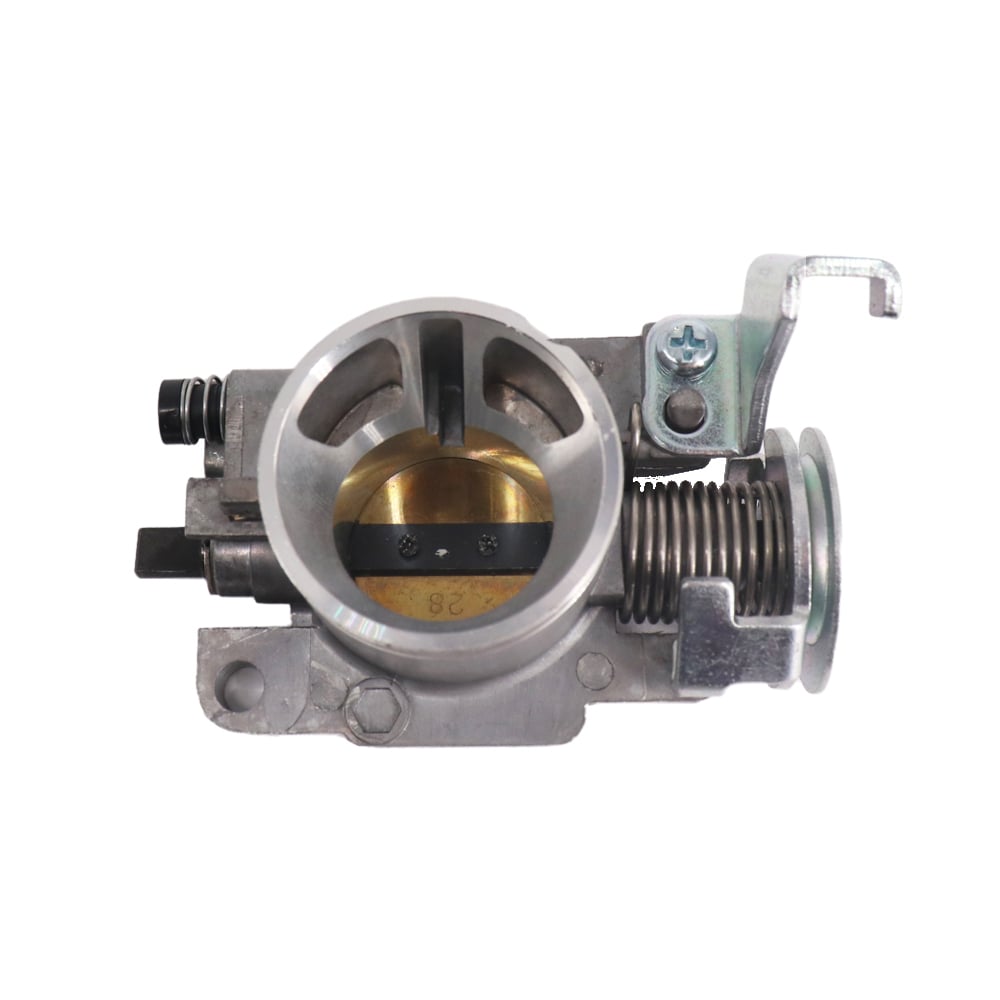
Honda Wave 110i / 125i Throttle Body — Product Page Copy (EN, US/EU)
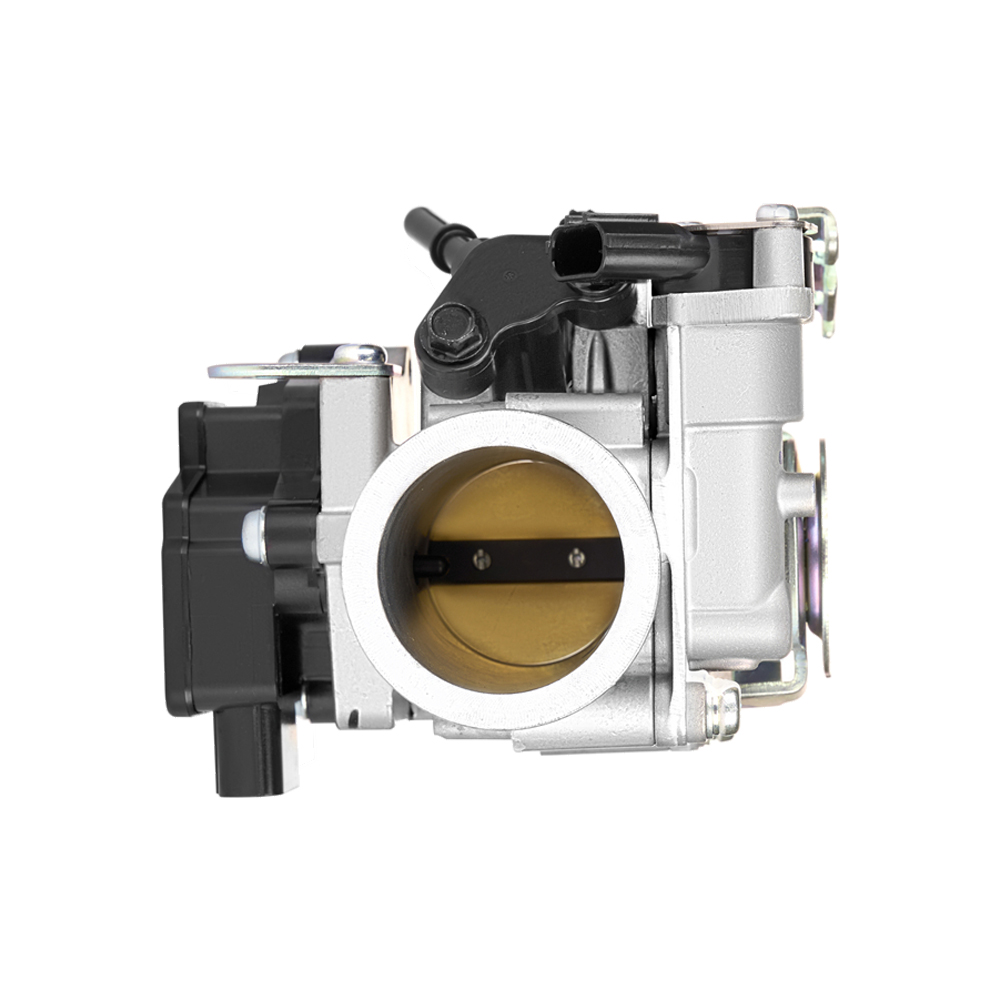
34 mm Racing Throttle Body for the Honda CB 250 Twister — 16400-K31-901