Professional Idle Air Control Valve Inspection and Diagnostics Service

All Categories

Get a Free Quote

Our representative will contact you soon.
Email
Name
Company Name
Message
0/1000

checking idle air control valve

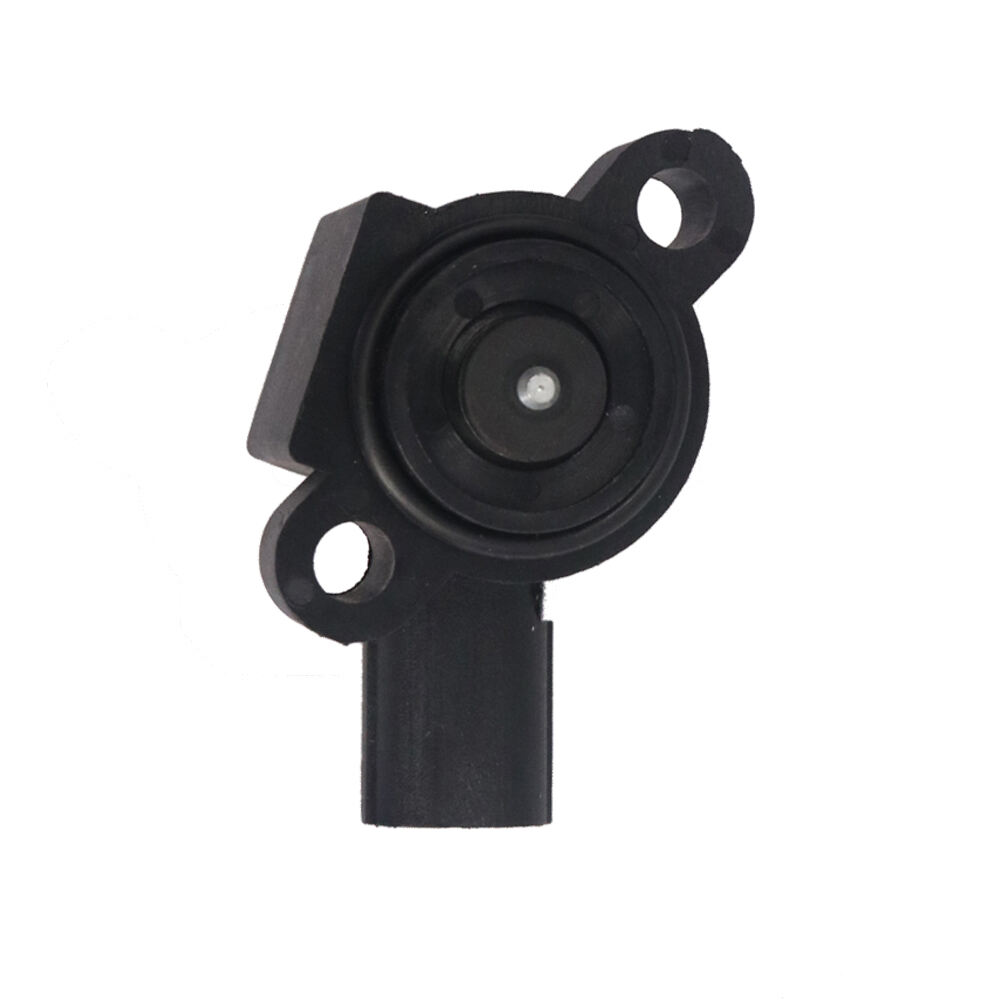
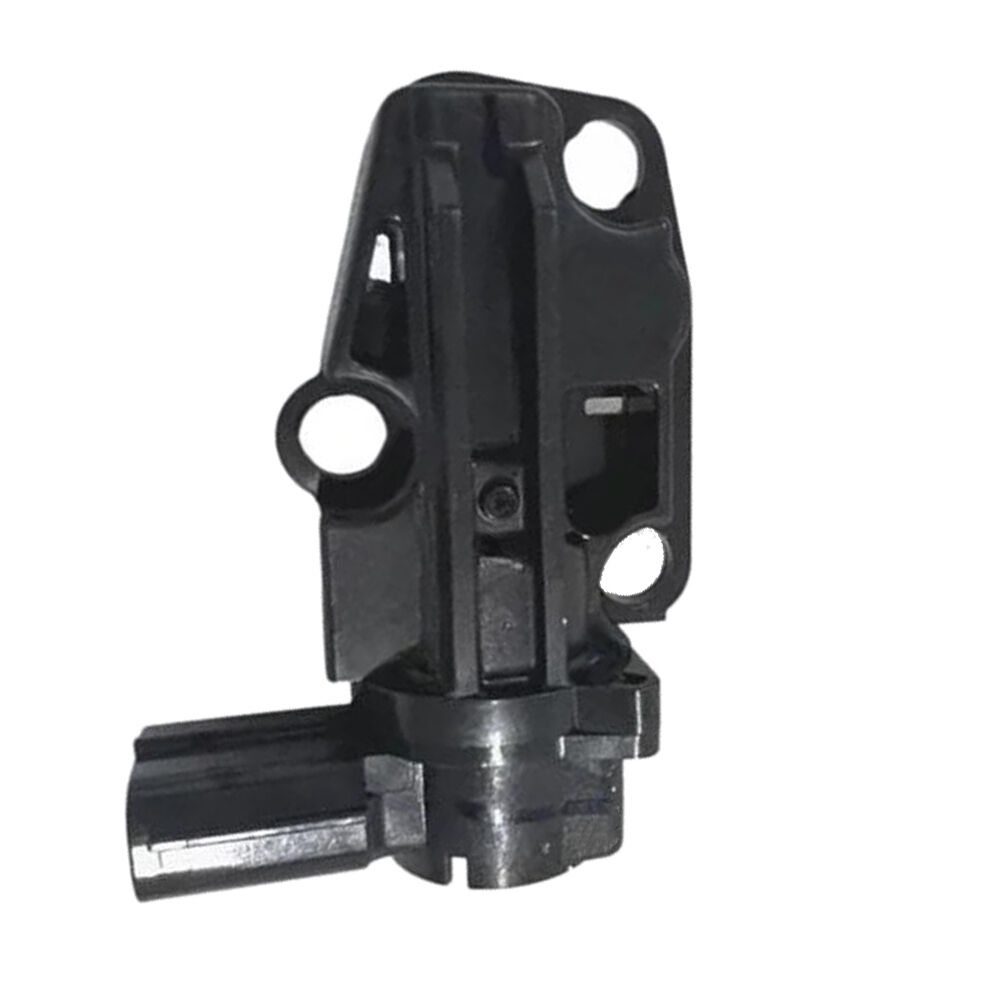
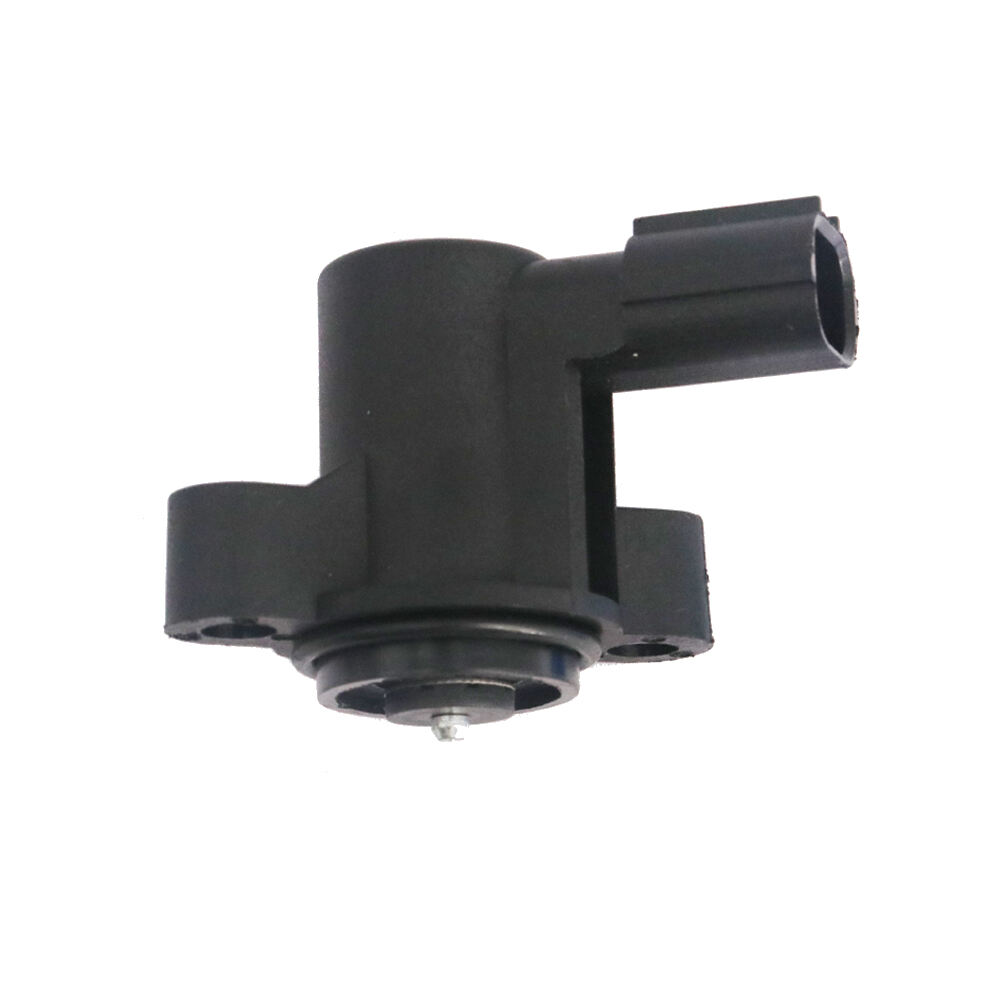
The idle air control valve (IACV) serves as a crucial component in modern vehicle engine management systems, responsible for maintaining stable engine idle speed under varying conditions. This sophisticated device regulates the amount of air bypassing the throttle plate when the engine is idling, ensuring smooth operation even when additional loads like air conditioning or power steering are engaged. Checking the IACV is essential for maintaining optimal engine performance and fuel efficiency. The process involves examining the valve's physical condition, electrical connectivity, and operational response. Modern IACVs incorporate advanced electronic controls that communicate with the engine's ECU to make real-time adjustments. During inspection, technicians evaluate the valve's ability to maintain consistent idle speeds, verify proper electrical signals, and assess mechanical wear. The checking procedure typically includes diagnostic tool analysis, visual inspection, and performance testing under different operating conditions. This comprehensive evaluation helps identify potential issues before they lead to more serious problems, such as rough idling, stalling, or poor fuel economy. Regular IACV checks are particularly important in maintaining vehicle reliability and preventing unexpected engine performance issues.


New Product Recommendations

Checking the idle air control valve offers numerous significant benefits for vehicle owners and maintenance professionals. First, regular inspection helps prevent unexpected engine stalling and rough idling issues, ensuring consistent vehicle performance and reliability. The process allows early detection of potential problems, saving considerable money on major repairs that might otherwise be necessary if issues go unaddressed. Proper IACV maintenance leads to improved fuel efficiency by ensuring optimal air-fuel mixture during idle conditions. The checking procedure also helps maintain proper engine response during cold starts and warm-up periods, contributing to reduced engine wear and extended component life. For vehicles equipped with automatic transmissions, proper IACV function ensures smooth gear engagement from park or neutral. Regular checks can identify carbon buildup or contamination early, preventing more serious engine performance issues. The inspection process helps maintain compliance with emissions standards by ensuring proper air-fuel ratios at idle. Professional IACV checking includes comprehensive diagnostic analysis that can reveal related system issues, providing a more complete picture of engine health. This proactive approach to maintenance helps maintain optimal engine performance across varying operating conditions and temperatures, ultimately contributing to better overall vehicle reliability and longevity.

Tips And Tricks

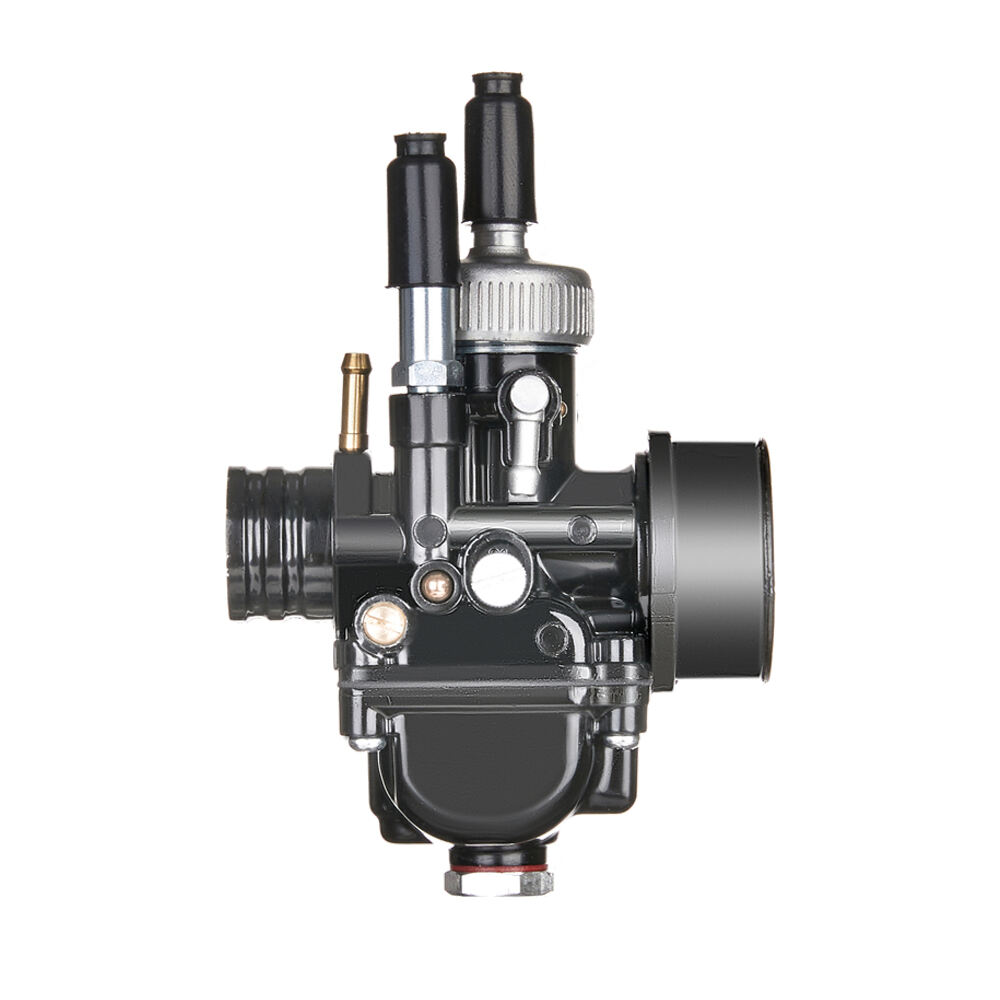
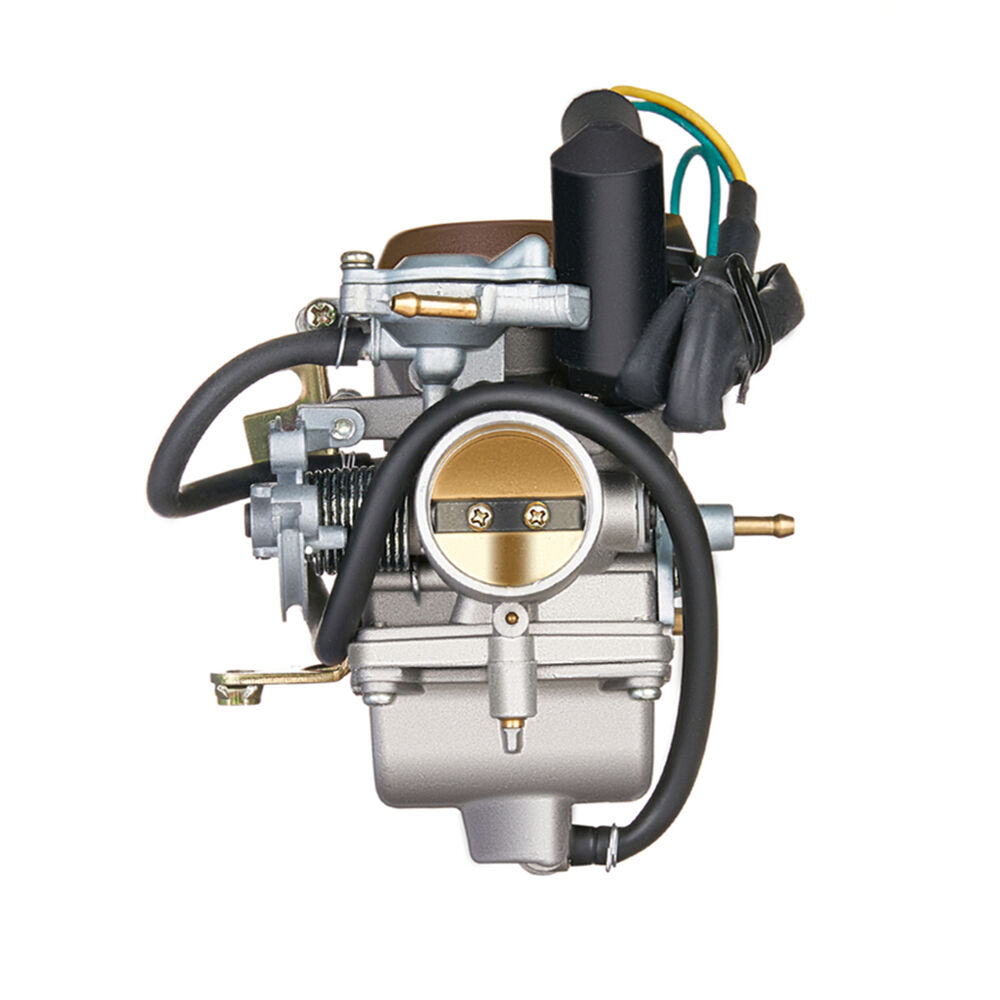
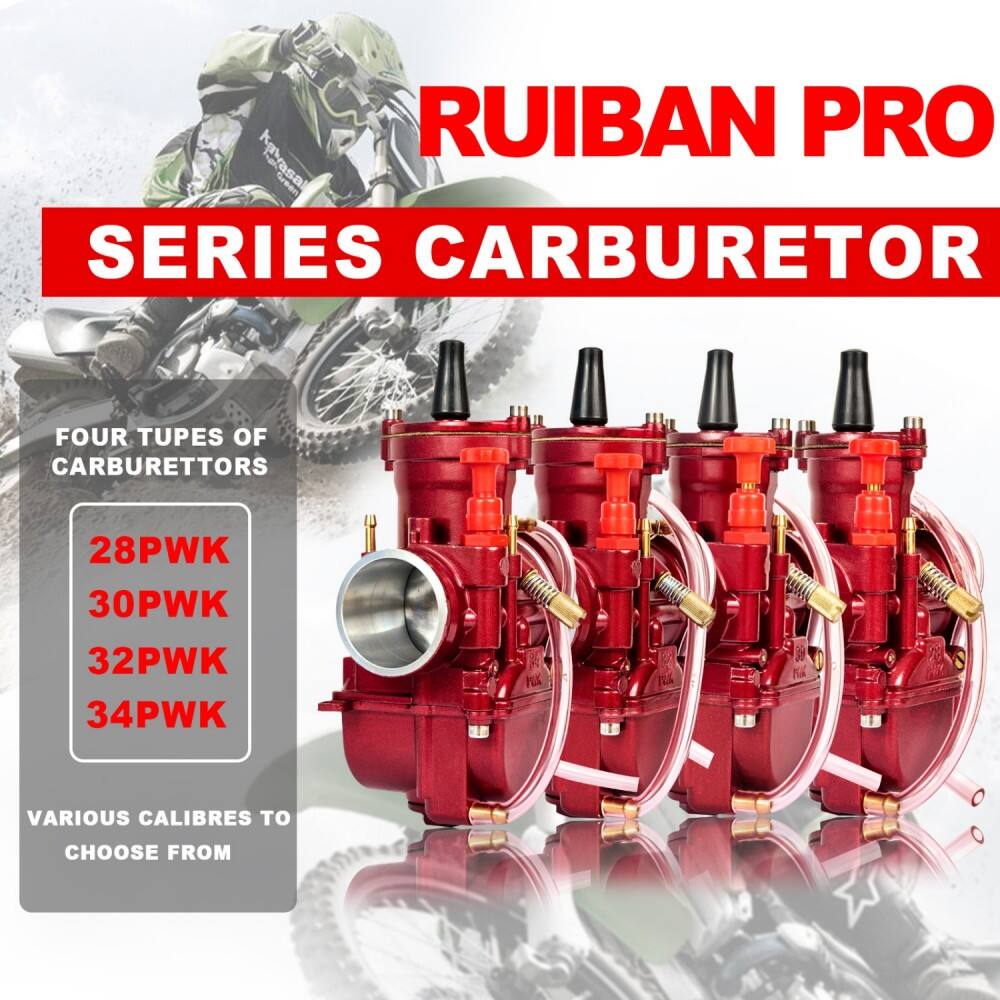
What Is The Difference Between The Different Sized PWK Carburetors?

29

Jul

What Is The Difference Between The Different Sized PWK Carburetors?

View More
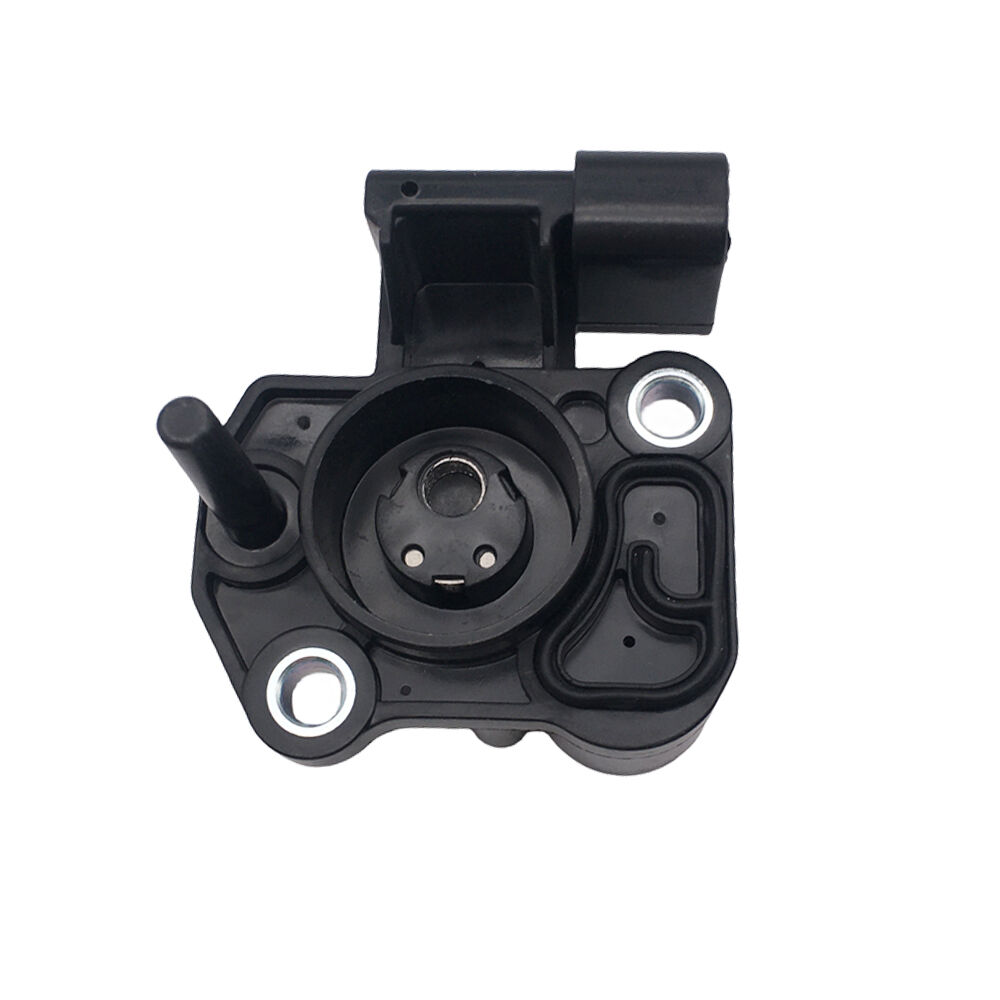
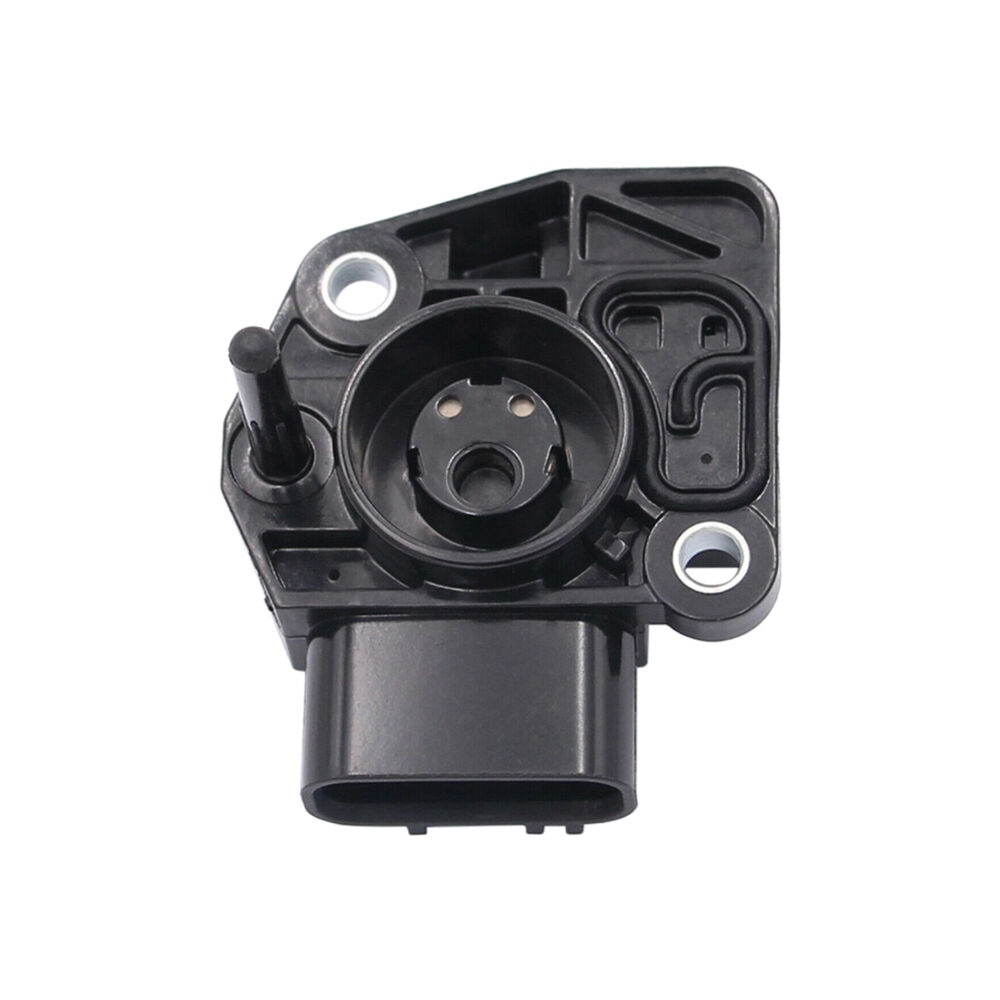
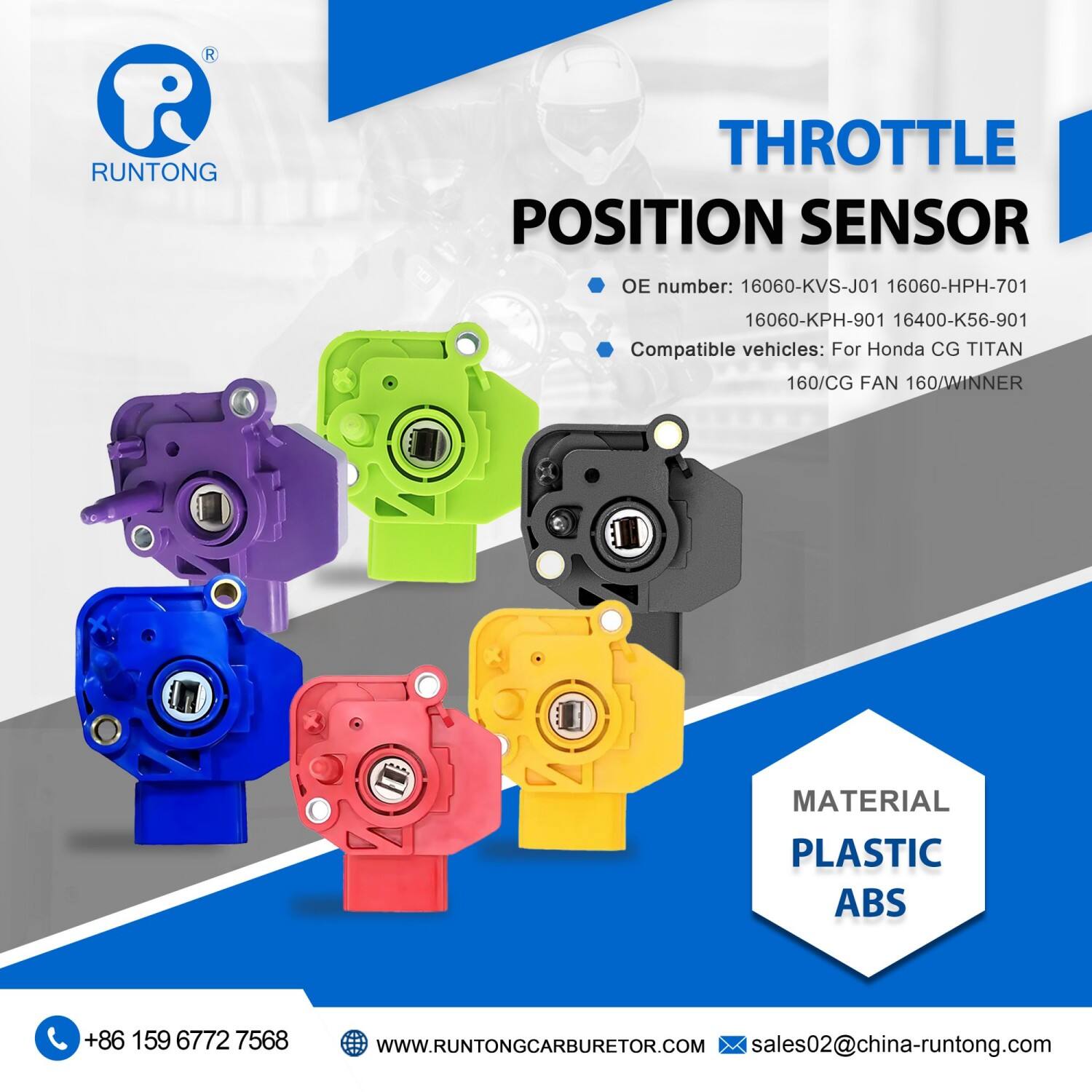
RS150 Motorcycle Tps Sensors In Different Colors Bring Different Visual Experiences

29

Jul

RS150 Motorcycle Tps Sensors In Different Colors Bring Different Visual Experiences

View More
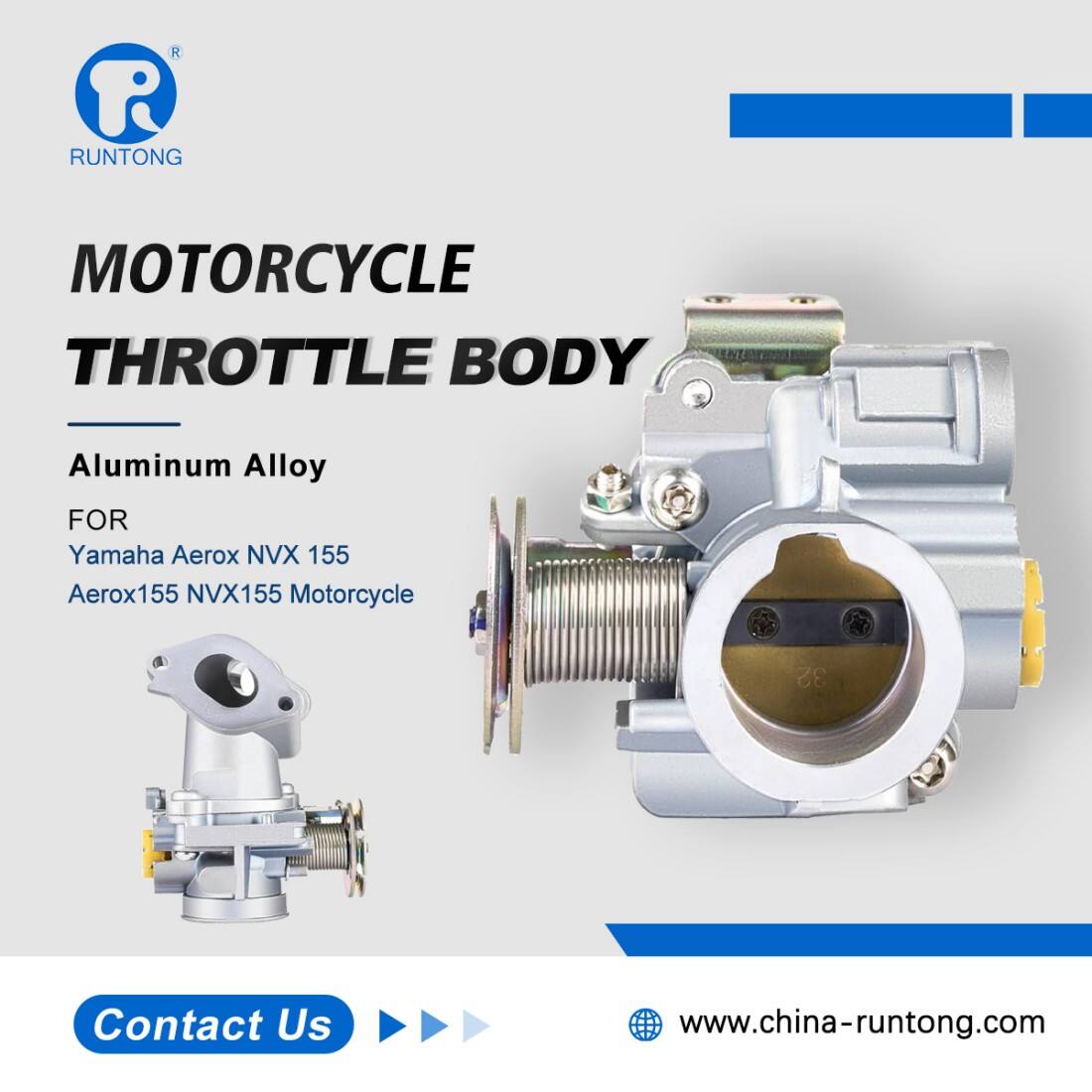
Aftermarket Yamaha Aerox155 Nvx155 Throttle Body Brings Better Driving Experience

29

Jul

Aftermarket Yamaha Aerox155 Nvx155 Throttle Body Brings Better Driving Experience

View More

Get a Free Quote

Our representative will contact you soon.
Email
Name
Company Name
Message
0/1000

checking idle air control valve

Advanced Diagnostic Capabilities

Advanced Diagnostic Capabilities

Modern IACV checking procedures incorporate sophisticated diagnostic tools and methods that provide comprehensive insights into valve performance. These advanced diagnostics utilize real-time data monitoring to analyze valve response patterns, electrical signal integrity, and mechanical operation. The testing equipment can detect subtle variations in air flow rates and valve positioning, enabling precise calibration and adjustment. This level of diagnostic capability allows technicians to identify potential issues before they manifest as noticeable performance problems, ensuring proactive maintenance and repair. The diagnostic process includes waveform analysis, which helps evaluate the valve's electrical characteristics and response times. This detailed analysis ensures that the valve operates within manufacturer specifications and responds correctly to varying engine demands.
Enhanced Performance Optimization

Enhanced Performance Optimization

The checking process for idle air control valves goes beyond basic functionality testing, incorporating comprehensive performance optimization protocols. This includes detailed analysis of idle stability across different engine loads and operating conditions, ensuring consistent performance in various scenarios. The optimization process involves fine-tuning valve response characteristics to match specific vehicle requirements and driving conditions. This level of customization helps achieve optimal fuel efficiency while maintaining smooth engine operation. Advanced checking procedures include adaptive learning assessment, which evaluates how well the valve responds to changing conditions and maintains optimal performance over time. This optimization process helps ensure that the engine maintains stable idle characteristics even as components age and operating conditions change.
Preventive Maintenance Benefits

Preventive Maintenance Benefits

Regular IACV checking serves as a crucial component of preventive maintenance strategy, offering substantial long-term benefits for vehicle owners. The inspection process helps identify wear patterns and potential failure points before they lead to significant problems, reducing the likelihood of unexpected breakdowns and costly repairs. Through systematic evaluation of valve operation, technicians can predict potential issues and address them proactively, extending component life and maintaining optimal engine performance. The preventive approach includes detailed documentation of valve condition and performance trends, enabling more accurate maintenance scheduling and cost forecasting. This systematic approach to maintenance helps optimize vehicle reliability while minimizing operating costs and unexpected repair expenses.

Get a Free Quote

Our representative will contact you soon.
Email
Name
Company Name
Message
0/1000