Idle Position Sensor: Advanced Engine Management Solution for Optimal Performance and Efficiency

All Categories

Get a Free Quote

Our representative will contact you soon.
Email
Name
Company Name
Message
0/1000

idle position sensor

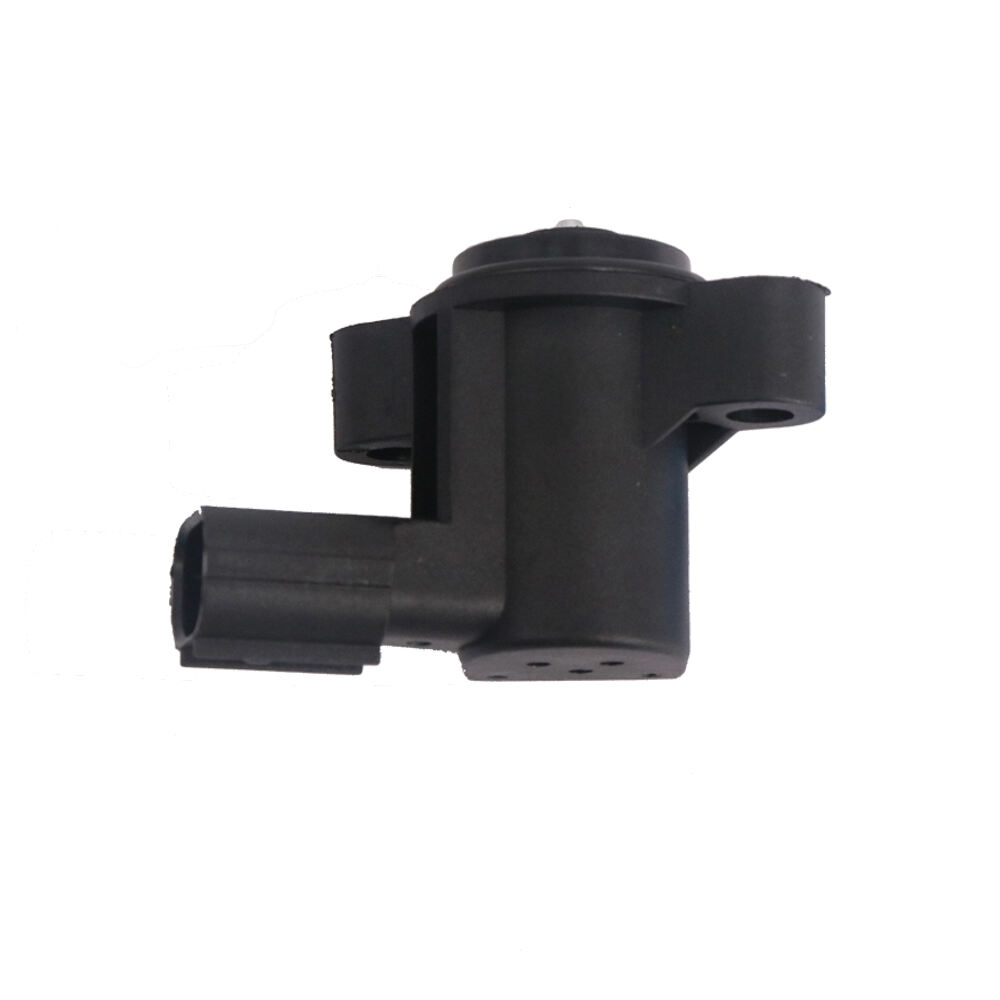
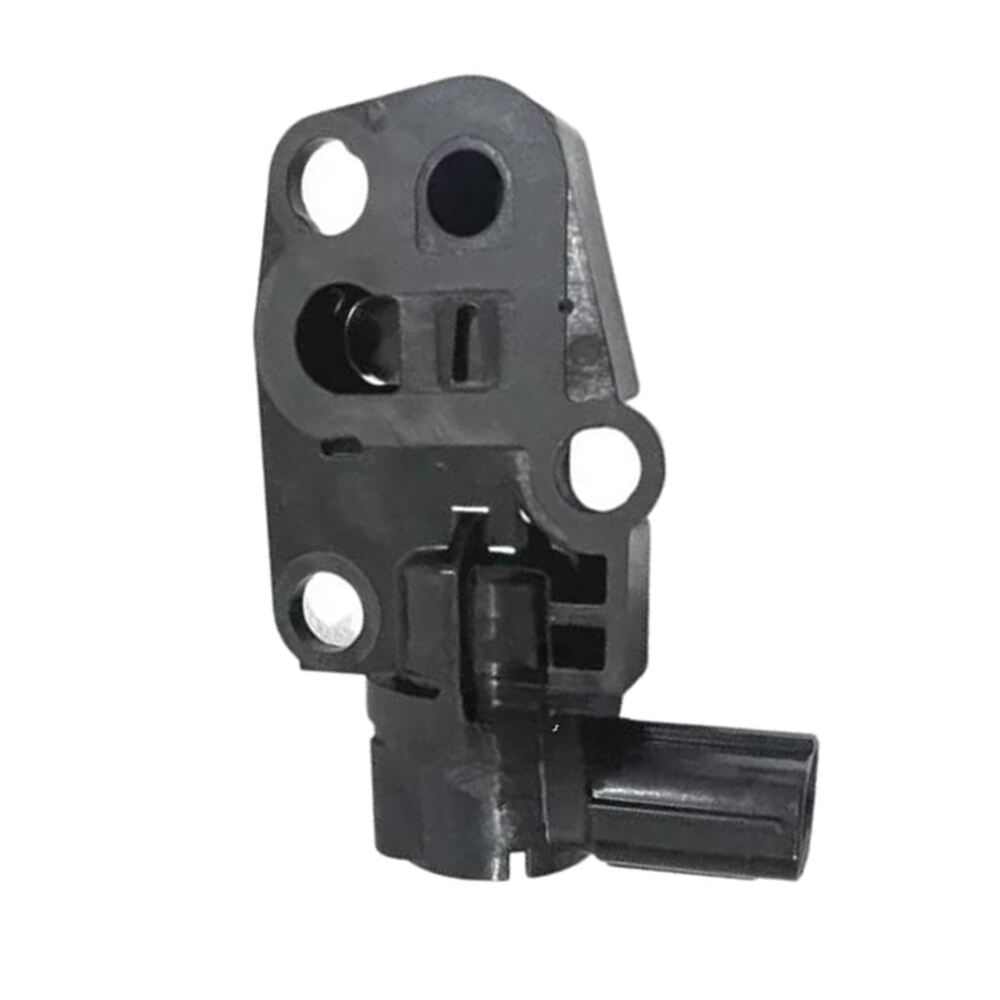
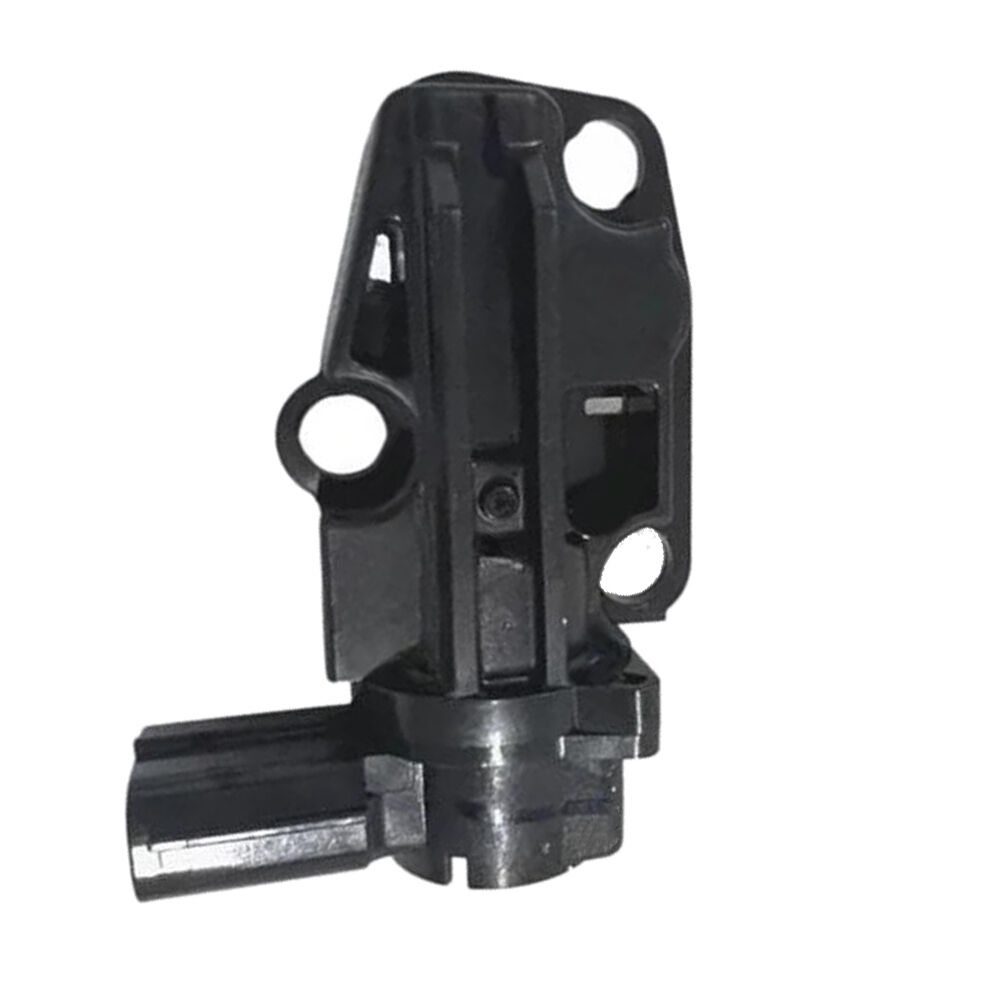
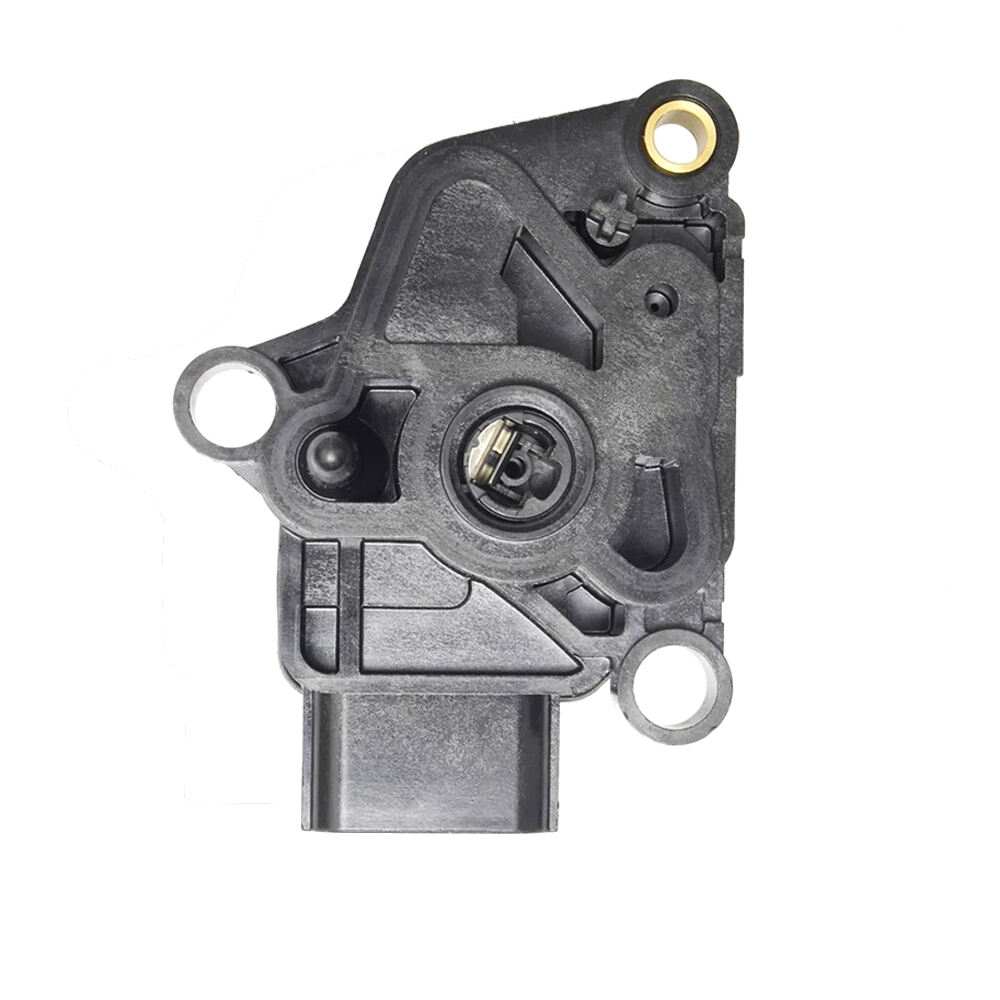
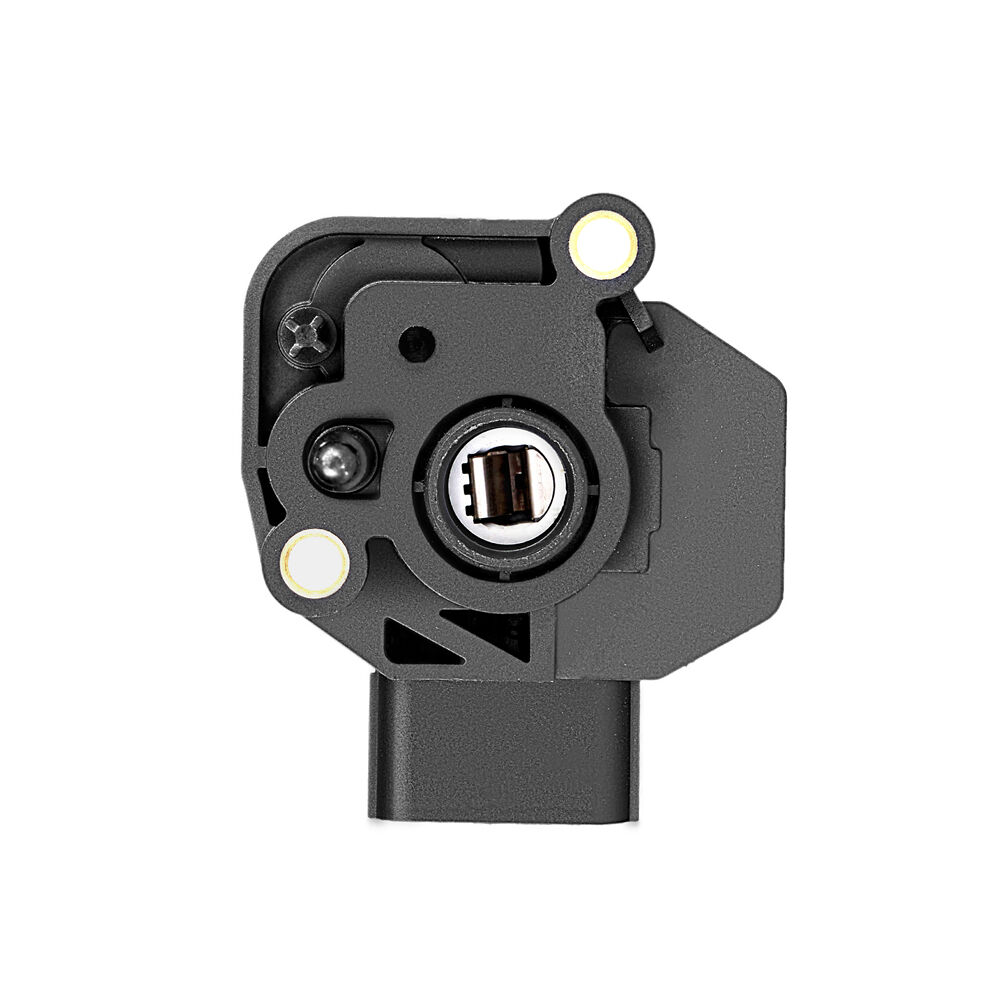
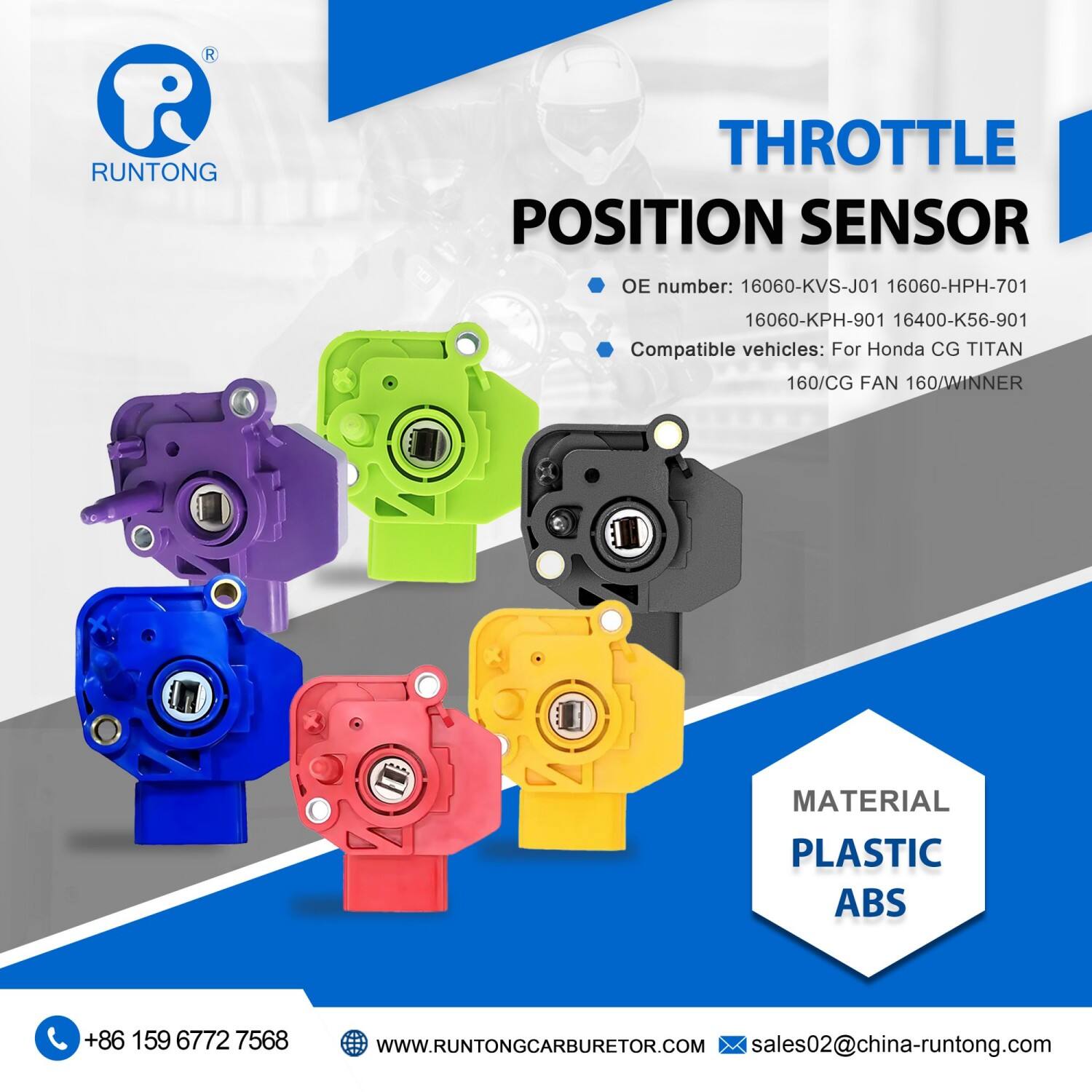
The idle position sensor is a crucial component in modern vehicle engine management systems, designed to monitor and regulate the engine's idle speed performance. This sophisticated sensor works by continuously measuring the position of the throttle valve when the engine is in its idle state, providing vital data to the engine control unit (ECU). The sensor utilizes advanced electronic technology to detect minute changes in throttle position, typically employing either a potentiometer or Hall effect sensor mechanism. By maintaining constant communication with the ECU, it helps establish the optimal idle speed for different operating conditions, such as when the engine is cold or when additional loads are placed on it by air conditioning or power steering systems. The sensor's precision is essential for maintaining stable idle operation, improving fuel efficiency, and reducing emissions. In practical applications, the idle position sensor helps prevent common issues like rough idling, stalling, and inconsistent engine performance. It plays a vital role in meeting modern emissions standards and ensuring smooth vehicle operation, particularly during the critical warm-up period when the engine is most vulnerable to performance variations.


New Product Recommendations

The idle position sensor offers numerous compelling advantages that make it an indispensable component in modern vehicles. First and foremost, it significantly improves engine efficiency by ensuring precise control over idle speed, resulting in optimal fuel consumption and reduced emissions. This translates to direct cost savings for vehicle owners through improved fuel economy. The sensor's ability to adapt to various operating conditions enhances overall engine performance, providing smoother operation during cold starts and when auxiliary systems are engaged. Another key benefit is its role in preventing engine stalling, which is particularly valuable in stop-and-go traffic conditions. The sensor's real-time monitoring capabilities allow for immediate adjustments to maintain stable engine operation, reducing wear and tear on engine components. From a maintenance perspective, the idle position sensor helps in early detection of potential engine issues, allowing for preventive maintenance before major problems develop. Its integration with modern engine management systems contributes to extended engine life and reduced maintenance costs. Additionally, the sensor's role in emissions control helps vehicles meet increasingly stringent environmental regulations, making it an environmentally responsible choice. For drivers, this translates to a more reliable and comfortable driving experience, with smoother acceleration from idle and more consistent engine performance across all operating conditions.

Tips And Tricks

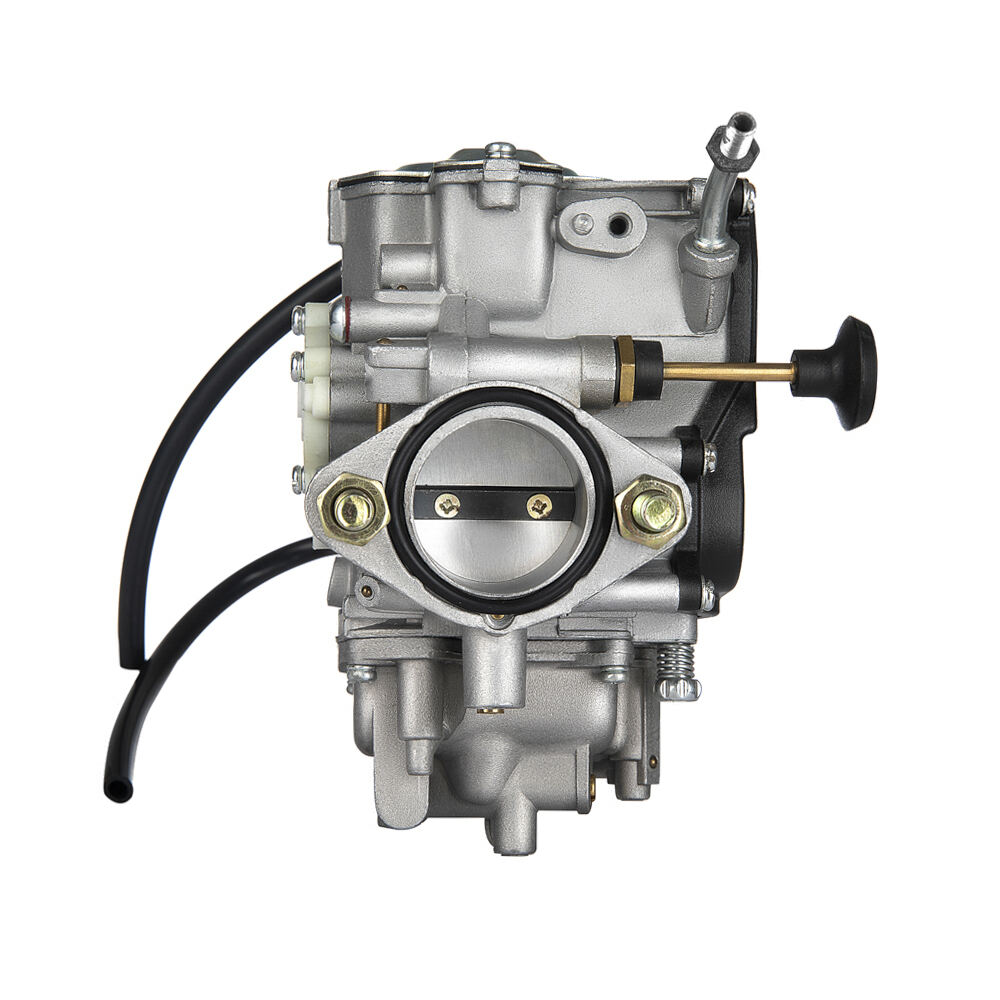
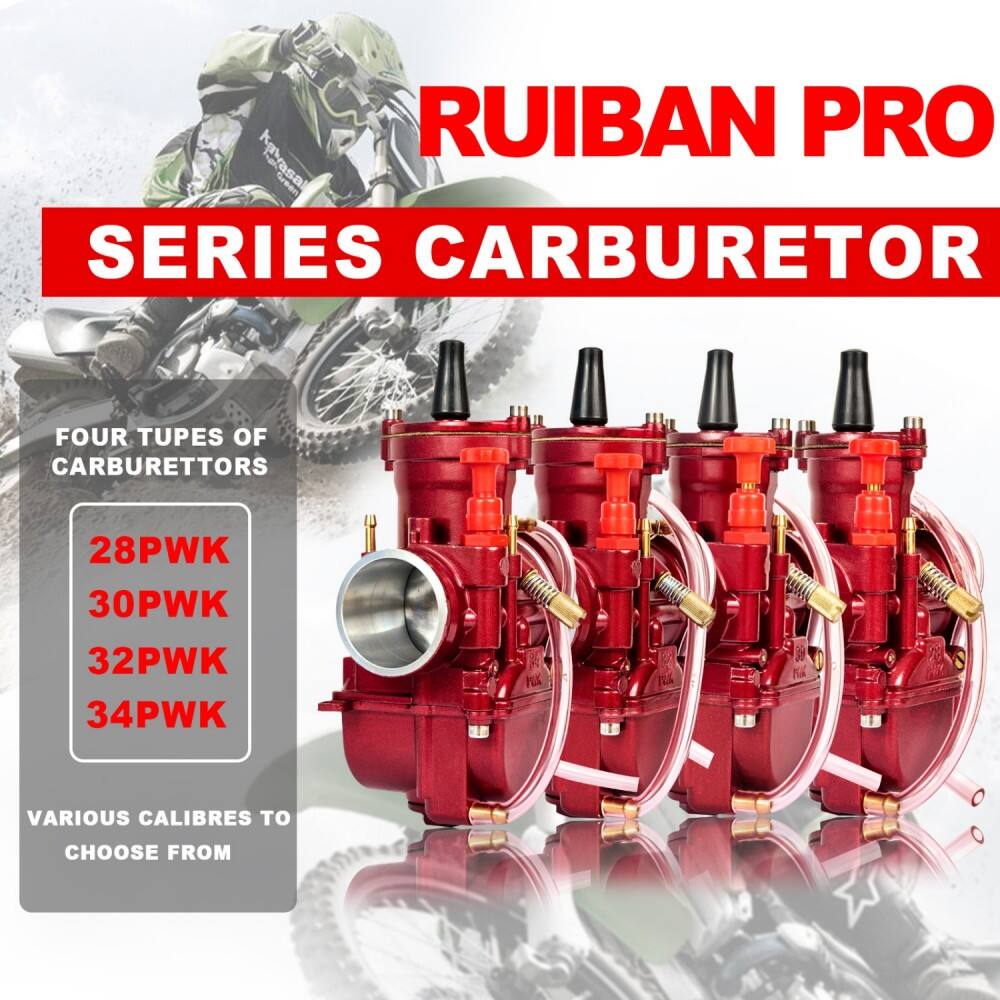
What Is The Difference Between The Different Sized PWK Carburetors?

29

Jul

What Is The Difference Between The Different Sized PWK Carburetors?

View More
RS150 Motorcycle Tps Sensors In Different Colors Bring Different Visual Experiences

29

Jul

RS150 Motorcycle Tps Sensors In Different Colors Bring Different Visual Experiences

View More
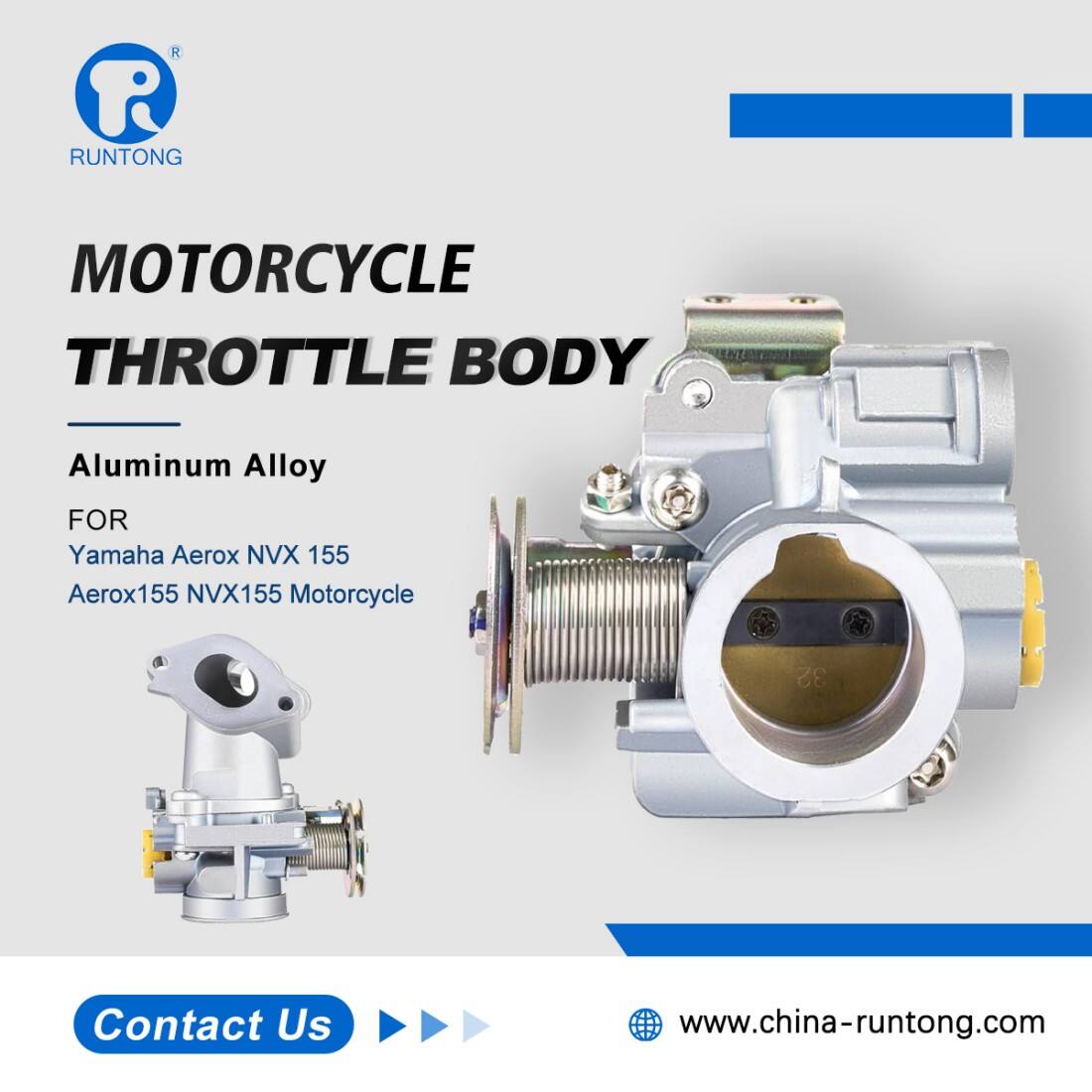
Aftermarket Yamaha Aerox155 Nvx155 Throttle Body Brings Better Driving Experience

29

Jul

Aftermarket Yamaha Aerox155 Nvx155 Throttle Body Brings Better Driving Experience

View More

Get a Free Quote

Our representative will contact you soon.
Email
Name
Company Name
Message
0/1000

idle position sensor

Advanced Electronic Precision

Advanced Electronic Precision

The idle position sensor's advanced electronic precision represents a significant technological breakthrough in engine management systems. This sophisticated component utilizes state-of-the-art electronic sensing technology to measure throttle position with exceptional accuracy, often detecting changes as small as 0.1 degrees. The sensor's high-resolution capabilities ensure that the engine control unit receives precise, real-time data about throttle position, enabling instantaneous adjustments to maintain optimal engine performance. This level of precision is achieved through advanced manufacturing processes and quality control measures that ensure consistent performance throughout the sensor's operational life. The electronic design incorporates temperature compensation and electromagnetic interference protection, ensuring reliable operation under various environmental conditions. This precision directly contributes to improved engine efficiency, reduced emissions, and enhanced overall vehicle performance.
Adaptive Performance Optimization

Adaptive Performance Optimization

The adaptive performance optimization feature of the idle position sensor demonstrates its ability to learn and adjust to different operating conditions and driving patterns. This intelligent functionality allows the sensor to continuously optimize its parameters based on real-world data, ensuring peak performance regardless of environmental conditions or vehicle age. The system can automatically compensate for changes in engine wear, altitude, temperature, and other variables that might affect idle performance. This adaptive capability means the sensor can maintain optimal engine performance throughout the vehicle's lifecycle, reducing the need for manual adjustments and ensuring consistent operation. The optimization process includes sophisticated algorithms that analyze multiple data points to determine the ideal idle speed for any given situation, resulting in improved fuel efficiency and reduced emissions.
Diagnostic Integration Capabilities

Diagnostic Integration Capabilities

The idle position sensor's diagnostic integration capabilities represent a major advancement in vehicle maintenance and troubleshooting. This feature enables the sensor to communicate detailed operational data to the vehicle's onboard diagnostic system, providing valuable insights into engine performance and potential issues. The integration allows for early detection of performance degradation or component failure, enabling proactive maintenance before serious problems develop. The diagnostic system can identify specific issues related to idle control, fuel mixture, and throttle response, making it easier for technicians to diagnose and repair problems quickly and accurately. This integration also supports advanced features like remote diagnostics and predictive maintenance, helping vehicle owners maintain optimal performance while minimizing maintenance costs and downtime.

Get a Free Quote

Our representative will contact you soon.
Email
Name
Company Name
Message
0/1000