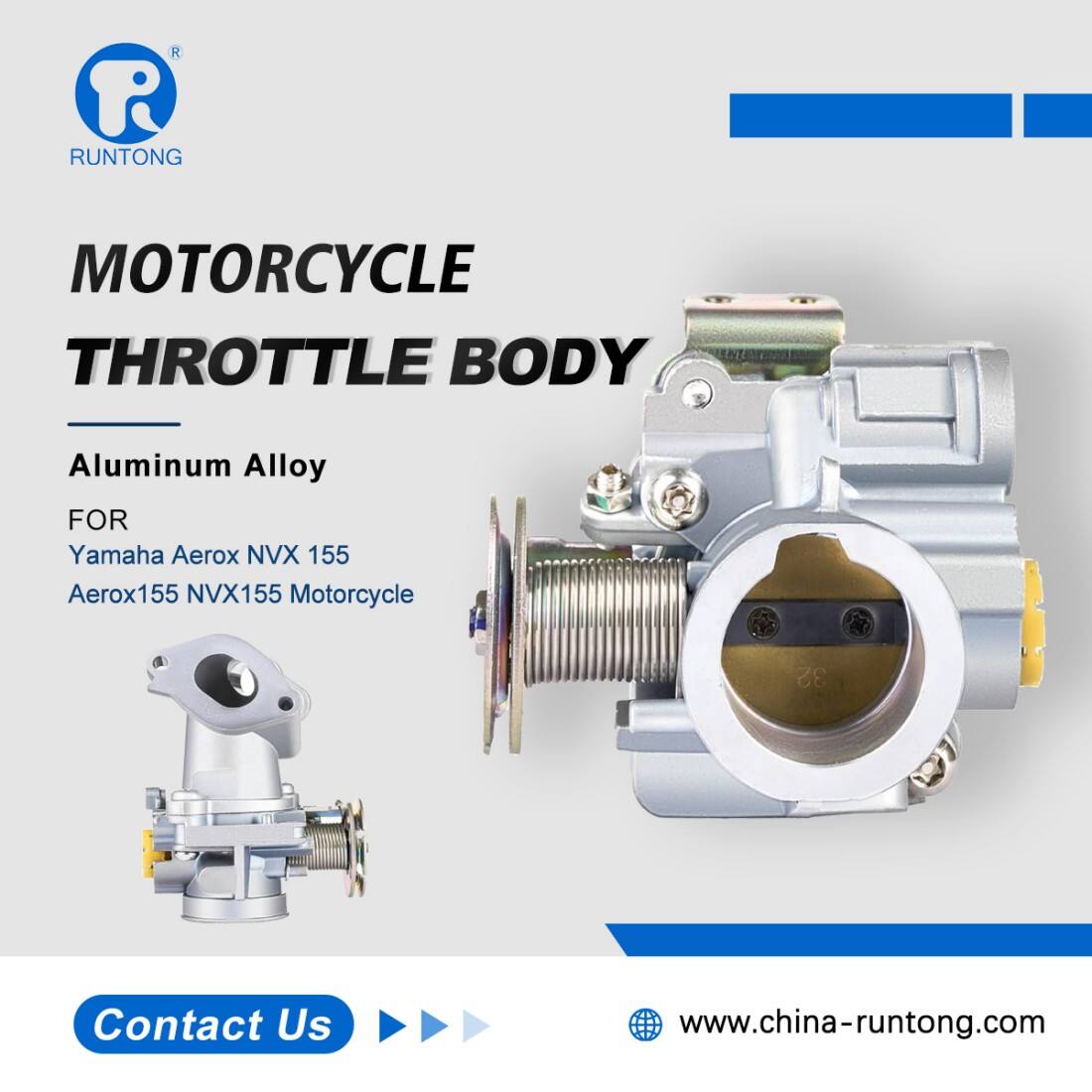
faulty idle control valve
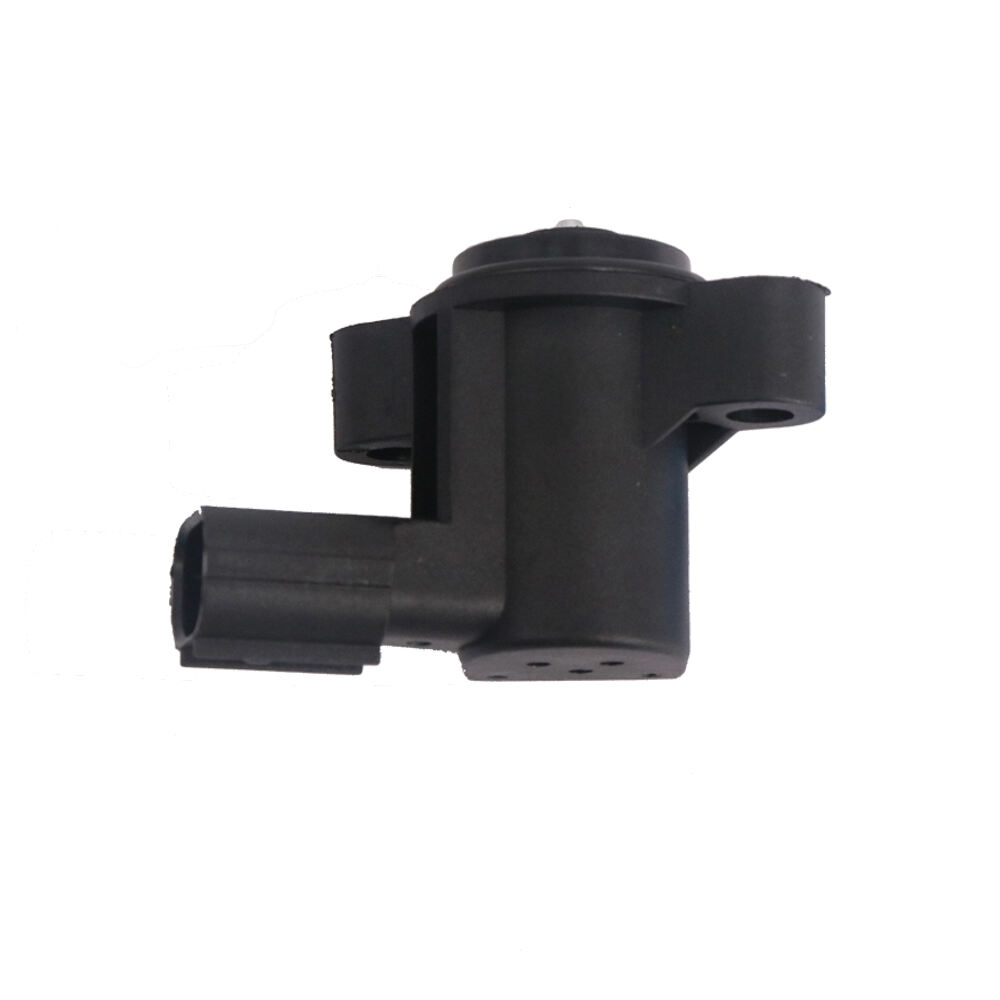
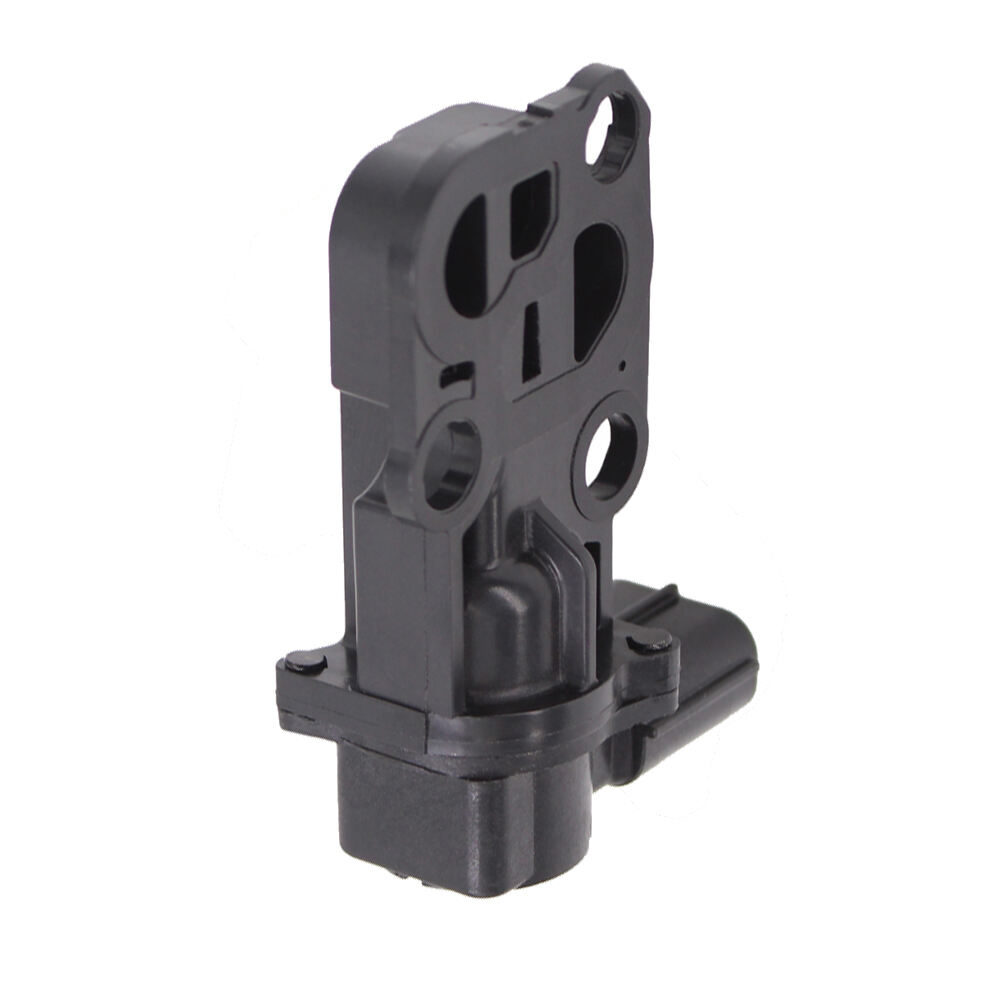
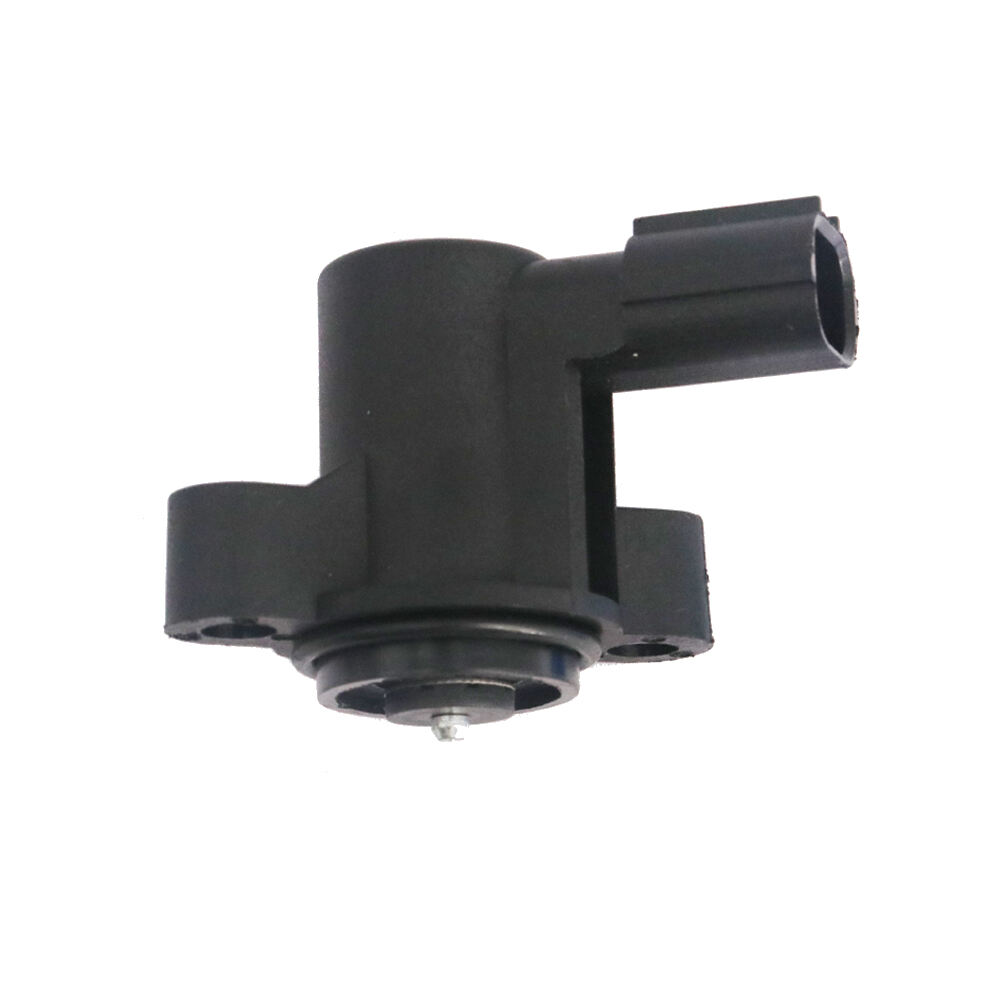
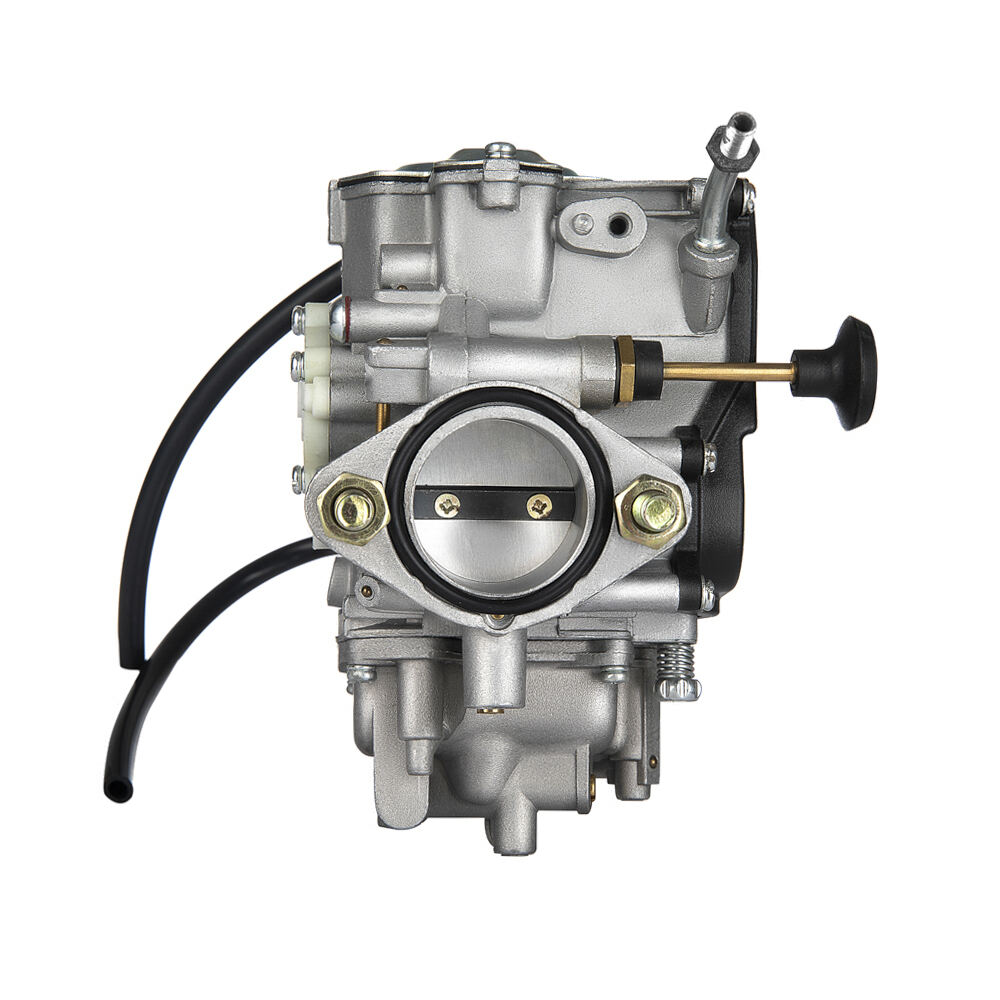
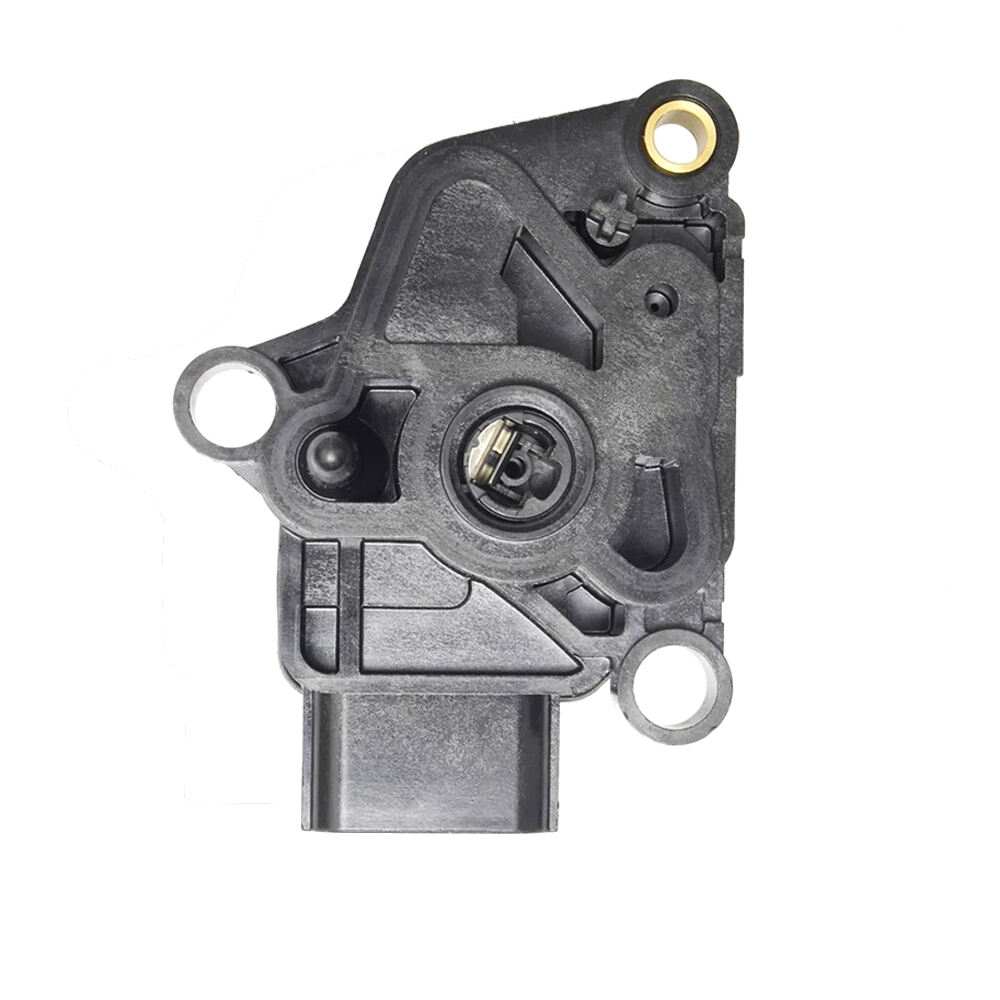
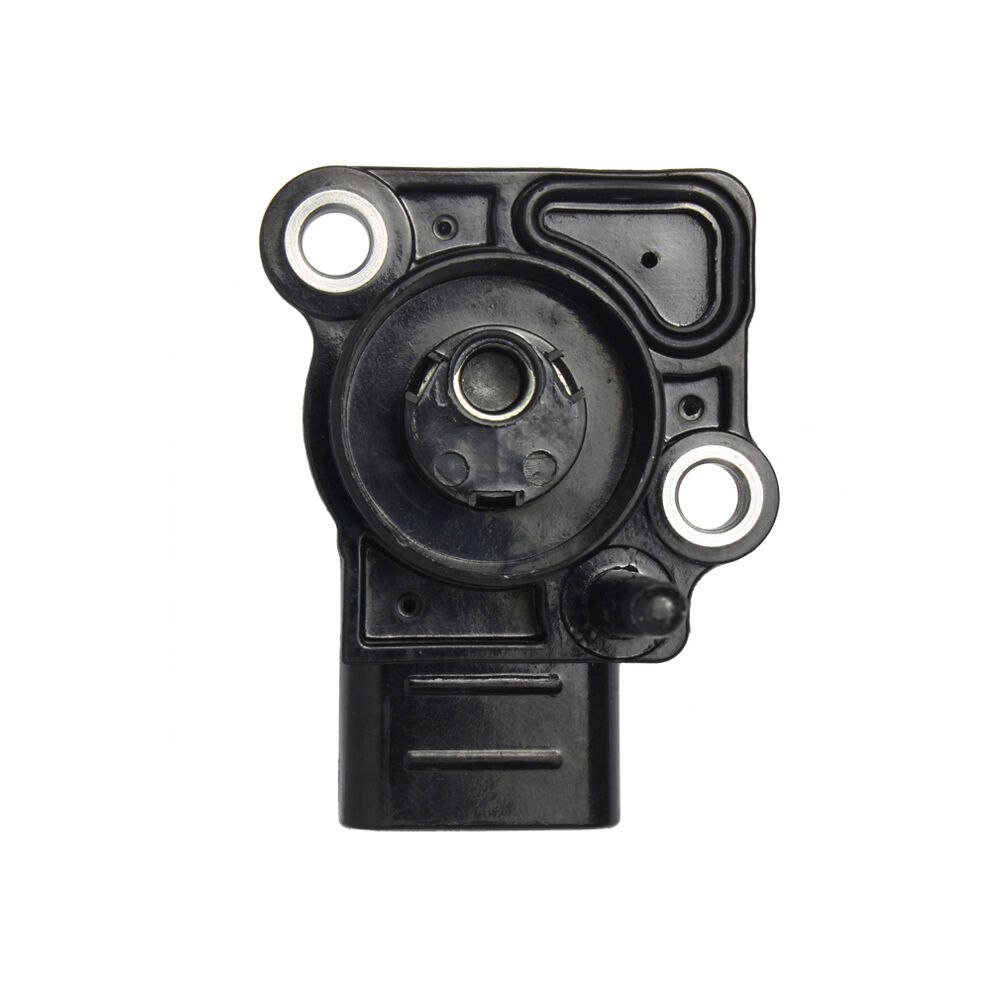
The faulty idle control valve (ICV) is a critical component in modern vehicle engine management systems, responsible for regulating engine idle speed and ensuring smooth operation during various driving conditions. This sophisticated device consists of a electronically controlled valve mechanism that adjusts the amount of air bypassing the throttle plate. When functioning properly, it maintains consistent engine RPM during idle by compensating for varying engine loads from accessories like air conditioning and power steering. However, when faulty, it can cause numerous drivability issues. The valve operates through a complex interaction of electronic signals from the engine control unit (ECU) and mechanical components, utilizing precise measurements from various sensors to determine the optimal air flow. Understanding faulty idle control valve behavior is crucial for diagnosing engine performance issues, as symptoms can include unstable idle, stalling, high idle speed, or rough running conditions. The technology behind these valves has evolved significantly, incorporating advanced materials and designs to improve durability and response time, though they remain susceptible to carbon buildup and electronic failures that can impact their performance.

 EN
EN