Understanding Faulty Idle Air Control Valve: Diagnosis, Benefits, and Performance Impact

All Categories

Get a Free Quote

Our representative will contact you soon.
Email
Name
Company Name
Message
0/1000

faulty idle air control valve

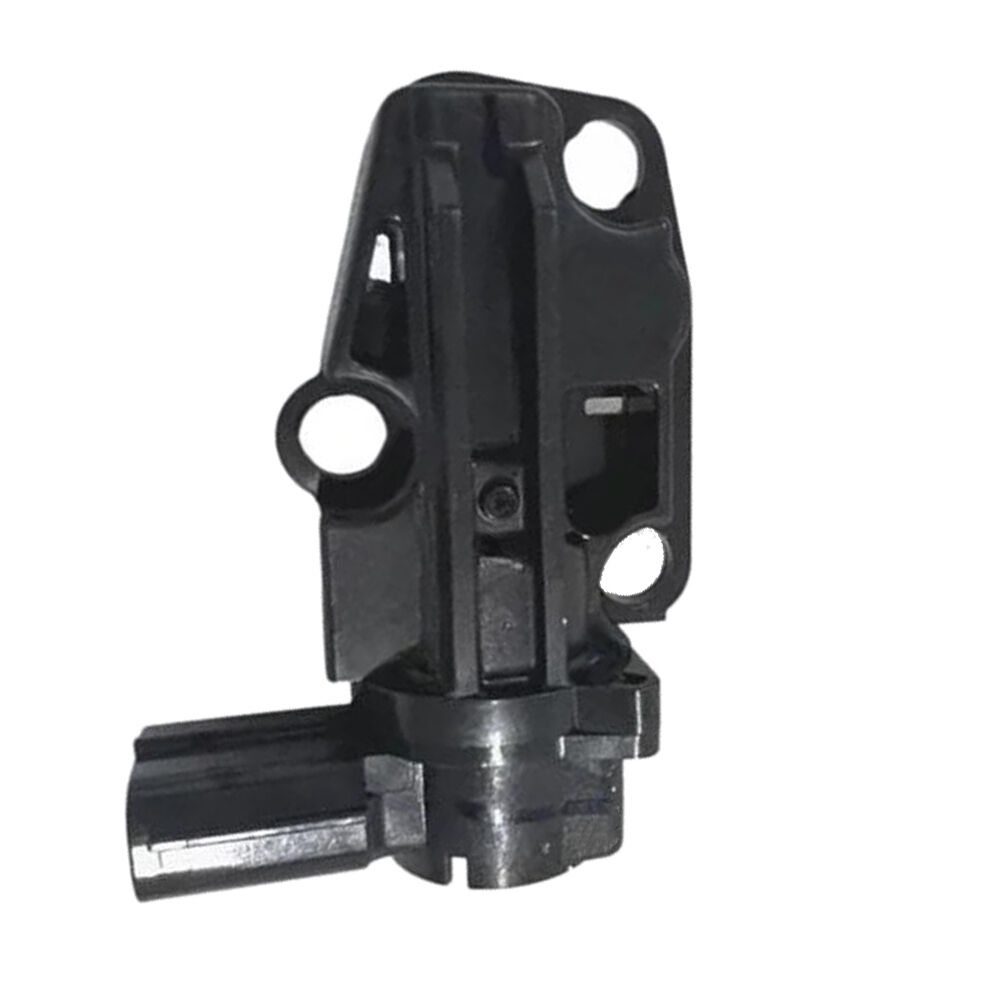
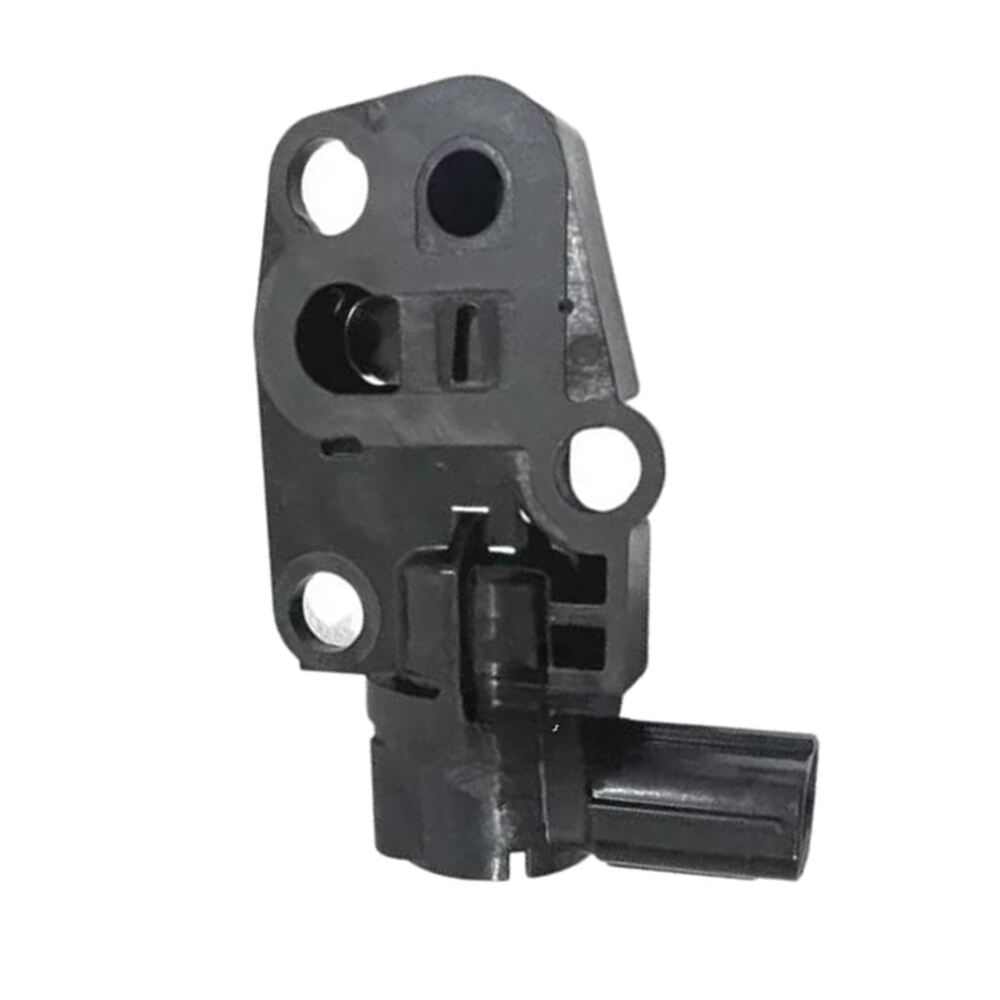
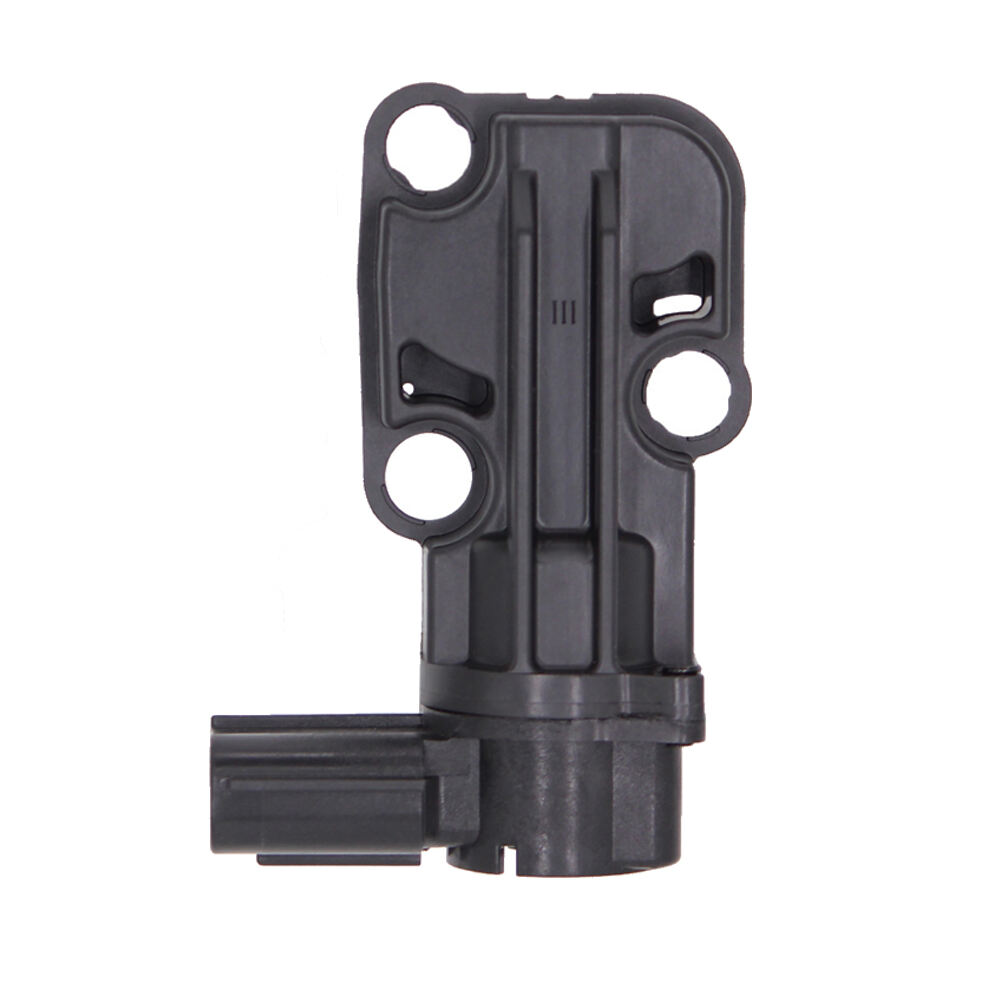
The faulty idle air control valve (IACV) is a critical component in modern vehicle engine management systems, responsible for regulating engine idle speed by controlling the amount of air bypassing the throttle plate. When functioning properly, this valve maintains consistent engine idle speeds under varying conditions, including changes in engine load from accessories like air conditioning or power steering. However, when faulty, the IACV can cause numerous drivability issues. The valve operates through a sophisticated electronic control system that receives input from various engine sensors, including the engine control unit (ECU), temperature sensors, and rpm sensors. A malfunctioning IACV typically manifests through symptoms such as irregular idle speeds, stalling, or rough running conditions. The technology behind the IACV involves a precision-engineered valve body containing a movable pintle or plunger that responds to electromagnetic signals from the ECU. This system requires regular maintenance and occasional replacement to ensure optimal engine performance. Understanding the signs of a faulty IACV is crucial for vehicle maintenance, as early detection can prevent more severe engine problems and ensure efficient fuel consumption.


New Product Recommendations

A faulty idle air control valve, while seemingly problematic, presents several advantages in terms of diagnostic capabilities and maintenance awareness. First, it serves as an early warning system for potential engine management issues, allowing vehicle owners to address problems before they escalate into more serious complications. The symptoms of a faulty IACV are typically quite noticeable, making it easier for drivers to identify and address issues promptly. This early detection capability can lead to significant cost savings by preventing more extensive engine damage. Additionally, diagnosing a faulty IACV often leads to a thorough inspection of related systems, potentially uncovering other maintenance needs that might otherwise go unnoticed. The replacement process for a faulty IACV is relatively straightforward and cost-effective compared to many other engine components, making it an accessible repair option for most vehicle owners. Modern diagnostic tools can quickly identify IACV issues, reducing diagnostic time and associated costs. Furthermore, addressing IACV problems often results in improved fuel efficiency, better engine performance, and reduced emissions, contributing to both environmental consciousness and vehicle longevity. The presence of a faulty IACV also encourages regular maintenance schedules and promotes better understanding of vehicle systems among owners, leading to more proactive vehicle care practices.

Practical Tips

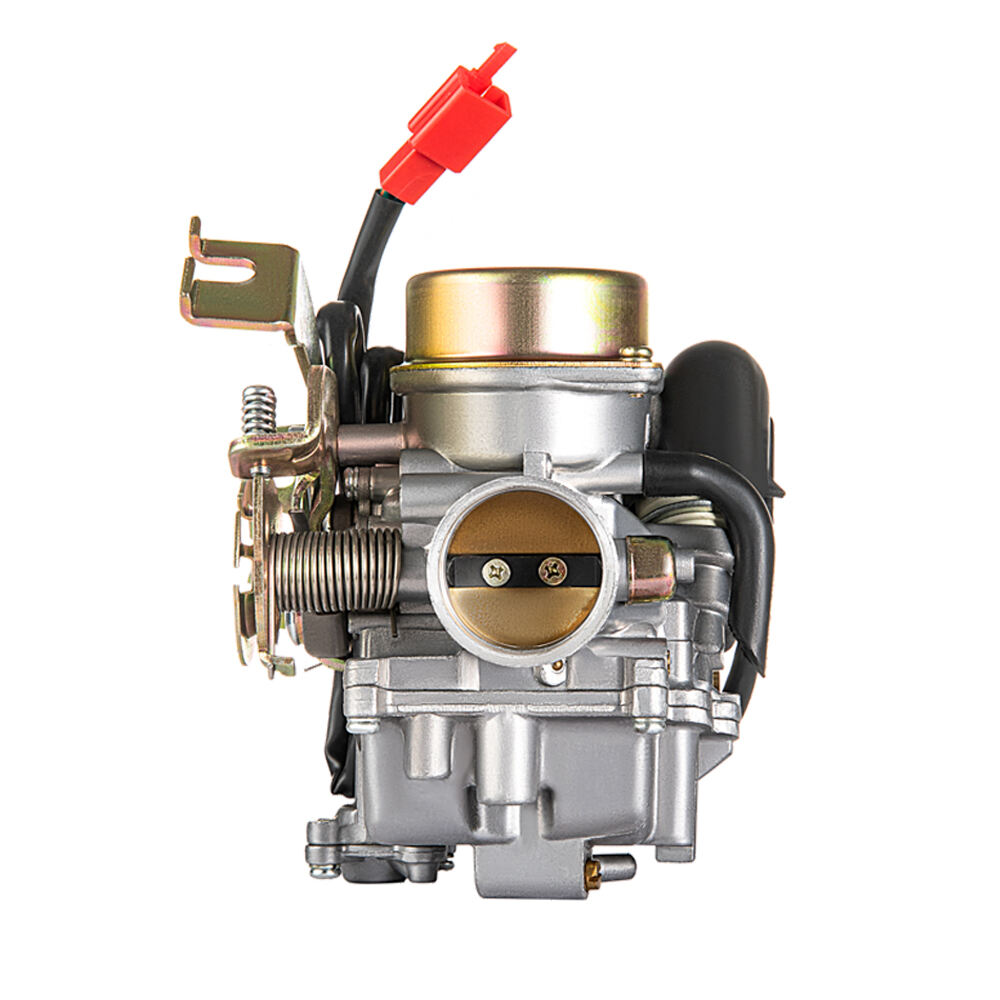
What Is The Difference Between The Different Sized PWK Carburetors?

29

Jul

What Is The Difference Between The Different Sized PWK Carburetors?

View More
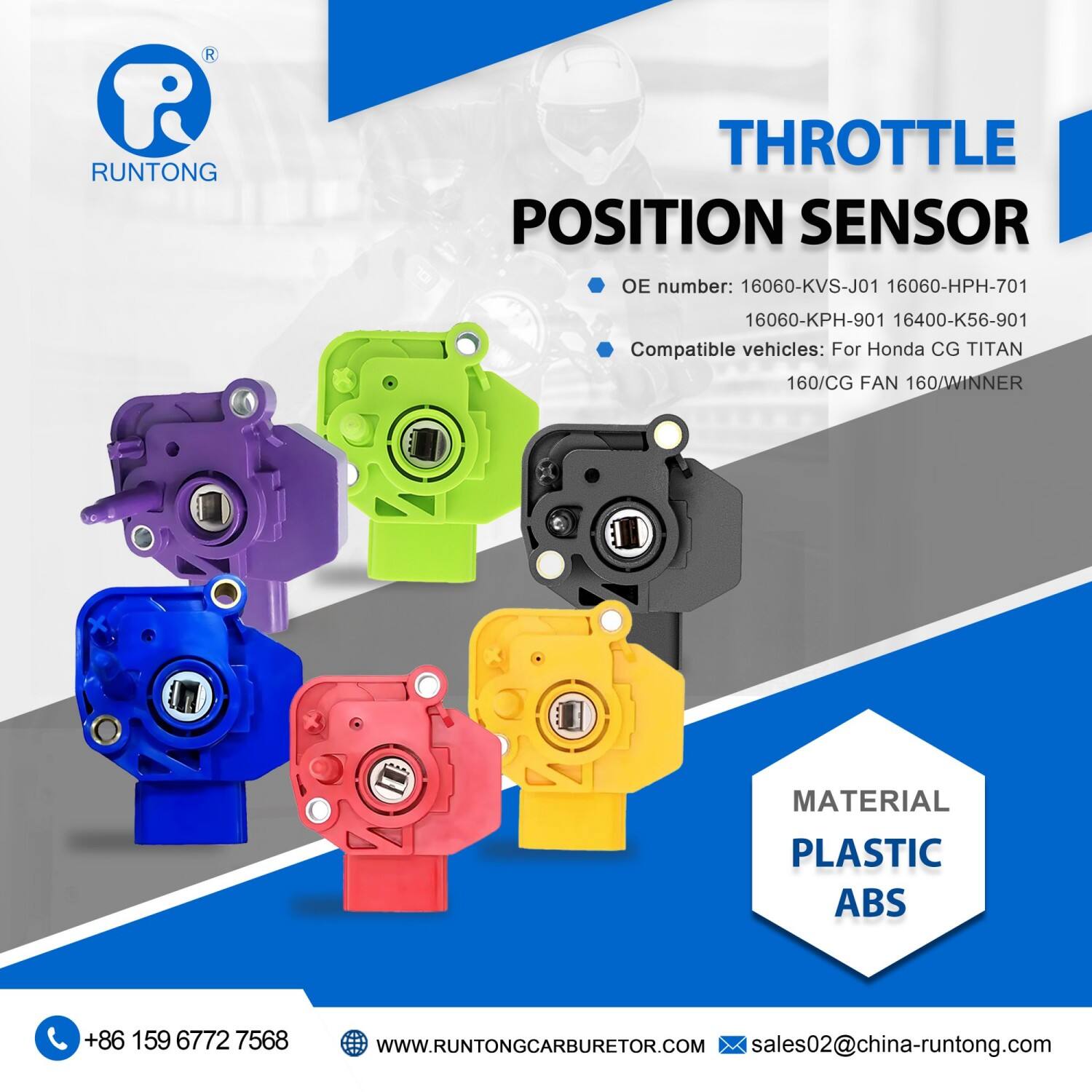
RS150 Motorcycle Tps Sensors In Different Colors Bring Different Visual Experiences

29

Jul

RS150 Motorcycle Tps Sensors In Different Colors Bring Different Visual Experiences

View More
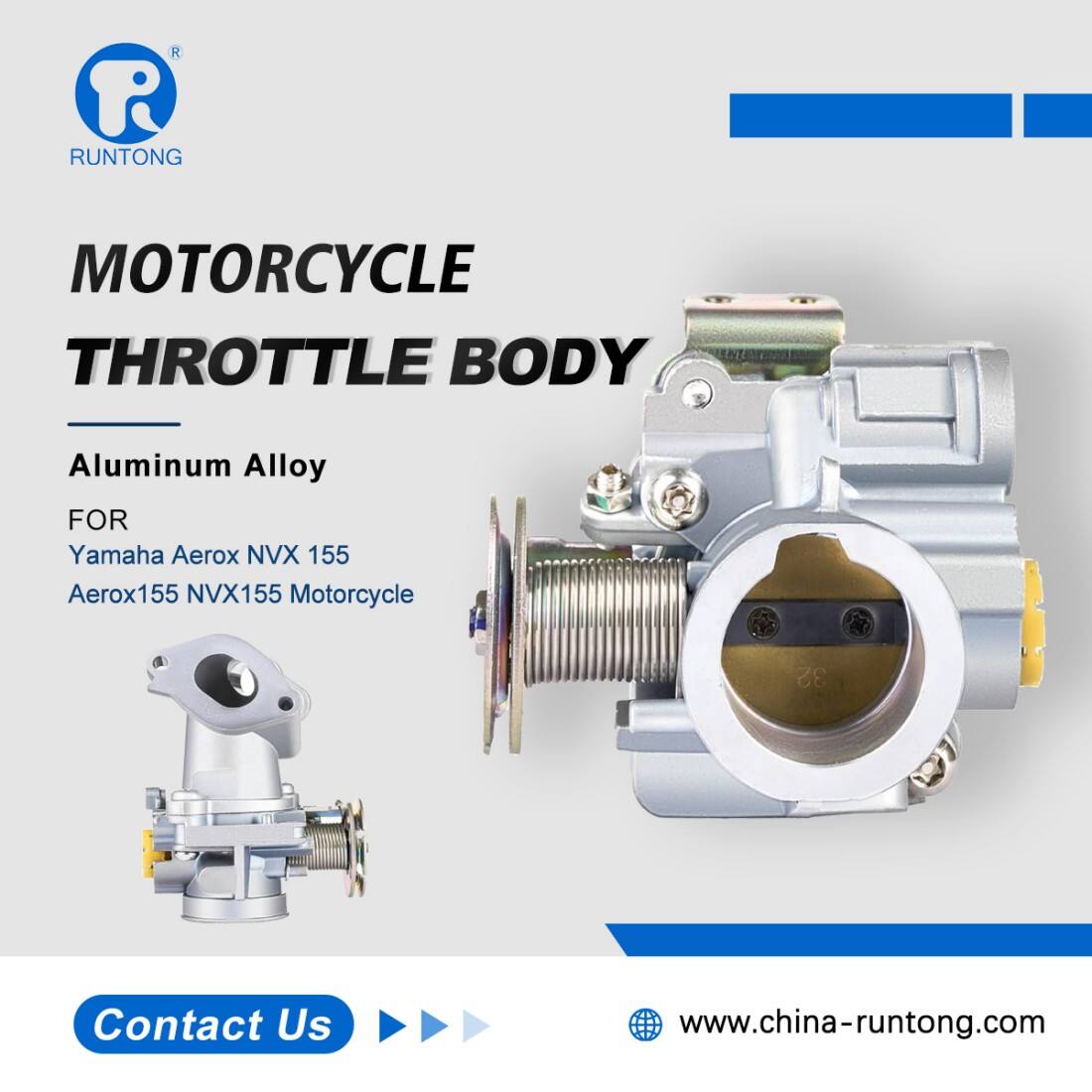
Aftermarket Yamaha Aerox155 Nvx155 Throttle Body Brings Better Driving Experience

29

Jul

Aftermarket Yamaha Aerox155 Nvx155 Throttle Body Brings Better Driving Experience

View More

Get a Free Quote

Our representative will contact you soon.
Email
Name
Company Name
Message
0/1000

faulty idle air control valve

Enhanced Diagnostic Capabilities

Enhanced Diagnostic Capabilities

A faulty idle air control valve provides exceptional diagnostic capabilities that serve as a valuable tool for both mechanics and vehicle owners. When the IACV begins to malfunction, it generates specific symptoms that act as clear indicators of engine management system issues. This diagnostic clarity enables precise problem identification, reducing the time and cost associated with troubleshooting engine problems. The valve's behavior patterns during malfunction can reveal important information about the overall health of the engine's electronic control systems. Additionally, modern diagnostic equipment can easily interface with the IACV system, providing detailed data about valve performance and helping to pinpoint exact areas requiring attention. This diagnostic advantage extends to preventive maintenance, allowing for early detection of potential issues before they develop into major problems.
Cost-Effective Maintenance Solution

Cost-Effective Maintenance Solution

The faulty idle air control valve represents a cost-effective maintenance solution in the realm of engine management systems. When problems arise with the IACV, the replacement or repair costs are typically lower compared to many other engine components. The accessibility of the valve's location in most vehicles reduces labor time and costs associated with repairs. Furthermore, addressing IACV issues early can prevent more expensive engine damage, making it an economical choice for preventive maintenance. The availability of both OEM and aftermarket replacement parts provides options for different budget constraints, while the relatively simple design of the valve means repairs can often be completed without specialized tools or equipment. This cost-effectiveness extends to long-term vehicle operation, as a properly functioning IACV contributes to better fuel efficiency and reduced wear on other engine components.
Performance Optimization Indicator

Performance Optimization Indicator

A faulty idle air control valve serves as an excellent indicator for overall engine performance optimization. When the IACV begins to show signs of wear or malfunction, it often highlights areas where engine performance can be improved. The valve's behavior provides valuable insights into the engine's air-fuel mixture management, idle quality, and overall combustion efficiency. This information enables mechanics and vehicle owners to make informed decisions about engine tuning and maintenance schedules. Additionally, addressing IACV issues typically results in noticeable improvements in engine smoothness, stability at idle, and overall drivability. The valve's role in maintaining proper air-fuel ratios makes it a crucial component for optimizing both performance and fuel economy, while its status can indicate the need for broader engine management system maintenance.

Get a Free Quote

Our representative will contact you soon.
Email
Name
Company Name
Message
0/1000