Idle Speed Sensor: Advanced Engine Management for Optimal Performance and Efficiency

All Categories

Get a Free Quote

Our representative will contact you soon.
Email
Name
Company Name
Message
0/1000

idle speed sensor

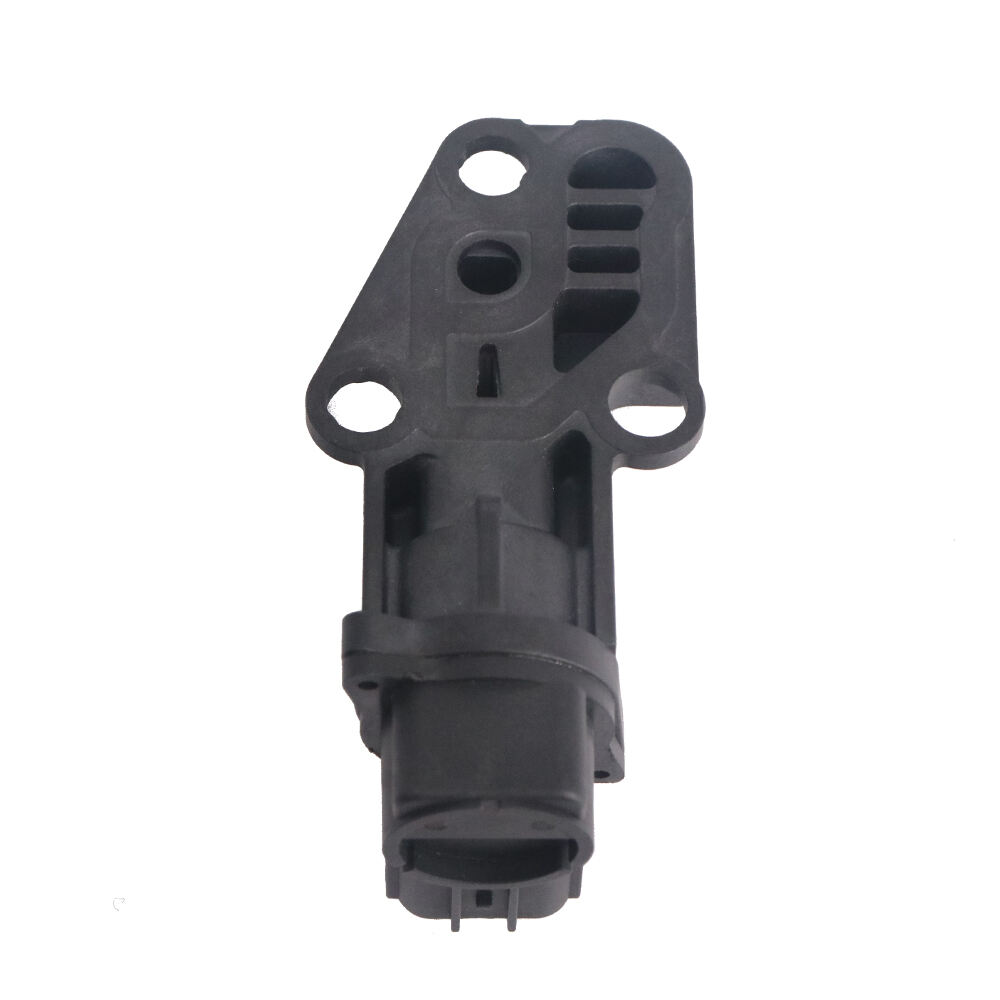
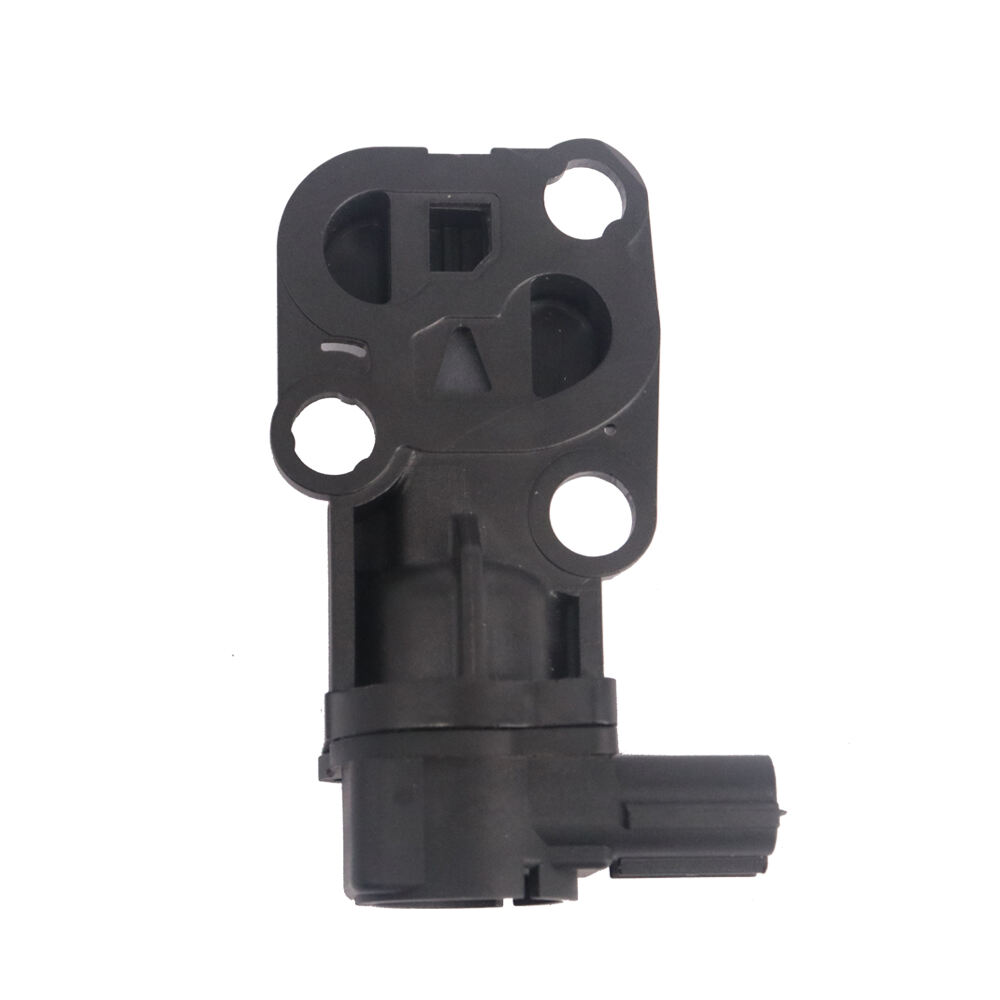
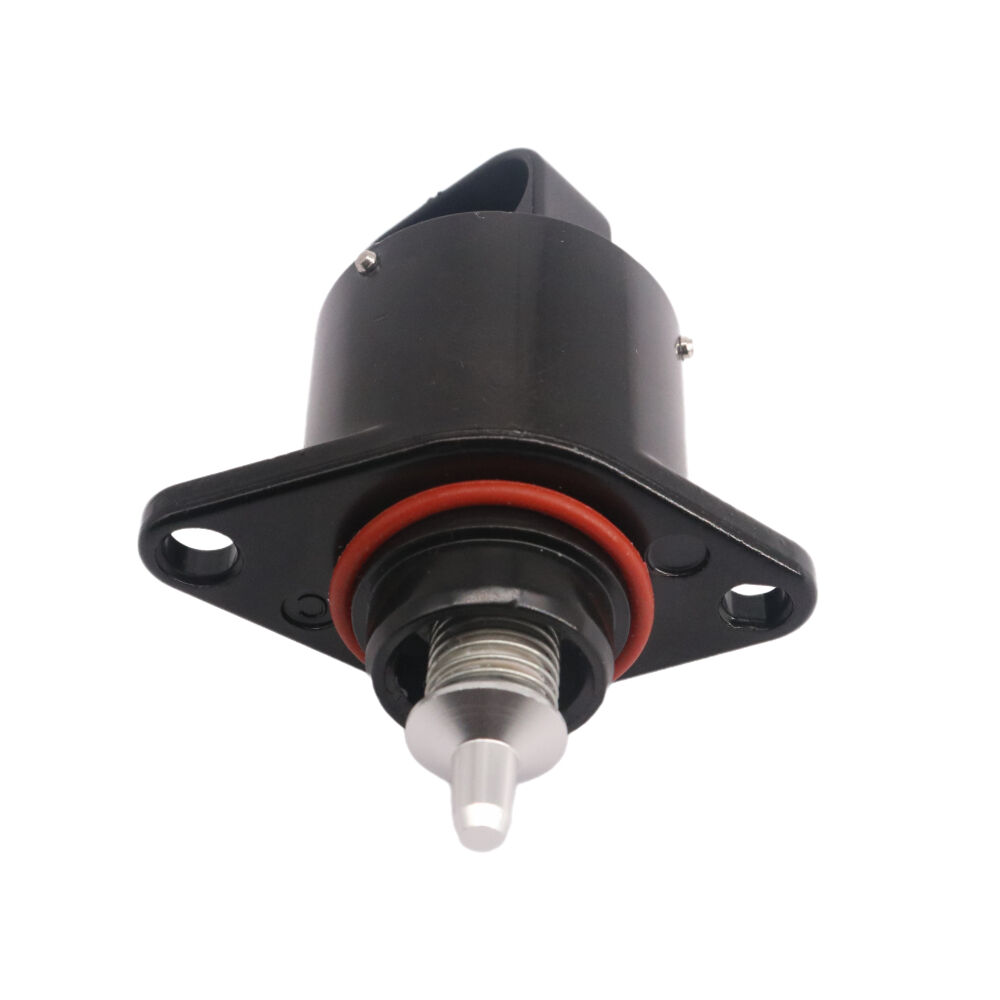
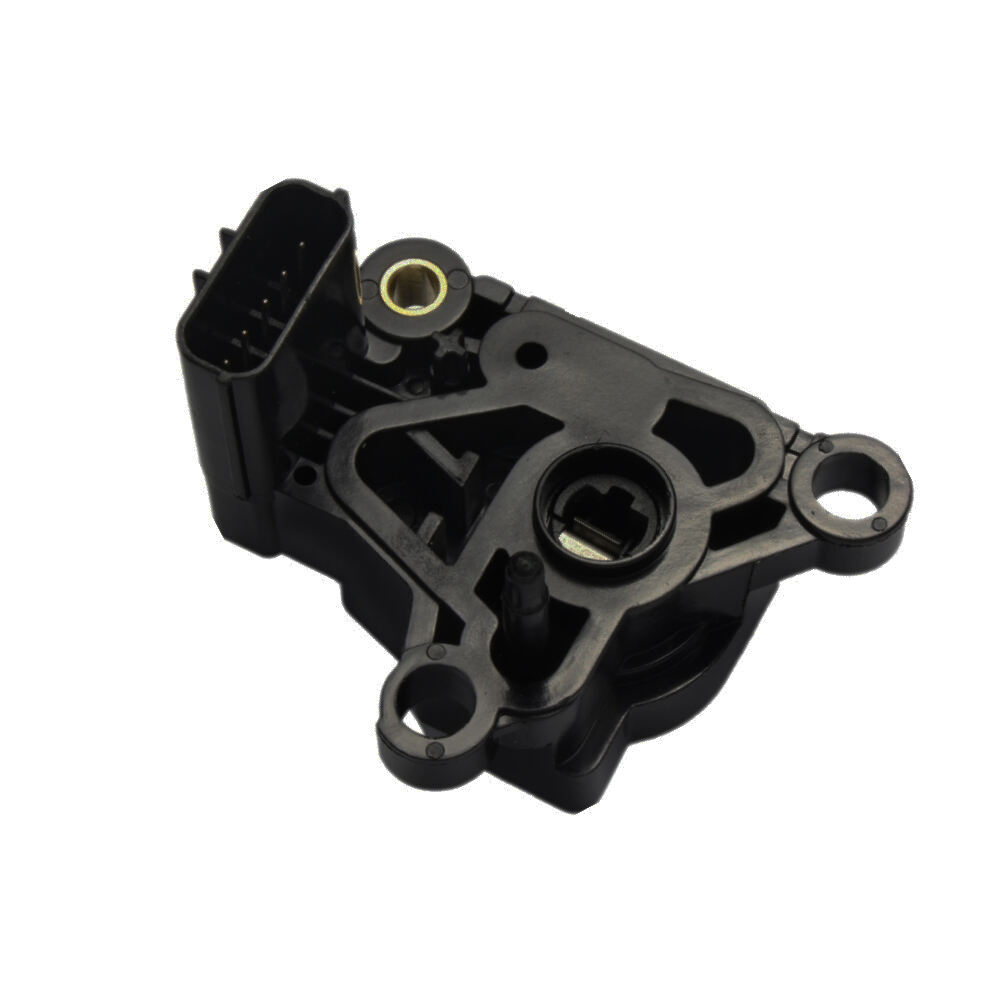
The idle speed sensor is a critical component in modern vehicle engine management systems, designed to monitor and regulate engine speed during idle conditions. This sophisticated device continuously measures the rotational speed of the engine's crankshaft when the vehicle is stationary and the engine is idling. By providing real-time data to the engine control unit (ECU), the sensor enables precise adjustments to maintain optimal idle speed, ensuring smooth engine operation and fuel efficiency. The sensor employs advanced magnetic or optical technology to detect crankshaft position and rotation speed, translating these movements into electrical signals that the ECU can interpret. This precise monitoring allows the engine management system to compensate for various factors that might affect idle performance, such as engine temperature, air conditioning load, and electrical system demands. The idle speed sensor's functionality is particularly crucial in maintaining stable engine operation during cold starts and when the engine is warming up, as well as ensuring consistent performance across different environmental conditions. Its integration with other engine management components helps achieve optimal fuel consumption, reduced emissions, and enhanced overall engine performance, making it an indispensable part of modern automotive technology.


New Product Recommendations

The idle speed sensor offers numerous practical benefits that significantly enhance vehicle performance and user experience. First and foremost, it provides exceptional engine stability during idle conditions, eliminating rough idling and potential stalling issues that can be both frustrating and potentially dangerous for drivers. This improved stability translates to better fuel economy, as the engine maintains optimal running conditions without unnecessary fuel consumption. The sensor's precise monitoring capabilities ensure that the engine responds quickly to changing conditions, such as when the air conditioning is turned on or off, maintaining consistent performance without noticeable fluctuations in engine speed. This responsiveness also contributes to reduced wear and tear on engine components, potentially extending engine life and reducing maintenance costs. From an environmental perspective, the idle speed sensor helps optimize engine operation, resulting in lower emissions and improved compliance with environmental regulations. The sensor's ability to maintain stable idle speeds also contributes to better overall vehicle drivability, particularly in stop-and-go traffic conditions. Additionally, the integration of the idle speed sensor with modern engine management systems enables advanced diagnostic capabilities, making it easier to identify and resolve potential engine issues before they become serious problems. The sensor's reliability and durability ensure consistent performance throughout the vehicle's lifetime, providing peace of mind for owners and reducing the likelihood of unexpected maintenance issues.

Practical Tips

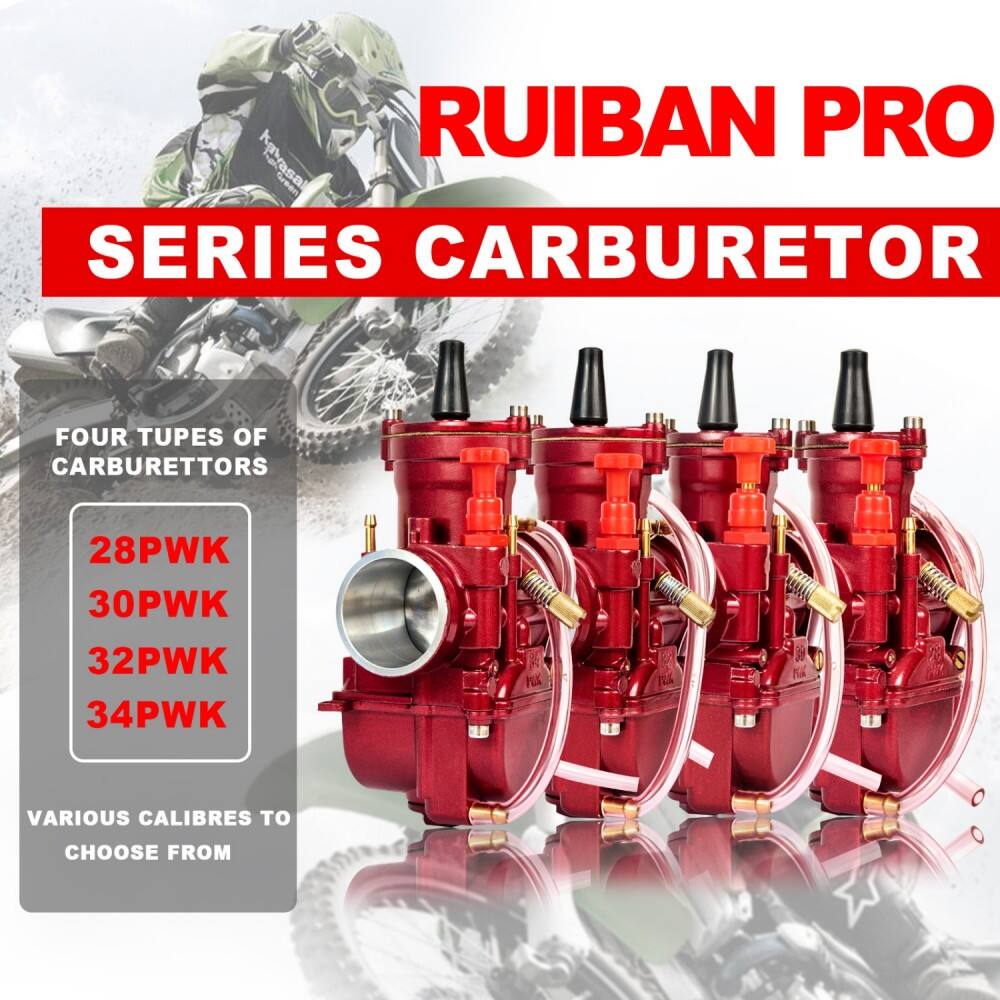
What Is The Difference Between The Different Sized PWK Carburetors?

29

Jul

What Is The Difference Between The Different Sized PWK Carburetors?

View More
RS150 Motorcycle Tps Sensors In Different Colors Bring Different Visual Experiences

29

Jul

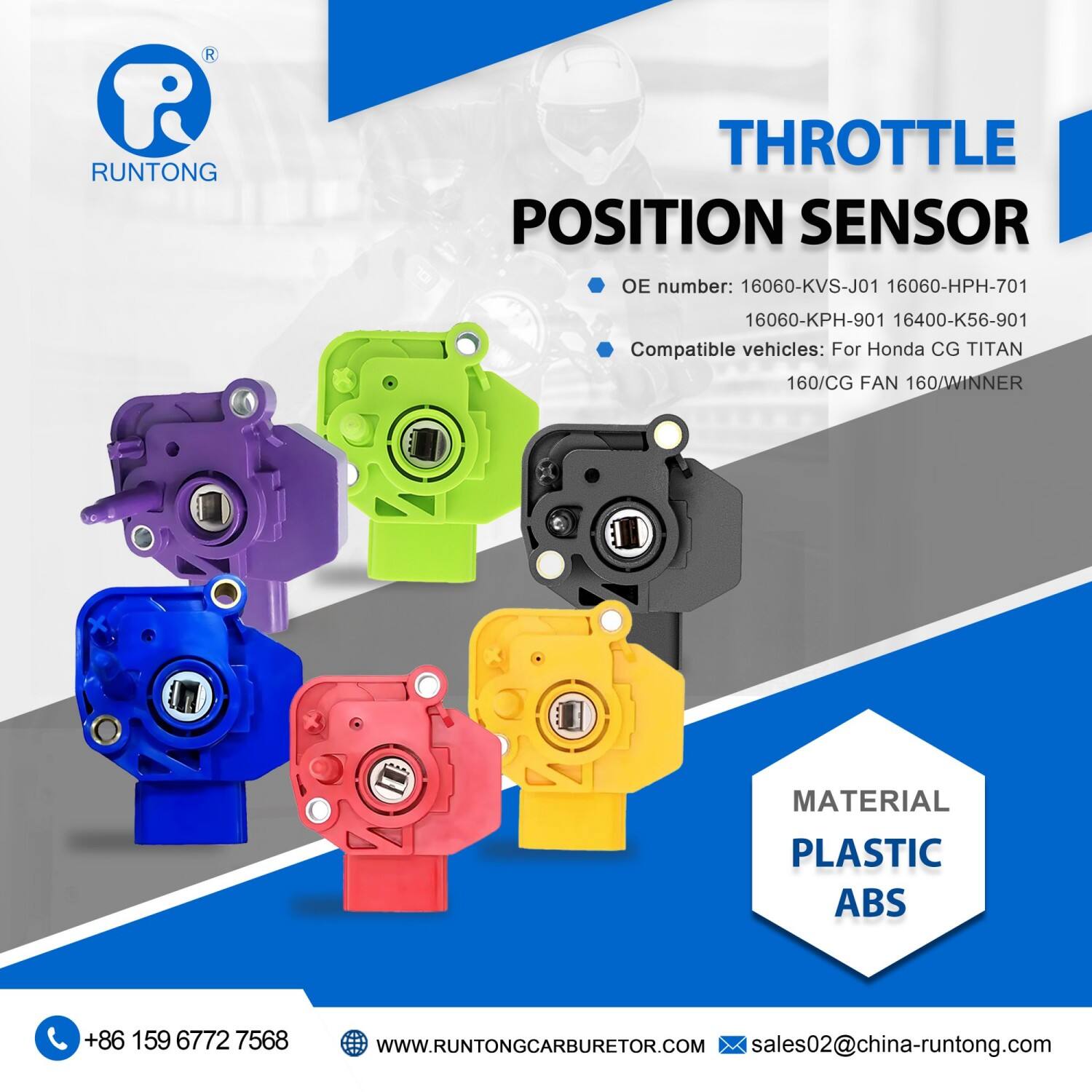
RS150 Motorcycle Tps Sensors In Different Colors Bring Different Visual Experiences

View More
Aftermarket Yamaha Aerox155 Nvx155 Throttle Body Brings Better Driving Experience

29

Jul

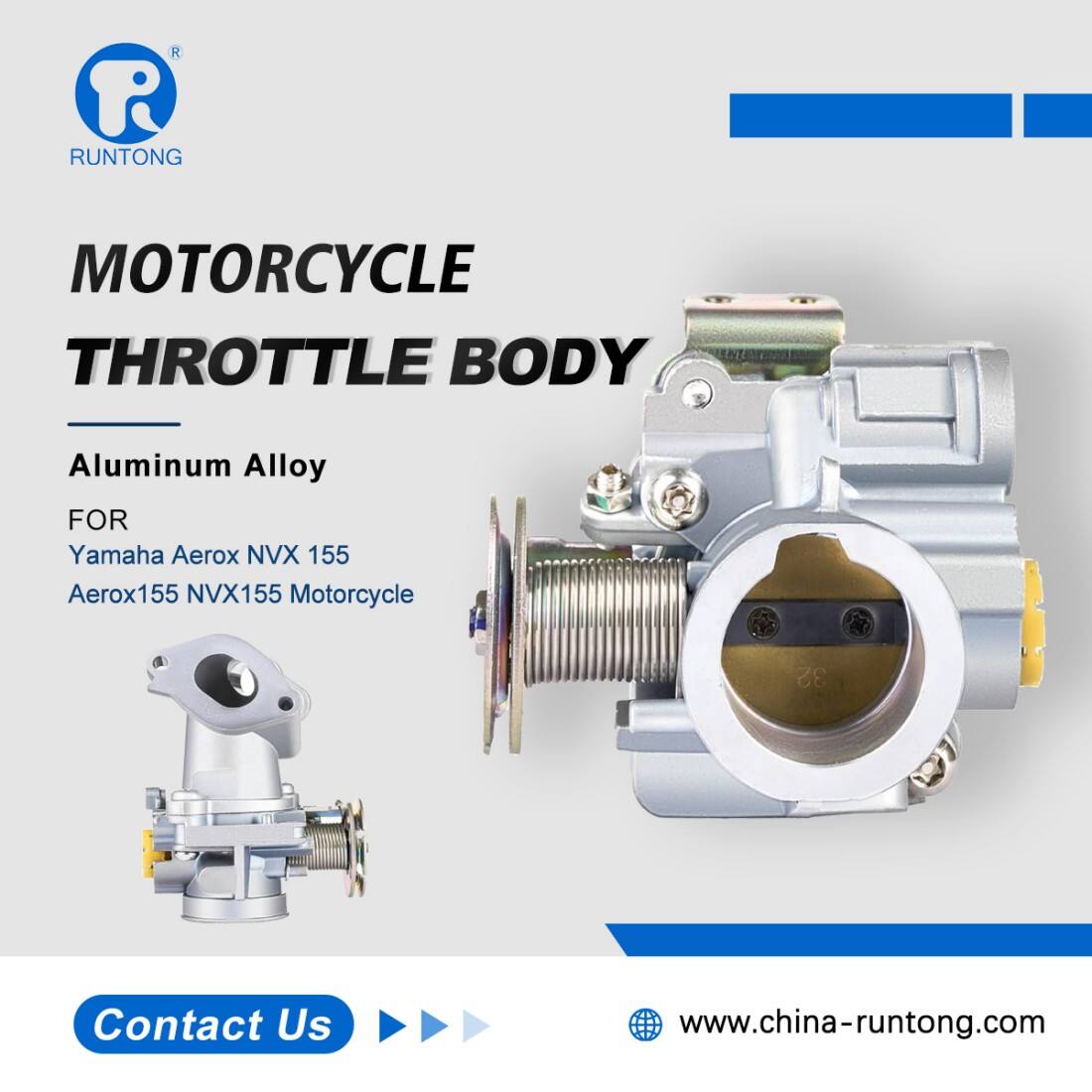
Aftermarket Yamaha Aerox155 Nvx155 Throttle Body Brings Better Driving Experience

View More

Get a Free Quote

Our representative will contact you soon.
Email
Name
Company Name
Message
0/1000

idle speed sensor

Precise Engine Control and Stability

Precise Engine Control and Stability

The idle speed sensor's advanced monitoring capabilities provide unprecedented control over engine operation during idle conditions. Through continuous measurement of crankshaft rotation and position, the sensor enables the engine control unit to make instantaneous adjustments to maintain optimal idle speed. This precise control ensures smooth engine operation across various operating conditions, from cold starts to full operating temperature. The sensor's ability to detect minute variations in engine speed allows for immediate compensation when additional loads are placed on the engine, such as air conditioning or electrical systems. This level of control not only enhances driver comfort by eliminating rough idling but also contributes to improved engine longevity by maintaining consistent operating conditions.
Enhanced Fuel Efficiency and Environmental Performance

Enhanced Fuel Efficiency and Environmental Performance

One of the most significant benefits of the idle speed sensor is its contribution to improved fuel efficiency and reduced environmental impact. By maintaining optimal idle speeds and preventing unnecessary fluctuations, the sensor helps minimize fuel consumption during idle periods, which can account for a significant portion of urban driving. The precise control enabled by the sensor ensures that the engine receives exactly the amount of fuel needed for stable operation, eliminating waste and reducing emissions. This optimization of fuel delivery not only saves money for vehicle owners but also helps meet increasingly stringent environmental regulations by reducing carbon emissions and other pollutants.
Advanced Diagnostic Capabilities and Reliability

Advanced Diagnostic Capabilities and Reliability

The integration of the idle speed sensor with modern engine management systems provides comprehensive diagnostic capabilities that enhance vehicle maintenance and reliability. The sensor's continuous monitoring allows for early detection of potential engine issues, enabling proactive maintenance before problems escalate. This diagnostic capability helps reduce maintenance costs and prevents unexpected breakdowns. The sensor's robust design and construction ensure reliable operation in various environmental conditions, from extreme temperatures to high humidity. Furthermore, the sensor's self-diagnostic features allow for quick troubleshooting and verification of proper operation, minimizing diagnostic time and ensuring accurate maintenance procedures.

Get a Free Quote

Our representative will contact you soon.
Email
Name
Company Name
Message
0/1000