Advanced Idle Speed Control System: Intelligent Engine Management for Enhanced Performance and Efficiency

All Categories

Get a Free Quote

Our representative will contact you soon.
Email
Name
Company Name
Message
0/1000

idle speed control system

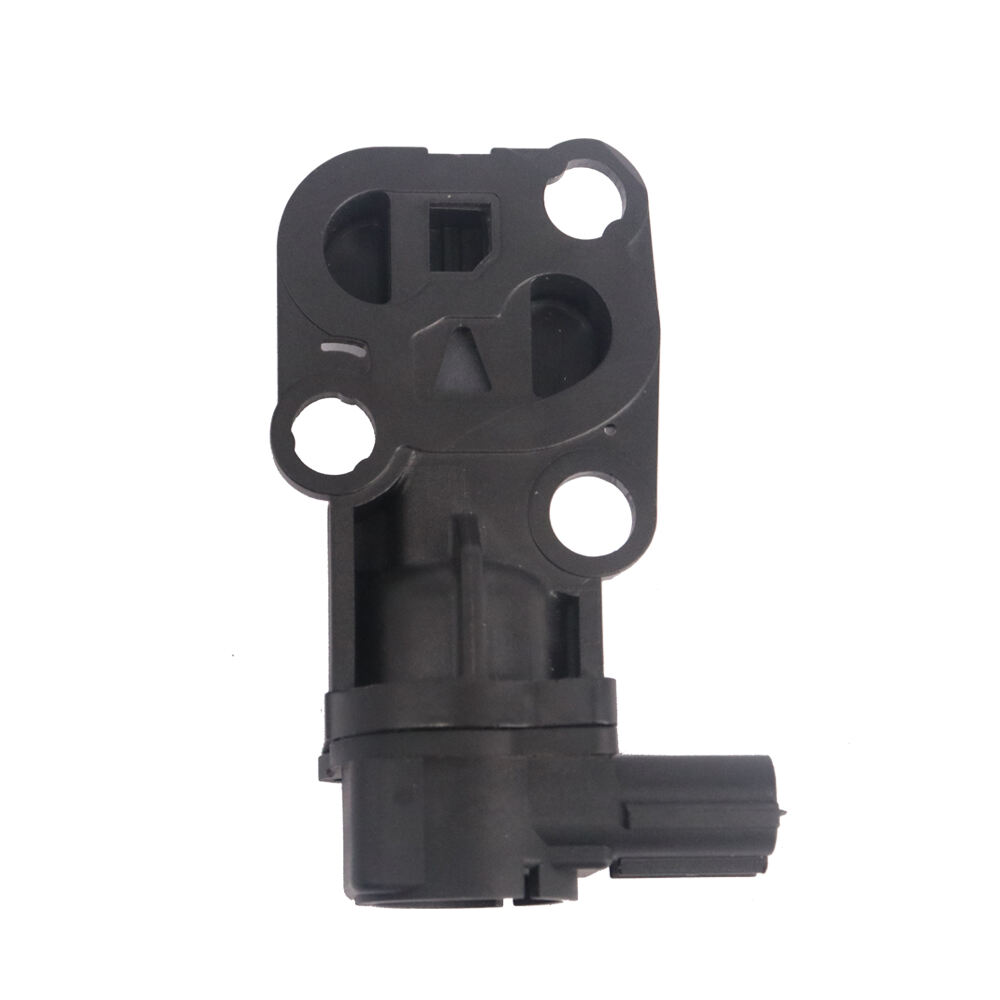
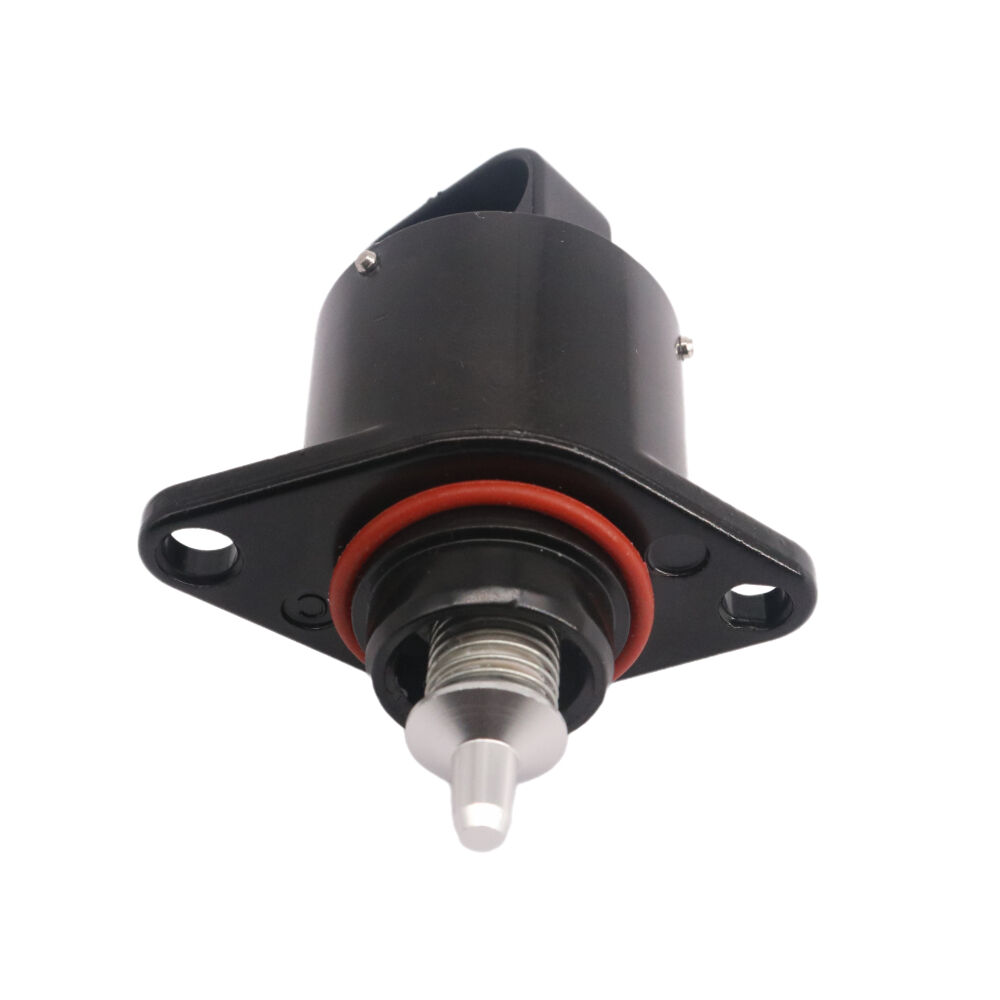
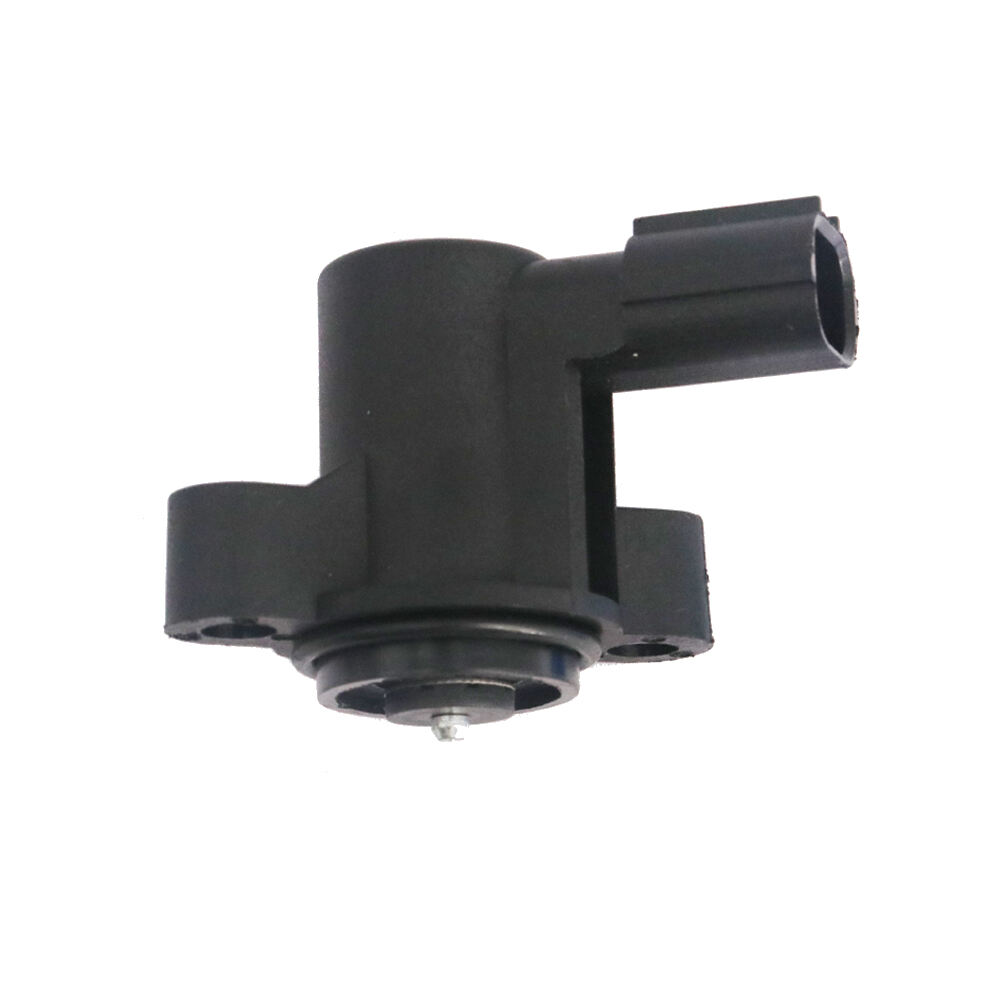
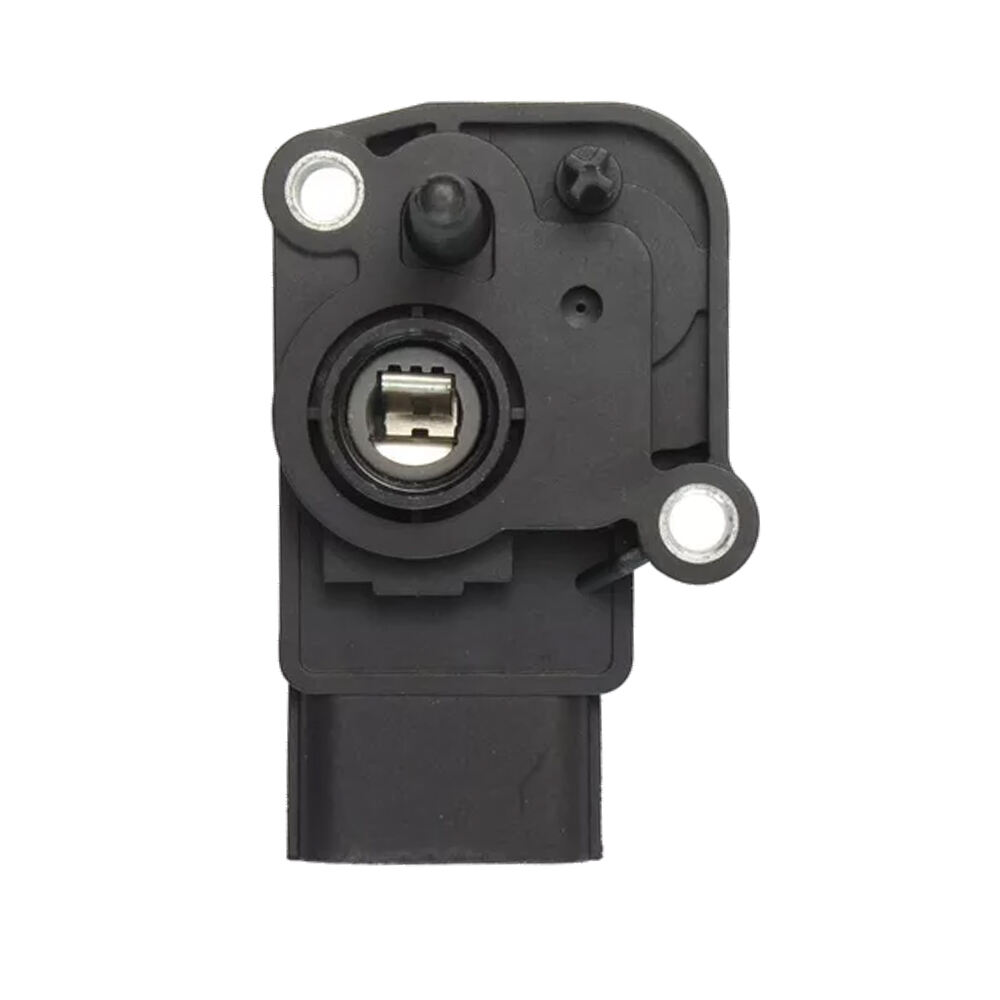
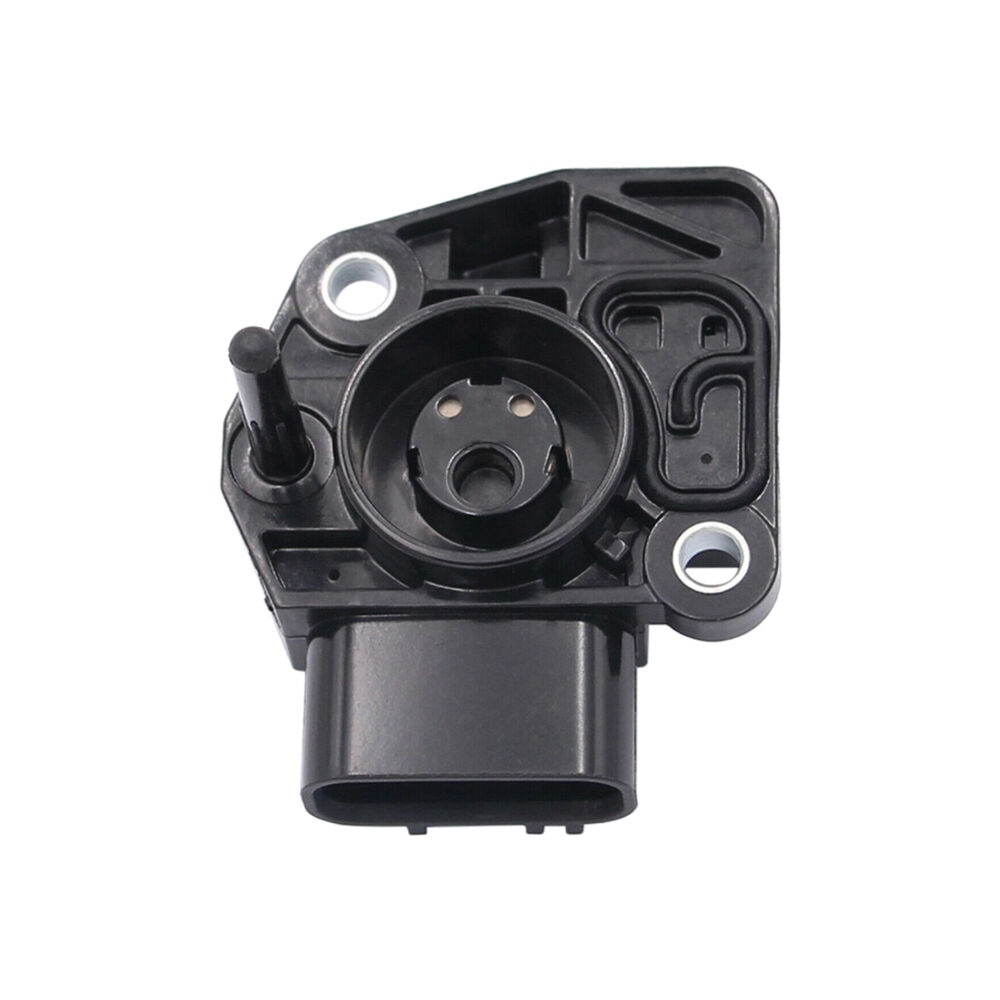
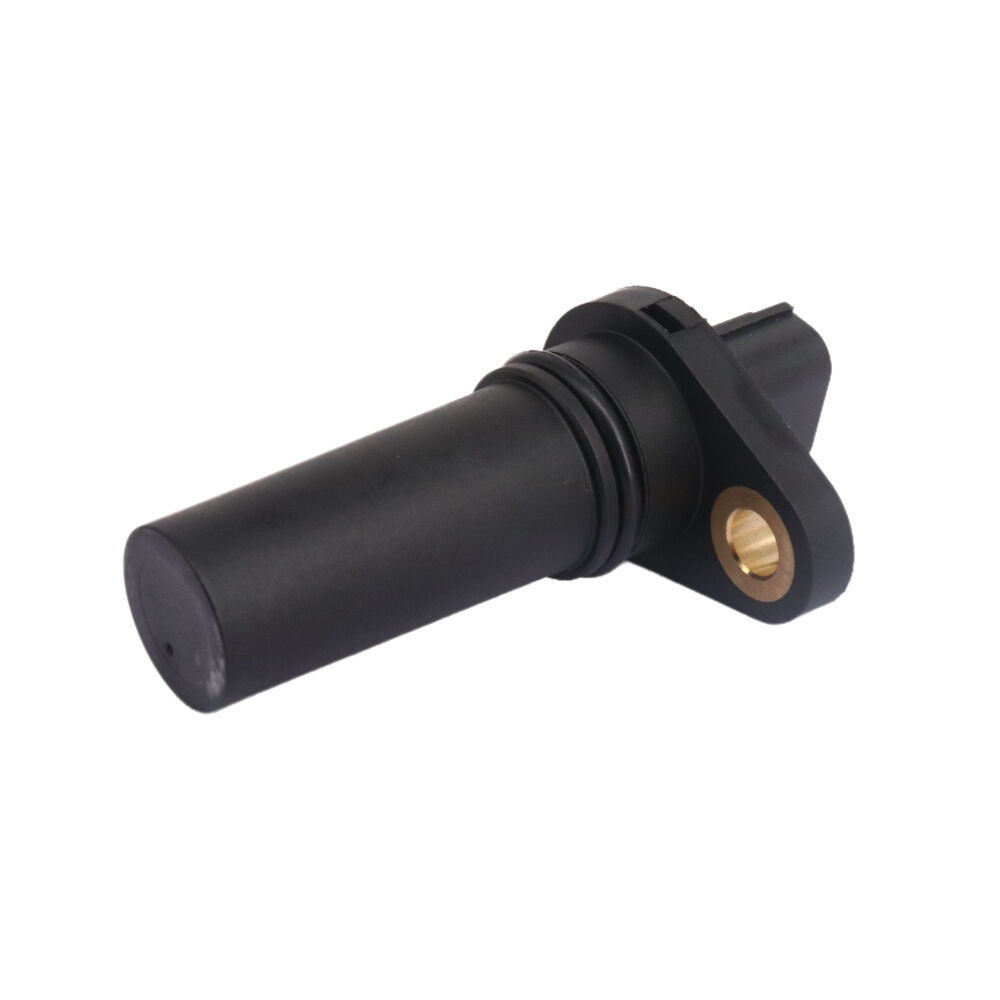
The idle speed control system is an essential component of modern vehicle engine management that automatically regulates engine speed during idle conditions. This sophisticated system maintains a consistent engine speed when the vehicle is stationary, ensuring optimal performance and efficiency. It works by precisely controlling the air-fuel mixture and ignition timing through a computerized control unit that monitors various engine parameters. The system continuously adjusts the throttle position or fuel injection rate to compensate for varying engine loads, such as air conditioning, power steering, or electrical systems. Using advanced sensors and actuators, it responds to changes in engine temperature, battery voltage, and transmission status to maintain the predetermined idle speed. This technology is particularly crucial in modern vehicles where consistent idle speed is essential for reducing emissions, improving fuel economy, and ensuring smooth engine operation. The system also helps prevent engine stalling during cold starts and sudden load changes, contributing to better drivability and passenger comfort. In hybrid vehicles, the idle speed control system plays an additional role in managing the transition between electric and combustion power sources, ensuring seamless operation.


Popular Products

The idle speed control system offers numerous practical benefits that enhance both vehicle performance and user experience. First and foremost, it significantly improves fuel efficiency by maintaining optimal engine speed during idle conditions, preventing unnecessary fuel consumption. This translates to direct cost savings for drivers through reduced fuel expenses. The system also extends engine life by preventing irregular idle speeds that can cause excessive wear and tear on engine components. For everyday drivers, the system provides noticeably smoother operation, especially during cold starts and when stopping at traffic lights. It eliminates the need for manual throttle adjustments, making the driving experience more comfortable and less demanding. The system's ability to automatically compensate for various engine loads means drivers don't have to worry about stalling when using power-hungry accessories like air conditioning or power steering. Environmental benefits are substantial, as stable idle speeds result in lower emissions and better compliance with environmental regulations. The system's adaptive capabilities mean it can maintain optimal performance across different weather conditions and altitudes, ensuring consistent operation year-round. For modern vehicles with start-stop technology, the idle speed control system enables seamless engine restarts, contributing to improved urban fuel economy. The technology also enhances safety by ensuring the engine remains running reliably at stops, particularly important in emergency situations or heavy traffic.

Practical Tips

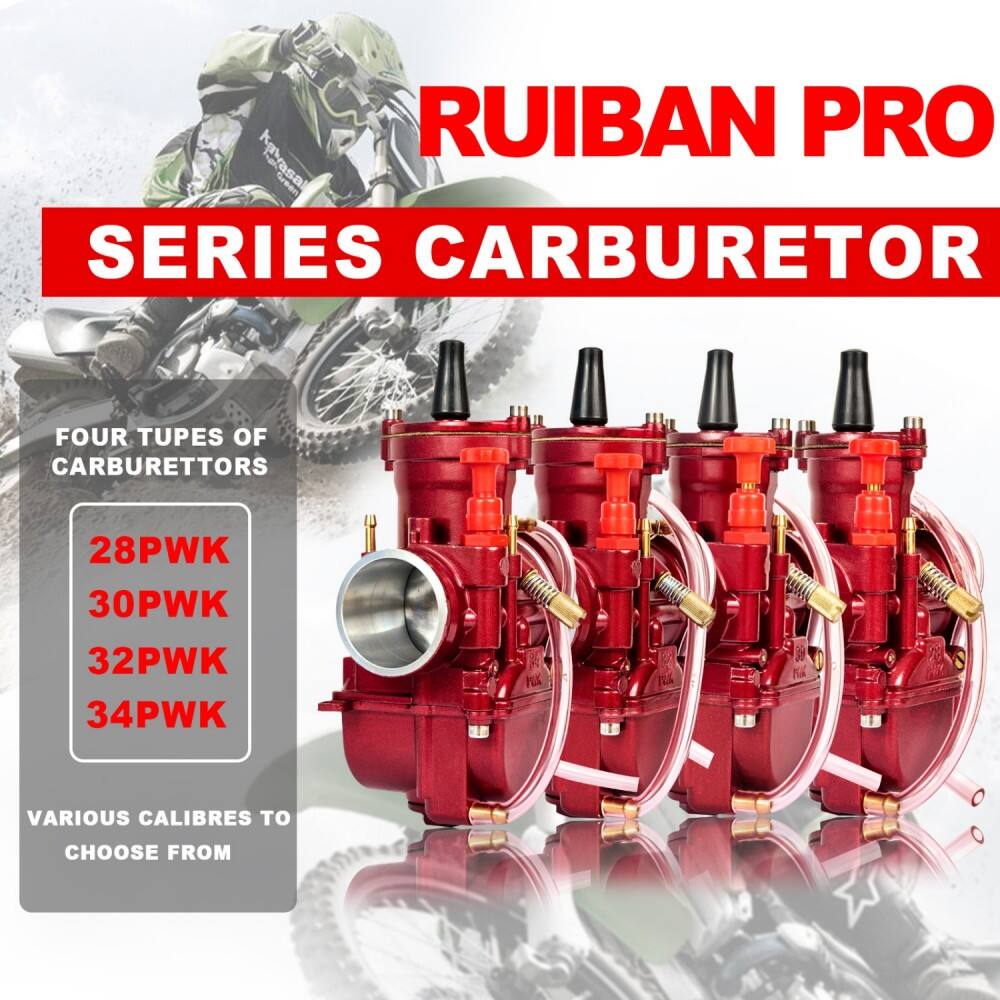
What Is The Difference Between The Different Sized PWK Carburetors?

29

Jul

What Is The Difference Between The Different Sized PWK Carburetors?

View More
RS150 Motorcycle Tps Sensors In Different Colors Bring Different Visual Experiences

29

Jul

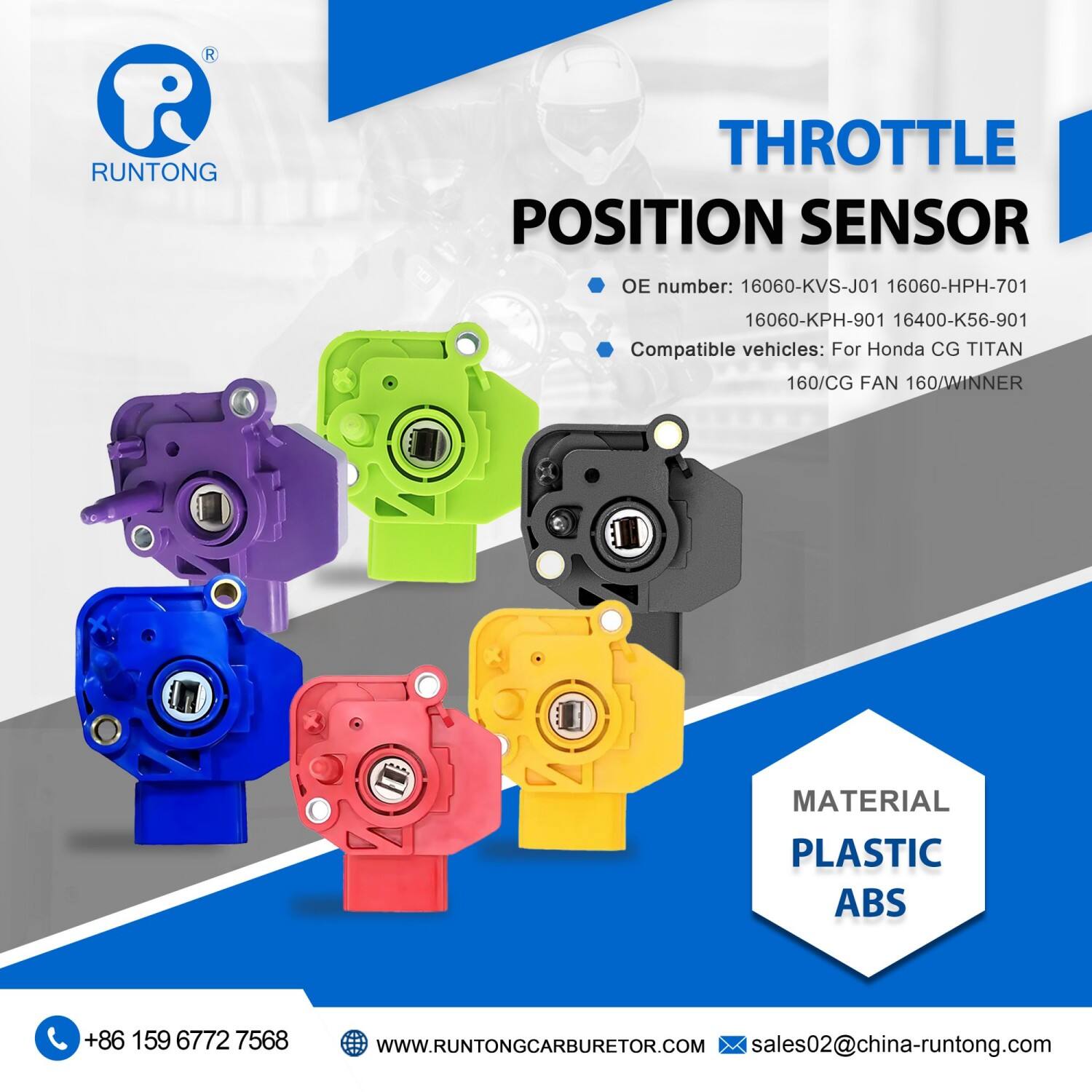
RS150 Motorcycle Tps Sensors In Different Colors Bring Different Visual Experiences

View More
Aftermarket Yamaha Aerox155 Nvx155 Throttle Body Brings Better Driving Experience

29

Jul

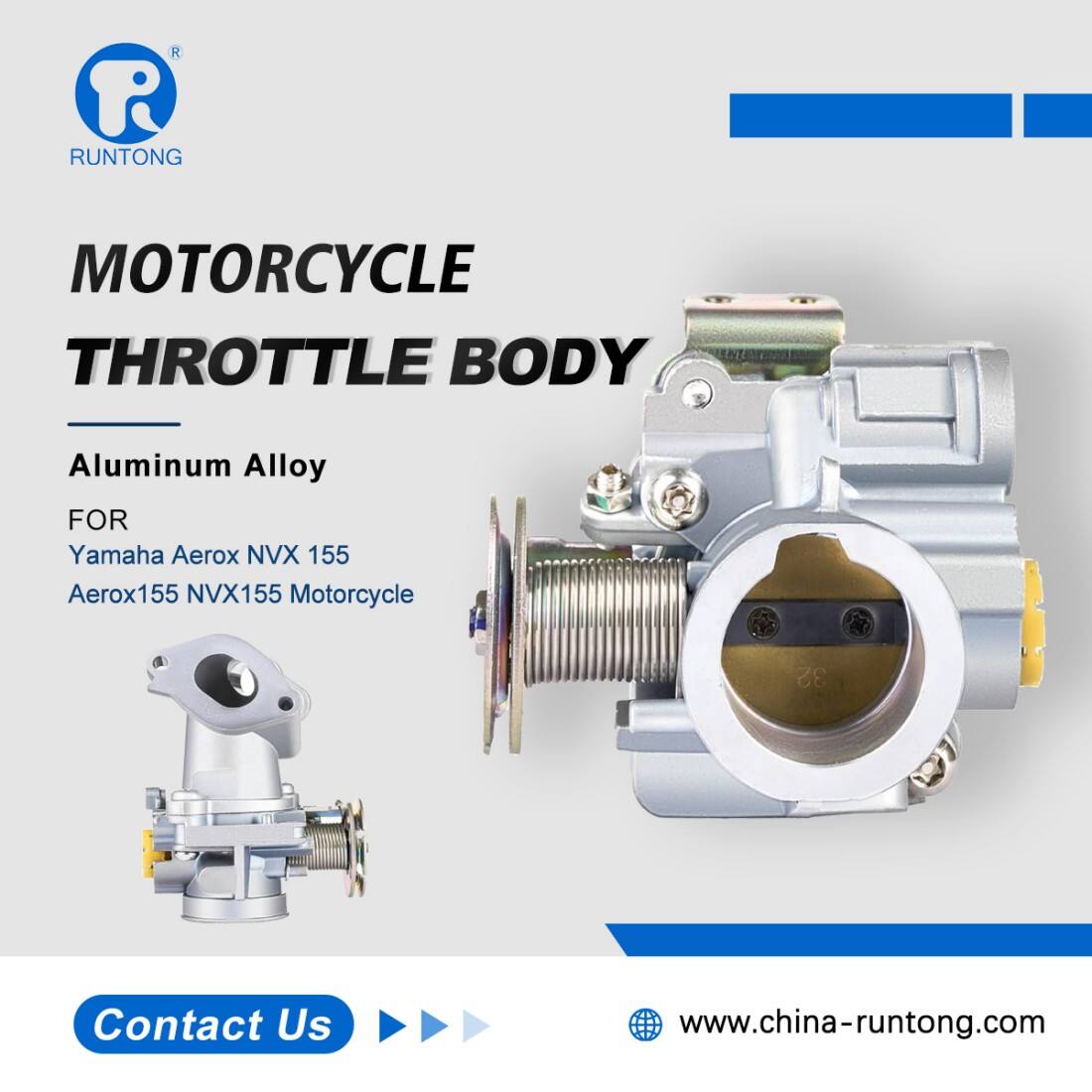
Aftermarket Yamaha Aerox155 Nvx155 Throttle Body Brings Better Driving Experience

View More

Get a Free Quote

Our representative will contact you soon.
Email
Name
Company Name
Message
0/1000

idle speed control system

Advanced Electronic Integration

Advanced Electronic Integration

The idle speed control system showcases cutting-edge electronic integration that sets new standards in engine management technology. At its core, the system utilizes sophisticated microprocessors that process data from multiple sensors thousands of times per second, enabling real-time adjustments to maintain optimal engine performance. This intelligent system learns and adapts to individual driving patterns and engine wear over time, ensuring consistent performance throughout the vehicle's lifetime. The integration extends to other vehicle systems, creating a harmonious operation that maximizes efficiency and minimizes environmental impact. The electronic control unit communicates seamlessly with the engine management system, transmission control, and climate control systems, ensuring all vehicle systems work together optimally.
Precision Performance Control

Precision Performance Control

The system's precision performance control capabilities represent a significant advancement in engine management technology. Through millisecond-precise adjustments of air flow and fuel delivery, the system maintains exact engine speeds with minimal variation. This level of control is achieved through high-precision actuators and advanced algorithms that predict and respond to changing conditions before they affect engine performance. The system's ability to maintain steady idle speeds under varying loads demonstrates its sophisticated control capabilities, ensuring smooth operation whether the vehicle is on a steep hill or in stop-and-go traffic. This precise control extends to cold-start situations, where the system automatically adjusts for optimal performance while minimizing emissions during the critical warm-up period.
Adaptive Learning Technology

Adaptive Learning Technology

The adaptive learning technology embedded in the idle speed control system represents a breakthrough in automotive engineering. This feature enables the system to continuously learn from driving conditions and adjust its parameters accordingly. The system builds a comprehensive profile of engine behavior under different conditions, including temperature variations, altitude changes, and various load scenarios. This learning capability ensures optimal performance throughout the vehicle's life cycle, automatically compensating for engine wear and changing environmental conditions. The adaptive technology also helps maintain consistent performance as the engine ages, reducing the need for manual adjustments and maintaining efficiency over time. This self-learning capability makes the system particularly valuable in modern vehicles, where consistent performance and efficiency are crucial for meeting emissions standards and fuel economy targets.

Get a Free Quote

Our representative will contact you soon.
Email
Name
Company Name
Message
0/1000