High-Performance Magnetic Speed Sensors: Precise, Durable, and Versatile Motion Measurement Solutions

All Categories

Get a Free Quote

Our representative will contact you soon.
Email
Name
Company Name
Message
0/1000

magnetic speed sensor

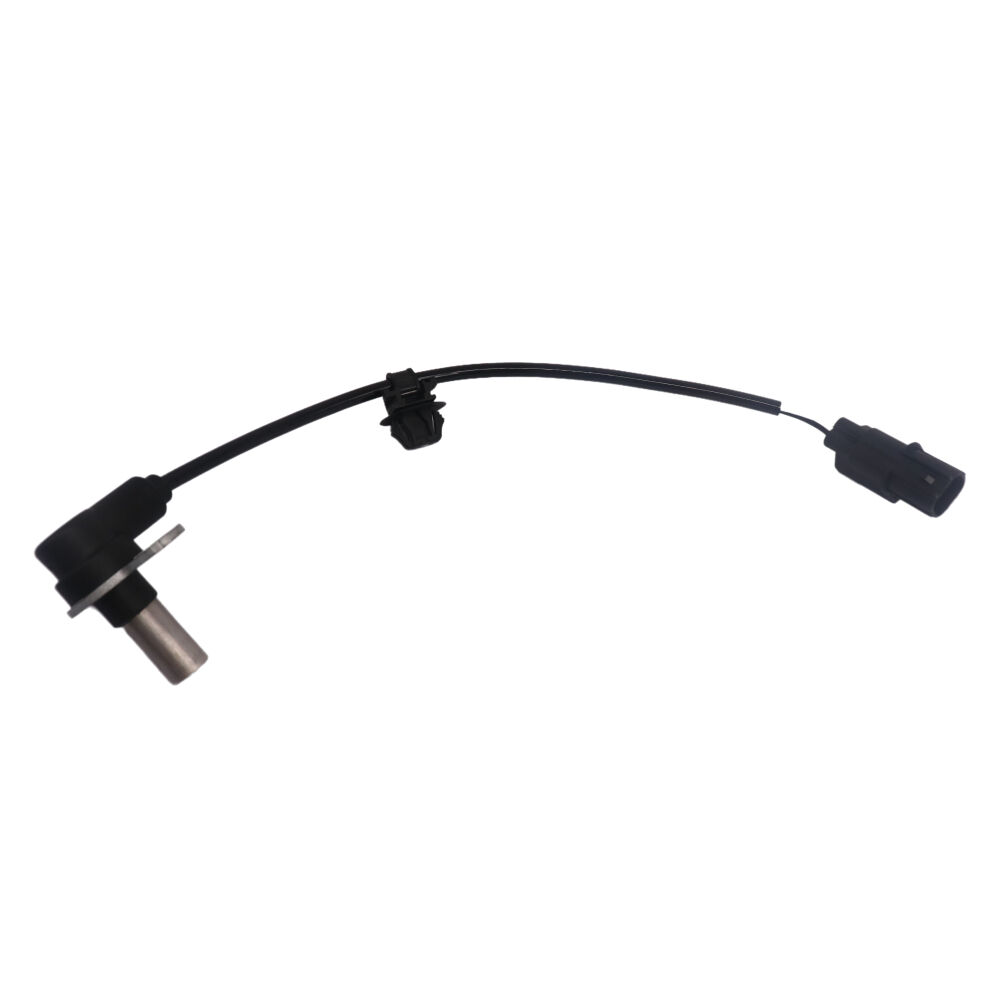
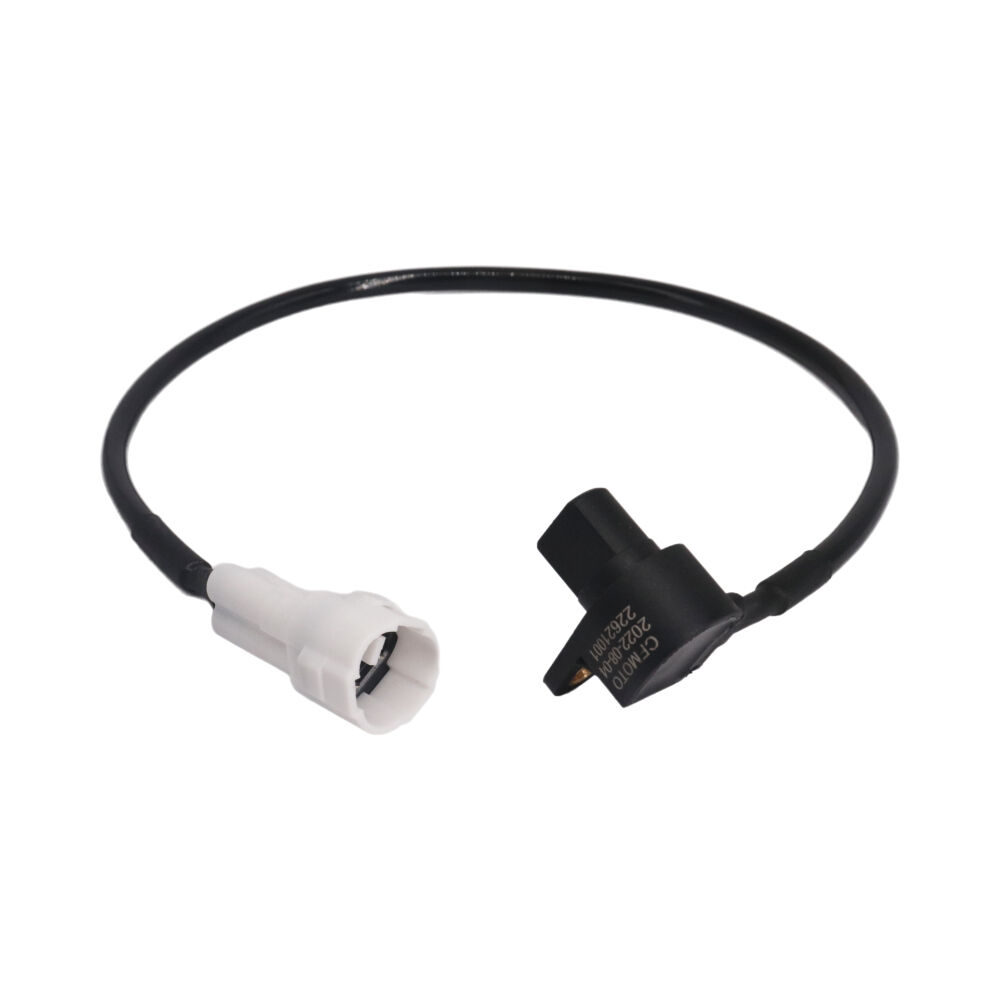
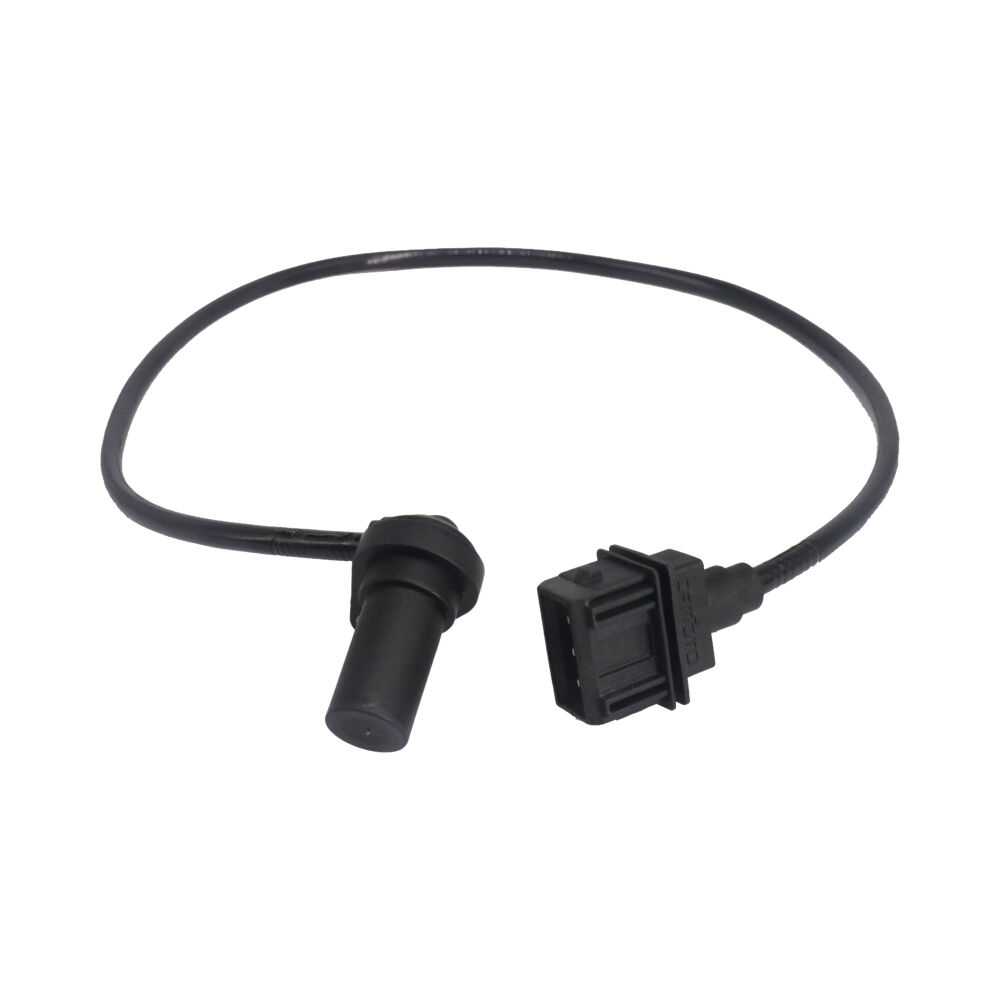
A magnetic speed sensor is a sophisticated device that utilizes magnetic field principles to accurately measure rotational speed and position in various mechanical systems. This innovative sensor consists of a permanent magnet and sensing elements that detect changes in magnetic flux as a rotating component with ferromagnetic properties passes by. The sensor generates electrical signals proportional to the speed of rotation, providing precise measurements for speed control and monitoring applications. The technology employs either Hall effect or variable reluctance principles, allowing for non-contact measurement that eliminates mechanical wear and ensures long-term reliability. These sensors are designed to operate effectively in harsh environments, maintaining accuracy despite exposure to dust, debris, and extreme temperatures. They can detect speeds ranging from very low to extremely high RPMs, making them versatile for various industrial applications. The sensor's ability to provide real-time speed data makes it invaluable in automotive systems, industrial machinery, conveyor systems, and robotics. Modern magnetic speed sensors often incorporate advanced signal processing capabilities, enabling them to filter noise and provide clean, accurate output signals for precise speed control and monitoring systems.


New Products

Magnetic speed sensors offer numerous compelling advantages that make them the preferred choice for speed measurement applications. Their non-contact operation eliminates mechanical wear and tear, significantly extending the sensor's operational lifespan and reducing maintenance requirements. This contactless measurement principle also ensures consistent accuracy over time, as there are no physical components that could degrade from repeated use. The sensors demonstrate exceptional durability in challenging environments, maintaining reliable performance despite exposure to dirt, oil, water, and extreme temperatures. Their robust construction makes them ideal for industrial applications where reliability is paramount. Another significant advantage is their high immunity to electromagnetic interference, ensuring accurate readings even in electrically noisy environments. The sensors provide excellent response times, enabling real-time speed monitoring and control. They offer flexible installation options, requiring minimal space and allowing for easy integration into existing systems. The output signals from magnetic speed sensors are highly compatible with modern control systems, requiring minimal signal conditioning. Their low power consumption makes them energy-efficient, while their simple design architecture contributes to cost-effectiveness. The sensors' ability to operate across a wide speed range, from near-zero to extremely high speeds, provides versatility for various applications. Additionally, they maintain accuracy regardless of the rotation direction, making them suitable for bi-directional speed measurement applications.

Tips And Tricks

What Is The Difference Between The Different Sized PWK Carburetors?

29

Jul

What Is The Difference Between The Different Sized PWK Carburetors?

View More
RS150 Motorcycle Tps Sensors In Different Colors Bring Different Visual Experiences

29

Jul

RS150 Motorcycle Tps Sensors In Different Colors Bring Different Visual Experiences

View More
Aftermarket Yamaha Aerox155 Nvx155 Throttle Body Brings Better Driving Experience

29

Jul

Aftermarket Yamaha Aerox155 Nvx155 Throttle Body Brings Better Driving Experience

View More

Get a Free Quote

Our representative will contact you soon.
Email
Name
Company Name
Message
0/1000

magnetic speed sensor

Superior Environmental Resistance

Superior Environmental Resistance

Magnetic speed sensors excel in their ability to perform reliably in challenging environmental conditions, setting them apart from other speed measurement technologies. These sensors are engineered with robust encapsulation that provides excellent protection against moisture, dust, and chemical exposure. The sealed construction prevents contaminants from affecting the sensing elements, ensuring consistent performance in wet or dusty environments. Their operating temperature range typically spans from -40°C to +150°C, making them suitable for both extremely cold and hot applications. The sensors maintain their accuracy and reliability even when subjected to high levels of vibration and shock, common in industrial and automotive applications. This environmental resilience eliminates the need for additional protective measures, reducing installation complexity and maintenance requirements.
Precision Measurement Capabilities

Precision Measurement Capabilities

The advanced sensing technology employed in magnetic speed sensors delivers exceptional measurement accuracy and resolution. These sensors can detect minute changes in rotational speed, providing high-resolution data for precise control applications. The sensing elements are optimized to minimize temperature drift, ensuring consistent measurements across their operating temperature range. Advanced signal processing algorithms filter out noise and interference, resulting in clean output signals that accurately represent the measured speed. The sensors can detect speeds from near-zero to tens of thousands of RPM, maintaining accuracy throughout their entire measurement range. This wide dynamic range makes them suitable for applications requiring both low-speed precision and high-speed capability.
Versatile Integration Options

Versatile Integration Options

Magnetic speed sensors offer remarkable flexibility in terms of installation and system integration. Their compact design allows for installation in space-constrained applications, while their non-contact operation provides freedom in mounting arrangements. The sensors can be easily integrated with various control systems thanks to their standardized output signals, typically available in both analog and digital formats. They require minimal supporting electronics, reducing system complexity and installation costs. The sensors can be configured for different target geometries and materials, accommodating various application requirements. Their low power consumption makes them suitable for battery-powered applications, while their simple wiring requirements facilitate easy installation and maintenance.

Get a Free Quote

Our representative will contact you soon.
Email
Name
Company Name
Message
0/1000