Understanding Faulty Wheel Speed Sensors: Advanced Vehicle Safety Technology Guide

All Categories

Get a Free Quote

Our representative will contact you soon.
Email
Name
Company Name
Message
0/1000

faulty wheel speed sensor

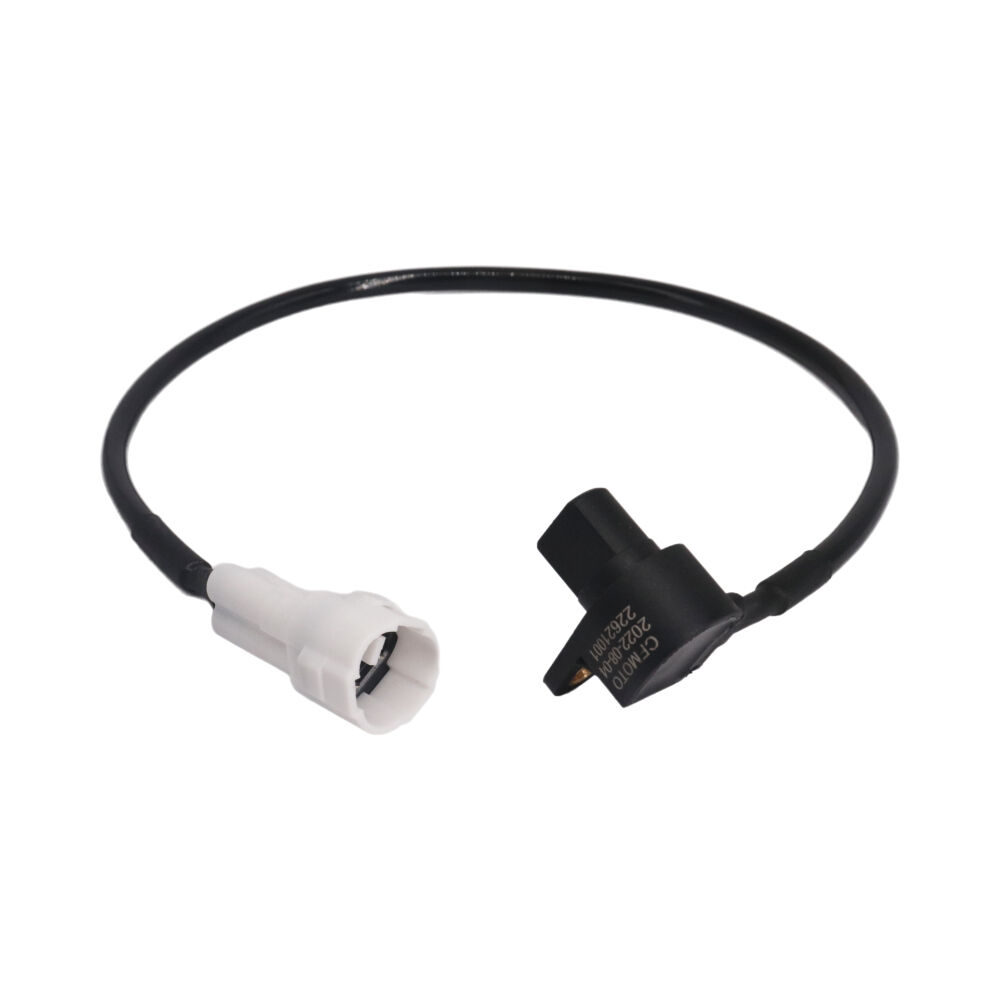
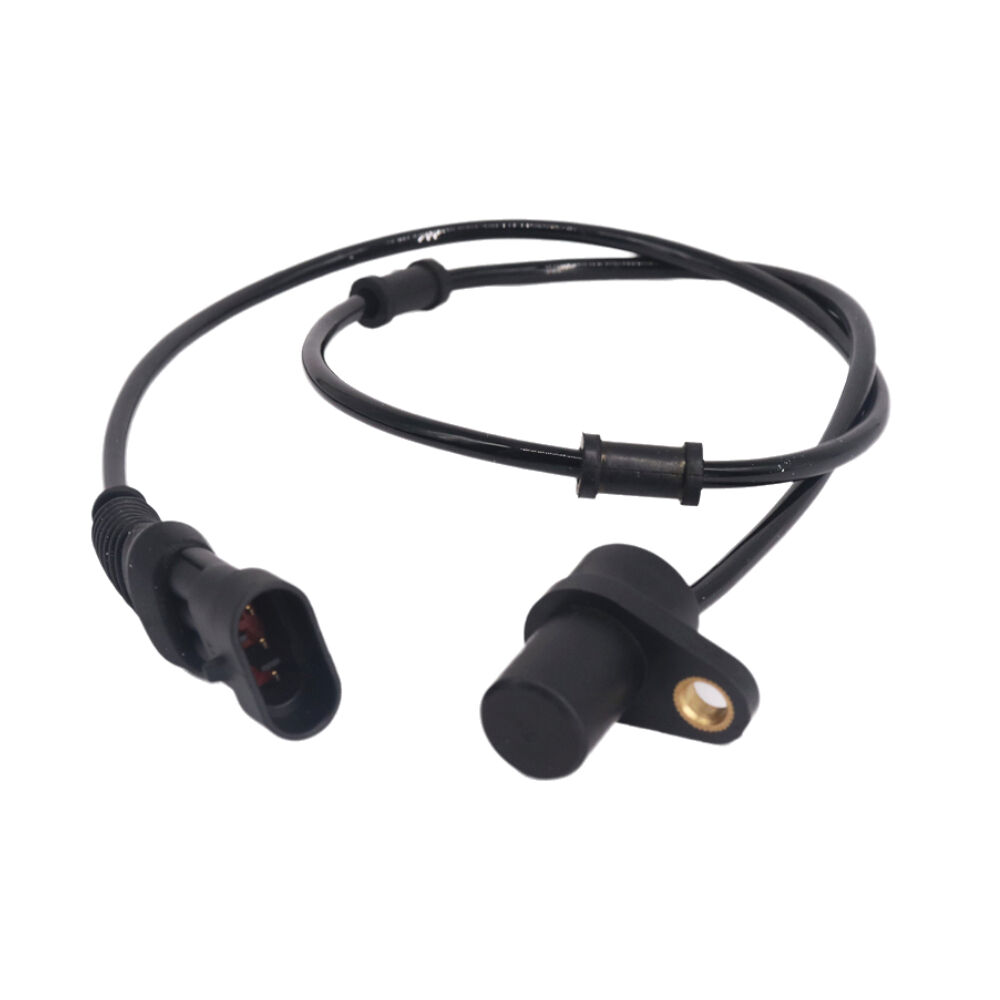
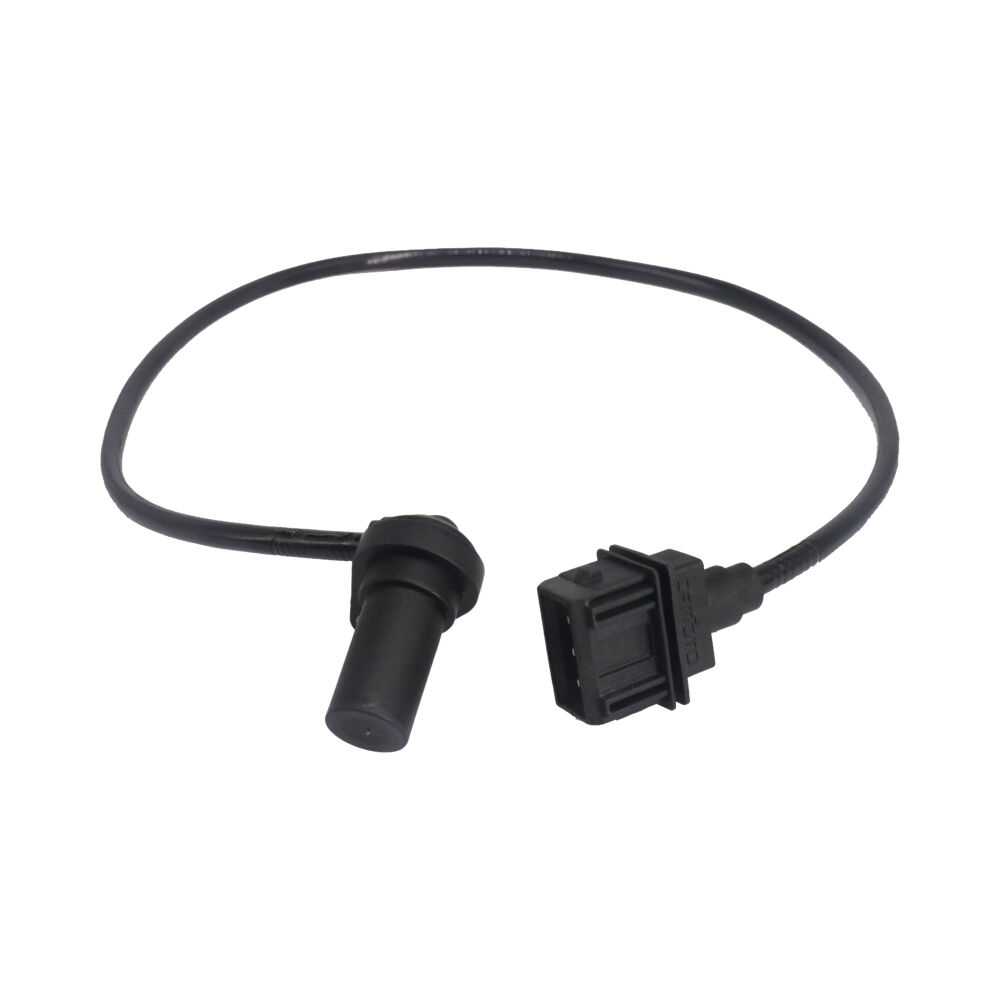
A faulty wheel speed sensor is a critical component of a vehicle's safety and performance monitoring system that measures the rotational speed of each wheel. When functioning incorrectly, this sensor can disrupt various vehicle systems, including the anti-lock braking system (ABS), traction control, and stability control. The sensor operates using electromagnetic principles, consisting of a toothed ring and magnetic core that generates electrical pulses corresponding to wheel rotation. These pulses are translated into speed data by the vehicle's computer system. When faulty, the sensor may provide inaccurate readings or no readings at all, potentially compromising vehicle safety features. Common causes of sensor failure include physical damage, electrical interference, or contamination from road debris. Modern vehicles typically employ active sensors that provide more precise measurements and better resistance to environmental factors compared to older passive sensors. Understanding these sensors is crucial for vehicle maintenance and safety, as they play a vital role in preventing wheel lock-up during heavy braking and maintaining vehicle stability in challenging driving conditions. The integration of wheel speed sensors with advanced driver assistance systems makes them increasingly important in modern automotive technology, particularly in emerging autonomous driving applications.


New Product Recommendations

The faulty wheel speed sensor system offers several significant advantages that make it an essential component for vehicle safety and performance monitoring. First, it provides early detection of potential wheel speed inconsistencies, allowing drivers to address issues before they become serious safety concerns. The system's continuous monitoring capability ensures real-time feedback about wheel performance, enabling immediate response to changing road conditions. Advanced diagnostic features help mechanics quickly identify and resolve sensor-related issues, reducing maintenance time and costs. The sensor's integration with multiple vehicle safety systems creates a comprehensive safety network that enhances overall driving stability and control. Modern sensor designs incorporate improved durability and resistance to environmental factors, resulting in longer service life and more reliable performance. The system's ability to detect subtle variations in wheel speed helps prevent accidents by triggering appropriate responses from the ABS and traction control systems. For fleet operators, these sensors provide valuable data for preventive maintenance programs, helping to optimize vehicle performance and reduce operational costs. The technology's compatibility with various vehicle makes and models ensures widespread applicability and easier replacement when necessary. Additionally, the sensor's role in supporting advanced driver assistance features makes it a crucial component for vehicles transitioning towards autonomous capabilities. The system's contribution to improved fuel efficiency through optimal wheel speed management provides both environmental and economic benefits for vehicle owners.

Tips And Tricks

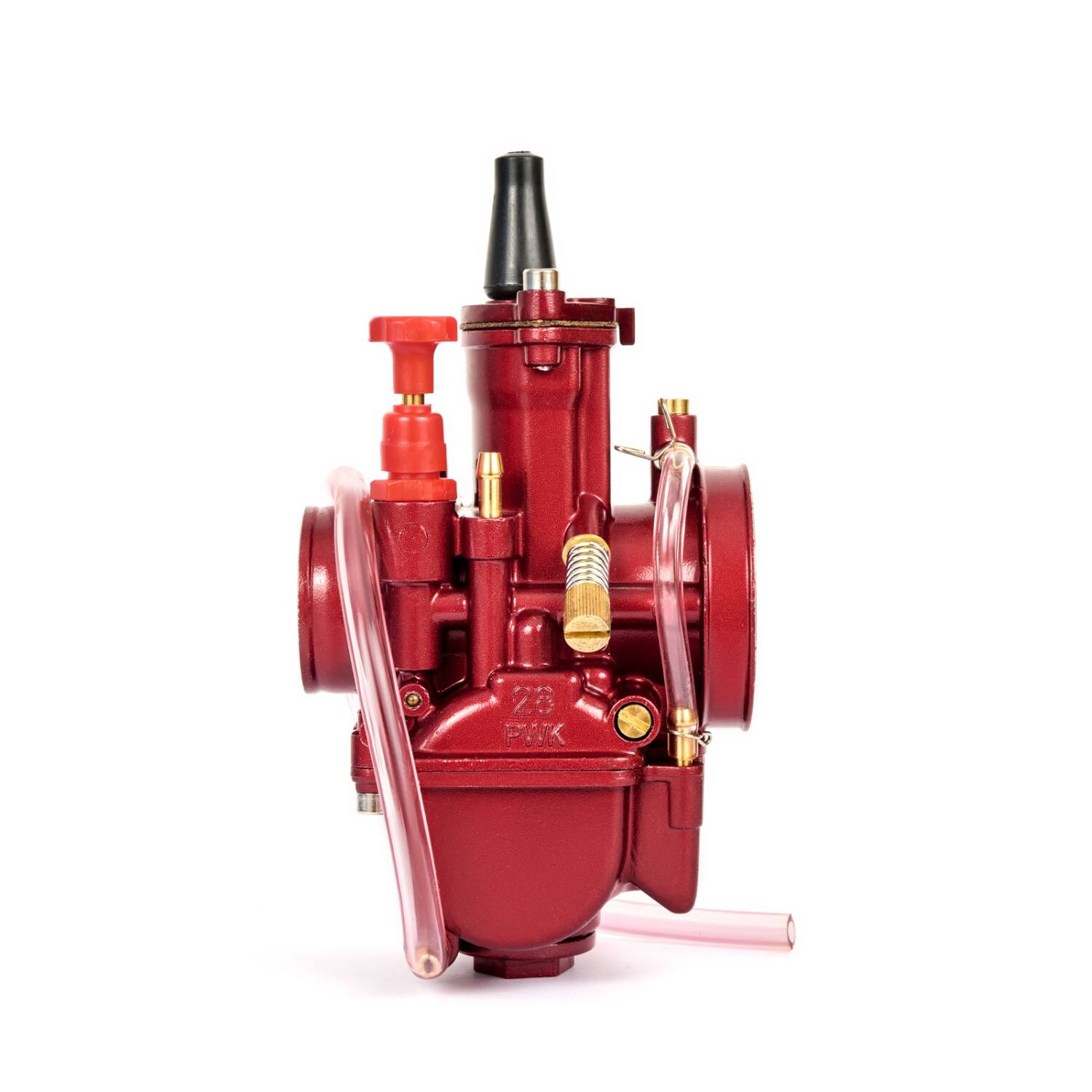
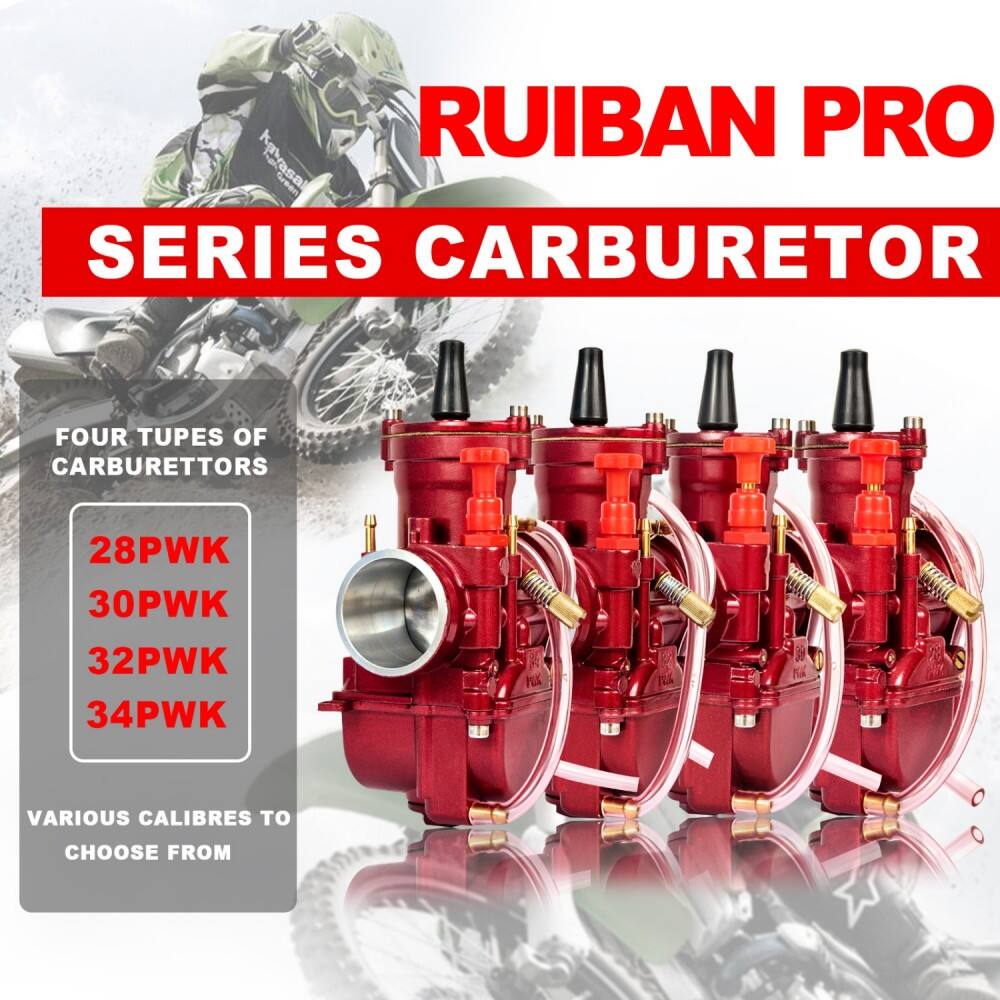
What Is The Difference Between The Different Sized PWK Carburetors?

29

Jul

What Is The Difference Between The Different Sized PWK Carburetors?

View More
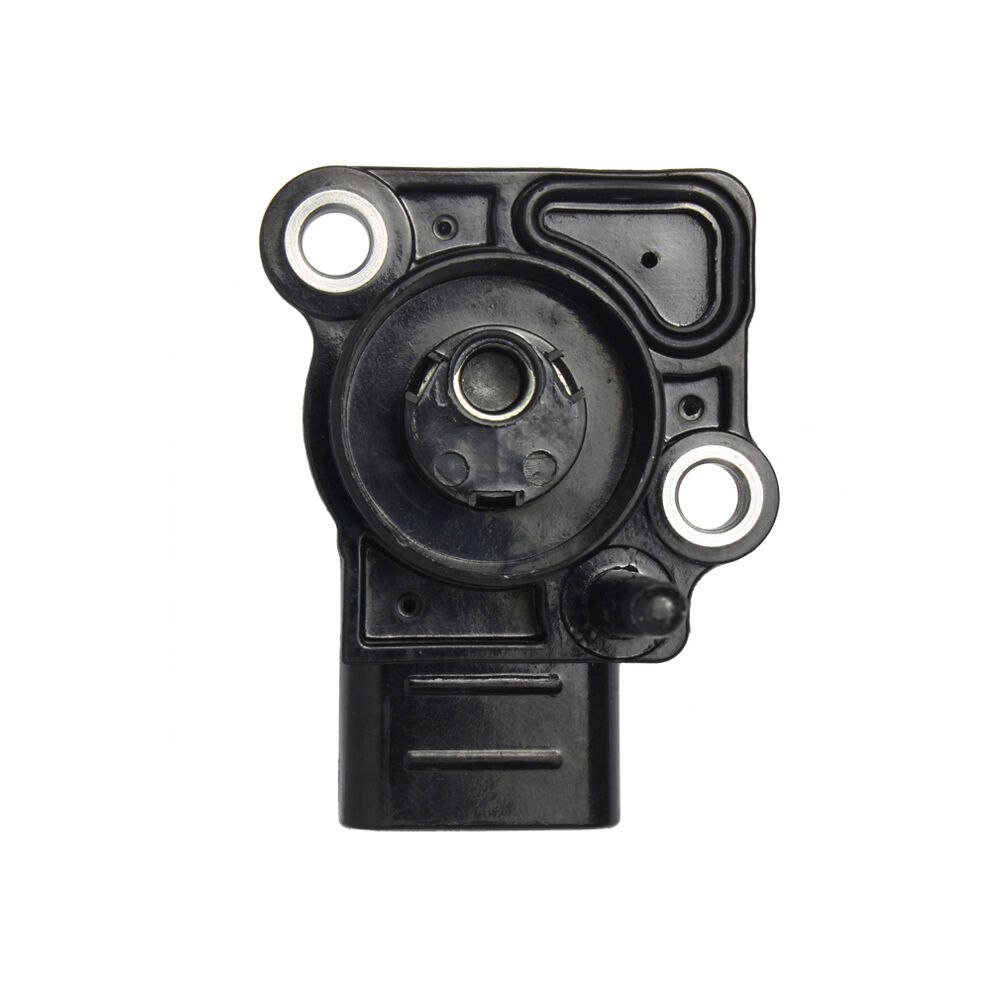
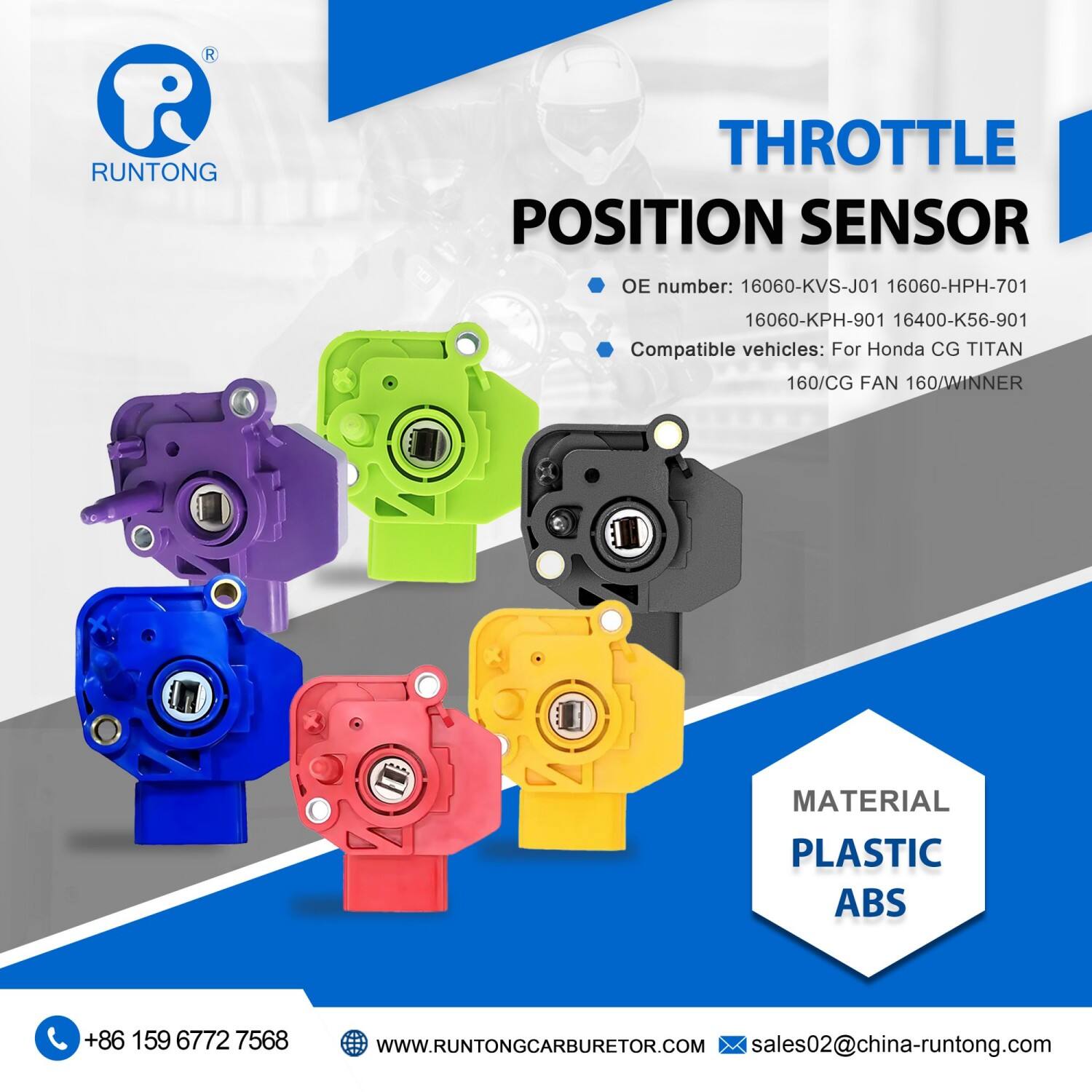
RS150 Motorcycle Tps Sensors In Different Colors Bring Different Visual Experiences

29

Jul

RS150 Motorcycle Tps Sensors In Different Colors Bring Different Visual Experiences

View More
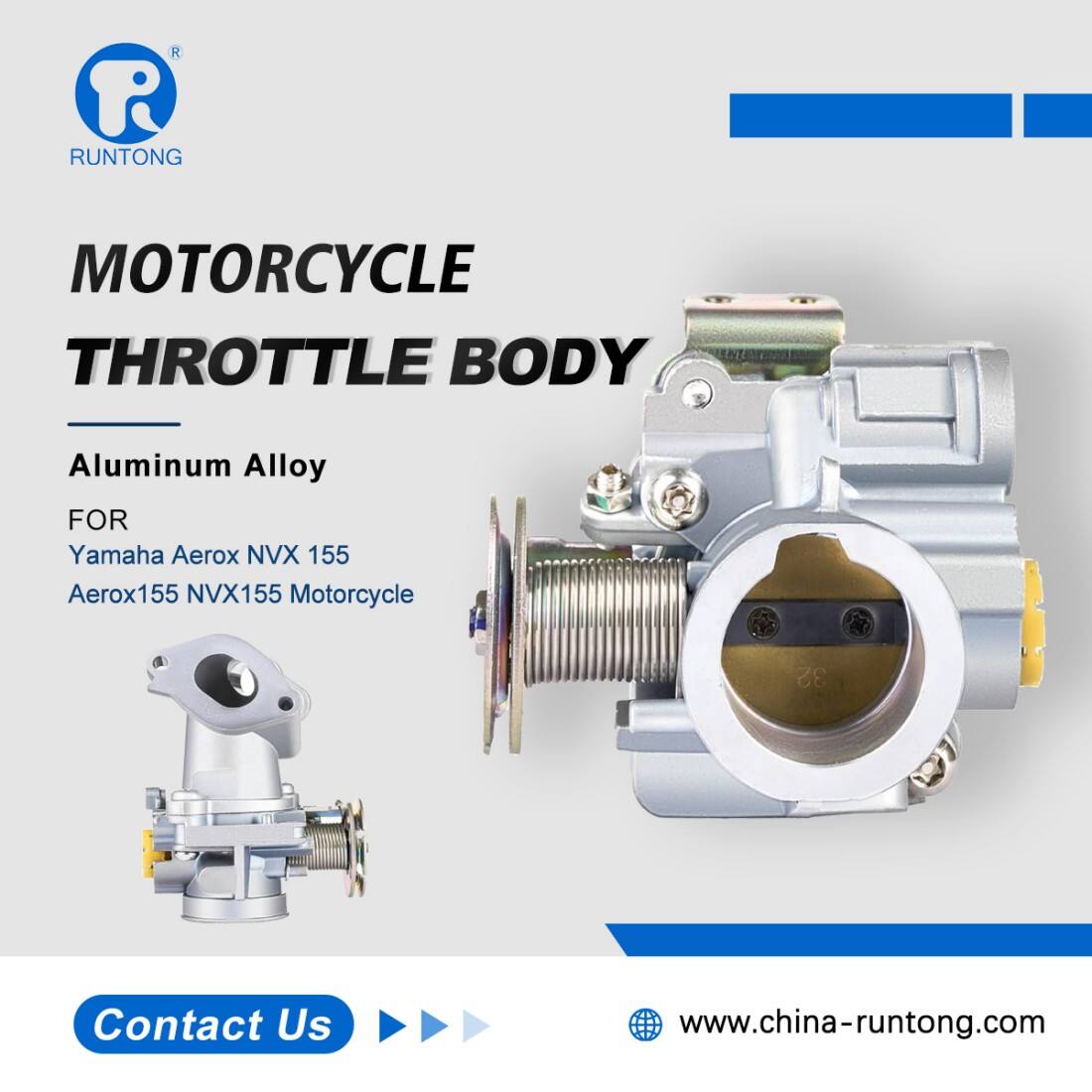
Aftermarket Yamaha Aerox155 Nvx155 Throttle Body Brings Better Driving Experience

29

Jul

Aftermarket Yamaha Aerox155 Nvx155 Throttle Body Brings Better Driving Experience

View More

Get a Free Quote

Our representative will contact you soon.
Email
Name
Company Name
Message
0/1000

faulty wheel speed sensor

Enhanced Safety Integration

Enhanced Safety Integration

The faulty wheel speed sensor's integration with vehicle safety systems represents a significant advancement in automotive safety technology. This sophisticated integration enables seamless communication between various safety components, creating a comprehensive protection network. The sensor continuously monitors wheel rotation speeds and instantly communicates any irregularities to the vehicle's central computer system. This real-time monitoring capability allows for immediate activation of safety features when needed, potentially preventing accidents before they occur. The system's ability to work in conjunction with the ABS, traction control, and stability control systems ensures optimal vehicle handling under various driving conditions. This integrated approach to safety makes the sensor an indispensable component in modern vehicle design, particularly in challenging weather conditions or emergency situations.
Advanced Diagnostic Capabilities

Advanced Diagnostic Capabilities

The diagnostic capabilities of modern wheel speed sensors represent a significant advancement in vehicle maintenance technology. These sensors incorporate sophisticated self-monitoring features that can detect and report their own malfunctions, simplifying the troubleshooting process for mechanics and technicians. The system provides detailed error codes and performance data that help pinpoint specific issues, reducing diagnostic time and improving repair accuracy. This advanced diagnostic functionality enables predictive maintenance, allowing vehicle owners to address potential problems before they lead to system failure. The sensor's ability to differentiate between temporary interference and genuine malfunctions helps prevent unnecessary repairs while ensuring that real issues are promptly addressed.
Durability and Reliability

Durability and Reliability

The durability and reliability of modern wheel speed sensors represent a significant advancement in automotive sensor technology. These sensors are designed to withstand extreme environmental conditions, including temperature variations, moisture exposure, and physical stress. The robust construction features sealed housing units that protect sensitive components from contamination by road debris and chemical exposure. Advanced manufacturing techniques and materials ensure extended operational life even under demanding conditions. The sensors' resistance to electromagnetic interference reduces the likelihood of false readings or system failures. This enhanced durability translates to fewer replacements and lower maintenance costs over the vehicle's lifetime, making it a cost-effective solution for both individual vehicle owners and fleet operators.

Get a Free Quote

Our representative will contact you soon.
Email
Name
Company Name
Message
0/1000