
 EN
EN
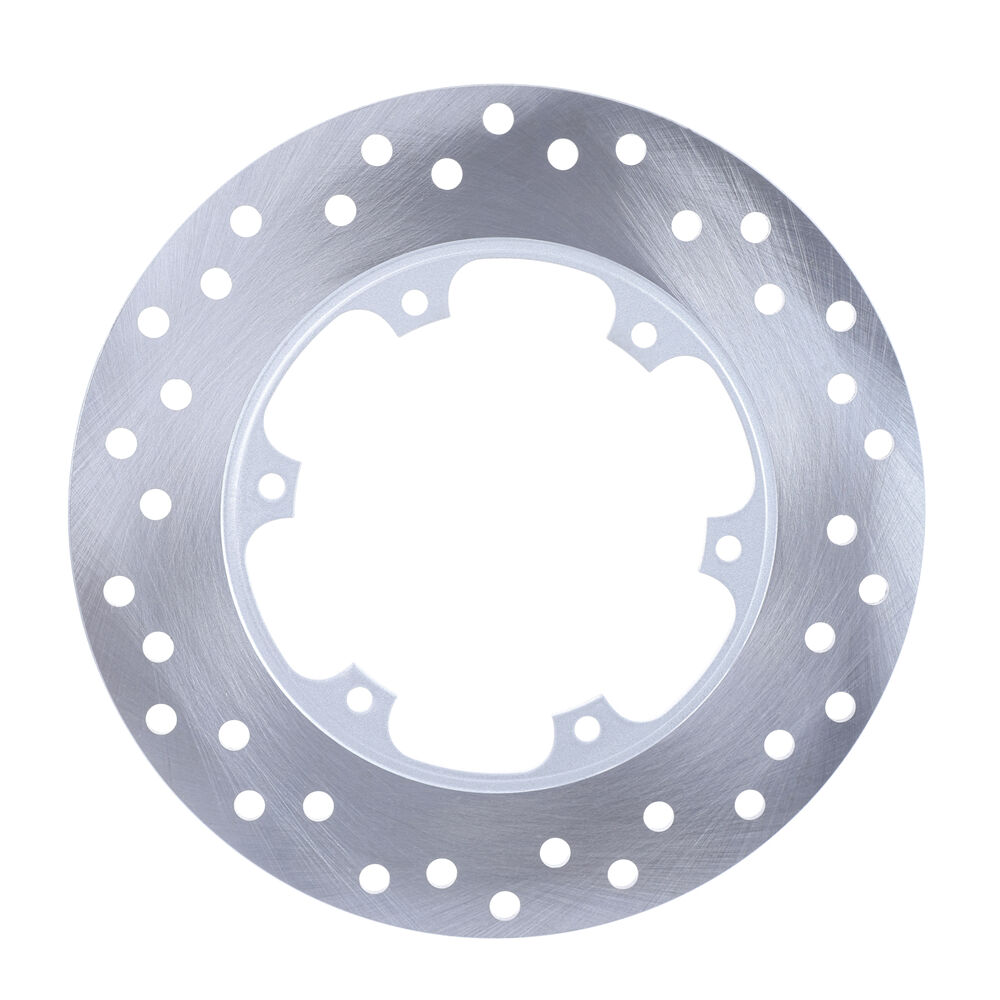
Modern vehicles rely heavily on efficient braking systems, with the brake disc serving as the primary component responsible for converting kinetic energy into thermal energy during deceleration. Understanding the various materials used in brake disc manufacturing and their corresponding applications is crucial for automotive engineers, fleet managers, and vehicle enthusiasts seeking optimal braking performance. The selection of appropriate brake disc materials directly impacts safety, performance longevity, and operational costs across different vehicle categories and usage scenarios.
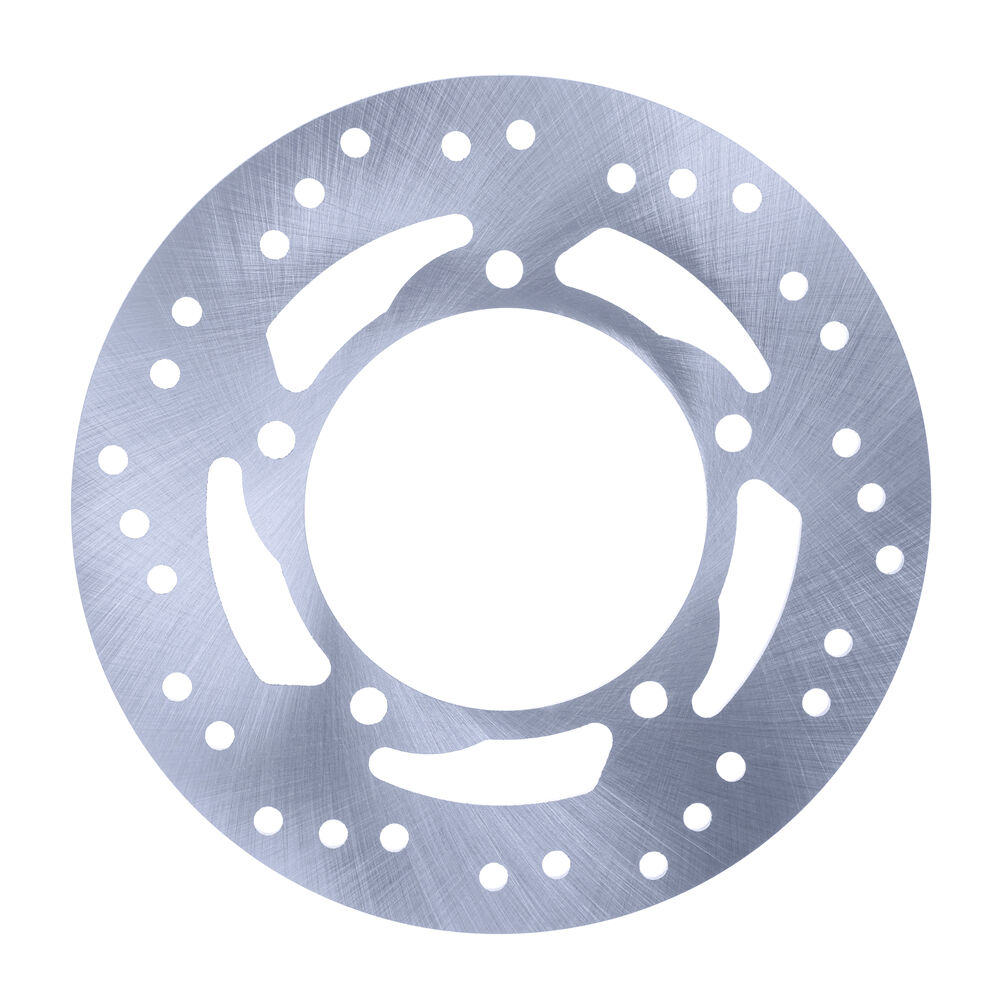
The automotive industry has evolved significantly in brake disc technology, moving from basic cast iron designs to sophisticated composite materials that offer enhanced thermal management and wear resistance. Material science advances have enabled manufacturers to develop specialized brake disc compositions tailored to specific vehicle requirements, driving conditions, and performance expectations. These developments have resulted in improved stopping power, reduced fade characteristics, and extended service life across various automotive applications.
Cast Iron Brake Disc Materials and Applications
Gray Cast Iron Characteristics
Gray cast iron remains the most widely used material for standard automotive brake disc applications due to its excellent thermal conductivity, machinability, and cost-effectiveness. This material exhibits superior heat dissipation properties, making it ideal for everyday driving conditions where moderate braking forces are applied. Gray cast iron brake disc components typically contain 2.5 to 4 percent carbon content, providing the necessary hardness while maintaining adequate ductility for reliable performance.
The graphite flakes present in gray cast iron contribute to its self-lubricating properties, reducing brake pad wear and providing consistent friction characteristics throughout the brake disc service life. Manufacturers often specify gray cast iron for passenger vehicles, light commercial trucks, and motorcycles where standard braking requirements are sufficient. The material's ability to withstand thermal cycling without significant dimensional changes makes it particularly suitable for urban driving conditions with frequent stop-and-go traffic patterns.
Ductile Iron Enhanced Performance
Ductile iron represents an advancement over standard gray cast iron, offering improved tensile strength and impact resistance while maintaining excellent thermal properties. This brake disc material contains spherical graphite nodules instead of flakes, resulting in enhanced mechanical properties and reduced susceptibility to cracking under severe thermal stress. Ductile iron compositions are particularly beneficial for heavy-duty applications where increased durability is essential.
The superior strength characteristics of ductile iron enable manufacturers to design thinner brake disc profiles without compromising structural integrity, resulting in weight reduction and improved vehicle efficiency. Fleet operators often prefer ductile iron brake disc solutions for commercial vehicles operating under demanding conditions, as the material provides extended service intervals and reduced maintenance costs. The enhanced fatigue resistance of ductile iron makes it an excellent choice for vehicles experiencing frequent heavy braking cycles.
High-Performance Brake Disc Materials
Carbon Composite Technologies
Carbon composite brake disc materials represent the pinnacle of braking technology, primarily utilized in high-performance sports cars, racing applications, and luxury vehicles where maximum stopping power and fade resistance are paramount. These advanced materials combine carbon fibers with specialized resin matrices to create lightweight yet incredibly strong brake disc structures. Carbon composite brake disc systems offer exceptional thermal stability, maintaining consistent friction coefficients even at extreme temperatures exceeding 800 degrees Celsius.
The manufacturing process for carbon composite brake disc components involves precise layering of carbon fiber reinforcements with carefully controlled resin infiltration and curing cycles. This meticulous production approach results in brake disc assemblies that are significantly lighter than traditional metallic alternatives while providing superior performance characteristics. Racing teams and performance vehicle manufacturers increasingly specify carbon composite brake disc systems due to their ability to withstand repeated extreme thermal cycles without degradation.
However, carbon composite brake disc materials require specific operational considerations, including proper warm-up procedures and compatible brake pad formulations to achieve optimal performance. The initial cost investment for carbon composite systems is substantially higher than conventional materials, but the performance advantages and weight reduction benefits often justify the expense for specialized applications. Maintenance requirements for carbon composite brake disc systems typically involve specialized inspection techniques and replacement procedures that require trained technicians.
Ceramic Matrix Composites
Ceramic matrix composite brake disc materials offer an alternative high-performance solution that bridges the gap between traditional metallic systems and full carbon composite assemblies. These materials incorporate ceramic fibers or particles within a metallic or ceramic matrix, providing enhanced thermal stability and wear resistance compared to conventional cast iron brake disc options. Ceramic matrix composites demonstrate excellent dimensional stability under thermal cycling and reduced susceptibility to warping or distortion.
The unique properties of ceramic matrix composite brake disc materials include superior corrosion resistance, extended service life, and reduced brake dust generation compared to traditional metallic systems. Luxury vehicle manufacturers increasingly specify ceramic composite brake disc assemblies for premium models where refined braking characteristics and reduced maintenance requirements are valued by discerning customers. The smooth engagement and consistent pedal feel provided by ceramic matrix composites enhance overall driving experience quality.
Steel and Alloy Brake Disc Options
Stainless Steel Advantages
Stainless steel brake disc materials provide excellent corrosion resistance, making them ideal for vehicles operating in harsh environmental conditions including coastal areas, winter climates with road salt application, and industrial environments with chemical exposure. The chromium content in stainless steel brake disc alloys forms a protective oxide layer that prevents rust formation and maintains appearance throughout extended service periods. This corrosion resistance translates into longer service life and reduced replacement frequency compared to standard cast iron alternatives.
Marine applications, off-road vehicles, and motorcycles frequently utilize stainless steel brake disc components due to their ability to maintain performance characteristics despite exposure to moisture, salt, and other corrosive elements. The material's inherent strength properties enable manufacturers to design ventilated brake disc configurations with intricate cooling passages that enhance thermal management without compromising structural integrity. Stainless steel brake disc systems typically require specialized brake pad compounds optimized for the material's hardness characteristics to achieve proper wear rates and friction performance.
High-Strength Steel Alloys
Advanced high-strength steel alloys represent a cost-effective solution for applications requiring enhanced mechanical properties beyond standard cast iron capabilities while maintaining reasonable material costs. These specialized brake disc alloys incorporate elements such as molybdenum, chromium, and vanadium to improve tensile strength, fatigue resistance, and thermal stability. High-strength steel brake disc materials are particularly suitable for heavy commercial vehicles, emergency service vehicles, and performance applications where durability is critical.
The metallurgical properties of high-strength steel allow for reduced brake disc thickness and weight while maintaining or improving performance characteristics compared to conventional materials. This weight reduction contributes to improved vehicle fuel efficiency and reduced unsprung mass, enhancing overall vehicle dynamics and handling characteristics. Fleet operators appreciate the extended service intervals and reduced total cost of ownership associated with high-strength steel brake disc implementations in demanding applications.
Material Selection Criteria and Matching
Thermal Management Requirements
Proper thermal management represents a critical factor in brake disc material selection, as excessive heat generation can lead to fade, warping, and premature component failure. Different materials exhibit varying thermal conductivity, specific heat capacity, and thermal expansion characteristics that directly impact braking system performance under various operating conditions. Understanding these thermal properties enables engineers to match brake disc materials with specific vehicle requirements and expected duty cycles.
Vehicles operating under severe duty conditions, such as mountain driving, towing applications, or track use, require brake disc materials with superior heat dissipation capabilities and thermal stability. Cast iron materials generally provide excellent thermal conductivity for standard applications, while advanced composites offer superior high-temperature performance for extreme conditions. The brake disc cooling system design, including ventilation patterns and surface area considerations, must complement the selected material properties to achieve optimal thermal management.
Thermal cycling durability becomes particularly important for commercial vehicles and fleet applications where brake disc components experience repeated heating and cooling cycles throughout their service life. Materials with low thermal expansion coefficients and high thermal shock resistance provide better longevity and reliability in these demanding applications. Proper material selection based on thermal requirements helps prevent common issues such as brake disc warping, cracking, and premature wear that can compromise vehicle safety and increase maintenance costs.
Vehicle Weight and Performance Considerations
Vehicle weight class and performance requirements significantly influence brake disc material selection, as different materials offer varying strength-to-weight ratios and performance characteristics. Lightweight vehicles with modest braking demands may achieve adequate performance with standard cast iron brake disc materials, while heavier vehicles or those with high-performance requirements benefit from advanced material options. The relationship between vehicle kinetic energy and brake disc thermal capacity determines the appropriate material specification for safe and reliable operation.
Sports cars and performance vehicles often specify lightweight brake disc materials such as aluminum composites or carbon fiber to reduce unsprung weight and improve acceleration, braking, and handling characteristics. The reduced rotational inertia of lightweight brake disc assemblies contributes to improved vehicle dynamics and reduced energy requirements for acceleration and deceleration cycles. However, these advanced materials typically require more frequent inspection and replacement compared to conventional options, affecting total cost of ownership considerations.
Commercial vehicles and heavy-duty applications prioritize durability and service life over weight considerations, leading to specifications for robust cast iron or high-strength steel brake disc materials. These applications benefit from materials that can withstand high thermal loads and mechanical stresses while providing predictable wear characteristics and extended service intervals. Fleet managers must balance initial material costs against expected service life and maintenance requirements to optimize total operational expenses.
Environmental and Operational Factors
Climate and Environmental Exposure
Environmental conditions play a crucial role in brake disc material selection, as exposure to moisture, salt, chemicals, and extreme temperatures can significantly impact component longevity and performance. Coastal regions with high salt content in the atmosphere require corrosion-resistant brake disc materials such as stainless steel or specialized coatings to prevent premature deterioration. Similarly, industrial environments with chemical exposure may necessitate specific material selections to ensure adequate service life and reliable operation.
Cold climate operations present unique challenges for brake disc materials, including thermal shock from rapid temperature changes and potential ice formation that can affect braking performance. Materials with good low-temperature impact resistance and thermal shock tolerance are essential for reliable operation in harsh winter conditions. Conversely, hot climate applications require brake disc materials with excellent high-temperature stability and resistance to thermal degradation to maintain consistent performance throughout extended operating periods.
Maintenance and Service Considerations
Maintenance requirements and service accessibility significantly influence brake disc material selection for fleet operations and commercial applications. Materials requiring specialized tools, procedures, or trained technicians may not be suitable for operations with limited service capabilities or remote locations. Standard cast iron brake disc materials generally offer the advantage of widespread service support and readily available replacement components, making them practical choices for many applications.
Service interval expectations and replacement costs must be evaluated when selecting brake disc materials for specific applications. While advanced materials may offer superior performance characteristics, their higher initial costs and specialized maintenance requirements may not be justified for standard duty applications. Conversely, severe duty applications may benefit from premium brake disc materials that provide extended service life and reduced total cost of ownership despite higher initial investment requirements.
FAQ
What factors determine the appropriate brake disc material for different vehicle types
The selection of brake disc material depends on several key factors including vehicle weight, expected duty cycle, operating environment, performance requirements, and cost considerations. Lightweight passenger vehicles typically perform well with standard cast iron brake disc materials, while heavy-duty commercial vehicles benefit from high-strength steel or ductile iron options. Environmental factors such as salt exposure, extreme temperatures, and chemical contamination may require specialized corrosion-resistant materials like stainless steel or ceramic composites.
How do different brake disc materials affect braking performance and safety
Different brake disc materials provide varying levels of thermal stability, fade resistance, and stopping power characteristics that directly impact vehicle safety and performance. Cast iron materials offer consistent performance for standard applications, while carbon composite and ceramic materials provide superior high-temperature stability and reduced fade for performance applications. The key is matching the material properties to the specific vehicle requirements and operating conditions to ensure optimal safety and performance throughout the brake disc service life.
What maintenance considerations apply to different brake disc materials
Maintenance requirements vary significantly between different brake disc materials, with standard cast iron options typically requiring conventional service procedures and readily available replacement parts. Advanced materials like carbon composites or ceramics may require specialized inspection techniques, trained technicians, and specific replacement procedures that can increase service costs. Fleet operators should consider these maintenance factors when selecting brake disc materials to ensure compatible with their service capabilities and cost expectations.
How do environmental conditions influence brake disc material selection
Environmental conditions such as climate, salt exposure, chemical contamination, and operating temperatures significantly influence brake disc material performance and longevity. Coastal areas with high salt content require corrosion-resistant materials like stainless steel, while extreme temperature applications may benefit from materials with superior thermal stability. Understanding the specific environmental challenges enables proper brake disc material selection that provides reliable performance and acceptable service life in challenging operating conditions.
Table of Contents
- Cast Iron Brake Disc Materials and Applications
- High-Performance Brake Disc Materials
- Steel and Alloy Brake Disc Options
- Material Selection Criteria and Matching
- Environmental and Operational Factors
-
FAQ
- What factors determine the appropriate brake disc material for different vehicle types
- How do different brake disc materials affect braking performance and safety
- What maintenance considerations apply to different brake disc materials
- How do environmental conditions influence brake disc material selection