
 EN
EN
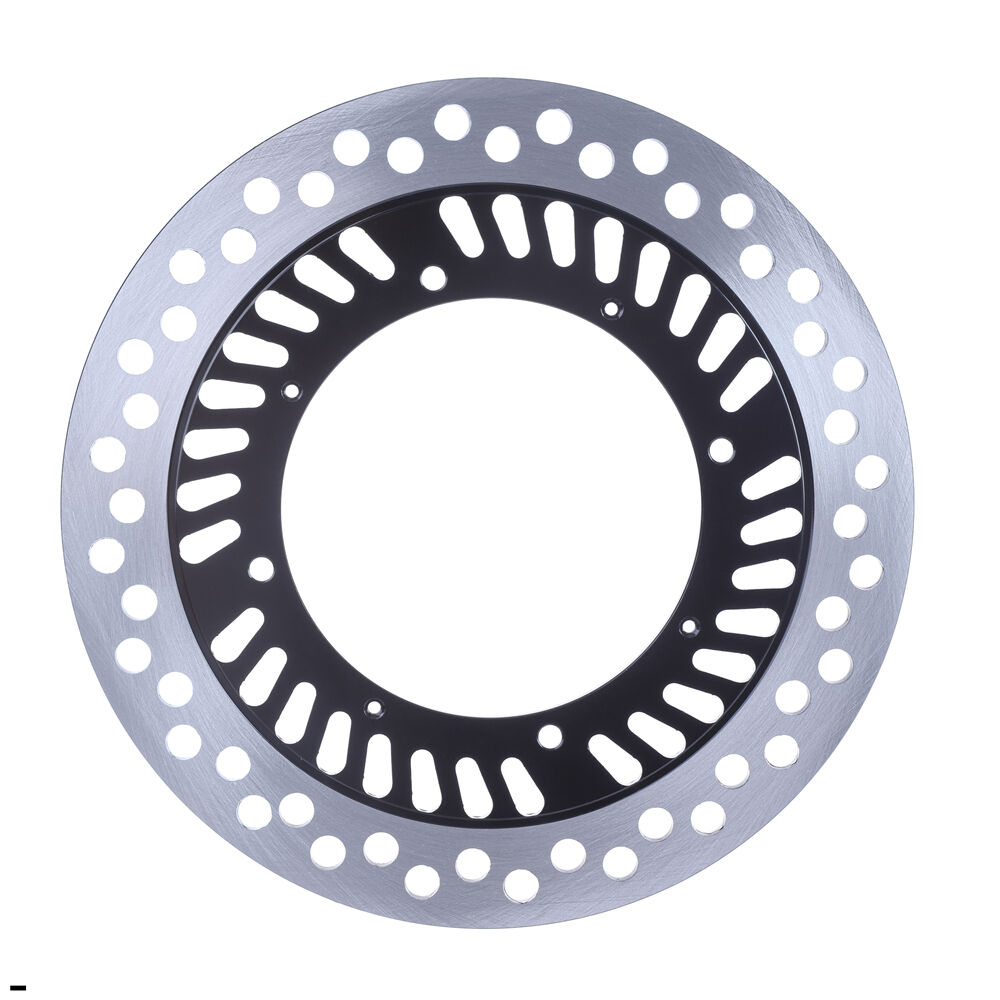
Selecting the appropriate brake disc for your vehicle represents one of the most critical safety decisions any driver or mechanic will make. The brake disc serves as the primary component in disc brake systems, converting kinetic energy into heat through friction to slow or stop your vehicle effectively. Understanding the various factors that influence brake disc performance, durability, and compatibility ensures optimal braking performance and long-term reliability for any motorcycle, car, or commercial vehicle.
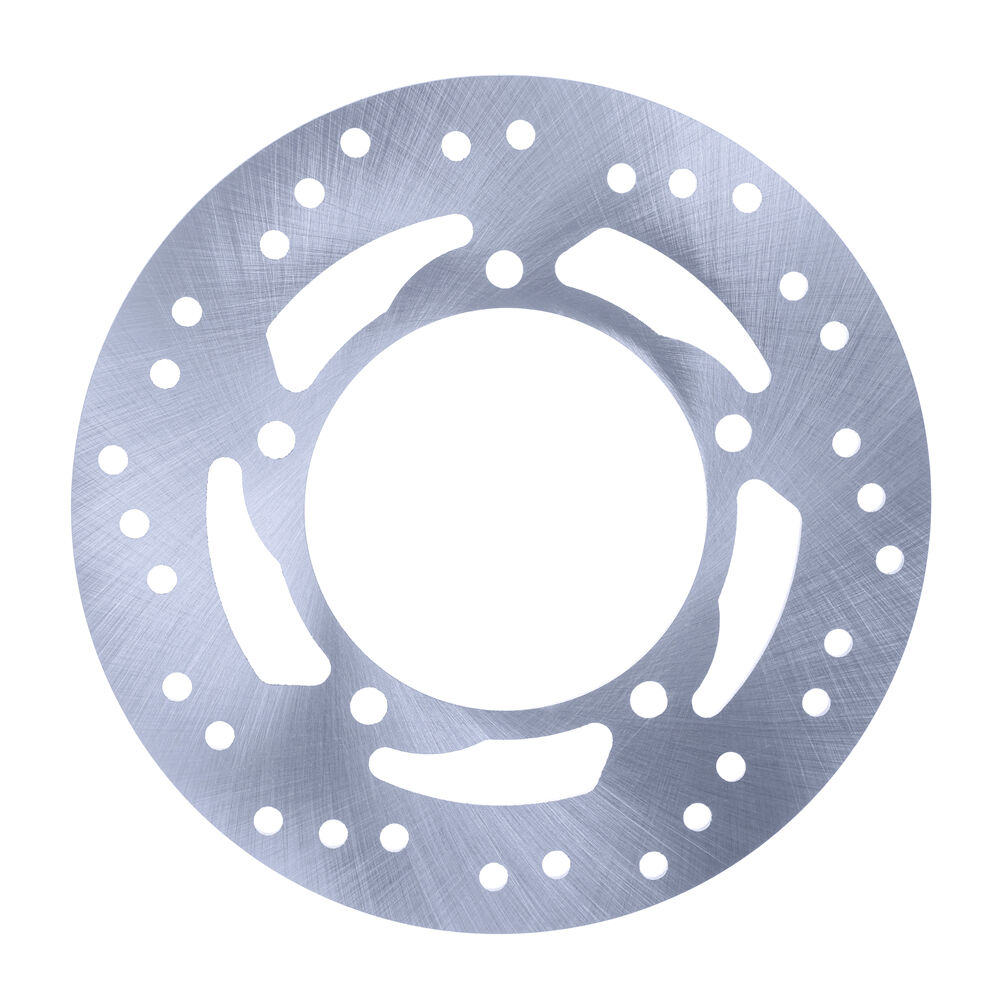
Understanding Brake Disc Materials and Construction
Cast Iron Brake Discs
Cast iron remains the most common material for brake disc manufacturing due to its excellent heat dissipation properties and cost-effectiveness. These brake disc options provide consistent performance across various temperature ranges and offer superior durability for everyday driving conditions. The cast iron composition allows for optimal friction characteristics when paired with standard brake pads, making them suitable for most passenger vehicles and light commercial applications.
Modern cast iron brake disc designs incorporate advanced metallurgy techniques that enhance thermal stability and reduce the likelihood of warping under extreme conditions. The material's inherent ability to absorb and dissipate heat efficiently prevents brake fade during extended braking periods. Additionally, cast iron brake disc surfaces can be easily resurfaced or machined when wear occurs, extending their operational lifespan and providing excellent value for money.
Carbon Composite and Ceramic Options
High-performance vehicles often utilize carbon composite or ceramic brake disc materials that deliver superior stopping power and heat resistance. These advanced brake disc compositions excel in racing applications or high-stress driving environments where consistent performance under extreme conditions is paramount. Carbon ceramic brake disc technology offers significant weight reduction compared to traditional materials while maintaining exceptional structural integrity.
The manufacturing process for ceramic brake disc components involves sophisticated techniques that create a material matrix capable of withstanding temperatures exceeding those encountered with conventional options. However, these premium brake disc alternatives require specialized brake pads and often command significantly higher replacement costs. The investment becomes worthwhile for applications demanding maximum performance and minimal weight penalties.
Sizing and Fitment Considerations
Diameter and Thickness Specifications
Proper brake disc sizing directly impacts braking performance, with larger diameter options providing increased leverage and improved heat dissipation capabilities. The relationship between brake disc diameter and stopping power follows basic physics principles, where larger rotors create greater mechanical advantage for the braking system. Standard passenger vehicles typically utilize brake disc diameters ranging from 240mm to 350mm, depending on vehicle weight and performance requirements.
Thickness specifications for any brake disc must align with manufacturer tolerances to ensure proper caliper clearance and optimal pad contact. Minimum thickness measurements serve as critical safety parameters, indicating when brake disc replacement becomes necessary to maintain reliable stopping performance. Regular thickness monitoring prevents dangerous situations where worn brake disc surfaces compromise overall braking effectiveness.
Bolt Pattern and Hub Compatibility
Accurate bolt pattern matching ensures secure brake disc mounting and prevents dangerous failures during operation. The bolt circle diameter and hole quantity must precisely match the vehicle's hub configuration to achieve proper installation. Additionally, the brake disc center bore diameter must align with the hub pilot to prevent vibration and ensure concentric rotation during braking events.
Offset measurements affect brake disc positioning relative to the caliper assembly and wheel mounting surface. Incorrect offset specifications can result in improper pad alignment, reduced braking efficiency, and accelerated component wear. Professional installation services verify all fitment parameters before mounting any brake disc to prevent compatibility issues and ensure optimal performance characteristics.
Performance Requirements and Operating Conditions
Street Driving Applications
Standard street driving places moderate demands on brake disc performance, requiring consistent stopping power across various weather conditions and temperatures. Daily commuting scenarios involve frequent start-stop cycles that generate moderate heat buildup in the brake disc assembly. Quality street-oriented brake disc designs incorporate ventilation features that promote air circulation and prevent excessive temperature accumulation during typical urban driving patterns.
Weather resistance becomes crucial for brake disc longevity in street applications, particularly in regions experiencing harsh winters or high humidity conditions. Corrosion-resistant coatings and treatments help preserve brake disc surfaces and maintain smooth operation despite environmental challenges. Regular maintenance schedules ensure that street-duty brake disc components continue delivering reliable performance throughout their service life.
High-Performance and Racing Applications
Racing and high-performance driving subjects brake disc systems to extreme thermal and mechanical stresses that exceed normal operating parameters. Track-oriented brake disc designs feature aggressive cooling vanes, larger surface areas, and materials specifically engineered to withstand repeated high-temperature cycles. The thermal mass and heat dissipation capabilities of performance brake disc options prevent fade and maintain consistent pedal feel during sustained hard braking.
Competition brake disc specifications often incorporate directional vane patterns that optimize airflow and cooling efficiency at high rotational speeds. These specialized brake disc designs may require specific brake pad compounds and upgraded fluid specifications to achieve maximum performance potential. The investment in premium brake disc technology becomes essential for applications where consistent stopping power can determine competitive success or safety margins.
Maintenance and Inspection Guidelines
Visual Inspection Procedures
Regular visual inspections help identify brake disc wear patterns and potential problems before they compromise safety or performance. Surface scoring, cracks, or unusual wear patterns indicate the need for immediate attention or brake disc replacement. Heat discoloration, while not always problematic, can signal thermal stress that may have affected the brake disc material properties and structural integrity.
Edge lipping around the brake disc perimeter occurs naturally as brake pads wear and create raised edges on unworn rotor surfaces. Excessive lipping can interfere with brake pad replacement and may indicate that brake disc replacement should coincide with pad service. Professional evaluation helps determine whether brake disc resurfacing can restore proper geometry or if complete replacement becomes necessary.
Measurement and Documentation
Precision thickness measurements using calibrated micrometers provide objective data for brake disc condition assessment. Measurements taken at multiple points around the brake disc circumference reveal any thickness variation that could cause pedal pulsation or uneven braking performance. Documentation of brake disc thickness readings helps track wear rates and predict future service requirements.
Lateral runout measurements determine whether brake disc surfaces remain true and properly aligned with the hub assembly. Excessive runout causes brake pad knockback, pedal travel variation, and accelerated component wear throughout the brake disc system. Professional diagnostic equipment ensures accurate measurements and helps distinguish between correctable installation issues and brake disc replacement requirements.
Installation Best Practices
Preparation and Setup
Proper brake disc installation begins with thorough cleaning of all mating surfaces to remove corrosion, debris, and old adhesives that could prevent proper seating. Hub faces and brake disc mounting surfaces must be perfectly clean and flat to ensure concentric rotation and prevent vibration issues. Quality installation practices include applying appropriate thread locker compounds to mounting hardware and following manufacturer torque specifications precisely.
New brake disc surfaces often feature protective coatings that must be removed before installation to ensure proper brake pad bedding and optimal friction characteristics. Cleaning solvents specifically designed for brake disc preparation remove manufacturing residues without leaving harmful deposits that could affect initial braking performance. Proper handling techniques prevent contamination of clean brake disc surfaces during the installation process.
Break-In Procedures
Newly installed brake disc components require careful break-in procedures to establish proper friction surfaces and ensure optimal long-term performance. The bedding process involves controlled heating and cooling cycles that allow brake pad material to transfer evenly onto the brake disc surface. Gradual increases in braking force and temperature help establish the friction interface without creating hot spots or uneven material deposits.
Professional break-in procedures specify appropriate speeds, brake pressures, and cooling intervals that optimize brake disc and pad performance characteristics. Avoiding aggressive braking during the initial service period prevents thermal shock and allows the brake disc material to stabilize under normal operating conditions. Proper break-in techniques significantly extend brake disc service life and maintain consistent performance throughout the component lifecycle.
FAQ
How often should brake discs be replaced
Brake disc replacement intervals depend on driving conditions, vehicle type, and maintenance practices, typically ranging from 30,000 to 70,000 miles for standard applications. Heavy-duty or performance driving may require more frequent brake disc replacement due to increased thermal stress and accelerated wear rates. Regular inspections and thickness measurements provide the most accurate indicators for determining optimal replacement timing.
Can brake discs be resurfaced instead of replaced
Brake disc resurfacing becomes viable when sufficient material thickness remains above manufacturer minimum specifications and surface damage appears limited to minor scoring or glazing. However, modern brake disc designs often feature thin profiles that limit resurfacing options, making replacement more cost-effective than machining. Professional evaluation determines whether brake disc resurfacing can restore proper performance or if replacement provides better long-term value.
What causes brake disc warping and how can it be prevented
Brake disc warping typically results from uneven heating, improper installation, or thermal shock from aggressive braking followed by immediate cooling. Prevention strategies include proper brake disc bedding procedures, avoiding excessive braking loads, and ensuring correct installation torques and hub surface preparation. Quality brake disc materials and proper cooling system maintenance also reduce the likelihood of thermal distortion issues.
Are slotted or drilled brake discs better than solid versions
Slotted and drilled brake disc designs offer enhanced cooling and debris removal capabilities but may sacrifice some durability compared to solid rotors. Performance applications benefit from these features, while street driving typically performs adequately with solid brake disc options that provide longer service life. The choice depends on specific performance requirements, operating conditions, and maintenance preferences for the particular application.