
 EN
EN
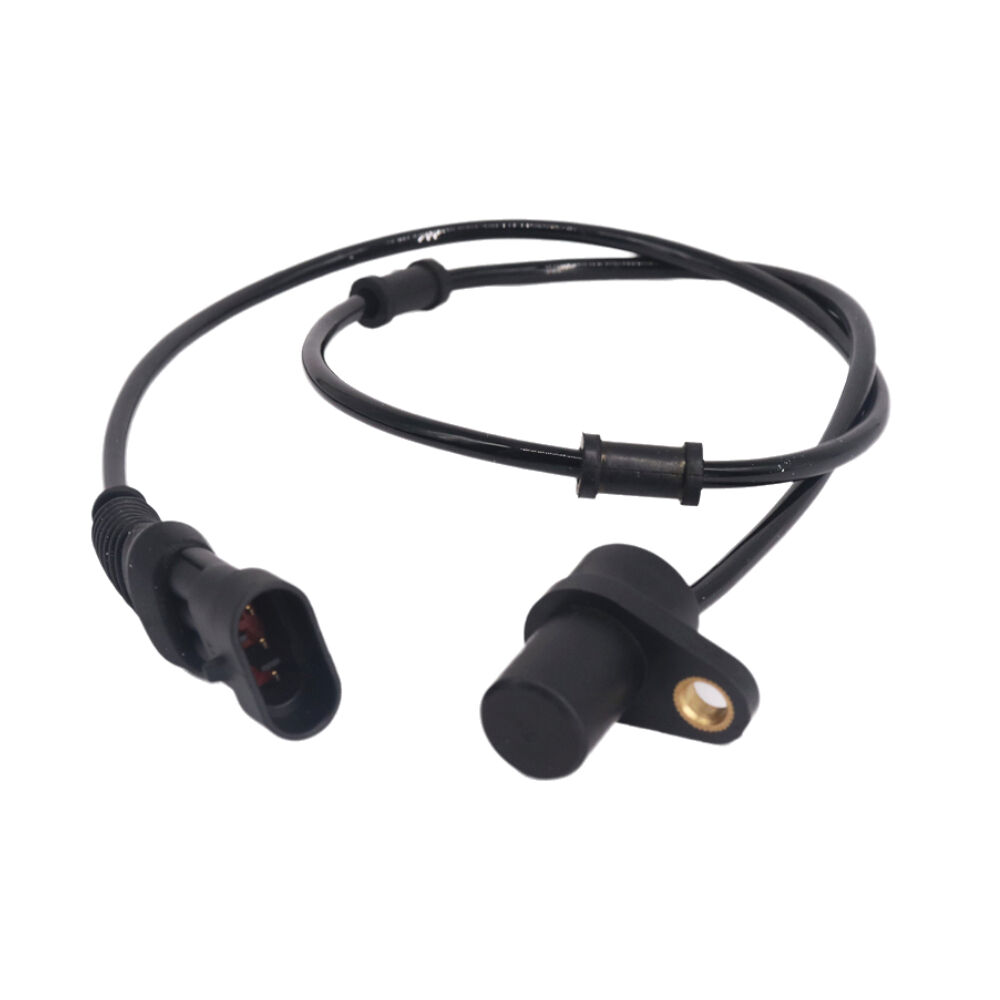
The speed sensor is one of the most quietly influential components in a modern engine management system. While it may not draw the same attention as fuel injectors or ignition coils, the speed sensor plays a foundational role in how an engine reads, responds, and regulates itself under real-world riding and driving conditions. When this small but critical device begins to fail or sends inaccurate data, the consequences ripple through nearly every major performance parameter — from fuel delivery and ignition timing to transmission behavior and traction control. Understanding how a speed sensor affects engine performance is essential for any technician, fleet manager, or motorcycle owner who wants to maintain peak mechanical reliability.
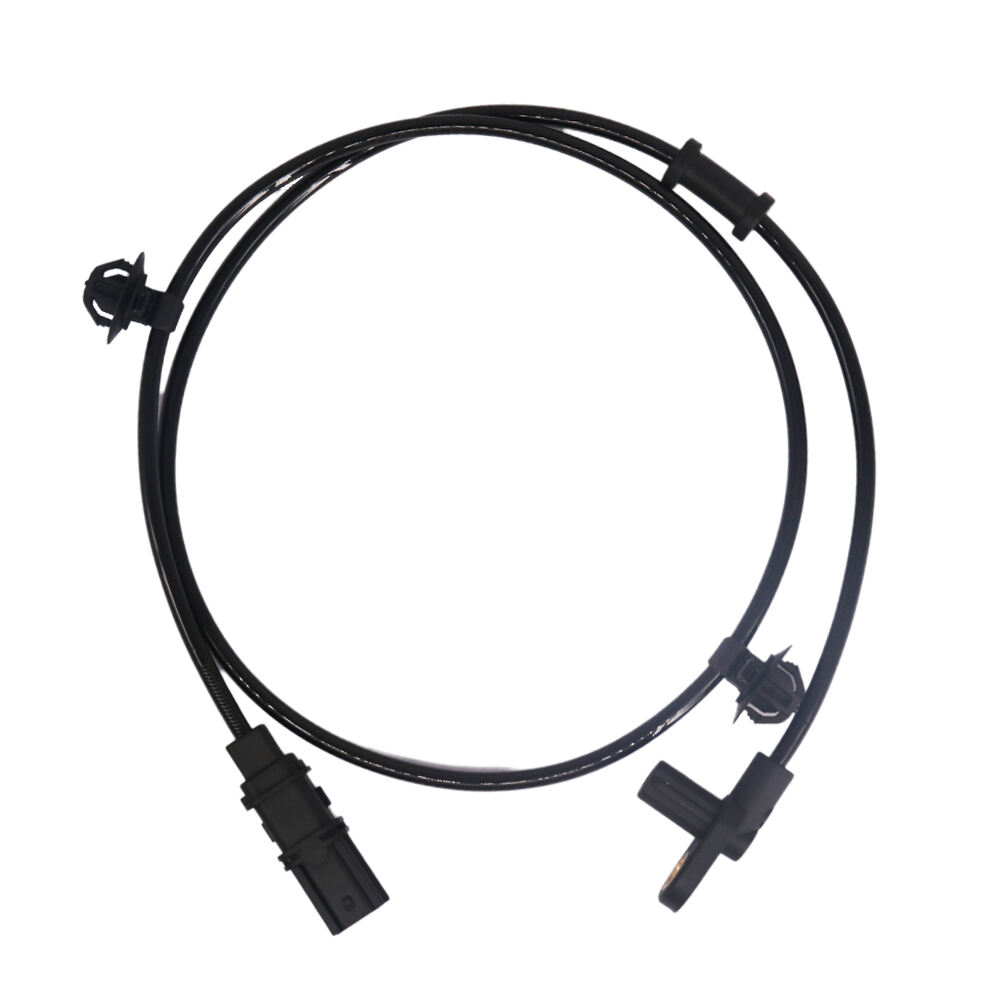
Modern engines rely on a continuous stream of real-time data to operate efficiently. The speed sensor is one of the primary sources of that data, feeding the engine control unit (ECU) with precise information about wheel rotation, crankshaft movement, or vehicle velocity depending on its placement and type. When that data stream is clean and accurate, the engine performs as designed. When the speed sensor delivers corrupted, delayed, or absent signals, the ECU is forced to make decisions based on incomplete information — and that is where performance degradation begins. This article explores the specific mechanisms through which a speed sensor influences engine behavior, what happens when it malfunctions, and why addressing speed sensor issues promptly is a sound engineering and economic decision.
The Role of the Speed Sensor in Engine Management
How the ECU Depends on Speed Sensor Data
The engine control unit is the brain of any modern powertrain, but it can only be as intelligent as the data it receives. The speed sensor provides the ECU with one of its most critical inputs: real-time velocity and rotational data. This information is used to calculate the correct air-fuel mixture, determine optimal ignition timing, and manage idle stability across varying load conditions. Without accurate speed sensor input, the ECU cannot make precise adjustments, and the engine begins operating on default or fallback parameters that are rarely optimized for actual conditions.
In motorcycles like the Honda CC110 Cross Cub 110, the front wheel speed sensor also feeds data into the ABS system, which in turn communicates with the ECU to modulate braking force and prevent wheel lock. This integration means that a single speed sensor failure can simultaneously affect braking performance, traction management, and engine response. The interdependency of these systems makes the speed sensor far more consequential than its physical size might suggest.
When the speed sensor signal is strong and consistent, the ECU can execute fuel injection and ignition events with millisecond precision. This precision is what separates a well-tuned engine from one that hesitates, surges, or consumes excess fuel. The speed sensor is not a passive observer — it is an active participant in every combustion cycle.
Types of Speed Sensors and Their Specific Influence
Not all speed sensors perform the same function. Wheel speed sensors, crankshaft position sensors, and vehicle speed sensors each contribute different data streams to the engine management system. A wheel speed sensor, for example, primarily informs ABS and traction control logic, but its data also influences throttle response mapping in ride-by-wire systems. A crankshaft speed sensor, on the other hand, directly governs ignition timing and fuel injection sequencing.
Understanding which type of speed sensor is involved in a performance issue helps narrow down the diagnostic path. A faulty wheel speed sensor may cause ABS warning lights and erratic braking behavior, while a failing crankshaft speed sensor can cause hard starting, misfires, or complete engine shutdown. Both scenarios represent a speed sensor problem, but the performance impact differs significantly based on the sensor's position in the system architecture.
In either case, the underlying principle is the same: the speed sensor translates physical motion into an electrical signal, and the quality of that translation determines how accurately the ECU can manage engine behavior. Any degradation in signal quality — whether from physical damage, contamination, or electrical interference — introduces error into the system.
Performance Symptoms Caused by a Faulty Speed Sensor
Fuel Efficiency and Air-Fuel Ratio Disruption
One of the most immediate and measurable effects of a malfunctioning speed sensor is a decline in fuel efficiency. The ECU uses speed data to determine load conditions and adjust the air-fuel ratio accordingly. When the speed sensor provides inaccurate readings, the ECU may enrich the fuel mixture unnecessarily, leading to higher fuel consumption without any corresponding gain in power output. Over time, this inefficiency adds up to significant operating costs, particularly in fleet or commercial applications.
A rich fuel mixture caused by speed sensor error also increases the risk of carbon buildup on injectors, valves, and combustion chamber surfaces. This secondary damage compounds the original problem, creating a maintenance burden that extends well beyond the initial sensor failure. Addressing a speed sensor issue early prevents this cascade of downstream effects.
Conversely, a speed sensor that causes the ECU to lean out the mixture can lead to elevated combustion temperatures, increased NOx emissions, and potential damage to exhaust valves or catalytic converters. The speed sensor, in this context, acts as a gatekeeper for combustion quality — and its failure opens the door to a range of harmful outcomes.
Ignition Timing and Power Delivery Problems
Ignition timing is one of the most sensitive parameters in engine management. Even a few degrees of deviation from the optimal timing window can result in noticeable power loss, increased fuel consumption, or engine knock. The speed sensor contributes to timing calculations by informing the ECU of engine speed and load, allowing it to advance or retard ignition timing dynamically as conditions change.
When the speed sensor sends erratic or intermittent signals, the ECU loses its ability to track these changes accurately. The result is often a flat or inconsistent power delivery curve — the engine may feel sluggish at low speeds, hesitate during acceleration, or exhibit unexpected surges at highway speeds. These symptoms are frequently misdiagnosed as carburetor or injector problems, when the root cause is actually a degraded speed sensor signal.
In high-performance or competition contexts, the impact of speed sensor inaccuracy on ignition timing is even more pronounced. Engines tuned to operate near their performance limits have very narrow timing tolerances, and any disruption to the speed sensor data stream can push the engine outside its optimal operating window, reducing both power and reliability.
How a Speed Sensor Affects Transmission and Drivetrain Behavior
Automatic Transmission Shift Logic
In vehicles equipped with automatic or semi-automatic transmissions, the speed sensor plays a direct role in determining when and how gear changes occur. The transmission control module uses speed sensor data to calculate the appropriate shift points based on vehicle velocity and engine load. A faulty speed sensor can cause the transmission to shift too early, too late, or not at all — each of which places additional stress on the drivetrain and reduces overall efficiency.
Late upshifts caused by speed sensor errors force the engine to operate at higher RPMs than necessary, increasing fuel consumption and thermal load. Early downshifts can cause unexpected engine braking, which is both uncomfortable for the rider or driver and potentially hazardous in certain traffic conditions. The speed sensor, in this sense, is as important to transmission health as it is to engine performance.
For motorcycles with dual-clutch or electronically assisted transmissions, the speed sensor is even more deeply integrated into shift logic. These systems rely on precise speed data to execute smooth, seamless gear changes, and any interruption in that data flow results in noticeably degraded shift quality.
Traction Control and ABS Integration
Modern motorcycles and vehicles use speed sensor data from multiple wheels to detect slip conditions and activate traction control or ABS intervention. The system compares the rotational speed of each wheel and identifies discrepancies that indicate loss of traction or impending wheel lock. When a speed sensor fails, this comparison becomes unreliable, and the safety system may either fail to activate when needed or trigger unnecessarily under normal conditions.
A speed sensor that causes false ABS activation can be particularly disruptive, as it interrupts braking force at moments when full braking is required. This is not merely a comfort issue — it is a safety-critical failure mode that underscores the importance of maintaining speed sensor integrity. Regular inspection and timely replacement of worn or damaged speed sensors is a fundamental aspect of responsible vehicle maintenance.
The Honda CC110 Cross Cub 110, for example, uses a dedicated front wheel speed sensor to support its ABS system. Keeping this speed sensor in good working condition ensures that both the ABS and the broader engine management system receive the accurate data they need to function correctly under all riding conditions.
Diagnosing and Addressing Speed Sensor Issues
Common Causes of Speed Sensor Failure
Speed sensors are exposed to some of the harshest conditions in the vehicle environment — heat, vibration, road debris, moisture, and electromagnetic interference. Over time, these stresses can degrade the sensor's magnetic pickup, damage its wiring harness, or corrode its connector pins. Physical impact from road debris is a particularly common cause of speed sensor failure in motorcycles, where the sensor is often positioned close to the wheel and exposed to direct contact with dirt, gravel, and water.
Wiring issues are another frequent culprit. A chafed or broken wire in the speed sensor circuit can produce intermittent signal dropouts that are difficult to reproduce during a static diagnostic session but cause real-world performance problems during riding. Connector corrosion, especially in humid or coastal environments, can increase circuit resistance to the point where the ECU receives a weakened or distorted signal even if the sensor itself is physically intact.
Magnetic contamination is also worth noting. Because many speed sensors use a magnetic reluctor ring to generate their signal, metallic debris from worn brake components or bearing surfaces can accumulate on the sensor tip and interfere with signal generation. Regular cleaning and inspection of the speed sensor and its surrounding area is a simple but effective preventive measure.
Diagnostic Approaches and Replacement Considerations
Diagnosing a speed sensor problem typically begins with reading fault codes from the ECU using a compatible diagnostic tool. Common codes associated with speed sensor faults include signal range errors, signal plausibility failures, and circuit open or short conditions. These codes provide a starting point, but a thorough diagnosis also involves checking the sensor's output voltage with an oscilloscope, inspecting the wiring harness for damage, and verifying the condition of the reluctor ring.
When replacement is necessary, selecting a speed sensor that meets the original equipment specification is important. An undersized or poorly matched speed sensor may produce a signal that falls within the ECU's acceptance range under normal conditions but drifts out of tolerance under heat or vibration — leading to intermittent problems that are harder to diagnose than a complete failure. Using a quality replacement speed sensor that matches the original design ensures consistent signal output and long-term reliability.
After replacement, it is good practice to clear any stored fault codes and perform a short test ride to confirm that the ECU is receiving clean data from the new speed sensor. Monitoring live data through a diagnostic tool during this test can confirm that the signal is stable across the full operating speed range and that no residual issues remain in the circuit.
FAQ
Can a bad speed sensor cause an engine to stall or not start?
Yes, in some configurations a severely degraded or completely failed speed sensor — particularly a crankshaft position sensor — can prevent the engine from starting or cause it to stall unexpectedly. The ECU relies on this speed sensor to synchronize fuel injection and ignition events, and without a valid signal, it may shut down the engine as a protective measure or simply be unable to initiate the combustion sequence.
How often should a speed sensor be inspected or replaced?
There is no universal replacement interval for a speed sensor, as service life depends heavily on operating conditions, exposure to contaminants, and the quality of the original component. A practical approach is to inspect the speed sensor and its wiring during every major service interval, and to replace it proactively if any signs of physical damage, corrosion, or signal irregularity are detected. Waiting for a complete failure is rarely the most cost-effective strategy.
Will a faulty speed sensor always trigger a warning light?
Not always. Some speed sensor faults — particularly intermittent ones — may not generate a stored fault code if the signal returns to normal before the ECU logs the event. In these cases, the rider or driver may notice performance symptoms such as hesitation, erratic ABS behavior, or poor fuel economy without any corresponding dashboard warning. This is why symptom-based diagnosis is an important complement to fault code reading when investigating speed sensor issues.
Does replacing a speed sensor require recalibration of the ECU?
In most cases, replacing a speed sensor with a direct equivalent does not require ECU recalibration. The ECU is designed to work with the signal characteristics of the original sensor, and a properly matched replacement will produce the same output. However, on some advanced systems with adaptive learning functions, clearing the ECU's learned parameters after replacement and allowing it to relearn under normal operating conditions can help restore optimal performance more quickly.