
 EN
EN
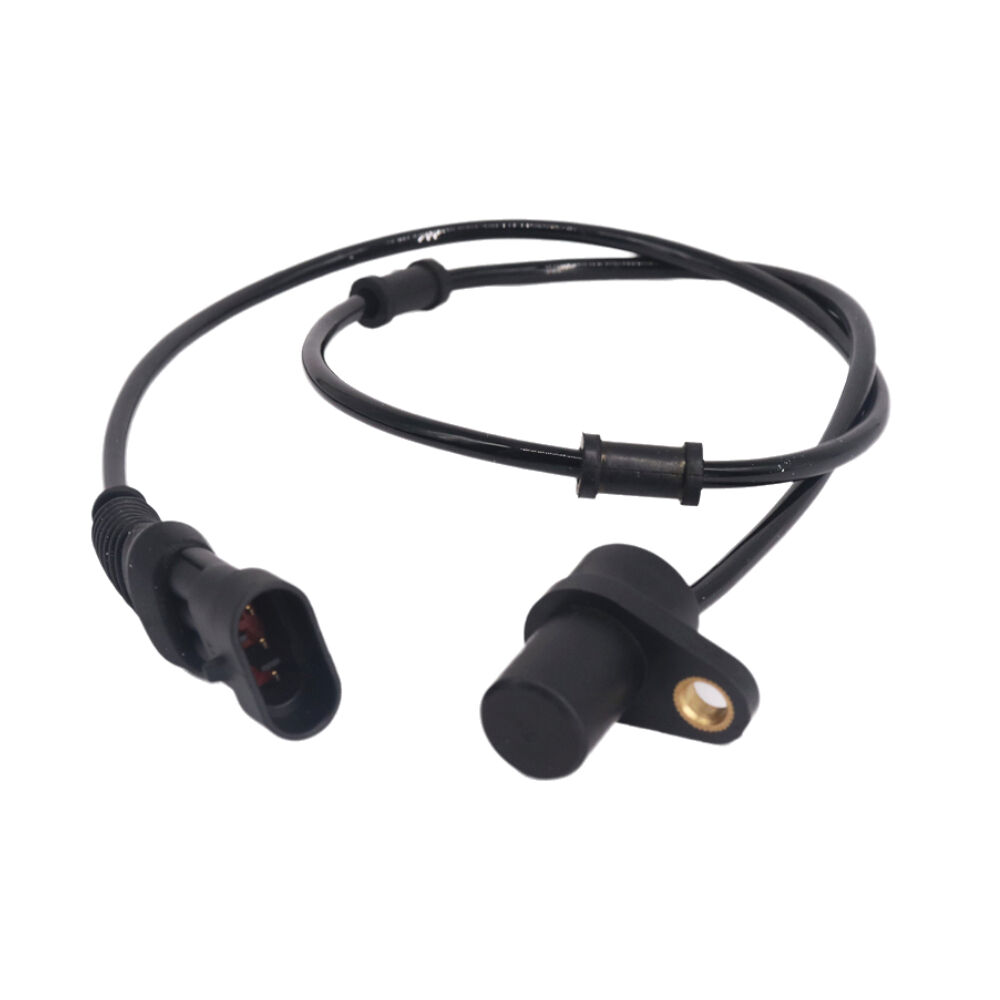
Motorcycle safety has evolved dramatically over the past two decades, and much of that progress can be traced back to advances in electronic sensing technology. At the heart of many modern safety systems sits a small but critical component: the speed sensor. This compact device continuously monitors wheel rotation and translates that data into real-time signals that the motorcycle's control systems rely on to make split-second decisions. Understanding how a speed sensor contributes to rider safety helps explain why it has become a standard component on motorcycles ranging from commuter bikes to high-performance machines.
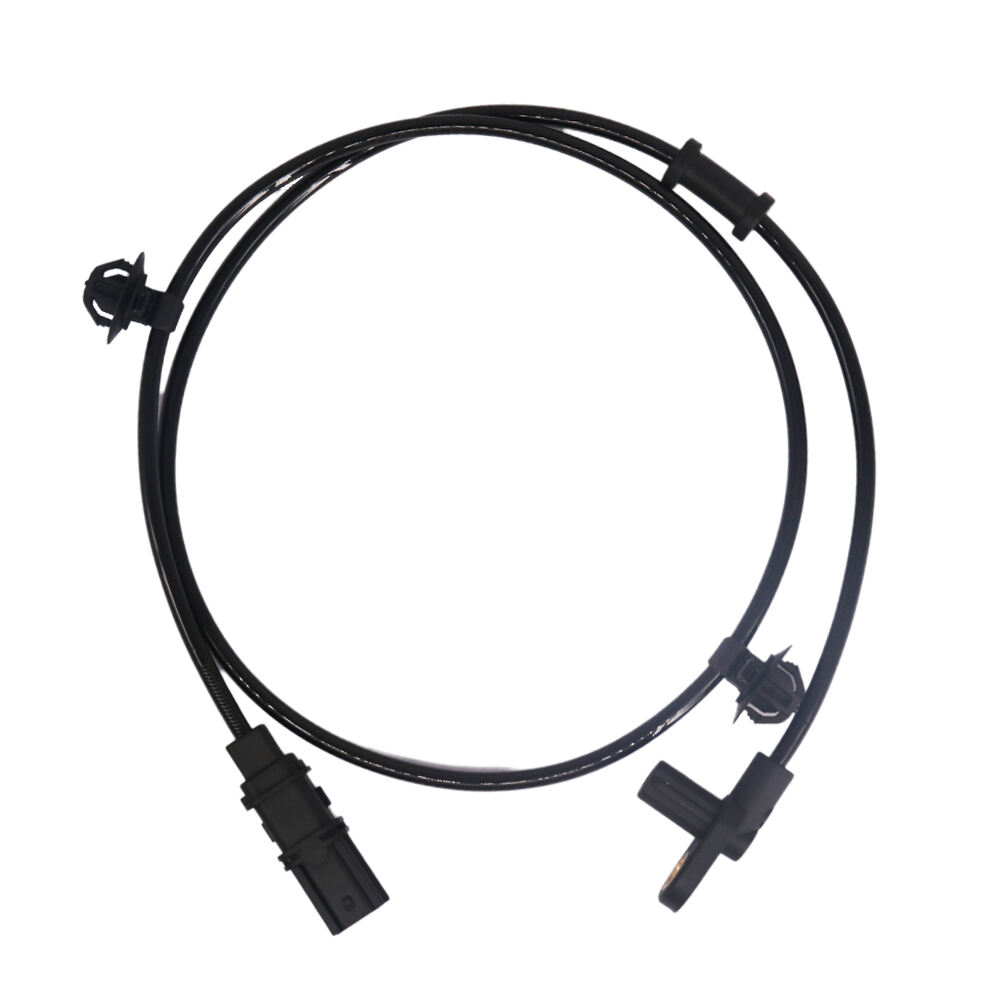
The role of the speed sensor extends well beyond simply displaying a number on the instrument cluster. It feeds critical velocity data into systems like anti-lock braking, traction control, and stability management, all of which depend on accurate, continuous wheel speed information to function correctly. When a speed sensor operates precisely, these safety systems can intervene at exactly the right moment, reducing the risk of skidding, wheel lock-up, and loss of control. This article explores the specific mechanisms through which a speed sensor improves motorcycle safety and why maintaining this component in good working order is essential for every rider.
The Fundamental Role of a Speed Sensor in Motorcycle Electronics
How a Speed Sensor Generates and Transmits Data
A speed sensor works by detecting the rotation of a toothed ring, commonly called a reluctor ring or tone wheel, that is mounted on the wheel hub or brake disc. As the wheel spins, the teeth on the ring pass by the sensor's magnetic tip, generating a series of electrical pulses. The frequency of these pulses corresponds directly to how fast the wheel is rotating, and the motorcycle's electronic control unit (ECU) interprets this frequency as a precise wheel speed value.
This data stream is continuous and updates many times per second, giving the ECU a near-real-time picture of what each wheel is doing. The accuracy of this signal is fundamental because safety systems must distinguish between normal deceleration and a wheel that is beginning to lock up. A speed sensor that produces a clean, consistent signal allows the ECU to make that distinction reliably, while a faulty or degraded sensor introduces noise that can confuse the system and delay its response.
Modern motorcycles often use Hall-effect speed sensors, which are more resistant to contamination and temperature variation than older inductive designs. This robustness matters in real-world riding conditions where the sensor is exposed to road grime, water, and heat cycling. The reliability of the speed sensor directly determines the reliability of every safety system that depends on its output.
The Connection Between Wheel Speed Data and Safety System Activation
Safety systems on a motorcycle do not operate on guesswork. They rely on precise input data to determine when intervention is necessary and how much correction to apply. The speed sensor provides the foundational data layer that makes this possible. Without accurate wheel speed information, systems like ABS cannot distinguish between a controlled stop and a dangerous wheel lock-up situation.
When the ECU detects a sudden drop in wheel speed that is inconsistent with the rate of deceleration being applied, it recognizes this as a potential lock-up event. This recognition is only possible because the speed sensor is continuously reporting wheel velocity. The faster and more accurately the sensor reports, the faster the safety system can respond, and in emergency braking situations, fractions of a second can determine whether a rider maintains control or goes down.
Speed Sensors and Anti-Lock Braking Systems
How ABS Depends on Speed Sensor Accuracy
Anti-lock braking systems are among the most well-documented safety technologies in motorcycling, and their effectiveness is entirely dependent on the quality of the speed sensor signal. ABS works by modulating brake pressure in rapid cycles when it detects that a wheel is about to lock. This modulation keeps the wheel rotating just enough to maintain traction, allowing the rider to steer while braking hard.
The speed sensor is the component that tells the ABS module whether the wheel is still rotating or has stopped. If the sensor reports a sudden near-zero speed while the motorcycle is still moving at highway velocity, the ABS module interprets this as a lock-up and begins releasing and reapplying brake pressure. This cycle can happen up to 20 times per second on some systems, a rate that is only possible because the speed sensor is providing continuous, high-frequency data.
A degraded speed sensor can cause ABS to activate unnecessarily, which is disorienting for the rider, or fail to activate when it should, which is dangerous. This is why the condition of the speed sensor is directly tied to the real-world effectiveness of ABS as a safety feature. On models like the Honda CC110 Cross Cub 110, the front wheel speed sensor plays a particularly important role because front wheel braking contributes the majority of stopping force.
Front Versus Rear Speed Sensor Contributions to Braking Safety
Many motorcycles use a speed sensor on both the front and rear wheels, and each serves a distinct function within the braking safety system. The front speed sensor monitors the wheel that handles the greatest braking load, making it the primary input for ABS intervention during hard stops. The rear speed sensor helps the system understand the overall deceleration rate and detect rear wheel lift or lock-up, which can occur during aggressive braking.
By comparing the signals from both sensors, the ECU can build a more complete picture of what is happening during a braking event. If the front wheel slows dramatically while the rear continues at speed, the system knows the front is locking. If both wheels slow at a rate that exceeds what friction physics would allow, the system can infer that something unusual is happening and adjust its response accordingly.
This comparative analysis between front and rear speed sensor data is what allows modern ABS systems to be both sensitive and selective, intervening when genuinely needed without triggering false activations that could unsettle the rider.
Traction Control and Stability Systems Powered by Speed Sensor Data
Detecting Wheel Spin Through Speed Sensor Comparison
Traction control systems use speed sensor data in a fundamentally different way than ABS, but the underlying principle is the same: compare what the wheel is doing against what it should be doing. When a rider accelerates hard, especially on a slippery surface, the rear wheel can spin faster than the motorcycle is actually traveling. The speed sensor on the rear wheel will report a higher speed than the front wheel sensor, and this discrepancy signals the ECU that wheel spin is occurring.
Once the ECU identifies this condition, it can reduce engine torque, apply a small amount of rear brake, or both, to bring the rear wheel back into traction. The speed sensor is the component that makes this detection possible. Without it, the system has no way to know that the rear wheel is spinning freely rather than driving the motorcycle forward.
This capability is particularly valuable in real-world riding conditions where surface grip changes unexpectedly, such as when crossing a painted road marking, hitting a patch of gravel, or accelerating out of a corner on a damp road. The speed sensor enables the traction control system to respond to these conditions faster than any rider could react manually.
Stability Management and the Speed Sensor's Supporting Role
Advanced stability management systems on modern motorcycles integrate speed sensor data with inputs from inertial measurement units, lean angle sensors, and throttle position sensors to create a comprehensive picture of the motorcycle's dynamic state. The speed sensor contributes the wheel velocity component of this picture, which is essential for calculating slip ratios and determining whether the motorcycle is behaving as expected for its current speed and lean angle.
When the stability system detects that the motorcycle is deviating from its expected trajectory, it can make targeted interventions to individual brakes or the engine to restore balance. These interventions are calibrated based on the speed sensor's report of how fast the wheels are moving, ensuring that corrections are proportional and do not themselves destabilize the motorcycle.
The integration of speed sensor data into stability management represents the highest level of application for this component. It transforms a simple velocity measurement into a key input for a system that can actively prevent crashes in scenarios that would otherwise be beyond the rider's ability to correct.
Maintenance, Failure Modes, and Safety Implications
Common Speed Sensor Failure Patterns and Their Safety Impact
A speed sensor can fail in several ways, and each failure mode has different implications for safety. Physical damage from road debris is one of the most common causes of failure, particularly for sensors mounted close to the wheel. Contamination from brake dust, oil, or mud can also degrade sensor performance over time, causing intermittent signal loss that is difficult to diagnose but can cause erratic behavior in ABS and traction control systems.
Wiring harness damage is another frequent failure point. The cable connecting the speed sensor to the ECU runs through areas of the motorcycle that experience vibration, heat, and flexing during normal operation. Over time, this can cause wire fatigue, connector corrosion, or insulation breakdown, all of which can interrupt or corrupt the signal. When the ECU receives a corrupted speed sensor signal, it typically defaults to disabling the affected safety system and illuminating a warning light on the instrument cluster.
This default-off behavior is a deliberate safety design choice, but it means that a faulty speed sensor effectively removes ABS or traction control protection from the rider without any obvious change in how the motorcycle rides. Riders who ignore warning lights may not realize they are operating without these safety systems until they need them in an emergency.
Inspection and Replacement Considerations for Speed Sensors
Regular inspection of the speed sensor and its associated wiring is a straightforward maintenance task that has a direct impact on safety system reliability. Technicians should check the sensor mounting for security, inspect the reluctor ring for damage or debris buildup, and examine the wiring harness for signs of wear or corrosion. Cleaning the sensor tip and the area around the reluctor ring can restore signal quality in cases where contamination is the primary issue.
When a speed sensor does need replacement, using a component that meets the original equipment specification is important. The signal characteristics of the sensor, including its output voltage range and pulse frequency, must match what the ECU expects. An incompatible speed sensor can cause the ECU to misinterpret wheel speed data, leading to incorrect safety system behavior even if the sensor itself is functioning correctly.
For models like the Honda CC110 Cross Cub 110, sourcing the correct front wheel speed sensor ensures that the ABS system continues to operate within its designed parameters. Proper fitment also matters because a sensor that is not correctly positioned relative to the reluctor ring will produce a weak or inconsistent signal regardless of its electrical quality.
FAQ
What happens to motorcycle safety systems if the speed sensor fails?
When a speed sensor fails or produces an unreliable signal, the ECU typically disables the safety systems that depend on it, most commonly ABS and traction control. A warning light will usually appear on the instrument cluster. The motorcycle will still operate, but without the protection these systems provide. Riders should treat a speed sensor warning light as a priority repair rather than a minor inconvenience.
Can a speed sensor affect fuel efficiency or engine performance?
On most motorcycles, the speed sensor's primary role is to feed safety and stability systems rather than engine management. However, on some models, wheel speed data is used to refine fuel injection mapping or assist with idle control. A faulty speed sensor on these models could cause minor performance irregularities, but the more significant concern remains the loss of safety system functionality.
How often should a motorcycle speed sensor be inspected?
A speed sensor should be visually inspected during routine service intervals, typically every 6,000 to 12,000 kilometers depending on the manufacturer's recommendation. Riders who frequently operate in wet, muddy, or dusty conditions should inspect the sensor and its wiring more frequently. Any ABS or traction control warning light should prompt an immediate diagnostic check of the speed sensor system.
Is the front or rear speed sensor more important for safety?
Both sensors contribute to overall safety, but the front speed sensor is generally considered more critical because the front wheel handles the majority of braking force. A failure of the front speed sensor will typically disable ABS on the front wheel, which is the most consequential loss of protection during emergency braking. Rear speed sensor data is equally important for traction control and rear-wheel ABS, making both sensors essential components of a complete safety system.