
 EN
EN
The quality of a brake disc motorcycle component directly determines how quickly and safely a rider can stop. When a rider pulls the brake lever, the caliper clamps brake pads against the brake disc motorcycle rotor, converting kinetic energy into thermal energy through friction. The effectiveness of this energy conversion process depends heavily on the material composition, surface finish, and structural integrity of the brake disc motorcycle assembly. Poor-quality brake disc motorcycle components compromise this friction interface, leading to extended stopping distances that can mean the difference between avoiding a collision and experiencing a dangerous accident.
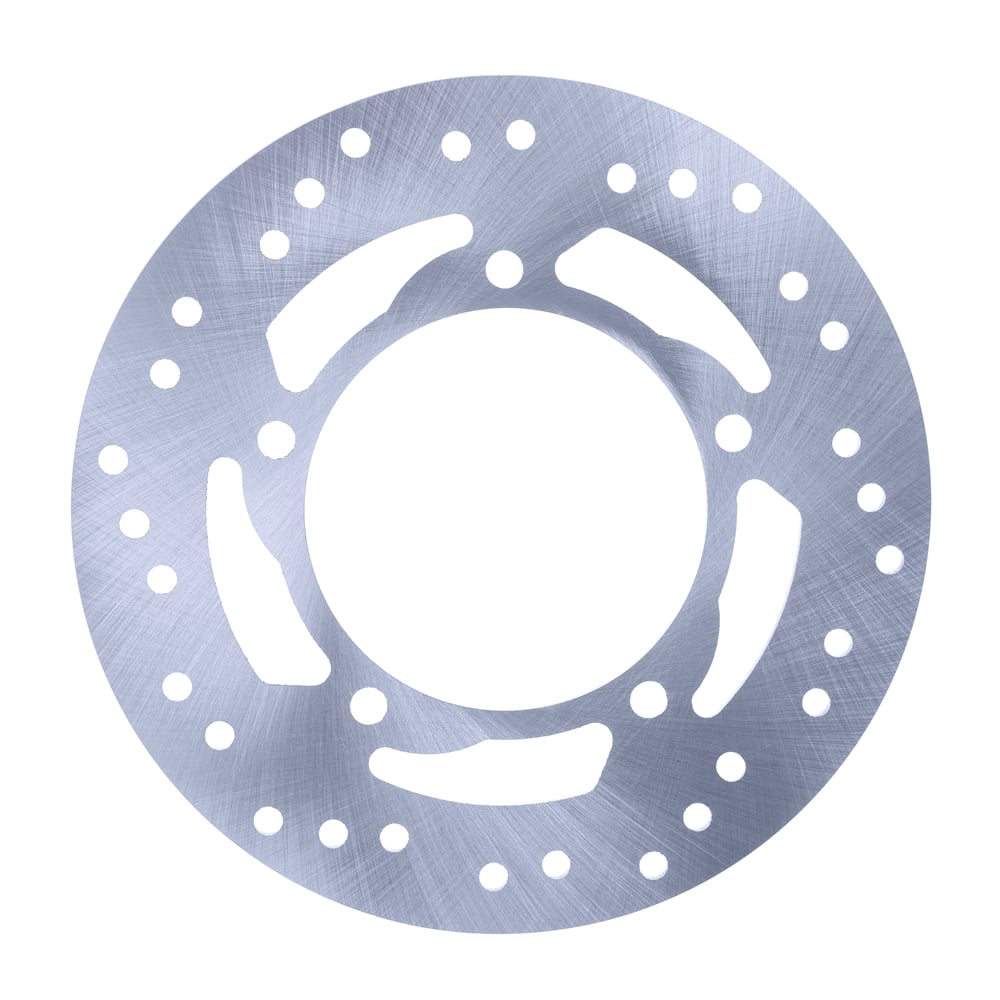
Understanding why brake disc motorcycle quality matters requires examining the complex relationship between material science, thermal management, and friction dynamics. A high-quality brake disc motorcycle maintains consistent friction coefficients across varying temperatures and weather conditions, while inferior rotors exhibit friction fade, warping, and unpredictable performance characteristics. Riders who invest in quality brake disc motorcycle components gain predictable, reliable stopping power that enhances both everyday riding safety and emergency braking effectiveness.
Material Composition and Friction Performance
The Role of Alloy Selection in Brake Disc Motorcycle Function
The metallurgical composition of a brake disc motorcycle fundamentally determines its friction characteristics and thermal stability. Premium brake disc motorcycle rotors typically use high-carbon stainless steel alloys or specialized cast iron formulations engineered to maintain stable friction coefficients between 0.35 and 0.45 across temperature ranges from ambient to 600 degrees Celsius. These carefully balanced alloys in a quality brake disc motorcycle resist oxidation, minimize wear rates, and provide consistent bite throughout the braking event. Inferior brake disc motorcycle materials often use generic steel alloys with inconsistent carbon content, leading to friction coefficients that drop significantly as temperatures rise during repeated braking.
How Carbon Content Affects Brake Disc Motorcycle Stopping Power
Carbon content in brake disc motorcycle steel directly influences hardness, thermal conductivity, and wear resistance. A properly engineered brake disc motorcycle contains 0.35 to 0.55 percent carbon, creating a material structure that balances hardness for wear resistance with ductility to prevent stress cracking. When a brake disc motorcycle has insufficient carbon content, the rotor surface wears rapidly and develops grooves that reduce contact area with brake pads, extending stopping distances by 15 to 25 percent compared to specification. Conversely, excessive carbon in a brake disc motorcycle creates brittleness that leads to thermal cracking and catastrophic failure under heavy braking loads.
Thermal Management and Heat Dissipation Design
Why Heat Dissipation Matters in Brake Disc Motorcycle Design
Effective thermal management separates premium brake disc motorcycle designs from budget alternatives. During braking, a brake disc motorcycle converts kinetic energy into heat at rates exceeding 50 kilowatts during aggressive stops, with rotor surface temperatures spiking to 400-700 degrees Celsius. A quality brake disc motorcycle incorporates optimized venting patterns, adequate mass distribution, and surface area design to dissipate this thermal load rapidly. When a brake disc motorcycle cannot shed heat effectively, the rotor experiences thermal fade where friction coefficients drop from 0.40 to 0.25 or lower, doubling stopping distances and creating dangerous unpredictability in braking response.
Venting Pattern Impact on Brake Disc Motorcycle Performance
The venting architecture of a brake disc motorcycle significantly influences cooling efficiency and sustained braking performance. Advanced brake disc motorcycle designs feature directional venting channels that leverage centrifugal pumping to force air through the rotor core, enhancing convective cooling by 35 to 50 percent compared to solid designs. A well-engineered brake disc motorcycle balances venting effectiveness with structural rigidity, ensuring the rotor resists warping under thermal stress. Budget brake disc motorcycle rotors often use simplified or absent venting, causing heat soak that extends stopping distances progressively through multiple braking events, particularly problematic in mountain descents or track riding scenarios.
Surface Finish and Manufacturing Precision Standards
Manufacturing Tolerances in Quality Brake Disc Motorcycle Production
Precision manufacturing directly determines how effectively a brake disc motorcycle converts brake lever input into stopping force. A quality brake disc motorcycle maintains flatness tolerances within 0.05 millimeters across the friction surface and parallelism tolerances within 0.03 millimeters between rotor faces. These tight tolerances ensure the brake disc motorcycle presents consistent contact geometry to the brake pads throughout the rotation cycle, maximizing friction area utilization and minimizing stopping distance variability. When a brake disc motorcycle exhibits poor manufacturing precision with runout exceeding 0.15 millimeters, the rotor creates pulsing brake lever feel and reduces effective pad contact by 20 to 35 percent, substantially extending stopping distances.
Surface Treatment Effects on Brake Disc Motorcycle Friction
Surface finishing processes determine initial bedding characteristics and long-term friction stability of a brake disc motorcycle. Premium brake disc motorcycle rotors receive precision grinding to achieve surface roughness values between 1.6 and 3.2 micrometers Ra, creating an optimal texture for brake pad interface. This controlled surface on a brake disc motorcycle promotes rapid bedding of new pads while resisting glazing that degrades friction coefficients. Inferior brake disc motorcycle products often skip final grinding steps, leaving as-cast surfaces with roughness exceeding 6.3 micrometers that cause uneven pad wear, noise, and inconsistent friction that extends stopping distances by 10 to 20 percent during the critical first 500 kilometers of service.
FAQ
What stopping distance increase should I expect from a worn brake disc motorcycle?
A brake disc motorcycle worn beyond minimum thickness specifications typically extends stopping distances by 25 to 40 percent compared to new condition. As a brake disc motorcycle wears, reduced thermal mass causes faster temperature rise and earlier onset of friction fade. Additionally, worn brake disc motorcycle surfaces develop grooves and glazing that reduce effective pad contact area. Replace your brake disc motorcycle when thickness approaches minimum specifications or when stopping distances noticeably increase.
Can a warped brake disc motorcycle cause safety issues beyond longer stopping distance?
Yes, a warped brake disc motorcycle creates multiple safety hazards beyond extended stopping distances. Warpage in a brake disc motorcycle causes pulsing brake lever feel that makes precise modulation difficult, particularly during emergency braking. The uneven contact pattern on a warped brake disc motorcycle also accelerates pad wear and can lead to uneven braking force between front and rear wheels. Severe warpage in a brake disc motorcycle may cause complete loss of braking effectiveness if the caliper cannot accommodate the runout.
How does brake disc motorcycle quality affect performance in wet conditions?
Quality brake disc motorcycle rotors maintain more consistent friction coefficients in wet conditions through superior material selection and surface design. A premium brake disc motorcycle uses alloys that resist water-induced oxidation and features surface treatments that promote rapid water evacuation. Budget brake disc motorcycle products often experience friction coefficient drops of 30 to 50 percent when wet, requiring additional stopping distance. Quality brake disc motorcycle designs minimize this wet-weather performance degradation to 10 to 15 percent, maintaining safer and more predictable braking response.