
 EN
EN
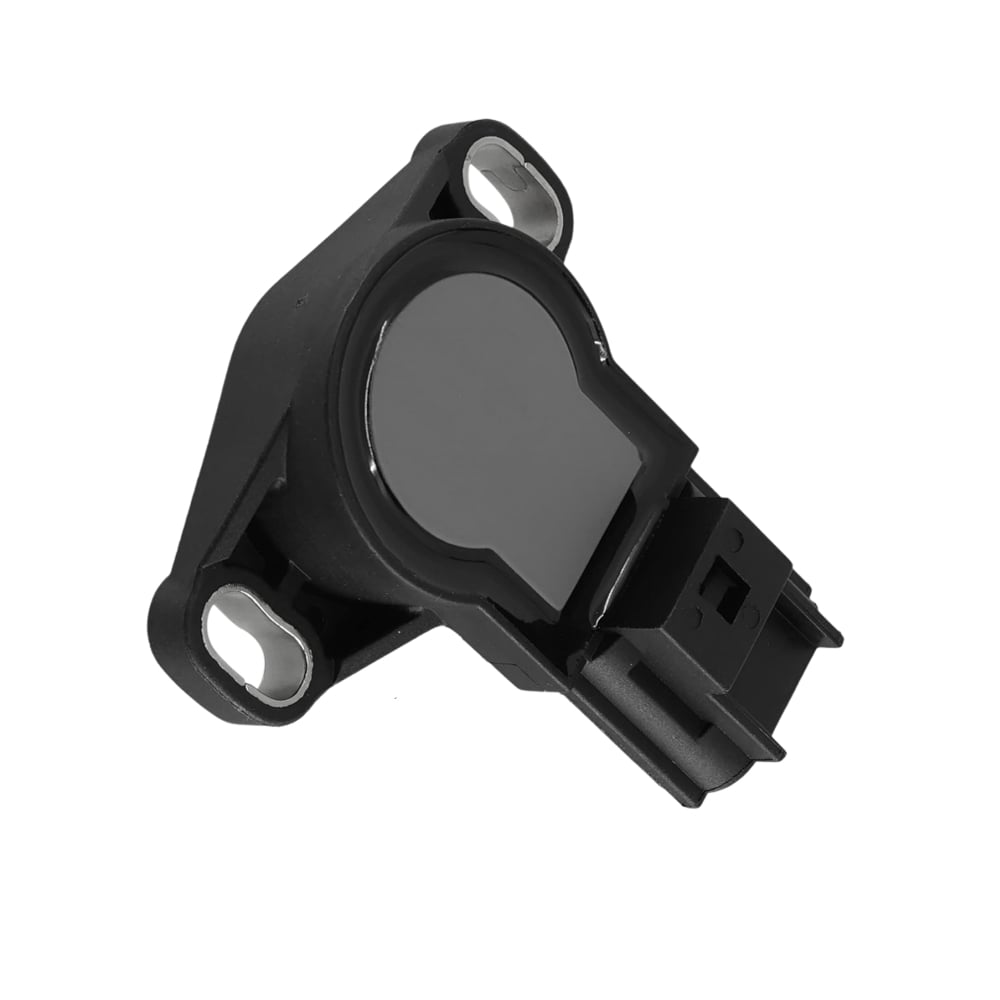
The throttle position sensor is one of the most influential components in a modern fuel-injected motorcycle. It monitors the exact angle and movement of the throttle valve, relaying this data to the engine control unit so the system can calculate the correct fuel delivery at any given moment. Without an accurate throttle position sensor, the entire fuel management system loses a critical reference point, and the consequences extend directly to fuel efficiency.
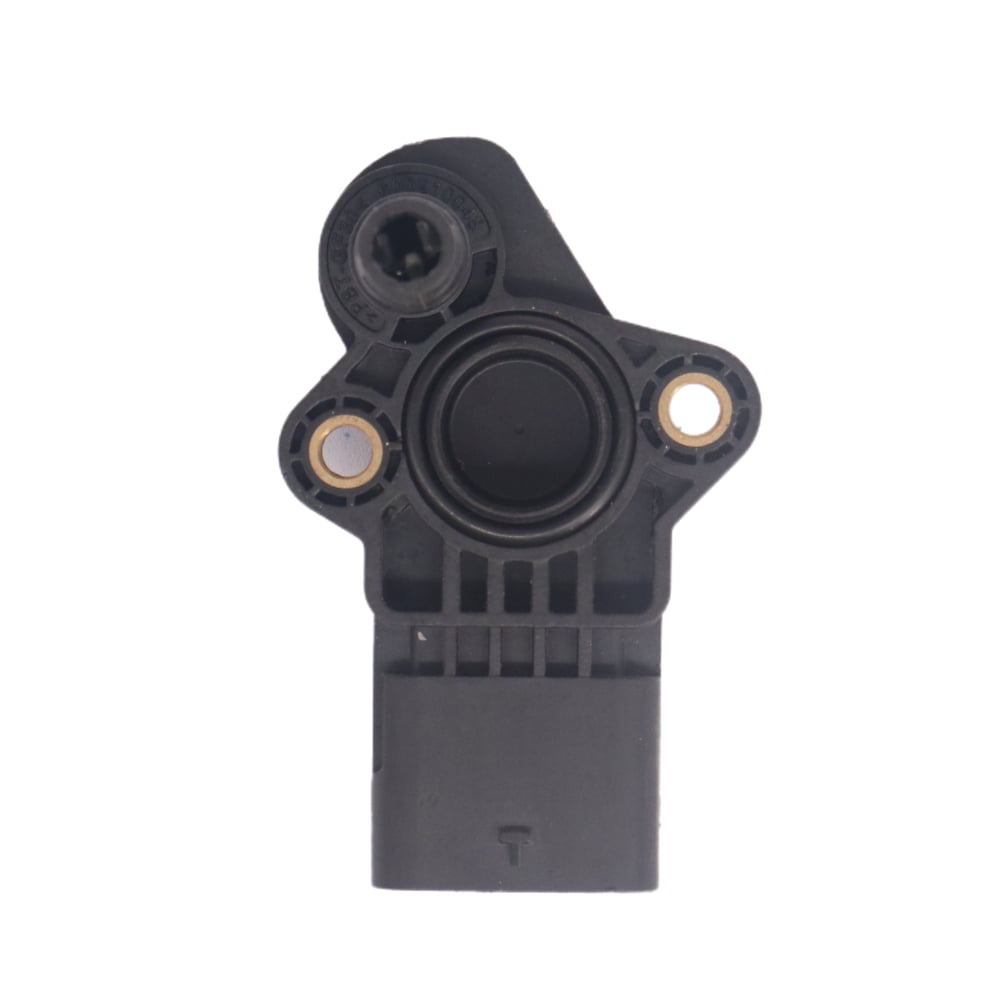
Understanding the impact of the throttle position sensor on fuel efficiency requires looking at how deeply this small device is embedded in the engine management loop. Every throttle input a rider makes is interpreted by the ECU through the signal produced by the throttle position sensor. A healthy throttle position sensor enables precise fuel injection timing and quantity, while a degraded or faulty throttle position sensor forces the ECU into compensation modes that waste fuel and reduce engine performance.
How the Throttle Position Sensor Governs Fuel Delivery
The Signal Chain Between Sensor and Injector
The throttle position sensor operates by converting the mechanical position of the throttle body into a voltage signal. This voltage value is read continuously by the ECU, which uses it alongside inputs from other sensors to determine the optimal air-fuel ratio. When the throttle position sensor sends a clean and accurate voltage curve, the injector fires with precise timing and the correct fuel pulse width. This tight coordination is what makes fuel-injected motorcycles significantly more efficient than their carbureted predecessors.
When the throttle position sensor signal drifts or becomes erratic, the ECU receives inaccurate data about how far the throttle is open. The system may inject more fuel than necessary during steady cruising or fail to supply enough fuel during hard acceleration. Both scenarios damage fuel efficiency. An over-fueling condition caused by a faulty throttle position sensor can increase fuel consumption noticeably, sometimes by several percentage points above the manufacturer's rated figure.
Idle Calibration and Low-Speed Fuel Mapping
The throttle position sensor plays a critical role at idle and during low-throttle riding, which represent a large share of urban motorcycle use. The ECU uses the throttle position sensor signal to distinguish true idle from closed-throttle deceleration. In deceleration fuel cut-off modes, the ECU relies on the throttle position sensor to confirm the throttle is fully closed before suspending fuel injection. A throttle position sensor that does not reach a clean closed-throttle voltage will prevent this cut-off from activating, causing unnecessary fuel consumption during engine braking phases.
Signs That the Throttle Position Sensor Is Reducing Fuel Efficiency
Recognizable Symptoms in Daily Riding
Riders often notice the impact of a degraded throttle position sensor before any fault code appears. Common symptoms include sluggish throttle response, hesitation when rolling on the throttle, and a rough or surging idle. The motorcycle may feel like it is hunting for the correct idle speed because the ECU keeps adjusting fuel delivery based on unstable throttle position sensor readings. These conditions also produce inconsistent combustion events, which increase fuel consumption and reduce power output at the same time.
Another sign is a drop in fuel range between fill-ups. If a rider notices the motorcycle consuming more fuel without any change in riding style or route, the throttle position sensor should be among the first components checked. A throttle position sensor that outputs a slightly elevated voltage at closed throttle tricks the ECU into treating idle as a partial-load condition, keeping fuel injectors active at a higher duty cycle than required.
Diagnostic Approaches for the Throttle Position Sensor
Checking the throttle position sensor typically involves reading its output voltage with a multimeter or a dedicated diagnostic tool connected to the motorcycle's OBD port. A healthy throttle position sensor should produce a smooth, linear voltage rise from the closed-throttle position to wide-open throttle, with no dead spots or sudden jumps in the signal. Technicians also look for stored fault codes referencing the throttle position sensor circuit, which may indicate a wiring issue, a connector problem, or sensor wear. Early diagnosis prevents extended periods of poor fuel economy caused by a throttle position sensor that is failing gradually.
Maintaining the Throttle Position Sensor for Long-Term Fuel Economy
Replacement Intervals and Sensor Quality
The throttle position sensor is not typically part of a standard service schedule, but it should be inspected whenever fuel efficiency declines unexpectedly or during major throttle body servicing. Because the throttle position sensor is a resistive or Hall-effect device exposed to engine vibration and temperature cycling, its internal components can wear over time. Choosing a replacement throttle position sensor that meets the original equipment specification is essential. A throttle position sensor with incorrect resistance values or a mismatched voltage output range will cause the ECU to miscalculate fuel delivery from the moment it is installed.
For motorcycles like the Bajaj Pulsar N250 and N160 FI, using a purpose-designed throttle position sensor ensures the voltage output matches the ECU calibration exactly. A correctly specified throttle position sensor restores the precision fuel mapping the engine was designed to run on, recovering any fuel efficiency that was lost during the period when the old throttle position sensor was degrading.
Installation and Post-Replacement Calibration
Installing a new throttle position sensor correctly is as important as selecting the right part. The throttle position sensor must be mounted at the correct rotational position so that its closed-throttle voltage falls within the ECU's expected range. Some motorcycles require a reset or relearning procedure after throttle position sensor replacement so the ECU can update its baseline values. Skipping this step may leave the fuel maps running on stale reference data, limiting the fuel efficiency gains that the new throttle position sensor should provide. Always follow the manufacturer's specification when setting throttle position sensor output at idle.
FAQ
How does a faulty throttle position sensor affect fuel consumption directly?
A faulty throttle position sensor sends inaccurate voltage signals to the ECU, causing the system to inject incorrect fuel quantities. This leads to over-fueling or under-fueling conditions that increase fuel consumption, reduce combustion efficiency, and may trigger rough idle or hesitation symptoms during normal riding.
Can a throttle position sensor be cleaned instead of replaced?
In some cases, poor throttle position sensor performance results from contamination on the connector pins or carbon deposits near the sensor body. Cleaning the connector and surrounding area may restore a stable signal. However, if the throttle position sensor's internal resistive track is worn, cleaning will not resolve the issue and replacement is the only reliable solution.
How often should the throttle position sensor be checked on a fuel-injected motorcycle?
There is no fixed interval for throttle position sensor inspection, but it should be evaluated whenever fuel efficiency drops noticeably, during throttle body service, or when diagnostic codes related to the throttle position sensor circuit appear. Proactive inspection at every 20,000 to 30,000 kilometers is a reasonable practice for high-mileage riders who depend on consistent fuel economy.