
 EN
EN
Understanding what causes wear on your brake disc motorcycle components is essential for maintaining safe riding conditions and extending the lifespan of your braking system. The brake disc motorcycle setup relies on friction to slow and stop your vehicle, which naturally leads to gradual material degradation over time. However, several factors can accelerate this wear process significantly, leading to premature replacement needs and compromised safety. Recognizing these common causes allows riders to adopt preventive measures and make informed maintenance decisions that protect both their brake disc motorcycle investment and their personal safety on the road.
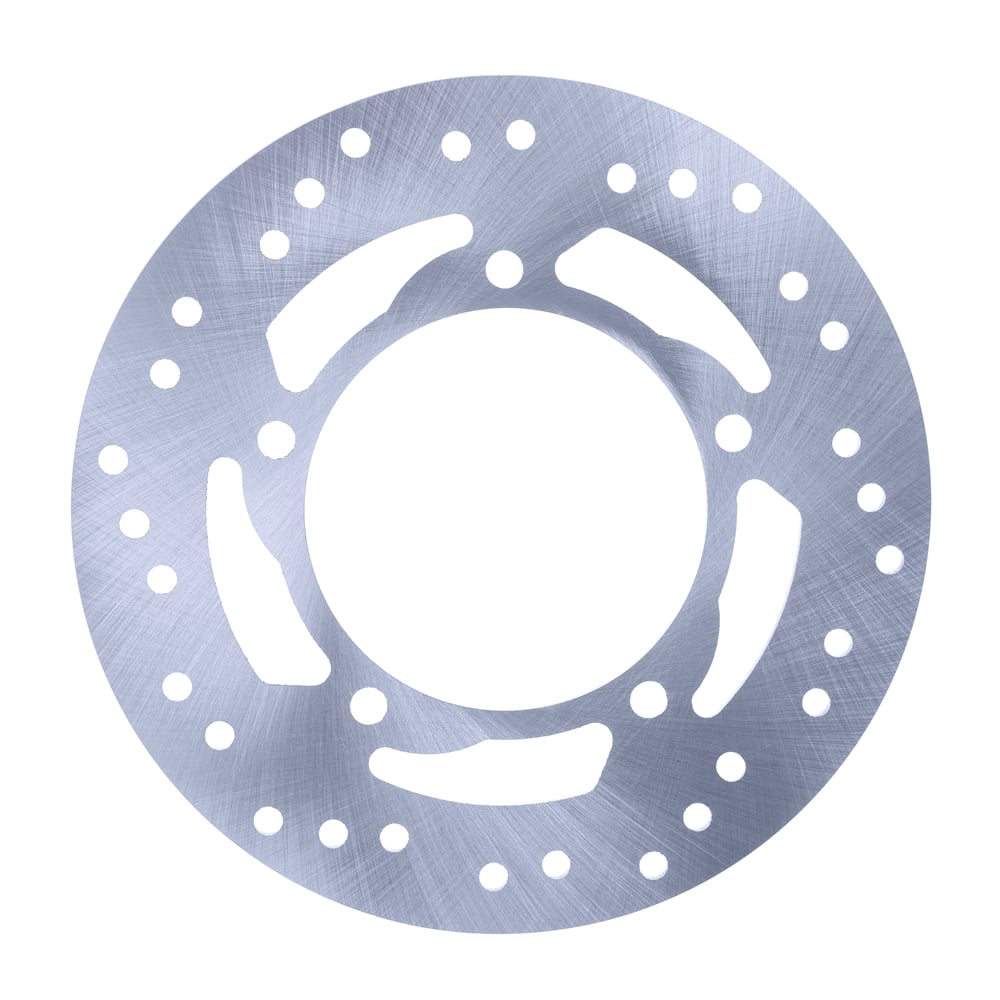
The brake disc motorcycle system operates under extreme conditions involving high temperatures, substantial friction forces, and exposure to various environmental elements. Every time you apply the brakes, the brake disc motorcycle components experience thermal stress and mechanical abrasion that gradually removes material from the rotor surface. While this wear is inevitable, the rate at which it occurs depends heavily on riding habits, maintenance practices, environmental conditions, and component quality. By examining the primary causes of brake disc motorcycle deterioration, riders can identify which factors apply to their specific situation and take corrective action before wear becomes critical.
Riding Habits That Accelerate Brake Disc Motorcycle Wear
Aggressive Braking Patterns and Their Impact
One of the most significant contributors to premature brake disc motorcycle wear involves aggressive braking techniques that generate excessive heat and friction. When riders consistently apply hard, sudden braking force instead of gradual deceleration, the brake disc motorcycle components experience thermal shock and accelerated material removal. This riding style is particularly damaging because it creates localized hot spots on the brake disc motorcycle surface, leading to uneven wear patterns and potential warping. The brake disc motorcycle rotor can develop thickness variations that compromise braking performance and create pulsation felt through the lever. Riders who frequently engage in aggressive braking often find their brake disc motorcycle components require replacement far sooner than those who practice smooth, progressive braking techniques.
Prolonged Downhill Riding and Brake Dragging
Extended periods of continuous braking during downhill descents place tremendous strain on the brake disc motorcycle system. When riders fail to use engine braking and rely solely on their brake disc motorcycle components to control speed on long descents, the rotors experience sustained high temperatures that accelerate wear dramatically. This continuous application causes the brake disc motorcycle material to lose its structural integrity faster than normal intermittent use. Additionally, riders who unconsciously rest their hands on the brake lever, causing slight drag even when not actively braking, subject their brake disc motorcycle to constant friction. This brake dragging habit not only wears the brake disc motorcycle prematurely but also generates unnecessary heat that can lead to brake fade and reduced stopping power when braking is genuinely needed.
Environmental and Operational Factors
Contamination From Road Debris and Weather Conditions
The brake disc motorcycle operates in an exposed environment where contamination from various sources significantly impacts wear rates. Road debris such as sand, gravel, and metal particles can become trapped between the brake pads and the brake disc motorcycle surface, acting as abrasive agents that accelerate material removal. Water exposure presents another challenge for the brake disc motorcycle, particularly in regions with frequent rain or high humidity. When moisture combines with brake dust and road grime, it forms a corrosive paste that attacks the brake disc motorcycle material, causing surface pitting and accelerated wear. Salt used for winter road treatment is especially damaging to the brake disc motorcycle, as it promotes rapid corrosion that weakens the rotor structure. Riders in coastal areas face similar challenges from salt spray, which continuously attacks the brake disc motorcycle components even when the motorcycle is parked.
Temperature Extremes and Thermal Cycling
The brake disc motorcycle experiences significant thermal stress through repeated heating and cooling cycles during normal operation. Each braking event heats the brake disc motorcycle substantially, sometimes exceeding 400 degrees Celsius during aggressive stops. When the brake disc motorcycle then cools rapidly, either through air exposure or contact with water, thermal expansion and contraction occur. These temperature fluctuations cause microscopic cracks to form in the brake disc motorcycle material, which gradually propagate and lead to structural failure. Operating the brake disc motorcycle in extreme ambient temperatures compounds this issue. In very hot climates, the brake disc motorcycle starts from a higher baseline temperature, meaning less thermal capacity before reaching critical temperatures. Conversely, in extremely cold conditions, the brake disc motorcycle material becomes more brittle and susceptible to crack formation during thermal cycling.
Component Quality and Maintenance Issues
Material Quality and Manufacturing Standards
Not all brake disc motorcycle components are manufactured to the same quality standards, and this variation significantly affects wear resistance and longevity. Lower-quality brake disc motorcycle rotors often use inferior metallurgical compositions that lack the carbon content and alloying elements necessary for optimal wear resistance. These substandard brake disc motorcycle components may initially appear identical to premium options but fail to withstand the thermal and mechanical stresses of regular use. The brake disc motorcycle market includes products manufactured to various specifications, and choosing components based solely on price rather than quality often results in premature wear. Premium brake disc motorcycle rotors incorporate advanced materials and manufacturing processes that create a more uniform grain structure and better heat dissipation characteristics, directly translating to extended service life and more consistent performance throughout the brake disc motorcycle lifespan.
Improper Maintenance and Installation Practices
Neglecting regular brake disc motorcycle maintenance accelerates wear and can lead to catastrophic failure. When riders fail to inspect their brake disc motorcycle regularly, they miss early warning signs such as surface scoring, heat discoloration, or thickness reduction. Contaminated brake fluid affects the entire brake disc motorcycle system, potentially causing uneven pad application that creates localized wear patterns on the rotor. Improper installation of the brake disc motorcycle also contributes to premature wear. If mounting bolts are not torqued correctly, the brake disc motorcycle may develop run-out that causes uneven contact with the brake pads. Similarly, failing to properly bed in new brake disc motorcycle components prevents the formation of an optimal transfer layer, leading to inconsistent braking performance and accelerated wear during the critical initial operating period. Regular cleaning of the brake disc motorcycle surface removes accumulated brake dust and contaminants that would otherwise act as abrasives.
FAQ
How often should I inspect my brake disc motorcycle for wear?
You should visually inspect your brake disc motorcycle at least once per month and perform detailed measurements every 3,000 to 5,000 kilometers. Check for visible scoring, cracks, or discoloration on the brake disc motorcycle surface. Measure the brake disc motorcycle thickness using a micrometer and compare it against the manufacturer's minimum thickness specification stamped on the rotor. Any brake disc motorcycle showing thickness below the service limit, severe scoring deeper than 0.5mm, cracks, or significant warping should be replaced immediately regardless of mileage.
Can I extend the life of my brake disc motorcycle through riding technique?
Yes, adopting smooth braking habits significantly extends brake disc motorcycle lifespan. Practice progressive braking by applying gradual pressure rather than sudden hard stops whenever possible. Use engine braking during downhill descents to reduce reliance on your brake disc motorcycle. Avoid resting your hand on the brake lever, which causes constant drag on the brake disc motorcycle. Allow your brake disc motorcycle to cool between aggressive braking events during spirited riding, and avoid riding through deep water immediately after hard braking when the brake disc motorcycle is extremely hot, as thermal shock accelerates wear.
What are the warning signs that my brake disc motorcycle needs replacement?
Several indicators suggest your brake disc motorcycle requires replacement. Pulsation felt through the brake lever during application indicates warped brake disc motorcycle rotors. Squealing or grinding noises suggest contamination or severe wear on the brake disc motorcycle surface. Visual inspection revealing deep scoring, cracks radiating from the mounting holes, or blue heat discoloration across the brake disc motorcycle indicates overheating and material degradation. Measurements showing thickness below the minimum specification stamped on the brake disc motorcycle or variation exceeding 0.05mm across the rotor surface require immediate replacement to maintain safe braking performance.