
 EN
EN
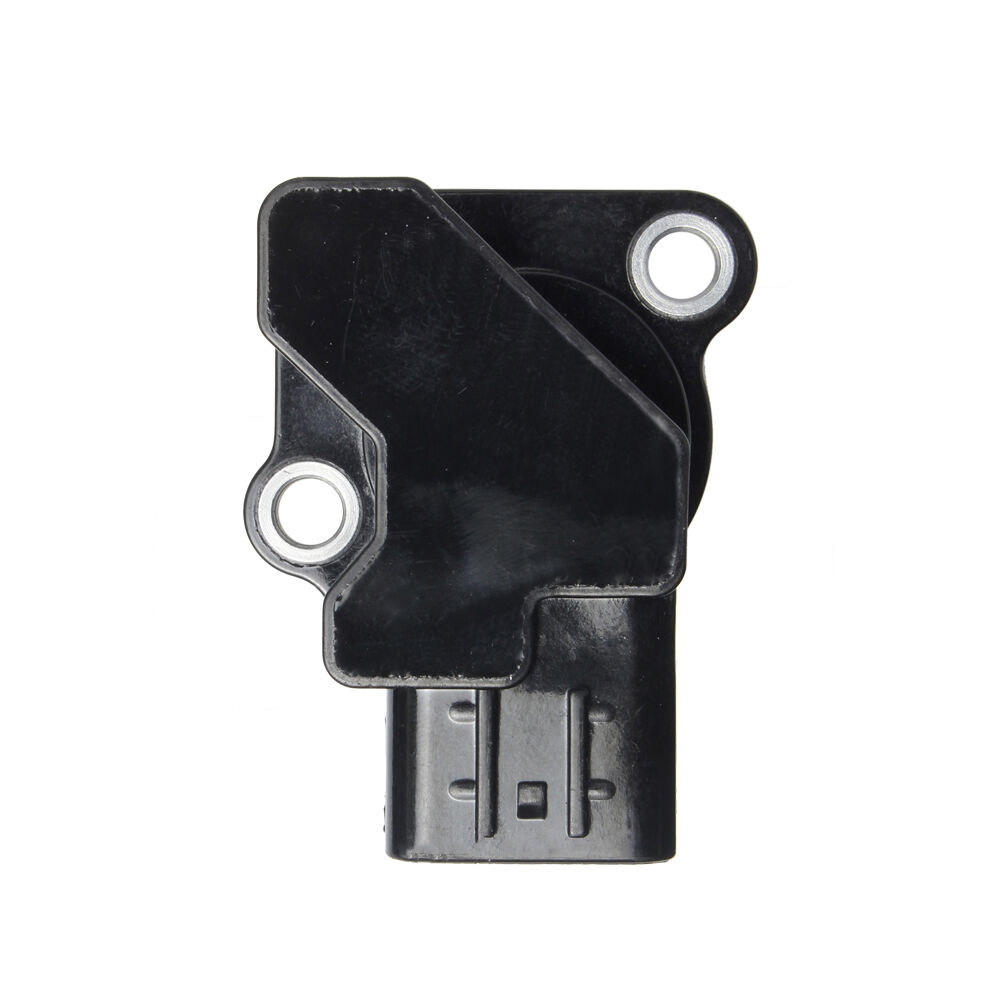
The throttle position sensor is one of the most critical components in a modern motorcycle or vehicle's engine management system. It communicates the exact position of the throttle valve to the engine control unit, allowing the system to calculate the correct fuel-to-air mixture at any given moment. When this sensor is functioning correctly, the engine responds smoothly, fuel efficiency is optimized, and power delivery feels seamless. When it begins to degrade or fails entirely, you will notice erratic idling, hesitation during acceleration, poor fuel economy, and in some cases, a complete loss of throttle response.
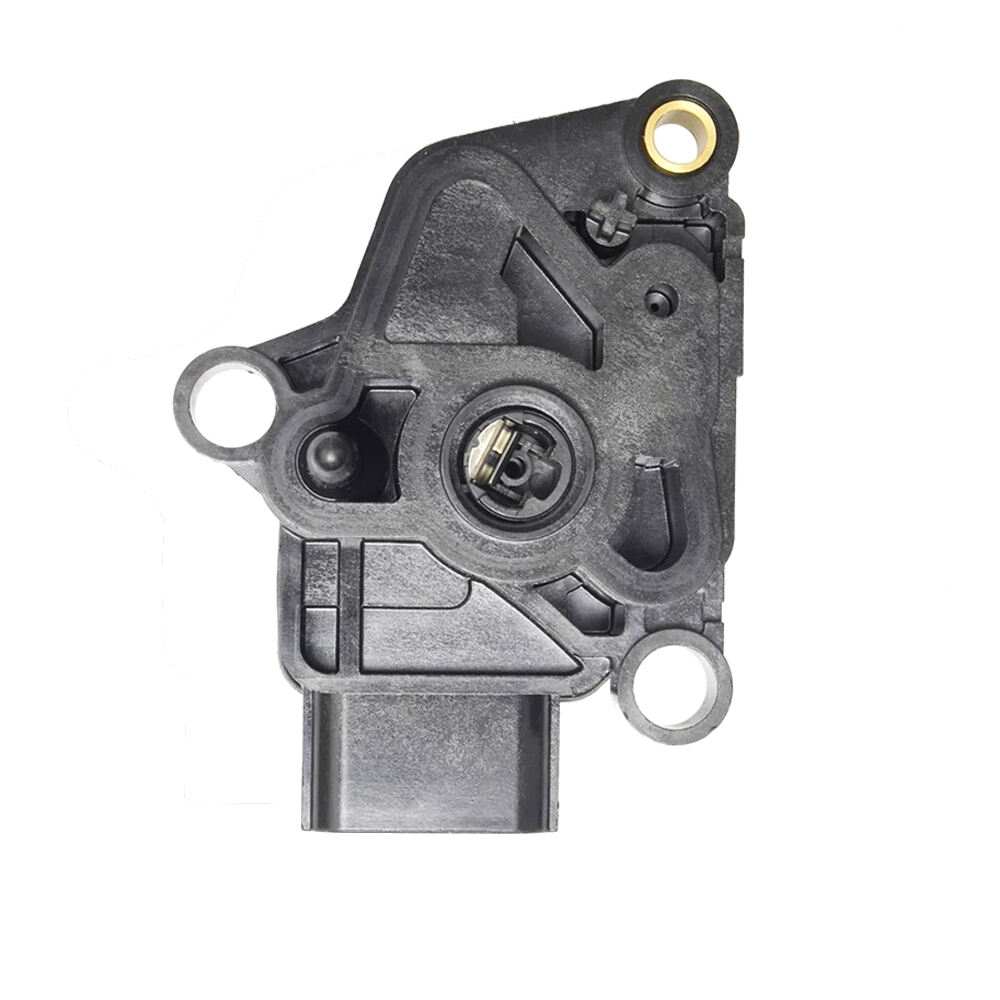
Maintaining your throttle position sensor properly is not a complicated process, but it does require consistency, attention to detail, and a basic understanding of how the component works. Whether you ride a Honda CBF125, CBR125, CBR250R, or a similar motorcycle, the principles of upkeep are largely consistent. This article walks you through everything you need to know to keep your throttle position sensor in peak condition, from routine cleaning routines to understanding when replacement becomes the most practical option.
Understanding What a Throttle Position Sensor Does
The Role of the Sensor in Engine Management
A throttle position sensor is essentially a variable resistor, often called a potentiometer, that tracks the rotational angle of the throttle shaft. As you open or close the throttle, the sensor converts that mechanical movement into an electrical signal that the ECU interprets in real time. This data is used alongside inputs from other sensors, such as the oxygen sensor and engine speed sensor, to fine-tune ignition timing and fuel injection.
When the throttle position sensor delivers accurate and consistent readings, the ECU can make precise decisions that result in responsive acceleration and stable idle speeds. Even a minor inaccuracy in the signal can throw off the entire combustion cycle, causing the engine to run too rich or too lean. Understanding this role helps explain why regular maintenance of the sensor is directly tied to overall engine health.
For motorcycles like the Honda CBR150 or CG150 Titan, the throttle position sensor works in close coordination with a relatively simple but highly responsive fuel delivery system. Because these bikes are designed for efficient urban and light performance riding, any disruption in sensor accuracy tends to become immediately noticeable during daily use.
Common Warning Signs of a Degrading Sensor
Recognizing the early signs of a failing throttle position sensor is one of the most important aspects of preventive maintenance. The most common symptom is a sudden or gradual change in idle quality. The engine may rev too high at idle, hunt between RPM ranges, or stall unexpectedly when coming to a stop. These behaviors are often mistaken for carburetor or fuel pump issues, but the throttle position sensor should always be inspected first when these symptoms appear.
Acceleration hesitation is another telltale sign. If you notice a brief stumble or flat spot when you roll on the throttle from a low speed, the sensor may be sending a delayed or inconsistent signal. Similarly, if the bike occasionally surges forward without additional throttle input, the sensor's internal resistance track may have developed a worn patch that causes intermittent voltage spikes.
A check engine light or fault code related to the throttle circuit is perhaps the most direct indicator that the throttle position sensor requires attention. Modern fuel-injected motorcycles log these faults precisely, and reading them with a compatible diagnostic tool will confirm whether the sensor itself is the source of the problem or whether the issue lies in related wiring or connectors.
Step-by-Step Maintenance Practices for Best Performance
Routine Inspection and Visual Checks
The first step in maintaining a throttle position sensor is simply looking at it regularly during your standard service intervals. On most motorcycles, the sensor is mounted directly on the throttle body or carburetor, positioned so that its internal mechanism moves in sync with the throttle shaft. During each inspection, check whether the sensor housing shows any signs of physical damage, moisture intrusion, or corrosion around the connector pins.
Pay close attention to the wiring harness leading to the throttle position sensor. Look for cracked insulation, pinched wires, or connectors that have become loose due to engine vibration. Vibration is a major enemy of sensor connections on motorcycles, particularly on models used in urban stop-and-go traffic. A connector that appears visually intact may still have oxidized pins that introduce resistance into the signal circuit.
Use a flashlight and inspect the mounting bracket for any signs of looseness. A sensor that has shifted even slightly from its original calibrated position will produce offset readings. Tighten the mounting screws carefully, but be mindful not to overtighten, as the plastic housing of a throttle position sensor can crack under excessive torque.
Cleaning the Sensor and Surrounding Components
Cleaning plays a significant role in the longevity of a throttle position sensor. The throttle body itself should be cleaned periodically to prevent carbon buildup from affecting the movement of the throttle plate. When the throttle plate sticks or moves sluggishly due to deposits, the sensor registers incomplete or delayed movement, which can cause the ECU to miscalculate the actual throttle demand.
Use a dedicated throttle body cleaner or electrical contact cleaner on the exterior of the sensor and around the connector. Avoid spraying cleaner directly into the sensor housing, as the internal resistance track is sensitive to chemical solvents. For the connector pins, apply a small amount of electrical contact spray, plug and unplug the connector several times to distribute the cleaner, and then allow it to dry thoroughly before reassembly.
During cleaning, also inspect the o-ring or gasket between the throttle body and the intake manifold. An air leak at this junction can distort the sensor's readings by introducing unmetered air into the system. Keeping this seal intact is indirectly part of maintaining your throttle position sensor at its best performance level.
Electrical Testing and Calibration
How to Test a Throttle Position Sensor with a Multimeter
One of the most reliable ways to evaluate the condition of a throttle position sensor is to test its output voltage using a digital multimeter. With the ignition on and the sensor connected, probe the signal wire against a known ground. At closed throttle, a healthy sensor typically outputs between 0.5 and 1.0 volts. As you slowly open the throttle by hand, the voltage should rise smoothly and linearly to approximately 4.0 to 4.5 volts at wide-open throttle.
Any drop-outs, flat spots, or sudden jumps in the voltage reading as you sweep the throttle indicate a worn resistance track inside the sensor. This kind of intermittent fault is very difficult for the ECU to handle gracefully, and it typically results in the erratic performance symptoms described earlier. A sensor that passes this test at one temperature but fails after the engine warms up may have an internal fault that only becomes apparent under thermal expansion.
Compare your readings against the specification listed in your motorcycle's service manual. The throttle position sensor specifications vary slightly between models, so always use the manufacturer's reference values rather than generic industry averages. For Honda CBF125, CBR125, CBR150, CBR250R, and CG150 Titan models, these values are clearly documented and easy to cross-reference during the testing process.
Understanding Calibration and Reset Procedures
On fuel-injected motorcycles, the throttle position sensor must be calibrated so that the ECU recognizes the exact voltage that corresponds to the fully closed and fully open positions. After replacing or reinstalling a sensor, many technicians skip this step, which leads to immediate or gradual performance issues even with a perfectly functional new unit. Always follow the calibration procedure recommended in the service documentation for your specific model.
Some motorcycles allow a basic reset by cycling the ignition in a specific sequence, while others require a diagnostic tool to input the idle position and wide-open throttle values directly into the ECU. In either case, performing this calibration step ensures that the new or cleaned throttle position sensor communicates accurately with the engine management system from the first start.
After calibration, take the motorcycle for a test ride across a range of throttle openings and speeds. Pay attention to idle stability, throttle tip-in response, and smoothness during acceleration. If the symptoms that prompted your maintenance activity have resolved, the calibration was successful. If they persist, a deeper diagnostic check of the entire throttle circuit may be necessary.
When to Replace a Throttle Position Sensor
Deciding Between Repair and Replacement
There are situations where cleaning, tightening, or recalibrating a throttle position sensor will not restore its function. Once the internal resistance track has physically worn through or the potentiometer wiper has lost reliable contact, the sensor must be replaced. Continuing to ride with a damaged sensor risks causing the ECU to operate on incorrect data, which can lead to further issues including catalytic converter damage in emission-equipped models and even engine damage from sustained lean conditions.
A straightforward way to confirm that replacement is necessary is to repeat the voltage sweep test after cleaning and reseating the connector. If the voltage still shows dead spots or erratic jumps, the internal mechanism is compromised. At this point, investing in a quality replacement throttle position sensor is the most cost-effective decision in the long run.
For Honda motorcycles including the CBF125 and CBR series, sourcing a correctly specified replacement is essential. Using the wrong sensor, even if it appears visually similar, can result in mismatched resistance curves that confuse the ECU. Always match the part number and verify the connector type, voltage range, and mounting orientation before installation. You can find a compatible throttle position sensor designed specifically for these Honda models through verified suppliers that stock OEM-equivalent parts.
Best Practices After Installing a New Sensor
Once a new throttle position sensor is installed, the initial steps you take will heavily influence how well it performs in the weeks and months ahead. Begin by applying a small amount of dielectric grease to the connector pins before seating the harness connector. This grease prevents moisture and corrosion from degrading the electrical contact over time, which is one of the most common causes of premature sensor failure.
Confirm that the sensor is mounted securely and that the shaft is engaging the throttle body's actuating mechanism cleanly, without binding or excessive play. An improperly seated throttle position sensor will produce inconsistent readings even if the component itself is in perfect condition. Once physically verified, proceed with the calibration procedure and confirm correct output voltages before closing up the bodywork.
After the first 500 kilometers of riding, revisit the connection and mounting point to ensure nothing has loosened from normal vibration. Adding the throttle position sensor check to your regular service schedule from this point forward will help you catch any future issues well before they escalate into more significant performance problems.
FAQ
How often should I inspect my throttle position sensor?
For most motorcycles used in regular daily riding, inspecting the throttle position sensor at every major service interval, typically every 6,000 to 12,000 kilometers, is a reasonable practice. If you ride in dusty, wet, or high-vibration environments, more frequent checks are advisable. Visual inspection and connector checks take only a few minutes and can prevent costly repairs down the line.
Can a faulty throttle position sensor damage the engine?
Yes, a malfunctioning throttle position sensor can cause the engine to run persistently lean or rich, both of which are harmful over time. A lean condition generates excess heat and can lead to piston and valve damage. A rich condition wastes fuel and can foul spark plugs, reduce oil quality through fuel dilution, and cause unburned fuel to wash down cylinder walls. Addressing sensor issues promptly protects the entire engine system.
Is it possible to clean a throttle position sensor instead of replacing it?
In some cases, yes. If the sensor's performance problems are caused by a dirty or oxidized connector rather than internal wear, cleaning the contacts and applying dielectric grease can restore normal function. However, if the internal resistance track is physically worn, cleaning will not help, and replacement is the only reliable solution. Always test the sensor's output voltage after cleaning to confirm whether the cleaning was effective.
Does replacing the throttle position sensor require recalibration?
On fuel-injected motorcycles, recalibration after replacing the throttle position sensor is strongly recommended and often required. Without calibration, the ECU may not correctly identify the idle and wide-open throttle positions, leading to performance issues that appear unrelated to the sensor itself. Always consult the service manual for your specific model to follow the correct reset or calibration procedure after any sensor replacement.