
 EN
EN
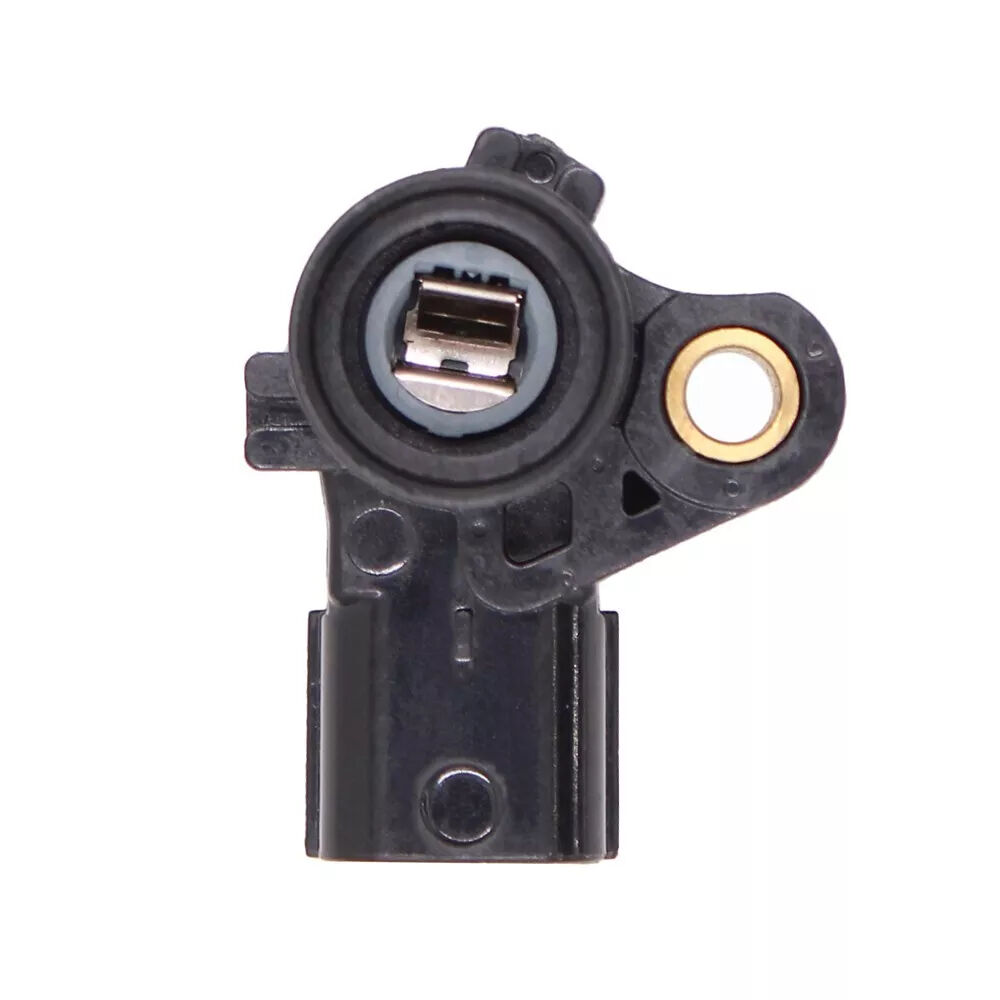
The throttle position sensor is one of the most critical electronic components on any fuel-injected motorcycle or vehicle. It continuously communicates throttle opening angle to the engine control unit, allowing the ECU to calculate the correct fuel injection volume and ignition timing. When this sensor starts to malfunction, the engine's ability to respond accurately to rider or driver input becomes severely compromised, and the symptoms can range from subtle performance irregularities to outright dangerous power loss. Understanding the warning signs early can save you from costly repairs and keep your ride safe on the road.
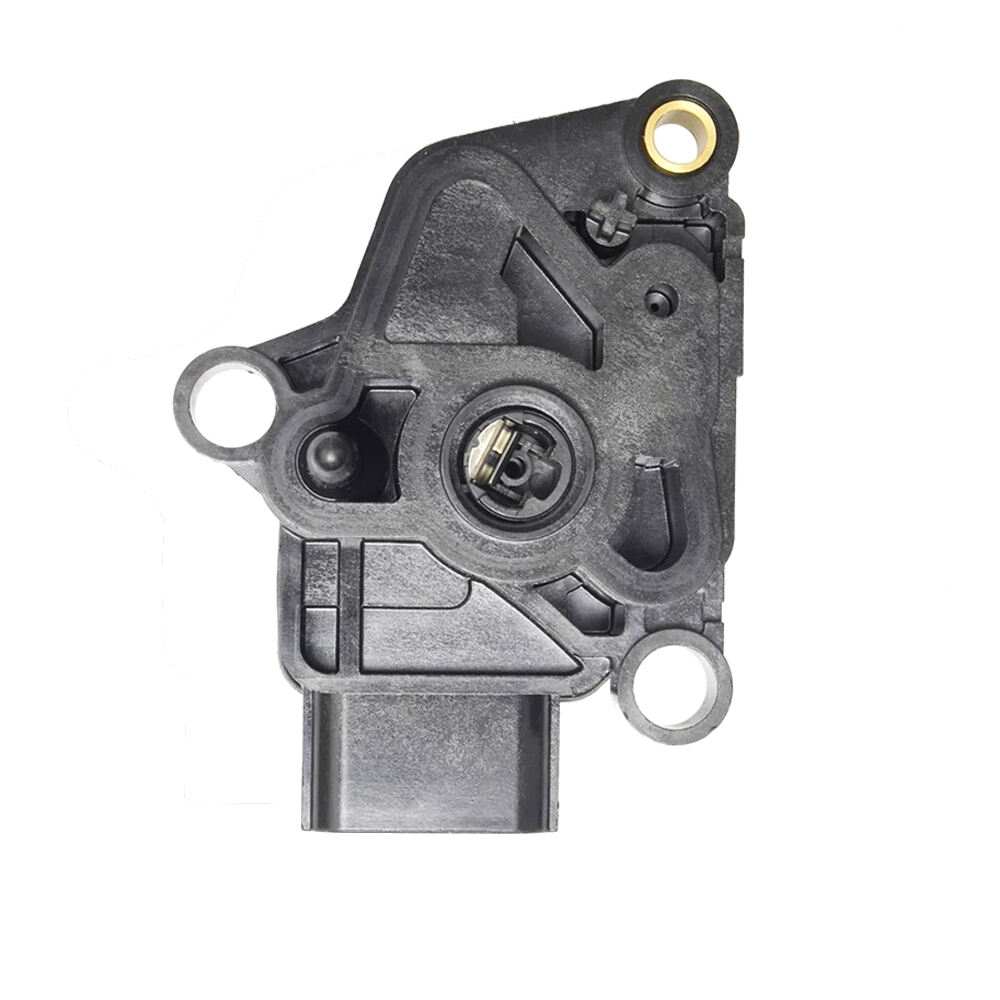
A faulty throttle position sensor does not always trigger an immediate engine warning light. In many cases, the degradation is gradual, and riders or drivers begin to notice unusual behavior during acceleration, idling, or fuel consumption before any diagnostic code appears. This makes it especially important to recognize the real-world symptoms associated with a compromised throttle position sensor, so you can take action before minor issues escalate into major engine management failures. This article covers every major symptom in detail, helping you identify the problem accurately and make an informed decision about inspection or replacement.
How the Throttle Position Sensor Works and Why It Fails
The Role of the Throttle Position Sensor in Engine Management
The throttle position sensor is a rotary potentiometer or Hall-effect sensor mounted directly on the throttle body. As the throttle valve opens and closes, the sensor converts the mechanical angle into an electrical signal — typically a variable voltage between 0.5V and 4.5V — and sends it to the ECU in real time. This data is essential for calculating air-fuel mixture, managing idle stability, controlling fuel cut-off during deceleration, and delivering smooth throttle response at all engine speeds.
When the throttle position sensor is working correctly, the engine transitions seamlessly between idle, partial throttle, and wide-open throttle conditions. The ECU uses the sensor's signal in combination with other inputs such as manifold air pressure and engine rpm to build an accurate picture of what the engine needs at any given moment. Accuracy and consistency from the throttle position sensor are therefore non-negotiable for stable, efficient engine operation.
Common Causes of Throttle Position Sensor Failure
Over time, a throttle position sensor can wear out due to the mechanical repetition of throttle movements. In potentiometer-type sensors, the resistive track inside the unit wears down unevenly, creating dead spots or erratic voltage jumps that confuse the ECU. Heat cycling, vibration from the engine, and exposure to moisture or contaminants can also degrade the sensor's internal components and wiring connections over time.
Connector corrosion is another frequent cause of throttle position sensor problems. When the electrical connector at the sensor corrodes or loosens, the signal transmitted to the ECU becomes intermittent or noisy, resulting in inconsistent engine behavior. In some cases, a wiring harness issue — such as a chafed wire or a poor ground connection — may mimic the symptoms of a failed throttle position sensor, making accurate diagnosis important before replacing any parts.
Rough Idling and Unstable Engine Behavior
Erratic Idle Speed as a Primary Symptom
One of the earliest and most commonly reported symptoms of a malfunctioning throttle position sensor is an unstable or erratic idle. When the sensor fails to accurately report the closed throttle position, the ECU may inject too much or too little fuel at idle, causing the engine speed to hunt up and down rather than holding a steady rpm. This behavior is especially noticeable when the motorcycle or vehicle is stationary at traffic lights or warming up after a cold start.
In some cases, the idle may drop so low that the engine stalls completely without warning. This is particularly dangerous on motorcycles in traffic situations, where a sudden stall can leave the rider without engine braking or power to accelerate away from a hazard. If the engine is frequently stalling at idle and no vacuum leaks or fuel delivery issues can be found, the throttle position sensor should be checked as a high-priority suspect.
Rough Running at Low Throttle Openings
A partially worn throttle position sensor may function acceptably at idle and at wide-open throttle but produce erratic signals at small throttle openings. This creates a rough, shuddering sensation when riding gently at low speeds or trying to maintain a consistent slow pace in traffic. The engine may surge, hesitate, or feel as though it is misfiring even though the ignition and fuel systems are otherwise in good condition.
This partial failure mode can be particularly frustrating because it does not always reproduce consistently during a workshop test. The sensor may behave normally when cold or when the throttle is moved slowly during a static test but produce faulty readings under real riding conditions. A live data scan with a diagnostic tool that displays throttle position sensor voltage in real time is the most reliable way to catch this type of intermittent fault.
Hesitation, Stumbling, and Poor Acceleration
Acceleration Hesitation Linked to Sensor Signal Gaps
A clear and direct symptom of a failing throttle position sensor is a noticeable hesitation or stumble when opening the throttle from a low speed or from rest. Because the ECU depends on the rate of change in the sensor's signal to anticipate the need for additional fuel — a function similar to an accelerator pump in a carbureted engine — any interruption or incorrect reading causes a brief lean condition. This manifests as a momentary flat spot or stumble just as acceleration begins.
Riders often describe this as the engine 'coughing' or 'bogging' before catching and pulling cleanly. The severity can vary depending on how degraded the throttle position sensor is. A mildly worn sensor may only produce the stumble occasionally, while a sensor approaching complete failure may make smooth acceleration nearly impossible. The problem tends to worsen over time as the internal wear or corrosion progresses further.
Power Loss at Higher Throttle Positions
In advanced stages of throttle position sensor failure, the ECU may receive incorrect voltage readings that suggest the throttle is only partially open even when it is fully opened. In response, the ECU withholds the full fuel enrichment and ignition advance that wide-open throttle should trigger, resulting in a significant loss of peak power. The engine may feel flat and unresponsive at high rpm, never delivering the performance the rider or driver expects.
This symptom can be difficult to distinguish from other issues such as a restricted fuel injector, a clogged air filter, or low fuel pressure. However, if the power loss is accompanied by other symptoms on this list — especially unstable idle and acceleration hesitation — the throttle position sensor becomes the most logical point of investigation. Checking the sensor's output voltage at various throttle positions using a multimeter or diagnostic scanner is the definitive way to confirm or rule out this cause.
Increased Fuel Consumption and Emission Issues
Rich Running and Excessive Fuel Use
A throttle position sensor that is stuck reporting a higher-than-actual throttle opening angle will cause the ECU to supply an over-rich fuel mixture under most operating conditions. The engine runs with too much fuel relative to the available air, leading to noticeably higher fuel consumption. Riders may find themselves refueling more frequently than usual without any obvious increase in riding intensity or distance covered.
Rich running caused by a faulty throttle position sensor can also produce black smoke from the exhaust, a strong fuel smell, and a tendency to foul spark plugs prematurely. If the spark plugs show heavy black sooty deposits and fuel consumption has increased without explanation, evaluating the throttle position sensor alongside the lambda sensor and fuel injectors is a sensible diagnostic approach.
Lean Running and Overheating Risk
Conversely, a throttle position sensor that under-reports the actual throttle opening causes the ECU to supply too little fuel, resulting in a lean air-fuel mixture. Lean running raises combustion temperatures significantly and can lead to overheating, especially under sustained load conditions such as highway riding or climbing hills. In severe cases, prolonged lean running can cause piston and valve damage if left uncorrected.
A lean condition from a malfunctioning throttle position sensor may also produce backfiring through the exhaust, particularly during deceleration or when the throttle is suddenly closed. The engine temperature gauge may read higher than normal, and the cooling system may work harder than usual. These are serious warning signs that should not be ignored, as the risk of long-term engine damage increases rapidly under lean operating conditions.
Dashboard Warning Lights and Diagnostic Codes
Check Engine Light and ECU Fault Codes
When a throttle position sensor failure is severe enough for the ECU to detect it as an out-of-range or implausible signal, the engine management warning light will illuminate on the instrument panel. The ECU stores a fault code in its memory that can be retrieved using an OBD diagnostic tool. Common codes associated with throttle position sensor faults include signals indicating the sensor voltage is too high, too low, or that the sensor circuit performance does not match expected parameters.
It is important to note that not all throttle position sensor faults trigger an immediate check engine light. Intermittent faults may only log a stored code rather than an active fault, meaning the warning light may not be illuminated at the time of inspection. Always scan the ECU for both active and stored fault codes when investigating symptoms that suggest throttle position sensor involvement, and pay attention to freeze-frame data that shows the conditions under which the fault was recorded.
Limp Mode Activation
Modern fuel-injected motorcycles and vehicles are equipped with a limp mode function that the ECU activates when a critical sensor fails beyond a safe threshold. When the throttle position sensor signal is lost entirely or falls completely outside the expected voltage range, the ECU may restrict engine output to protect the drivetrain and ensure the vehicle can still reach a safe stopping point. In limp mode, the engine is typically limited to a low rpm ceiling and a fixed fuel map, resulting in severely reduced performance.
Experiencing sudden, unexplained loss of power accompanied by a warning light is one of the most definitive signs that the throttle position sensor has failed critically. While limp mode itself is a safety feature rather than a symptom of the underlying problem, its activation in the absence of other obvious faults strongly points to the throttle position sensor as the source of the fault. Prompt diagnosis and replacement are essential to restore normal engine function.
FAQ
Can a motorcycle run normally with a bad throttle position sensor?
In early stages of failure, a motorcycle may continue to run but will exhibit noticeable symptoms such as rough idling, hesitation, and inconsistent power delivery. As the throttle position sensor deteriorates further, running quality will worsen significantly, and the risk of stalling, limp mode, or engine damage increases. It is not advisable to continue riding with a known faulty throttle position sensor.
How do I test a throttle position sensor at home?
You can perform a basic test using a digital multimeter. With the ignition on and the engine off, measure the voltage at the sensor's output wire while slowly opening the throttle from closed to fully open. The voltage should rise smoothly and linearly without any sudden drops, jumps, or dead spots. Any irregularity in this sweep indicates a worn or faulty throttle position sensor that should be replaced.
Is a throttle position sensor difficult to replace on a Honda CBF125 or CBR series motorcycle?
Replacing the throttle position sensor on Honda CBF125, CBR125, CBR150, and similar models is a relatively straightforward task for someone with basic mechanical skills. The sensor is mounted on the throttle body and is typically secured by two screws. After replacement, it is advisable to perform a throttle position sensor reset or idle relearn procedure using a diagnostic tool to ensure the ECU correctly calibrates to the new sensor's output range.
Will cleaning the throttle body fix throttle position sensor symptoms?
Cleaning the throttle body can sometimes resolve idle issues caused by carbon deposits restricting the throttle plate, but it will not fix a physically worn or electronically failed throttle position sensor. If symptoms persist after a thorough throttle body cleaning, the throttle position sensor itself should be tested and inspected. Cleaning is a useful first step but should not be treated as a substitute for proper sensor diagnosis.