
 EN
EN
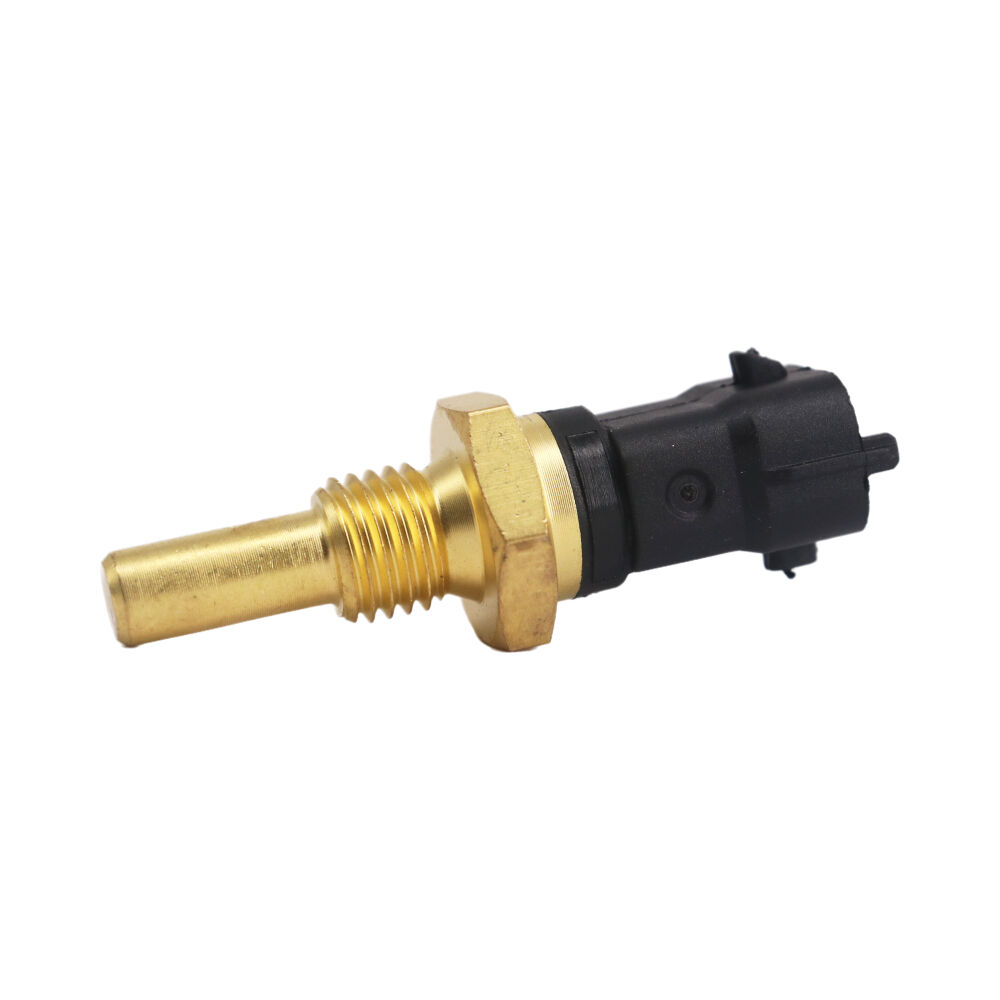
Modern motorcycle engines rely on sophisticated monitoring systems to maintain optimal performance and prevent catastrophic damage. Among these critical components, the air temperature sensor stands as a silent guardian, continuously measuring ambient air conditions to ensure your engine operates within safe parameters. This essential device works in conjunction with your motorcycle's engine control unit to adjust fuel mixture, ignition timing, and other vital functions based on real-time temperature data.
The importance of temperature monitoring in motorcycle engines cannot be overstated. When air temperature fluctuates, it directly affects air density, which in turn impacts the combustion process. Without accurate temperature readings, your engine management system would operate blindly, potentially leading to poor fuel economy, reduced power output, or even severe engine damage. Understanding how these sensors function and protect your engine helps riders make informed decisions about maintenance and replacement.
Understanding Air Temperature Sensor Functionality
Basic Operating Principles
An air temperature sensor operates on the principle of thermistor technology, where electrical resistance changes proportionally with temperature variations. As ambient air temperature increases, the sensor's resistance decreases, sending corresponding voltage signals to the engine control module. This continuous feedback loop allows the ECM to make real-time adjustments to maintain optimal engine performance across varying environmental conditions.
The sensor typically consists of a temperature-sensitive resistor housed within a protective casing that allows air to flow freely around the sensing element. Most modern motorcycles position this sensor in the intake tract or air box, where it can accurately measure the temperature of air entering the engine. The precision of these measurements directly correlates with the engine's ability to maintain proper air-fuel ratios and combustion efficiency.
Signal Processing and ECM Integration
Once the air temperature sensor generates electrical signals, the engine control module interprets this data alongside information from other sensors throughout the motorcycle. The ECM uses sophisticated algorithms to calculate optimal fuel injection timing, duration, and ignition advance based on current air temperature conditions. This integration ensures that combustion occurs at the precise moment for maximum power output while minimizing emissions and fuel consumption.
The processing speed of modern ECM systems allows for instantaneous adjustments to changing temperature conditions. Whether you're riding through varying altitudes, different climate zones, or experiencing rapid temperature changes during dawn or dusk rides, the air temperature sensor ensures your engine receives the correct fuel mixture for optimal performance.
Engine Protection Mechanisms Through Temperature Monitoring
Preventing Detonation and Knock
One of the primary protective functions of air temperature monitoring involves preventing engine knock or detonation. When incoming air temperature rises significantly, it increases the likelihood of premature combustion, which can cause severe internal damage to pistons, cylinder heads, and connecting rods. The air temperature sensor provides early warning data that allows the ECM to retard ignition timing or enrich the fuel mixture to prevent these destructive conditions.
High air temperatures create denser fuel charges that ignite more readily, potentially causing combustion to occur before the piston reaches optimal position. By continuously monitoring air temperature, the sensor enables preventive measures that protect expensive internal engine components from the catastrophic effects of sustained detonation. This protection is particularly crucial during summer riding or in hot climate conditions where ambient temperatures regularly exceed normal operating ranges.
Fuel System Optimization and Protection
Temperature-based fuel system adjustments protect both the engine and fuel delivery components from damage caused by improper mixture ratios. When air temperature increases, fuel tends to vaporize more readily, potentially creating lean conditions that can overheat exhaust valves, pistons, and cylinder heads. The air temperature sensor allows the ECM to compensate by increasing fuel delivery to maintain safe operating temperatures throughout the combustion chamber.
Conversely, cold air conditions require different fuel management strategies to ensure complete combustion and prevent fuel washing of cylinder walls. The sensor's precise temperature readings enable the ECM to provide appropriate fuel enrichment during cold starts and warm-up periods, protecting engine components from wear caused by incomplete combustion or fuel dilution of engine oil.
Performance Impact of Temperature Sensor Functionality
Power Output Optimization
Accurate air temperature measurement directly influences your motorcycle's power output by ensuring optimal combustion conditions across varying environmental factors. Cold, dense air contains more oxygen molecules per unit volume, allowing for more aggressive fuel mapping and advanced ignition timing that produces increased horsepower. The air temperature sensor provides the precise data needed for the ECM to take advantage of these favorable conditions safely.
During hot weather conditions, the sensor helps maintain consistent power delivery by preventing the engine from running excessively lean or experiencing heat-related performance degradation. This temperature compensation ensures that riders experience predictable throttle response and power characteristics regardless of ambient conditions, contributing to both performance and safety during various riding situations.
Fuel Economy Enhancement
Proper air temperature monitoring significantly impacts fuel economy by enabling precise fuel metering based on actual air density conditions. When the ECM receives accurate temperature data, it can calculate the exact amount of fuel needed for complete combustion, eliminating waste from over-fueling or performance loss from lean conditions. This optimization becomes particularly noticeable during long-distance touring or daily commuting where fuel efficiency directly affects operating costs.
The sensor's contribution to fuel economy extends beyond basic mixture control to include optimization of ignition timing and valve timing in variable valve timing systems. These coordinated adjustments, based on accurate temperature readings, ensure maximum energy extraction from each combustion event while minimizing fuel consumption and emissions output.
Common Failure Modes and Diagnostic Indicators
Sensor Degradation Patterns
Air temperature sensors typically fail gradually through contamination, corrosion, or internal component degradation rather than sudden complete failure. Common symptoms include erratic idle behavior, reduced fuel economy, poor cold-start performance, or inconsistent throttle response. These issues often develop slowly, making early detection challenging without proper diagnostic procedures or regular maintenance inspections.
Environmental factors such as moisture intrusion, road salt exposure, or extreme temperature cycling can accelerate sensor degradation. Riders in harsh climates or those who frequently ride in dusty conditions may experience shortened sensor lifespan due to contamination of the sensing element or electrical connections. Regular inspection of sensor mounting locations and electrical connections helps identify potential problems before they affect engine performance.
Diagnostic Procedures and Testing Methods
Modern motorcycles equipped with onboard diagnostics systems can detect many air temperature sensor failures through continuous monitoring and comparison with expected values. However, intermittent failures or gradual drift may not trigger diagnostic trouble codes, requiring manual testing procedures using multimeters or scan tools capable of displaying live sensor data.
Professional diagnostic procedures typically involve measuring sensor resistance at various temperatures and comparing results to manufacturer specifications. This testing helps identify sensors that remain functional but provide inaccurate readings, which can cause subtle performance issues that don't trigger warning lights or error codes. Regular diagnostic scans during routine maintenance help catch these problems before they lead to more serious engine damage.
Maintenance and Replacement Considerations
Preventive Maintenance Strategies
Maintaining air temperature sensor functionality requires regular inspection of mounting locations, electrical connections, and surrounding components. Cleaning debris from sensor housings and ensuring proper electrical contact prevents many common failure modes while extending sensor lifespan. Riders should include sensor inspection in regular maintenance routines, particularly before long trips or seasonal riding periods.
Environmental protection measures such as applying dielectric grease to electrical connections and ensuring proper routing of sensor wiring help prevent moisture-related failures. These simple maintenance steps significantly extend sensor life while maintaining measurement accuracy throughout the sensor's service life. Regular air filter replacement also prevents contamination of sensors located in the intake tract.
Replacement Guidelines and Quality Considerations
When replacement becomes necessary, selecting quality sensors that meet or exceed original equipment specifications ensures continued protection and performance. OEM or high-quality aftermarket sensors provide accurate temperature measurement and reliable long-term service, while inferior replacement parts may cause performance issues or premature failure that compromises engine protection.
Professional installation ensures proper sensor positioning, secure mounting, and correct electrical connections that maintain system integrity. Proper installation procedures include verifying sensor orientation, applying appropriate torque specifications, and testing system functionality after replacement. These steps ensure that the new sensor provides accurate readings and optimal engine protection from the moment of installation.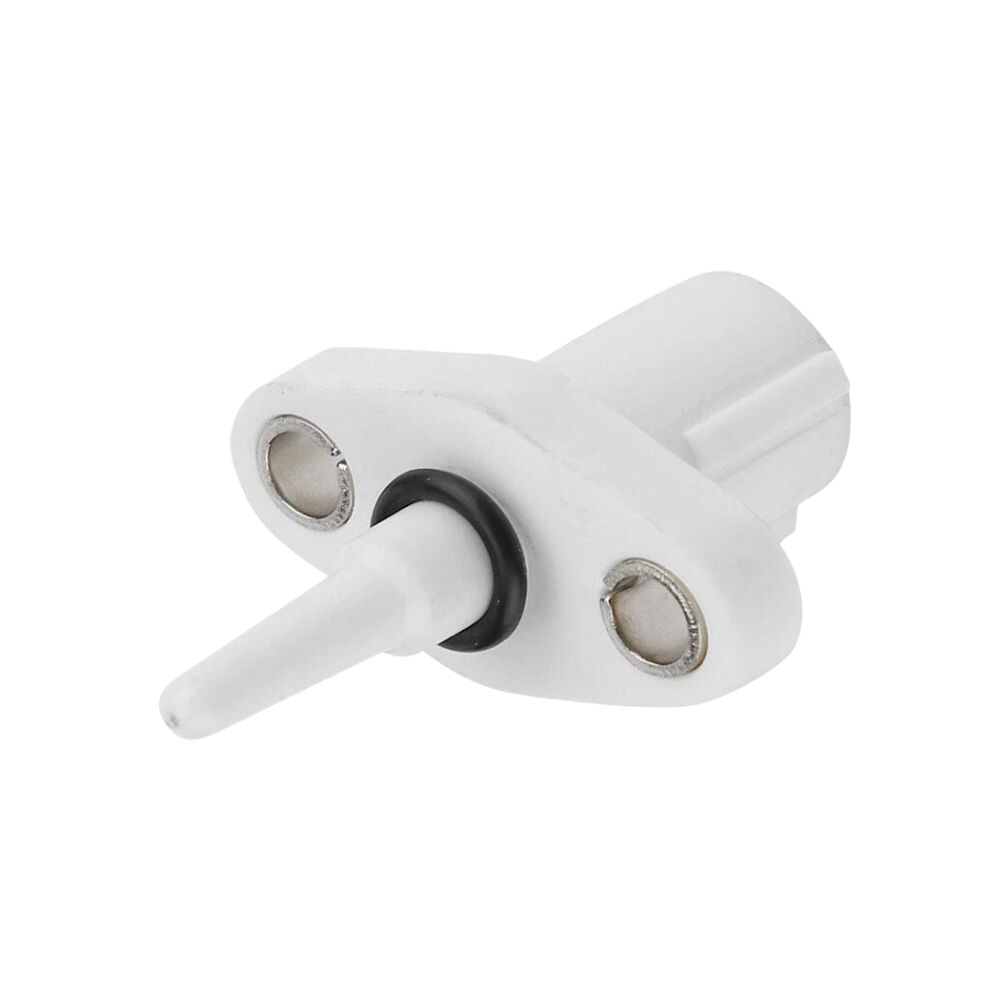
FAQ
What happens when an air temperature sensor fails completely?
Complete air temperature sensor failure typically triggers default operating modes in the engine control module, causing the system to use predetermined fuel maps based on average conditions. This results in reduced performance, poor fuel economy, and potential engine protection issues during extreme temperature conditions. Most modern motorcycles will display warning lights or error codes when complete sensor failure occurs.
How often should air temperature sensors be replaced?
Air temperature sensors generally last 50,000 to 100,000 miles under normal operating conditions, though environmental factors and riding conditions can significantly affect lifespan. Regular diagnostic testing during routine maintenance helps determine actual sensor condition rather than relying solely on mileage intervals. Replacement should occur whenever testing reveals inaccurate readings or when diagnostic trouble codes indicate sensor problems.
Can a faulty air temperature sensor cause engine damage?
Yes, a malfunctioning air temperature sensor can contribute to engine damage through improper fuel mixture control and ignition timing. Inaccurate temperature readings may cause lean conditions that overheat engine components or rich conditions that wash cylinder walls and contaminate engine oil. Long-term operation with faulty sensors increases wear rates and may lead to expensive internal engine damage.
Are aftermarket air temperature sensors reliable alternatives to OEM parts?
High-quality aftermarket air temperature sensors from reputable manufacturers can provide reliable service equivalent to OEM components when they meet original specifications. However, inferior aftermarket sensors may have different resistance curves or temperature coefficients that cause inaccurate readings and poor engine performance. Always verify compatibility and quality certifications when selecting replacement sensors to ensure proper engine protection and performance.