
 EN
EN
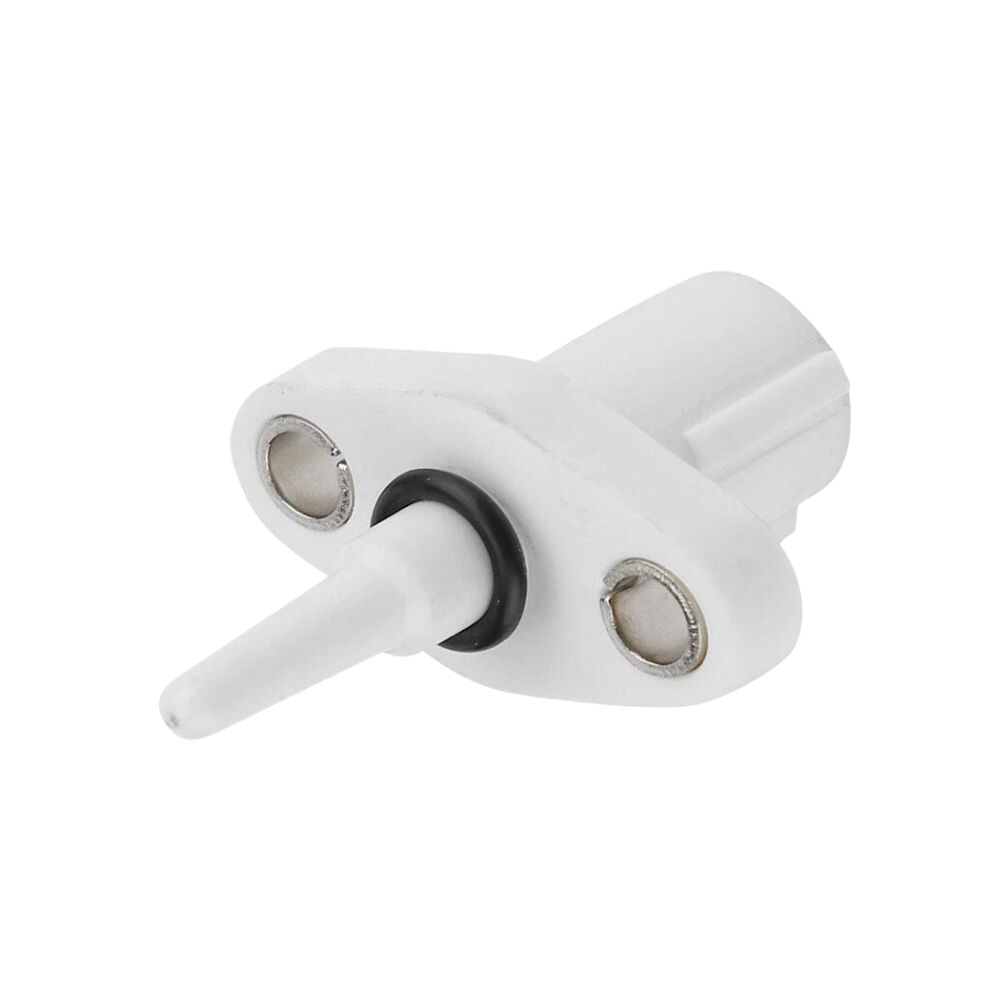
Selecting the right temperature sensor is a critical decision that can significantly impact the performance, reliability, and safety of your industrial applications. Whether you're monitoring engine temperatures in automotive systems, controlling manufacturing processes, or ensuring optimal operating conditions in HVAC systems, understanding the key factors that influence sensor selection will help you make informed decisions that deliver long-term value and operational excellence.
Understanding Temperature Sensor Types and Technologies
Thermocouple Technology and Applications
Thermocouples represent one of the most versatile and widely used temperature sensing technologies across various industries. These sensors operate on the principle of thermoelectric effect, where two dissimilar metals joined at one end generate a voltage proportional to the temperature difference between the hot junction and the reference junction. The primary advantage of thermocouples lies in their wide temperature range capability, with some types measuring from -200°C to over 2000°C, making them ideal for extreme temperature applications.
Different thermocouple types offer distinct characteristics that suit specific applications. Type K thermocouples provide excellent general-purpose performance with good accuracy and stability, while Type J thermocouples excel in reducing atmospheres. Type T thermocouples offer superior accuracy at lower temperatures, making them perfect for cryogenic applications. Understanding these variations ensures you select the most appropriate thermocouple type for your specific temperature monitoring requirements.
Resistance Temperature Detectors and Precision Applications
Resistance Temperature Detectors, commonly known as RTDs, utilize the principle that electrical resistance of certain metals changes predictably with temperature variations. Platinum RTDs are the most common type due to their excellent stability, accuracy, and repeatability characteristics. These sensors typically offer superior accuracy compared to thermocouples, with platinum RTDs achieving accuracies of ±0.1°C or better under controlled conditions.
The construction of RTDs involves pure platinum wire wound around a ceramic or glass core, providing excellent long-term stability and drift characteristics. While RTDs generally have a more limited temperature range compared to thermocouples, typically -200°C to 850°C, their superior accuracy and stability make them the preferred choice for precision temperature measurement applications in laboratories, pharmaceutical manufacturing, and food processing industries.
Environmental Considerations and Operating Conditions
Temperature Range Requirements and Limitations
Determining the exact temperature range your application requires is fundamental to proper sensor selection. Different sensing technologies have inherent limitations that must be considered alongside your specific measurement requirements. While it might seem logical to select a sensor with the widest possible temperature range, this approach often results in compromised accuracy and increased costs without providing additional benefits for your specific application.
Consider both the normal operating temperature range and any potential extreme conditions your temperature sensor might encounter during maintenance, startup, or emergency situations. Temperature cycling effects can significantly impact sensor longevity and accuracy, particularly in applications where rapid temperature changes occur frequently. Understanding these dynamics helps ensure your selected sensor maintains reliable performance throughout its intended service life.
Chemical Compatibility and Corrosion Resistance
The chemical environment surrounding your temperature sensor plays a crucial role in determining sensor longevity and measurement accuracy. Corrosive atmospheres, reactive gases, and aggressive chemicals can rapidly degrade sensor components, leading to measurement drift, complete sensor failure, or safety hazards. Evaluating the chemical compatibility of sensor materials with your process environment is essential for reliable long-term operation.
Protective sheaths and housings provide additional protection against corrosive environments, but material selection remains critical. Stainless steel sheaths offer excellent general corrosion resistance, while specialized alloys like Inconel or Hastelloy provide superior performance in highly corrosive applications. Understanding the specific corrosive agents present in your application environment enables proper material selection and helps predict sensor service life expectations.
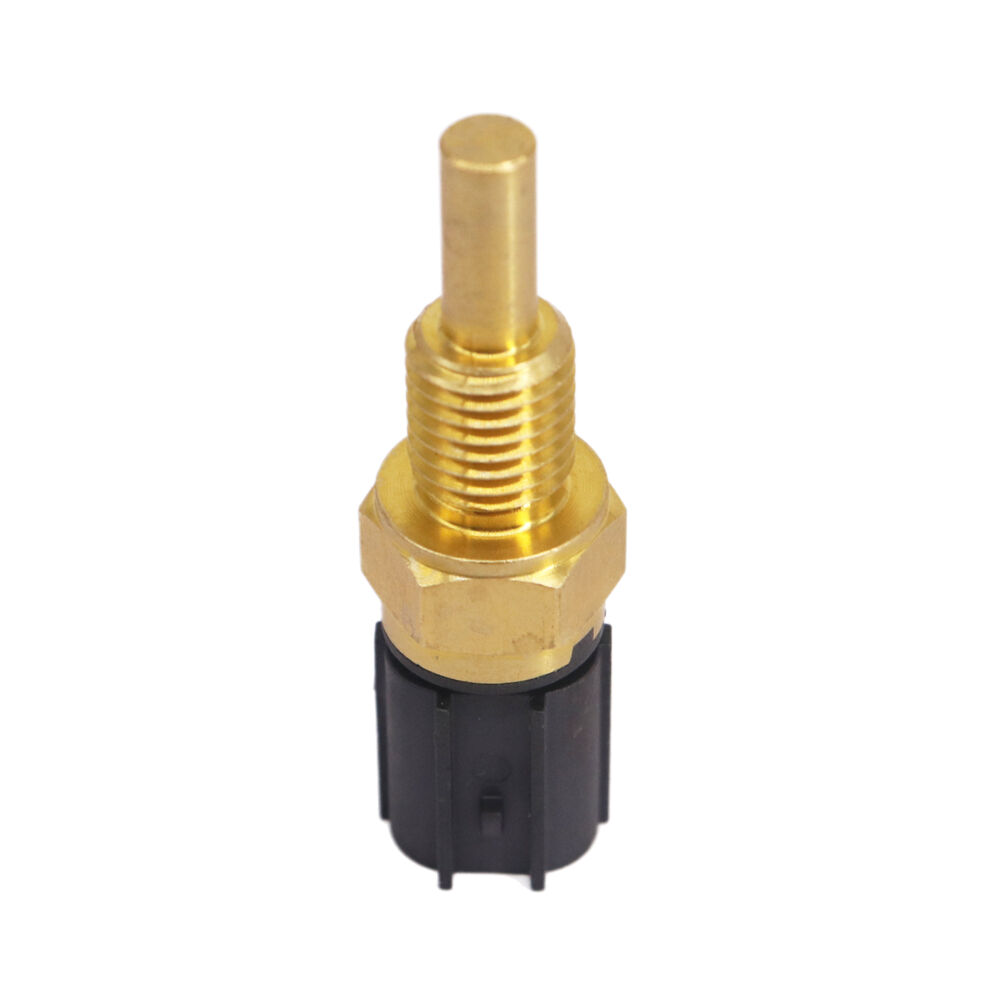
Accuracy and Response Time Specifications
Measurement Accuracy Requirements and Calibration
Accuracy requirements vary significantly across different applications, and understanding your specific needs helps avoid over-specification that unnecessarily increases costs. Laboratory applications might require accuracy levels of ±0.1°C or better, while industrial process control applications might function effectively with ±1°C accuracy. Consider both initial accuracy specifications and long-term stability requirements when evaluating different sensor options.
Calibration requirements and traceability standards also influence sensor selection decisions. Some applications require periodic recalibration to maintain accuracy specifications, while others benefit from sensors with inherent long-term stability that minimize calibration frequency. Understanding applicable industry standards and regulatory requirements ensures your temperature sensor selection meets all necessary compliance obligations while optimizing operational efficiency.
Response Time and Dynamic Performance
Response time characteristics significantly impact temperature sensor performance in dynamic applications where rapid temperature changes occur. The thermal mass of the sensor element, protective sheath design, and mounting configuration all influence response time performance. Applications requiring fast response times, such as engine temperature monitoring or rapid process control, benefit from sensors with minimal thermal mass and optimized heat transfer characteristics.
Time constant specifications provide quantitative measures of sensor response time, typically defined as the time required to reach 63.2% of a step temperature change. Understanding your application's dynamic requirements helps determine appropriate time constant specifications and influences decisions regarding sensor size, construction, and mounting methods. Balancing response time requirements with other factors like accuracy and durability ensures optimal overall sensor performance.
Installation and Mounting Considerations
Physical Installation Requirements
Proper installation significantly affects temperature sensor performance, accuracy, and longevity. The mounting method must ensure good thermal contact with the measured medium while providing adequate mechanical support and protection. Immersion depth requirements vary depending on the application, but general guidelines suggest minimum immersion depths of 10 times the sensor diameter for accurate measurements in fluids.
Thermowell designs provide mechanical protection for temperature sensors in pressurized systems while maintaining measurement accuracy. Selecting appropriate thermowell materials, dimensions, and mounting configurations ensures reliable operation while facilitating sensor maintenance and replacement. Consider factors such as fluid velocity, pressure ratings, and potential vibration effects when specifying thermowell designs for your temperature monitoring applications.
Electrical Connection and Signal Transmission
Electrical connection methods and signal transmission requirements influence both sensor selection and installation design. Two-wire, three-wire, and four-wire RTD configurations offer different advantages regarding accuracy and lead resistance compensation. Thermocouple installations require consideration of extension wire types, cold junction compensation, and potential electromagnetic interference effects that could compromise measurement accuracy.
Signal transmission distances and environmental conditions affect connection wire specifications and may require signal conditioning or transmission equipment. Wireless temperature sensing solutions eliminate connection wire concerns but introduce considerations regarding battery life, communication reliability, and data security. Evaluating your specific installation environment and signal transmission requirements ensures optimal sensor performance and system integration.
Cost Considerations and Total Ownership Analysis
Initial Investment and System Integration Costs
While initial sensor cost represents an obvious consideration, total cost analysis should include installation expenses, signal conditioning requirements, and system integration complexity. Higher-quality sensors with superior accuracy and stability specifications often provide better long-term value despite higher initial costs. Consider the complete system requirements including transmitters, displays, and data acquisition equipment when evaluating different sensor options.
Standardization benefits should also factor into cost analysis decisions. Selecting sensor types and models that align with existing maintenance inventory and technician expertise reduces long-term operational costs and improves system reliability. Balancing standardization benefits with application-specific requirements ensures optimal cost-effectiveness while maintaining necessary performance levels.
Maintenance Requirements and Service Life
Maintenance requirements significantly impact total ownership costs and operational efficiency. Some temperature sensor technologies require periodic calibration, while others provide long-term stability with minimal maintenance needs. Understanding expected service life under your specific operating conditions helps evaluate different sensor options and plan appropriate maintenance schedules.
Replacement costs and downtime considerations also influence sensor selection decisions. Applications where sensor failure results in significant production losses benefit from higher-reliability sensors or redundant measurement systems. Evaluating failure mode characteristics and implementing appropriate monitoring strategies ensures continued operation and minimizes unexpected downtime costs associated with temperature sensor failures.
FAQ
What is the most accurate type of temperature sensor for industrial applications
Resistance Temperature Detectors, particularly platinum RTDs, typically offer the highest accuracy for industrial temperature measurement applications. These sensors can achieve accuracies of ±0.1°C or better under controlled conditions, with excellent long-term stability and repeatability. However, the best choice depends on your specific temperature range, environmental conditions, and accuracy requirements, as thermocouples might be more suitable for extreme temperature applications despite lower accuracy specifications.
How do I determine the appropriate response time for my temperature sensor application
Response time requirements depend on how quickly temperature changes occur in your application and how rapidly your control system needs to respond. For steady-state monitoring applications, slower response times are acceptable, while dynamic processes requiring rapid control adjustments need faster-responding sensors. Consider the time constant specifications, which indicate the time required to reach 63.2% of a step temperature change, and ensure this aligns with your process control requirements.
What environmental factors most significantly affect temperature sensor performance and longevity
Chemical compatibility represents the most critical environmental factor affecting sensor performance and service life. Corrosive atmospheres, reactive chemicals, and aggressive process media can rapidly degrade sensor components, leading to measurement errors or complete failure. Temperature cycling, vibration, pressure variations, and humidity levels also significantly impact sensor longevity. Proper material selection and protective housing design address these environmental challenges effectively.
How often should temperature sensors be calibrated or replaced in industrial applications
Calibration frequency depends on sensor type, accuracy requirements, and operating conditions. RTDs typically maintain accuracy for longer periods and might require calibration annually or every two years, while thermocouples in harsh environments might need more frequent verification. Critical applications often implement continuous monitoring systems that detect sensor drift automatically. Replace sensors when calibration results indicate drift beyond acceptable limits or when physical damage compromises measurement integrity.
Table of Contents
- Understanding Temperature Sensor Types and Technologies
- Environmental Considerations and Operating Conditions
- Accuracy and Response Time Specifications
- Installation and Mounting Considerations
- Cost Considerations and Total Ownership Analysis
-
FAQ
- What is the most accurate type of temperature sensor for industrial applications
- How do I determine the appropriate response time for my temperature sensor application
- What environmental factors most significantly affect temperature sensor performance and longevity
- How often should temperature sensors be calibrated or replaced in industrial applications