
 EN
EN

Modern automotive diagnostics rely heavily on precise sensor readings to maintain optimal engine performance and fuel efficiency. Among the critical components that require regular testing and validation, the Manifold Absolute Pressure sensor stands as one of the most essential elements in engine management systems. Understanding how to properly conduct a MAP sensor test ensures accurate readings that directly impact engine timing, fuel injection, and overall vehicle performance across various operating conditions.
The Manifold Absolute Pressure sensor plays a pivotal role in determining the exact amount of air entering the engine combustion chambers. This measurement becomes crucial for the Engine Control Unit to calculate the proper air-fuel mixture ratio, ignition timing, and turbocharger boost pressure in forced induction engines. When this sensor begins to malfunction or provide inaccurate readings, drivers may experience symptoms ranging from poor fuel economy and rough idling to complete engine performance degradation.
Professional automotive technicians and DIY enthusiasts must understand that testing MAP sensors requires specific tools, knowledge of pressure values, and systematic approaches to ensure accurate diagnostics. The testing process involves multiple verification methods, including voltage readings, vacuum pressure measurements, and comparative analysis against manufacturer specifications. These comprehensive testing procedures help identify sensor drift, complete failure, or intermittent malfunctions that might not trigger immediate diagnostic trouble codes.
Understanding MAP Sensor Fundamentals
Sensor Operation Principles
The Manifold Absolute Pressure sensor operates by measuring the absolute pressure within the intake manifold and converting this mechanical pressure into an electrical signal. This conversion process utilizes a silicon diaphragm that deflects based on pressure changes, creating variations in electrical resistance or voltage output. The sensor typically produces a voltage signal ranging from 0.5 volts at maximum vacuum to 4.5 volts at atmospheric pressure, though specific ranges vary by manufacturer and application.
Modern MAP sensors incorporate temperature compensation circuits to maintain accuracy across varying ambient conditions. These sophisticated electronic components must account for altitude changes, atmospheric pressure variations, and temperature fluctuations that could otherwise skew pressure readings. The sensor's ability to provide real-time pressure data allows the Engine Control Unit to make instantaneous adjustments to fuel delivery and ignition timing, optimizing engine performance under all operating conditions.
Understanding the relationship between manifold pressure and engine load becomes essential when conducting accurate diagnostics. At idle conditions with the throttle closed, manifold pressure typically ranges from 18 to 22 inches of mercury vacuum, while wide-open throttle conditions approach atmospheric pressure levels. These pressure variations directly correlate with the electrical output signals that technicians measure during testing procedures.
Common Failure Modes
MAP sensors can fail through various mechanisms, including contamination of the sensing element, electrical connection corrosion, internal circuit degradation, and physical damage from excessive pressure or vacuum conditions. Contamination often occurs when oil vapors, carbon deposits, or moisture penetrate the sensor housing, affecting the diaphragm's ability to respond accurately to pressure changes. This contamination typically results in sluggish response times and inaccurate pressure readings across the operating range.
Electrical failures manifest through broken wire connections, corroded terminals, or internal component degradation within the sensor's electronic circuitry. These failures may produce intermittent signals, complete signal loss, or readings that remain fixed at specific voltage levels regardless of actual manifold pressure changes. Temperature cycling and vibration exposure contribute significantly to electrical connection failures, particularly in high-mileage vehicles or harsh operating environments.
Mechanical failures involve physical damage to the sensor diaphragm, housing cracks, or vacuum port obstructions that prevent accurate pressure transmission to the sensing element. These mechanical issues often result from improper installation procedures, excessive system pressures, or environmental factors such as road salt corrosion. Identifying the specific failure mode helps technicians select appropriate testing methods and determine whether sensor replacement or system cleaning might resolve the diagnostic issues.
Essential Testing Equipment and Tools
Digital Multimeter Requirements
Accurate MAP sensor test procedures require a high-quality digital multimeter capable of measuring DC voltage with precision to at least one decimal place. The multimeter must maintain accuracy across the typical MAP sensor voltage range of 0.5 to 4.5 volts, with minimal input impedance that won't interfere with the sensor's electrical characteristics. Professional-grade multimeters offer additional features such as data logging, min/max recording, and graphing capabilities that prove invaluable when diagnosing intermittent sensor malfunctions.
Modern automotive multimeters include specialized functions designed specifically for sensor testing, including frequency measurement, duty cycle analysis, and temperature compensation. These advanced features become particularly useful when testing MAP sensors in conjunction with other engine management components or when conducting comprehensive system diagnostics. The multimeter's probe quality and connection integrity directly impact measurement accuracy, making high-quality test leads and probe tips essential for reliable results.
Selection criteria for MAP sensor testing multimeters should include fast response times, stable readings under varying temperature conditions, and the ability to measure small voltage changes accurately. Some technicians prefer multimeters with analog bar graphs that provide visual indication of rapid voltage fluctuations, while others rely on digital displays with high resolution for precise measurements. The choice between these options often depends on the specific diagnostic requirements and the technician's testing preferences.
Vacuum Pump and Gauge Systems
Professional MAP sensor testing requires a reliable vacuum pump and accurate vacuum gauge system capable of generating and measuring vacuum levels from zero to 25 inches of mercury. Hand-operated vacuum pumps provide precise control over vacuum application, allowing technicians to simulate various engine operating conditions while monitoring sensor response. The vacuum gauge must offer accurate readings across the full range, with clear markings and minimal hysteresis that could affect measurement precision.
Electric vacuum pumps offer advantages for extended testing sessions or when conducting multiple sensor evaluations, providing consistent vacuum levels without manual pumping fatigue. These systems often include integrated pressure relief valves and vacuum reservoirs that maintain stable test conditions throughout the diagnostic procedure. The combination of electric pumps with digital vacuum gauges creates professional-grade testing setups suitable for high-volume diagnostic operations.
Vacuum system components must include appropriate fittings, hoses, and adapters to connect securely to MAP sensor vacuum ports without introducing air leaks that could compromise test accuracy. Quality vacuum hoses resist collapse under high vacuum conditions and maintain flexibility across temperature extremes encountered in automotive service environments. Regular calibration and maintenance of vacuum testing equipment ensures consistent diagnostic results and prevents false readings that could lead to unnecessary component replacement.
Step-by-Step Testing Procedures
Initial System Inspection
Before conducting electrical or vacuum testing, technicians must perform a comprehensive visual inspection of the MAP sensor installation, wiring harness, and vacuum connections. This preliminary inspection identifies obvious issues such as damaged connectors, corroded terminals, cracked vacuum hoses, or contaminated sensor ports that could affect test results. Proper inspection techniques include checking for proper sensor mounting, secure electrical connections, and absence of oil or debris contamination around the sensor housing.
The vacuum hose connecting the MAP sensor to the intake manifold requires careful examination for cracks, kinks, or blockages that could prevent accurate pressure transmission. Many diagnostic errors occur due to vacuum leaks or restrictions that aren't immediately apparent during casual inspection. Testing the vacuum line integrity using a separate vacuum source helps verify proper connection between the sensor and intake manifold pressure source.
Electrical connector inspection involves checking for proper pin engagement, corrosion buildup, and wire harness routing that might cause interference or damage. Connector terminals should show bright metal surfaces without green corrosion or black burn marks that indicate electrical problems. The wiring harness routing must avoid contact with hot engine components, sharp edges, or moving parts that could cause intermittent connection problems during vehicle operation.
Voltage Output Testing
Voltage output testing represents the most common method for evaluating MAP sensor functionality and accuracy across the operating range. This procedure involves connecting the digital multimeter to the sensor output signal wire while the engine operates at various RPM levels or while applying controlled vacuum levels using external testing equipment. Baseline measurements at idle, cruise, and wide-open throttle conditions provide reference points for comparing against manufacturer specifications.
Static testing using a vacuum pump allows precise control over the pressure conditions while monitoring voltage output changes. Technicians typically start with atmospheric pressure conditions, then gradually increase vacuum levels while recording corresponding voltage readings. The sensor should demonstrate smooth, linear voltage changes proportional to the applied vacuum levels, without sudden jumps, dead spots, or erratic behavior that indicates internal sensor problems.
Dynamic testing during actual engine operation provides real-world validation of sensor performance under varying load conditions. This testing method reveals issues such as temperature sensitivity, vibration effects, or contamination problems that might not appear during static bench testing. Comparing live sensor readings with calculated expected values based on current operating conditions helps identify sensor drift or calibration problems that affect engine management system performance.
Interpreting Test Results and Diagnostics
Voltage Range Analysis
Proper interpretation of MAP sensor voltage readings requires understanding the relationship between manifold pressure conditions and expected electrical outputs. Most automotive MAP sensors produce approximately 1.0 volt at 20 inches of mercury vacuum, 1.5 volts at 15 inches vacuum, 2.5 volts at 5 inches vacuum, and 4.0 to 4.5 volts at atmospheric pressure. These values serve as general guidelines, though specific vehicles may have different calibrations requiring consultation of manufacturer technical specifications.
Abnormal voltage patterns indicate specific types of sensor malfunctions that require different diagnostic approaches. Readings that remain constant regardless of vacuum changes suggest complete sensor failure or electrical connection problems. Voltages that change but don't follow the expected linear relationship may indicate contamination, partial sensor failure, or calibration drift that affects accuracy across the operating range.
Temperature effects on voltage readings become particularly important when testing sensors in varying ambient conditions or after extended engine operation. Quality MAP sensors incorporate temperature compensation circuits that maintain accuracy across normal operating temperatures, but extreme conditions or sensor aging can compromise this compensation. Comparing readings at different temperatures helps identify temperature-related sensor degradation that might affect vehicle performance.
Performance Deviation Assessment
Evaluating MAP sensor performance requires comparing test results against both manufacturer specifications and expected theoretical values based on fundamental pressure-voltage relationships. Deviations exceeding five percent from specified values typically indicate sensor problems requiring further investigation or replacement. However, some applications may have tighter tolerance requirements, particularly in performance or emissions-critical applications where precise air-fuel ratio control becomes essential.
Response time evaluation involves monitoring how quickly the sensor output changes when vacuum conditions change rapidly. Healthy sensors should respond within milliseconds to pressure changes, while contaminated or failing sensors may exhibit sluggish response times that affect engine management system performance. This testing requires oscilloscope equipment or advanced diagnostic tools capable of capturing rapid voltage transitions during dynamic testing conditions.
Consistency testing across multiple measurement cycles helps identify intermittent sensor problems that might not appear during single-point testing. Repeating the same test sequence several times while monitoring for result variations reveals sensors with unstable internal components or marginal electrical connections. This type of testing becomes particularly valuable when diagnosing intermittent driveability problems that occur only under specific operating conditions.
Advanced Diagnostic Techniques
Oscilloscope Pattern Analysis
Advanced MAP sensor diagnostics benefit significantly from oscilloscope analysis that reveals sensor behavior patterns not visible through basic multimeter testing. Oscilloscope waveforms show the sensor's real-time response to pressure changes, including rise times, settling characteristics, and electrical noise levels that could affect engine management system operation. Professional diagnostic oscilloscopes capture these rapid signal changes with sufficient resolution to identify subtle sensor problems.
Typical MAP sensor oscilloscope patterns should display smooth voltage transitions corresponding to manifold pressure changes, without excessive noise, overshoot, or ringing that indicates electrical problems. The sensor output should track pressure changes linearly without introducing phase delays or frequency response limitations that could affect engine control accuracy. Comparing oscilloscope patterns between known good sensors and suspect units helps identify specific performance characteristics that require attention.
Frequency response testing using oscilloscope equipment reveals how well the sensor responds to rapid pressure fluctuations that occur during normal engine operation. This testing becomes particularly important for turbocharged applications where boost pressure changes occur rapidly, requiring sensors capable of accurate tracking across wide frequency ranges. Sensors with poor frequency response may provide average readings that don't reflect actual instantaneous pressure conditions.
Comparative Testing Methods
Comparative testing involves using multiple measurement methods or reference sensors to validate MAP sensor accuracy and identify systematic problems that might affect diagnostic conclusions. This approach typically includes comparing sensor readings with calculated theoretical values, measurements from calibrated reference sensors, or readings from other vehicle sensors that provide related information. Cross-referencing multiple data sources increases diagnostic confidence and reduces the likelihood of incorrect conclusions.
Barometric pressure compensation represents an important aspect of comparative testing, particularly when conducting diagnostics at different altitudes or atmospheric conditions. MAP sensors must account for varying atmospheric pressure when determining engine load conditions, and testing procedures should verify this compensation accuracy. Comparing sensor readings with local barometric pressure measurements helps identify calibration errors or compensation circuit problems.
Long-term stability testing involves monitoring sensor performance over extended periods or multiple thermal cycles to identify degradation trends that might not appear during brief diagnostic sessions. This type of testing becomes valuable for fleet maintenance applications or when evaluating sensors in high-stress operating environments. Documentation of sensor performance over time helps establish replacement intervals and predict maintenance requirements.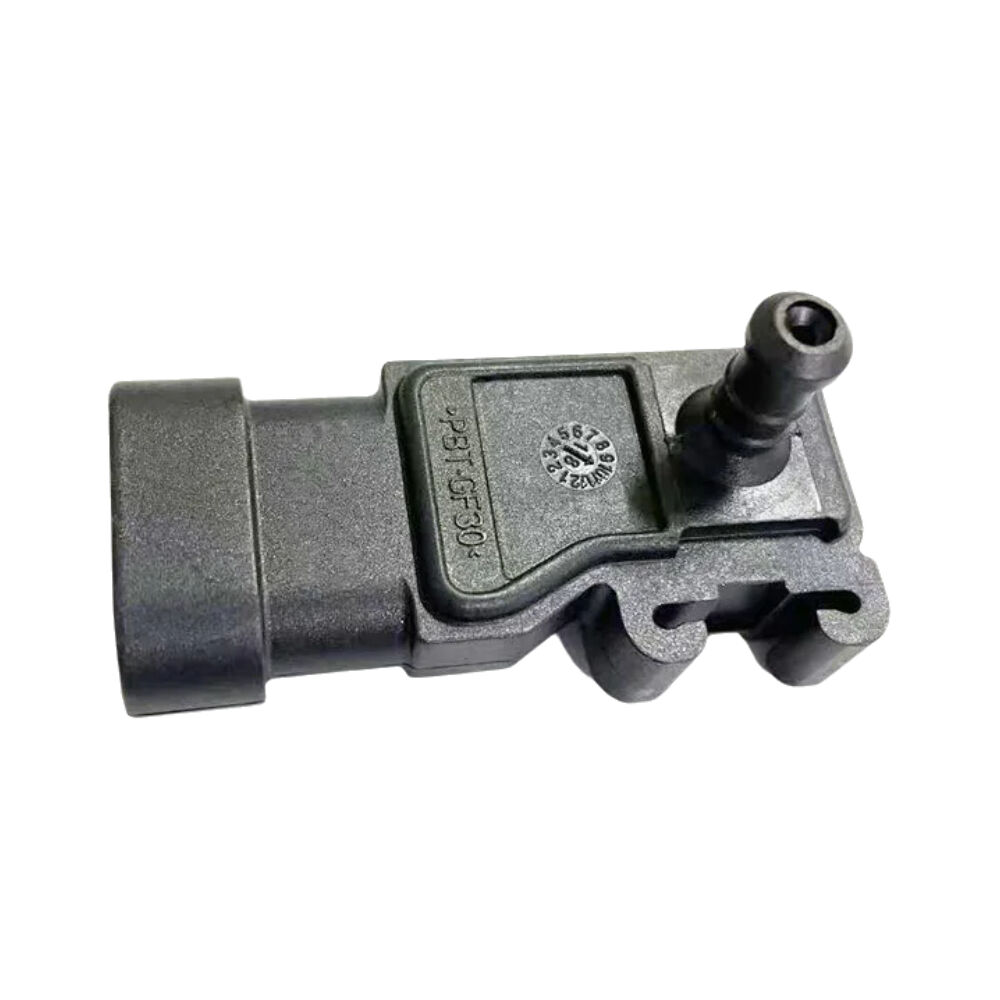
FAQ
What voltage should a MAP sensor read at idle?
A properly functioning MAP sensor typically reads between 1.0 to 1.5 volts at idle conditions, corresponding to manifold vacuum levels of 18 to 22 inches of mercury. This voltage range reflects the high vacuum conditions present in the intake manifold when the throttle plate is closed and the engine is drawing air through a restricted opening. Readings significantly outside this range may indicate sensor problems, vacuum leaks, or engine mechanical issues affecting manifold pressure.
How do you test a MAP sensor without removing it from the vehicle?
Testing a MAP sensor without removal involves connecting a digital multimeter to the sensor's signal wire while the engine operates at various RPM levels. Back-probe the electrical connector to access the signal wire, typically identified as the center terminal on three-wire sensors. Monitor voltage changes as engine RPM increases from idle to approximately 2500 RPM, expecting voltage to rise from about 1.0 volt to 2.5 volts or higher. Additionally, apply external vacuum using a hand pump connected to the sensor's vacuum port while monitoring voltage response.
What are the symptoms of a failing MAP sensor?
Common symptoms of MAP sensor failure include rough idle conditions, poor fuel economy, lack of engine power, hesitation during acceleration, and black exhaust smoke indicating rich fuel mixture conditions. The engine may experience difficulty starting, particularly in cold weather, and may trigger diagnostic trouble codes related to fuel trim, air-fuel ratio, or engine load calculations. In severe cases, the engine may enter limp mode or fail to start completely due to incorrect fuel delivery calculations based on faulty pressure readings.
Can a dirty MAP sensor cause performance problems?
Yes, contamination of the MAP sensor's internal components can significantly impact engine performance by providing inaccurate pressure readings to the engine management system. Oil vapors, carbon deposits, and moisture can coat the sensor diaphragm, causing sluggish response times and incorrect pressure measurements. This contamination typically results in poor fuel economy, irregular idle quality, and reduced engine power output. Cleaning the sensor with appropriate electronics cleaner may restore proper operation, though severely contaminated sensors often require replacement to ensure accurate long-term performance.