
 EN
EN
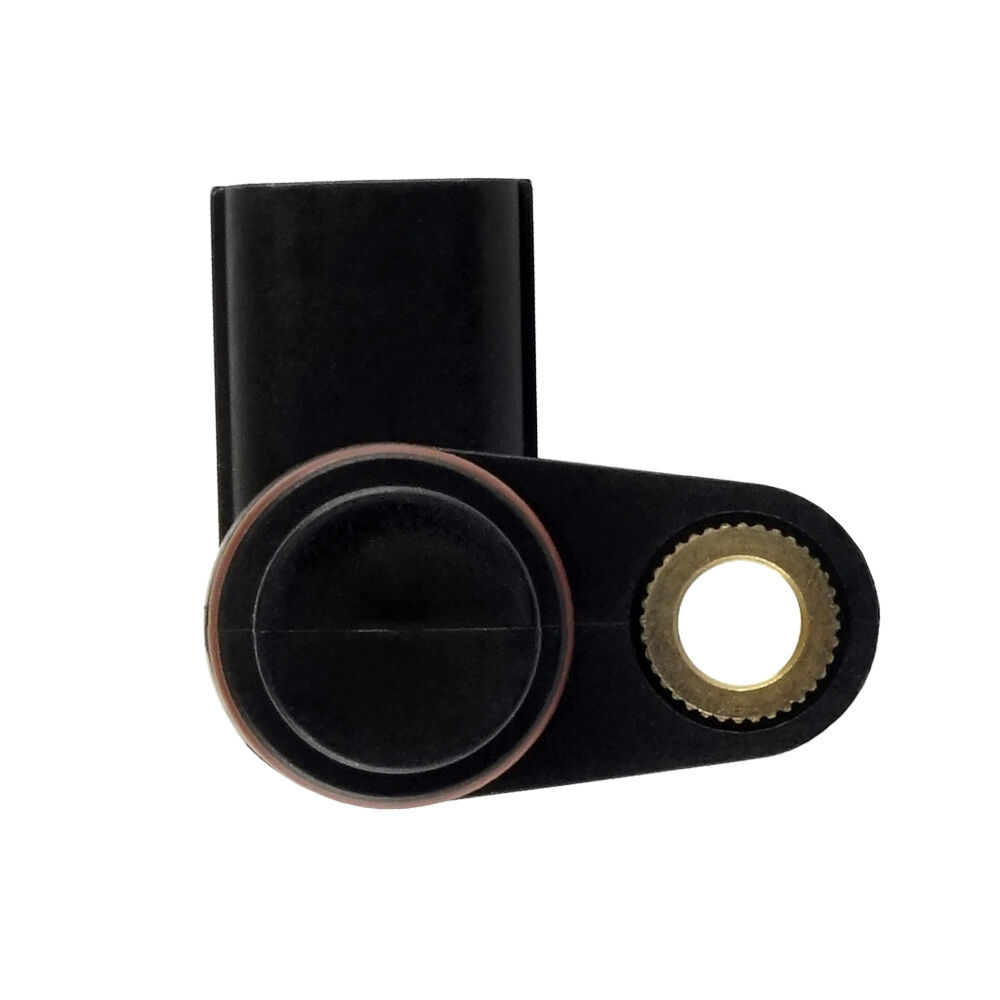
Motorcycle crankshaft sensor failures represent one of the most frustrating diagnostic challenges riders and technicians face, often manifesting as sudden starting difficulties, unpredictable stalling, or irregular engine performance that defies simple troubleshooting. Understanding how to avoid common motorcycle crankshaft sensor problems begins with recognizing that this small but critical component directly monitors engine rotational position and speed, transmitting vital timing data to the electronic control unit that governs ignition and fuel injection systems across modern motorcycles.
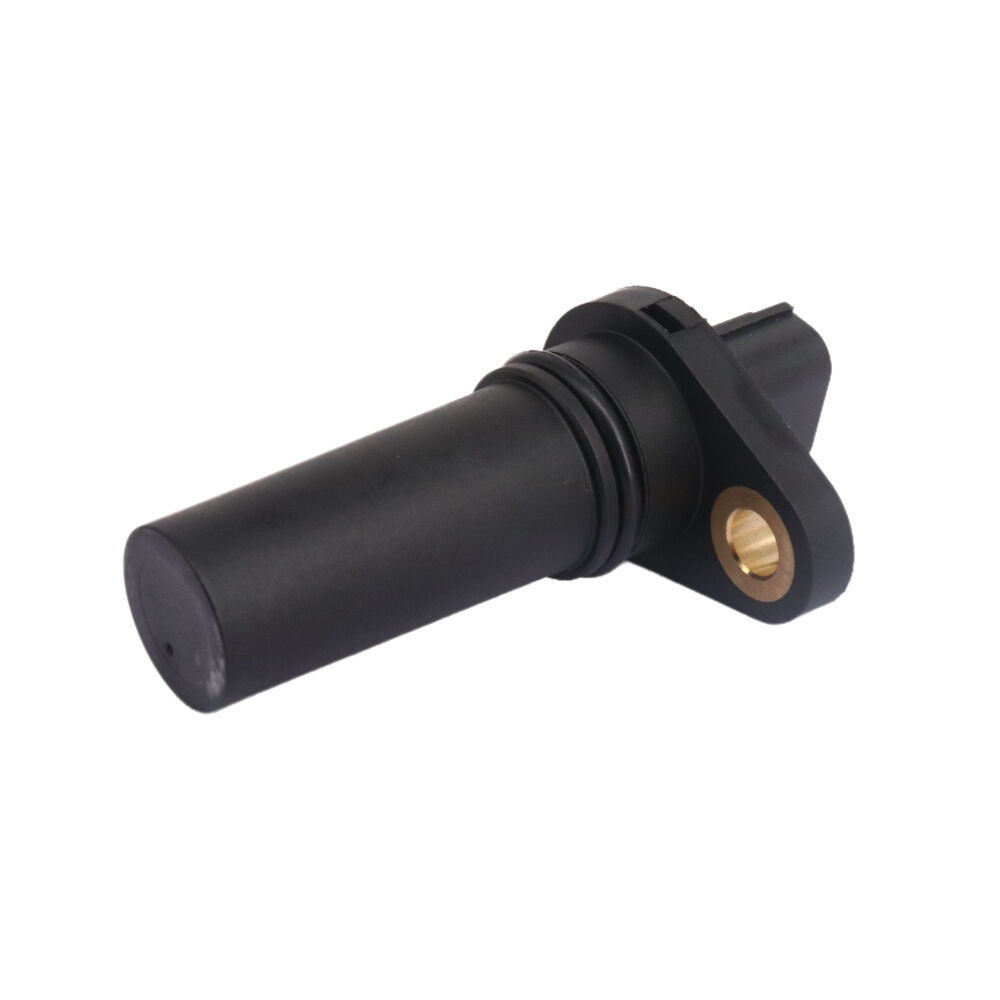
The majority of crankshaft sensor issues stem from preventable causes including heat exposure, contamination buildup, improper installation techniques, and inadequate maintenance protocols that gradually degrade sensor accuracy until complete failure occurs. By implementing systematic preventive measures and understanding the operational requirements of your motorcycle's crankshaft sensor, you can dramatically extend component lifespan, maintain optimal engine performance, and avoid the costly downtime and diagnostic expenses associated with unexpected sensor malfunctions that leave riders stranded or facing emergency repair bills.
Understanding Crankshaft Sensor Vulnerability Points
Environmental Stress Factors That Compromise Sensor Integrity
Motorcycle crankshaft sensors operate in one of the harshest environments within the powertrain system, positioned mere millimeters from rotating crankshaft components while exposed to extreme temperature fluctuations, vibration, and contaminants. The typical crankshaft sensor mounting location near the engine case subjects the component to sustained heat cycles ranging from ambient temperatures to well over 200 degrees Fahrenheit during extended operation, causing thermal expansion and contraction that gradually degrades internal wiring connections and magnetic coil integrity over thousands of heat cycles.
Oil seepage represents another critical vulnerability point, as even minor engine seal deterioration allows lubricant to migrate onto the crankshaft sensor tip and trigger reluctor wheel surface. When oil accumulates in this precision air gap, the magnetic field interactions that generate the sensor signal become disrupted, leading to erratic readings or complete signal loss that the engine control unit interprets as sensor failure. Prevention requires vigilant monitoring of engine seal condition and immediate attention to any signs of oil weeping near the crankshaft sensor mounting area before contamination reaches critical levels.
Mechanical Damage Pathways During Routine Maintenance
Many crankshaft sensor problems originate not from component wear but from inadvertent damage during routine motorcycle maintenance procedures when technicians or owners lack awareness of sensor location and fragility. The crankshaft sensor connector and wiring harness often route through congested areas near the engine cases where they become vulnerable to impact from dropped tools, forced component removal, or aggressive cleaning methods that apply excessive mechanical stress to delicate sensor housings and electrical connections.
Improper torque application during sensor reinstallation creates another common failure pathway, as overtightening the mounting bolt can crack the sensor housing or distort the mounting flange, while insufficient torque allows vibration-induced movement that gradually enlarges the mounting hole and permits sensor misalignment. Professional technicians recognize that crankshaft sensor installation requires precise torque specification adherence, typically ranging between 5 to 10 Newton-meters depending on manufacturer specifications, along with careful inspection of mounting surfaces to ensure proper seating without cross-threading or forced engagement that indicates damaged threads requiring repair before sensor installation.
Electrical System Interactions That Accelerate Sensor Degradation
The crankshaft sensor functions within a complex electrical environment where voltage irregularities, electromagnetic interference, and ground circuit problems can accelerate component degradation even when mechanical installation remains sound. Charging system malfunctions that produce voltage spikes during regulator failure or rectifier breakdown subject the crankshaft sensor internal circuitry to damaging overvoltage conditions that degrade the semiconductor components and signal conditioning circuits responsible for generating clean output waveforms readable by the engine control unit.
Ground circuit integrity proves equally critical, as the crankshaft sensor relies on a stable reference voltage to generate accurate timing signals throughout the engine speed range. When ground connections deteriorate due to corrosion, loose mounting points, or damaged wiring, the resulting voltage instability manifests as intermittent sensor operation that confounds diagnostic efforts because problems appear and disappear based on vibration, temperature, or electrical load conditions. Preventing these electrical degradation pathways requires systematic maintenance of the entire charging and grounding system rather than isolated focus on the crankshaft sensor itself, recognizing that sensor longevity depends fundamentally on the quality of its electrical supply environment.
Implementing Effective Prevention Strategies
Establishing Protective Maintenance Protocols
Preventing crankshaft sensor problems requires implementing structured maintenance protocols that address the specific vulnerability factors inherent in motorcycle crankshaft sensor operation. Regular visual inspection of the sensor mounting area should occur during every major service interval, examining for signs of oil seepage, physical damage to the sensor body or connector, wire insulation degradation, and corrosion at electrical terminals that indicate developing problems before they progress to complete failure requiring emergency roadside assistance or towing.
Cleaning procedures must balance thoroughness with component protection, avoiding high-pressure spray directed at the crankshaft sensor area that can force water into sealed connector assemblies or damage the delicate air gap between sensor tip and reluctor wheel. Instead, professional maintenance approaches utilize controlled solvent application with soft brushes to remove accumulated road grime and oil residue, followed by compressed air drying at moderate pressure to ensure complete moisture removal before reinstalling protective covers or fairings that shield the sensor from direct exposure to road spray and debris.
Optimizing Installation Techniques for Long-Term Reliability
When crankshaft sensor replacement becomes necessary due to failure or preventive renewal, installation technique profoundly influences subsequent service life and reliability. The air gap specification between sensor tip and crankshaft reluctor wheel represents the most critical installation parameter, typically falling within a narrow range of 0.5 to 1.5 millimeters depending on sensor design and manufacturer requirements. Installing a crankshaft sensor with excessive air gap weakens signal strength and makes the system vulnerable to noise interference, while insufficient clearance risks mechanical contact during crankshaft deflection under load that can physically damage both the sensor tip and reluctor wheel teeth.
Thread preparation and fastener condition receive insufficient attention during many crankshaft sensor installations, yet these factors directly influence mounting stability and long-term reliability. Before installing a replacement crankshaft sensor, professional technicians clean mounting hole threads with an appropriate tap or thread chaser to remove accumulated debris and corrosion, apply a light coating of anti-seize compound to prevent future seizure while avoiding contamination of the sensor body, and utilize new mounting hardware when original fasteners show any signs of thread damage, corrosion, or prior overtightening that compromises clamping force consistency.
Diagnostic Testing Integration Into Routine Service
Proactive diagnostic testing enables early detection of developing crankshaft sensor problems before they progress to complete failure, allowing planned replacement during scheduled maintenance rather than emergency roadside breakdown scenarios. Modern diagnostic scan tools provide real-time monitoring of crankshaft sensor signal quality, displaying waveform patterns that reveal degradation symptoms including signal amplitude reduction, timing irregularities, and intermittent dropouts that indicate impending failure despite the sensor still generating sufficient signal for engine operation under ideal conditions.
Resistance measurement using a quality digital multimeter offers another valuable diagnostic approach, comparing actual crankshaft sensor coil resistance against manufacturer specifications that typically fall within a range of 200 to 1000 ohms depending on sensor design. Readings significantly outside this range indicate internal coil damage or connection problems requiring immediate sensor replacement, while borderline readings suggest monitoring the component more frequently to catch deterioration before sudden failure occurs during critical riding situations far from service facilities or parts availability.
Addressing Root Causes of Premature Failure
Vibration Control and Mounting System Integrity
Excessive vibration represents a primary root cause of premature crankshaft sensor failure in motorcycles, particularly in high-performance applications or machines with modified exhaust systems that alter vibration characteristics from original equipment specifications. When engine mounting systems deteriorate through worn rubber isolators or damaged mounting hardware, increased vibration transmission to the engine cases subjects the crankshaft sensor to accelerated fatigue loading that gradually loosens electrical connections, cracks solder joints within the sensor housing, and creates intermittent operation that proves difficult to diagnose reliably.
Addressing vibration-related crankshaft sensor problems requires systematic inspection and renewal of the entire engine mounting system rather than simply replacing the failed sensor. Professional technicians evaluate rubber mount condition through visual inspection for cracking, hardening, or separation from bonded metal components, measure engine position relative to frame reference points to identify sagging or misalignment that indicates mount failure, and consider aftermarket vibration damping solutions when modifications or high-mileage wear patterns suggest the original mounting system no longer provides adequate isolation for sensitive electronic components like the crankshaft sensor.
Heat Management in High-Performance Applications
Performance modifications that increase engine output also elevate operating temperatures throughout the powertrain, creating thermal stress conditions that exceed the design parameters of original equipment crankshaft sensors. Turbocharging, aggressive tuning, or track day use generates sustained high-temperature exposure that accelerates insulation breakdown, degrades magnetic properties of sensor coils, and causes premature failure of electronic components within the sensor housing that cannot withstand prolonged operation above their rated temperature specifications.
Preventing heat-related crankshaft sensor degradation in modified motorcycles requires implementing supplemental cooling strategies including heat shield installation between exhaust components and sensor mounting areas, upgraded engine oil specifications with enhanced thermal stability that reduces overall case temperatures, and consideration of relocating the crankshaft sensor to alternative mounting positions that provide greater thermal isolation when manufacturer designs permit such modifications without compromising signal quality or mechanical interference concerns.
Contamination Prevention Through Seal System Maintenance
Oil contamination of the crankshaft sensor air gap area constitutes one of the most common preventable failure modes, yet many riders overlook the connection between engine seal condition and sensor reliability until catastrophic failure occurs. Crankshaft seals, engine case gaskets, and cover o-rings gradually deteriorate through normal service exposure to temperature cycling and chemical attack from combustion byproducts, eventually allowing oil weeping that migrates to nearby components including the precisely positioned crankshaft sensor installation area.
Proactive seal system maintenance prevents oil contamination problems by implementing scheduled replacement of critical seals before visible leakage develops, typically coinciding with major service intervals or whenever engine cases must be separated for clutch, transmission, or internal engine work. When oil presence appears near the crankshaft sensor during routine inspection, immediate seal system diagnosis and repair prevents progressive contamination buildup that gradually degrades sensor function until the accumulated film thickness completely blocks the magnetic field interaction necessary for signal generation, resulting in no-start conditions or sudden stalling during operation.
Selecting Quality Replacement Components
OEM Versus Aftermarket Sensor Quality Considerations
Component quality selection profoundly influences crankshaft sensor reliability and service life, with significant performance variations existing between original equipment manufacturer sensors, premium aftermarket alternatives, and economy replacement options that appear identical but utilize inferior materials and manufacturing standards. Original equipment crankshaft sensors undergo extensive validation testing under extreme temperature, vibration, and electromagnetic interference conditions that replicate decades of service exposure, ensuring consistent performance across the full operational envelope that motorcycles encounter from arctic cold starts to desert heat endurance riding.
Premium aftermarket crankshaft sensor manufacturers invest in reverse engineering original equipment designs, materials analysis, and independent validation testing to produce replacement components that meet or exceed OEM performance specifications while offering cost advantages that make preventive replacement economically viable. These quality aftermarket sensors utilize equivalent magnetic materials, precision winding techniques, and robust connector assemblies that deliver reliable long-term service, contrasting sharply with economy alternatives that sacrifice critical performance parameters to achieve minimum viable functionality at the lowest possible price point, often resulting in premature failure and repeated replacement costs that exceed the initial savings from bargain component selection.
Connector and Wiring Harness System Evaluation
Crankshaft sensor problems frequently originate not within the sensor itself but in the connector assembly and wiring harness that transmit signals from sensor to engine control unit. Connector terminal corrosion develops gradually through moisture intrusion, road salt exposure, or improper sealing during previous maintenance, creating intermittent high-resistance connections that disrupt signal integrity and cause the control unit to register fault codes or implement failsafe engine operation modes that limit performance and potentially strand riders far from assistance.
When replacing a failed crankshaft sensor, professional technicians routinely inspect and service the connector assembly, examining terminal contact surfaces for corrosion or damage, verifying proper terminal retention within connector bodies, and applying dielectric grease to protect against future moisture intrusion without interfering with electrical conductivity. Harness inspection extends several inches beyond the connector to identify wire insulation chafing, heat damage, or previous repair attempts that compromise signal quality, with damaged sections requiring proper repair using OEM-specification wire, heat-shrink insulation, and routing that prevents future chafing or heat exposure in the confined spaces surrounding typical crankshaft sensor installations.
Application-Specific Sensor Matching Requirements
Modern motorcycles utilize various crankshaft sensor technologies including magnetic reluctance sensors, Hall effect sensors, and optical sensors, each requiring precise matching to the specific engine management system and reluctor wheel configuration installed in particular motorcycle models and production years. Installing an incorrect crankshaft sensor that appears physically compatible but utilizes different signal generation technology or output characteristics results in unreliable operation, difficulty starting, poor running quality, or complete inability to operate despite the sensor mounting properly and showing no obvious installation problems.
Proper application matching requires referencing motorcycle manufacturer part numbers, consulting detailed parts diagrams that identify running changes within model production, and verifying sensor specifications against the original equipment component before purchase to ensure complete compatibility. Many motorcycle models received mid-year updates or running production changes that altered crankshaft sensor designs without corresponding changes to external model designation, creating confusion during parts procurement that leads to incorrect sensor installation and the frustration of repeated failure when the replacement component fundamentally lacks compatibility with the installed engine management system despite appearing identical to cursory visual inspection.
FAQ
What are the first symptoms that indicate my motorcycle crankshaft sensor is beginning to fail?
Early crankshaft sensor degradation typically manifests as difficult starting when the engine is hot, occasional stalling at idle or during deceleration, and intermittent misfiring that disappears and reappears without obvious pattern. You may notice the tachometer displaying erratic readings or dropping to zero momentarily during operation, and the engine may hesitate or stumble during acceleration as the engine control unit receives inconsistent timing signals. These symptoms often occur intermittently at first, becoming more frequent as internal sensor degradation progresses, eventually leading to complete failure where the engine will not start because the control unit receives no crankshaft position information necessary to trigger ignition and fuel injection systems.
Can I continue riding my motorcycle if the crankshaft sensor is producing intermittent fault codes?
Continuing to ride with intermittent crankshaft sensor faults poses significant safety risks and should be avoided whenever possible, as the sensor may fail completely without warning, leaving you stranded in potentially dangerous traffic situations or remote locations far from assistance. The engine control unit may implement failsafe modes that limit power output, disable certain cylinders, or cause unpredictable stalling that creates hazardous conditions for the rider and surrounding traffic. Additionally, operating with intermittent sensor faults can mask other developing problems or cause the engine management system to make incorrect fuel and timing adjustments that potentially damage catalytic converters, foul spark plugs, or create abnormal combustion conditions that accelerate engine wear. The prudent approach involves diagnosing and resolving crankshaft sensor problems before undertaking further riding, particularly long trips or operation in areas where breakdown assistance may be difficult to obtain.
How frequently should I inspect my motorcycle crankshaft sensor as preventive maintenance?
Crankshaft sensor inspection should occur during every major service interval, typically coinciding with valve adjustment services, major tune-ups, or annual maintenance for motorcycles with lower usage patterns. Most manufacturers recommend visual inspection at approximately 12,000 to 15,000-mile intervals, examining the sensor body for physical damage, checking connector condition for corrosion or terminal damage, verifying mounting bolt tightness without overtorque, and confirming the absence of oil contamination around the sensor installation area. Motorcycles subjected to harsh operating conditions including frequent water crossings, dusty environments, track day use, or aggressive performance riding benefit from more frequent inspection at 6,000 to 8,000-mile intervals to catch developing problems before component failure occurs. Diagnostic scan tool analysis of crankshaft sensor signal quality during routine service provides additional insight into sensor condition and helps predict remaining service life before replacement becomes necessary.
Will using synthetic engine oil help prevent crankshaft sensor contamination problems?
Synthetic engine oils offer superior thermal stability and reduced volatility compared to conventional petroleum-based lubricants, characteristics that help maintain cleaner engine internals and reduce the formation of varnish deposits that contribute to seal degradation and eventual oil seepage near crankshaft sensor mounting locations. However, synthetic oil alone cannot prevent crankshaft sensor contamination if underlying seal system problems exist, as even premium lubricants will leak past damaged seals, deteriorated gaskets, or improperly torqued engine case fasteners. The most effective prevention strategy combines synthetic oil use with proactive seal system maintenance, prompt attention to any signs of oil weeping near the sensor area, and careful installation practices that ensure proper gasket seating and appropriate torque values during any engine service that disturbs sealing surfaces near the crankshaft sensor mounting position. Quality synthetic oils do provide the additional benefit of maintaining consistent viscosity across wider temperature ranges, reducing the likelihood of oil thinning under extreme heat conditions that might otherwise promote seepage past marginally degraded seals.
Table of Contents
- Understanding Crankshaft Sensor Vulnerability Points
- Implementing Effective Prevention Strategies
- Addressing Root Causes of Premature Failure
- Selecting Quality Replacement Components
-
FAQ
- What are the first symptoms that indicate my motorcycle crankshaft sensor is beginning to fail?
- Can I continue riding my motorcycle if the crankshaft sensor is producing intermittent fault codes?
- How frequently should I inspect my motorcycle crankshaft sensor as preventive maintenance?
- Will using synthetic engine oil help prevent crankshaft sensor contamination problems?