
 EN
EN
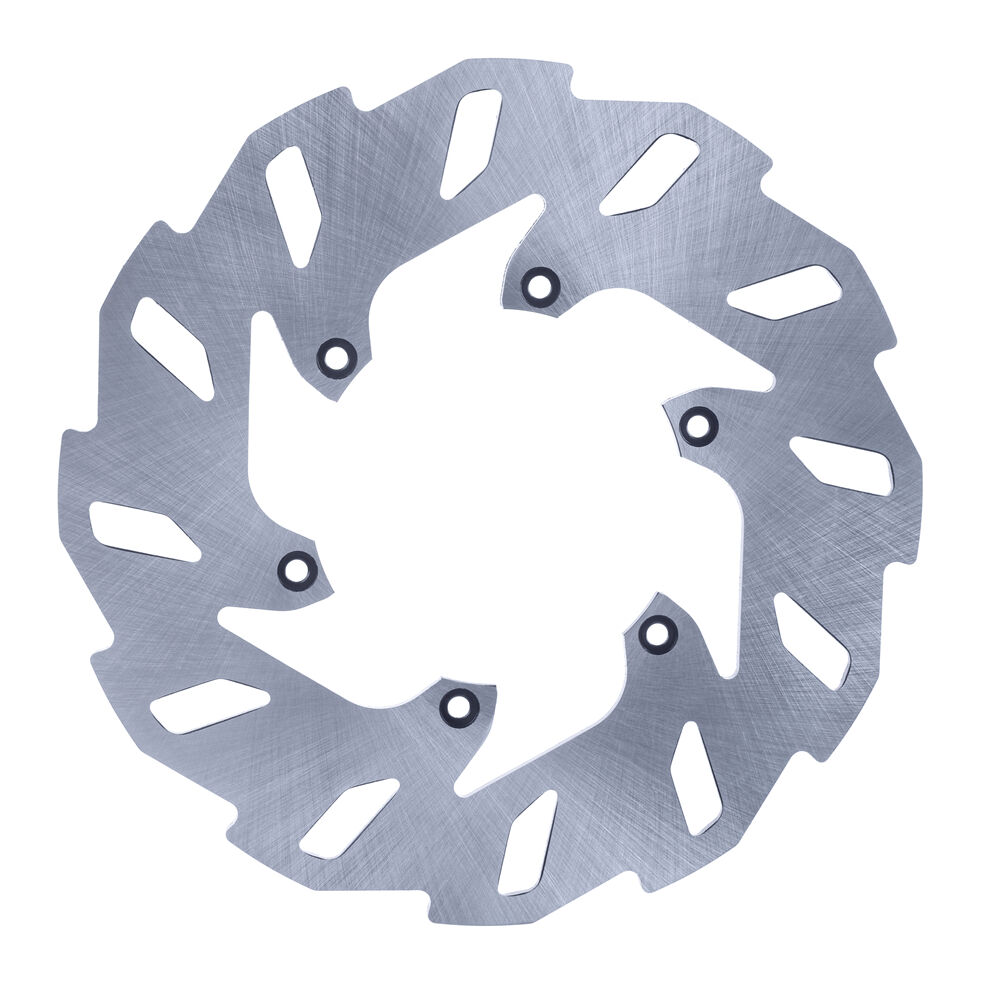
Modern motorcycles rely heavily on their braking systems to ensure rider safety and optimal performance. Among the most critical components of any motorcycle's braking system, the brake disc stands out as a fundamental element that directly impacts stopping power, heat dissipation, and overall riding experience. Understanding the importance of quality brake disc components can help riders make informed decisions about maintenance and upgrades that significantly enhance both safety and comfort on the road.
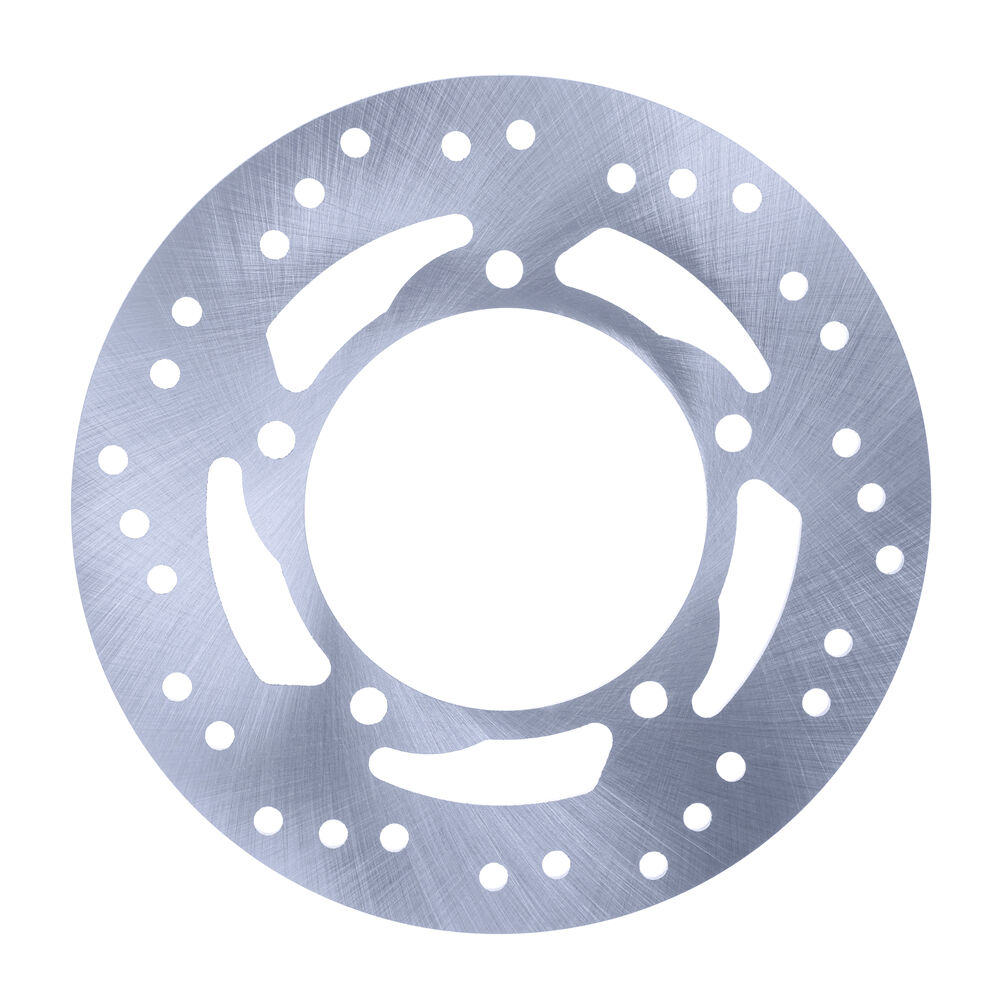
Understanding Brake Disc Technology and Performance
Material Composition and Manufacturing Standards
The construction quality of a brake disc determines its durability, heat resistance, and braking effectiveness. High-grade steel alloys and carbon composite materials are commonly used in premium brake disc manufacturing to ensure consistent performance under extreme conditions. Advanced manufacturing processes, including precision machining and heat treatment, create brake disc surfaces that maintain optimal friction characteristics throughout their operational lifespan. These technical specifications directly influence how effectively the brake disc can convert kinetic energy into thermal energy during braking events.
Surface treatments and coating applications further enhance brake disc performance by reducing corrosion and improving heat dissipation properties. Professional-grade brake disc products undergo rigorous testing procedures to meet international safety standards and performance benchmarks. The metallurgical properties of quality brake disc materials ensure consistent braking response across varying temperature ranges and riding conditions, making them essential for both daily commuting and high-performance applications.
Design Features and Engineering Innovations
Contemporary brake disc designs incorporate advanced engineering features such as ventilation channels, directional cooling vanes, and optimized thickness profiles. These design elements work together to manage heat buildup during intensive braking scenarios, preventing brake disc warping and maintaining consistent stopping power. The geometric configuration of modern brake disc products also reduces weight while maintaining structural integrity, contributing to improved handling characteristics and reduced unsprung mass.
Floating brake disc designs and wave-pattern configurations represent significant technological advances in motorcycle braking systems. These innovations allow for thermal expansion while maintaining proper alignment between the brake disc and brake pads, resulting in more consistent braking feel and reduced maintenance requirements. Professional mechanics often recommend upgrading to advanced brake disc designs for riders who frequently encounter challenging riding conditions or demand enhanced braking performance.
Safety Benefits of Quality Brake Disc Components
Enhanced Stopping Power and Responsiveness
A high-quality brake disc provides superior friction characteristics that translate directly into improved stopping distances and enhanced rider safety. The surface finish and material composition of premium brake disc products ensure consistent contact with brake pads, eliminating the unpredictable braking behavior often associated with worn or inferior components. This reliability becomes crucial during emergency braking situations where consistent brake disc performance can prevent accidents and protect rider safety.
Progressive braking response is another critical safety advantage offered by quality brake disc upgrades. Instead of the on-off braking characteristics common with standard components, premium brake disc products provide graduated stopping power that allows riders to modulate braking force precisely. This improved control helps prevent wheel lockup situations and maintains vehicle stability during aggressive braking maneuvers, particularly important for inexperienced riders who may not have developed advanced braking techniques.
Temperature Management and Fade Resistance
Thermal management capabilities represent one of the most significant safety advantages of upgrading to professional-grade brake disc components. High-performance brake disc designs efficiently dissipate heat generated during braking events, preventing the thermal fade that can compromise stopping power during extended use. This thermal stability becomes particularly important during mountain riding, track sessions, or any situation requiring repeated heavy braking where standard brake disc components might experience performance degradation.
Advanced cooling features integrated into modern brake disc designs include directional ventilation channels and heat-dissipating surface treatments. These engineering solutions ensure that the brake disc maintains optimal operating temperatures even under severe conditions, preserving the friction characteristics necessary for reliable stopping power. Riders who upgrade to premium brake disc products often report increased confidence in their motorcycle's braking system, particularly during challenging riding conditions where thermal management becomes critical for safety.
Comfort and Performance Improvements
Vibration Reduction and Smooth Operation
Precision-manufactured brake disc components significantly reduce the vibrations and pulsing sensations that often develop with worn or warped braking components. Quality brake disc products maintain true rotational geometry throughout their service life, eliminating the handlebar vibration and inconsistent braking feel associated with inferior components. This smoothness improvement enhances rider comfort during both normal commuting and extended touring applications where consistent braking behavior contributes to reduced fatigue.
The balanced design of premium brake disc products also contributes to improved overall motorcycle handling characteristics. By eliminating rotational imbalances and maintaining consistent contact surfaces, upgraded brake disc components reduce stress on suspension components and wheel bearings. This system-wide improvement results in smoother operation and reduced maintenance requirements across the entire braking system, providing long-term comfort and reliability benefits for motorcycle owners.
Noise Reduction and Operational Refinement
Modern brake disc designs incorporate noise-dampening features that eliminate the squealing, grinding, and chattering sounds often associated with standard braking components. These acoustic improvements contribute significantly to rider comfort, particularly during urban commuting where frequent braking can become intrusive without proper component quality. The refined operation of premium brake disc products creates a more pleasant riding experience while indicating proper system function to experienced riders.
Surface treatments and precision manufacturing tolerances further reduce operational noise while maintaining optimal friction characteristics. Quality brake disc components operate silently across their entire service range, eliminating the need for riders to distinguish between normal operational sounds and potential maintenance issues. This operational refinement allows riders to focus on traffic awareness and riding technique rather than being distracted by mechanical noise from their braking system.
Installation and Maintenance Considerations
Professional Installation Requirements
Proper brake disc installation requires specific tools, technical knowledge, and adherence to manufacturer torque specifications to ensure safe operation. Professional mechanics understand the critical importance of proper brake disc alignment, bolt torque sequences, and break-in procedures that maximize component performance and longevity. Attempting brake disc installation without proper equipment or experience can result in safety hazards and premature component failure, making professional installation the recommended approach for most riders.
Quality control procedures during brake disc installation include runout measurements, surface inspection, and proper bedding-in processes that ensure optimal performance from the first ride. Professional installers also verify compatibility between new brake disc components and existing brake pads, calipers, and mounting hardware. This comprehensive approach prevents compatibility issues and ensures that upgraded brake disc components integrate properly with the existing braking system architecture.
Maintenance Schedules and Inspection Procedures
Regular brake disc inspection forms an essential part of motorcycle maintenance schedules, with visual checks for wear patterns, surface damage, and thickness measurements recommended at specified intervals. Professional maintenance protocols include measurements of brake disc thickness, surface finish evaluation, and assessment of mounting hardware condition. These inspection procedures help identify potential issues before they compromise braking performance or create safety hazards for riders.
Preventive maintenance practices for brake disc components include proper cleaning procedures, corrosion prevention treatments, and periodic replacement of associated hardware such as mounting bolts and washers. Understanding the service life expectations of quality brake disc products helps riders plan maintenance budgets and avoid unexpected component failures. Professional maintenance records also support warranty claims and help track the performance history of brake disc upgrades over time.
Choosing the Right Brake Disc for Your Motorcycle
Compatibility and Sizing Specifications
Selecting appropriate brake disc components requires careful attention to manufacturer specifications, mounting patterns, and dimensional requirements specific to each motorcycle model. Brake disc diameter, thickness, and bolt pattern must match original equipment specifications to ensure proper fit and function within existing braking systems. Professional suppliers provide detailed compatibility information and technical support to help riders select appropriate brake disc upgrades for their specific applications and performance requirements.
Performance considerations beyond basic compatibility include brake disc weight, thermal capacity, and intended use patterns that influence component selection. Riders who primarily use their motorcycles for commuting may prioritize different brake disc characteristics than those who participate in track events or extended touring applications. Understanding these performance trade-offs helps ensure that brake disc upgrades provide the expected improvements in safety and comfort for each rider's specific needs and riding style.
Quality Standards and Certification Requirements
International safety standards and certification programs provide important guidance for selecting reliable brake disc products from reputable manufacturers. Quality certifications indicate that brake disc components have undergone rigorous testing procedures and meet established performance benchmarks for materials, manufacturing quality, and operational safety. These certifications help riders identify brake disc products that provide reliable performance and long-term durability in demanding applications.
Manufacturing quality indicators include precision tolerances, surface finish specifications, and material certification documentation that demonstrate compliance with industry standards. Premium brake disc manufacturers typically provide comprehensive technical documentation and warranty coverage that reflects confidence in their product quality and performance capabilities. This documentation becomes valuable for professional mechanics and riders who require detailed specifications for proper installation and maintenance procedures.
FAQ
How often should brake disc components be replaced on motorcycles
Brake disc replacement intervals depend on riding conditions, maintenance practices, and component quality, with typical service lives ranging from 30,000 to 60,000 miles for quality components. Regular inspection of brake disc thickness, surface condition, and wear patterns helps determine when replacement becomes necessary. Professional mechanics recommend measuring brake disc thickness against manufacturer specifications and replacing components when minimum thickness limits are reached to maintain safe braking performance.
What are the signs that indicate brake disc replacement is needed
Common indicators for brake disc replacement include excessive thickness wear, surface scoring or heat damage, warping that causes vibration during braking, and cracking or other structural damage. Unusual noises during braking, inconsistent stopping power, or vibration through the handlebars often indicate brake disc problems requiring professional evaluation. Visual inspection can reveal surface damage, but precise thickness measurements and runout checks require professional equipment to assess brake disc condition accurately.
Can upgrading to premium brake disc improve fuel efficiency
High-quality brake disc components can contribute to improved fuel efficiency through reduced weight, better aerodynamics, and decreased rolling resistance from properly functioning braking systems. Premium brake disc designs often weigh less than standard components while providing superior performance, reducing unsprung weight that affects acceleration and handling efficiency. Additionally, properly functioning brake disc components prevent dragging or binding that can increase fuel consumption during normal riding conditions.
What maintenance is required after installing new brake disc components
New brake disc installation requires a proper bedding-in process involving gradual brake application to establish optimal contact between brake disc surfaces and brake pads. This break-in period typically involves several dozen moderate braking cycles followed by cooling periods to properly condition the friction surfaces. Regular inspection during the first few hundred miles helps ensure that new brake disc components are functioning properly and developing appropriate wear patterns for long-term performance and safety.