
 EN
EN
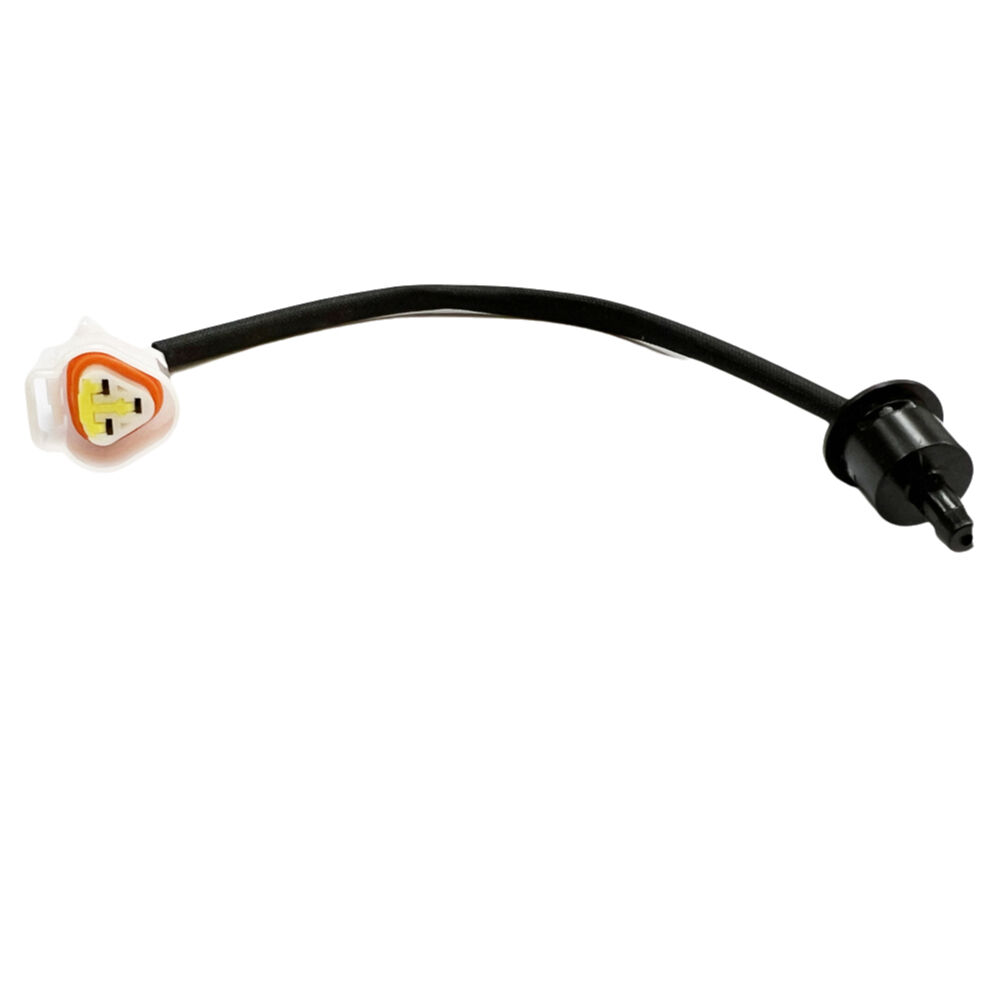
Anti-lock braking systems have revolutionized vehicle safety by preventing wheel lockup during emergency braking situations. The effectiveness of these systems relies heavily on the proper installation and maintenance of ABS sensors, which continuously monitor wheel speed and transmit critical data to the vehicle's control module. When ABS sensors are incorrectly installed or poorly maintained, the entire braking system's performance can be compromised, potentially leading to dangerous driving conditions and reduced stopping power.
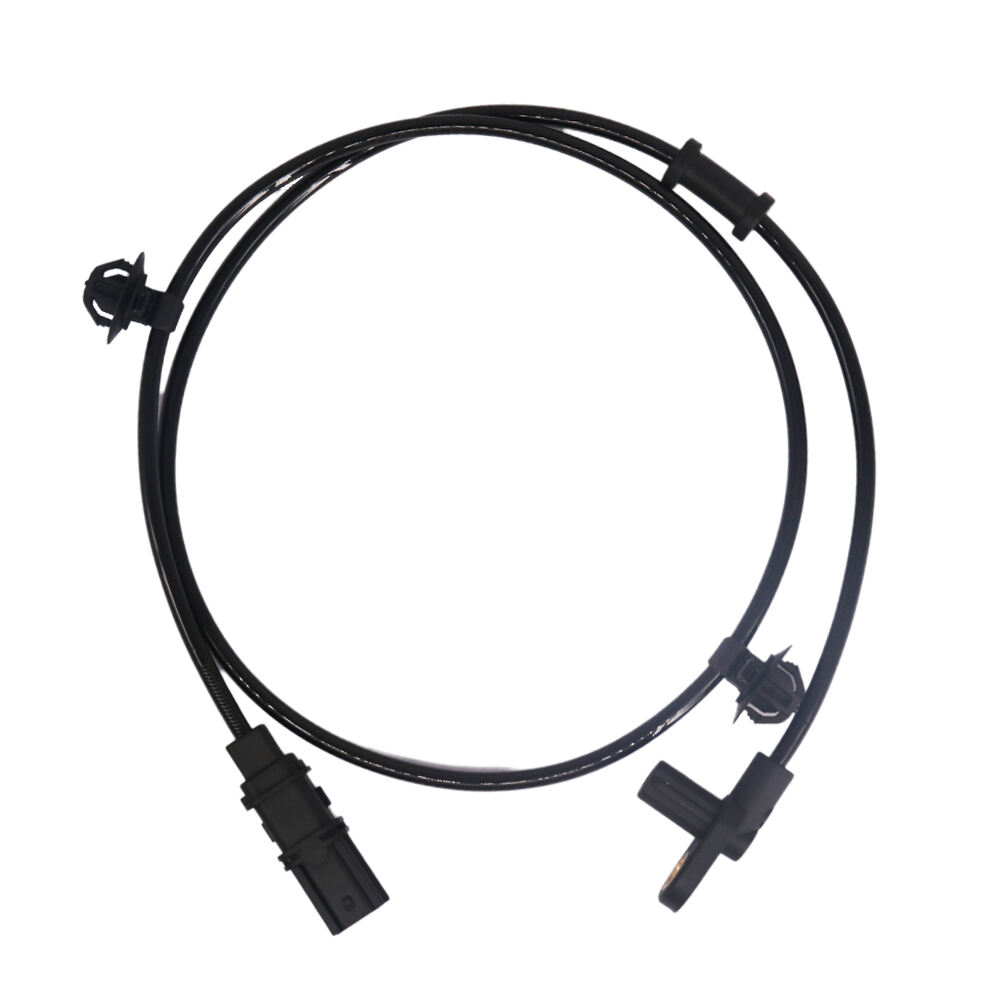
Understanding the intricacies of ABS sensor installation is crucial for automotive technicians, fleet managers, and vehicle enthusiasts who prioritize safety and performance. These precision components require careful handling, proper positioning, and meticulous attention to detail during the installation process. Modern vehicles depend on the accurate functionality of ABS sensors to maintain optimal braking performance across various driving conditions, making their correct installation a critical aspect of vehicle maintenance and safety compliance.
Understanding ABS Sensor Technology and Components
Core Principles of ABS Sensor Operation
ABS sensors operate using electromagnetic principles to detect wheel rotation speed with remarkable precision. These sensors typically employ either magnetic induction or Hall effect technology to generate electrical signals proportional to wheel speed. The magnetic induction type consists of a permanent magnet wrapped with copper wire, creating a coil that generates voltage as the toothed reluctor ring passes by during wheel rotation.
Hall effect ABS sensors utilize semiconductor technology to detect changes in magnetic fields caused by the rotating reluctor ring. These sensors require external power supply but offer superior accuracy and reliability compared to passive magnetic sensors. Understanding the specific technology used in your vehicle's ABS sensors is essential for proper installation, as different sensor types require different handling procedures and electrical connections.
The reluctor ring, also known as a tone wheel or encoder ring, plays a crucial role in ABS sensor functionality. This component features precisely machined teeth or magnetic segments that create alternating magnetic fields as the wheel rotates. The number of teeth or segments on the reluctor ring determines the sensor's resolution and accuracy, with more teeth providing finer speed detection capabilities.
Critical Components and Their Functions
Modern ABS sensors consist of several key components that work together to ensure accurate wheel speed detection. The sensor housing protects the delicate internal components from environmental hazards such as moisture, debris, and temperature fluctuations. High-quality sensor housings are typically manufactured from corrosion-resistant materials and feature robust sealing mechanisms to maintain long-term reliability.
The electrical connector serves as the interface between the sensor and the vehicle's wiring harness, transmitting speed signals to the ABS control module. These connectors must maintain secure electrical connections while withstanding harsh automotive environments. Proper connector seating and protection from moisture intrusion are critical factors in maintaining signal integrity and preventing premature sensor failure.
Signal processing circuitry within modern ABS sensors amplifies and conditions the raw magnetic signals before transmission to the control module. This internal processing helps filter out electrical noise and ensures consistent signal quality across varying operating conditions. Understanding these internal processes helps technicians appreciate the precision required during installation and the importance of maintaining proper sensor positioning.
Pre-Installation Assessment and Preparation
Vehicle-Specific Requirements and Compatibility
Before beginning any ABS sensor installation, conducting a thorough compatibility assessment is essential to ensure optimal performance. Different vehicle manufacturers employ varying sensor specifications, mounting configurations, and electrical requirements. Consulting the vehicle's service manual and verifying part numbers against OEM specifications prevents costly installation errors and ensures proper system integration.
Environmental factors significantly impact ABS sensor selection and installation requirements. Vehicles operating in harsh conditions such as extreme temperatures, high moisture environments, or areas with significant road salt exposure require sensors with enhanced environmental protection. Understanding these requirements before installation helps select appropriate sensors and implement additional protective measures when necessary.
The vehicle's existing ABS system architecture determines the specific installation procedures and calibration requirements. Some systems require specialized diagnostic equipment for proper sensor initialization, while others automatically recognize new sensors during the first drive cycle. Identifying these requirements beforehand ensures all necessary tools and procedures are available during installation.
Tools and Equipment for Professional Installation
Successful ABS sensor installation requires specialized tools designed for precision work in confined spaces. Basic hand tools including metric socket sets, torque wrenches, and electrical multimeters form the foundation of any installation toolkit. However, specific applications may require specialized tools such as reluctor ring pullers, sensor gap gauges, and oscilloscopes for signal verification.
Diagnostic equipment plays a crucial role in verifying proper ABS sensor installation and functionality. OBD-II scanners capable of reading ABS-specific diagnostic trouble codes help identify installation issues and verify system operation. Advanced diagnostic tools can display real-time sensor data, allowing technicians to verify proper signal generation and timing relationships between multiple sensors.
Safety equipment and proper workspace preparation are equally important for professional ABS sensor installation. Vehicle lifting equipment must be properly rated and positioned to provide secure access to sensor mounting locations. Personal protective equipment including safety glasses, gloves, and appropriate clothing protects technicians from potential hazards during the installation process.
Step-by-Step Installation Procedures
Removal of Old Sensors and System Preparation
Proper removal of existing ABS sensors begins with disconnecting the vehicle's battery to prevent electrical system damage and ensure technician safety. The negative battery terminal should be disconnected first, followed by isolation of the positive terminal. Allowing sufficient time for the vehicle's electrical systems to discharge prevents potential component damage from residual electrical energy.
Accessing ABS sensors often requires removal of wheel assemblies, brake components, or suspension parts depending on the sensor's mounting location. Each removal step should be documented and components organized to facilitate reassembly. Special attention must be paid to brake system integrity, ensuring that brake fluid lines and components are not damaged during sensor access procedures.
Old sensor removal requires careful attention to avoid damaging the reluctor ring or surrounding components. Corrosion and debris accumulation around sensor mounting areas can make removal challenging, requiring penetrating lubricants and specialized extraction tools. The mounting hole and surrounding areas should be thoroughly cleaned and inspected for damage before installing new ABS sensors.
Precision Installation and Positioning Techniques
New ABS sensor installation begins with careful inspection of the replacement sensor and verification of part number compatibility. The sensor should be examined for physical damage, proper electrical connector condition, and appropriate cable length. Any defects or inconsistencies should be addressed before proceeding with installation to prevent future reliability issues.
Proper sensor positioning is critical for optimal performance, with most ABS sensors requiring specific air gap measurements between the sensor tip and reluctor ring. This gap typically ranges from 0.5mm to 2.0mm depending on the sensor type and vehicle application. Using appropriate feeler gauges or specialized gap measurement tools ensures proper positioning and prevents sensor damage from contact with the rotating reluctor ring.
Mounting bolt torque specifications must be strictly followed to ensure proper sensor retention without over-stressing the sensor housing. Under-torqued bolts can allow sensor movement and signal degradation, while over-torquing can crack the sensor housing or strip the mounting threads. Using calibrated torque wrenches and following manufacturer specifications prevents these installation errors.
Electrical Connections and Signal Verification
Proper Wiring Harness Integration
Electrical connection integrity is paramount for reliable ABS sensor operation, requiring careful attention to connector seating and environmental protection. The sensor connector should engage the wiring harness with a positive click or locking mechanism, ensuring all electrical contacts are properly mated. Loose or partially connected plugs can cause intermittent signal loss and erratic ABS system behavior.
Wiring harness routing must protect the sensor cables from mechanical damage, heat exposure, and chemical contamination. Sensor cables should be secured using appropriate clips and brackets, maintaining proper bend radius to prevent cable stress and internal wire breakage. Areas of potential contact with moving components, sharp edges, or heat sources require additional protection through routing modifications or protective covers.
Environmental sealing of electrical connections prevents moisture intrusion and corrosion that can compromise signal quality over time. Many ABS sensors feature waterproof connectors with rubber seals, but proper connector orientation and additional protective measures may be necessary in harsh environments. Dielectric grease application to connector contacts provides additional moisture protection and improves long-term reliability.
Signal Quality Testing and Validation
Comprehensive signal testing verifies proper ABS sensor installation and functionality before returning the vehicle to service. Initial testing should include resistance measurements across sensor terminals to verify internal circuit continuity and detect potential wiring issues. Typical resistance values vary by sensor type but generally range from 800 to 2000 ohms for passive magnetic sensors.
Dynamic signal testing requires rotating the wheel to generate sensor output and verify signal amplitude and frequency characteristics. Oscilloscope measurements provide detailed analysis of signal quality, showing proper waveform shape and amplitude consistency. These measurements help identify installation issues such as excessive air gaps, contaminated reluctor rings, or damaged sensor components.
Comparative testing between multiple ABS sensors ensures consistent performance across all wheel positions. Signal amplitude variations between sensors can indicate installation problems or component quality issues that require attention. Professional diagnostic equipment can display real-time sensor data, allowing technicians to identify performance discrepancies and verify proper system operation.
Calibration and System Integration
ABS Control Module Programming
Modern ABS systems often require specific calibration procedures following sensor replacement to ensure optimal performance and safety. These procedures typically involve using manufacturer-specific diagnostic equipment to initialize new sensors and update control module parameters. Failure to perform required calibration can result in reduced ABS effectiveness or system malfunction warnings.
Vehicle speed sensor calibration may be necessary when replacing ABS sensors, particularly on vehicles with integrated traction control or stability management systems. These systems rely on precise wheel speed information for proper operation, and sensor replacement can affect calibration accuracy. Professional diagnostic tools can guide technicians through required calibration procedures and verify successful completion.
Some vehicles feature adaptive ABS systems that automatically adjust to new sensor characteristics during initial operation. These systems require specific drive cycles or operating conditions to complete the adaptation process successfully. Understanding these requirements ensures proper system functionality and prevents unnecessary diagnostic trouble codes or performance issues.
Performance Verification and Road Testing
Comprehensive road testing validates proper ABS sensor installation and system integration under real-world operating conditions. Initial testing should include low-speed maneuvers to verify basic sensor functionality and signal generation. Parking lot testing allows evaluation of system response without the safety risks associated with highway speeds.
Progressive testing at higher speeds and various driving conditions verifies ABS sensor performance across the complete operational range. Testing should include straight-line braking, cornering, and various road surface conditions when safely possible. Monitoring system behavior during these tests helps identify any remaining installation issues or performance anomalies.
Final system verification includes checking for diagnostic trouble codes and confirming that all ABS warning lights function properly. The absence of trouble codes and proper warning light operation indicates successful installation and system integration. Documentation of test results provides valuable information for future maintenance and warranty considerations.
Maintenance and Long-Term Performance
Preventive Maintenance Strategies
Regular inspection of ABS sensors helps identify potential issues before they result in system failure or reduced performance. Visual inspections should focus on sensor mounting security, wiring harness condition, and environmental protection. Early detection of corrosion, physical damage, or mounting looseness allows for preventive repairs that extend sensor service life.
Reluctor ring maintenance is equally important for maintaining ABS sensor accuracy and reliability. These components can accumulate debris, suffer impact damage, or experience wear that affects sensor performance. Regular cleaning and inspection of reluctor rings ensures consistent signal generation and prevents false system activations or reduced sensitivity.
Environmental factors significantly impact ABS sensor longevity, requiring specific maintenance attention in harsh operating conditions. Vehicles operating in high-salt environments, extreme temperatures, or dusty conditions benefit from more frequent inspections and protective measures. Understanding these environmental impacts helps develop appropriate maintenance schedules and preventive strategies.
Troubleshooting Common Installation Issues
Common ABS sensor installation problems often manifest as intermittent system operation, false activation, or complete system failure. Signal amplitude issues typically result from improper air gap settings, contaminated reluctor rings, or sensor mounting problems. Systematic troubleshooting approaches help identify root causes and implement effective solutions.
Electrical connection problems can cause various symptoms ranging from complete signal loss to erratic system behavior. These issues often result from connector contamination, damaged wiring, or inadequate environmental protection. Proper diagnostic procedures can isolate electrical issues and guide appropriate repair strategies.
Installation-related problems may not become apparent until the vehicle experiences specific operating conditions or after extended service periods. Understanding potential failure modes and their symptoms helps technicians quickly identify and resolve issues that might otherwise require extensive diagnostic time and customer inconvenience.
FAQ
What is the typical lifespan of properly installed ABS sensors
Properly installed ABS sensors typically last between 80,000 to 120,000 miles under normal operating conditions, though this can vary significantly based on environmental factors and driving habits. Sensors operating in harsh conditions such as high salt exposure, extreme temperatures, or frequent off-road use may require replacement sooner. Regular maintenance and proper installation techniques can help maximize sensor lifespan and ensure reliable performance throughout the vehicle's service life.
How often should ABS sensor gap measurements be checked
ABS sensor gap measurements should be verified during initial installation and checked annually or whenever wheel bearings, suspension components, or brake system work is performed. The sensor-to-reluctor ring gap can change due to bearing wear, mounting bolt loosening, or component settlement over time. Maintaining proper gap specifications ensures optimal signal generation and prevents sensor damage from contact with the rotating reluctor ring.
Can aftermarket ABS sensors provide the same performance as OEM parts
High-quality aftermarket ABS sensors can provide performance comparable to OEM parts when properly selected and installed according to manufacturer specifications. However, it is crucial to verify compatibility with the specific vehicle's ABS system and ensure the replacement sensor meets or exceeds OEM performance standards. Some aftermarket sensors may require different installation procedures or calibration steps, so consulting technical documentation is essential for successful installation.
What diagnostic equipment is necessary for professional ABS sensor installation
Professional ABS sensor installation requires basic electrical testing equipment including digital multimeters for resistance measurements and voltage testing. Advanced installations benefit from oscilloscopes for signal analysis and professional-grade OBD-II scanners capable of reading ABS-specific diagnostic codes. Vehicle-specific diagnostic tools may be necessary for certain calibration procedures, while air gap gauges and torque wrenches ensure proper mechanical installation according to manufacturer specifications.