
 EN
EN
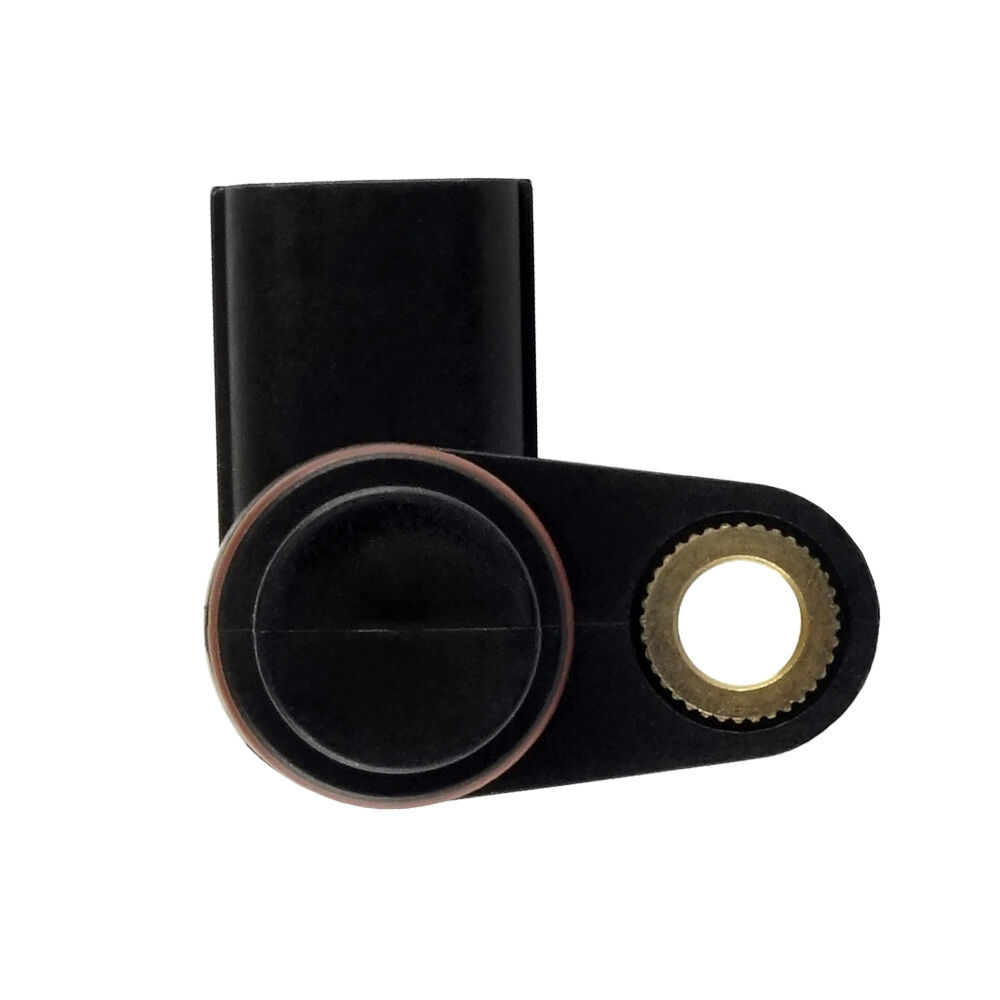
Modern vehicle safety systems have revolutionized the way we approach road stability and control, with ABS sensors playing a pivotal role in preventing accidents and enhancing driver confidence. These sophisticated electronic components continuously monitor wheel rotation speed, providing critical data that enables the anti-lock braking system to function effectively during emergency braking situations. ABS sensors have become an indispensable part of contemporary automotive safety architecture, working seamlessly behind the scenes to maintain vehicle stability when drivers need it most. The integration of these sensors into both passenger vehicles and motorcycles has significantly reduced the number of accidents caused by wheel lockup during braking. Understanding how ABS sensors contribute to road safety helps drivers appreciate the advanced technology that protects them daily.
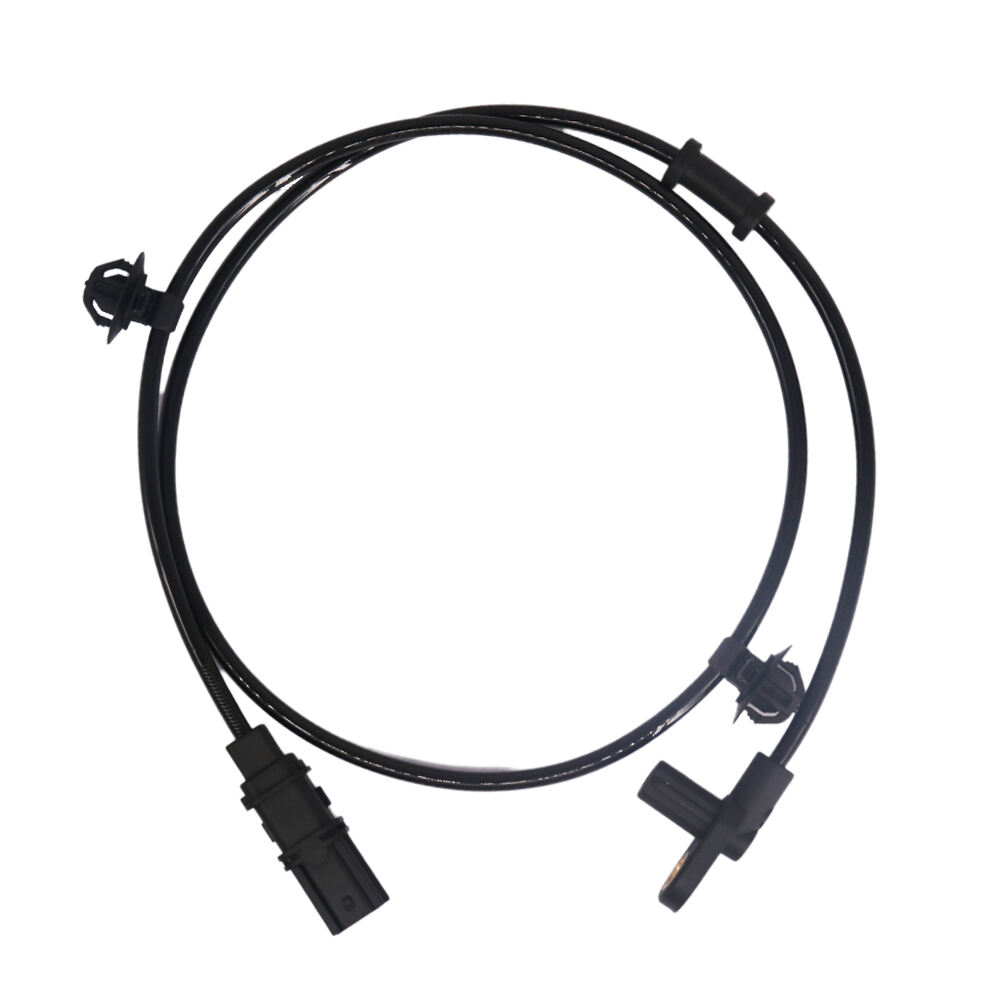
Understanding the Fundamentals of ABS Sensor Technology
Basic Operating Principles
ABS sensors operate on electromagnetic principles, utilizing either active or passive sensing technologies to detect wheel rotation speed with remarkable precision. The most common type employs a reluctor ring with teeth or magnetic poles that pass by the sensor as the wheel rotates, generating electrical signals proportional to the wheel's rotational velocity. These signals are transmitted to the ABS control module, which processes the information in real-time to determine if any wheel is approaching a lockup condition. The sensor's ability to detect minute changes in wheel speed allows the system to intervene before complete wheel lockup occurs. Modern ABS sensors can detect speed variations as small as 0.1 mph, enabling extremely precise control over braking force distribution.
The electronic circuitry within ABS sensors converts mechanical rotation into digital signals that the vehicle's computer systems can interpret and act upon instantaneously. Advanced sensor designs incorporate temperature compensation and self-diagnostic capabilities to ensure consistent performance across varying environmental conditions. The signal processing algorithms filter out electrical noise and interference, maintaining accurate readings even in challenging electromagnetic environments. This technological sophistication ensures that ABS sensors provide reliable data regardless of weather conditions, road surface variations, or electrical system fluctuations within the vehicle.
Types and Configurations
Two primary categories of ABS sensors dominate the automotive market: passive sensors and active sensors, each offering distinct advantages depending on the application requirements. Passive sensors generate their own electrical signal through electromagnetic induction, requiring no external power source but producing weaker signals at low speeds. Active sensors, conversely, require external power but provide stronger, more consistent signals across the entire speed range, making them ideal for modern vehicles with sophisticated stability control systems. The choice between these sensor types often depends on vehicle cost considerations, performance requirements, and integration with other electronic safety systems.
Installation configurations vary significantly between different vehicle platforms, with some systems utilizing individual sensors for each wheel while others employ strategic placement to monitor specific axle combinations. Motorcycle applications, such as those found in Honda models, often require specialized sensor designs that account for the unique dynamics of two-wheeled vehicles. The positioning of ABS sensors relative to the reluctor rings must maintain precise air gaps to ensure optimal signal generation, typically ranging from 0.5 to 2.0 millimeters depending on the specific sensor design and manufacturer specifications.
Impact on Vehicle Stability During Emergency Situations
Preventing Wheel Lockup
The primary function of ABS sensors in maintaining vehicle stability involves the continuous monitoring of individual wheel speeds to detect impending lockup conditions during heavy braking. When a wheel begins to decelerate faster than the vehicle's actual speed would indicate, the ABS sensors immediately signal this discrepancy to the control module. The system then modulates brake pressure to that specific wheel, allowing it to regain traction while maintaining maximum braking efficiency. This rapid cycling of brake pressure application and release prevents the wheel from completely locking up, which would otherwise cause the vehicle to lose steering control and potentially skid uncontrollably.
The prevention of wheel lockup through ABS sensor monitoring directly translates to improved vehicle controllability during panic braking situations. Without functional ABS sensors, drivers would experience complete loss of steering ability once the front wheels lock, making accident avoidance maneuvers impossible. The sensors enable the system to maintain just enough wheel rotation to preserve the tire's grip on the road surface, allowing drivers to maintain directional control while achieving near-maximum braking force. This capability proves especially crucial on surfaces with varying traction coefficients, where different wheels may require different levels of brake pressure modulation.
Maintaining Directional Control
ABS sensors contribute significantly to maintaining directional stability by ensuring that steering input remains effective throughout the braking process. The sensors detect when individual wheels are rotating at different speeds, which could indicate loss of traction or impending instability. By providing this real-time data to the ABS control module, the sensors enable the system to adjust braking force distribution across all wheels to maintain vehicle balance. This coordinated approach prevents the vehicle from pulling to one side during braking, which commonly occurs when wheels lock at different rates or on surfaces with uneven traction characteristics.
The ability to maintain directional control through ABS sensor feedback proves particularly valuable during emergency obstacle avoidance maneuvers. When drivers must steer around unexpected hazards while braking hard, the sensors ensure that sufficient traction remains available for directional changes. Modern ABS sensors work in conjunction with electronic stability control systems to provide even more sophisticated vehicle dynamics management, automatically adjusting individual wheel braking forces to counteract any tendency toward oversteer or understeer during combined braking and steering inputs.
Integration with Modern Safety Systems
Electronic Stability Control Synergy
Contemporary ABS sensors serve as fundamental components in comprehensive vehicle stability management systems that extend far beyond basic anti-lock braking functionality. These sensors provide critical wheel speed data that electronic stability control systems use to detect and correct vehicle instability before it becomes dangerous. When integrated with lateral acceleration sensors and yaw rate sensors, ABS sensors help create a complete picture of vehicle dynamics that enables predictive safety interventions. The data from these sensors allows the stability control system to identify situations where the vehicle's actual path deviates from the driver's intended direction, triggering selective brake application to individual wheels to restore stability.
The synergy between ABS sensors and stability control systems represents a significant advancement in automotive safety technology, providing protection against both braking-induced instability and handling-related loss of control. This integration allows the vehicle's safety systems to respond to various scenarios, from sudden lane changes to emergency braking on slippery surfaces. The real-time communication between ABS sensors and other vehicle control modules creates a comprehensive safety network that continuously works to keep the vehicle within safe operating parameters.
Traction Control Applications
ABS sensors play an equally important role in traction control systems, which prevent wheel spin during acceleration rather than deceleration. These sensors monitor wheel speeds during acceleration to detect when drive wheels begin spinning faster than would be expected based on vehicle acceleration. When excessive wheel spin is detected, the traction control system can reduce engine power or apply brakes to the spinning wheels, redirecting torque to wheels with better traction. This application of ABS sensor technology proves particularly valuable in low-traction situations such as snow, ice, or loose gravel surfaces where maintaining forward momentum requires careful wheel slip management.
The integration of ABS sensors with traction control systems creates a bidirectional safety approach that protects vehicle stability during both acceleration and deceleration phases of driving. Modern vehicles utilize the same sensor hardware for multiple safety functions, creating cost-effective and reliable safety systems that operate transparently to the driver. The sensors' ability to detect minute differences in wheel rotation speeds enables precise traction management that maximizes both safety and performance across diverse driving conditions and road surfaces.
Maintenance and Reliability Considerations
Common Failure Modes
ABS sensors, despite their robust design, can experience various failure modes that compromise their ability to provide accurate wheel speed information to the vehicle's safety systems. The most common failure involves contamination of the sensor face or reluctor ring with metallic debris, brake dust, or road grime, which can interfere with the electromagnetic field and cause erratic signal generation. Physical damage from road debris, corrosion, or improper maintenance procedures can also compromise sensor functionality, leading to intermittent or complete loss of ABS capability. Electrical failures, including damaged wiring harnesses or connector corrosion, represent another significant category of ABS sensor problems that can affect system reliability.
Temperature-related failures occur when ABS sensors are exposed to extreme heat from brake components or environmental conditions that exceed their design specifications. These thermal stresses can cause internal component degradation or alter the sensor's calibration, resulting in inaccurate speed readings that confuse the ABS control module. Understanding these failure modes helps vehicle owners and technicians implement appropriate maintenance strategies to ensure continued sensor reliability and optimal safety system performance throughout the vehicle's operational life.
Diagnostic and Replacement Procedures
Modern vehicles incorporate sophisticated diagnostic capabilities that continuously monitor ABS sensor performance and alert drivers to potential problems through dashboard warning lights or diagnostic trouble codes. Professional diagnostic equipment can access real-time sensor data, allowing technicians to verify proper operation and identify specific failure modes before they compromise safety. The diagnostic process typically involves checking sensor resistance values, signal patterns, and air gap measurements to ensure all parameters meet manufacturer specifications. Advanced diagnostic procedures may include road testing with monitoring equipment to observe sensor behavior under actual driving conditions.
Replacement of faulty ABS sensors requires careful attention to proper installation procedures, including correct air gap setting and secure mounting to prevent vibration-induced failures. Quality replacement sensors should meet or exceed original equipment specifications to ensure compatibility with the vehicle's ABS control algorithms. Post-installation procedures often include system calibration or adaptation processes that allow the ABS module to learn the new sensor's characteristics and optimize system performance. Proper installation and calibration ensure that replacement ABS sensors provide the same level of safety and performance as the original components.
Future Developments and Technological Advances
Enhanced Sensor Technologies
The evolution of ABS sensor technology continues with the development of more sophisticated sensing methods that provide enhanced accuracy and expanded functionality beyond basic wheel speed monitoring. Next-generation sensors incorporate advanced signal processing capabilities that can distinguish between various road surface conditions and provide this information to adaptive safety systems. These intelligent sensors utilize improved electromagnetic designs and digital signal processing to maintain accuracy across wider temperature ranges and in more challenging electromagnetic environments. The integration of wireless communication capabilities in future ABS sensors may eliminate traditional wiring harnesses while providing enhanced diagnostic capabilities and system integration flexibility.
Emerging sensor technologies focus on miniaturization and improved durability while maintaining or enhancing performance characteristics that modern safety systems require. Advanced materials and manufacturing techniques enable the creation of ABS sensors that withstand harsher environmental conditions while providing more precise measurements. These technological improvements support the integration of ABS sensors with emerging autonomous driving systems that require extremely reliable and accurate vehicle dynamics information for safe operation.
Integration with Autonomous Systems
The role of ABS sensors in future autonomous and semi-autonomous vehicles extends beyond traditional safety applications to support comprehensive vehicle dynamics management required for computer-controlled driving. Advanced autonomous systems rely on precise wheel speed information from ABS sensors to execute complex maneuvers, maintain optimal following distances, and respond appropriately to changing road conditions. The sensors provide critical feedback for autonomous emergency braking systems, adaptive cruise control, and lane-keeping assistance technologies that form the foundation of modern driver assistance systems.
Future integration scenarios envision ABS sensors as components of comprehensive sensor networks that continuously monitor vehicle state and environmental conditions to support fully autonomous operation. These networks will require sensors with enhanced reliability, faster response times, and improved communication capabilities to meet the demanding requirements of autonomous vehicle safety systems. The continued development of ABS sensor technology will play a crucial role in enabling the next generation of automotive safety and automation features that promise to further reduce traffic accidents and improve transportation efficiency.
FAQ
How do ABS sensors improve vehicle safety during emergency braking
ABS sensors continuously monitor individual wheel speeds and immediately detect when a wheel is about to lock up during hard braking. When lockup is detected, the sensors signal the ABS control module to rapidly pulse the brakes on that wheel, preventing complete lockup while maintaining maximum braking efficiency. This process preserves steering control and vehicle stability, allowing drivers to steer around obstacles while braking hard. Without functional ABS sensors, wheels would lock completely during emergency braking, causing loss of steering control and potential vehicle skidding, significantly increasing accident risk.
What happens when an ABS sensor fails on a vehicle
When an ABS sensor fails, the vehicle's anti-lock braking system becomes disabled, and a warning light illuminates on the dashboard to alert the driver. The vehicle will still have normal braking capability, but without ABS protection, the wheels may lock during hard braking, potentially causing loss of steering control. Modern vehicles may also disable related safety systems such as electronic stability control and traction control when ABS sensors fail, since these systems rely on accurate wheel speed data. Immediate professional diagnosis and repair are recommended when ABS sensor failure is detected.
Can ABS sensors work effectively in all weather conditions
Modern ABS sensors are designed to function reliably across a wide range of weather conditions, including rain, snow, and extreme temperatures. However, accumulated ice, snow, or debris around the sensor or reluctor ring can interfere with proper operation and may cause temporary system malfunctions. The sensors incorporate temperature compensation features to maintain accuracy in hot and cold conditions, but severe contamination may require cleaning for optimal performance. Regular maintenance and inspection help ensure ABS sensors continue providing reliable wheel speed information regardless of weather conditions.
How often should ABS sensors be inspected or replaced
ABS sensors typically do not require routine replacement and are designed to last the vehicle's lifetime under normal operating conditions. However, they should be inspected during regular brake service or whenever ABS warning lights appear on the dashboard. Visual inspection should check for physical damage, contamination, or corrosion that might affect sensor performance. Replacement becomes necessary when diagnostic testing reveals sensor failure, erratic signal generation, or physical damage that cannot be corrected through cleaning. Professional diagnostic testing can determine sensor condition and the need for replacement based on actual performance rather than arbitrary time intervals.