
 EN
EN
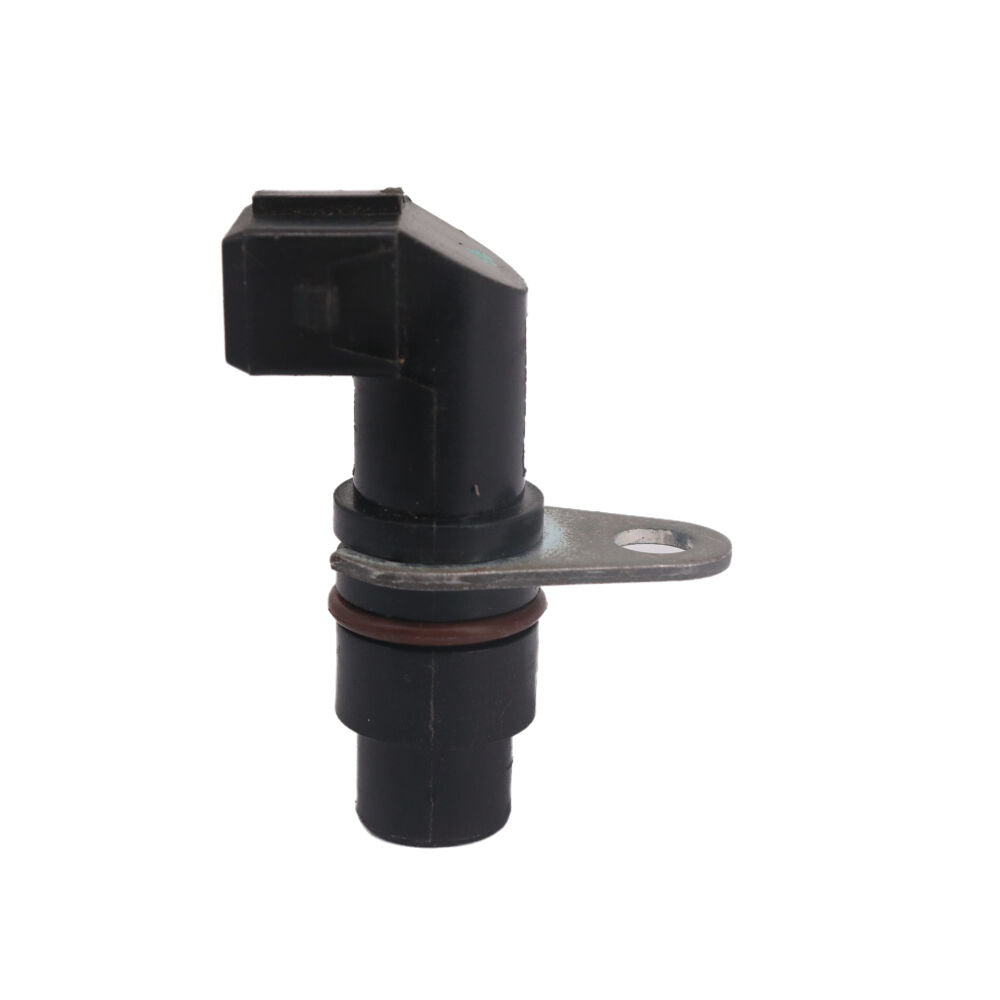
Modern automotive and motorcycle braking systems rely heavily on sophisticated components to ensure optimal safety and performance. The ABS sensor stands as one of the most critical elements in anti-lock braking systems, responsible for monitoring wheel speed and preventing dangerous wheel lockup during emergency braking situations. Understanding how to identify high-quality ABS sensor components can make the difference between reliable vehicle operation and potentially hazardous brake system failures that compromise rider and driver safety.
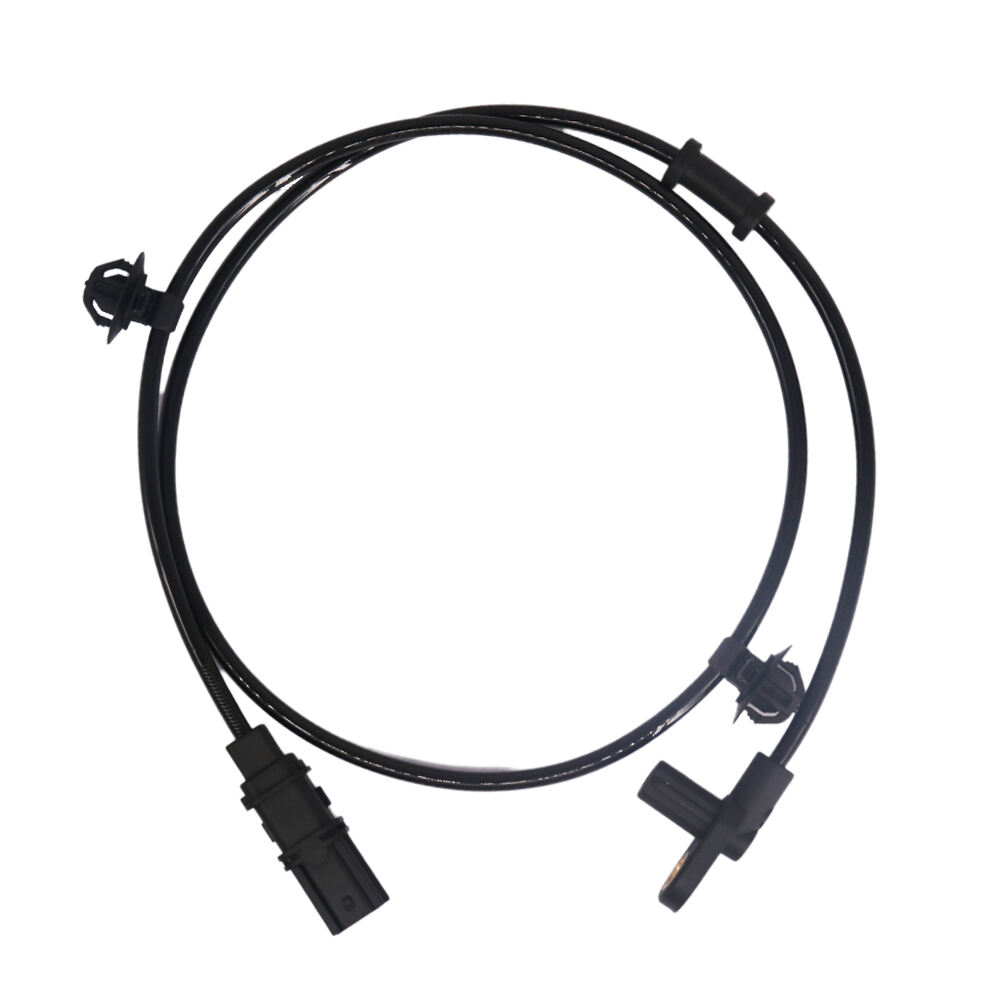
Professional mechanics and vehicle owners must develop expertise in evaluating ABS sensor quality to maintain optimal braking system performance. Quality assessment involves examining multiple technical specifications, manufacturing standards, and compatibility factors that directly impact sensor reliability and longevity. This comprehensive approach ensures that selected components meet stringent automotive safety requirements while providing consistent performance across diverse operating conditions and environmental challenges.
Technical Specifications and Quality Indicators
Sensor Design and Construction Materials
High-quality ABS sensor construction begins with premium materials engineered to withstand extreme automotive environments. Superior sensors feature robust housing materials such as reinforced polymers or metal casings that resist thermal cycling, vibration, and chemical exposure. The internal components, including magnetic elements and electronic circuits, must demonstrate exceptional durability under continuous operation conditions that include temperature variations ranging from sub-zero to high-heat scenarios.
Professional-grade ABS sensor designs incorporate advanced sealing technologies that prevent moisture ingress and contamination. Quality indicators include multi-layer sealing systems, corrosion-resistant coatings, and precision-engineered connector interfaces that maintain electrical integrity throughout the sensor's operational lifespan. These construction elements directly influence sensor reliability and determine whether the component can deliver consistent performance across thousands of braking cycles.
Electrical Performance Characteristics
Electrical specifications represent fundamental quality markers for ABS sensor evaluation. Premium sensors exhibit precise voltage output ranges, stable signal characteristics, and minimal electrical noise that could interfere with brake control module operations. Quality sensors maintain consistent impedance values and demonstrate reliable signal transmission across the complete operational frequency spectrum required for effective wheel speed monitoring.
Signal integrity becomes particularly critical during rapid braking scenarios where the ABS sensor must provide instantaneous wheel speed data to the control system. High-quality components feature optimized magnetic field strength and sensor gap tolerances that ensure accurate speed detection even under challenging conditions such as wet roads, debris contamination, or extreme temperature variations that could compromise inferior sensor designs.
Manufacturing Standards and Certification Requirements
Industry Compliance and Testing Protocols
Reputable ABS sensor manufacturers adhere to stringent automotive industry standards that govern component quality, reliability, and safety performance. ISO certifications, OEM specifications, and regional automotive standards provide frameworks for evaluating sensor quality and ensuring compatibility with specific vehicle applications. These standards encompass comprehensive testing protocols that validate sensor performance across diverse operational scenarios.
Quality certification processes include rigorous environmental testing, electrical performance validation, and long-term reliability assessments that simulate years of real-world operation. Premium ABS sensor manufacturers invest significantly in testing infrastructure and quality control systems that consistently produce components meeting or exceeding automotive industry requirements for safety-critical braking system applications.
Traceability and Quality Documentation
Professional-grade ABS sensor suppliers provide comprehensive documentation that includes manufacturing traceability, quality test results, and technical specifications. This documentation enables mechanics and technicians to verify component authenticity, understand performance characteristics, and ensure proper installation procedures. Quality suppliers maintain detailed records that support warranty claims and provide technical support for troubleshooting applications.
Authentic documentation includes part number verification systems, manufacturing date codes, and batch tracking information that facilitate quality control and recall management. These systems demonstrate manufacturer commitment to quality assurance and provide confidence in ABS sensor reliability for critical safety applications.
Performance Evaluation and Testing Methods
Functional Testing Procedures
Comprehensive ABS sensor evaluation requires systematic testing procedures that validate component functionality across operational parameters. Professional testing includes resistance measurements, signal output verification, and response time analysis that confirm sensor performance meets manufacturer specifications. These tests identify potential issues before installation and ensure optimal brake system integration.
Advanced testing protocols incorporate dynamic evaluation methods that simulate real-world operating conditions including vibration exposure, temperature cycling, and electromagnetic interference scenarios. Quality ABS sensor components demonstrate consistent performance throughout these challenging test conditions, indicating reliable operation in demanding automotive environments where brake system integrity remains paramount.
Installation and Compatibility Assessment
Proper ABS sensor installation requires careful attention to mounting specifications, air gap settings, and electrical connections that influence sensor performance. Quality sensors include detailed installation instructions, torque specifications, and alignment procedures that ensure optimal positioning relative to the reluctor ring or magnetic target. Precise installation directly impacts sensor accuracy and operational reliability.
Compatibility verification involves confirming sensor specifications match vehicle requirements including connector types, mounting configurations, and electrical parameters. Professional mechanics utilize comprehensive compatibility databases and technical resources to ensure selected ABS sensor components integrate seamlessly with existing brake system architectures and control modules.
Common Quality Issues and Red Flags
Manufacturing Defects and Failure Patterns
Identifying inferior ABS sensor quality requires understanding common manufacturing defects that compromise component reliability. Poor construction quality manifests through inadequate sealing, substandard materials, and inconsistent electrical characteristics that lead to premature failure. Visual inspection reveals quality issues including improper connector molding, inadequate cable strain relief, and housing defects that indicate manufacturing shortcuts.
Quality sensors exhibit uniform construction, precise dimensional tolerances, and professional finishing that reflect manufacturing excellence. Inferior components often demonstrate inconsistent build quality, rough surfaces, and dimensional variations that suggest inadequate quality control processes. These visual indicators provide immediate feedback regarding sensor quality and manufacturing standards.
Performance Inconsistencies and Warning Signs
Reliable ABS sensor performance requires consistent signal output and stable operational characteristics across diverse conditions. Quality issues manifest through erratic signal behavior, intermittent operation, and premature wear that compromises brake system functionality. Professional evaluation identifies these performance inconsistencies through comprehensive testing and operational monitoring.
Warning signs of inferior ABS sensor quality include excessive electrical noise, unstable resistance readings, and temperature-sensitive performance variations. These indicators suggest inadequate component design or manufacturing quality that could result in brake system malfunctions and safety compromises during critical braking situations.
Selection Criteria for Optimal Performance
Application-Specific Requirements
Selecting high-quality ABS sensor components requires understanding specific application requirements that influence component selection. Vehicle type, operating conditions, and performance expectations determine appropriate sensor specifications and quality levels. Professional selection processes consider factors including environmental exposure, duty cycle, and reliability requirements that impact long-term sensor performance.
Optimal ABS sensor selection balances performance requirements with cost considerations while prioritizing safety and reliability. Quality components provide superior value through extended service life, consistent performance, and reduced maintenance requirements that offset higher initial costs through improved operational reliability and reduced replacement frequency.
Supplier Evaluation and Quality Assurance
Professional ABS sensor procurement involves comprehensive supplier evaluation that encompasses manufacturing capabilities, quality systems, and technical support resources. Reputable suppliers demonstrate commitment to quality through certified manufacturing processes, comprehensive testing procedures, and responsive customer support that facilitates successful component integration and troubleshooting.
Quality assurance extends beyond initial component selection to include ongoing supplier performance monitoring and feedback systems that ensure consistent component quality. Professional procurement processes establish supplier relationships that support long-term quality improvement and component development initiatives that advance ABS sensor technology and reliability.
Installation Best Practices and Quality Verification
Professional Installation Techniques
Proper ABS sensor installation techniques directly influence component performance and service life. Quality installation requires precise positioning, appropriate torque application, and careful attention to electrical connections that ensure optimal sensor operation. Professional mechanics follow manufacturer specifications and industry best practices that maximize sensor reliability and performance consistency.
Installation quality verification includes post-installation testing that confirms sensor functionality and integration with brake system components. Comprehensive verification procedures validate signal output, electrical continuity, and mechanical positioning that ensure the ABS sensor operates within specified parameters and contributes to optimal brake system performance.
Long-Term Performance Monitoring
Maintaining ABS sensor performance requires ongoing monitoring and preventive maintenance that identifies potential issues before they compromise brake system operation. Quality monitoring programs include periodic sensor testing, visual inspection, and performance evaluation that ensure continued reliable operation throughout the sensor's service life.
Professional maintenance protocols incorporate diagnostic procedures that assess ABS sensor condition and identify degradation patterns that could indicate approaching component failure. Proactive monitoring enables scheduled replacement before sensor failure occurs, maintaining brake system reliability and preventing safety-critical malfunctions during vehicle operation.
FAQ
What are the most important quality indicators when evaluating an ABS sensor
The most critical quality indicators for ABS sensor evaluation include construction materials, electrical performance consistency, manufacturing certifications, and documented testing results. High-quality sensors feature robust housing materials, stable signal characteristics, and comprehensive documentation that demonstrates compliance with automotive industry standards. Visual inspection should reveal precise construction, uniform finishing, and professional connector assembly that indicates manufacturing excellence.
How can I verify ABS sensor compatibility with my specific vehicle application
Vehicle compatibility verification requires confirming sensor specifications match exact OEM requirements including part numbers, connector configurations, mounting dimensions, and electrical parameters. Professional verification involves consulting manufacturer databases, technical documentation, and compatibility charts that ensure proper sensor integration. Additionally, confirming sensor specifications with vehicle service manuals and technical bulletins provides definitive compatibility confirmation for specific applications.
What testing procedures should I perform before installing a new ABS sensor
Pre-installation testing should include resistance measurements across sensor terminals, visual inspection for construction defects, and verification of connector integrity. Professional testing protocols incorporate signal output verification using appropriate diagnostic equipment and functional testing that confirms sensor response characteristics. These procedures identify potential component issues before installation and ensure optimal brake system integration and performance.
How do environmental factors affect ABS sensor quality requirements
Environmental conditions significantly influence ABS sensor quality requirements, with harsh operating environments demanding superior sealing, corrosion resistance, and temperature stability. Sensors operating in severe conditions require enhanced protection against moisture, salt exposure, extreme temperatures, and vibration that could compromise inferior components. Quality selection must consider specific environmental challenges and select sensors engineered for demanding operational conditions that maintain reliable performance throughout extended service intervals.