
 EN
EN
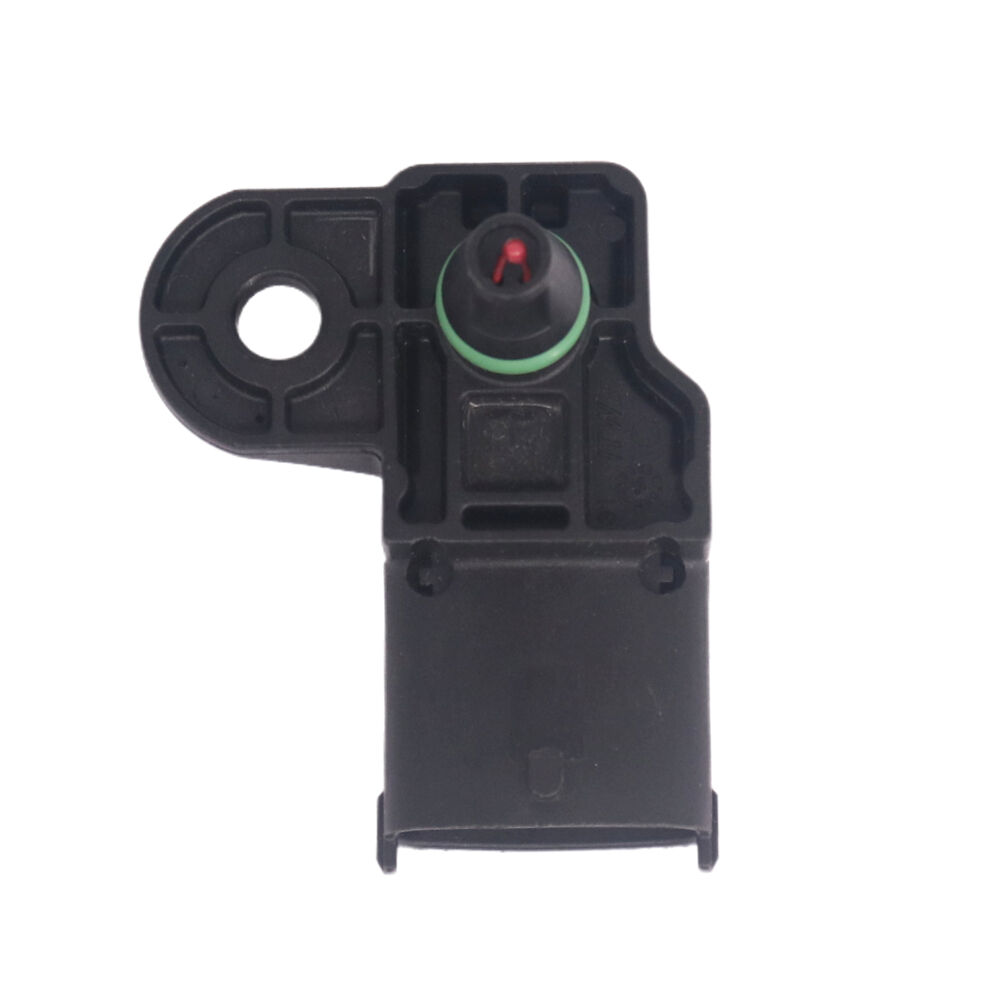
When it comes to vehicle safety systems, the ABS sensor stands as one of the most critical components in modern automotive technology. This vital device monitors wheel speed and prevents dangerous wheel lockup during emergency braking situations. Understanding how to select the right ABS sensor for your vehicle can mean the difference between optimal safety performance and costly repairs down the road. Whether you're maintaining a motorcycle, car, or commercial vehicle, choosing a high-quality ABS sensor ensures your braking system operates at peak efficiency for years to come.
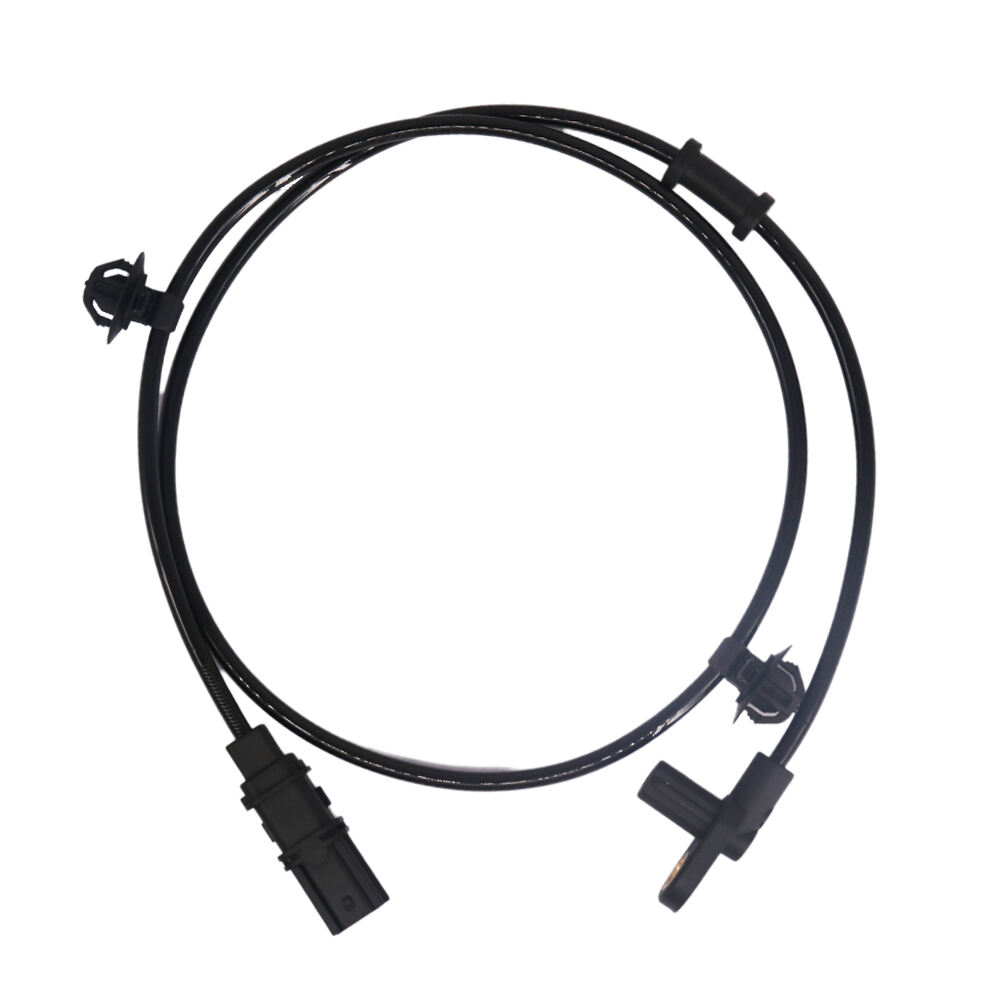
Understanding ABS Sensor Technology and Function
How ABS Sensors Work in Modern Vehicles
The ABS sensor operates through sophisticated magnetic field detection technology that continuously monitors wheel rotation speed. Each wheel typically has its own dedicated sensor that sends electrical signals to the vehicle's electronic control unit (ECU) at frequencies corresponding to wheel speed. When the system detects that one wheel is rotating significantly slower than others, it indicates potential wheel lockup. The ABS sensor data allows the ECU to modulate brake pressure rapidly, preventing skidding and maintaining steering control during emergency stops.
Modern ABS sensor designs utilize either active or passive sensing technologies. Active sensors generate their own electrical signal and can detect wheel movement even at very low speeds, including when the vehicle is stationary. Passive sensors rely on wheel movement to generate voltage through electromagnetic induction, making them simpler but less sensitive at low speeds. Understanding these differences helps vehicle owners select the appropriate ABS sensor type for their specific application and driving conditions.
Key Components and Construction Materials
A typical ABS sensor consists of several precision-engineered components working in harmony. The magnetic pickup element forms the heart of the system, usually containing a permanent magnet surrounded by copper wire coils. The sensor housing must withstand extreme temperatures, moisture, road salt, and vibration while maintaining precise positioning relative to the toothed reluctor ring. High-quality sensors use corrosion-resistant materials such as stainless steel housings and sealed connector assemblies to ensure long-term reliability.
The reluctor ring, also called a tone wheel, features precisely machined teeth that create magnetic field variations as they pass the sensor. The number of teeth and their spacing directly affect sensor accuracy and resolution. Premium ABS sensor assemblies incorporate advanced materials like hardened steel reluctor rings and multi-layer electromagnetic shielding to minimize interference from external sources. These construction details significantly impact sensor longevity and performance consistency over the vehicle's operational lifetime.
Factors Affecting ABS Sensor Durability and Performance
Environmental Challenges and Protection Requirements
ABS sensors face numerous environmental challenges that can compromise their functionality over time. Exposure to road salt, moisture, temperature extremes, and debris requires robust protective measures built into the sensor design. Water ingress represents one of the most common failure modes, as moisture can corrode internal components and disrupt electrical connections. Quality sensors feature comprehensive sealing systems including O-rings, potting compounds, and waterproof connectors rated for submersion conditions.
Temperature cycling from extreme cold to high heat stresses sensor materials and can cause expansion-related failures. The best ABS sensor designs incorporate temperature-compensated circuits and materials selected for thermal stability across wide operating ranges. Road debris impact protection becomes especially critical for motorcycles and off-road vehicles, where sensors may be more exposed to rocks, mud, and other hazards. Selecting sensors with reinforced housings and proper mounting hardware helps ensure survival in demanding operating conditions.
Installation Quality and Maintenance Considerations
Proper installation techniques significantly influence ABS sensor longevity and accuracy. Incorrect air gap settings between the sensor and reluctor ring can cause weak signals or interference, leading to erratic system operation. Most sensors require specific torque specifications for mounting bolts to prevent stress-related cracking while ensuring adequate clamping force. Using the correct electrical connector orientation and routing prevents wire damage from chafing or stretching during suspension movement.
Regular maintenance practices extend ABS sensor service life considerably. Keeping sensor areas clean and free from accumulated debris prevents interference with magnetic field detection. Periodic inspection of wiring harnesses identifies potential problems before they cause system failures. When replacing brake components, protecting nearby sensors from contamination with brake fluid, grease, or metal particles prevents premature degradation. Following manufacturer-recommended service intervals for ABS sensor inspection ensures optimal system reliability throughout the vehicle's operational life.
Selection Criteria for Long-Term ABS Sensor Reliability
Quality Standards and Certification Requirements
When evaluating ABS sensor options, adherence to international quality standards provides important reliability indicators. Sensors meeting ISO 26262 functional safety standards demonstrate comprehensive design validation for automotive safety applications. Additional certifications such as IP67 or IP68 ingress protection ratings confirm the sensor's ability to withstand water and dust exposure. OEM specification compliance ensures the replacement ABS sensor will integrate properly with existing vehicle systems without compatibility issues.
Third-party testing validation adds another layer of quality assurance for critical safety components. Independent laboratories verify sensor performance across temperature ranges, vibration resistance, and electromagnetic compatibility. Look for ABS sensor manufacturers that provide detailed test data and performance specifications rather than generic marketing claims. Quality manufacturers typically offer extended warranty coverage reflecting their confidence in long-term product reliability and durability.
Brand Reputation and Manufacturing Excellence
Established manufacturers with proven track records in automotive sensor technology generally produce more reliable ABS sensor products. Companies specializing in safety-critical components typically invest heavily in quality control processes, advanced testing equipment, and continuous improvement programs. Research manufacturer backgrounds, customer feedback, and industry reputation when making ABS sensor selection decisions for critical applications.
Manufacturing location and process control significantly impact final product quality and consistency. Facilities operating under strict quality management systems like ISO 9001 or TS 16949 maintain tighter tolerances and better process documentation. Some manufacturers provide traceability documentation allowing complete component history tracking from raw materials through final assembly. This level of quality control becomes especially important for fleet operators or commercial applications where ABS sensor reliability directly affects operational costs and safety compliance.
Installation Best Practices for Maximum Sensor Longevity
Preparation and Pre-Installation Inspection
Thorough preparation before ABS sensor installation prevents many common problems that reduce service life. Begin by cleaning the mounting area completely, removing all traces of corrosion, debris, or old sealant materials. Inspect the reluctor ring for damage, wear, or debris accumulation that could affect sensor operation. Check that the mounting surface is flat and free from damage that might prevent proper sensor positioning or create stress concentration points.
Verify that the replacement ABS sensor matches original equipment specifications including connector type, cable length, and mounting configuration. Confirm that all necessary installation hardware is present and in good condition. New mounting bolts, O-rings, and electrical connectors should be used when specified by the manufacturer. Taking time for careful preparation prevents installation errors that could compromise ABS sensor performance or require premature replacement.
Proper Installation Techniques and Torque Specifications
Following manufacturer torque specifications precisely ensures optimal ABS sensor mounting without over-stressing components. Under-tightening allows sensor movement that can affect signal quality, while over-tightening may crack sensor housings or distort mounting surfaces. Use calibrated torque tools and apply fastener torque in the sequence recommended by the installation instructions to maintain proper sensor alignment.
Route sensor cables carefully to avoid interference with moving suspension components or sharp edges that could cause chafing damage. Secure cables with appropriate clips or ties at recommended intervals, allowing sufficient slack for normal suspension movement. Ensure electrical connections are clean, properly seated, and protected from moisture ingress. Apply dielectric grease to connector contacts when specified to prevent corrosion and maintain reliable electrical contact over the ABS sensor's service life.
Troubleshooting Common ABS Sensor Issues
Diagnostic Procedures and Signal Analysis
Effective ABS sensor troubleshooting requires systematic diagnostic approaches to identify the root cause of system malfunctions. Modern diagnostic equipment can monitor sensor output signals in real-time, revealing intermittent problems that might not trigger consistent fault codes. Oscilloscope analysis of sensor waveforms provides detailed information about signal quality, amplitude, and consistency that simple voltage measurements cannot detect.
Common ABS sensor problems include erratic signals caused by contamination, weak signals from excessive air gaps, or complete signal loss from damaged wiring. Systematic testing procedures help differentiate between sensor failures, wiring problems, and ECU issues. Professional diagnostic equipment can perform comprehensive system tests including individual wheel sensor monitoring, reluctor ring tooth counting, and signal comparison between multiple sensors to identify performance variations.
Preventive Maintenance and Early Problem Detection
Regular preventive maintenance significantly extends ABS sensor service life and prevents unexpected failures. Periodic cleaning of sensor areas removes accumulated debris that could interfere with proper operation. Visual inspection of sensor cables and connectors identifies wear patterns or damage before they cause system failures. Monitoring system performance through diagnostic scans can detect gradual signal degradation that indicates impending ABS sensor replacement needs.
Establishing baseline performance measurements for new ABS sensor installations provides reference points for future comparison. Recording signal amplitudes, waveform characteristics, and system response times creates a maintenance history that helps predict optimal replacement intervals. Proactive replacement of sensors showing declining performance prevents unexpected failures that could compromise vehicle safety during critical braking situations.
FAQ
How often should ABS sensors be replaced in typical driving conditions
ABS sensor replacement intervals vary significantly based on driving conditions, vehicle type, and environmental exposure. Under normal conditions, quality sensors typically last 80,000 to 120,000 miles, though some may function reliably beyond 150,000 miles. Vehicles operating in harsh environments with road salt, frequent water exposure, or off-road conditions may require sensor replacement every 50,000 to 70,000 miles. Regular diagnostic testing helps determine optimal replacement timing based on actual performance rather than arbitrary mileage intervals.
What are the signs of a failing ABS sensor that drivers should watch for
Common symptoms of failing ABS sensors include illuminated ABS warning lights, erratic brake pedal behavior during stops, or complete loss of ABS functionality. Some drivers notice unusual brake pedal pulsation during normal braking, indicating intermittent sensor signals. Advanced diagnostic systems may display specific error codes identifying which wheel sensor is malfunctioning. However, intermittent problems may not always trigger warning lights, making periodic diagnostic testing important for early problem detection.
Can aftermarket ABS sensors provide the same reliability as original equipment parts
High-quality aftermarket ABS sensors can match or exceed original equipment performance when manufactured to proper specifications and quality standards. The key is selecting sensors from reputable manufacturers that meet OEM specifications and industry quality certifications. Some aftermarket sensors incorporate improved materials or designs that enhance durability compared to original parts. However, extremely low-cost sensors may use inferior materials or manufacturing processes that compromise long-term reliability and safety performance.
What installation mistakes most commonly cause premature ABS sensor failure
Incorrect air gap settings represent the most frequent installation error affecting ABS sensor performance and longevity. Over-tightening mounting bolts can crack sensor housings, while inadequate torque allows sensor movement that degrades signal quality. Poor cable routing that allows chafing against sharp edges or moving parts causes gradual wire damage leading to intermittent failures. Contamination of sensor surfaces during installation with brake fluid, grease, or debris interferes with magnetic field detection and reduces sensor accuracy over time.
Table of Contents
- Understanding ABS Sensor Technology and Function
- Factors Affecting ABS Sensor Durability and Performance
- Selection Criteria for Long-Term ABS Sensor Reliability
- Installation Best Practices for Maximum Sensor Longevity
- Troubleshooting Common ABS Sensor Issues
-
FAQ
- How often should ABS sensors be replaced in typical driving conditions
- What are the signs of a failing ABS sensor that drivers should watch for
- Can aftermarket ABS sensors provide the same reliability as original equipment parts
- What installation mistakes most commonly cause premature ABS sensor failure