
 EN
EN
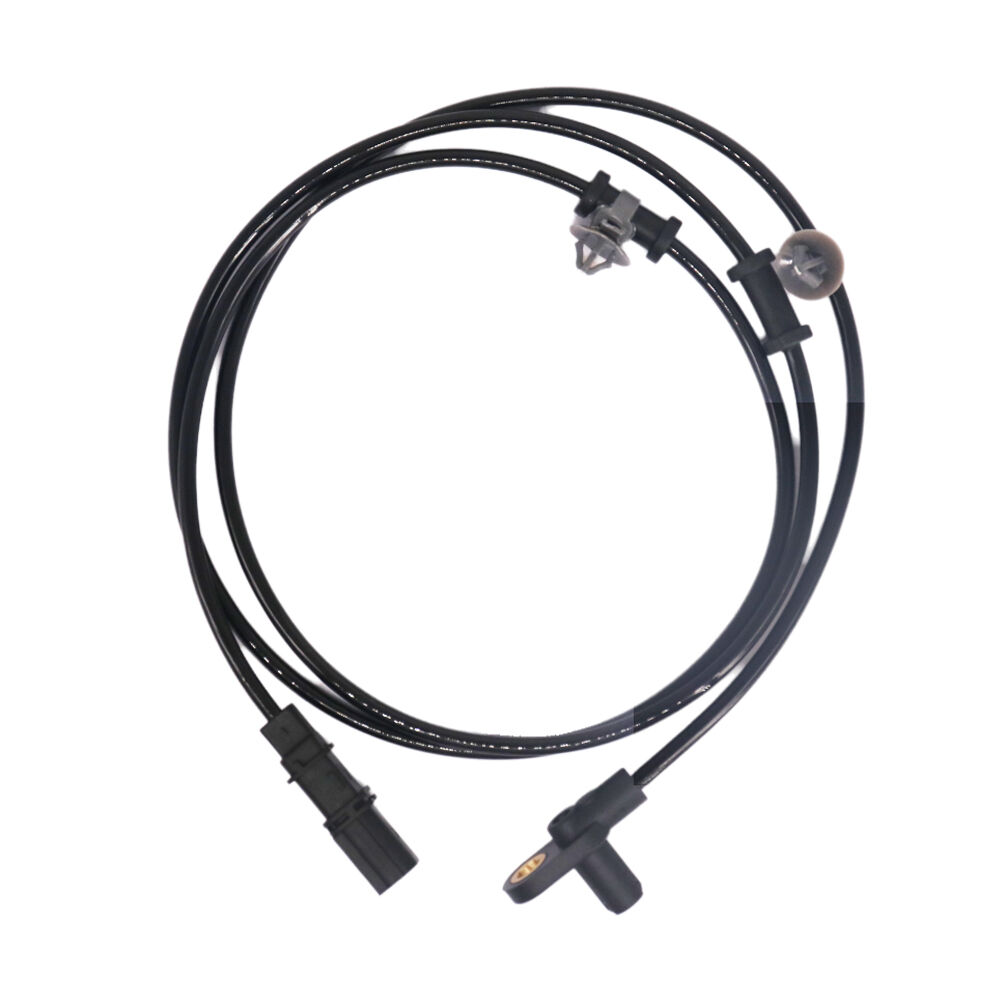
Modern motorcycles rely heavily on advanced safety systems to protect riders from accidents and enhance overall control during challenging road conditions. Among these critical components, the motorcycle ABS sensor stands as one of the most important safety features that can make the difference between a close call and a serious accident. This sophisticated electronic component works continuously to monitor wheel speed and prevent wheel lockup during emergency braking situations, providing riders with the confidence to navigate various terrains and weather conditions safely.
Understanding how ABS sensors function and recognizing when they require replacement can significantly impact your riding experience and safety outcomes. These sensors operate by detecting the rotational speed of each wheel and communicating this information to the motorcycle's electronic control unit. When the system detects that a wheel is about to lock up during braking, it automatically modulates brake pressure to maintain optimal traction. This technology has revolutionized motorcycle safety by reducing the risk of skidding and maintaining steering control during emergency stops.
The importance of maintaining a properly functioning ABS system cannot be overstated, especially as riding conditions become more challenging with increased traffic density and varied weather patterns. Regular inspection and timely replacement of ABS sensors ensure that this critical safety system operates at peak performance when you need it most. Many riders underestimate the complexity and precision required for these components to function correctly, often overlooking maintenance until system failure occurs.
Understanding ABS Sensor Technology and Operation
Core Components of Motorcycle ABS Systems
The foundation of any effective motorcycle ABS system lies in its sensor technology, which consists of several interconnected components working in perfect harmony. The primary sensor unit contains a magnetic pickup that detects the movement of a toothed reluctor ring attached to the wheel hub. This arrangement creates electromagnetic pulses that correspond directly to wheel rotation speed, providing real-time data to the control module. The precision of this measurement system allows the ABS controller to detect even minor variations in wheel speed that indicate potential lockup conditions.
Modern motorcycle ABS sensors incorporate advanced materials and manufacturing processes to ensure reliable operation under extreme conditions. These components must withstand vibration, temperature fluctuations, moisture, and road debris while maintaining accurate signal transmission. The sensor housing typically features weather-resistant seals and corrosion-resistant materials that protect the delicate internal components from environmental damage. Quality sensors also include built-in diagnostic capabilities that can communicate system status to both the rider and maintenance technicians.
Integration with the motorcycle's electronic systems requires sophisticated signal processing capabilities within the sensor assembly. The raw electromagnetic signals generated by wheel rotation must be converted into digital information that the ABS control unit can interpret and act upon. This conversion process happens thousands of times per second, ensuring that the system can respond instantly to changing road conditions and braking inputs from the rider.
Signal Processing and Response Mechanisms
The transformation of mechanical wheel rotation into actionable electronic data represents one of the most critical aspects of ABS sensor operation. As the reluctor ring rotates with the wheel, it alternately approaches and recedes from the magnetic sensor element, creating fluctuations in the magnetic field that generate voltage pulses. The frequency of these pulses directly correlates to wheel speed, while any sudden changes in frequency indicate potential wheel lockup situations that require immediate intervention.
Processing these signals requires sophisticated algorithms within the ABS control module that can differentiate between normal speed variations and dangerous lockup conditions. The system must account for factors such as road surface conditions, tire pressure variations, and rider input characteristics to make accurate determinations about when to activate. Advanced sensor systems also incorporate temperature compensation and signal filtering to ensure consistent performance across varying environmental conditions.
Response time represents a crucial performance metric for ABS sensors, as even milliseconds can determine the effectiveness of the intervention. High-quality sensors and control systems can detect impending wheel lockup and initiate corrective action within fractions of a second. This rapid response capability enables the system to maintain optimal braking performance while preserving steering control and stability during emergency situations.
Safety Benefits of Upgrading ABS Sensors
Enhanced Braking Performance in Emergency Situations
Upgrading to higher-quality ABS sensors dramatically improves a motorcycle's ability to handle emergency braking scenarios across various road conditions and circumstances. Modern sensor technology offers superior sensitivity and response times compared to older systems, enabling more precise control over brake pressure modulation. This enhanced precision translates directly into shorter stopping distances and improved stability during panic braking situations, where every foot of reduced stopping distance can prevent serious accidents.
Advanced sensor systems also provide better performance on challenging surfaces such as wet pavement, gravel, or uneven road conditions where traditional braking techniques might prove ineffective or dangerous. The improved signal accuracy allows the ABS system to make more nuanced adjustments to brake pressure, maintaining optimal tire-to-road contact while preventing wheel lockup. This capability proves especially valuable for riders who frequently encounter diverse riding conditions or those who participate in long-distance touring where road surfaces can vary dramatically.
The integration of upgraded sensors with modern motorcycle electronic systems creates synergistic safety benefits that extend beyond basic ABS functionality. Many contemporary systems incorporate traction control, stability management, and even lean-angle-sensitive braking capabilities that rely on accurate wheel speed data from high-quality sensors. These advanced features work together to create a comprehensive safety net that helps riders maintain control even in the most challenging circumstances.
Improved Rider Confidence and Control
Installing upgraded ABS sensors significantly enhances rider confidence by providing consistent and predictable braking performance that riders can depend on in critical situations. When riders know their braking system will respond appropriately regardless of conditions, they can focus more attention on navigation, hazard avoidance, and overall situational awareness. This psychological benefit often translates into safer riding practices and better decision-making in potentially dangerous situations.
The enhanced feedback provided by modern sensor systems also helps riders develop better braking techniques and understand their motorcycle's capabilities more thoroughly. Consistent system performance allows riders to practice emergency braking procedures with confidence, knowing that the ABS system will provide reliable support. This practice opportunity proves invaluable for developing the muscle memory and instinctive responses needed during actual emergency situations.
Upgraded sensors also contribute to reduced maintenance anxiety and improved long-term reliability. High-quality components typically offer extended service life and more predictable performance characteristics, reducing the likelihood of unexpected system failures. This reliability factor becomes particularly important for riders who depend on their motorcycles for daily transportation or those who undertake extended journeys where system failure could create serious safety concerns.
Technical Specifications and Compatibility
Sensor Mounting and Installation Requirements
Proper installation of motorcycle ABS sensor requires precise attention to mounting specifications and alignment parameters to ensure optimal performance. The sensor must be positioned at the correct distance from the reluctor ring to maintain proper signal strength while avoiding interference from road debris or wheel movement. Most modern sensors require a specific air gap measurement that typically ranges from 0.5 to 2.0 millimeters, depending on the manufacturer's specifications and sensor design characteristics.
Installation procedures must also account for proper wire routing and connector protection to prevent damage from vibration, heat, or moisture exposure. The sensor wiring harness should follow manufacturer-recommended paths that avoid contact with moving components, exhaust systems, or sharp edges that could cause abrasion or cutting. Proper strain relief at connection points ensures that vibration and movement don't create intermittent electrical connections that could compromise system reliability.
Compatibility verification represents a critical step in the upgrade process, as sensor specifications must match both the physical mounting requirements and the electrical characteristics of the existing ABS control system. Factors such as signal voltage, pulse frequency, and connector configuration must align perfectly with system expectations to ensure proper operation. Many aftermarket sensors offer improved performance characteristics while maintaining complete compatibility with original equipment control modules.
Electronic Integration and System Compatibility
Modern ABS sensors must integrate seamlessly with existing motorcycle electronic systems to provide optimal performance and maintain system reliability. The electrical characteristics of replacement sensors must match the original specifications to ensure proper signal interpretation by the ABS control module. This includes parameters such as output voltage levels, signal frequency ranges, and internal resistance values that affect how the control system processes incoming data.
Advanced sensor systems often incorporate diagnostic capabilities that communicate with the motorcycle's onboard diagnostic systems to provide real-time status information and fault detection. These features enable proactive maintenance scheduling and help identify potential problems before they result in system failure. The diagnostic integration also facilitates more accurate troubleshooting when service becomes necessary, reducing repair time and improving overall system reliability.
Compatibility considerations extend beyond basic electrical specifications to include factors such as environmental operating ranges, vibration resistance, and electromagnetic interference tolerance. High-quality replacement sensors often exceed original equipment specifications in these areas, providing improved reliability and longer service life. The enhanced specifications prove particularly beneficial for motorcycles used in demanding applications such as touring, racing, or commercial service where component reliability becomes critical.
Maintenance and Replacement Considerations
Diagnostic Indicators and Warning Signs
Recognizing early warning signs of ABS sensor degradation enables proactive replacement before complete system failure occurs, maintaining optimal safety performance and avoiding unexpected breakdowns. Common indicators include intermittent ABS warning light activation, unusual brake pedal pulsation during normal braking, or complete ABS system deactivation accompanied by dashboard warning messages. These symptoms often develop gradually as sensor components wear or become contaminated, making regular monitoring essential for maintaining system reliability.
Modern diagnostic systems provide detailed fault codes that can pinpoint specific sensor problems and guide troubleshooting efforts. These codes often indicate whether the issue relates to signal strength, electrical continuity, or sensor positioning problems. Understanding these diagnostic capabilities helps riders and technicians identify whether sensor replacement or adjustment can resolve performance issues before they compromise safety.
Environmental factors such as road salt exposure, extreme temperatures, or excessive moisture can accelerate sensor degradation and create performance problems. Regular inspection of sensor mounting areas, wiring connections, and reluctor ring condition helps identify potential issues before they affect system operation. This preventive approach proves particularly important for motorcycles operated in harsh conditions or those with high mileage accumulation.
Professional Installation vs DIY Approaches
While some experienced motorcycle mechanics may attempt ABS sensor replacement as a DIY project, the complexity of modern systems often makes professional installation the safer and more reliable option. Professional technicians possess specialized diagnostic equipment and technical knowledge required to verify proper installation and system operation. They can also perform comprehensive system testing to ensure that the new sensor integrates correctly with existing components and operates within specified parameters.
DIY installation requires careful attention to manufacturer specifications and access to appropriate tools for measuring air gaps, torque values, and electrical continuity. The process also demands thorough understanding of motorcycle electrical systems and safety procedures to prevent damage to expensive electronic components. Improper installation can result in sensor damage, system malfunctions, or even safety hazards that could compromise rider protection.
Professional installation often includes warranty coverage and comprehensive system testing that provides peace of mind and ensures optimal performance. Many service facilities also offer maintenance programs that include regular ABS system inspection and testing as part of routine service intervals. This ongoing professional oversight helps maintain system reliability and identify potential issues before they develop into serious problems.
Cost-Benefit Analysis of ABS Sensor Upgrades
Financial Investment Versus Safety Returns
The financial investment required for quality ABS sensor upgrades represents a fraction of the potential costs associated with accident-related damages, medical expenses, or motorcycle repairs resulting from brake system failure. High-quality replacement sensors typically cost between $50 and $200 depending on the motorcycle model and sensor specifications, while professional installation may add $100 to $300 in labor costs. These expenses pale in comparison to the potential financial impact of even a minor accident caused by brake system malfunction.
Insurance considerations also favor proactive safety system maintenance, as many insurance providers offer discounts for motorcycles equipped with functioning ABS systems. Maintaining these systems in optimal condition through regular sensor replacement and maintenance can help preserve these insurance benefits while demonstrating responsible ownership practices. Some insurance companies may also view proactive safety system maintenance favorably when processing claims or determining coverage terms.
Long-term cost analysis reveals that quality sensor upgrades often provide superior value through extended service life and improved reliability. Premium sensors may cost more initially but typically offer longer warranties, better performance characteristics, and reduced likelihood of premature failure. This enhanced reliability translates into lower total cost of ownership and reduced maintenance frequency over the motorcycle's operational life.
Performance Improvements and Value Enhancement
Upgrading ABS sensors often provides performance improvements that enhance the overall riding experience beyond basic safety considerations. Modern sensors offer faster response times, more accurate speed detection, and better integration with advanced electronic systems such as traction control and stability management. These improvements can make the motorcycle more enjoyable to ride while providing additional safety margins during challenging conditions.
Motorcycles equipped with upgraded safety systems often retain higher resale values compared to those with outdated or malfunctioning components. Potential buyers increasingly prioritize safety features and system reliability when evaluating used motorcycles, making investment in quality ABS components a smart financial decision. Documented maintenance records showing proactive sensor replacement also demonstrate responsible ownership that appeals to quality-conscious buyers.
The performance benefits of upgraded sensors extend to reduced maintenance requirements for related brake system components. Properly functioning ABS systems reduce wear on brake pads, rotors, and other components by optimizing brake pressure application and preventing lockup-related sliding. This protection can result in extended component life and reduced maintenance costs over time, further improving the return on investment for sensor upgrades.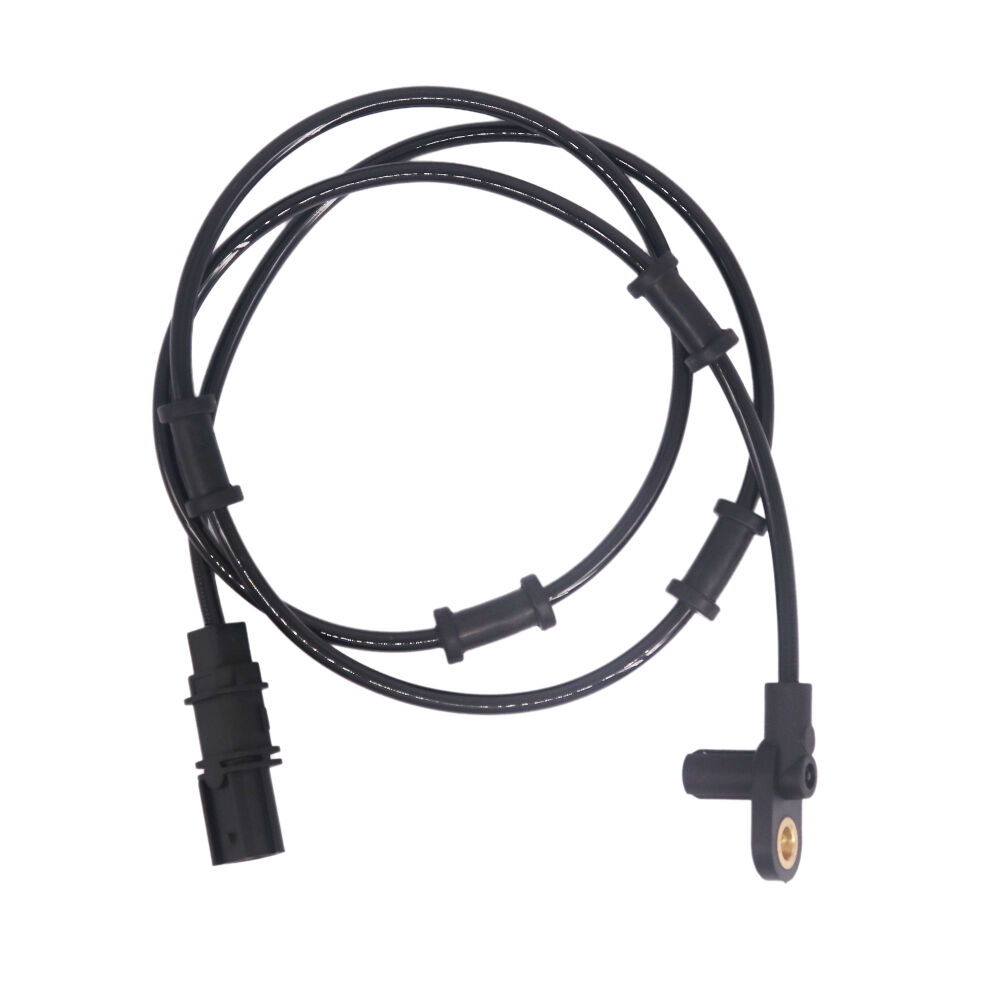
FAQ
How often should motorcycle ABS sensors be replaced
Most motorcycle ABS sensors should be inspected annually and typically require replacement every 40,000 to 60,000 miles, depending on riding conditions and maintenance practices. Motorcycles operated in harsh environments with salt exposure, extreme temperatures, or frequent off-road use may require more frequent replacement. Regular diagnostic testing can help determine sensor condition and identify replacement needs before system failure occurs.
What are the signs that an ABS sensor needs replacement
Common warning signs include persistent ABS warning lights, intermittent system operation, unusual brake pedal pulsation during normal braking, or complete ABS system deactivation. Riders may also notice reduced braking performance, especially on slippery surfaces, or diagnostic fault codes indicating sensor communication problems. Any of these symptoms warrant immediate professional inspection to prevent safety compromises.
Can I install a motorcycle ABS sensor myself
While experienced mechanics with proper tools and knowledge may successfully install ABS sensors, most riders should seek professional installation to ensure optimal performance and safety. The process requires precise air gap measurement, proper torque specifications, and comprehensive system testing that demands specialized equipment and expertise. Improper installation can result in sensor damage or system malfunction that compromises rider safety.
Do upgraded ABS sensors work with older motorcycle models
Upgraded sensors can often be installed on older motorcycles provided they maintain compatibility with existing electrical systems and mounting configurations. However, compatibility verification is essential to ensure proper signal characteristics and system integration. Some older models may benefit from complete ABS system upgrades rather than sensor-only replacement to achieve optimal performance and reliability improvements.