
 EN
EN
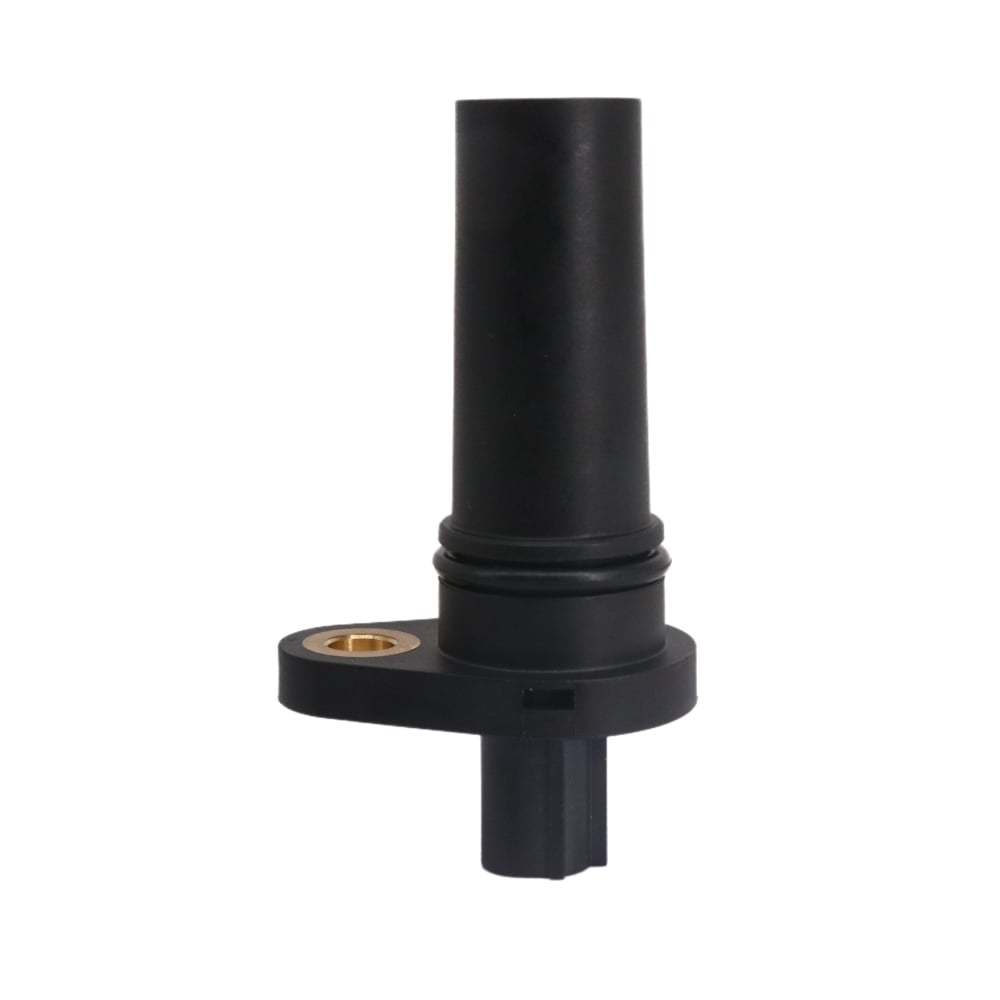
Motorcycle performance depends on dozens of interconnected components working in perfect harmony, yet few riders recognize how critical the crankshaft speed sensor is to achieving optimal power delivery, fuel efficiency, and engine reliability. This small but vital component monitors crankshaft rotation and sends precise timing data to the engine control unit, enabling accurate fuel injection, ignition timing, and overall engine management. When the crankshaft speed sensor operates correctly, your motorcycle responds instantly to throttle inputs, maintains smooth idle, and delivers consistent power across the RPM range. Conversely, a failing or poorly maintained crankshaft speed sensor can cause misfires, rough idling, poor acceleration, reduced fuel economy, and even complete engine shutdown in extreme cases.
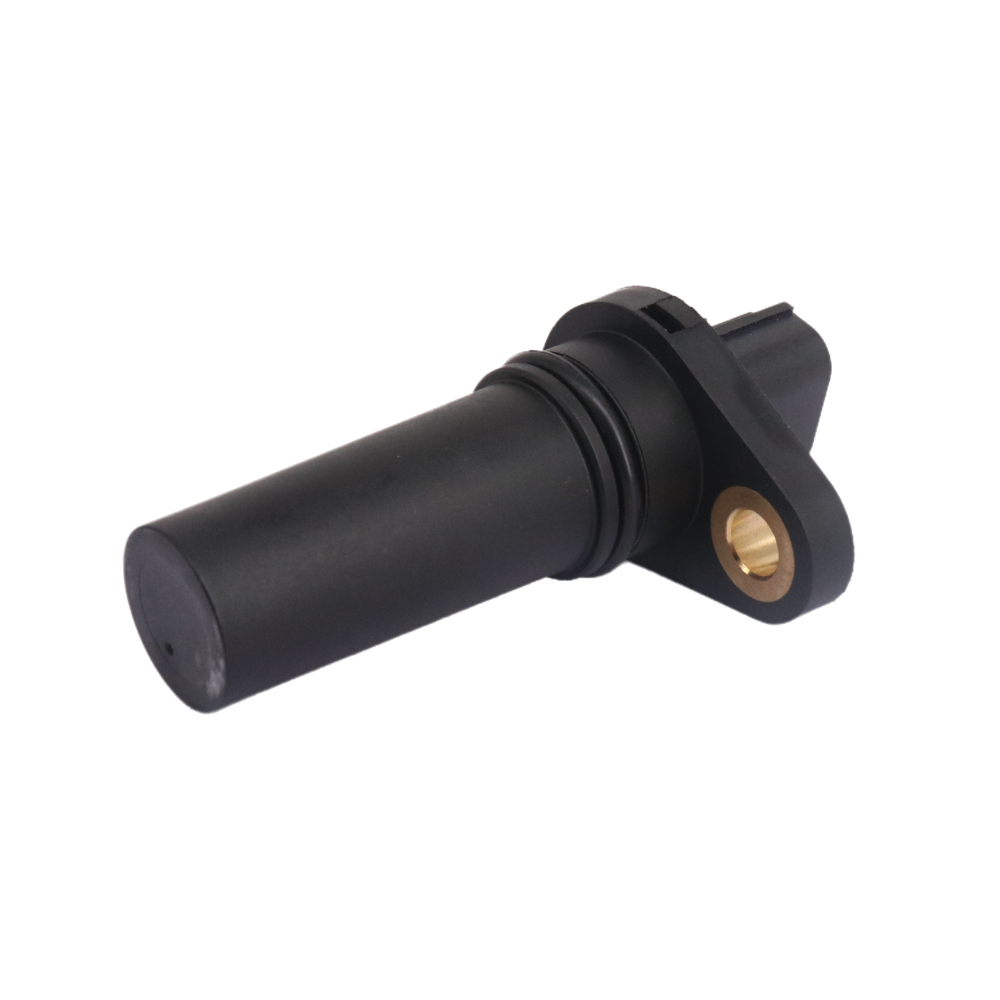
Understanding how to maintain your crankshaft speed sensor properly transforms it from a passive component into an active performance enhancer. Regular inspection, cleaning, and timely replacement of the crankshaft speed sensor prevent sensor drift, signal degradation, and unexpected failures that compromise riding safety and engine longevity. This guide explains how proactive crankshaft speed sensor maintenance directly improves motorcycle performance, detailing inspection techniques, cleaning procedures, troubleshooting methods, and replacement strategies that keep your engine running at peak efficiency. Whether you ride a sport bike, cruiser, or adventure motorcycle, implementing these crankshaft speed sensor maintenance practices ensures your machine delivers reliable power, smooth operation, and maximum fuel efficiency mile after mile.
How the Crankshaft Speed Sensor Impacts Motorcycle Performance
Signal Accuracy and Engine Timing Precision
The crankshaft speed sensor generates electrical signals that correspond to crankshaft position and rotational speed, which the ECU uses to calculate precise ignition timing and fuel injection duration. When the crankshaft speed sensor signal remains clean and accurate, the ECU can adjust timing with millisecond precision, ensuring combustion occurs at the optimal moment in each cylinder. This precision directly translates to improved throttle response, smoother power delivery, and better fuel atomization. A well-maintained crankshaft speed sensor produces consistent voltage patterns that the ECU interprets without error, eliminating timing delays that cause hesitation or flat spots in the power band. Conversely, a contaminated or misaligned crankshaft speed sensor generates erratic signals that force the ECU into conservative default timing maps, reducing performance and increasing fuel consumption significantly.
Fuel Efficiency Through Optimal Injection Control
Modern fuel injection systems rely on crankshaft speed sensor data to calculate the exact fuel quantity needed for each combustion cycle, matching fuel delivery to engine load, throttle position, and RPM. When the crankshaft speed sensor provides accurate real-time data, the ECU can fine-tune injection pulses to achieve complete combustion with minimal excess fuel, maximizing energy extraction from every drop of gasoline. A properly maintained crankshaft speed sensor enables closed-loop fuel control, where the ECU continuously adjusts injection timing based on oxygen sensor feedback and crankshaft speed sensor input. This dynamic adjustment maintains the ideal air-fuel ratio across varying conditions, preventing rich or lean conditions that waste fuel or reduce power. Regular cleaning of the crankshaft speed sensor prevents contamination buildup that distorts signal amplitude, ensuring the ECU receives reliable data for optimal fuel metering throughout the RPM range.
Idle Stability and Low-Speed Drivability
The crankshaft speed sensor plays an especially critical role in maintaining stable idle and smooth low-speed operation, where small timing errors become immediately noticeable as vibration, stumbling, or stalling. At idle, the ECU uses crankshaft speed sensor signals to detect individual cylinder firing events and adjust idle speed control valves to compensate for load changes like clutch engagement or accessory activation. A clean, properly functioning crankshaft speed sensor allows the ECU to detect subtle RPM fluctuations and make instant corrections, keeping idle speed rock-steady regardless of engine temperature or electrical load. When the crankshaft speed sensor degrades, the ECU loses the fine resolution needed for precise idle control, resulting in hunting idle, rough running at traffic lights, and increased likelihood of stalling when coming to a stop. Maintaining your crankshaft speed sensor through regular inspection and cleaning preserves this low-speed refinement that separates a well-tuned motorcycle from a rough-running machine.
Practical Crankshaft Speed Sensor Maintenance Procedures
Visual Inspection and Connector Integrity
Begin every crankshaft speed sensor maintenance session with a thorough visual inspection, checking for physical damage, oil contamination, corrosion, or loose mounting that affects signal quality. Locate the crankshaft speed sensor near the engine cover or flywheel housing, then examine the sensor body for cracks, impact damage, or signs of heat distress that indicate potential failure. Inspect the electrical connector for bent pins, corrosion, moisture intrusion, or loose terminals that create intermittent connections, since even microscopic resistance increases can distort the crankshaft speed sensor signal. Check the mounting bolt for proper torque and verify the sensor sits at the correct air gap from the reluctor ring or trigger wheel, as excessive clearance reduces signal strength while insufficient clearance risks physical contact damage. Document the condition of your crankshaft speed sensor during each inspection to track degradation patterns and predict replacement intervals, preventing unexpected failures that leave you stranded.
Cleaning Techniques for Optimal Signal Quality
Cleaning the crankshaft speed sensor removes oil residue, metallic particles, and carbon deposits that accumulate on the sensor tip and degrade signal amplitude over time. Use electrical contact cleaner or isopropyl alcohol applied to a lint-free cloth to gently wipe the sensor tip, avoiding abrasive materials that might scratch the magnetic pickup surface. For stubborn contamination, carefully remove the crankshaft speed sensor from its mounting location and soak the tip in contact cleaner for several minutes, then dry thoroughly with compressed air before reinstallation. Clean the crankshaft speed sensor connector terminals with contact cleaner and a small brush to remove oxidation that increases electrical resistance, then apply dielectric grease to prevent future corrosion. After cleaning, verify the crankshaft speed sensor air gap matches manufacturer specifications using a feeler gauge, as cleaning may alter the effective sensing distance. Reinstall the crankshaft speed sensor with proper torque and reconnect the electrical connector, ensuring the locking tab engages fully to prevent vibration-induced disconnection.
Testing and Troubleshooting Sensor Function
Test the crankshaft speed sensor using a digital multimeter to verify resistance values fall within the manufacturer's specified range, typically between 200 and 1000 ohms depending on the sensor design. Connect the multimeter leads to the crankshaft speed sensor connector pins and check for consistent resistance without fluctuation, as erratic readings indicate internal coil damage requiring replacement. For advanced diagnostics, use an oscilloscope to observe the crankshaft speed sensor AC voltage waveform while cranking the engine, looking for smooth sinusoidal patterns with consistent amplitude and frequency. A degraded crankshaft speed sensor produces irregular waveforms with voltage spikes, dropouts, or amplitude variations that confuse the ECU and trigger diagnostic trouble codes. Compare your crankshaft speed sensor test results against service manual specifications to determine whether cleaning will restore performance or replacement is necessary. Document baseline readings from a known-good crankshaft speed sensor to establish reference values for future troubleshooting, enabling quick assessment of sensor health during routine maintenance intervals.
When to Replace the Crankshaft Speed Sensor
Recognizing Symptoms of Sensor Failure
Several distinct symptoms indicate your crankshaft speed sensor has degraded beyond maintenance and requires replacement to restore proper motorcycle performance. Intermittent stalling, especially when the engine is hot, suggests the crankshaft speed sensor coil resistance increases with temperature until signals become too weak for the ECU to process reliably. Difficulty starting after the motorcycle sits for extended periods points to moisture contamination in the crankshaft speed sensor connector or internal sensor degradation affecting initial signal generation. Random misfires that move between cylinders rather than affecting one cylinder consistently indicate the crankshaft speed sensor provides timing data too late or too inconsistent for proper sequential fuel injection. Check engine light illumination accompanied by codes P0335 (crankshaft position sensor circuit malfunction) or P0336 (crankshaft position sensor range/performance) confirms the ECU detects unreliable crankshaft speed sensor signals requiring immediate attention. When multiple symptoms appear simultaneously or maintenance procedures fail to restore normal operation, replacement of the crankshaft speed sensor becomes necessary to prevent further performance degradation or potential engine damage from incorrect timing.
Selecting Quality Replacement Sensors
Choose replacement crankshaft speed sensor units that meet or exceed OEM specifications to ensure reliable signal generation and long service life. Original equipment manufacturer sensors guarantee perfect compatibility with your motorcycle's ECU calibration and mounting configuration, eliminating fitment issues or signal mismatches that aftermarket alternatives might introduce. When selecting aftermarket crankshaft speed sensor options, verify the manufacturer provides detailed specifications matching your motorcycle's year, model, and engine variant, as subtle differences in reluctor wheel tooth count or air gap requirements affect sensor compatibility. Quality crankshaft speed sensor replacements feature sealed connectors with gold-plated terminals, robust housings resistant to vibration and thermal cycling, and precise magnetic pickup elements that generate consistent signals across temperature extremes. Avoid ultra-low-cost crankshaft speed sensor alternatives that skimp on materials or manufacturing precision, as premature failure of these components often results in roadside breakdowns and repeat replacement costs that exceed the initial savings.
Proper Installation for Maximum Reliability
Install the replacement crankshaft speed sensor following manufacturer torque specifications and air gap requirements to ensure optimal signal generation from the first start. Clean the sensor mounting bore thoroughly to remove old gasket material, metal shavings, or contamination that might prevent proper seating of the new crankshaft speed sensor. Apply a thin coating of anti-seize compound to the sensor threads to prevent corrosion welding that makes future removal difficult, but avoid getting anti-seize on the sensor tip where it could contaminate the magnetic pickup surface. Verify the crankshaft speed sensor electrical connector locks securely and route the harness away from heat sources, sharp edges, or rotating components that could damage the wiring over time. After installing the new crankshaft speed sensor, clear any stored diagnostic codes and perform a test ride to confirm the engine starts immediately, idles smoothly, and delivers crisp throttle response throughout the RPM range. Document the replacement date and mileage in your maintenance log to track crankshaft speed sensor service life and predict future replacement intervals based on your riding conditions and usage patterns.
FAQ
How often should I inspect my motorcycle's crankshaft speed sensor?
Inspect the crankshaft speed sensor every 6000 miles or during annual service intervals, with more frequent checks if you ride in dusty, muddy, or high-moisture environments where contamination accumulates faster. Sport riders who frequently operate at high RPM or track riders experiencing extreme engine loads should inspect the crankshaft speed sensor every 3000 miles to catch early signs of wear before performance degrades. During each inspection, check the crankshaft speed sensor mounting security, connector integrity, and sensor tip cleanliness, documenting any changes in condition that suggest accelerated degradation. If your motorcycle develops starting difficulties, rough idle, or intermittent stalling between scheduled maintenance intervals, inspect the crankshaft speed sensor immediately regardless of mileage since these symptoms indicate potential sensor problems requiring prompt attention.
Can a dirty crankshaft speed sensor cause reduced fuel economy?
Yes, contamination on the crankshaft speed sensor tip reduces signal amplitude and clarity, forcing the ECU to use conservative fuel maps that sacrifice efficiency for reliability. When the crankshaft speed sensor signal degrades, the ECU cannot precisely time fuel injection pulses to match crankshaft position, resulting in suboptimal combustion timing that wastes fuel and reduces power output. A dirty crankshaft speed sensor may cause the ECU to inject fuel slightly early or late relative to piston position, preventing complete combustion and sending unburned fuel out the exhaust. Riders typically notice 5-15% fuel economy degradation when the crankshaft speed sensor becomes contaminated enough to affect signal quality, along with reduced throttle response and occasional hesitation during acceleration. Cleaning the crankshaft speed sensor often restores normal fuel economy immediately by allowing the ECU to resume precise closed-loop fuel control based on accurate timing data.
What's the difference between the crankshaft speed sensor and camshaft position sensor?
The crankshaft speed sensor monitors crankshaft rotation speed and position, providing fundamental timing reference for ignition and fuel injection, while the camshaft position sensor identifies which cylinder is on its compression stroke for sequential fuel injection timing. Both sensors work together to give the ECU complete knowledge of engine position, but the crankshaft speed sensor provides the high-resolution timing signal used for millisecond-precise ignition control. Some motorcycles can operate in limp-home mode with a failed camshaft sensor by switching to batch-fire injection, but a failed crankshaft speed sensor typically prevents engine starting since the ECU loses all timing reference. The crankshaft speed sensor typically requires more frequent maintenance than the camshaft sensor because its location near the lower engine exposes it to more contamination from oil mist and road debris. When troubleshooting performance issues, always test the crankshaft speed sensor first since it provides the primary timing signal that all other engine management functions depend upon.