
 EN
EN
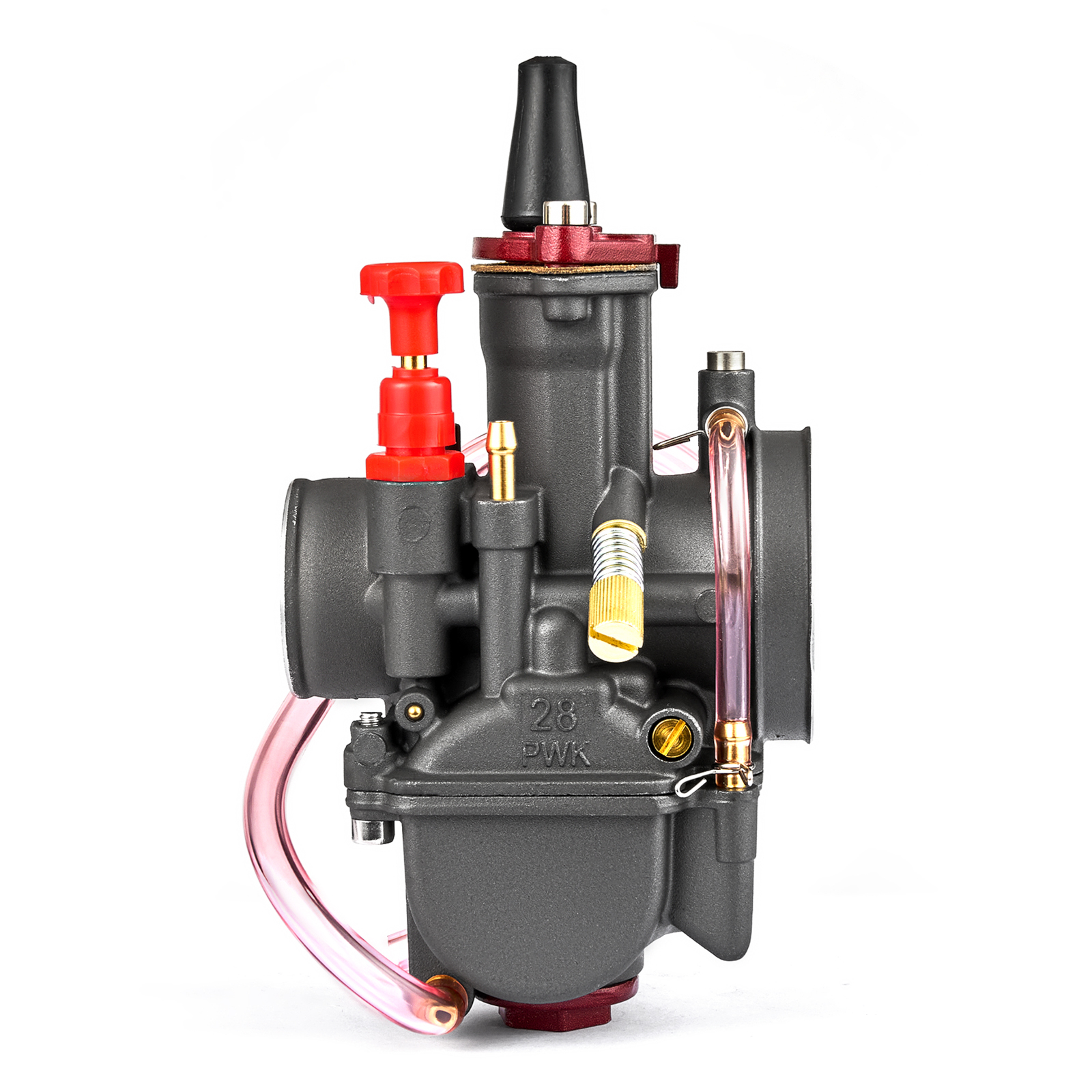
The boost map sensor is one of the most critical components in a modern motorcycle's engine management system. It measures the absolute pressure inside the intake manifold and feeds that data directly to the ECU. This real-time pressure signal forms the foundation on which the ECU calculates fuel delivery, ignition timing, and crucially, how the engine manages heat under varying load conditions. Understanding the connection between the boost map sensor and engine temperature control gives riders and technicians a clearer picture of why this small sensor carries such a large responsibility.
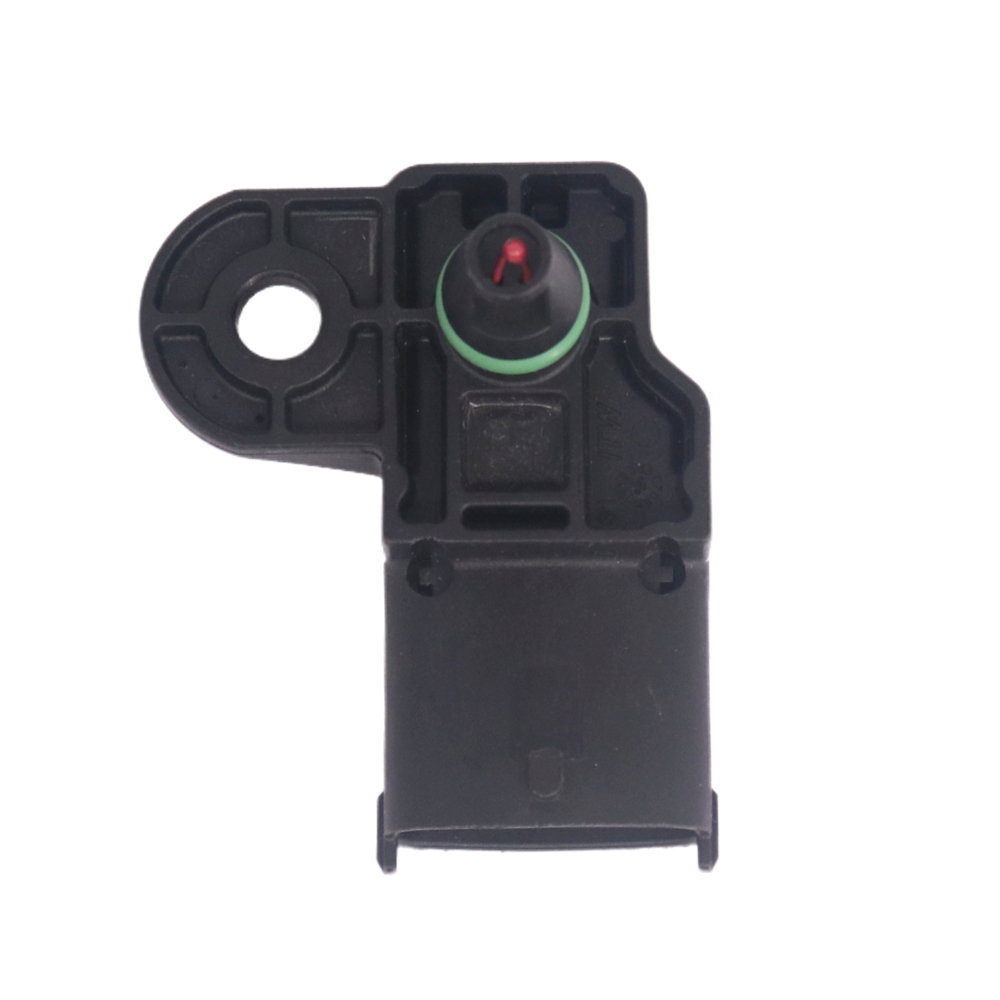
When a motorcycle accelerates hard or climbs a steep incline, the boost map sensor detects the rise in manifold pressure and signals the ECU to enrich the fuel mixture. This enrichment directly influences combustion temperature. A correctly functioning boost map sensor helps prevent the engine from running lean, which is one of the most common causes of overheating in fuel-injected motorcycles. Every interaction between the boost map sensor and the engine's thermal management strategy reflects just how tightly integrated modern EFI systems have become.
How the Boost Map Sensor Feeds Engine Temperature Strategy
Pressure Data as a Thermal Load Indicator
The boost map sensor does not measure temperature directly, but its pressure readings serve as a strong proxy for engine thermal load. When the boost map sensor reports high manifold pressure, the ECU understands that the engine is under heavy demand. In response, it not only adjusts fuel injection but also modifies cooling fan activation thresholds and ignition advance angles to manage heat buildup. The boost map sensor effectively acts as an early-warning input, telling the ECU that thermal stress is about to increase before the coolant temperature sensor even registers the change.
This predictive role of the boost map sensor is especially important during sustained high-speed riding or when the motorcycle is loaded with luggage and a passenger. Without accurate pressure data from the boost map sensor, the ECU would be forced to rely solely on reactive temperature feedback, leading to delayed thermal responses and potential overheating events. The boost map sensor allows the engine management system to stay one step ahead of rising heat.
Lean Combustion, Heat, and the Boost Map Sensor
A faulty or out-of-calibration boost map sensor often causes the ECU to underestimate manifold pressure, resulting in a lean air-fuel mixture. Lean combustion generates significantly more heat than a correctly balanced mixture. This excess heat places enormous strain on the cylinder head, exhaust valves, and piston crown. Technicians investigating chronic overheating complaints in fuel-injected motorcycles frequently trace the root cause back to a degraded boost map sensor. Replacing the boost map sensor often resolves thermal issues that other diagnostics fail to explain.
Engine Temperature Signals That Modify Boost Map Sensor Responses
Cold Start Calibration and the Boost Map Sensor
The interaction between the boost map sensor and engine temperature control is bidirectional. Just as the boost map sensor informs heat management decisions, coolant and intake air temperature data modify how the ECU interprets boost map sensor readings. During a cold start, the ECU applies enrichment corrections that work alongside boost map sensor data to ensure the engine warms up efficiently without thermal shock. The boost map sensor reading at idle during cold conditions is lower, and the ECU uses this low-pressure signal combined with temperature inputs to set an appropriate fast-idle fuel map.
As the engine reaches normal operating temperature, the ECU gradually reduces the cold-start enrichment and relies more heavily on the boost map sensor for precise fuel control. This transition is seamless when all sensors, including the boost map sensor, are functioning correctly. If the boost map sensor drifts in calibration during the warm-up phase, the transition from cold to warm fuel maps can be rough, causing stumbling, hesitation, or an elevated idle that is difficult to diagnose without checking the boost map sensor output directly.
High-Temperature Correction and Boost Map Sensor Compensation
When intake air temperature rises sharply, the density of air entering the manifold drops. A well-calibrated boost map sensor continues to report accurate absolute pressure, but the ECU must combine this boost map sensor data with intake air temperature readings to calculate the actual mass of air present in the cylinder. This combined calculation prevents over-fueling in hot ambient conditions. Riders operating in hot climates benefit from this boost map sensor and temperature interaction because it keeps combustion clean and prevents carbon buildup that hot, rich mixtures would otherwise cause.
Diagnosing Boost Map Sensor Faults Through Thermal Symptoms
Recognizing Temperature-Related Boost Map Sensor Failure Patterns
Experienced technicians know that a failing boost map sensor often presents through thermal symptoms rather than obvious electrical faults. An engine that consistently runs hot at city speeds but normalizes on the highway may be receiving incorrect low-load pressure readings from the boost map sensor, causing a lean condition precisely when airflow through the radiator or oil cooler is already reduced. Checking boost map sensor live data against a known-good reference at multiple engine speeds is a reliable diagnostic step. A boost map sensor that reads low pressure under moderate throttle is a strong indicator of internal sensor degradation.
Another common pattern involves the boost map sensor delivering unstable or spiking pressure signals. These erratic readings confuse the ECU's fuel and timing corrections, leading to inconsistent heat generation across combustion cycles. The engine may run normally for a period, then suddenly exhibit heat-related symptoms such as pinging, power loss, or coolant temperature spikes. Cleaning the boost map sensor port and checking for vacuum leaks near the boost map sensor fitting are practical first steps before condemning the sensor itself.
Testing and Replacing the Boost Map Sensor
Verifying boost map sensor accuracy requires comparing its voltage output against a calibrated pressure source. Most boost map sensor units produce a linear voltage signal between 0.5V and 4.5V across their operating pressure range. A sensor producing flat or non-linear output across this range must be replaced. When installing a new boost map sensor, ensure the mounting port is clean and that the electrical connector is fully seated. A proper boost map sensor installation restores the ECU's ability to manage engine temperature accurately and ensures the full EFI system functions as designed.
FAQ
Can a failing boost map sensor directly cause engine overheating?
Yes. A failing boost map sensor can cause the ECU to calculate an incorrect air-fuel mixture, typically running the engine lean. Lean combustion generates excess heat, which can lead to overheating, especially during low-speed or high-load conditions. Replacing a defective boost map sensor often resolves overheating problems that appear unrelated to the cooling system.
How often should a motorcycle boost map sensor be inspected?
The boost map sensor should be checked as part of any systematic fuel injection service, typically every 20,000 to 30,000 kilometers or whenever the motorcycle exhibits symptoms such as rough idle, poor throttle response, or unexplained temperature spikes. Inspecting the boost map sensor port for carbon deposits and checking the sensor's voltage output takes only a few minutes and can prevent costly engine damage.
Does intake air temperature affect how the boost map sensor works?
The boost map sensor measures absolute manifold pressure independently of temperature. However, the ECU combines boost map sensor data with intake air temperature readings to calculate air mass accurately. In very hot conditions, if the intake air temperature sensor is also faulty, the ECU may misinterpret the boost map sensor signal and deliver an incorrect fuel quantity, affecting both performance and engine thermal management.