
 EN
EN
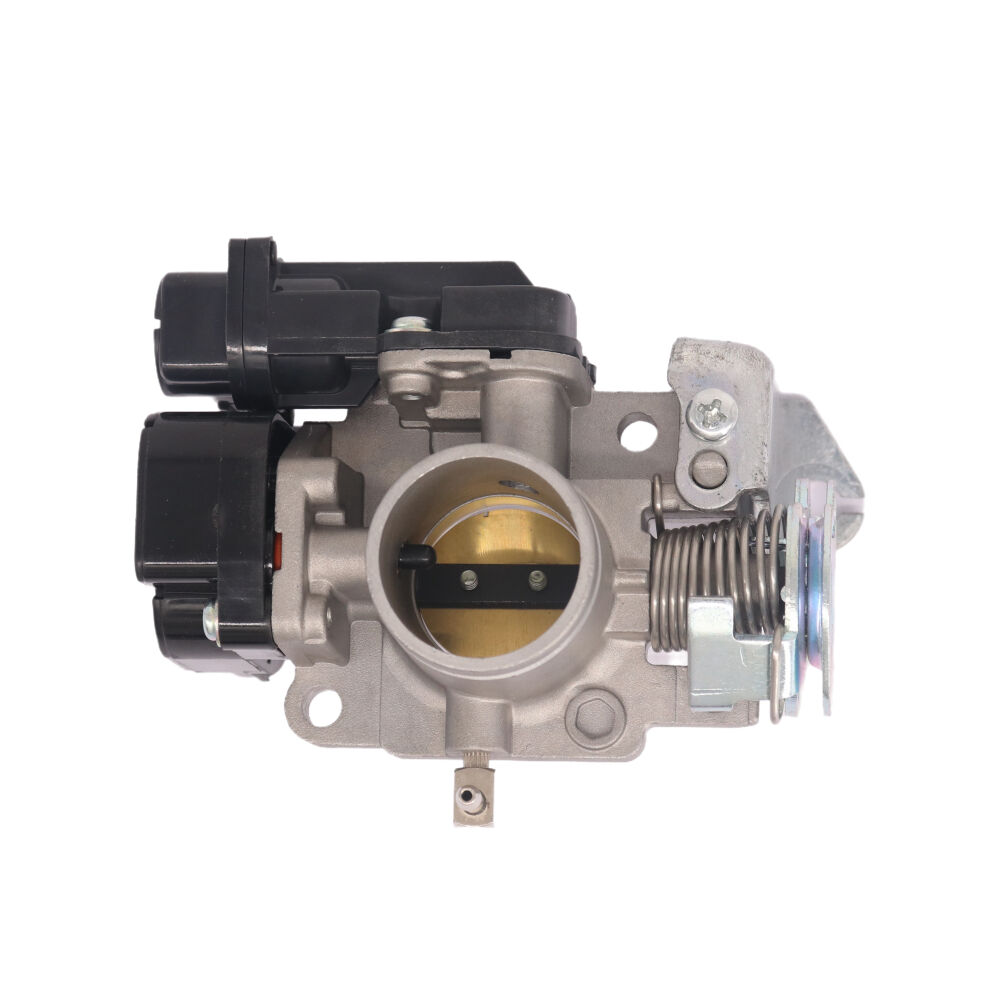
Every motorcycle rider depends on smooth, responsive power delivery to enjoy a safe and controlled ride. At the heart of this performance sits the throttle body, a critical fuel-injection component that regulates the airflow entering the engine. When this part is functioning correctly, the engine responds predictably to every twist of the wrist. When it is neglected, even small amounts of carbon buildup or sensor wear can translate into sluggish acceleration, rough idling, or worse — dangerous hesitation at highway speeds. Understanding why regular inspection of the throttle body matters is not just a maintenance tip; it is a fundamental safety and performance obligation for any responsible rider.
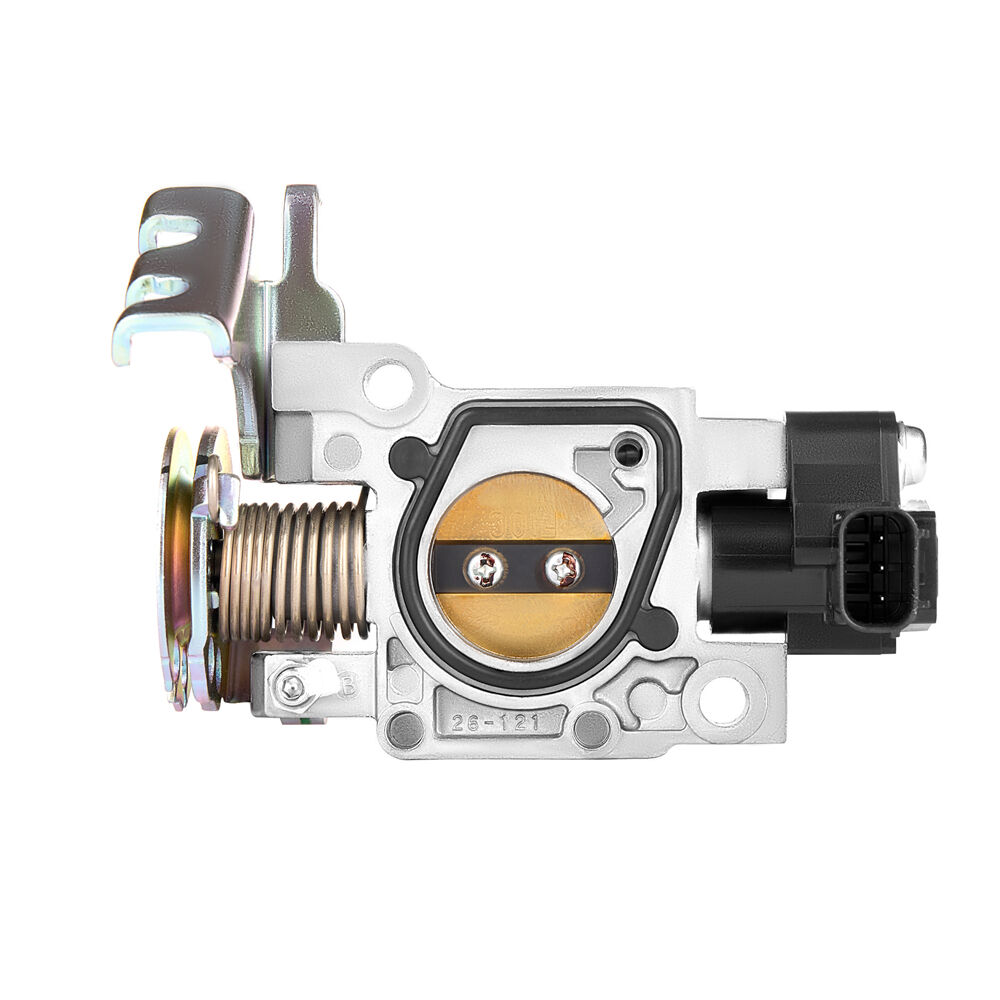
Many riders focus their maintenance attention on oil changes, chain tension, and tire pressure — all important tasks — but the throttle body is often overlooked until a noticeable problem develops. By that point, the damage or contamination may have already affected fuel economy, engine smoothness, and overall drivetrain health. This article explores the key reasons why proactive throttle body inspection should be a standard part of every rider's maintenance routine, covering performance, safety, longevity, and cost efficiency in detail.
The Role of the Throttle Body in Motorcycle Performance
Airflow Control and Engine Response
The throttle body is responsible for metering the precise volume of air that enters the engine's intake manifold. When the rider opens the throttle, a butterfly valve inside the throttle body rotates to allow more air in, which the ECU then matches with an appropriate fuel delivery signal. This process happens in milliseconds, and any interruption — such as a sticky valve caused by dirt accumulation — will delay or distort the engine's response.
A well-maintained throttle body ensures that the butterfly valve moves freely and that the idle air control passage remains clear. When these internal components are clean and properly calibrated, the rider experiences crisp throttle response across all RPM ranges. A dirty or partially clogged throttle body creates a lag between the rider's input and the engine's reaction, which is not only frustrating but potentially hazardous in traffic or on technical roads.
For motorcycles like the Honda CG 125 and CG 160 that rely on fuel-injection systems, the throttle body plays an even more central role than a simple carburetor once did. The precision demanded by modern injection systems makes cleanliness and mechanical integrity especially critical.
Idle Quality and Low-Speed Stability
Idle quality is one of the earliest indicators of throttle body health. When deposits form around the throttle plate or within the bypass air circuits, the engine may idle unevenly, stall at traffic lights, or require repeated throttle blipping to stay running. These symptoms point directly to a throttle body that needs inspection and cleaning.
A stable idle is not just a comfort feature — it reflects that the air-fuel mixture is being properly managed at low load conditions. Irregular idle caused by a compromised throttle body can also stress the TPS sensor over time, leading to additional costs and more complex repairs. Catching this issue early during a routine inspection protects multiple components simultaneously.
Safety Risks Linked to a Neglected Throttle Body
Throttle Hesitation in Critical Moments
One of the most serious safety implications of a poorly maintained throttle body is unexpected hesitation during acceleration. Imagine preparing to overtake a vehicle on a two-lane road and the engine stumbles just as you open the throttle fully. This type of hesitation, caused by a dirty throttle body restricting airflow or a faulty TPS sending incorrect signals, can place a rider in immediate danger.
Regular inspection of the throttle body allows the rider or technician to catch wear patterns, contamination levels, and sensor irregularities before they affect real-world riding. The throttle body is a precision instrument, and precision instruments require periodic checks to confirm they are operating within expected parameters. A hesitation that seems minor during a slow-speed test ride can become life-threatening at speed.
Sticking or Binding Throttle Valve
Carbon deposits and varnish buildup inside the throttle body bore can cause the butterfly valve to stick in a partially open position. In this condition, the engine may not return to idle when the rider releases the throttle — a condition known as a 'hanging throttle.' This is an extremely dangerous situation that requires immediate attention.
A sticking throttle valve is one of the most compelling reasons why routine throttle body inspection must never be skipped. By visually inspecting the valve for carbon buildup and physically checking its movement during a scheduled maintenance interval, this risk can be virtually eliminated before it ever becomes a roadside emergency.
The throttle body should be examined every time other fuel-system maintenance is performed. If the valve feels resistant to movement or if deposits are visible on the bore walls, a professional cleaning should be carried out immediately.
How Inspection Protects Long-Term Engine Health
Preventing Sensor Contamination and Failure
Modern throttle body assemblies incorporate several integrated sensors, including the throttle position sensor (TPS) and in some cases an idle air control valve (IACV). These sensors are sensitive to contamination. When oil vapors from the crankcase breather system or intake backflow deposits coat the sensor surfaces, readings become inaccurate, causing the ECU to miscalculate fueling and ignition timing.
Regular inspection of the throttle body helps identify contamination on sensor contacts or around the sensor housing before the issue triggers fault codes or causes drivability problems. A clean, dry sensor environment ensures accurate data transmission and optimal engine management. This directly translates into better fuel economy, cleaner emissions, and extended engine service life.
Inspecting the throttle body at appropriate intervals also gives the technician a chance to check sensor wiring connectors for corrosion or chafing, which are common failure points on motorcycles exposed to rain, humidity, and road vibration.
Preserving the Integrity of the Intake System
The throttle body sits at the junction of the air filter assembly and the intake manifold. Its gasket seals and O-rings are critical to preventing unmetered air — often called 'air leaks' — from entering the engine. A small air leak past a worn throttle body gasket throws off the air-fuel ratio in ways that the ECU struggles to compensate for, leading to lean running conditions that increase combustion temperatures and accelerate valve and piston wear.
During a routine throttle body inspection, the condition of these seals should always be assessed. Cracked or hardened gaskets should be replaced promptly. Catching a minor gasket failure early costs far less than addressing the engine wear it would cause over thousands of kilometers of operation.
Economic Reasons to Inspect the Throttle Body Regularly
Fuel Economy and Running Costs
A partially blocked or contaminated throttle body forces the engine management system to compensate, often by enriching the fuel mixture to maintain power output. The practical result is higher fuel consumption for the same riding distances. For daily commuters who rely on motorcycles like the Honda CG 125 or CG 160, even a modest increase in fuel use adds up to a significant annual cost.
Keeping the throttle body clean and properly calibrated ensures that the fuel injection system operates at peak efficiency. The engine receives exactly the right quantity of air it needs, the ECU delivers precisely calculated fuel volumes, and combustion efficiency is maximized. This directly reduces running costs and extends the service intervals of downstream components such as spark plugs and catalytic converters.
Avoiding Costly Repairs Through Early Detection
Deferred maintenance on the throttle body rarely saves money — it almost always costs more in the long run. A throttle body that is allowed to accumulate severe deposits may require full disassembly, ultrasonic cleaning, or even component replacement. A TPS that is contaminated and eventually fails can trigger a cascade of fault codes requiring diagnostic labor time to resolve. In contrast, a basic periodic inspection and light cleaning takes only minutes and costs very little.
The throttle body is a relatively affordable component when compared to the labor and downstream costs that its failure can generate. Proactive inspection ensures that any deterioration is caught at the most economical intervention point — before failure, not after it.
Riders who build throttle body inspection into their routine alongside other standard maintenance tasks typically report fewer unexpected breakdowns, lower repair bills over the ownership period, and consistently better engine performance throughout the motorcycle's service life.
Best Practices for Throttle Body Inspection
What to Look for During an Inspection
When inspecting the throttle body, the rider or technician should begin with a visual check of the external surfaces for oil residue, moisture ingress, or physical damage. The air inlet side of the throttle bore should be examined for carbon deposits or varnish coating on the butterfly valve and the surrounding bore walls. Light deposits may be addressed with a dedicated throttle body cleaner spray, while heavier buildup warrants removal and manual cleaning.
The butterfly valve should be manually operated with the engine off to confirm it moves smoothly from fully closed to fully open without resistance or binding. Any stickiness is an immediate red flag that cleaning or repair is required. The return spring tension should also feel consistent and firm — a weak spring can contribute to slow throttle return, which is a safety concern.
Wiring harness connectors at the throttle body should be checked for security, corrosion, or cracking insulation. These small checks take only a few moments but can prevent significant electrical and drivability problems from developing unnoticed.
Recommended Inspection Frequency
As a general guideline, throttle body inspection is recommended every 10,000 to 15,000 kilometers or at least once per year for motorcycles used in normal riding conditions. Riders who frequently ride in dusty environments, heavy urban traffic, or areas with high humidity should shorten this interval, as contamination accumulates more rapidly in these conditions.
Whenever the air filter is serviced, it is an ideal opportunity to also inspect the throttle body, since both components are accessible at the same time and their health is closely related. If the motorcycle has been stored for an extended period, a throttle body inspection before returning to regular use is strongly advisable, as fuel vapors and moisture can cause internal deposits to form even when the bike is not being ridden.
FAQ
How do I know if my throttle body needs cleaning?
Common signs that your throttle body requires attention include rough idling, engine stalling at low speeds, sluggish acceleration, a noticeable drop in fuel economy, and hesitation when the throttle is opened quickly. If any of these symptoms appear, a throttle body inspection and cleaning should be performed as soon as possible.
Can a dirty throttle body damage the engine over time?
Yes. A contaminated throttle body can disrupt the air-fuel ratio, causing the engine to run lean or rich for extended periods. Lean conditions increase combustion temperatures and can accelerate wear on valves, pistons, and cylinder walls. Regular inspection prevents this gradual but cumulative damage from occurring.
Is throttle body inspection something a rider can do themselves?
Basic visual inspection and light cleaning of the throttle body can be performed by a mechanically confident rider using appropriate throttle body cleaner spray and basic tools. However, tasks involving sensor adjustment, gasket replacement, or TPS recalibration are better handled by a qualified technician to avoid introducing new faults into the engine management system.
Does the throttle body on a Honda CG 125 or CG 160 require special attention?
The throttle body used on the Honda CG 125 and CG 160 models is a compact, precision-engineered unit that serves high-mileage commuter use. Given the frequent stop-start urban riding typical of these motorcycles, carbon deposits can build up more quickly than on touring or highway bikes. Regular inspection is therefore particularly valuable for owners of these models to maintain reliable starting, stable idling, and consistent fuel economy.