
 EN
EN
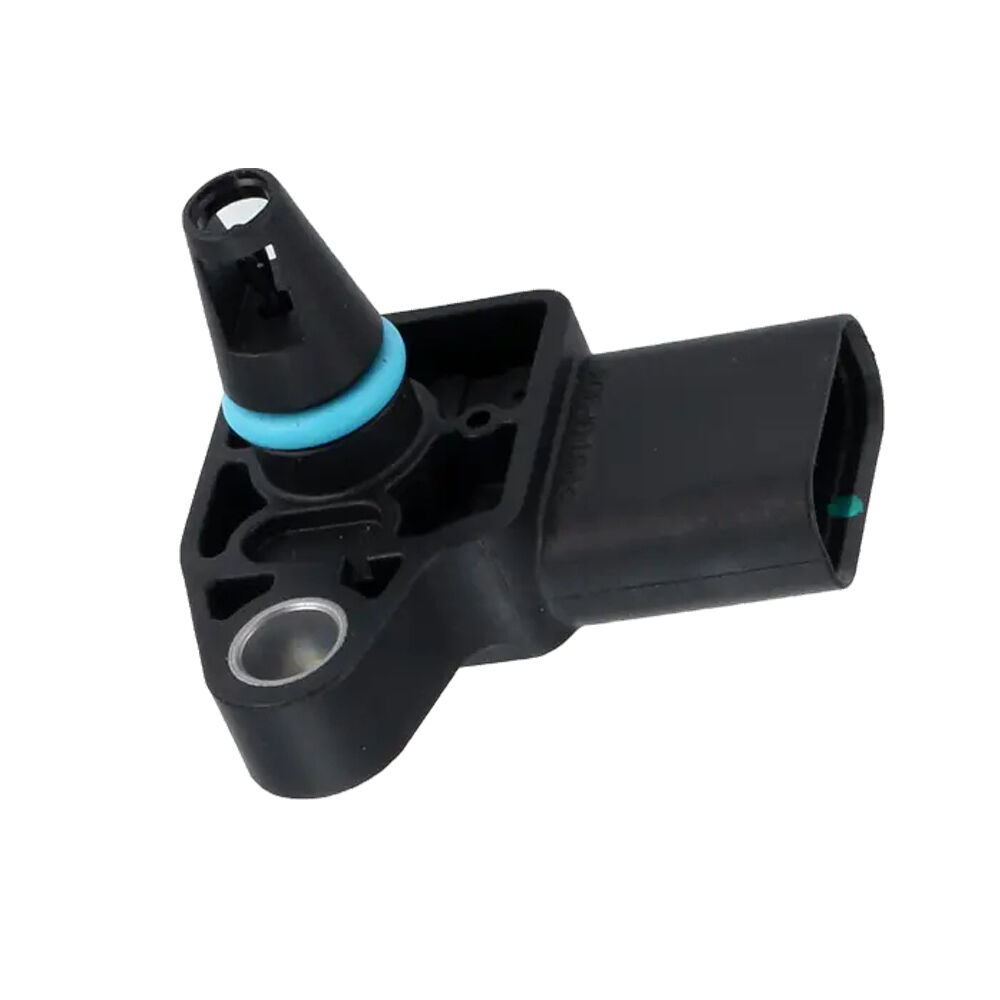
Modern motorcycle engines rely on precise electronic fuel injection systems to achieve optimal performance, fuel economy, and emissions control. At the heart of these systems lies the manifold absolute pressure sensor, commonly known as the MAP sensor, which serves as a critical data source for engine management computers. This electronic component continuously monitors the air pressure inside the intake manifold, providing real-time information that enables the engine control unit to make instantaneous adjustments to fuel delivery and ignition timing. Without accurate pressure readings from the MAP sensor, even the most sophisticated motorcycle engine cannot maintain the precise air-fuel ratio necessary for efficient combustion.
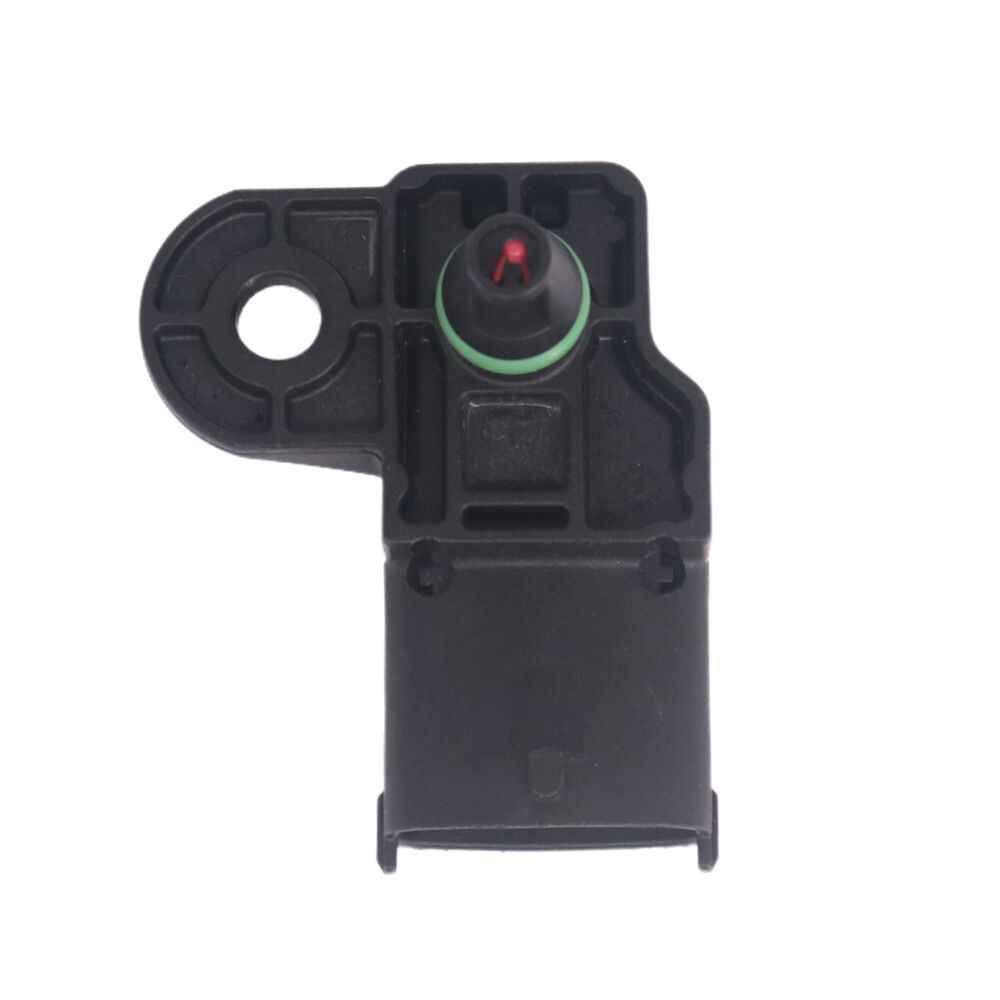
Understanding what makes a MAP sensor vital for motorcycle engine efficiency requires examining its fundamental role in the fuel injection system and how it directly influences combustion quality, throttle response, and overall engine performance. The sensor's ability to measure absolute pressure rather than relative pressure makes it particularly valuable for motorcycles that operate across varying altitudes and atmospheric conditions. This article explores the specific mechanisms through which the MAP sensor contributes to engine efficiency, the consequences of sensor degradation, and why this component represents one of the most critical elements in modern motorcycle engine management systems.
Fundamental Role of the MAP Sensor in Air-Fuel Ratio Management
Direct Measurement of Engine Load Through Pressure Sensing
The map sensor functions as the primary load-sensing device in speed-density fuel injection systems, which are commonly employed in motorcycle applications due to their reliability and cost-effectiveness. By measuring the absolute pressure within the intake manifold, the sensor provides the engine control unit with essential data about how much air is entering the combustion chambers. This pressure measurement directly correlates with engine load because higher throttle openings increase manifold pressure as more air flows into the engine. The ECU uses this pressure data along with engine speed information to calculate the mass of air entering each cylinder, which forms the foundation for determining the correct fuel injection quantity.
Unlike mass airflow sensors that measure air volume directly, the map sensor approach offers distinct advantages for motorcycle applications, particularly regarding sensor placement flexibility and reduced airflow restriction. The sensor can be mounted remotely from the intake tract and connected via a vacuum hose, eliminating any obstruction to incoming air. This design consideration becomes especially important for high-performance motorcycles where maintaining unrestricted airflow contributes significantly to engine breathing efficiency. The pressure-based measurement method also proves more resistant to contamination from oil vapors and dirt particles that can compromise other sensor types over extended service intervals.
Real-Time Compensation for Atmospheric Variations
A critical efficiency advantage provided by the map sensor stems from its ability to measure absolute pressure rather than gauge pressure, enabling automatic compensation for changes in atmospheric conditions. As motorcycles travel through different elevations or encounter varying weather patterns, the ambient air density changes significantly, affecting the mass of oxygen available for combustion. The map sensor continuously references both manifold pressure and barometric pressure to calculate the true air density entering the engine, allowing the ECU to adjust fuel delivery accordingly without requiring manual intervention or fixed altitude corrections.
This automatic altitude compensation proves particularly vital for maintaining engine efficiency across diverse riding conditions. At higher elevations where atmospheric pressure decreases, the map sensor signals the ECU to reduce fuel delivery proportionally to match the lower air density, preventing the rich fuel mixture that would otherwise occur. Conversely, at sea level or during high barometric pressure conditions, the sensor enables increased fuel delivery to maintain the stoichiometric ratio. This dynamic adjustment capability ensures that the engine operates at optimal efficiency regardless of environmental conditions, maximizing fuel economy while maintaining power output and minimizing harmful emissions that result from improper air-fuel ratios.
Integration with Multi-Parameter Engine Management
The map sensor functions as one component within a comprehensive network of sensors that collectively enable precise engine management. The ECU combines map sensor data with inputs from the throttle position sensor, engine temperature sensor, oxygen sensor, and crankshaft position sensor to create a complete picture of engine operating conditions. This multi-parameter approach allows the engine management system to differentiate between various operating scenarios that might produce similar manifold pressure readings but require different fuel and ignition strategies. For example, cold engine conditions with a specific manifold pressure demand richer fuel mixtures than fully warmed conditions at the same pressure level.
The integration of map sensor data with other sensor inputs enables sophisticated control strategies that optimize efficiency across the entire operating range. During acceleration, the rate of change in manifold pressure detected by the map sensor allows the ECU to recognize transient conditions and provide appropriate enrichment to prevent lean stumbles. During deceleration, the sensor's detection of high vacuum levels triggers fuel cut-off strategies that eliminate unnecessary fuel consumption. This coordinated sensor network, with the map sensor serving as a foundational data source, represents the technological foundation that makes modern motorcycle engines significantly more efficient than their carbureted predecessors.
Impact on Combustion Efficiency and Power Delivery
Precision Fuel Metering for Complete Combustion
The accuracy of map sensor measurements directly determines how precisely the ECU can meter fuel delivery to achieve complete combustion of the air-fuel mixture. Complete combustion represents the ideal scenario where all fuel molecules combine with oxygen to produce maximum energy release while generating minimal unburned hydrocarbons and carbon monoxide. Achieving this condition requires maintaining the air-fuel ratio within a narrow window around the stoichiometric point of 14.7:1 for gasoline engines. Even slight deviations from this optimal ratio result in measurable efficiency losses, as excess fuel remains unburned or insufficient fuel leaves excess oxygen that absorbs heat energy without contributing to power production.
The map sensor enables this precision by providing pressure data with resolution typically measured in single-digit kilopascal increments, allowing the ECU to detect subtle changes in engine load. This fine resolution translates to fuel delivery adjustments measured in fractions of a millisecond in injector opening time, ensuring that each combustion event receives the precise fuel quantity needed for complete burning. The resulting combustion efficiency improvement manifests as increased power output from the same fuel volume, reduced exhaust temperatures from more complete energy extraction, and lower emissions of partially burned fuel compounds that indicate incomplete combustion.
Ignition Timing Optimization Through Load Detection
Beyond fuel delivery, the map sensor contributes significantly to engine efficiency through its role in ignition timing control. The ECU uses manifold pressure data as a primary input for determining optimal spark advance at any given operating point. Higher manifold pressures indicating increased engine load typically require less ignition advance because the denser air-fuel mixture burns more rapidly, while lower pressures during light load conditions allow greater advance angles to compensate for slower flame propagation. This dynamic timing adjustment maximizes the conversion of fuel energy into mechanical work by ensuring that peak cylinder pressure occurs at the ideal crankshaft angle for pushing the piston downward.
The relationship between map sensor accuracy and ignition timing precision becomes particularly important at the extremes of the operating range. During full-throttle acceleration when manifold pressure approaches atmospheric levels, the sensor must accurately detect these high-pressure conditions to prevent excessive spark advance that could trigger destructive detonation. Conversely, during cruise conditions with high vacuum levels, precise pressure measurement allows the ECU to implement aggressive timing advance that improves thermal efficiency and fuel economy. The map sensor therefore serves as a critical safeguard against efficiency-robbing detonation while simultaneously enabling the timing strategies that maximize fuel economy during normal riding conditions.
Throttle Response Enhancement Through Predictive Control
The rapid response time of modern map sensor technology enables the engine management system to implement predictive control strategies that enhance throttle response while maintaining efficiency. When a rider opens the throttle, the map sensor detects the resulting pressure change within milliseconds, allowing the ECU to anticipate the incoming air charge and begin fuel delivery adjustments before the air actually reaches the combustion chambers. This predictive capability eliminates the throttle lag that plagued earlier fuel injection systems and ensures that the air-fuel ratio remains optimal even during rapid transient conditions.
Enhanced throttle response contributes to efficiency in several ways beyond the obvious performance benefits. Precise transient fueling prevents the momentary rich or lean excursions that waste fuel and increase emissions during acceleration and deceleration events. The improved engine response also allows riders to maintain desired speeds with less throttle manipulation, reducing the frequency of inefficient acceleration-deceleration cycles. Additionally, confident throttle response enables riders to select higher gears earlier, allowing the engine to operate at lower RPM ranges where mechanical friction losses consume a smaller percentage of the engine's power output, thereby improving overall drivetrain efficiency.
Efficiency Degradation from MAP Sensor Failure Modes
Performance Symptoms of Sensor Accuracy Deterioration
As a map sensor ages or becomes contaminated, its measurement accuracy gradually degrades, leading to progressive efficiency losses that may not trigger immediate diagnostic trouble codes. Early-stage sensor degradation typically manifests as slight shifts in the sensor's output voltage relative to actual manifold pressure, causing the ECU to consistently receive pressure readings that are higher or lower than reality. When the sensor reports artificially high pressure values, the ECU delivers excess fuel assuming greater engine load than actually exists, resulting in a persistently rich air-fuel mixture that wastes fuel, increases emissions, and can foul spark plugs over time.
Conversely, when sensor degradation causes artificially low pressure readings, the ECU underestimates engine load and delivers insufficient fuel for the actual air charge entering the cylinders. This lean condition reduces power output because not all available oxygen participates in combustion, forcing riders to open the throttle further to achieve desired performance. The resulting increased throttle opening raises actual manifold pressure even higher above what the faulty sensor reports, compounding the fueling error. Additionally, sustained lean operation increases exhaust temperatures and can cause internal engine damage over time, representing an efficiency loss that extends beyond immediate fuel consumption to encompass premature component wear and potential catastrophic failure.
Impact on Closed-Loop Fuel Control Systems
Most modern motorcycles employ closed-loop fuel control systems that use oxygen sensor feedback to trim fuel delivery and maintain optimal air-fuel ratios during steady-state operation. However, even these systems depend critically on accurate map sensor data because the base fuel calculation originates from the speed-density algorithm that uses manifold pressure as its primary input. When the map sensor provides erroneous pressure data, the closed-loop system must implement increasingly aggressive fuel trim corrections to compensate for the flawed base calculation, eventually reaching the limits of its correction authority.
Once fuel trim corrections reach their maximum values, the oxygen sensor can no longer compensate for the underlying map sensor error, and efficiency degradation becomes unavoidable. The engine management system typically responds by storing diagnostic trouble codes indicating that fuel trim values have exceeded normal ranges, alerting the rider to a systemic problem. However, substantial efficiency losses occur throughout the period when fuel trims are being pushed toward their limits, even before diagnostic codes appear. This gradual degradation pattern explains why many riders notice improved fuel economy and performance immediately after replacing a map sensor that had been slowly deteriorating over thousands of miles without triggering obvious fault symptoms.
Cold Start and Warm-Up Efficiency Penalties
The map sensor plays a particularly crucial role during cold start and engine warm-up phases when fuel atomization and vaporization occur less efficiently due to low intake tract temperatures. During these conditions, the ECU must provide enriched fuel mixtures to compensate for fuel condensation on cold intake surfaces and ensure adequate vaporized fuel reaches the combustion chambers. The degree of enrichment required depends partly on how accurately the map sensor reflects actual engine load, because the relationship between manifold pressure and actual air mass changes as intake air temperature varies.
A degraded map sensor that provides inaccurate pressure readings during cold conditions can cause the ECU to implement inappropriate enrichment levels, either flooding the engine with excess fuel or providing insufficient enrichment for reliable operation. Excessive cold enrichment results in substantial fuel waste during the warm-up period, which represents a significant portion of total fuel consumption for short trips where the engine never reaches full operating temperature. Insufficient enrichment causes rough running, hesitation, and increased wear from incomplete combustion deposits. Either scenario represents a significant efficiency penalty specifically attributable to map sensor accuracy during the critical cold-start phase when engines consume fuel at their highest rates relative to power output.
Design Characteristics That Enable Efficiency Optimization
Sensor Element Technology and Accuracy Specifications
Modern map sensor designs employ piezoresistive silicon sensing elements that offer exceptional accuracy, stability, and response time characteristics essential for maintaining engine efficiency. These semiconductor-based sensors use a thin silicon diaphragm that flexes in response to pressure differences, with embedded resistors that change their electrical resistance proportionally to the mechanical strain. This technology enables pressure measurement resolution on the order of 0.1 kPa across the typical operating range from high vacuum conditions around 20 kPa to atmospheric pressure near 100 kPa, providing the ECU with extremely detailed load information.
The accuracy specifications of quality map sensor designs typically guarantee linearity within 1-2% of the reading across the full pressure range and temperature compensation to maintain this accuracy from sub-zero cold starts to extreme underhood temperatures exceeding 125 degrees Celsius. This combination of precision and thermal stability proves essential for maintaining consistent efficiency because even small measurement errors translate directly to air-fuel ratio deviations. Additionally, premium sensor designs incorporate internal signal conditioning circuitry that provides temperature-compensated, amplified output signals that minimize electrical noise interference, ensuring that the ECU receives clean data even in the electrically harsh environment of a running motorcycle engine.
Response Time and Dynamic Performance Requirements
The dynamic response characteristics of the map sensor significantly influence how effectively the engine management system can maintain efficiency during transient operating conditions. High-quality sensors feature response times measured in single-digit milliseconds, enabling them to track rapid pressure changes that occur when riders quickly open or close the throttle. This fast response capability allows the ECU to detect load changes almost instantaneously and begin adjusting fuel delivery and ignition timing before cylinder filling completes, maintaining optimal air-fuel ratios even during aggressive throttle manipulation.
The importance of response time becomes particularly evident during high-RPM operation where engine events occur extremely rapidly. At 10,000 RPM, each engine cycle completes in just 12 milliseconds, leaving minimal time for the sensor to detect pressure changes, transmit data to the ECU, and implement control responses before the next intake stroke begins. Sensors with sluggish response times introduce delays that cause the engine management system to react based on outdated load information, resulting in momentary rich or lean excursions that degrade efficiency and performance. The map sensor must therefore combine high accuracy with rapid response to enable the real-time control precision that defines modern efficient engine operation.
Environmental Durability and Long-Term Stability
The harsh operating environment surrounding motorcycle engines demands that map sensor designs incorporate robust protection against contamination, moisture, vibration, and thermal cycling to maintain consistent accuracy over the vehicle's service life. Quality sensors feature sealed construction that prevents moisture intrusion and contamination of the sensing element while incorporating internal gel coatings that protect the delicate silicon diaphragm from mechanical damage. The electrical connector design must provide reliable contact resistance despite exposure to temperature extremes, engine vibration, and potential water spray from road conditions.
Long-term stability characteristics determine whether the map sensor will maintain its calibration accuracy through years of service or gradually drift out of specification, progressively degrading engine efficiency. Premium sensor designs undergo extensive testing to verify that their output characteristics remain within specification through thousands of thermal cycles, millions of pressure cycles, and exposure to fuel vapors and other contaminants present in the intake system environment. This durability focus ensures that the efficiency optimization enabled by precise pressure measurement continues throughout the motorcycle's operational life rather than degrading after initial break-in periods, providing sustained value from the sophisticated engine management technology.
FAQ
How does a faulty map sensor specifically affect fuel consumption rates?
A malfunctioning map sensor directly impacts fuel consumption by providing incorrect pressure data that causes the ECU to miscalculate the required fuel quantity. If the sensor reads artificially high pressure values, the ECU delivers excess fuel assuming greater engine load than actually exists, resulting in a rich mixture that wastes fuel without producing additional power. Conversely, a sensor reporting low pressure values causes lean operation that reduces power output, forcing riders to open the throttle further and ultimately consume more fuel to achieve desired performance. Studies of sensor failure cases document fuel economy degradation ranging from 10% to 30% depending on the severity of the sensor error, with the efficiency loss beginning gradually as sensor accuracy drifts and accelerating as the deviation increases.
Can a motorcycle engine operate without a functioning map sensor?
Most modern fuel-injected motorcycles cannot operate properly without a functioning map sensor because the engine management system lacks alternative methods to determine engine load for fuel delivery calculations. When the map sensor fails completely, the ECU typically enters a limp-home mode that uses fixed fuel delivery values based on throttle position and engine speed alone, ignoring actual air density and load conditions. This emergency operation mode allows the motorcycle to run but with severely compromised performance, poor fuel economy, rough idle quality, and limited power output. Some advanced systems may substitute throttle position sensor data and estimate load based on rate of throttle change, but this approach cannot match the accuracy of direct pressure measurement and results in noticeably degraded efficiency and driveability.
What maintenance practices help preserve map sensor accuracy over time?
Maintaining map sensor accuracy primarily involves preventing contamination of the sensing element and ensuring clean electrical connections. Regular inspection of the vacuum hose connecting the sensor to the intake manifold helps identify cracks or deterioration that could admit moisture or debris into the sensor. Keeping the air filter properly maintained prevents excessive dust and contaminants from entering the intake system where they might eventually reach the map sensor. Avoiding the use of excessive oil on aftermarket air filters prevents oil contamination of the sensor element, which can coat the silicon diaphragm and alter its response characteristics. Periodic cleaning of the electrical connector with appropriate contact cleaner and application of dielectric grease helps maintain reliable signal transmission between the sensor and ECU, preventing intermittent connection issues that might be mistaken for sensor failure.
How do altitude changes affect map sensor operation and engine efficiency?
Altitude changes directly affect map sensor operation because atmospheric pressure decreases approximately 12% per 1000 meters of elevation gain, significantly reducing the air density available for combustion. The map sensor's absolute pressure measurement capability allows it to automatically detect these changes and signal the ECU to reduce fuel delivery proportionally, maintaining the correct air-fuel ratio without requiring manual adjustments. At high altitudes, the sensor reads both lower manifold pressure during operation and lower ambient pressure for its barometric reference, enabling the ECU to calculate that less oxygen is available per unit volume and adjust fueling accordingly. This automatic compensation preserves engine efficiency across elevation changes, though absolute power output necessarily decreases at altitude due to reduced air density regardless of proper fuel metering.